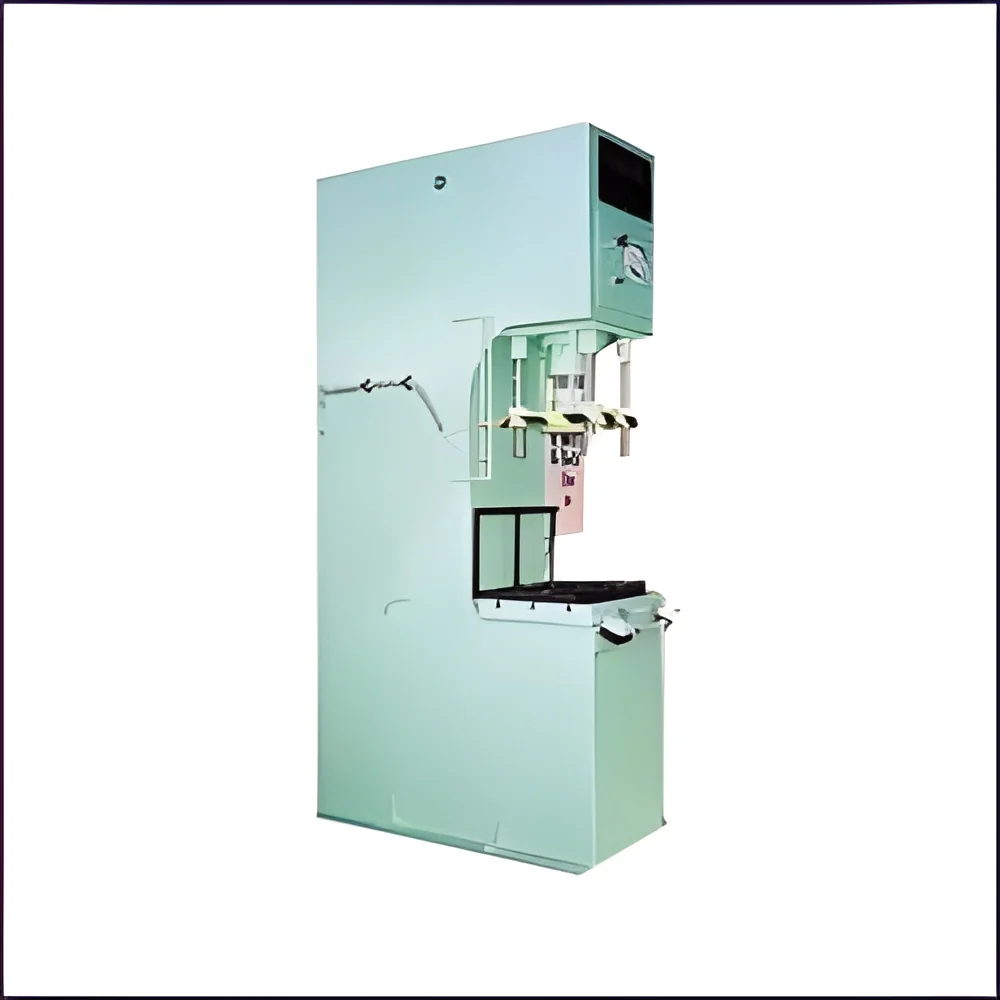
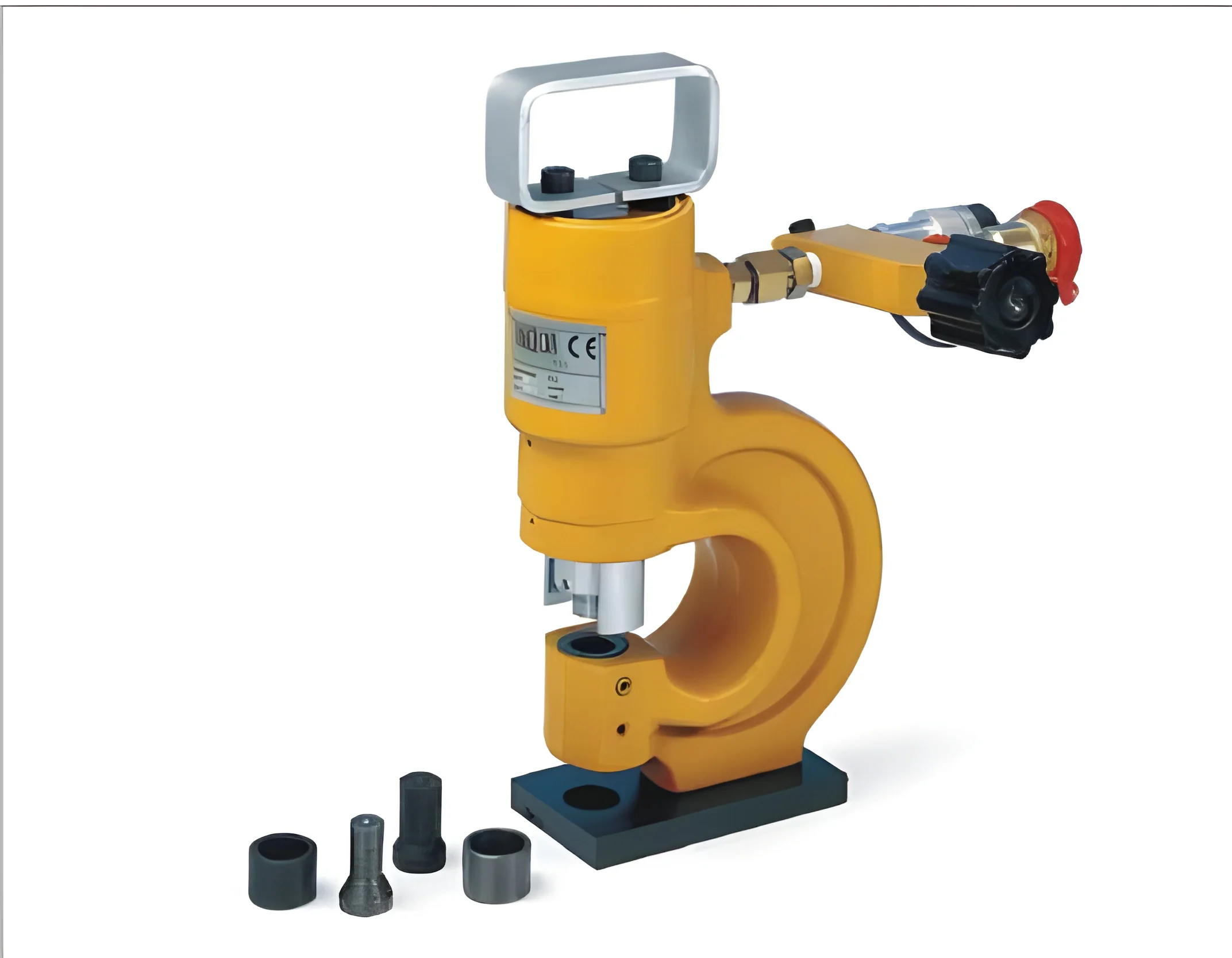
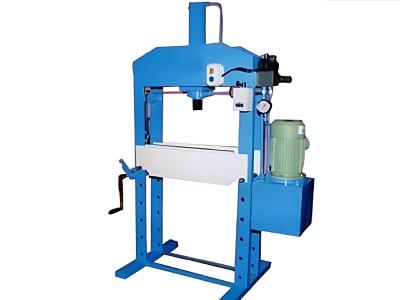
What are Hydraulic Punching Machines?
Hydraulic punching machines are powerful tools designed for punching holes in various materials using hydraulic force. These machines utilize hydraulic cylinders to generate high-pressure force, enabling them to punch through metals, plastics, and other rigid materials with precision and efficiency. The hydraulic system allows for greater force output while maintaining a compact and manageable machine size, making them suitable for diverse industrial applications.
These machines are predominantly used in metalworking, fabrication, and manufacturing processes. Common applications include creating holes for fasteners, fittings, and other assembly components. Industries such as automotive, aerospace, and construction frequently employ hydraulic punching machines to enhance efficiency and productivity in their operations. The hydraulic technology not only increases the speed of production but also improves the quality of the finished product by ensuring clean, accurate cuts.
As the demand for automation and advanced manufacturing processes continues to rise, hydraulic punching machines remain relevant in the market. They are increasingly integrated with automated systems and controls for enhanced functionality, making them a vital component in modern manufacturing environments.
Key Features and Specifications
Hydraulic punching machines come equipped with a variety of features that enhance their performance and usability. Understanding these specifications can help businesses choose the right machine for their needs. Here are some key specifications:
1. Punching Capacity
- Determines the maximum thickness of material the machine can punch through.
- Typically ranges from 1 mm to 20 mm, depending on the model.
2. Operating Pressure
- Refers to the hydraulic pressure required to operate the machine effectively.
- Common operating pressures can range from 60 to 150 tons.
3. Stroke Length
- Indicates the distance the punch travels to complete a punching action.
- Stroke lengths usually vary between 50 mm to 200 mm.
4. Punching Speed
- The speed at which the machine can perform a punching operation.
- Typical speeds range from 10 to 30 strokes per minute.
5. Machine Weight
- The total weight of the machine, which can affect portability and installation.
- Weight may range from 200 kg to 1000 kg or more.
6. Dimensions
- The physical size of the machine, affecting space requirements.
- Dimensions can vary significantly based on the design and capabilities.
7. Control System
- Type of control system used to operate the machine, which may include manual or CNC options.
- CNC systems offer more precision and automation features.
8. Safety Features
- Includes emergency stop buttons, safety guards, and overload protection.
- Essential for ensuring operator safety during operation.
In summary, hydraulic punching machines are characterized by their punching capacity, operating pressure, stroke length, and other specifications that cater to various industrial applications.
Common Applications and Use Cases
Hydraulic punching machines find application across numerous industries due to their versatility and efficiency.
1. Automotive: These machines are used to create precise holes in metal sheets for vehicle assembly, including body panels and structural components.
2. Aerospace: They are essential for manufacturing parts with precise specifications, such as brackets and fittings critical to aircraft safety.
3. Construction: Hydraulic punching machines help create holes in structural steel and other materials for beams, columns, and other construction components.
4. Electrical: Used to punch holes in panels for electrical enclosures and junction boxes, enabling efficient wire management and installation.
5. HVAC: Commonly employed to create openings in ductwork and other HVAC components for efficient airflow management.
6. Shipbuilding: Essential in the construction of ships, allowing for precise hole creation in metal plates used in hulls and superstructures.
7. Metal Fabrication: Widely utilized in workshops to produce parts for various applications, improving overall production efficiency.
Product Variants and Subcategories
Hydraulic punching machines come in various configurations to suit different industrial needs.
Portable Hydraulic Punching Machine
This variant is designed for mobility, allowing operators to easily transport the machine to different job sites. It offers a compact design without sacrificing power, making it ideal for on-site applications.
CNC Hydraulic Punching Machine
Equipped with computer numerical control, this machine provides automated punching capabilities. It allows for increased precision, repeatability, and programming of complex punching patterns, making it suitable for high-volume production.
Heavy-Duty Hydraulic Punching Machine
Designed for demanding applications, this variant can handle thicker materials and higher punching capacities. It is ideal for industries that require robust and reliable machinery for heavy fabrication tasks.
Hydraulic Punching Machine with Multiple Punching Stations
This design features multiple punching heads that can operate simultaneously, significantly increasing productivity. It is particularly beneficial for large-scale manufacturing environments.
Benefits and Advantages
Investing in hydraulic punching machines offers several advantages for businesses in various sectors.
1. Enhanced Precision: Hydraulic punching machines provide accurate and consistent hole placement, ensuring high-quality finished products.
2. Increased Efficiency: These machines operate quickly, reducing production time and improving overall workflow in manufacturing processes.
3. Versatility: Capable of handling a wide range of materials and thicknesses, hydraulic punching machines can adapt to different applications with ease.
4. Reduced Labor Costs: Automation features in modern hydraulic punching machines minimize the need for manual labor, leading to cost savings.
5. Improved Safety: Equipped with various safety features, these machines reduce the risk of accidents, protecting operators during use.
6. Long-Term Durability: Built with robust materials and advanced engineering, hydraulic punching machines are designed for longevity and reliable performance.
Buying Guide for B2B Buyers
When sourcing hydraulic punching machines, it is essential for buyers to consider several key factors to ensure they make informed purchasing decisions.
1. Quality Assessment: Evaluate the quality of the machine based on manufacturer reputation, customer reviews, and performance history. Look for machines that meet industry standards for durability and reliability.
2. Supplier Verification: Conduct thorough research on potential suppliers to ensure they have a track record of delivering quality products. Request references and check certifications to confirm their credibility.
3. Pricing and MOQ: Understand the pricing structure and minimum order quantities (MOQ) stipulated by suppliers. Compare quotes from multiple vendors to find competitive pricing without compromising quality.
4. Delivery and Lead Times: Assess the supplier's ability to meet delivery schedules. Reliable lead times are critical for planning production and avoiding delays.
5. Compliance Requirements: Ensure that the hydraulic punching machines comply with relevant industry standards and regulations. Familiarize yourself with safety and environmental compliance to avoid legal issues.
Compliance and Certifications
Hydraulic punching machines are subject to various quality standards and certifications that ensure their safety and performance. Key standards include ISO 9001, which relates to quality management systems, ensuring that manufacturers maintain high quality in their processes.
In addition to ISO certifications, machines may also hold industry-specific certifications such as UL and CE. UL certification ensures that the machines meet safety standards for electrical equipment, while CE certification indicates compliance with European health, safety, and environmental protection requirements.
Adhering to safety and testing requirements is crucial for manufacturers to guarantee the reliability of their machines. Regular testing and adherence to safety protocols help prevent accidents and ensure operator safety.
Regional compliance considerations may vary, and businesses should research local regulations to ensure their hydraulic punching machines meet specific requirements in their operational regions.
Why Source Hydraulic Punching Machines from Pepagora?
Pepagora provides a trusted platform for sourcing hydraulic punching machines, offering numerous advantages to B2B buyers.
Verified Supplier Network: Pepagora ensures that all suppliers in its network are thoroughly vetted for quality and reliability. Buyers can trust that they are dealing with reputable manufacturers who adhere to industry standards.
Streamlined RFQ Process: The platform simplifies the request for quotation (RFQ) process, allowing buyers to easily compare prices and specifications from multiple suppliers. This efficiency helps buyers make faster and more informed decisions.
Trade Assurance and Support: Pepagora offers trade assurance to protect buyers’ investments. This includes support throughout the purchasing process, ensuring that any issues are addressed promptly.
Regional Coverage: With a strong presence in India, the GCC, and Southeast Asia, Pepagora enables buyers to access a wide range of hydraulic punching machines suited to their local markets. This regional focus ensures that buyers can find machines that meet their specific needs and compliance requirements.

 IN
IN