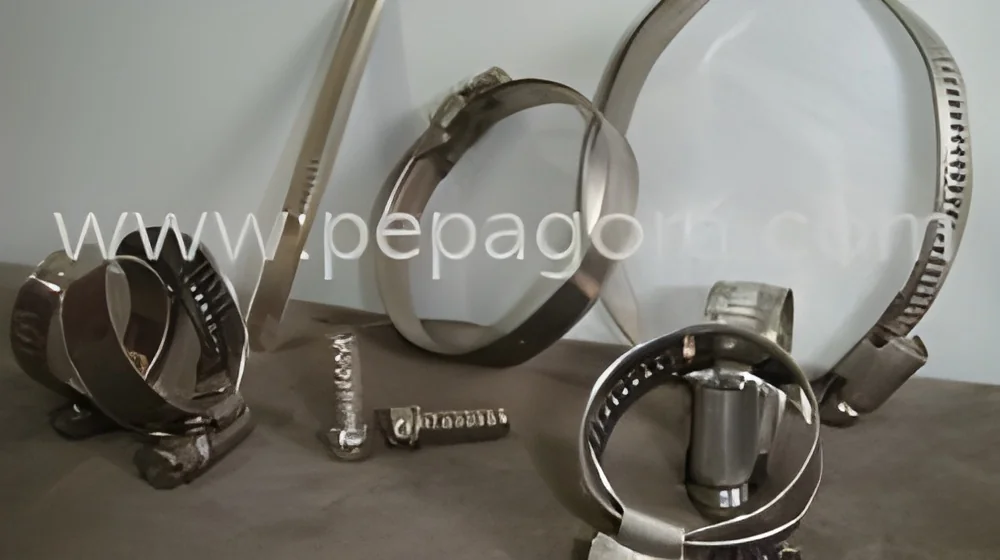
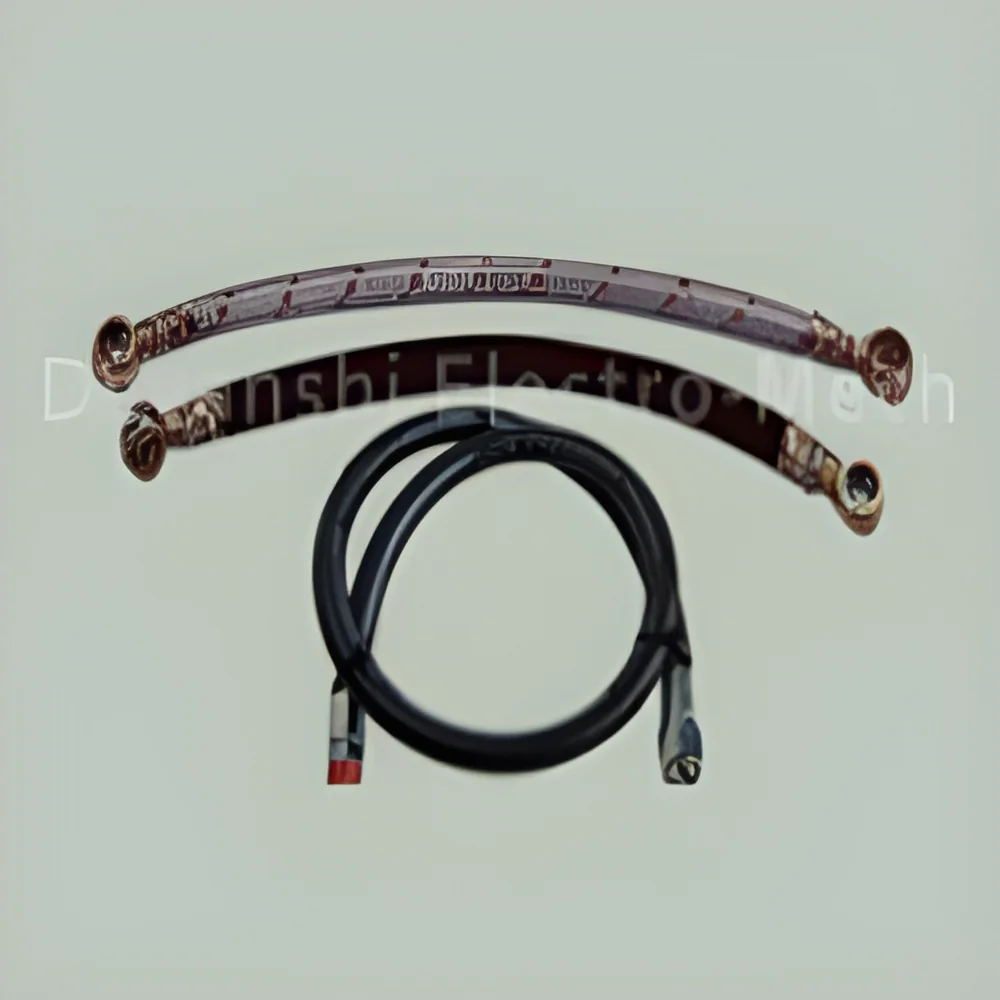
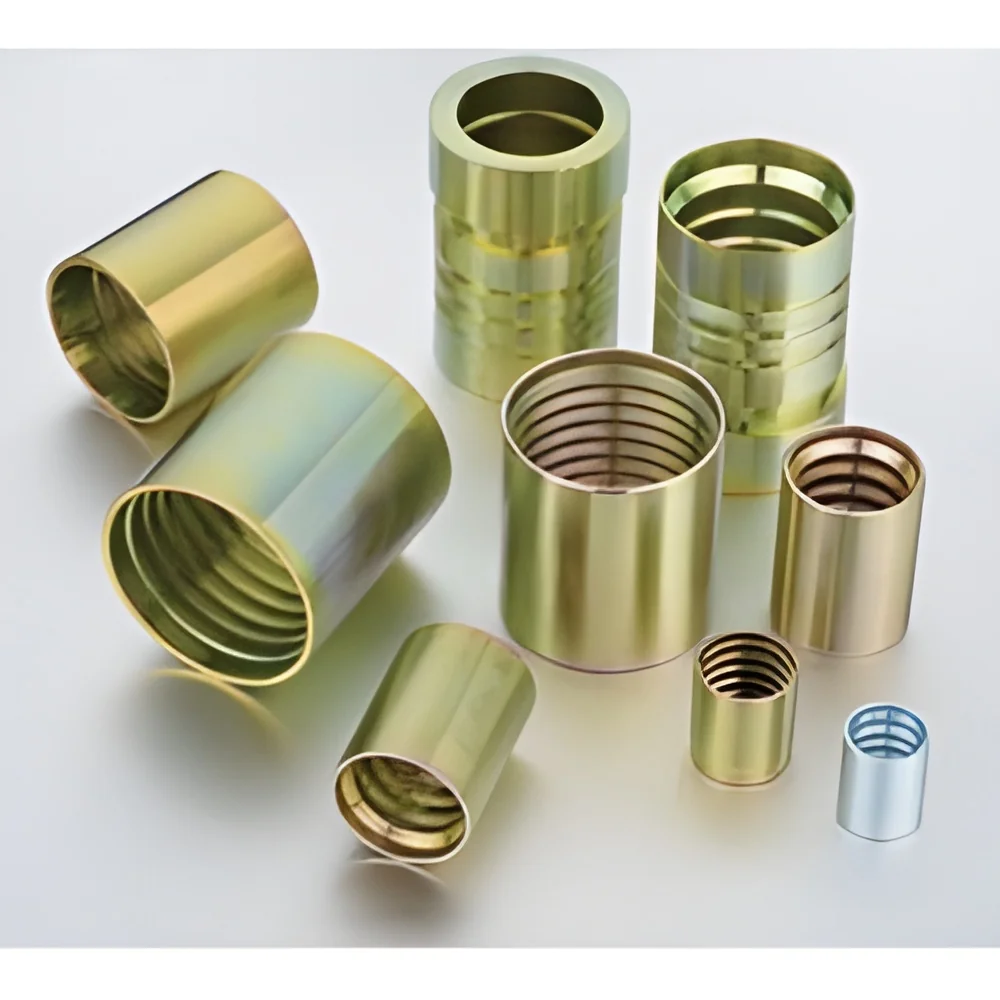
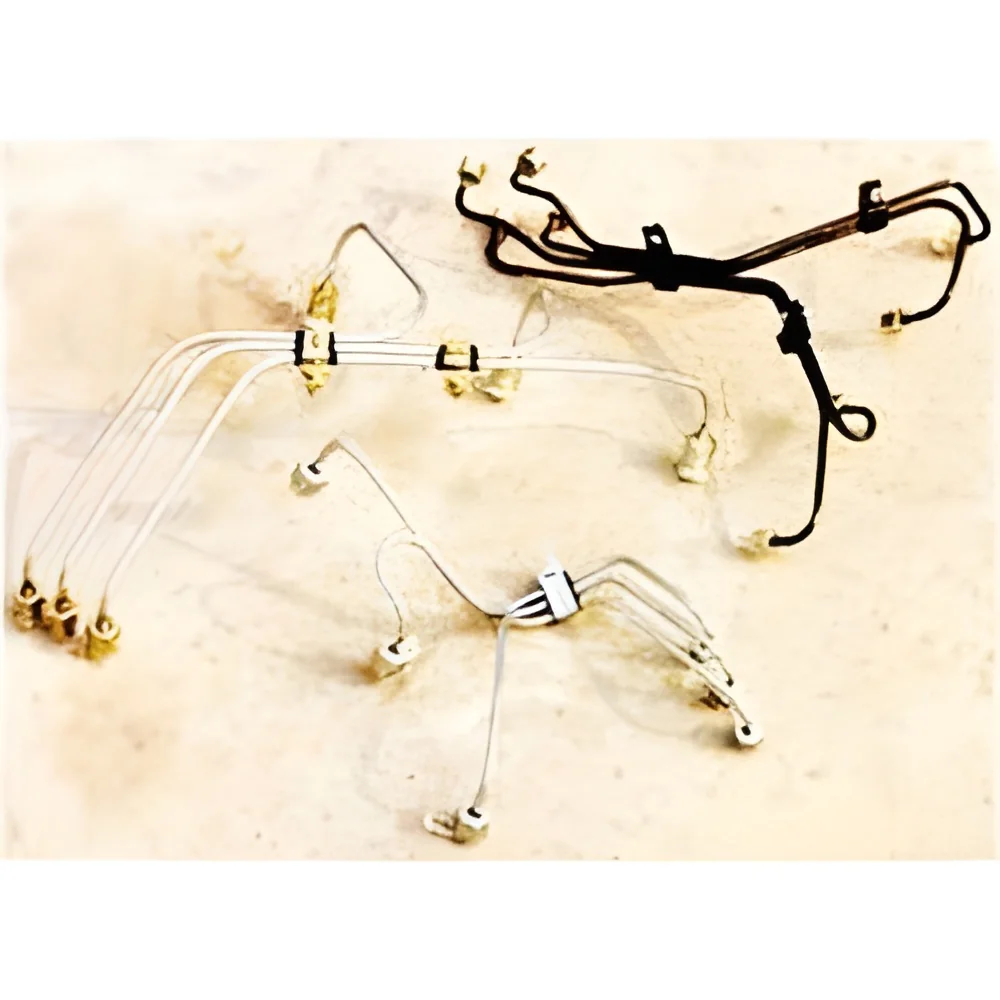
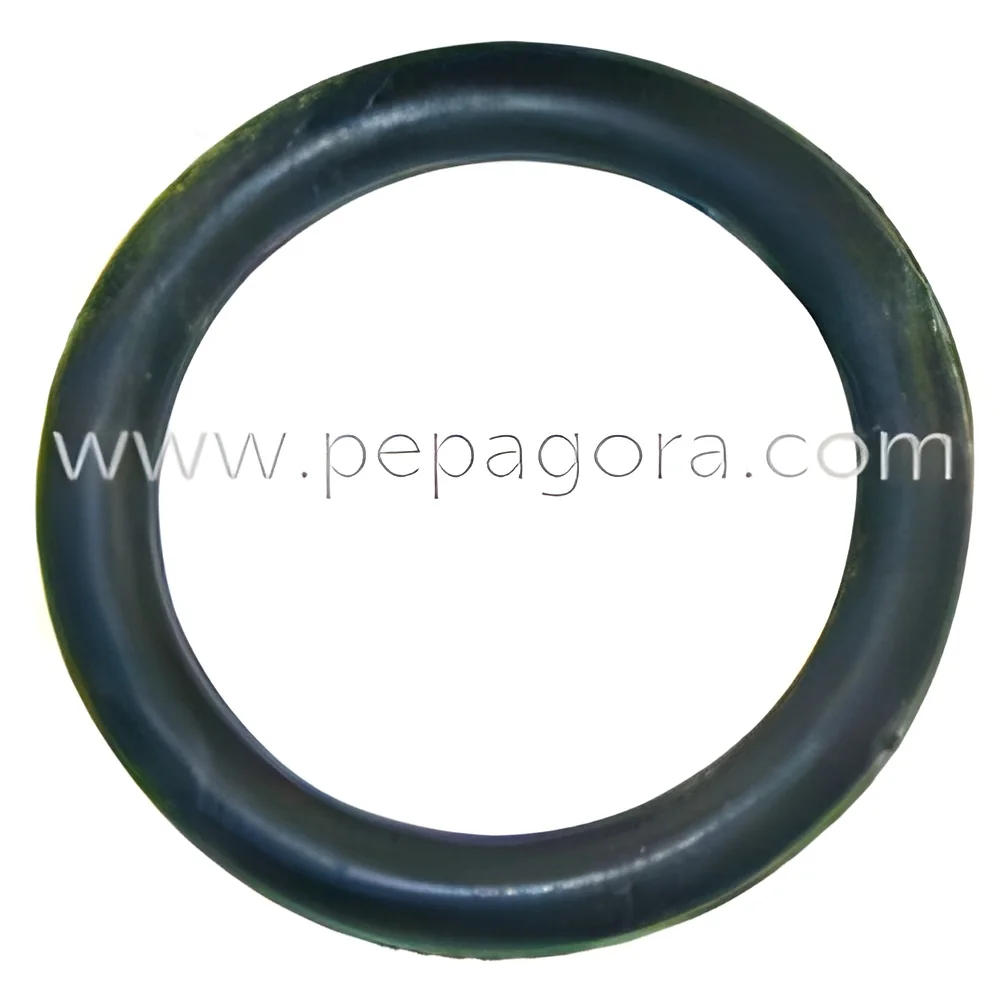
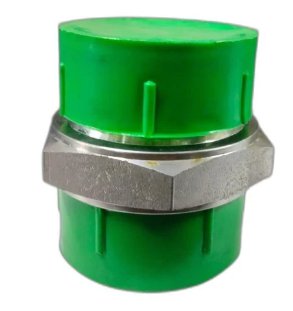
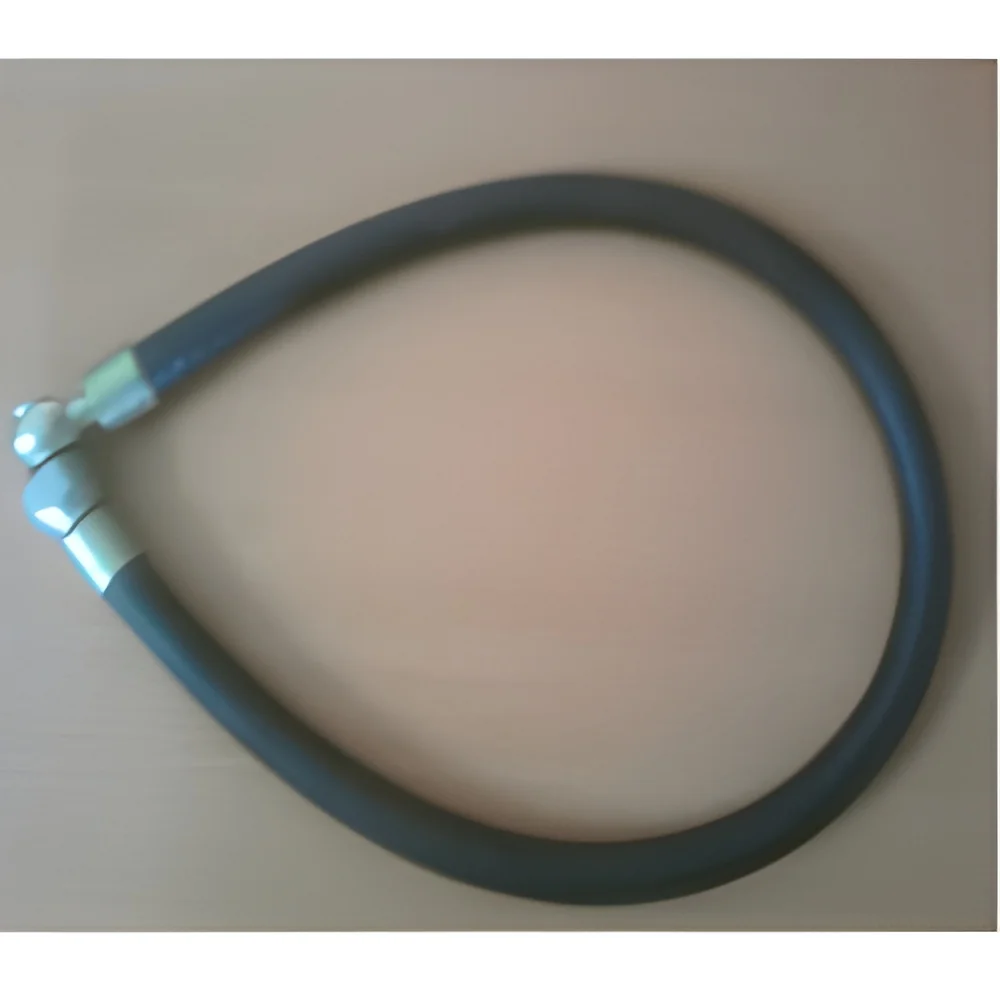
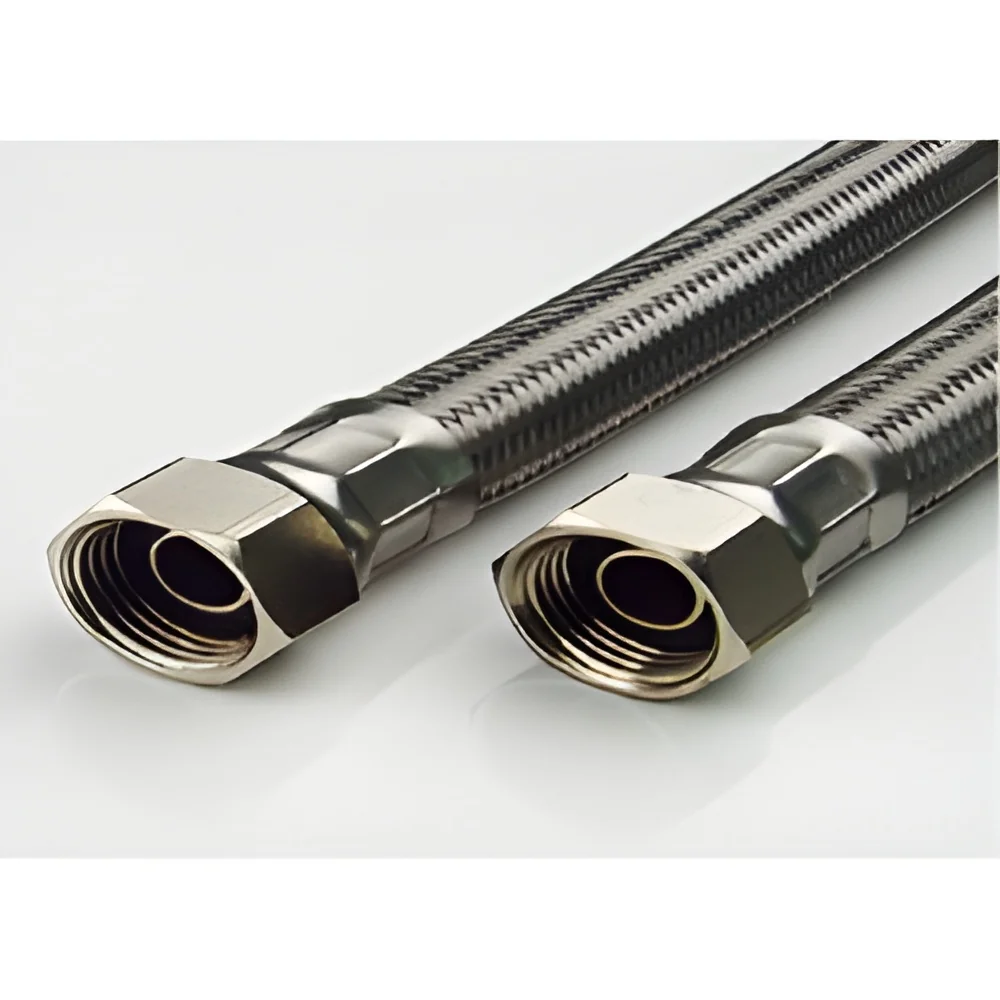
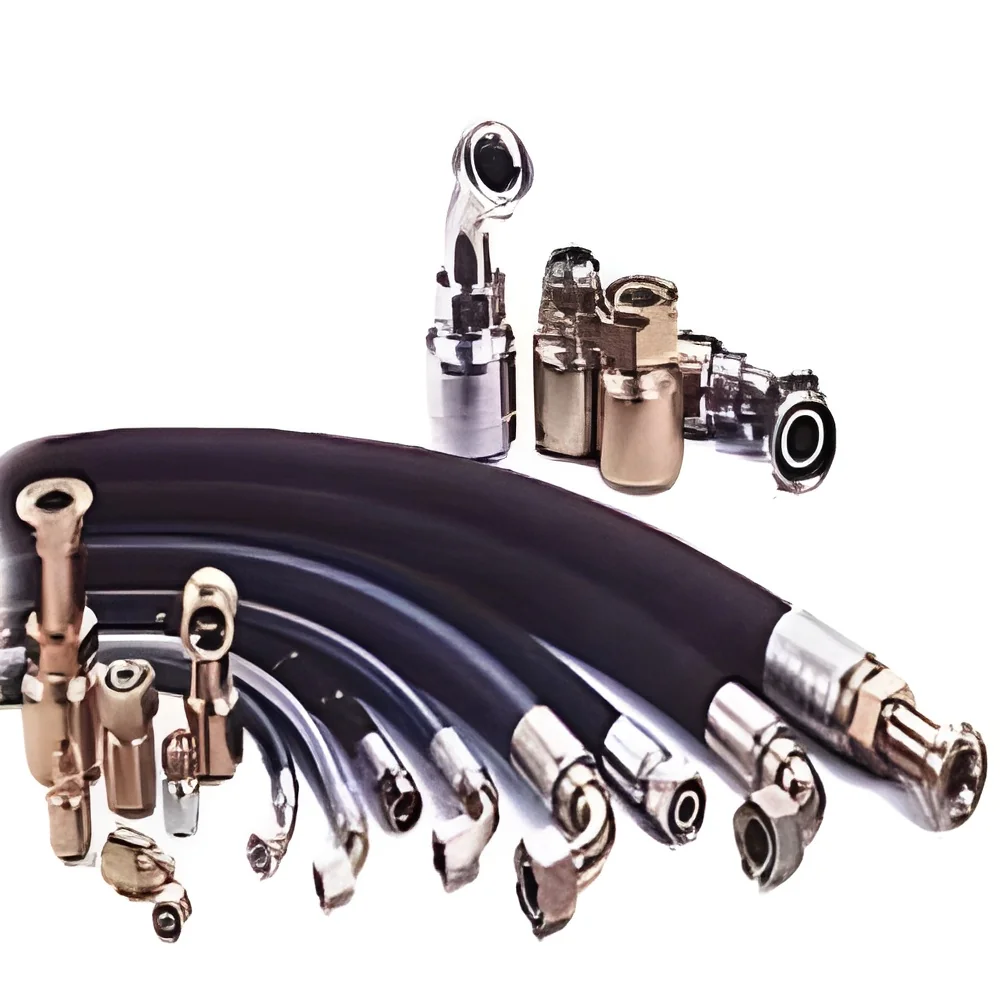
What are Hydraulic Hoses & Fittings?
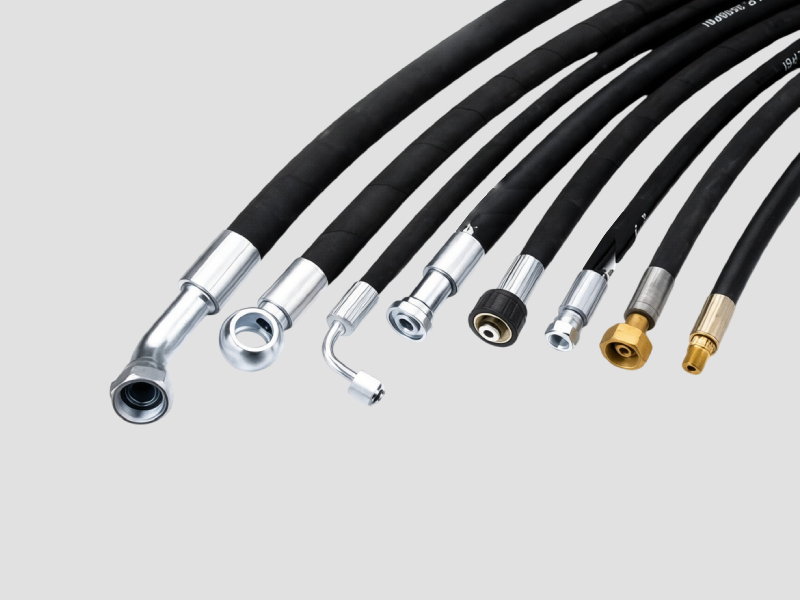
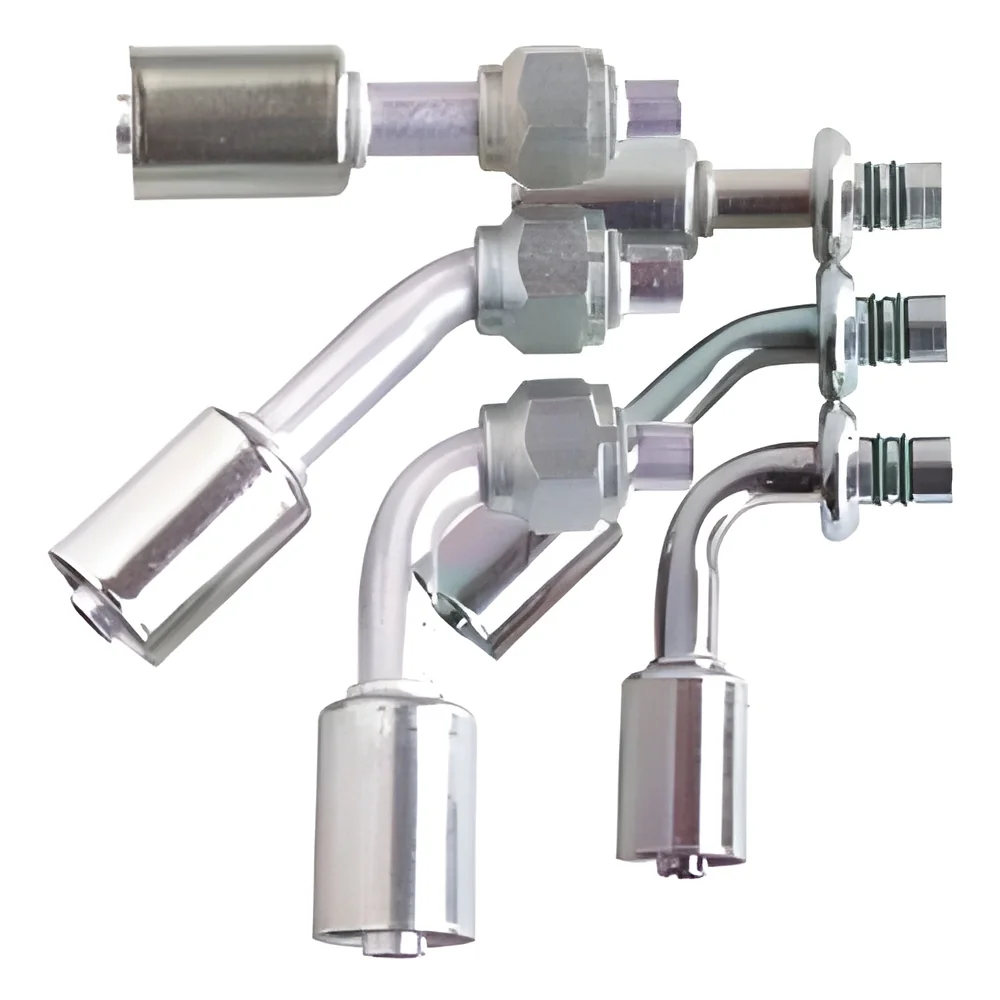
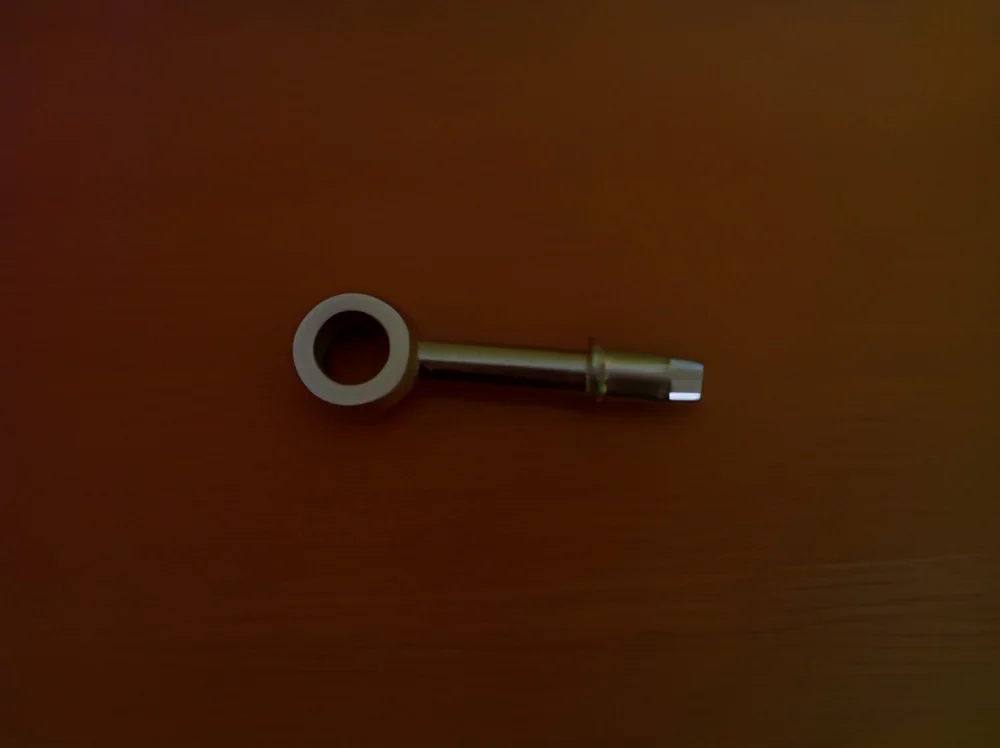
Hydraulic hoses and fittings are essential components in hydraulic systems, designed to transport hydraulic fluid under high pressure. These hoses are typically made from durable materials such as rubber or thermoplastic, reinforced with layers of steel or synthetic fibers to resist pressure and wear. Fittings connect hoses to other components, ensuring a tight seal to prevent leaks and maintain system efficiency.
These products are widely used across various industries, including construction, agriculture, manufacturing, and automotive. Hydraulic hoses and fittings facilitate the operation of machinery and equipment, providing power for tasks ranging from lifting and moving heavy loads to operating hydraulic tools. The relevance of hydraulic hoses and fittings continues to grow in today’s market, driven by the increasing demand for automation and efficient machinery operation.
Key Features and Specifications
Hydraulic hoses and fittings come with a range of features and specifications to meet diverse industrial needs. Understanding these specifications is crucial for selecting the right components for specific applications.
Key specifications include:
1. Material Composition
- Typically made from rubber or thermoplastic
- Reinforced with steel or synthetic fibers
2. Pressure Rating
- Indicates the maximum pressure the hose can withstand
- Ranges from low pressure (up to 300 psi) to ultra-high pressure (over 10,000 psi)
3. Temperature Range
- Operating temperatures may vary widely
- Common ranges are from -40°F to 212°F
4. Hose Diameter
- Available in various diameters
- Common sizes range from 1/4 inch to 2 inches
5. Fitting Type
- Includes various designs such as JIC, NPT, and SAE
- Ensures compatibility with different hydraulic systems
6. Bend Radius
- Minimum bend radius is crucial for maintaining hose integrity
- Typically ranges from 3 to 12 times the hose diameter
7. Length Options
- Available in standard lengths or custom lengths
- Common lengths range from 3 feet to 100 feet
8. Compliance Standards
- Adheres to industry standards such as SAE and ISO
- Ensures quality and safety in applications
In summary, understanding the key features and specifications of hydraulic hoses and fittings is vital for choosing the correct products for specific industrial requirements.
Common Applications and Use Cases
Hydraulic hoses and fittings are utilized in various applications across multiple industries.
1. Construction: Hydraulic hoses are used in excavators, bulldozers, and cranes to power lifting and digging equipment, ensuring efficiency on construction sites.
2. Agriculture: These components facilitate the operation of tractors and harvesters, providing power for attachments such as plows and seeders.
3. Manufacturing: Hydraulic systems in assembly lines rely on hoses and fittings to move materials and operate machinery, enhancing production speed.
4. Automotive: Hydraulic hoses are essential in braking systems, power steering, and lifts, ensuring vehicle safety and operational efficiency.
5. Mining: Used in drilling equipment, hydraulic hoses help transport fluids necessary for extraction processes, maintaining high performance under pressure.
6. Marine: Hydraulic hoses are critical for operating deck machinery and steering systems on ships, ensuring reliable performance in harsh environments.
7. Oil and Gas: Hydraulic systems in drilling rigs depend on robust hoses and fittings to manage high-pressure fluids crucial for extraction.
Product Variants and Subcategories
Hydraulic hoses and fittings come in various types to suit specific applications and environments.
High-Pressure Hoses: Designed to withstand extreme pressure, these hoses are ideal for heavy-duty applications in construction and mining. They feature reinforced construction to prevent blowouts.
Thermoplastic Hoses: Lightweight and flexible, these hoses are suitable for applications requiring maneuverability. They are often used in mobile equipment and applications with limited space.
Reusable Fittings: These fittings can be disassembled and reused, making them a cost-effective solution for maintenance and repairs. They are especially beneficial in environments where hoses are frequently replaced.
Specialty Hoses: This category includes hoses designed for specific applications, such as oil and fuel transfer. They are made with materials that resist chemical degradation.
Benefits and Advantages
Choosing the right hydraulic hoses and fittings provides numerous advantages for businesses.
1. Enhanced Efficiency: Optimally designed hoses and fittings improve fluid flow and pressure, leading to better system performance.
2. Durability: Quality materials and construction ensure long service life, reducing the frequency of replacements and maintenance.
3. Safety: High-quality components reduce the risk of leaks and failures, enhancing workplace safety for operators and equipment.
4. Versatility: Hydraulic hoses and fittings are available in various sizes and specifications, making them adaptable for different applications and industries.
5. Cost-Effectiveness: Investing in durable products minimizes downtime and maintenance costs, providing long-term savings.
6. Compliance: Sourcing certified hoses and fittings ensures adherence to industry standards, reducing regulatory risks.
Buying Guide for B2B Buyers
When sourcing hydraulic hoses and fittings, it is essential to consider several key factors to ensure the best fit for your operations.
1. Quality Assessment: Evaluate the materials and construction methods used in the hoses and fittings. Look for certifications and compliance with industry standards to ensure reliability.
2. Supplier Verification: Vet potential suppliers by checking their reputation, customer reviews, and certifications. A verified supplier network provides peace of mind in your procurement process.
3. Pricing and MOQ: Understand the pricing structure and minimum order quantities required by suppliers. This information helps in budget planning and inventory management.
4. Delivery and Lead Times: Consider logistics and shipping times when placing orders, as timely delivery is crucial for maintaining operational efficiency.
5. Compliance Requirements: Ensure that the products meet all necessary regulatory standards for your industry. This can include safety, environmental, and quality compliance.
Compliance and Certifications
Hydraulic hoses and fittings must adhere to various quality standards and industry certifications to ensure safety and performance.
ISO 9001 is a widely recognized standard that outlines quality management systems. Compliance with this standard indicates that the supplier has established processes to ensure consistent quality and customer satisfaction.
Certifications such as UL and CE demonstrate that the products have undergone rigorous testing for safety and performance. These certifications are crucial for industries where reliability and safety are paramount.
Safety standards also dictate testing requirements for hydraulic hoses and fittings. Regular inspections and testing ensure that products can withstand expected pressures and conditions.
Regional compliance considerations may vary, and it is essential to understand local regulations that could affect the procurement and usage of hydraulic components.
Why Source Hydraulic Hoses & Fittings from Pepagora?
Pepagora offers a reliable platform for sourcing hydraulic hoses and fittings, providing several key advantages for businesses.
Verified Supplier Network: Pepagora connects buyers with a network of verified suppliers. Each supplier undergoes thorough vetting to ensure quality and reliability in their products.
Streamlined RFQ Process: The request for quotation process is designed for efficiency, allowing buyers to easily compare offers from multiple suppliers, ensuring they get the best value.
Trade Assurance and Support: Pepagora provides buyer protection through its trade assurance program. This offers peace of mind, ensuring that transactions are secure and that buyers receive the products as described.
Regional Coverage: With a strong presence in India, the GCC, and Southeast Asia, Pepagora facilitates access to local and international suppliers, enhancing procurement options for businesses in diverse locations.

 IN
IN