IN
IN₹
Apparel & Fashion
Description
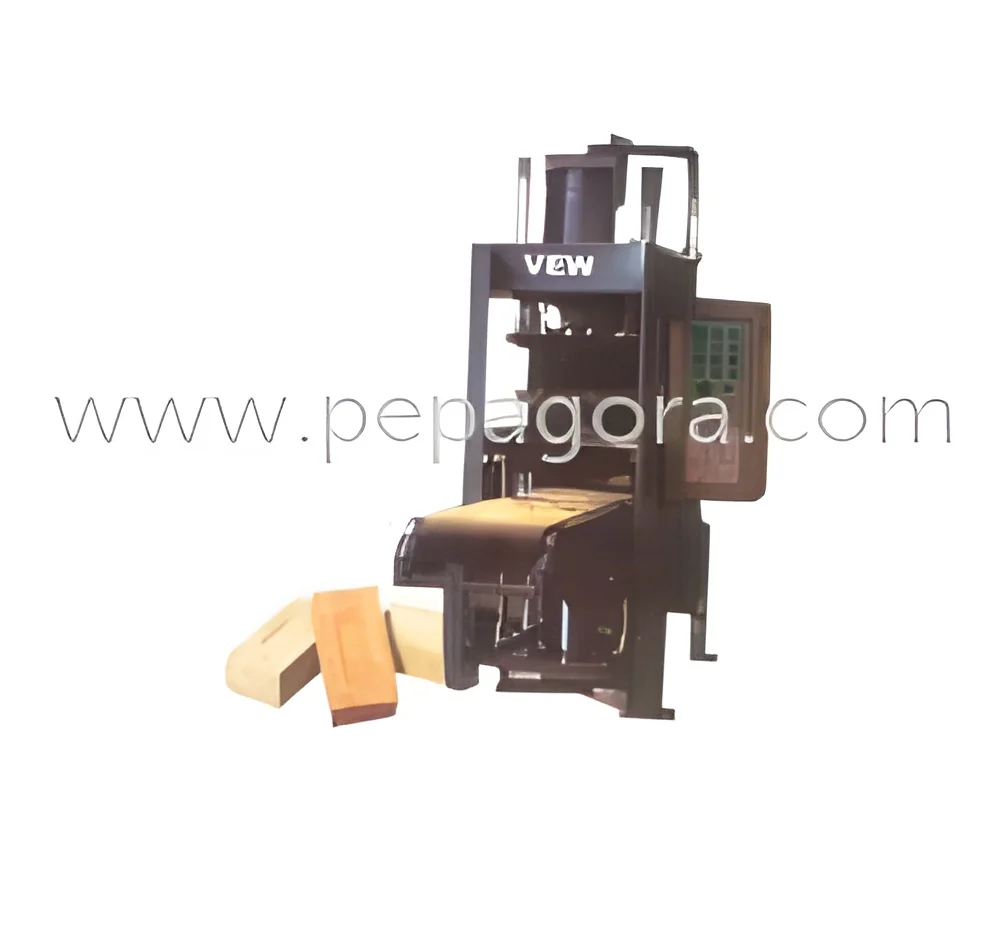
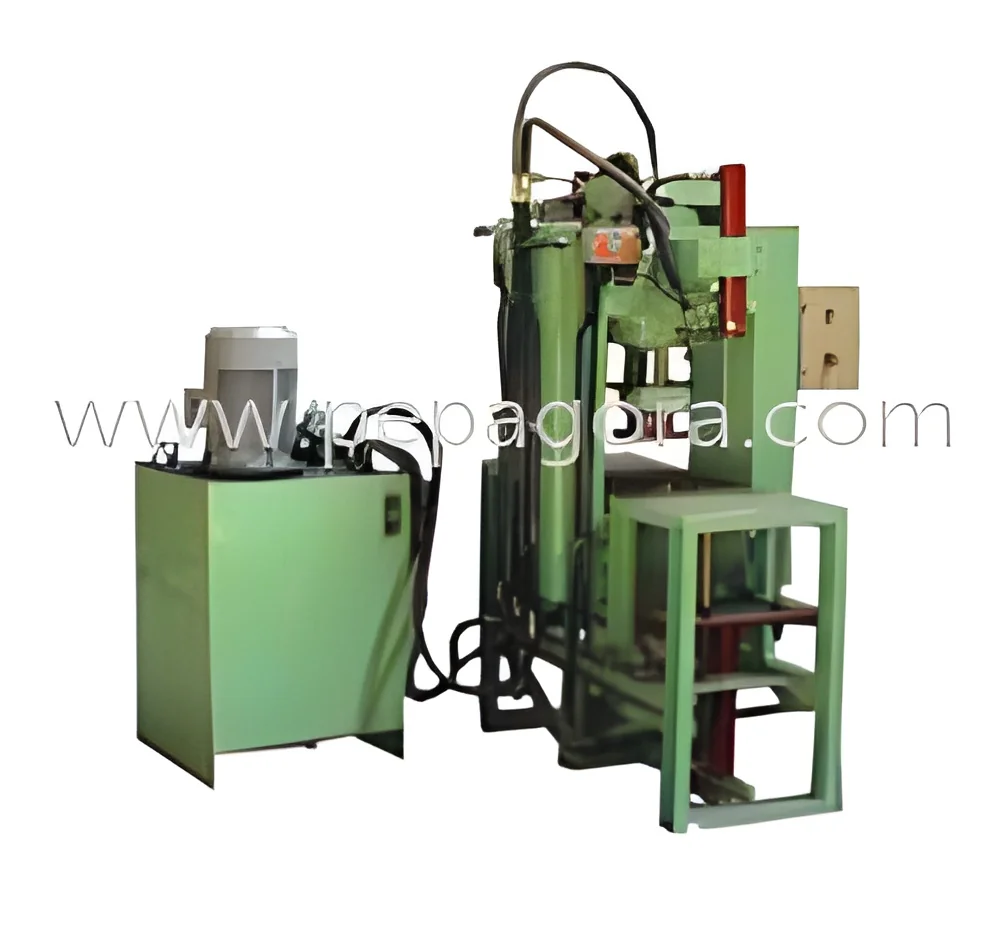
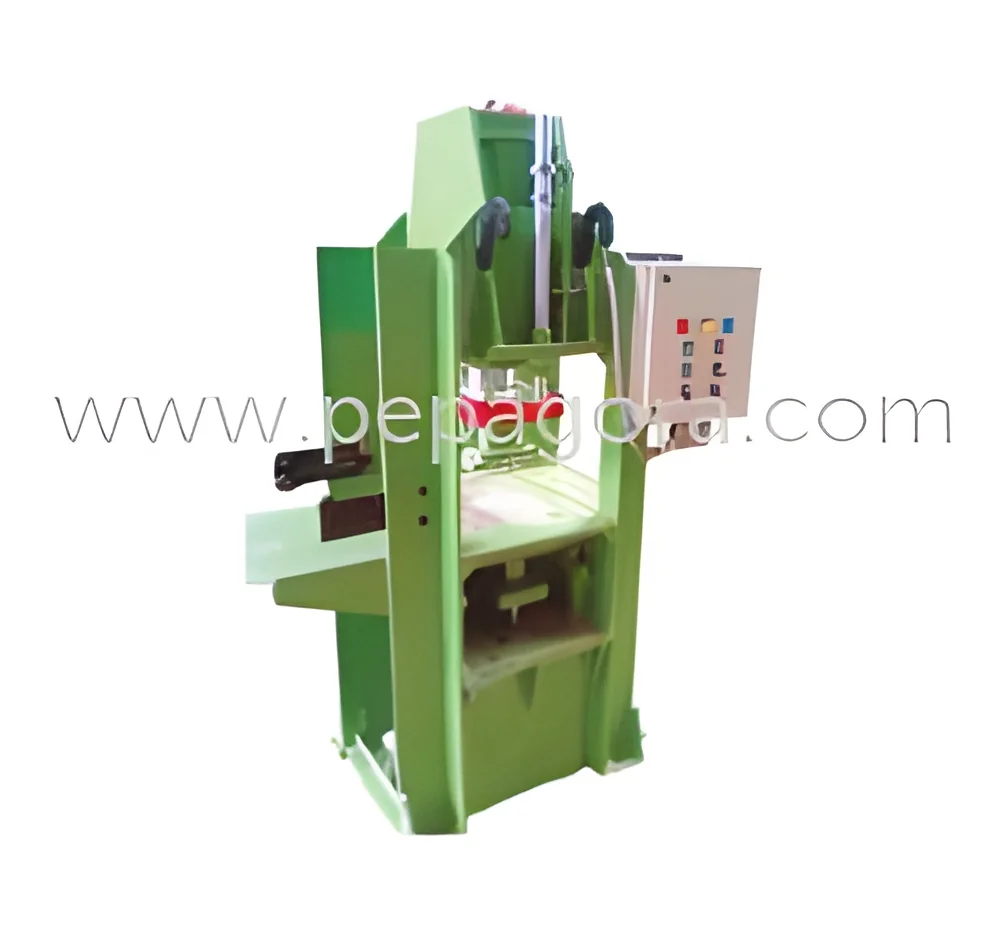
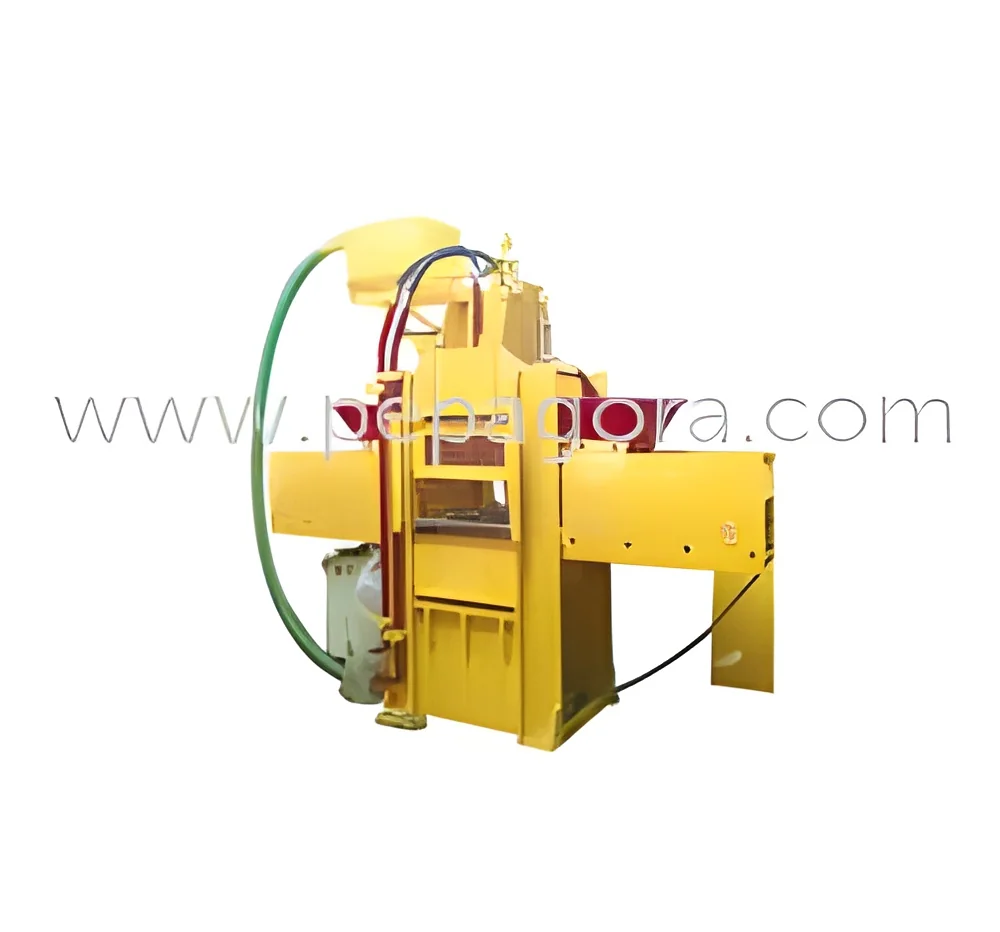
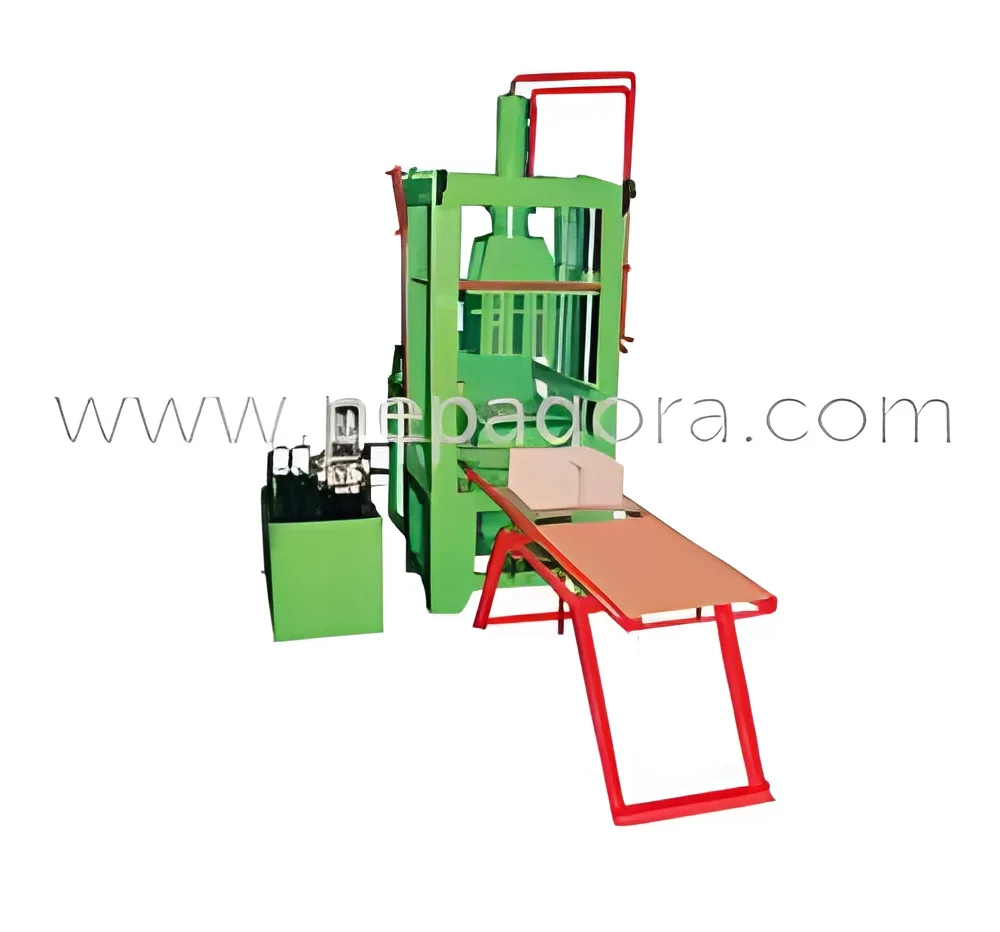
The Industrial Vibratory Hydraulic Press represents advanced engineering for material compaction and forming processes. This robust machine integrates hydraulic pressure with controlled vibratory action to achieve superior material density and uniformity across various substances. Designed specifically for industrial environments, it handles materials ranging from metal powders and ceramic compounds to composite blends and specialized polymers. The press eliminates air pockets and inconsistencies during compaction, ensuring each finished product meets exact specifications with reliable structural integrity. Built with durability as a priority, it offers long service life with minimal maintenance requirements, supporting continuous production operations without significant downtime.

Multiple industries rely on this press for critical manufacturing applications where material properties determine product performance. Automotive manufacturers utilize it extensively for producing brake sy...
The Industrial Vibratory Hydraulic Press represents advanced engineering for material compaction and forming processes. This robust machine integrates hydraulic pressure with controlled vibratory action to achieve superior material density and uniformity across various substances. Designed specifically for industrial environments, it handles materials ranging from metal powders and ceramic compounds to composite blends and specialized polymers. The press eliminates air pockets and inconsistencies during compaction, ensuring each finished product meets exact specifications with reliable structural integrity. Built with durability as a priority, it offers long service life with minimal maintenance requirements, supporting continuous production operations without significant downtime.

Multiple industries rely on this press for critical manufacturing applications where material properties determine product performance. Automotive manufacturers utilize it extensively for producing brake system components, clutch plates, and powder metal parts that require precise density and strength characteristics. Aerospace companies employ the press for creating lightweight composite materials that must meet rigorous safety standards while maintaining structural integrity. In construction material production, it forms durable bricks, tiles, and specialized building components with enhanced load-bearing capabilities. The electronics sector depends on its precision for manufacturing ceramic substrates, insulators, and components that ensure reliable performance in sensitive devices. Additionally, specialized manufacturing operations use it for advanced materials requiring consistent compaction properties.

This vibratory hydraulic press delivers substantial business value through enhanced production efficiency and consistent output quality. Its reliable operation reduces material waste and minimizes rework, directly lowering operational costs while improving throughput. The machine's robust construction and engineering ensure dependable performance even in demanding production environments, contributing to a strong return on investment through reduced maintenance and extended service life. By producing components with uniform density and structural integrity, it helps manufacturers meet stringent industry standards and customer specifications consistently. This reliability fosters trust with clients and supports long-term business relationships built on quality assurance. For serious manufacturers aiming to optimize their processes, this press represents a strategic investment in production capability and competitive advantage.

Key Features:
- Combines hydraulic pressure with controlled vibratory action for uniform material compaction
- Engineered for durability with robust construction suitable for industrial environments
- Precise control systems allow adjustable pressure and vibration settings for optimal results
- Designed for easy integration into existing production lines with minimal setup requirements
- Handles diverse materials including metal powders, ceramics, composites, and polymers

Benefits:
- Achieves consistent product quality through uniform density and elimination of voids
- Reduces material waste and rework through reliable, repeatable compaction processes
- Enhances production efficiency with minimal downtime and maintenance requirements
- Supports compliance with industry standards through precise, controlled manufacturing
- Provides long-term reliability and strong return on investment for manufacturing operations
Specifications
| Additional Information | |
|---|---|
| Country of Origin | India |
Application
The Industrial Vibratory Hydraulic Press excels in applications requiring precise material consolidation and shaping. By combining hydraulic force with controlled vibration, it achieves uniform density and eliminates voids in materials like metal powders, ceramic compounds, and composite blends. This process ensures structural integrity and consistent quality in finished components, making it indispensable for high-stakes manufacturing where material properties directly impact performance and safety.
This versatile press serves multiple sectors with diverse production needs. In automotive manufacturing, it forms brake pads and powder metal parts with exact specifications. Aerospace applications utilize it for lightweight composite components requiring strict adherence to safety standards. The construction industry benefits from producing durable bricks and tiles, while electronics manufacturing relies on its precision for ceramic substrates and insulators. Its adaptability across materials and industries makes it a valuable asset for enhancing production capabilities and output quality.
- Manufacturing automotive brake pads and clutch plates with consistent density and durability
- Producing powder metal components for engine parts and transmission systems
- Forming ceramic insulators and electronic substrates for reliable device performance
- Creating composite materials for aerospace components requiring lightweight strength
- Compacting construction materials like specialized bricks and tiles for enhanced durability
Trade Details
| Available Stock | In Stock |
| Sample Availability | No |
Payment Terms
| Payment Terms |
|
Company Profile
Vishwakarma Engineering Works, Gujarat
 Gujarat, India
Gujarat, IndiaIndustrial Equipment & Machinery•Manufacturer•Distributor / Wholesaler•Importer / Exporter
Factory Details
Factory SizeBelow 1000 sqm
Annual Production Capacity0
Industrial Vibratory Hydraulic Press For Compaction And Forming
Industrial Vibratory Hydraulic Press delivers high-performance compaction and forming for powder metals, ceramics, and composites. Engineered for reliability and precision, this robust machine ensures uniform density and consistent quality for demanding manufacturing applications.
Min. Order Quantity: 1 unit
Shipping
Shipping fee and delivery date to be negotiated. Contact supplier now for more details.
Vishwakarma Engineering Works
 Gujarat, India
Gujarat, IndiaIndustrial Equipment & MachineryManufacturer