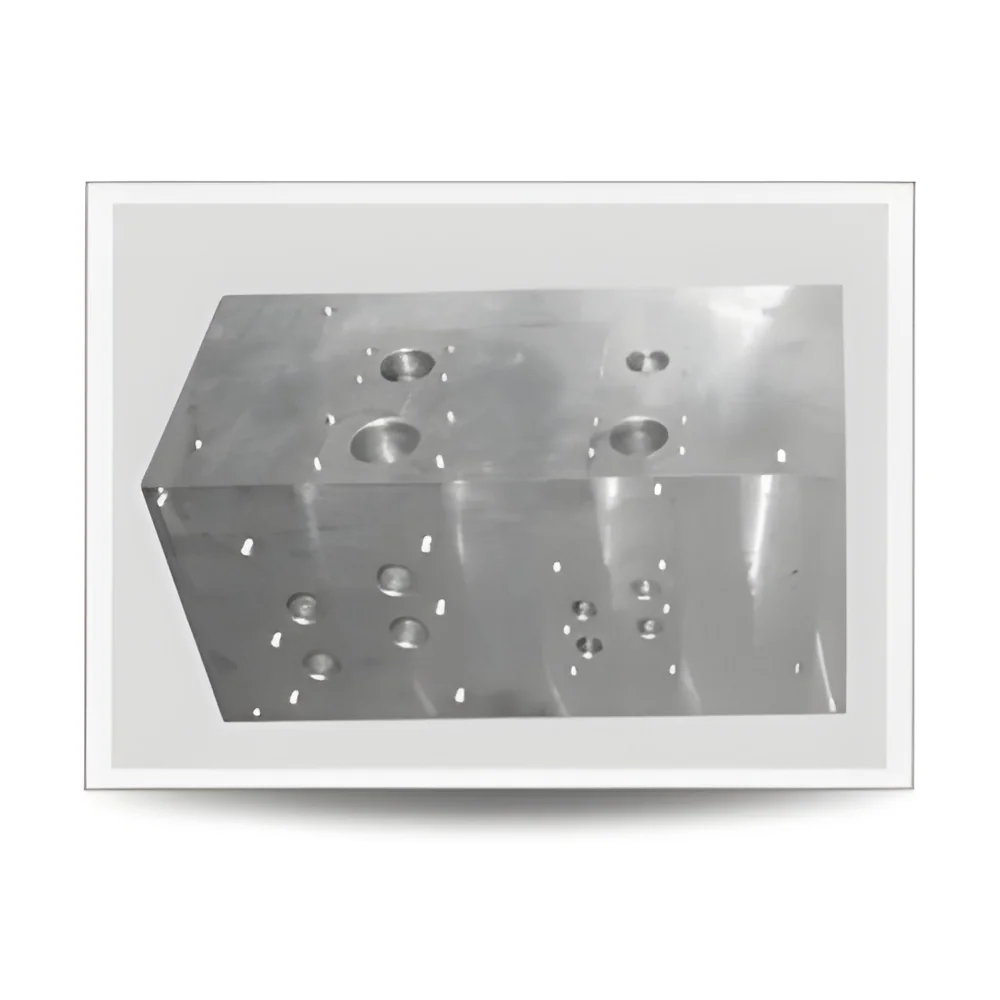
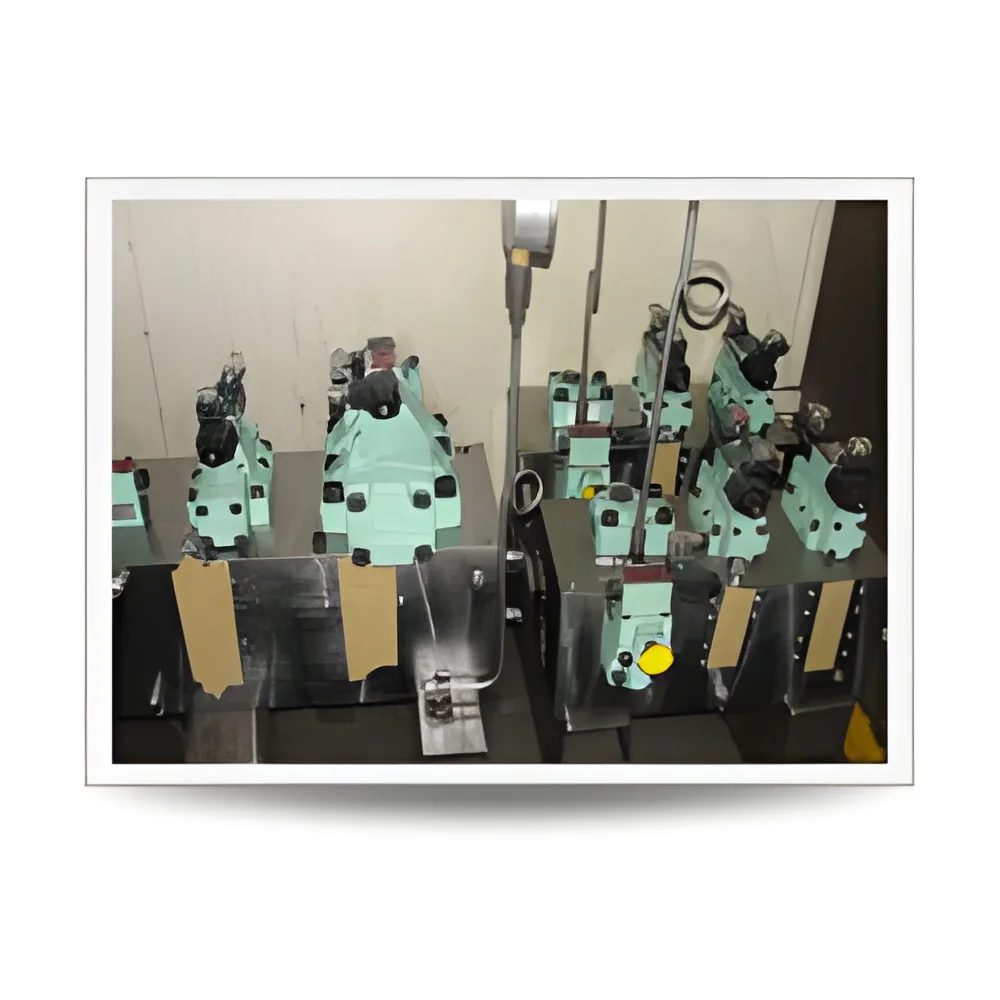
What are Hydraulic Manifolds?
Hydraulic manifolds are critical components in hydraulic systems, designed to control the flow of hydraulic fluid. They serve as a central hub for connecting various hydraulic components, such as pumps, valves, and actuators. By directing flow and pressure, hydraulic manifolds enhance the efficiency and functionality of hydraulic systems. They are typically constructed from durable materials like steel or aluminum to withstand high pressures and harsh environments.
Hydraulic manifolds are widely used in multiple sectors, including manufacturing, automotive, and construction. Their primary applications include controlling hydraulic circuits, managing fluid distribution, and ensuring safety in automated systems. The relevance of hydraulic manifolds in various industries is underscored by their ability to improve system performance, reduce maintenance costs, and enhance safety protocols. As industries continue to evolve, the demand for high-quality hydraulic manifolds remains strong, reflecting their importance in modern engineering solutions.
Key Features and Specifications
Hydraulic manifolds come with a variety of features and specifications that cater to different industrial needs. They are designed to provide optimal performance while ensuring reliability and safety. When considering hydraulic manifolds, it is essential to understand their key specifications.
Key specifications include:
1. Material
- Commonly made from steel or aluminum
- Offers strength and durability in high-pressure environments
2. Port Configuration
- Various port sizes and arrangements
- Ensures compatibility with different hydraulic components
3. Pressure Rating
- Designed to handle specific pressure levels
- Typical ranges include up to 5000 psi or more
4. Flow Capacity
- Measured in liters per minute (LPM)
- Determines the volume of fluid that can pass through the manifold
5. Temperature Range
- Suitable for operating in various temperature conditions
- Specific ranges can vary based on material and design
6. Customization Options
- Availability of bespoke designs to meet unique requirements
- Options for additional features like monitoring ports
7. Surface Finish
- Anodized or painted finishes for corrosion resistance
- Enhances the longevity of the manifold
8. Compliance Standards
- Often adheres to international standards like UL and CE
- Ensures safety and quality in manufacturing
In summary, understanding the features and specifications of hydraulic manifolds is essential for selecting the right product for specific applications. They offer flexibility, efficiency, and durability across various industries.
Common Applications and Use Cases
Hydraulic manifolds are utilized across numerous industries, showcasing their versatility and vital role in hydraulic systems.
1. Manufacturing: In manufacturing, hydraulic manifolds are used to control machinery and equipment, facilitating automated processes and improving production efficiency.
2. Automotive: In the automotive sector, they manage hydraulic systems in vehicles, including braking systems and power steering, ensuring reliable operation and safety.
3. Construction: Hydraulic manifolds play a crucial role in construction equipment like excavators and cranes, controlling the flow of hydraulic fluid to various attachments and systems.
4. Agriculture: They are used in agricultural machinery to optimize the performance of equipment such as tractors and harvesters, enhancing productivity.
5. Marine: In marine applications, hydraulic manifolds control systems for steering, lifting, and other operations, ensuring smooth and safe functionality.
6. Aerospace: They manage hydraulic systems in aircraft, ensuring precise control over various mechanisms, including landing gear and wing flaps.
7. Oil and Gas: In the oil and gas industry, hydraulic manifolds are used in drilling rigs and extraction equipment, providing essential control and safety.
Product Variants and Subcategories
Hydraulic manifolds come in various designs to cater to specific industrial needs and applications.
Standard Hydraulic Manifolds
These manifolds offer a straightforward design for general applications, providing reliable flow control and pressure management in multiple systems.
Custom Hydraulic Manifolds
These manifolds are tailored to meet the unique specifications of a particular application. They can be designed with specific ports, pressure ratings, and additional features for enhanced functionality.
Modular Hydraulic Manifolds
These systems allow for easy expansion and modification. They are ideal for applications where future upgrades or changes in hydraulic circuits may be necessary.
Compact Hydraulic Manifolds
Designed for space-constrained environments, these manifolds provide efficient fluid control without taking up excessive space. They are commonly used in mobile equipment and tight spaces.
Benefits and Advantages
Choosing hydraulic manifolds offers numerous benefits that enhance operational efficiency and safety.
1. Improved Efficiency: Hydraulic manifolds optimize fluid flow, reducing energy consumption and enhancing overall system performance.
2. Space-Saving Design: Their compact configurations can save valuable space in machinery and equipment, allowing for better design flexibility.
3. Enhanced Safety: By managing hydraulic flows effectively, these manifolds contribute to safer operations in high-pressure environments.
4. Customization: Many hydraulic manifolds can be customized to meet specific requirements, allowing businesses to tailor solutions to their needs.
5. Reduced Maintenance: The robust design of hydraulic manifolds leads to lower maintenance needs, saving time and costs in the long run.
6. Compatibility: They are compatible with a wide range of hydraulic components, making integration into existing systems straightforward.
Buying Guide for B2B Buyers
When sourcing hydraulic manifolds, several key factors should be considered to ensure the best fit for your needs.
1. Quality Assessment: Evaluate the manufacturing quality by checking certifications and standards compliance. This can include looking for ISO certifications or adherence to industry-specific regulations.
2. Supplier Verification: It is crucial to vet potential suppliers for reliability and reputation in the market. Look for reviews, testimonials, and their track record in delivering quality products.
3. Pricing and MOQ: Consider the price range and minimum order quantities (MOQ) that fit your budget and operational needs. Comparing multiple suppliers can help identify competitive pricing.
4. Delivery and Lead Times: Understand the logistics involved, including delivery times and shipping options. Timely delivery is essential for maintaining project schedules.
5. Compliance Requirements: Ensure that the hydraulic manifolds meet relevant regulatory requirements in your region. This includes safety standards and environmental regulations.
Compliance and Certifications
Compliance and certification are vital aspects of hydraulic manifolds, ensuring they meet safety and quality standards required by different industries.
Many hydraulic manifolds are manufactured according to ISO 9001 standards, which outline quality management systems. This certification indicates that the products are consistently produced to meet customer and regulatory requirements.
In addition to ISO standards, certifications such as UL and CE are essential for ensuring that hydraulic manifolds are safe and reliable. The UL certification ensures that the product has been tested for safety, while the CE mark indicates compliance with European Union health, safety, and environmental protection standards.
Safety and testing requirements also play a significant role in the manufacturing of hydraulic manifolds. They must undergo rigorous testing to ensure they can withstand the pressures and environments they will operate in. Regional compliance considerations may include regulations specific to certain industries or geographical areas, further emphasizing the importance of sourcing certified products.
Why Source Hydraulic Manifolds from Pepagora?
Pepagora offers a trusted platform for sourcing hydraulic manifolds, providing several key advantages to B2B buyers.
The verified supplier network ensures that all listed suppliers meet high standards of quality and reliability. This eliminates the risks associated with sourcing from unverified suppliers and gives buyers peace of mind.
Pepagora features a streamlined Request for Quotation (RFQ) process, allowing buyers to easily obtain quotes from multiple suppliers. This efficient system saves time and helps buyers compare options quickly.
Trade assurance and support are also key components of the Pepagora experience. Buyers benefit from protections that ensure their transactions are secure, and they have access to customer support for any inquiries.
The platform's regional coverage extends across India, the GCC, and Southeast Asia, making it easier for businesses in these areas to find and source high-quality hydraulic manifolds tailored to their industrial needs.

 IN
IN