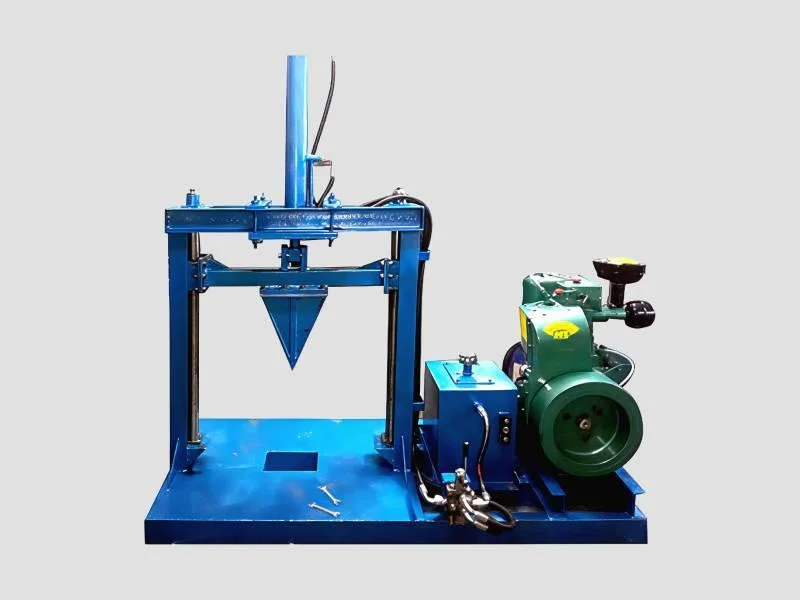
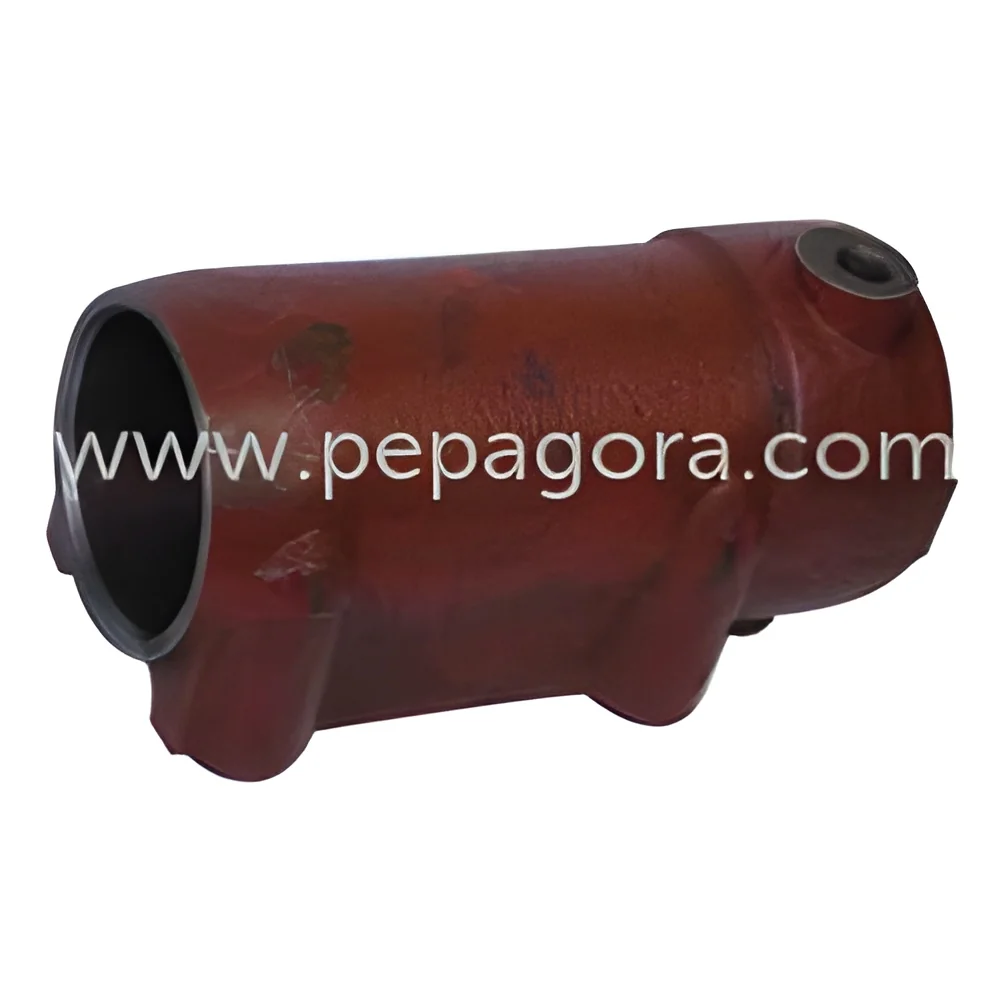
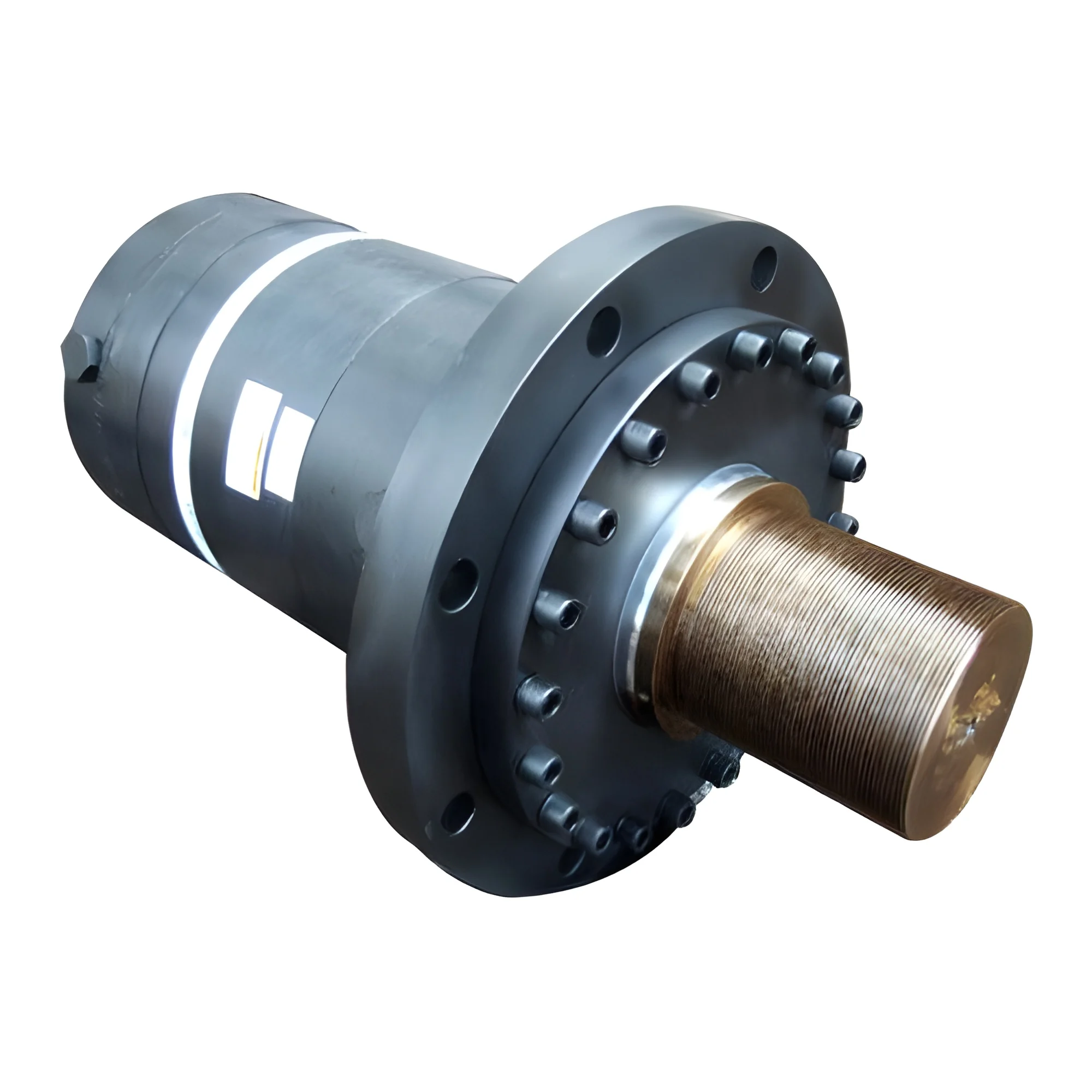
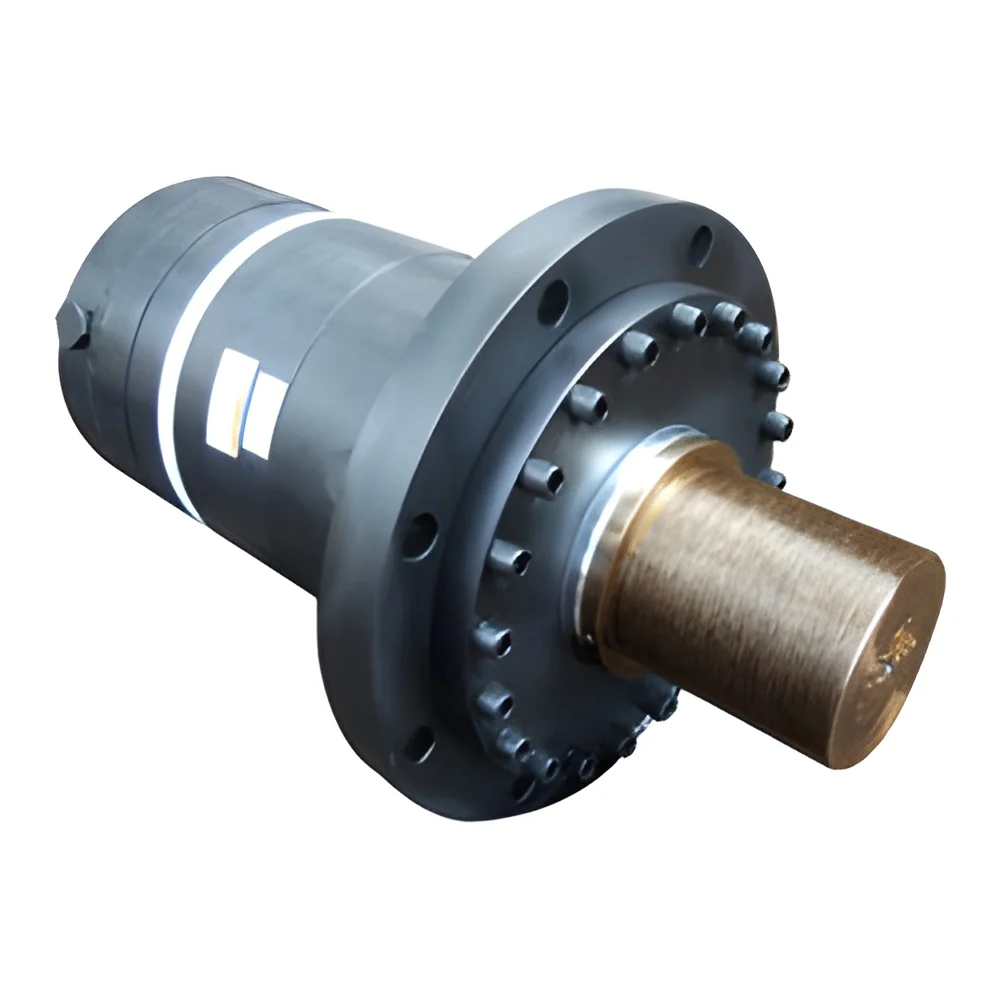
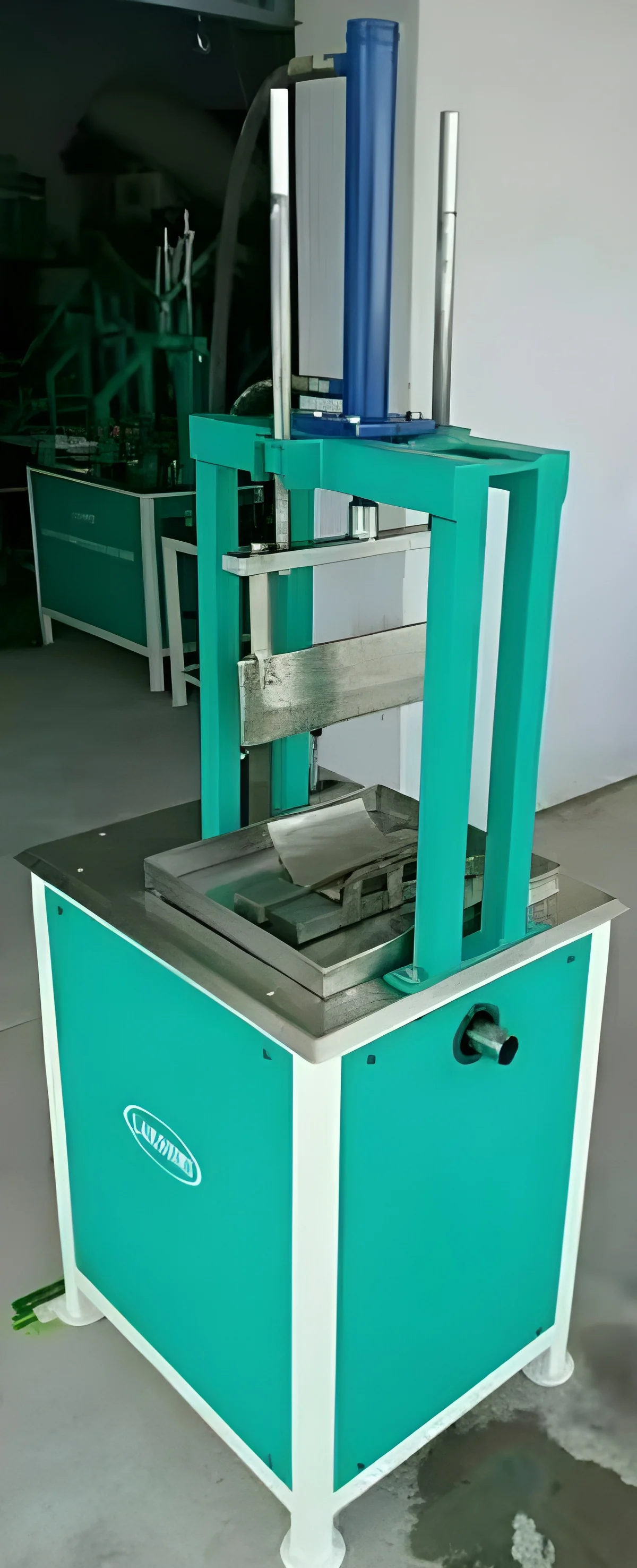
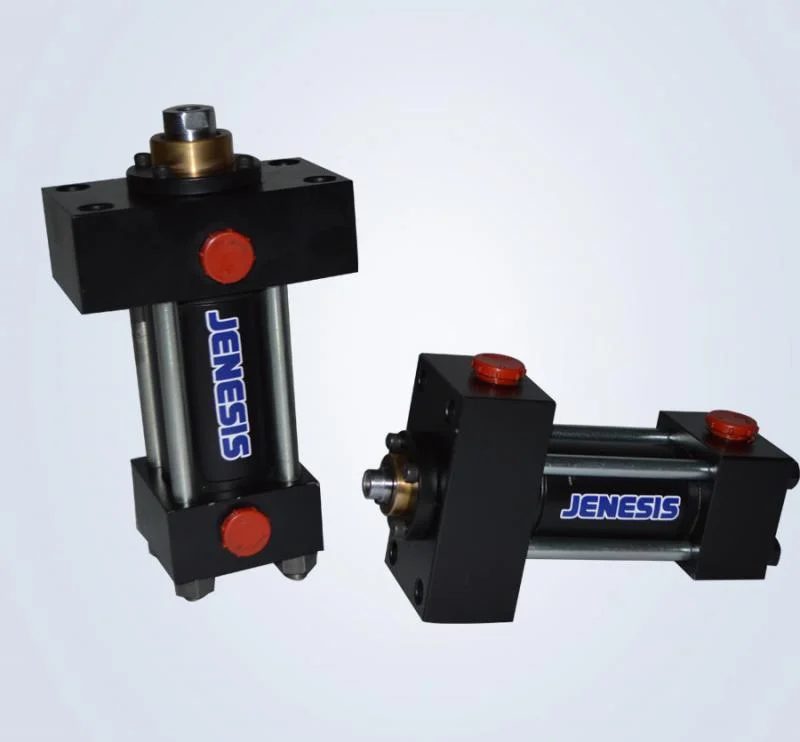
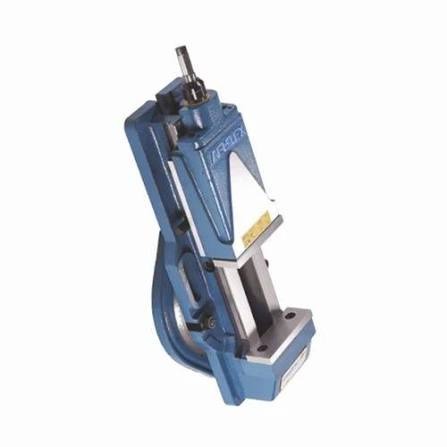
What are Heavy-Duty Hydraulic Tools?
Heavy-duty hydraulic tools are specialized devices that utilize hydraulic pressure to perform tasks that require significant force. These tools are designed for durability and efficiency, enabling them to handle demanding applications in various industrial environments. They operate by converting hydraulic energy into mechanical energy, delivering high levels of power while minimizing manual effort.
These tools are primarily used in construction, manufacturing, maintenance, and repair operations. They are essential for tasks such as lifting heavy loads, cutting through tough materials, and fastening components. Industries often rely on heavy-duty hydraulic tools for their ability to enhance productivity and ensure safety in operations that involve significant weight or resistance. The market for these tools is robust, driven by the ongoing demand for efficient and reliable equipment in sectors such as construction and automotive.
Key Features and Specifications
Heavy-duty hydraulic tools come equipped with several key features that enhance their performance and usability. These specifications ensure that they meet the rigorous demands of industrial applications.
Key specifications include:
1. Maximum Operating Pressure
- Typically ranges from 700 to 10,000 psi
- Determines the tool's lifting and cutting capabilities
2. Flow Rate
- Usually between 1 to 20 gallons per minute (GPM)
- Affects the speed at which the tool operates
3. Weight
- Varies from 5 to 100 pounds depending on the tool type
- Impacts portability and ease of use
4. Material Construction
- Made from high-strength steel or aluminum alloys
- Ensures durability and resistance to wear
5. Hydraulic Fluid Type
- Utilizes mineral oil or biodegradable fluids
- Affects performance and environmental compliance
6. Safety Features
- Includes overload protection and pressure relief valves
- Enhances user safety during operation
7. Operating Temperature Range
- Typically functional in temperatures from -20°C to 50°C
- Ensures reliability in various environmental conditions
8. Certification
- Complies with UL and CE standards
- Assures quality and safety in manufacturing
In summary, understanding these specifications helps buyers choose the right heavy-duty hydraulic tools for their specific applications, ensuring efficiency and safety.
Common Applications and Use Cases
Heavy-duty hydraulic tools have diverse applications across multiple industries.
1. Construction: Used for lifting heavy materials, breaking concrete, and compacting soil, hydraulic tools streamline construction processes and enhance safety.
2. Manufacturing: Essential for assembly lines, these tools aid in pressing, cutting, and shaping components with precision and speed.
3. Automotive: Commonly employed for lifting vehicles during repairs, hydraulic tools facilitate tire changes, engine repairs, and body work.
4. Marine: Used for lifting and positioning heavy equipment on ships and docks, these tools are vital for maintenance and repairs.
5. Oil and Gas: Hydraulic tools support drilling operations by providing power for various tasks, including equipment installation and maintenance.
6. Mining: These tools assist in breaking rock and transporting heavy materials, improving efficiency in extraction processes.
7. Aerospace: Used in assembly and maintenance processes, hydraulic tools ensure precision and safety in handling aircraft components.
Product Variants and Subcategories
Heavy-duty hydraulic tools come in various types to cater to different industrial needs.
Hydraulic Jacks: These are designed for lifting heavy loads, featuring a compact design that allows for easy maneuverability in tight spaces.
Hydraulic Cutters: These tools are specialized for cutting through metal and other tough materials, providing clean cuts with minimal effort.
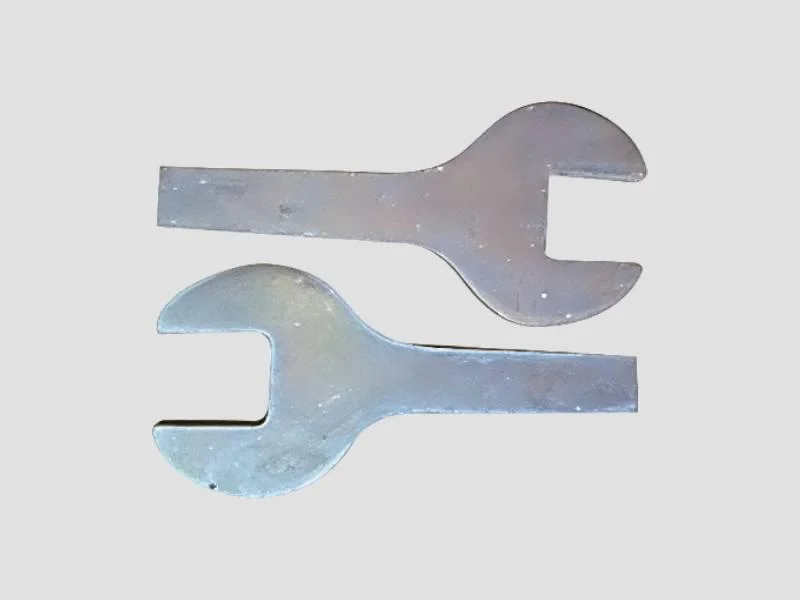
Hydraulic Torque Wrenches: Used for fastening applications, these wrenches ensure precise torque settings, crucial in automotive and construction tasks.
Hydraulic Presses: Ideal for shaping and molding materials, hydraulic presses provide consistent pressure for manufacturing applications.
Benefits and Advantages
Heavy-duty hydraulic tools offer numerous benefits for businesses looking to enhance their operational efficiency.
1. Increased Efficiency: These tools significantly reduce manual labor and time needed for heavy tasks, allowing for quicker project completion.
2. Enhanced Safety: Hydraulic tools are designed with safety features that protect users from potential hazards associated with heavy lifting and cutting.
3. Versatility: They can be used across various industries, making them a valuable addition to any toolkit.
4. Durability: Constructed from high-quality materials, hydraulic tools can withstand rigorous use and harsh conditions without compromising performance.
5. Precision: Hydraulic tools provide consistent and accurate results, essential for applications requiring high levels of detail.
6. Reduced Fatigue: By minimizing the physical effort required for heavy tasks, these tools help reduce worker fatigue and improve overall productivity.
Buying Guide for B2B Buyers
When sourcing heavy-duty hydraulic tools, several factors should be considered to ensure a successful purchase.
1. Quality Assessment: Evaluate the quality of the tools by reviewing manufacturer specifications, customer reviews, and industry certifications to ensure reliability.
2. Supplier Verification: Vet suppliers by checking their reputation, experience, and compliance with industry standards to ensure you are partnering with a trustworthy source.
3. Pricing and MOQ: Understand the pricing structure and minimum order quantities to make informed purchasing decisions that align with your budget.
4. Delivery and Lead Times: Consider logistics, including shipping times and delivery options, to ensure timely availability of tools for your operations.
5. Compliance Requirements: Be aware of any regulatory needs specific to your industry, including safety standards and environmental regulations, to ensure compliance.
Compliance and Certifications
Heavy-duty hydraulic tools must adhere to various compliance standards and certifications to ensure safety and quality.
Key quality standards include ISO 9001, which outlines criteria for a quality management system, and HACCP, focusing on food safety when hydraulic tools are used in food manufacturing settings.
Industry certifications such as UL and CE indicate that the tools meet specific safety and performance criteria, providing assurance to users.
Compliance with safety and testing requirements is essential to mitigate risks associated with hydraulic equipment. Regional compliance considerations may vary, so it's crucial to understand local regulations that apply to hydraulic tools in your market.
Why Source Heavy-Duty Hydraulic Tools from Pepagora?
Pepagora offers a trusted platform for sourcing heavy-duty hydraulic tools, bringing several key advantages to B2B buyers.
Verified Supplier Network: Pepagora ensures a reliable network of suppliers who have undergone thorough verification, giving buyers confidence in the quality of the products.
Streamlined RFQ Process: The request for quotation (RFQ) process on Pepagora is designed to be efficient, allowing buyers to receive competitive quotes from multiple suppliers quickly.
Trade Assurance and Support: With trade assurance, buyers are protected throughout the purchasing process, providing peace of mind when investing in heavy-duty hydraulic tools.
Regional Coverage: Pepagora's reach extends across India, the GCC, and Southeast Asia, making it easier for businesses in these regions to find and source the tools they need for their operations.
By choosing Pepagora, businesses can access a wide range of high-quality heavy-duty hydraulic tools tailored to their specific needs, backed by excellent support and service.

 IN
IN