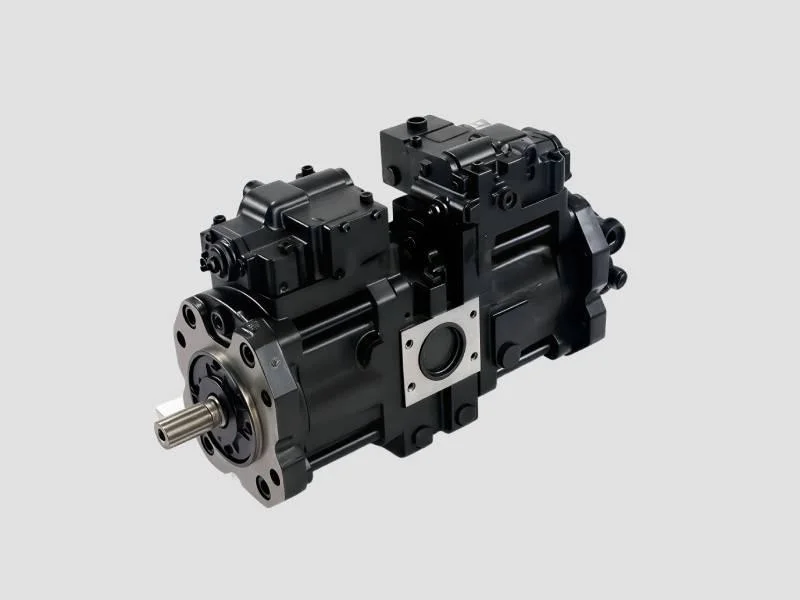
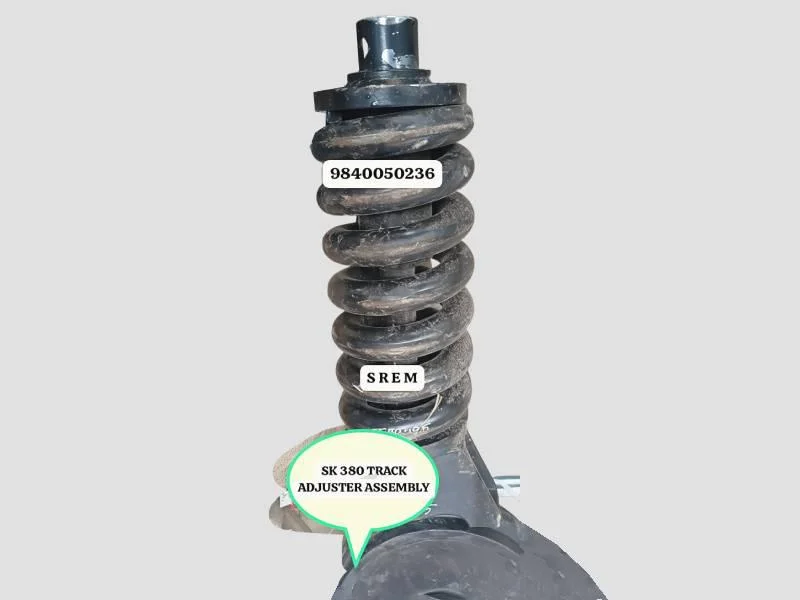
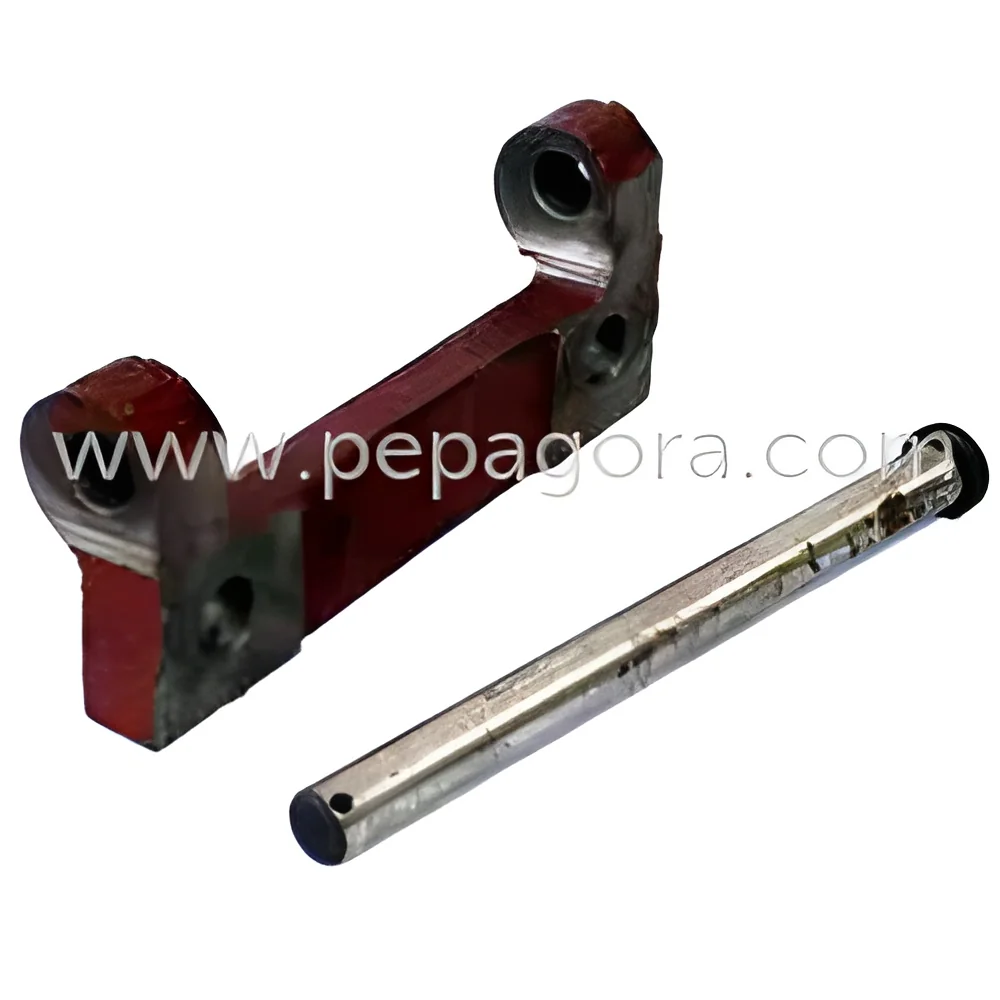
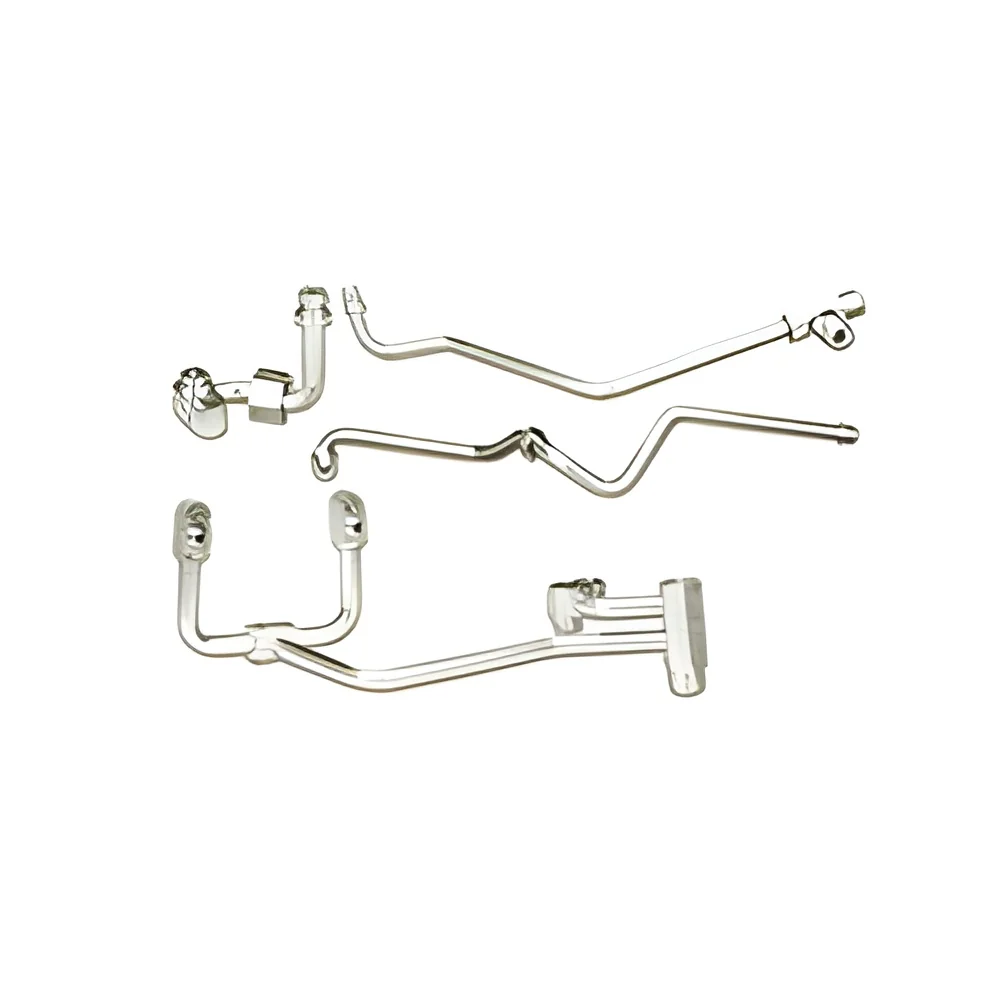
What are Hydraulic Tools for Mining?
Hydraulic tools for mining are specialized equipment designed to facilitate various tasks in mining operations through the application of hydraulic pressure. These tools harness the power of hydraulic fluids to generate force, enabling operators to perform heavy lifting, cutting, breaking, and other essential functions with ease and efficiency. Hydraulic tools are integral to enhancing productivity and ensuring safety in the often challenging mining environment.
The primary uses of hydraulic tools in mining include rock excavation, material handling, and equipment maintenance. Their versatility allows them to be employed in diverse applications, such as breaking rock, lifting heavy materials, and executing precise cuts in various mining operations. Businesses in the mining sector rely on these tools not only for their efficiency but also for their ability to improve operational safety and reduce physical strain on workers.
In the context of the mining industry, hydraulic tools are vital in meeting the demanding requirements of resource extraction. As mining operations continue to evolve with technological advancements, the relevance of hydraulic tools remains significant. They play a crucial role in enhancing operational capabilities, thus contributing to the overall productivity and sustainability of mining activities.
Key Features and Specifications
Hydraulic tools for mining come with a range of features and specifications that cater to the unique requirements of the industry. Understanding these specifications is essential for selecting the right tools for specific applications.
Key specifications include:
1. Operating Pressure
- Hydraulic tools typically operate within a pressure range of 700 to 3000 psi.
- This range ensures adequate force generation for various mining tasks.
2. Power Source
- Hydraulic tools can be powered by electric or gasoline engines.
- The choice of power source may affect portability and application suitability.
3. Weight
- Tool weights vary significantly, often ranging from 5 to 50 pounds.
- Lighter tools enhance maneuverability, while heavier tools provide more power.
4. Tool Compatibility
- Many hydraulic tools offer interchangeable attachments for versatility.
- Compatibility with standard hydraulic systems is often a vital feature.
5. Safety Features
- Integrated safety mechanisms such as pressure relief valves are common.
- These features ensure safe operation under high-pressure conditions.
6. Durability
- Tools are typically constructed from high-strength materials to withstand harsh environments.
- Resistance to corrosion and wear is a critical characteristic.
7. Ergonomics
- Designs often focus on user comfort to reduce fatigue during prolonged use.
- Features like padded handles and lightweight designs contribute to ergonomic benefits.
8. Maintenance Requirements
- Tools that require minimal maintenance are preferred for consistent operation.
- Clear guidelines for upkeep are essential for longevity.
In summary, understanding the key features and specifications of hydraulic tools is instrumental in selecting the right equipment for mining applications. These tools are designed to meet the rigorous demands of the industry, ensuring safety and efficiency.
Common Applications and Use Cases
Hydraulic tools for mining serve a wide array of industries, each with unique applications that benefit from hydraulic technology.
1. Underground Mining: In this sector, hydraulic tools are used for rock drilling and breaking, enabling efficient excavation of minerals.
2. Surface Mining: These tools assist in material handling, allowing for the quick movement of earth and minerals during extraction processes.
3. Construction: Hydraulic tools are used to maintain and repair heavy equipment, ensuring operational efficiency on mining sites.
4. Oil and Gas: In related extraction industries, hydraulic tools aid in drilling and well maintenance, providing versatility beyond traditional mining.
5. Demolition: Hydraulic tools are employed to break down structures and clear sites for new mining operations, demonstrating their multifunctionality.
6. Maintenance Services: Many companies utilize hydraulic tools for routine maintenance tasks on mining equipment, thereby extending the life of their machinery.
7. Safety Operations: In emergency situations, hydraulic tools are vital for rescue operations, providing the necessary force to remove debris.
Product Variants and Subcategories
Hydraulic tools for mining encompass a range of variants, each tailored to specific tasks and applications.
Hydraulic Breakers
These tools are designed for breaking rock and concrete. They deliver powerful impacts, making them essential for excavation projects.
Hydraulic Excavators
These machines feature hydraulic arms that enhance digging capabilities. They are commonly used in both surface and underground mining for efficient material handling.
Hydraulic Torque Wrenches
These tools provide precise torque application for bolting and unbolting operations. They are crucial for maintaining equipment and ensuring safety in high-stakes environments.
Hydraulic Jacks
Used for lifting heavy loads, hydraulic jacks are critical in equipment maintenance and positioning. Their portability makes them suitable for various mining tasks.
Benefits and Advantages
Hydraulic tools for mining offer numerous benefits that enhance operational efficiency and safety in the industry.
Key benefits include:
1. Increased Efficiency: Hydraulic tools enable faster completion of tasks, significantly improving productivity on mining sites.
2. Enhanced Safety: With reduced manual labor, hydraulic tools minimize the risk of injuries associated with heavy lifting and repetitive motions.
3. Versatility: The ability to use interchangeable attachments allows for multiple applications with a single tool, streamlining operations.
4. High Power-to-Weight Ratio: Hydraulic tools deliver significant force while remaining lightweight, which aids in mobility and ease of use.
5. Reduced Environmental Impact: Efficient operations lead to less waste and lower energy consumption, aligning with sustainable mining practices.
6. Lower Maintenance Costs: Many hydraulic tools are designed for minimal upkeep, resulting in reduced operational costs over time.
Buying Guide for B2B Buyers
When sourcing hydraulic tools for mining, it is essential to consider several critical factors to ensure a successful purchase.
1. Quality Assessment: Evaluate tools based on the manufacturer’s reputation, material quality, and performance reviews. High-quality tools will ensure durability and reliability in the field.
2. Supplier Verification: Vet potential suppliers by checking their certifications, industry experience, and customer feedback. A reliable supplier can provide support and assurance for your purchase.
3. Pricing and MOQ: Understand the pricing structure and minimum order quantities. This will help you budget effectively and ensure you receive the best value for your investment.
4. Delivery and Lead Times: Assess logistics capabilities and delivery timelines. Timely delivery is crucial for maintaining project schedules and operational efficiency.
5. Compliance Requirements: Ensure that tools meet necessary regulatory standards and certifications relevant to your region and industry. Compliance is essential for safety and legal considerations.
Compliance and Certifications
Hydraulic tools for mining must adhere to various quality and safety standards to ensure they are safe and effective for use in harsh environments.
Quality standards such as ISO 9001 guarantee that manufacturing processes meet international benchmarks for quality management. This standard helps ensure that products are consistently produced and controlled according to quality standards.
Industry certifications like UL and CE signify that tools meet safety and performance criteria recognized by regulatory bodies. These certifications are crucial for gaining trust from users and ensuring that tools are safe for operation.
Safety and testing requirements are paramount in the mining sector, where the working conditions can be hazardous. Tools are often subjected to rigorous testing to validate their reliability and safety under extreme conditions.
Regional compliance considerations may vary based on local regulations. It is essential for buyers to be aware of these requirements to ensure that the tools they acquire are compliant with local laws and industry standards.
Why Source Hydraulic Tools for Mining from Pepagora?
Pepagora provides a trusted platform for sourcing hydraulic tools for mining, offering several key advantages that cater to B2B buyers.
Verified Supplier Network: Pepagora has a comprehensive network of verified suppliers. This ensures that buyers can find reputable manufacturers who meet industry standards and provide high-quality products.
Streamlined RFQ Process: The Request for Quotation (RFQ) system allows buyers to receive competitive quotes from multiple suppliers quickly. This efficient process helps buyers make informed purchasing decisions without unnecessary delays.
Trade Assurance and Support: Pepagora offers trade assurance and support to buyers, safeguarding transactions and providing assistance throughout the purchasing process. This level of protection enhances buyer confidence.
Regional Coverage: With a strong presence in India, the GCC, and Southeast Asia, Pepagora ensures that buyers can access hydraulic tools tailored to their regional needs. This geographic reach facilitates timely delivery and localized support.
In conclusion, Pepagora stands out as a reliable sourcing platform for hydraulic tools for mining, providing buyers with the resources and support necessary for successful procurement.

 IN
IN