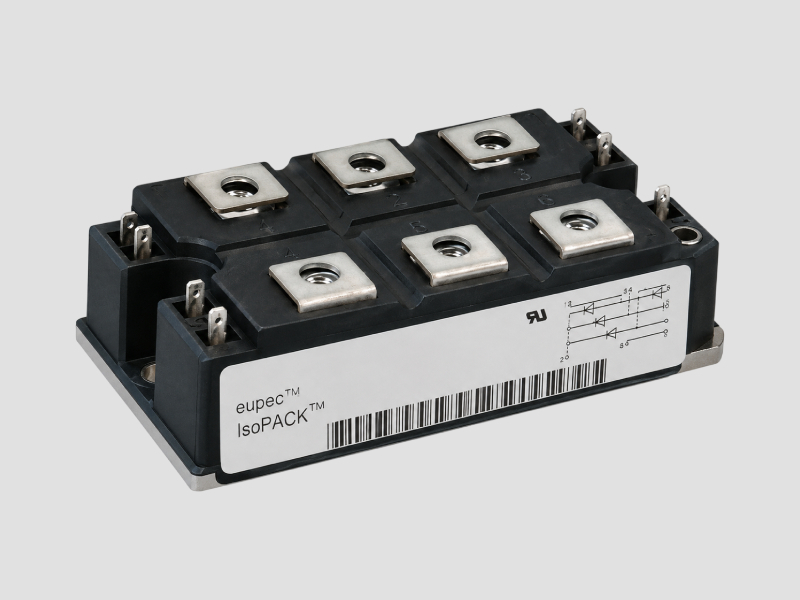
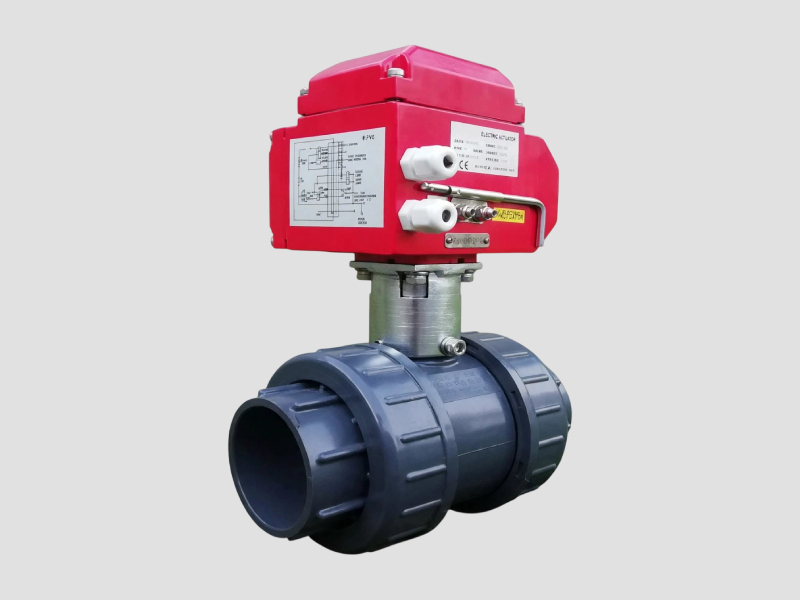
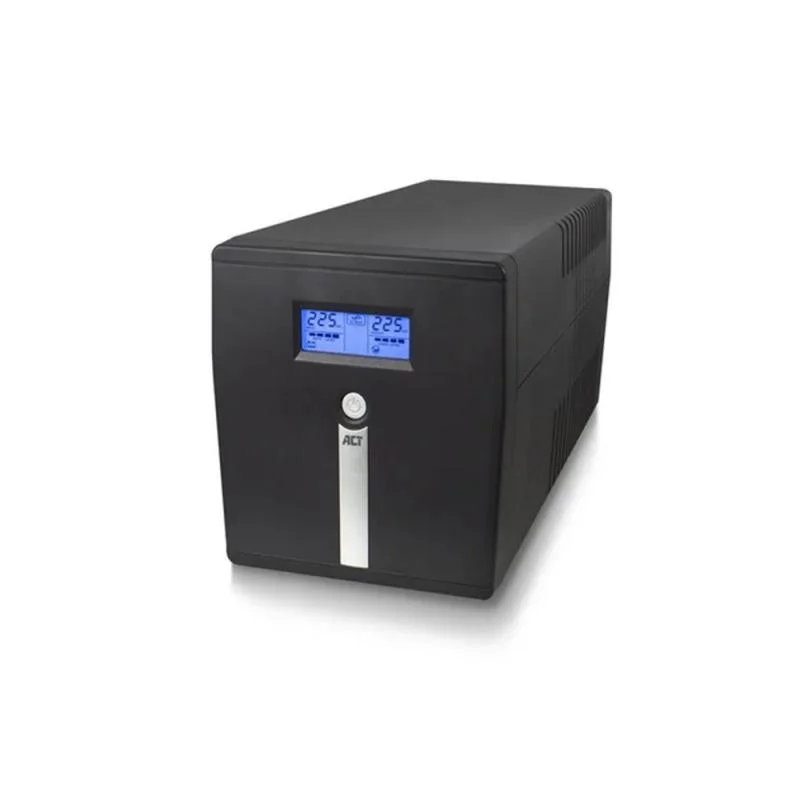
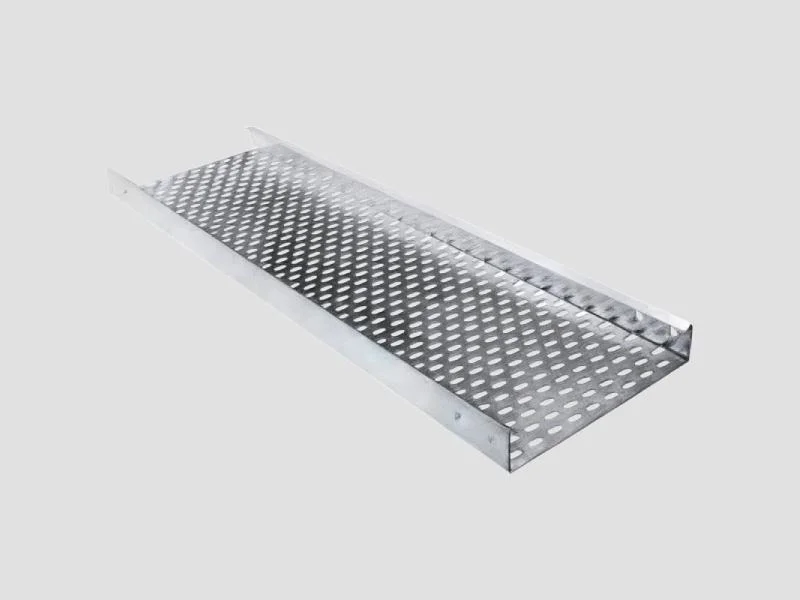
𝗪𝗵𝗮𝘁 𝗮𝗿𝗲 𝗘𝗹𝗲𝗰𝘁𝗿𝗶𝗰𝗮𝗹 𝗘𝗾𝘂𝗶𝗽𝗺𝗲𝗻𝘁 𝗳𝗼𝗿 𝗜𝗻𝗱𝘂𝘀𝘁𝗿𝗶𝗮𝗹 𝗨𝘀𝗲?
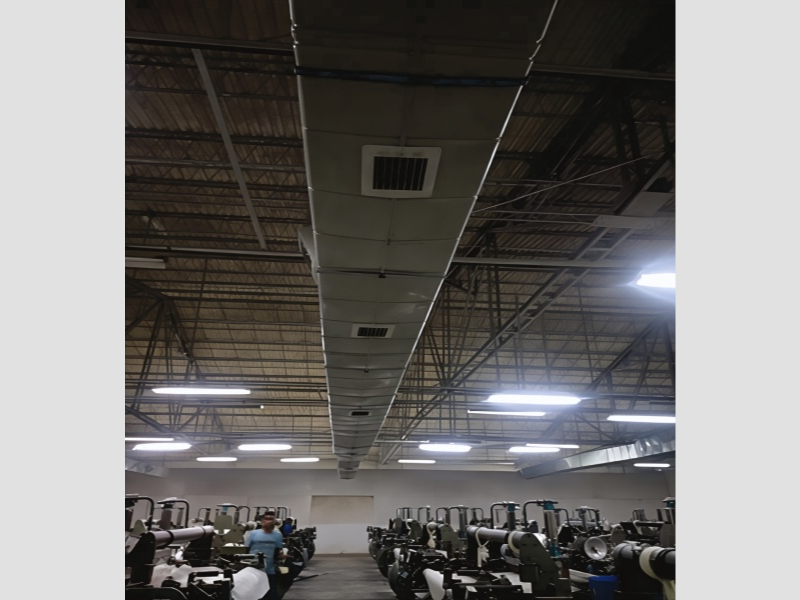
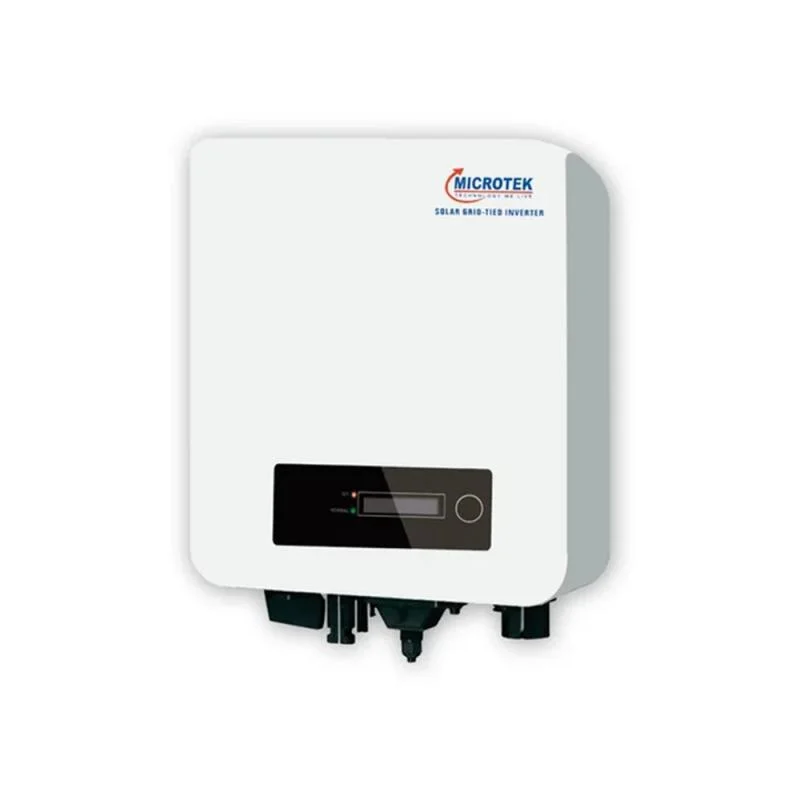
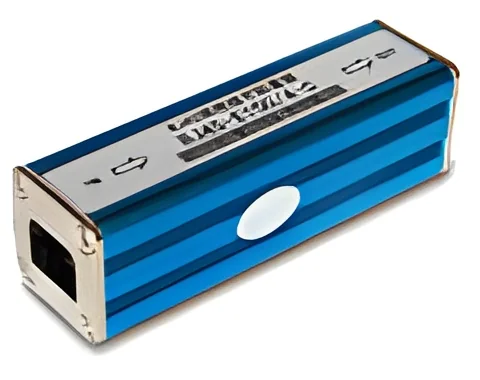
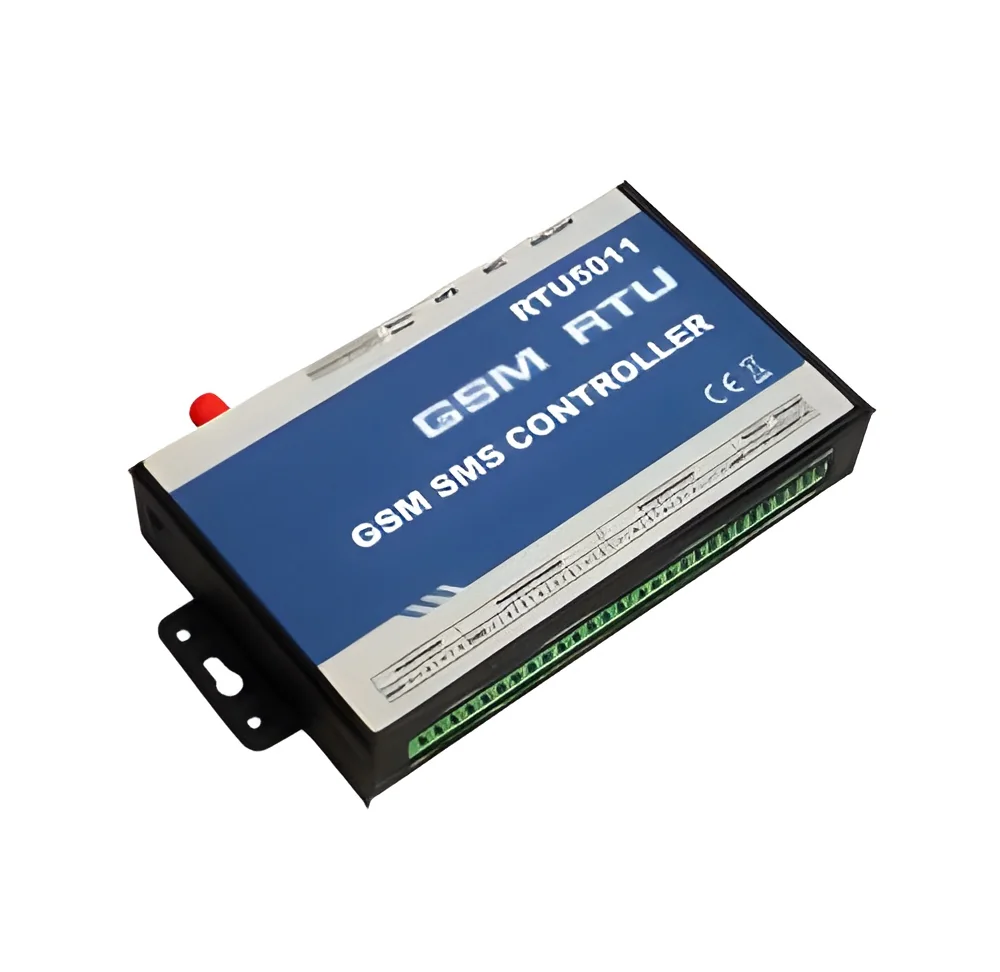
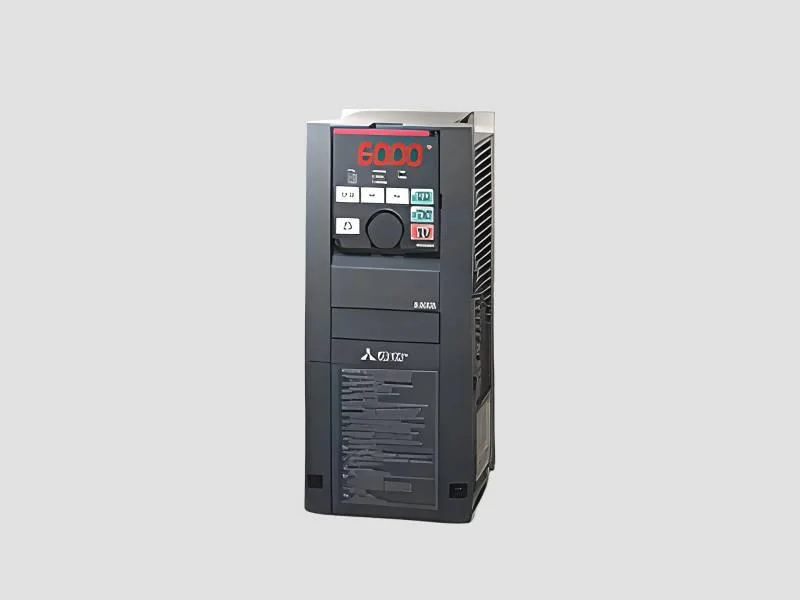
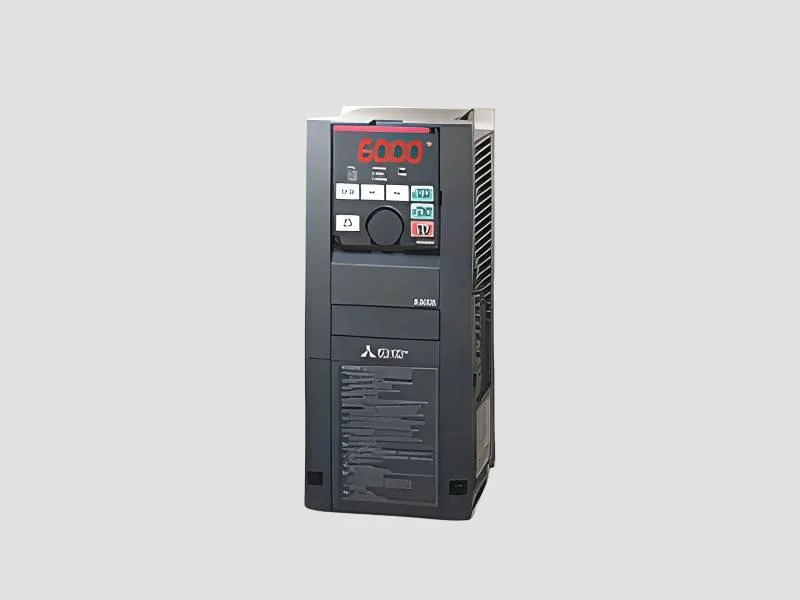
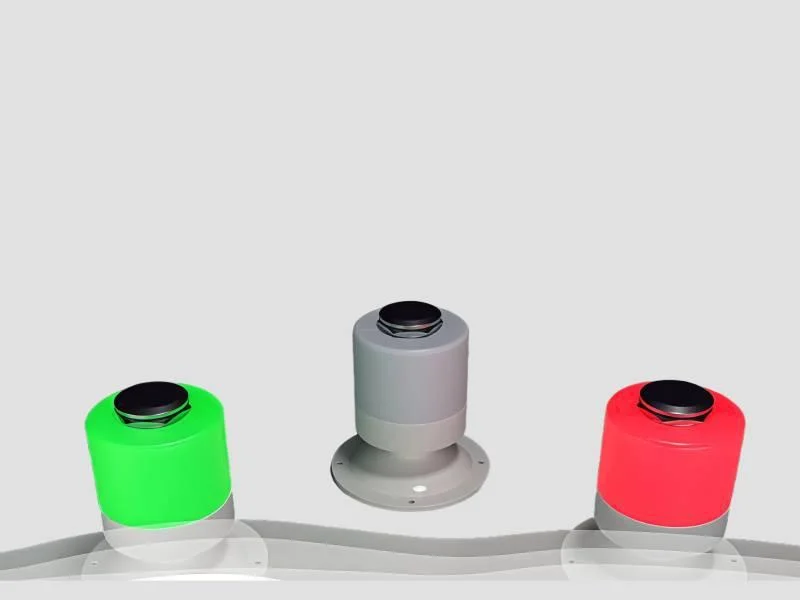
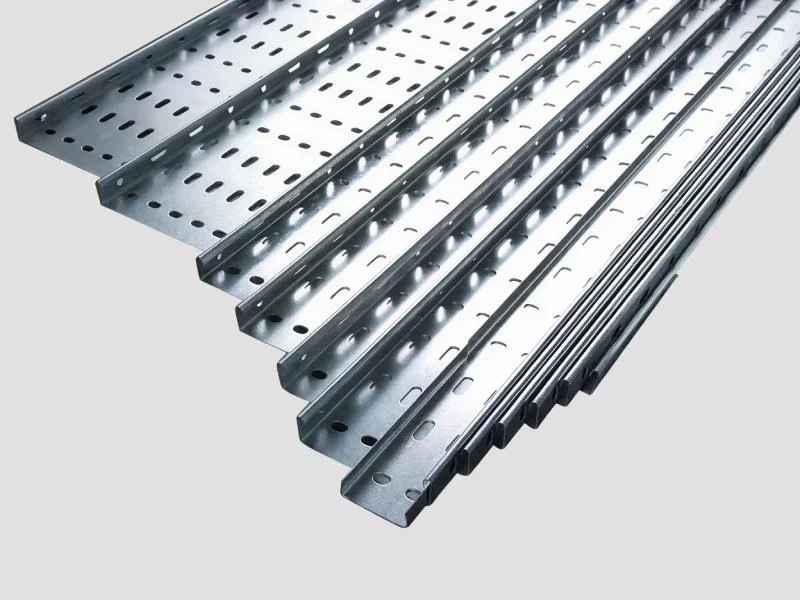
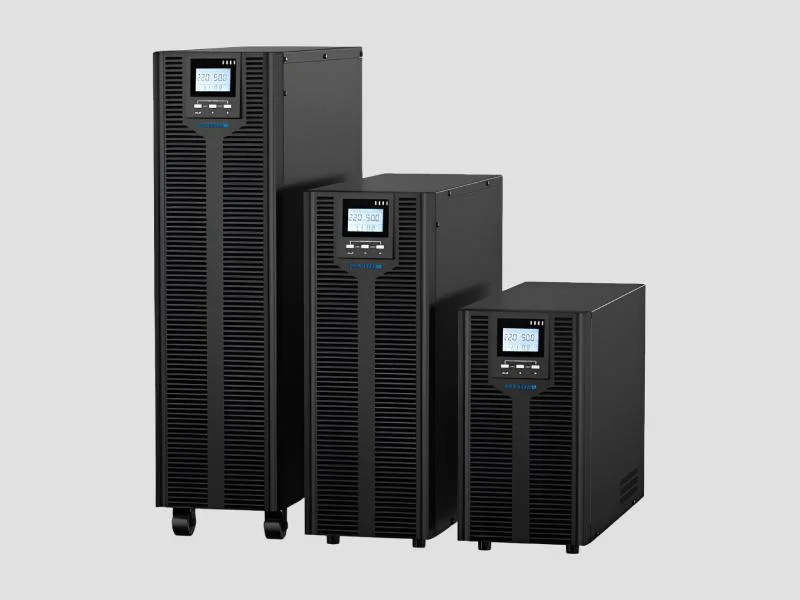
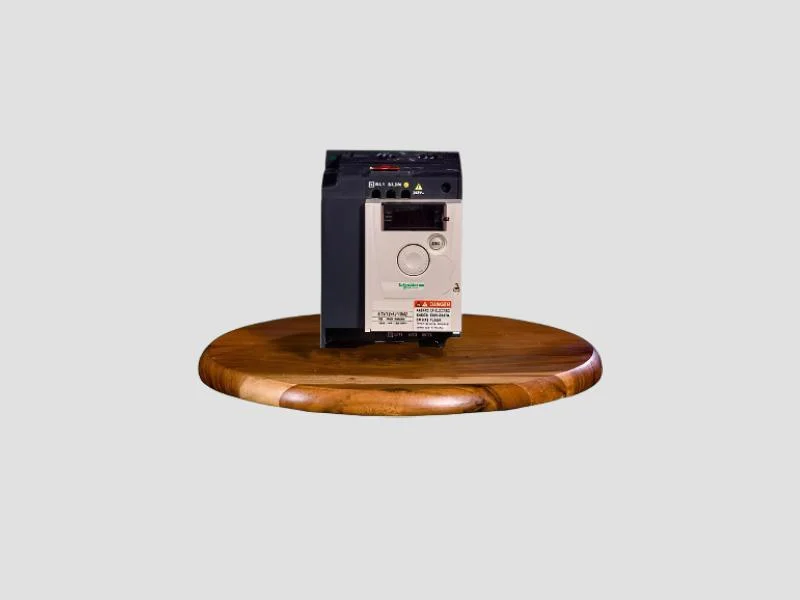
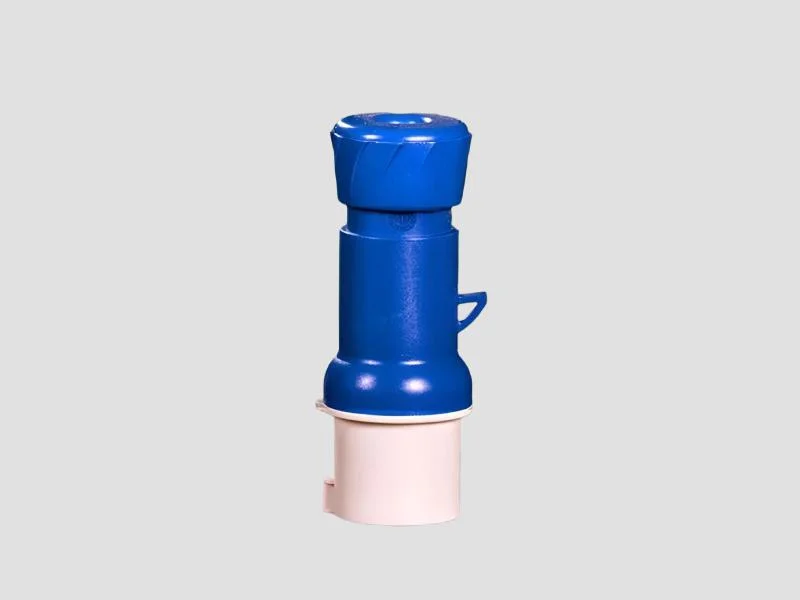
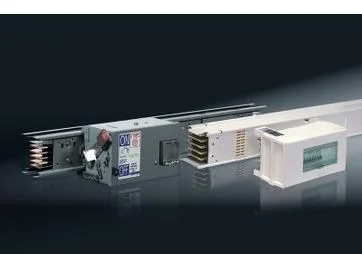
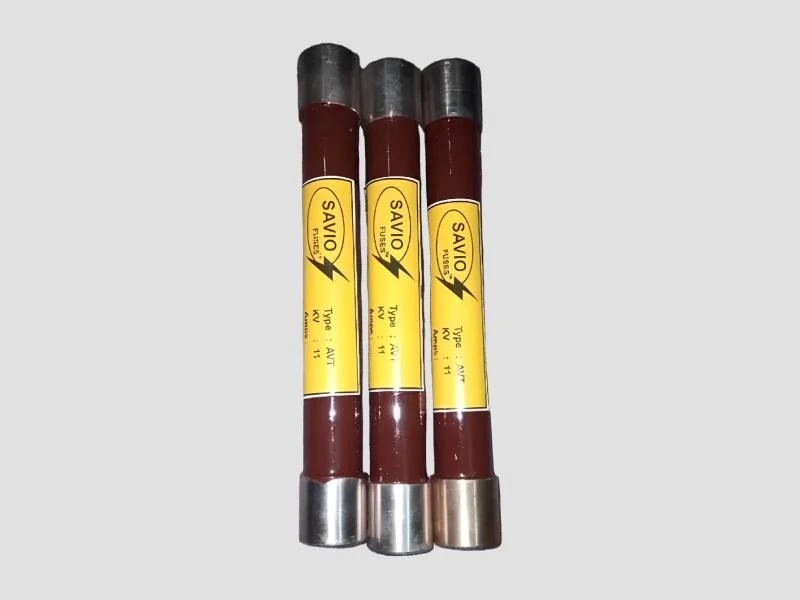
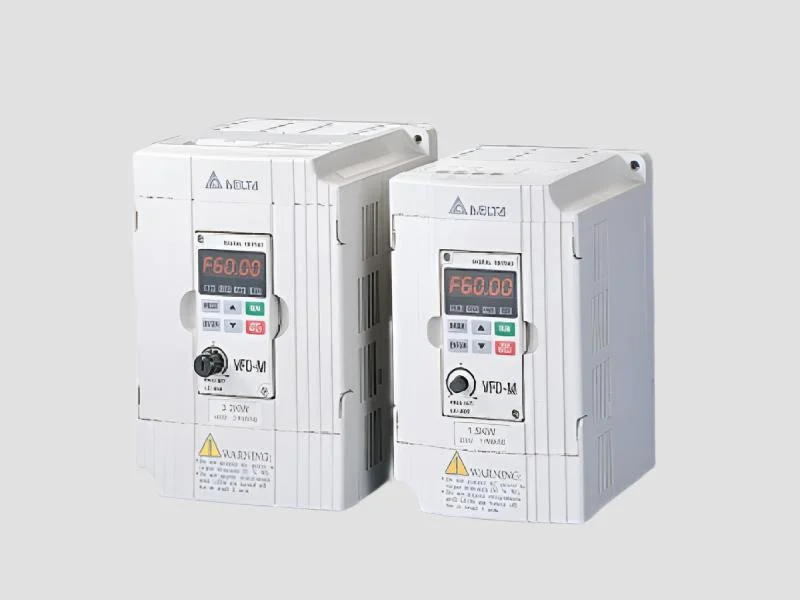
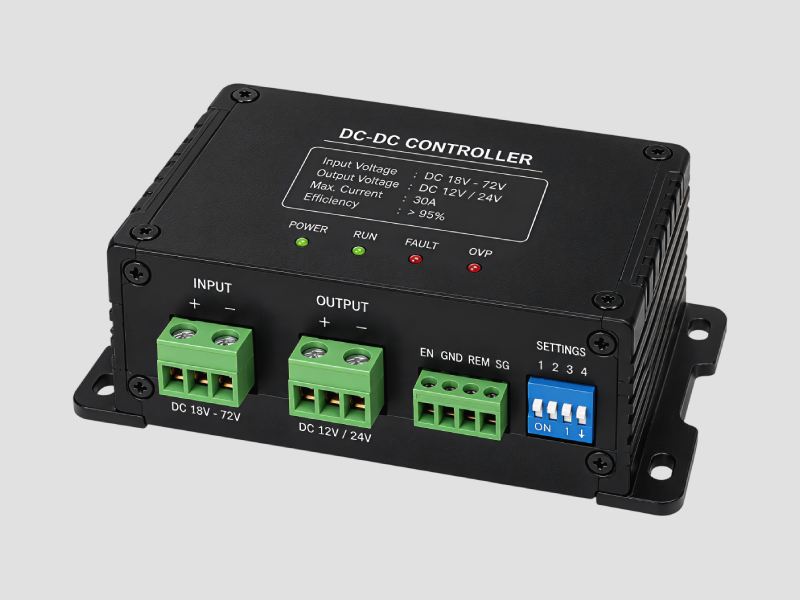
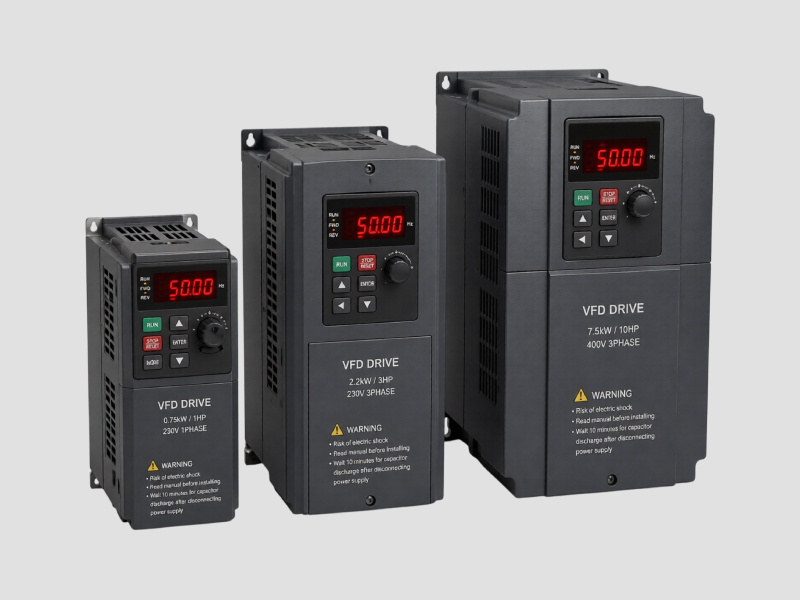
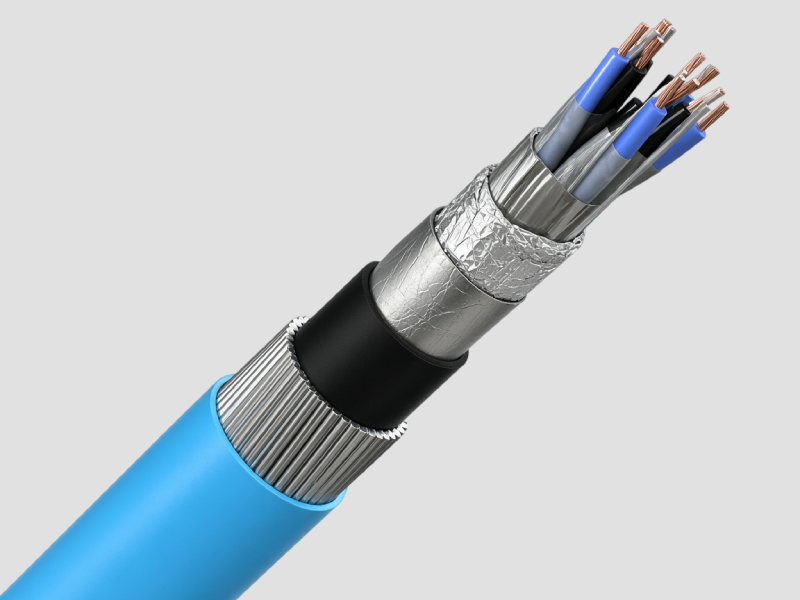
Electrical equipment for industrial use encompasses a wide range of devices that facilitate the generation, distribution, and utilization of electrical energy in various industrial settings. This category includes machinery, control systems, transformers, and wiring components designed to meet the rigorous demands of industrial operations. These products are engineered for durability and efficiency, ensuring reliable performance in challenging environments.
The primary uses of electrical equipment in industrial applications include powering machinery, managing production lines, and ensuring safety through effective monitoring and control systems. Industries such as manufacturing, construction, and energy generation rely heavily on this equipment to operate effectively and safely. The market for industrial electrical equipment is expansive, driven by the ongoing need for automation, energy efficiency, and regulatory compliance across various sectors.
As industries evolve and demand increases, the relevance of quality electrical equipment becomes paramount. Companies seek reliable suppliers who can provide equipment that meets international standards and offers advanced features to enhance productivity and safety.
𝗞𝗲𝘆 𝗙𝗲𝗮𝘁𝘂𝗿𝗲𝘀 𝗮𝗻𝗱 𝗦𝗽𝗲𝗰𝗶𝗳𝗶𝗰𝗮𝘁𝗶𝗼𝗻𝘀
Electrical equipment for industrial use is characterized by a variety of features and specifications that ensure high performance and reliability. These specifications are critical for businesses when selecting the right equipment to meet their operational needs.
Key specifications include:
1. Voltage Range
- Equipment is available in various voltage ranges, typically from 120V to 480V.
- Ensures compatibility with different industrial systems.
2. Current Rating
- Current ratings usually range from 10A to 1000A.
- Important for determining the capacity to handle electrical loads.
3. Frequency
- Equipment typically operates at standard frequencies of 50Hz or 60Hz.
- Ensures synchronization with power supply systems.
4. Efficiency Ratings
- Many products come with efficiency ratings of 90% or higher.
- Vital for reducing energy consumption and operational costs.
5. Safety Features
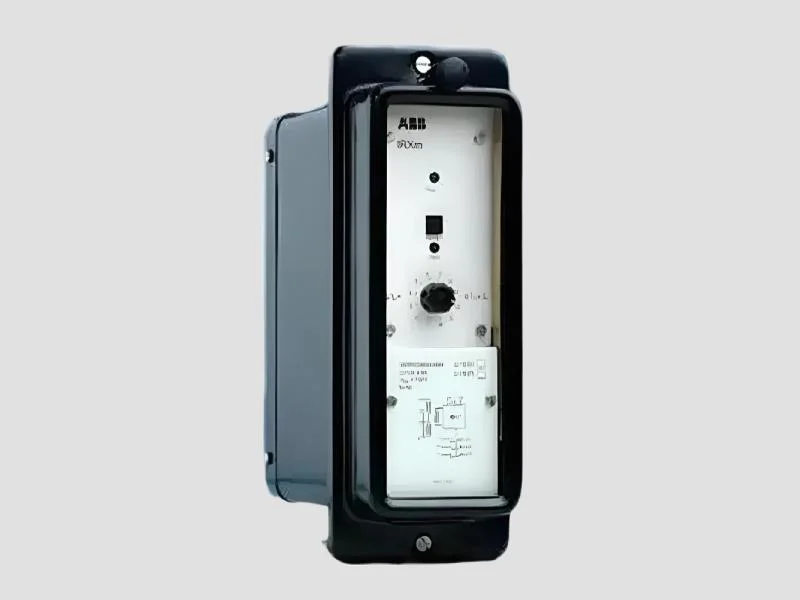
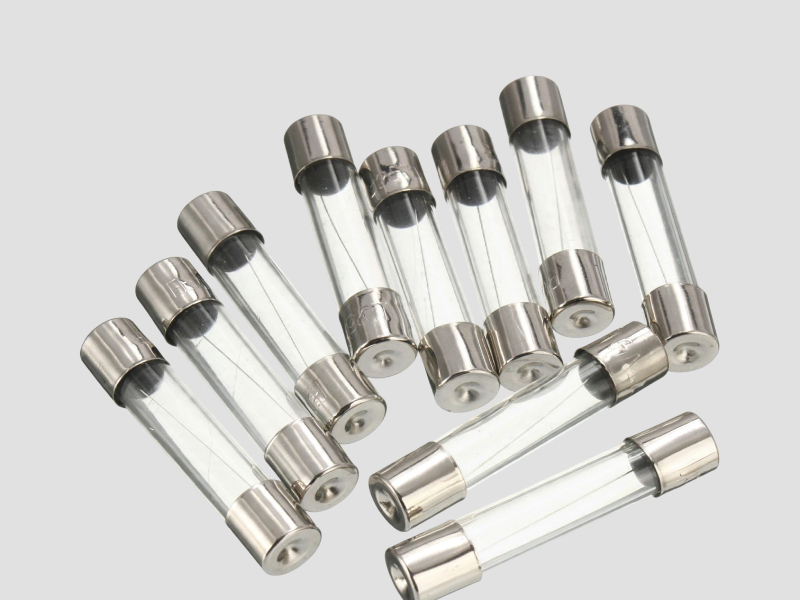
- Includes overload protection, short-circuit protection, and emergency shut-off.
- Enhances operational safety and compliance with regulations.
6. Environmental Ratings
- Equipment is often rated for specific environmental conditions (e.g., IP ratings).
- Ensures durability in harsh industrial environments.
7. Certifications
- Common certifications include CE marking for compliance with EU safety standards.
- Important for assuring quality and safety in industrial applications.
In summary, the specifications of electrical equipment for industrial use play a crucial role in ensuring optimal performance, efficiency, and safety across various applications.
𝗖𝗼𝗺𝗺𝗼𝗻 𝗔𝗽𝗽𝗹𝗶𝗰𝗮𝘁𝗶𝗼𝗻𝘀 𝗮𝗻𝗱 𝗨𝘀𝗲 𝗖𝗮𝘀𝗲𝘀
Electrical equipment for industrial use finds applications across diverse industries, each with specific requirements.
1. Manufacturing: Equipment is used to power machines on production lines, ensuring efficient operation and automation.
2. Construction: Electrical tools and machinery provide essential power for various construction activities, including site lighting and equipment operation.
3. Energy Generation: Equipment plays a critical role in power plants for generating and distributing electricity to the grid.
4. Transportation: Electrical systems are vital for powering vehicles and infrastructure, including railways and airports.
5. Oil and Gas: Equipment is used in drilling and extraction processes, as well as for safety monitoring and control systems.
6. Pharmaceuticals: Electrical equipment is essential for maintaining controlled environments in production and storage areas.
7. Food Processing: Equipment is utilized for processing, packaging, and preserving food products under strict safety standards.
𝗣𝗿𝗼𝗱𝘂𝗰𝘁 𝗩𝗮𝗿𝗶𝗮𝗻𝘁𝘀 𝗮𝗻𝗱 𝗦𝘂𝗯𝗰𝗮𝘁𝗲𝗴𝗼𝗿𝗶𝗲𝘀
The diversity of electrical equipment for industrial use allows businesses to select products tailored to their specific needs.
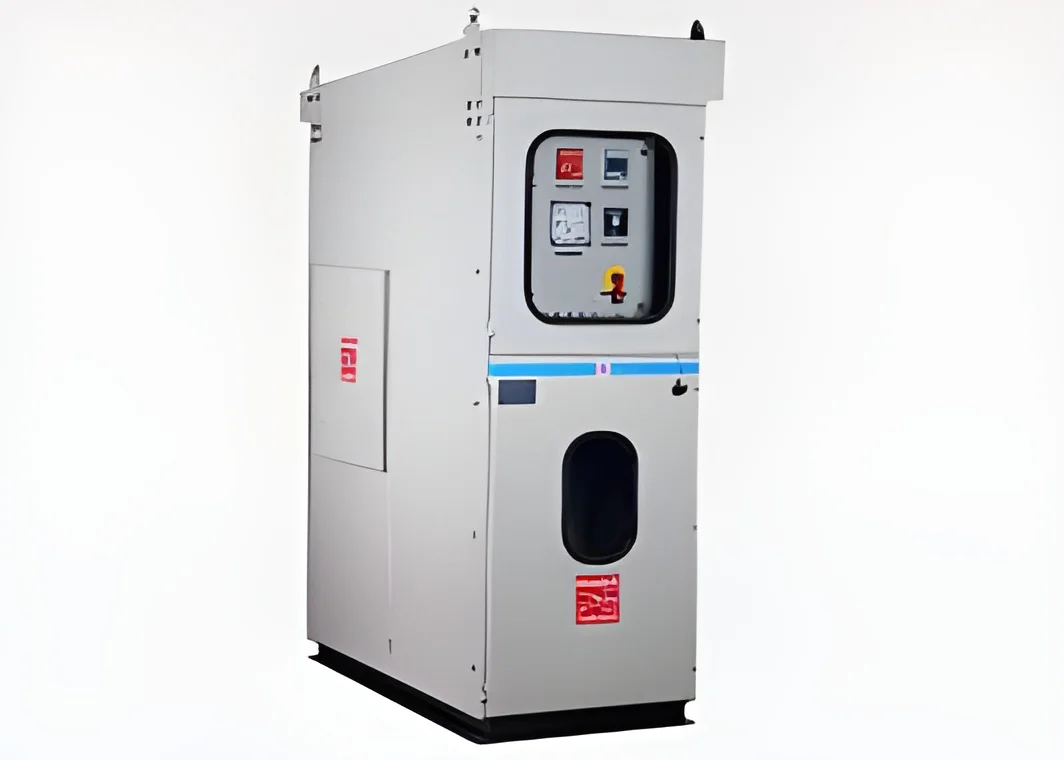
Industrial Switchgear
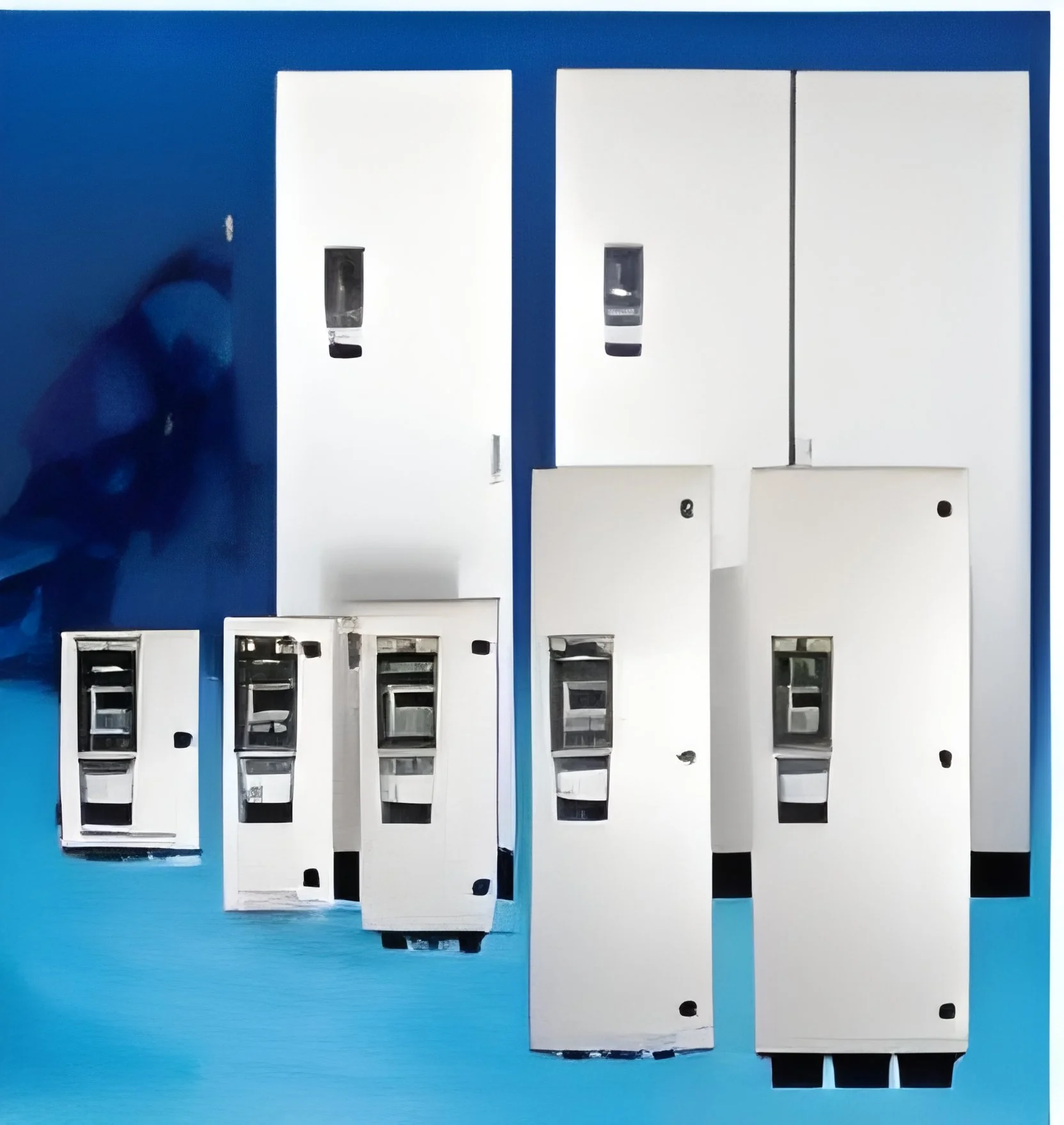
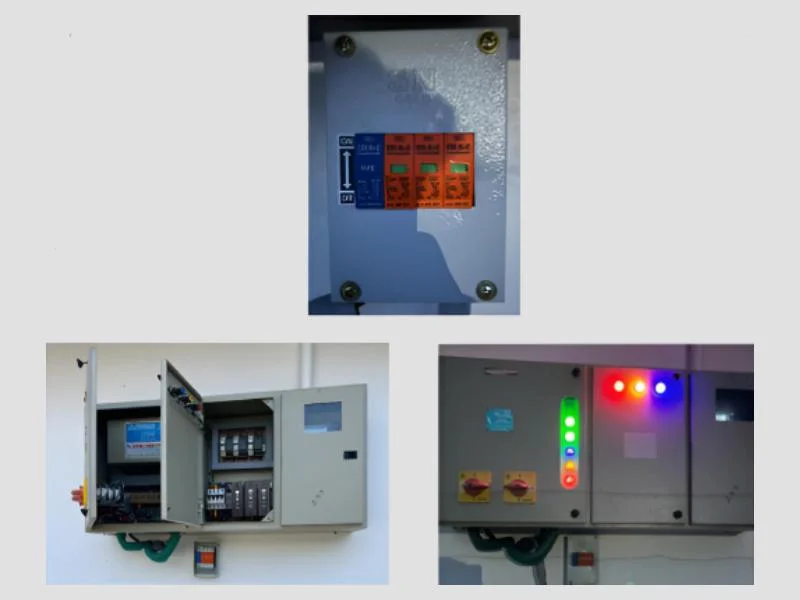
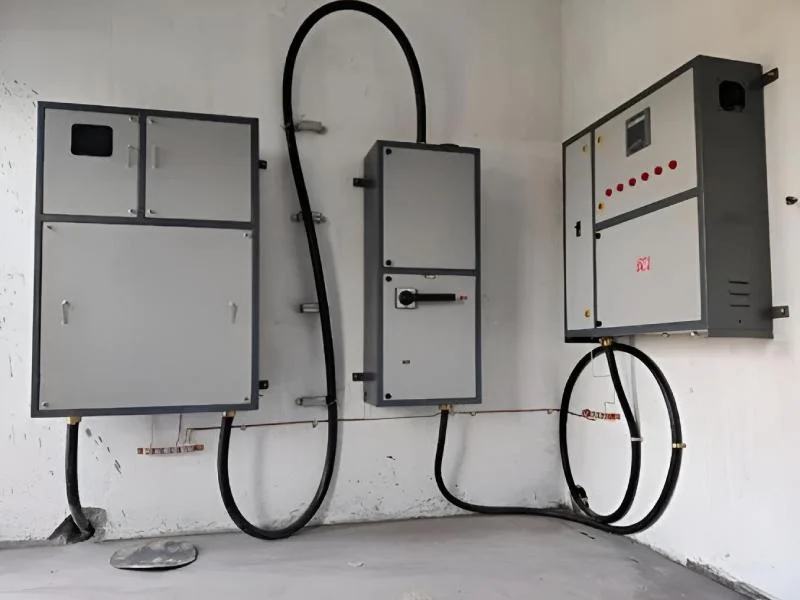
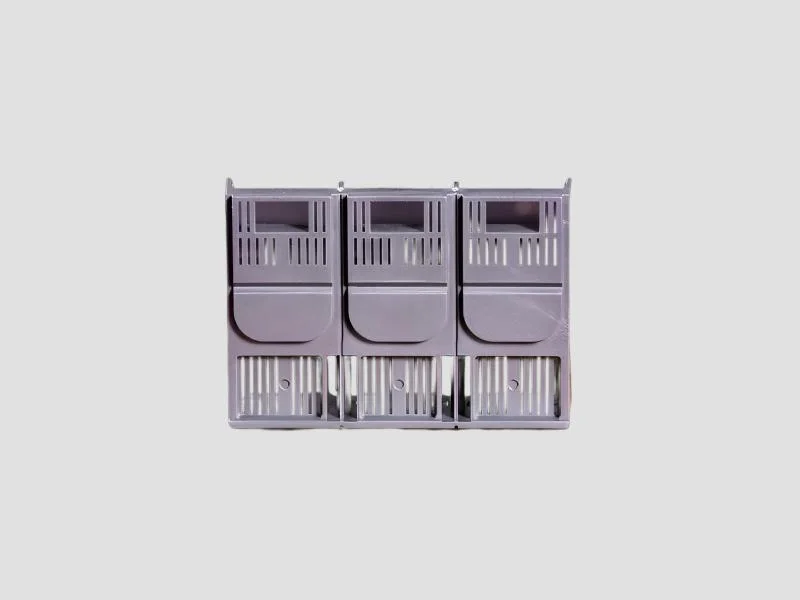
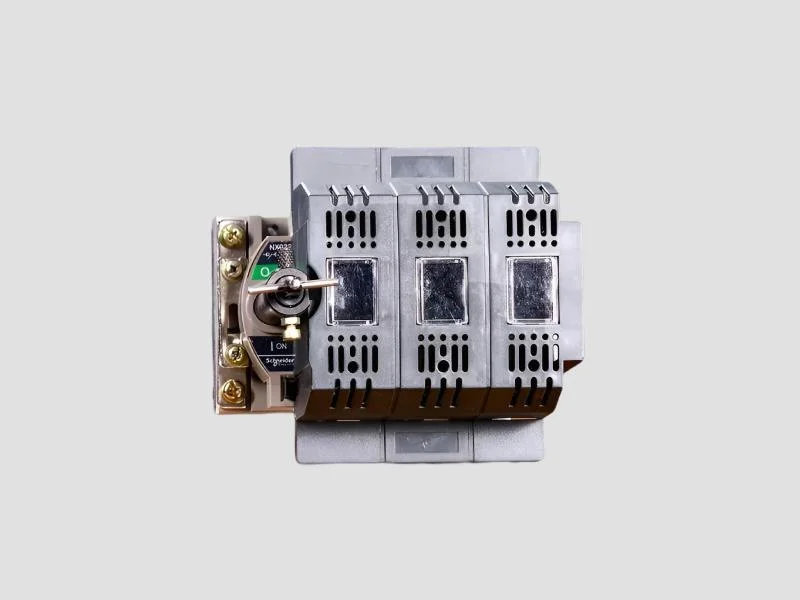
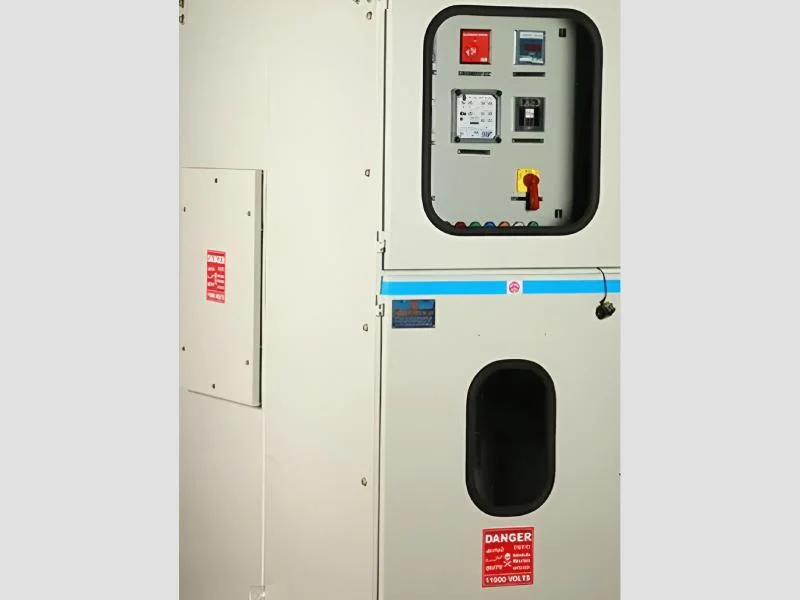
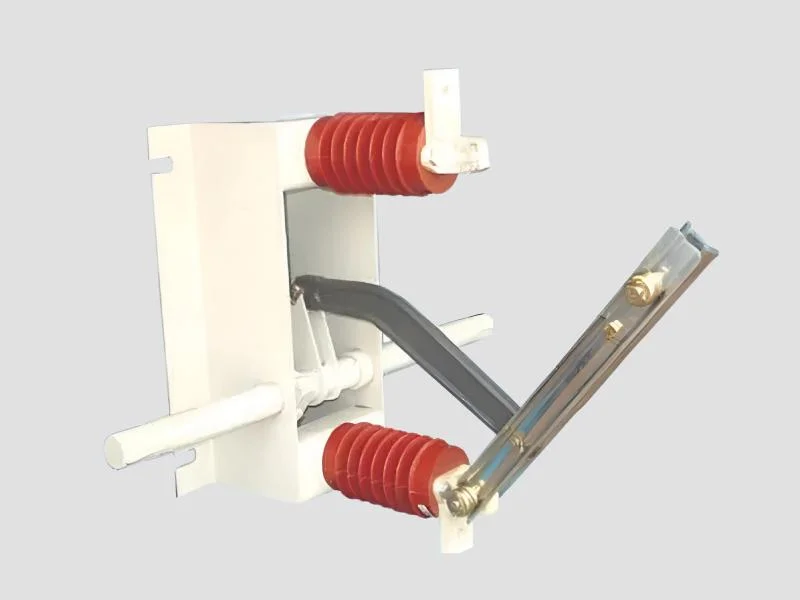
This variant includes devices that control and protect electrical circuits. It is essential for managing the distribution of electricity in industrial settings and ensuring safety.
Transformers
Transformers are critical for voltage conversion and distribution. They facilitate the efficient transmission of electricity across long distances, making them indispensable in industrial applications.
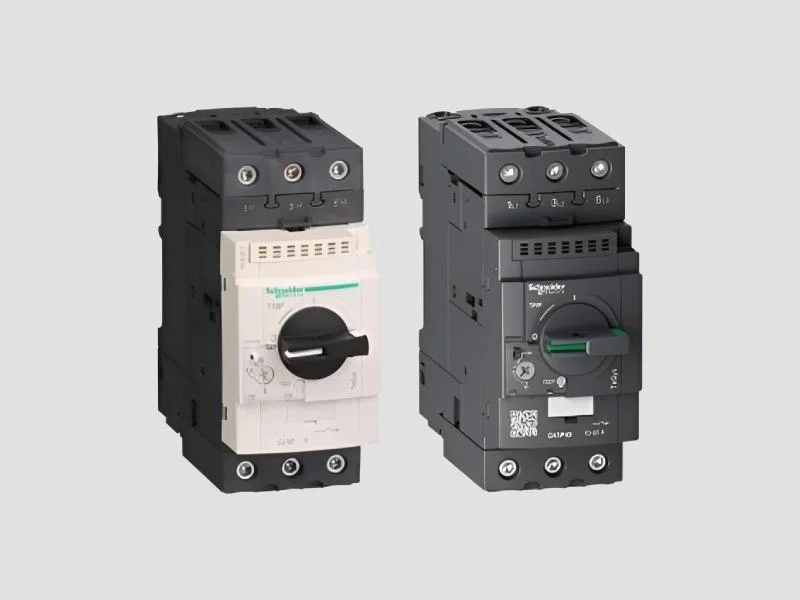
Circuit Breakers
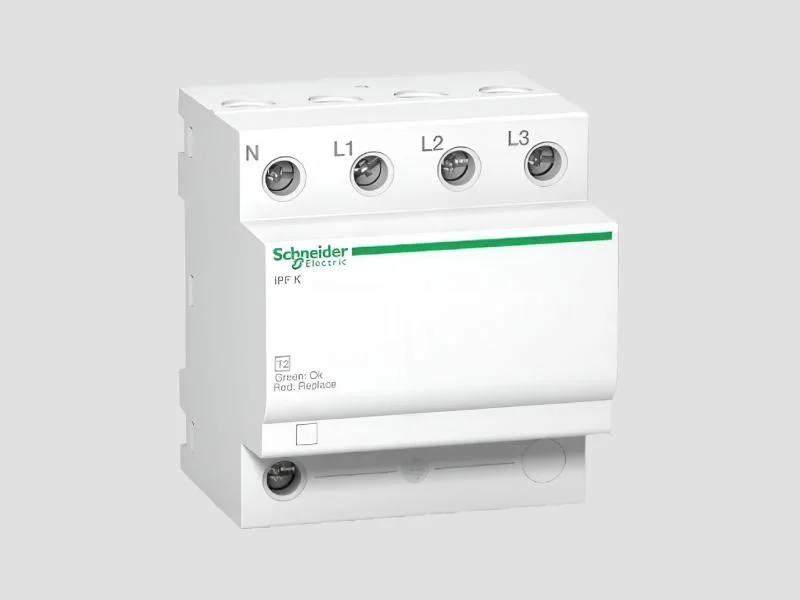
Used to protect electrical circuits from overloads, circuit breakers are vital for maintaining safety in industrial operations. They automatically interrupt current flow in case of faults.
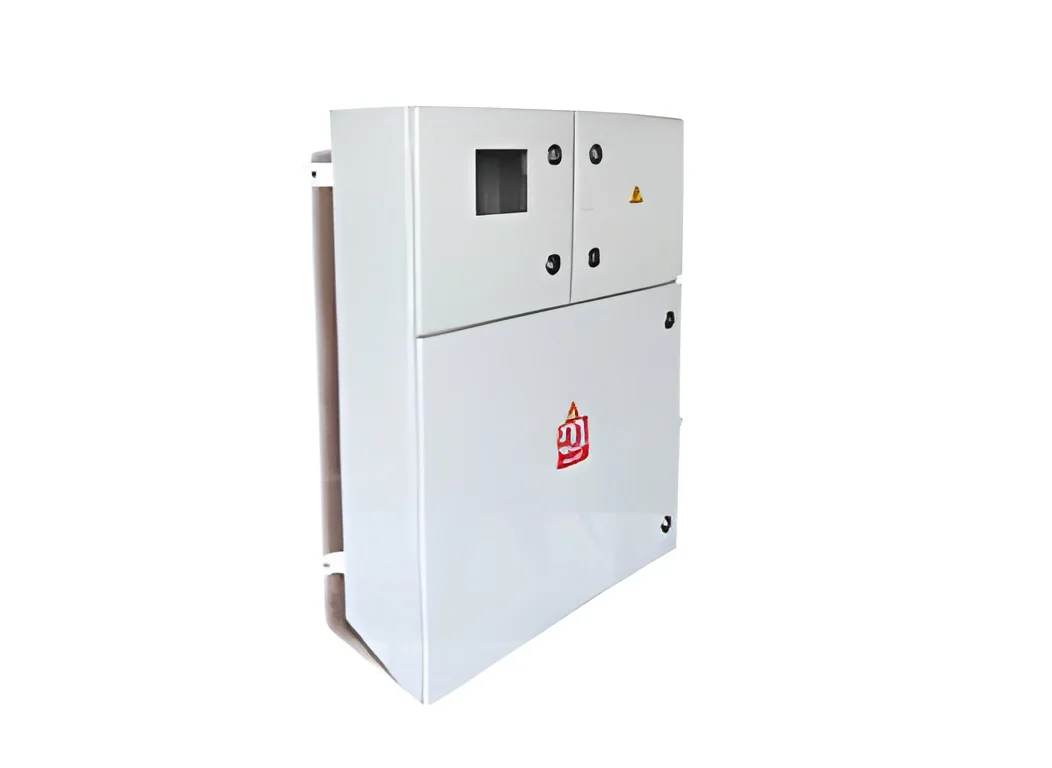
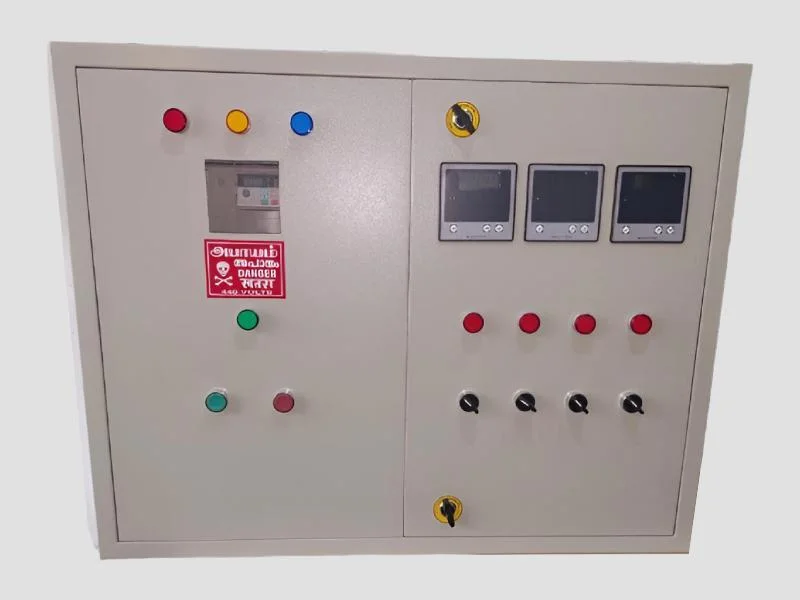
Control Panels
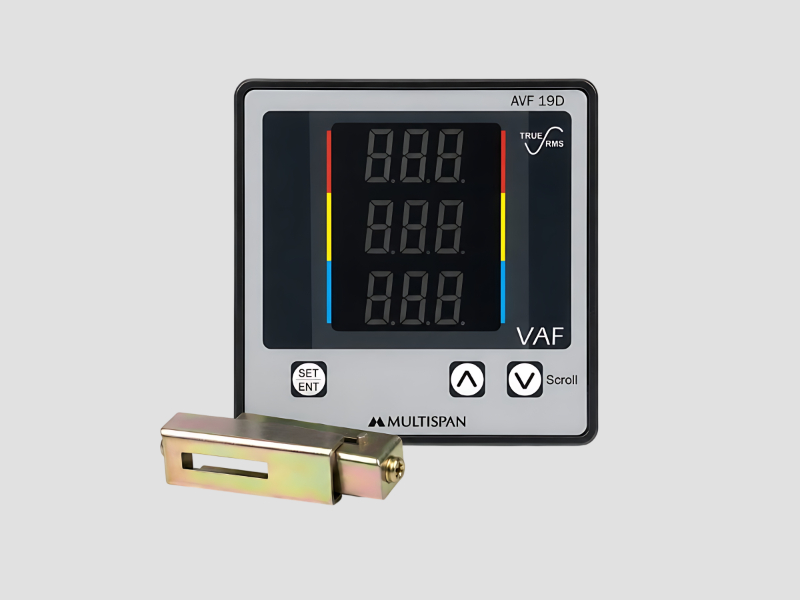
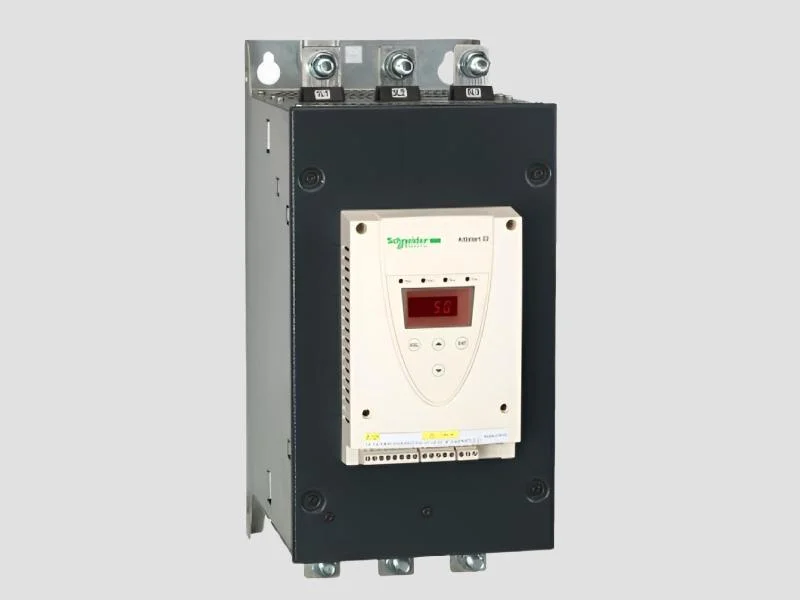
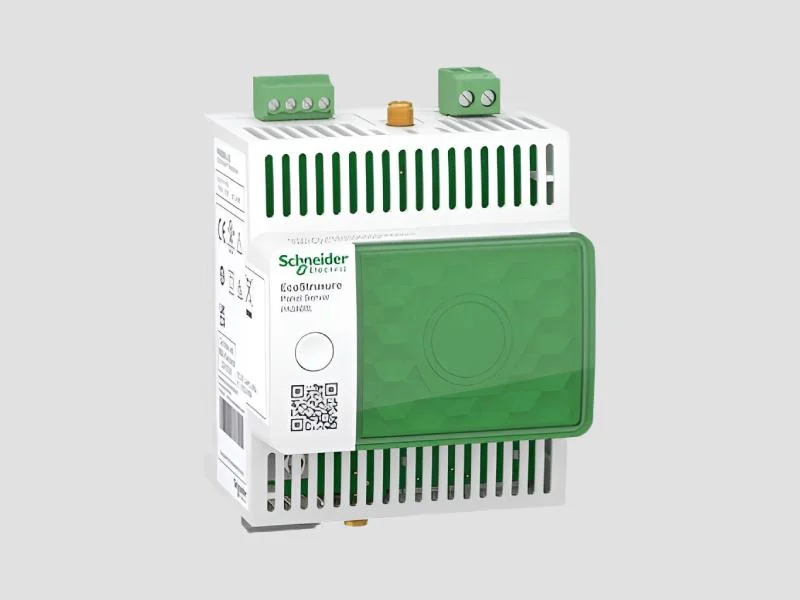
Control panels provide centralized management of electrical systems, allowing operators to monitor and control various processes from a single location.
𝗕𝗲𝗻𝗲𝗳𝗶𝘁𝘀 𝗮𝗻𝗱 𝗔𝗱𝘃𝗮𝗻𝘁𝗮𝗴𝗲𝘀
Sourcing quality electrical equipment for industrial use offers numerous benefits that enhance operational efficiency and safety.
1. Enhanced Safety: High-quality equipment includes essential safety features, reducing the risk of accidents and injuries in the workplace.
2. Increased Efficiency: Reliable electrical equipment operates at high efficiency, leading to lower energy costs and improved productivity.
3. Regulatory Compliance: Quality equipment often meets industry standards and certifications, ensuring businesses adhere to regulations.
4. Durability: Industrial-grade equipment is designed to withstand harsh conditions, minimizing maintenance needs and extending service life.
5. Customization Options: Many suppliers offer customization to meet specific operational requirements, providing tailored solutions for unique challenges.
6. Improved Performance: Advanced technology integrated into modern electrical equipment enhances overall performance and reliability.
𝗕𝘂𝘆𝗶𝗻𝗴 𝗚𝘂𝗶𝗱𝗲 𝗳𝗼𝗿 𝗕𝟮𝗕 𝗕𝘂𝘆𝗲𝗿𝘀
When sourcing electrical equipment for industrial use, buyers should consider several important factors to ensure they make informed purchasing decisions.
1. Quality Assessment: Evaluate equipment against industry standards and certifications to ensure reliability and safety. Look for products with proven performance in similar applications.
2. Supplier Verification: Verify suppliers' credentials and experience in the industry. Ensure they have a track record of delivering quality products and reliable service.
3. Pricing and MOQ: Understand pricing structures and minimum order quantities. Compare costs among different suppliers while considering quality and service.
4. Delivery and Lead Times: Assess suppliers' delivery capabilities and lead times to ensure timely receipt of equipment, which is essential for maintaining operational schedules.
5. Compliance Requirements: Be aware of regulatory compliance needs specific to your industry. Ensure the products meet all necessary safety and quality standards.
𝗖𝗼𝗺𝗽𝗹𝗶𝗮𝗻𝗰𝗲 𝗮𝗻𝗱 𝗖𝗲𝗿𝘁𝗶𝗳𝗶𝗰𝗮𝘁𝗶𝗼𝗻𝘀
Compliance with relevant quality standards and certifications is crucial for electrical equipment used in industrial environments.
ISO 9001 is a widely recognized standard that pertains to quality management systems. It ensures that manufacturers maintain consistent quality in their products and services.
CE marking indicates compliance with European safety, health, and environmental requirements. This certification is essential for products sold within the European market, ensuring they meet rigorous standards.
Safety and testing requirements are paramount in the manufacturing of electrical equipment. Products undergo various testing procedures to ensure they can operate safely under specified conditions.
Regional compliance considerations may vary. Companies should be aware of local regulations that govern electrical equipment usage and ensure all products sourced are compliant with these standards.
𝗪𝗵𝘆 𝗦𝗼𝘂𝗿𝗰𝗲 𝗘𝗹𝗲𝗰𝘁𝗿𝗶𝗰𝗮𝗹 𝗘𝗾𝘂𝗶𝗽𝗺𝗲𝗻𝘁 𝗳𝗼𝗿 𝗜𝗻𝗱𝘂𝘀𝘁𝗿𝗶𝗮𝗹 𝗨𝘀𝗲 𝗳𝗿𝗼𝗺 𝗣𝗲𝗽𝗮𝗴𝗼𝗿𝗮?
Pepagora provides a trusted platform for sourcing electrical equipment for industrial use, offering several key advantages that set it apart from competitors.
Verified Supplier Network: Pepagora connects buyers with a network of verified suppliers who are committed to quality and reliability. This verification process ensures that buyers can trust the products they purchase.
Streamlined RFQ Process: The Request for Quotation (RFQ) system simplifies the procurement process. Buyers can easily submit their requirements and receive competitive quotes from multiple suppliers, facilitating informed decision-making.
Trade Assurance and Support: Pepagora offers trade assurance, providing buyers with protection throughout the purchasing process. This support includes assistance with dispute resolution and ensuring timely delivery of products.
Regional Coverage: With a strong presence in India, the GCC, and Southeast Asia, Pepagora offers extensive geographic reach. This enables buyers to access a diverse range of electrical equipment tailored to their local markets, ensuring they find the right solutions for their needs.

 IN
IN