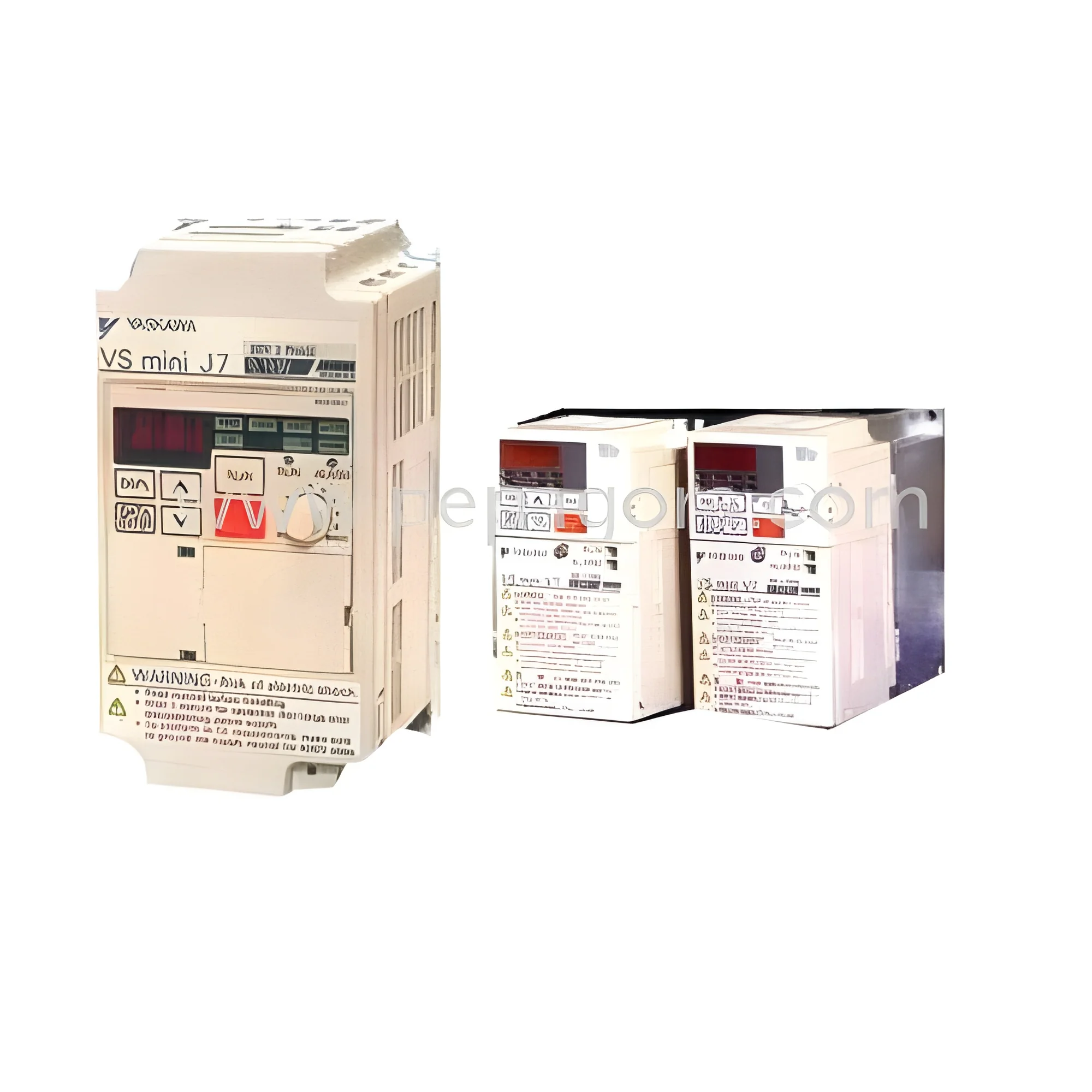
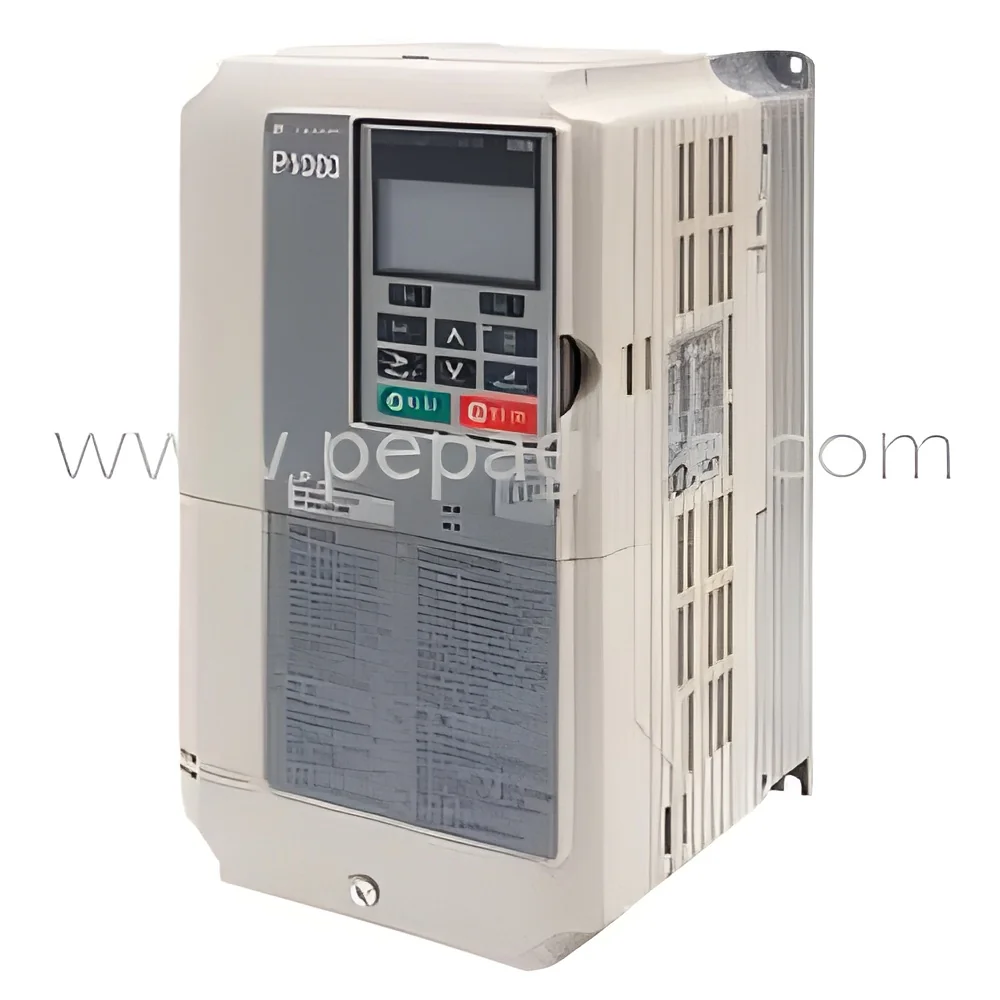
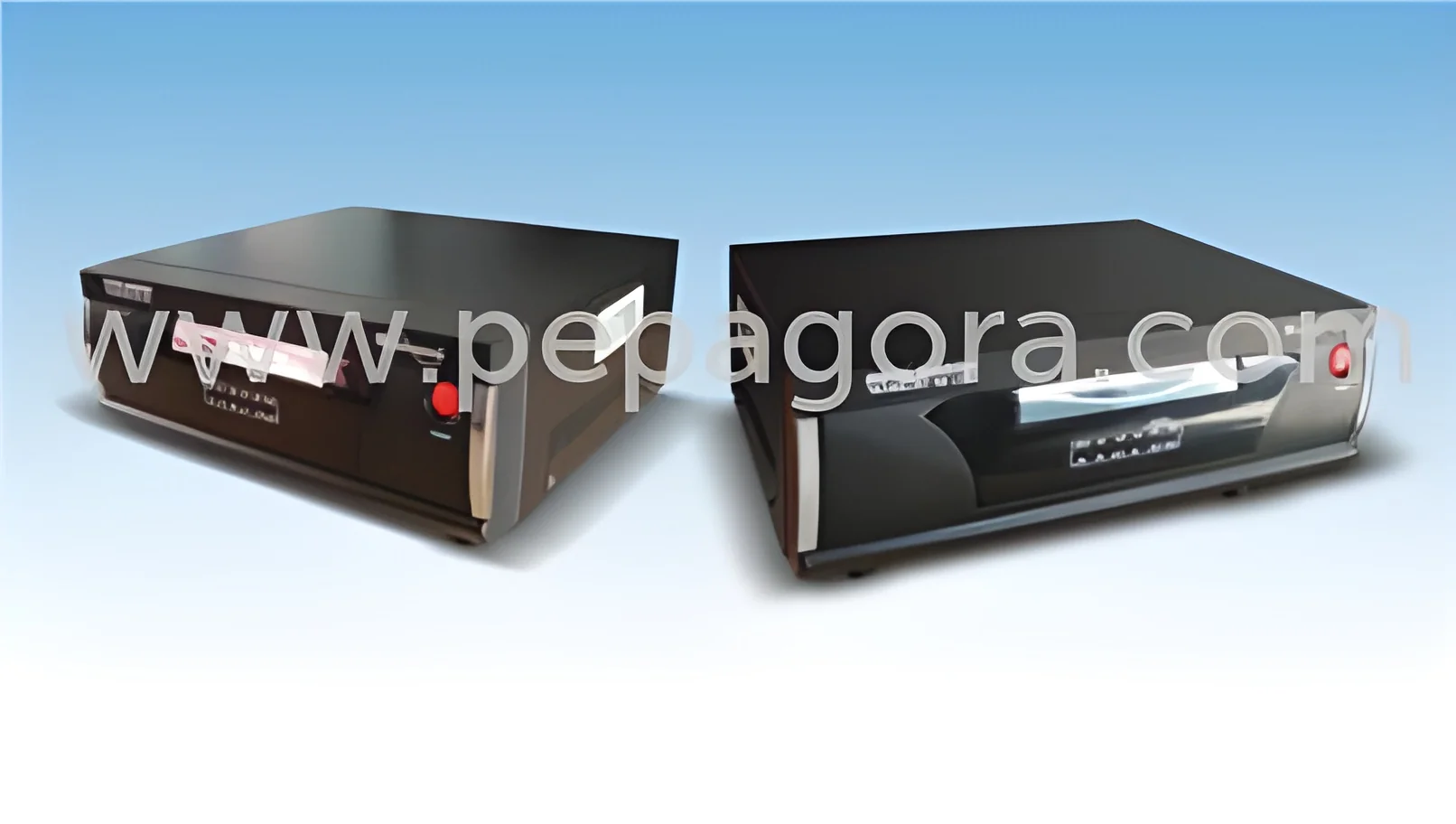
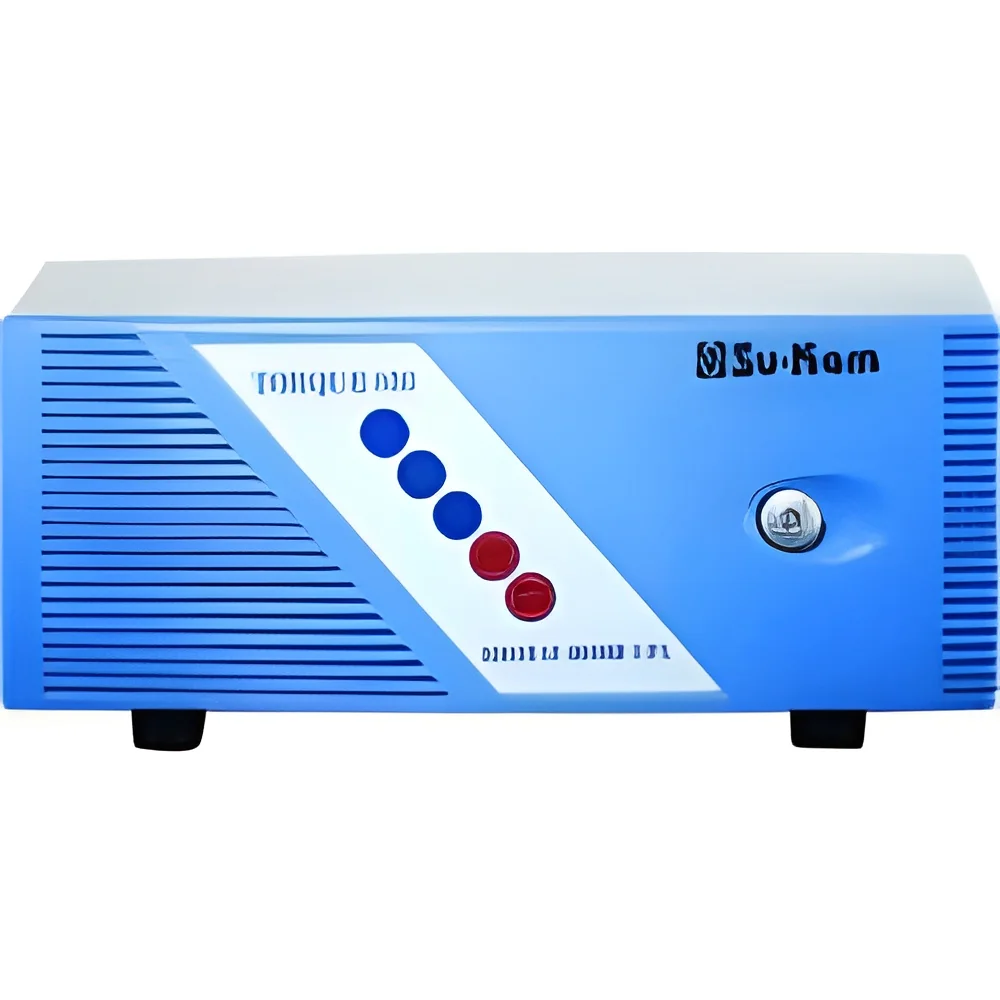
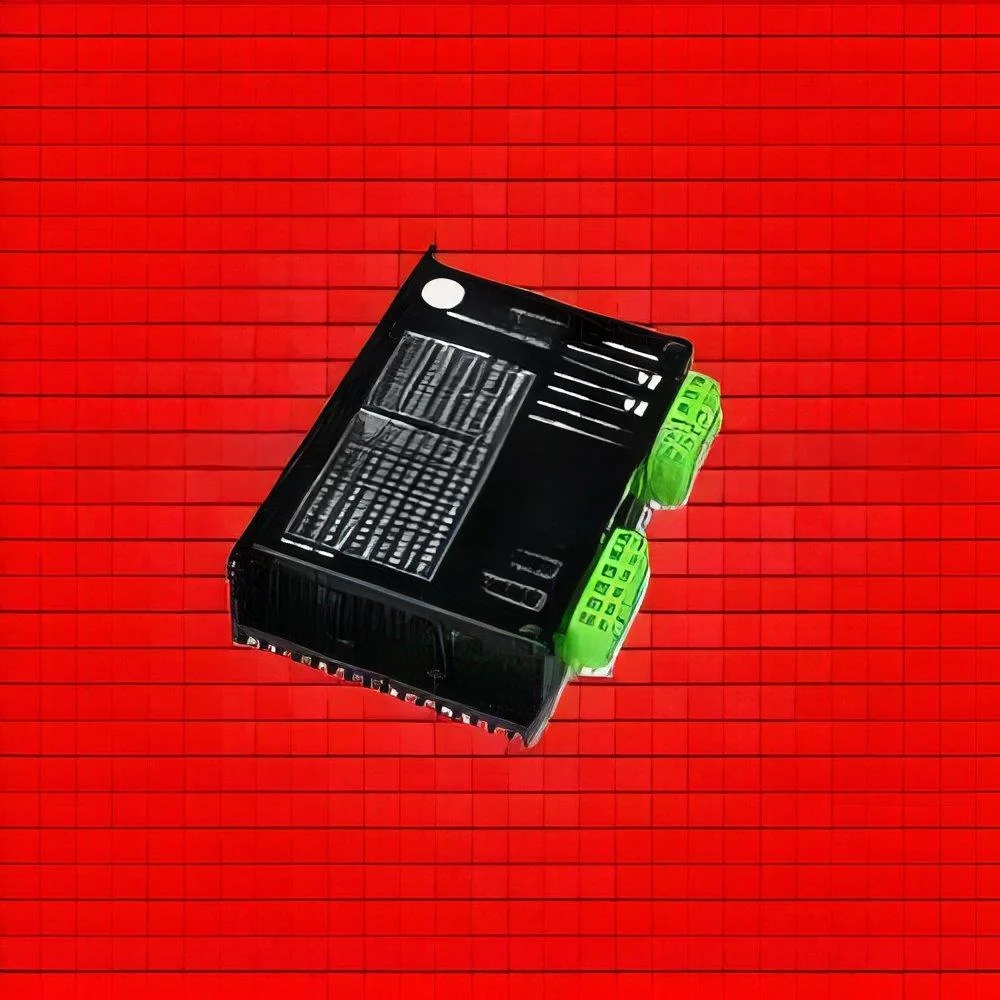
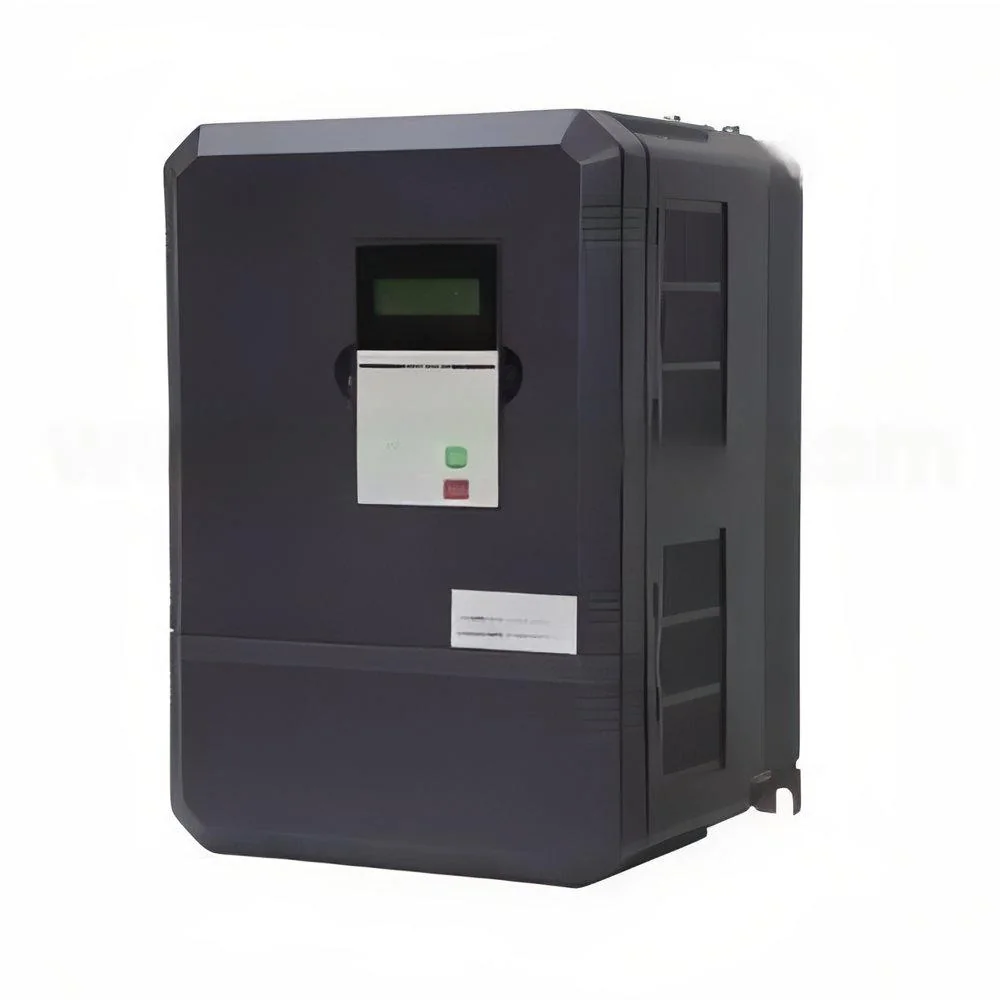
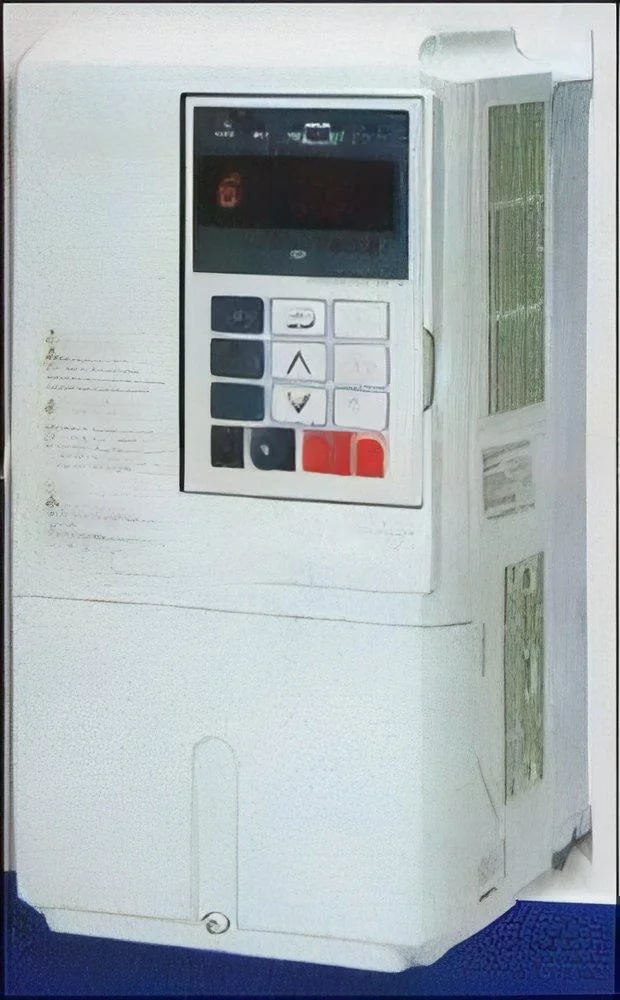
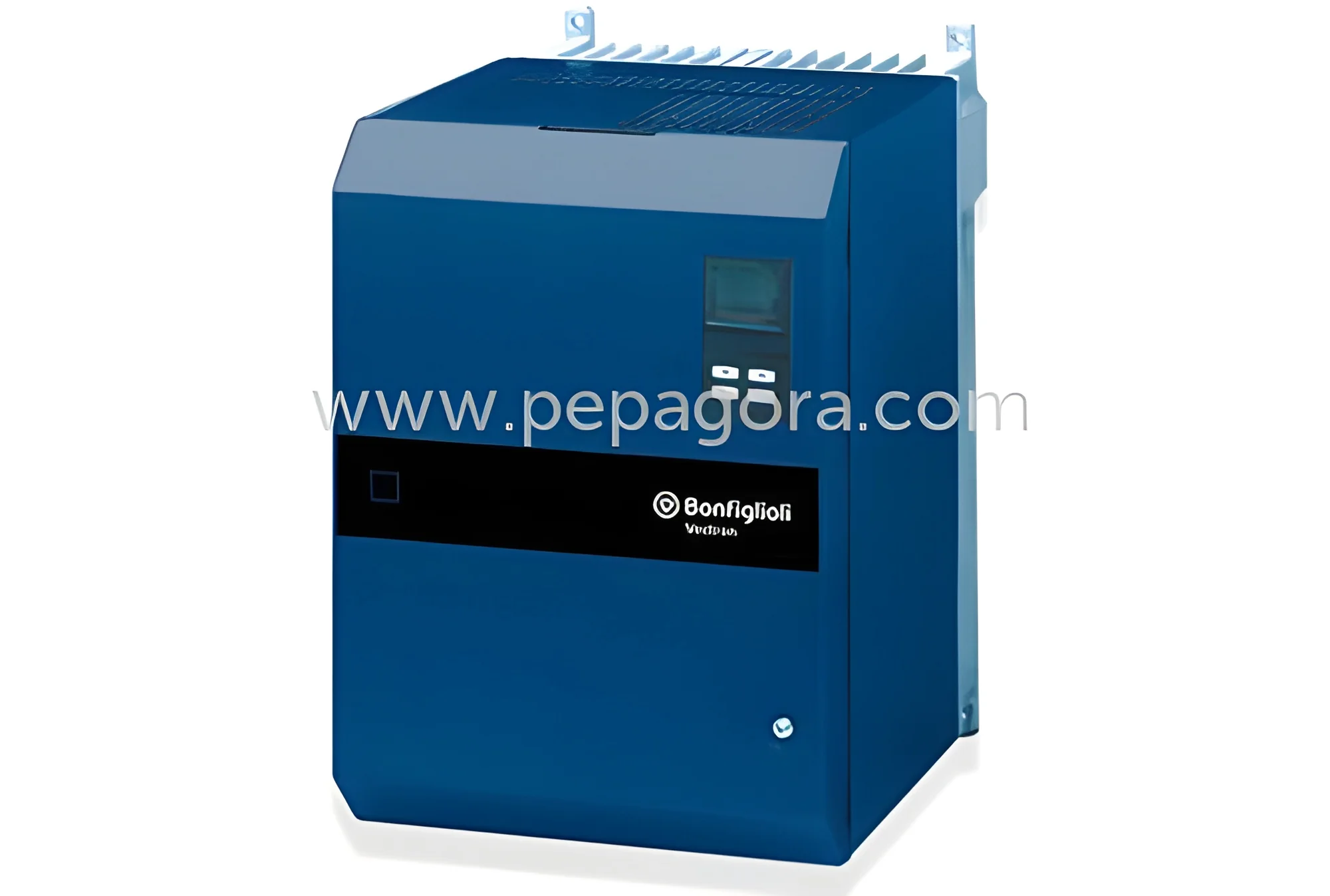
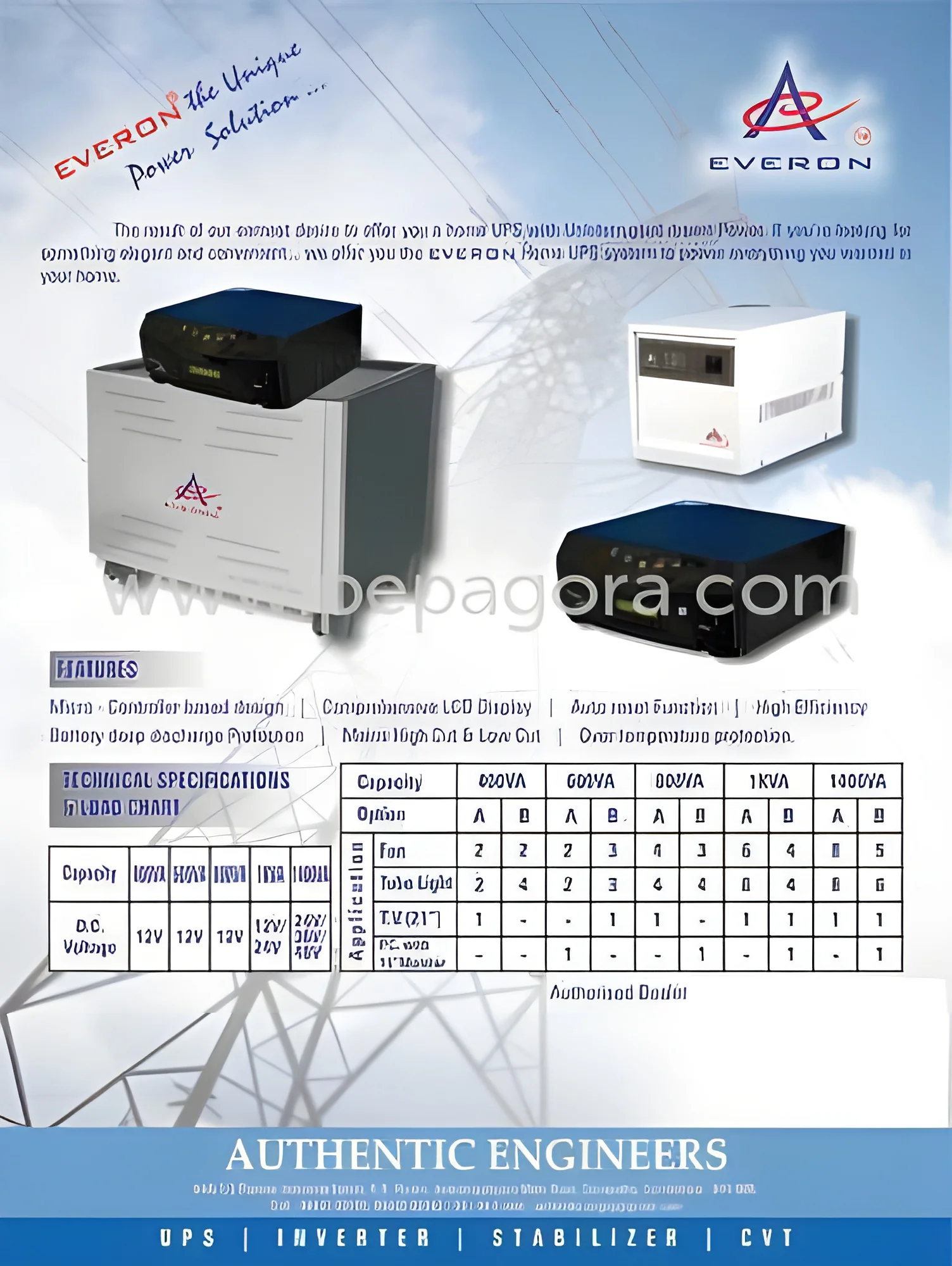
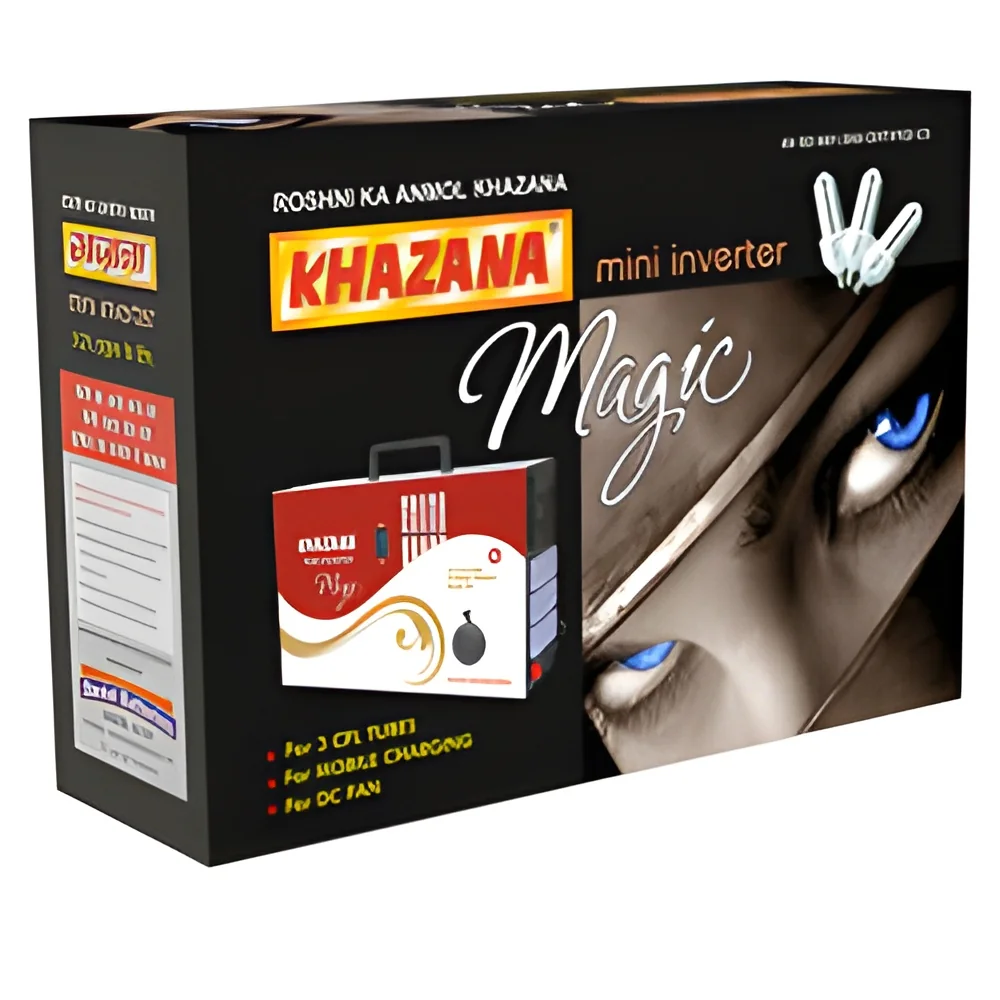
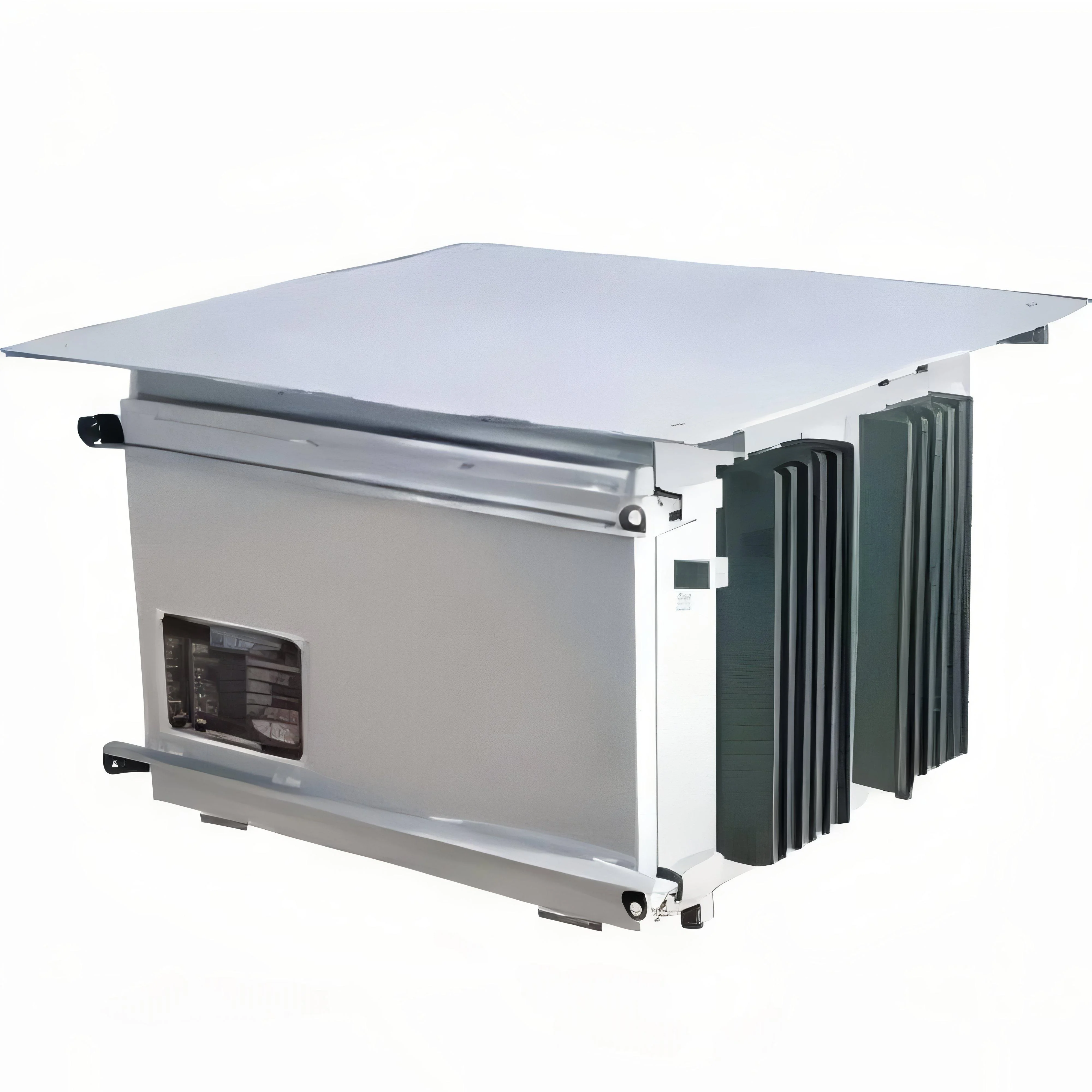
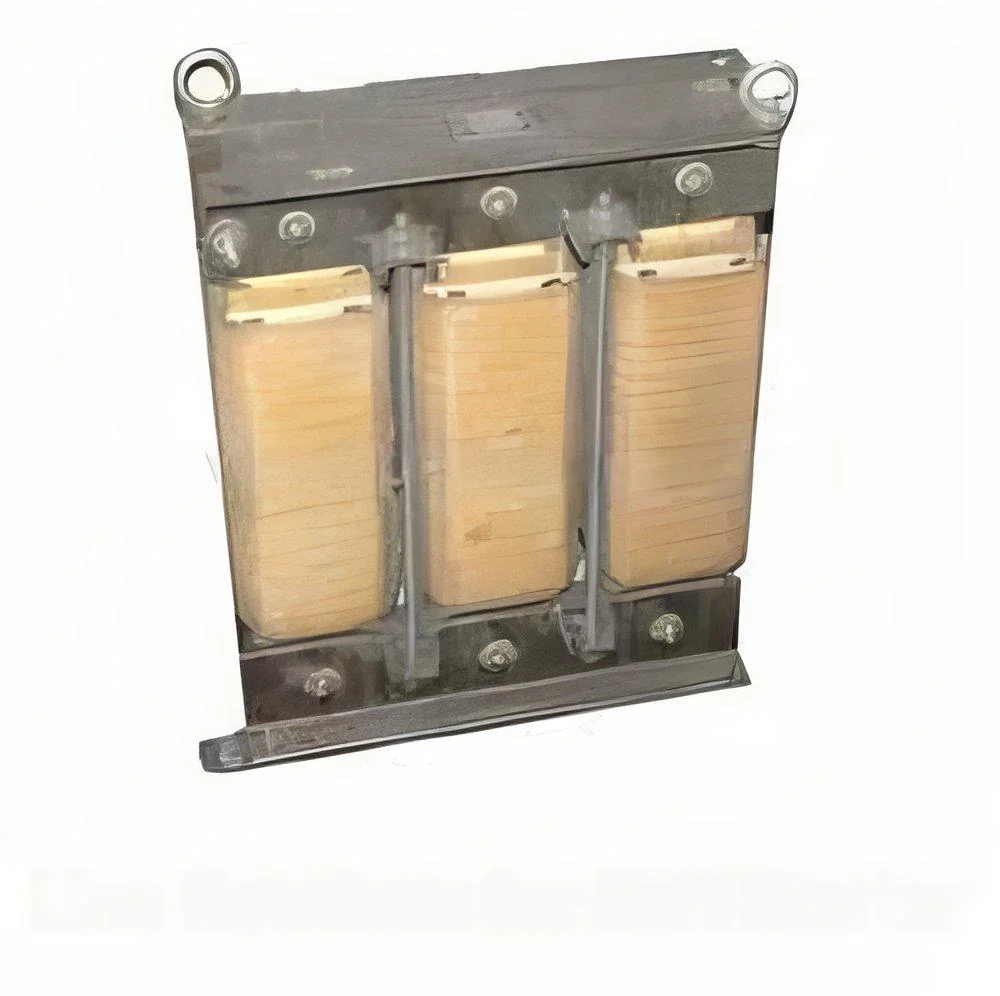
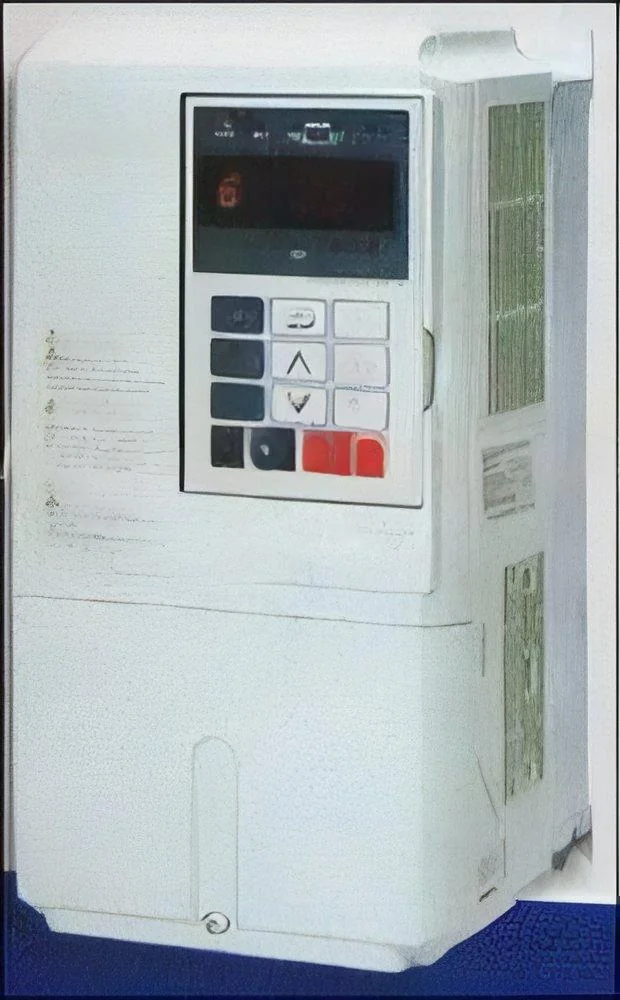
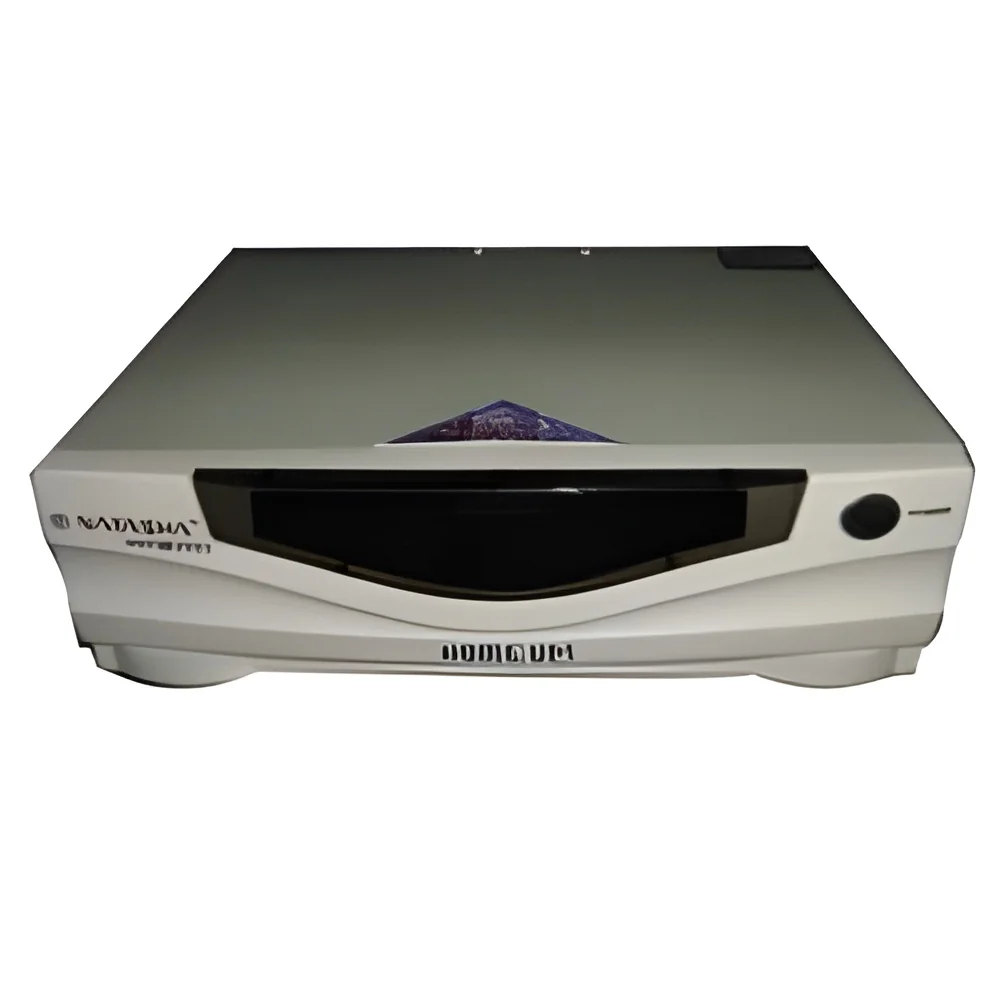
What are Inverters?
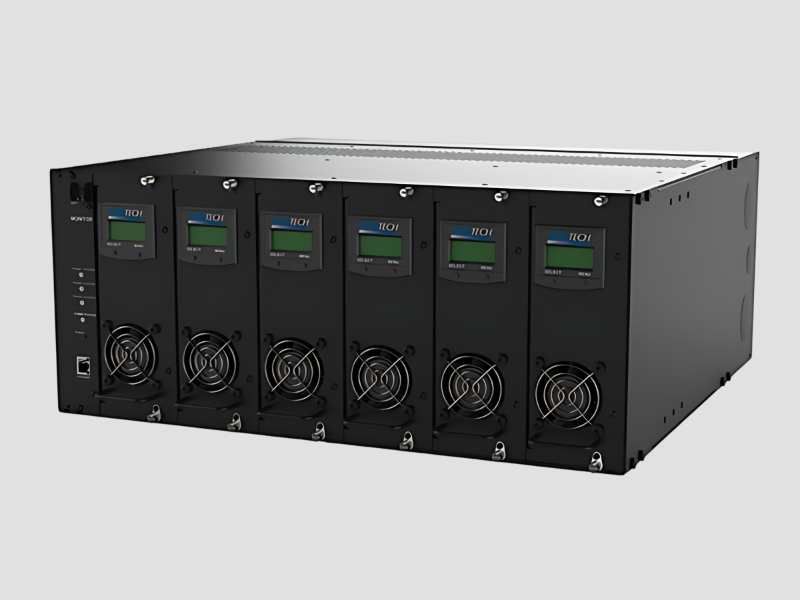
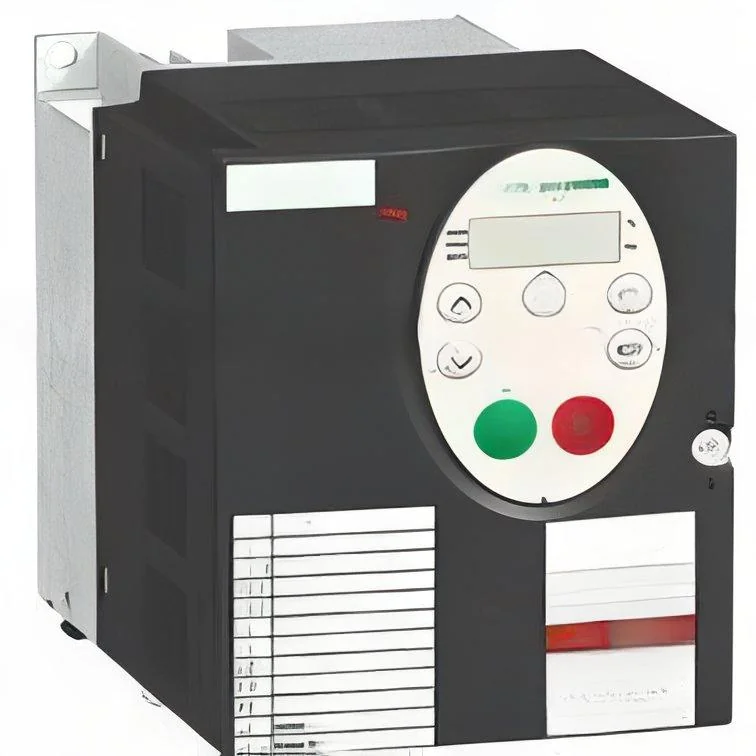
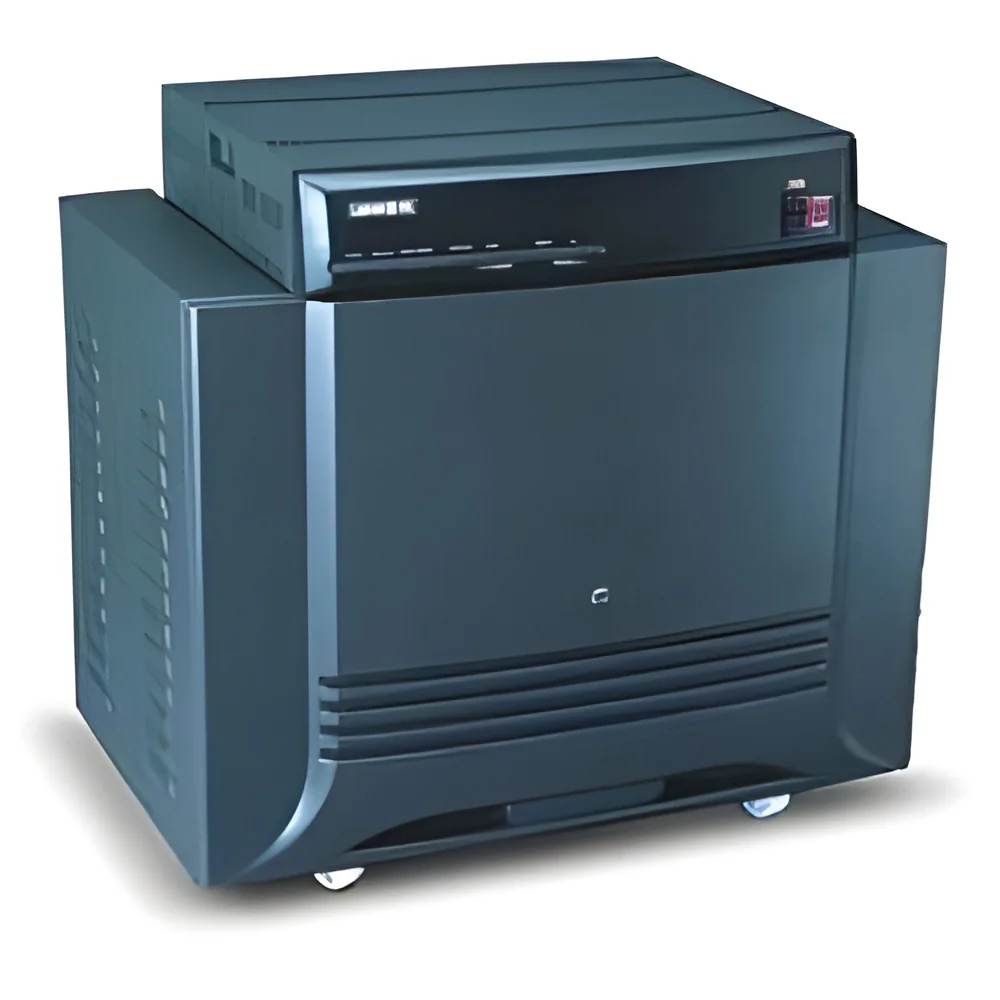
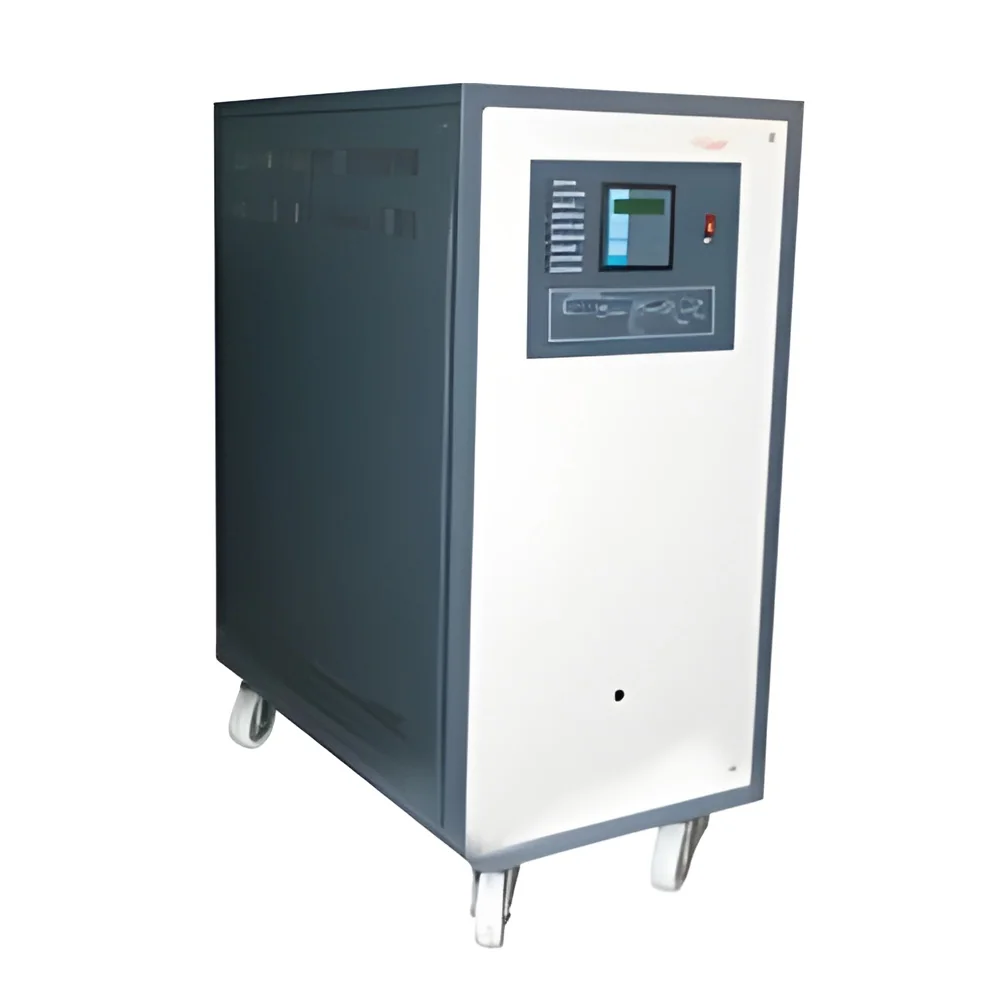
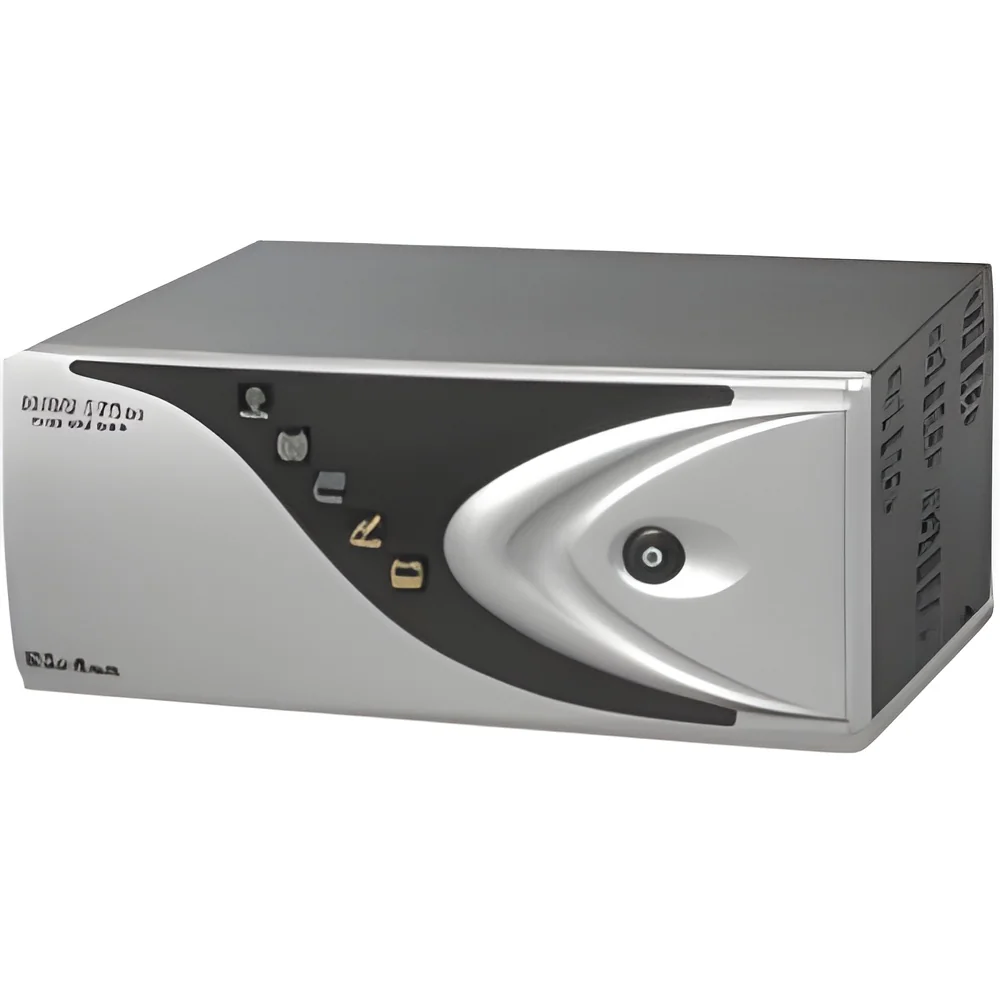
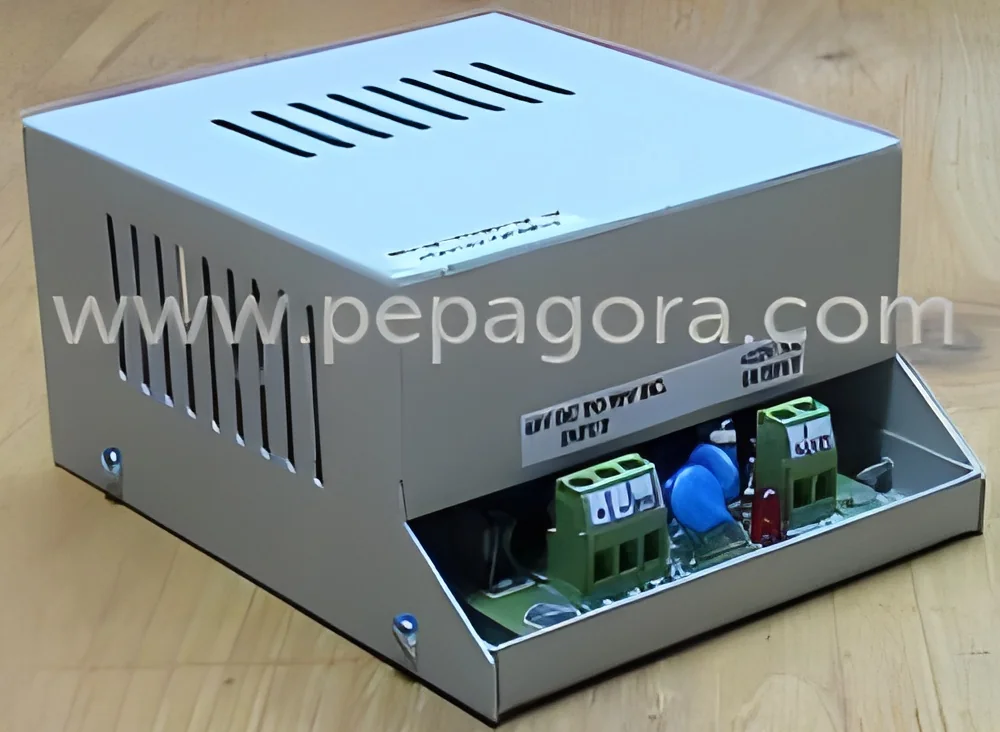
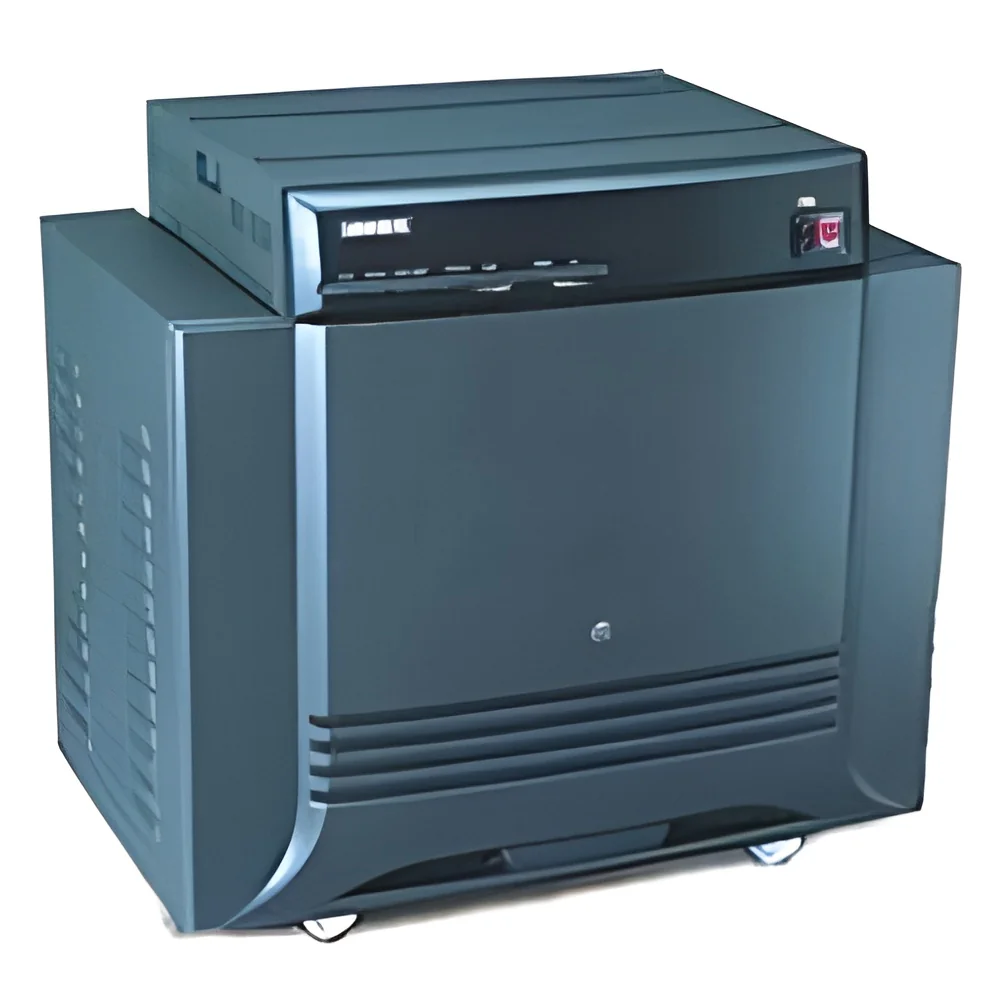
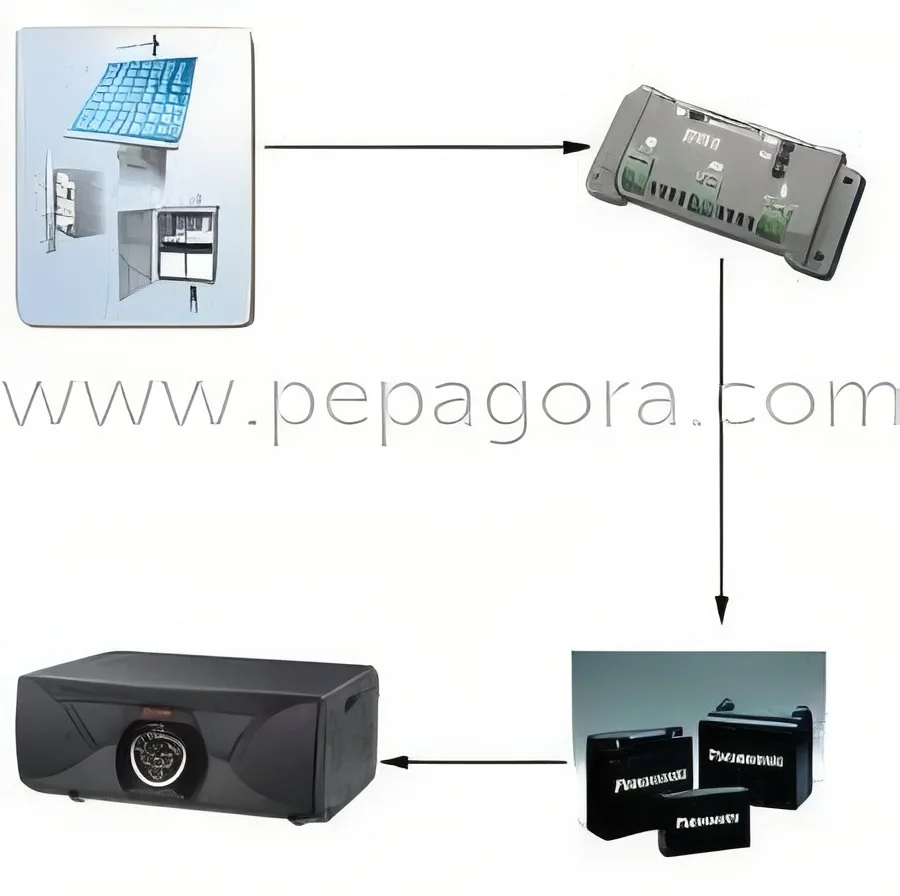
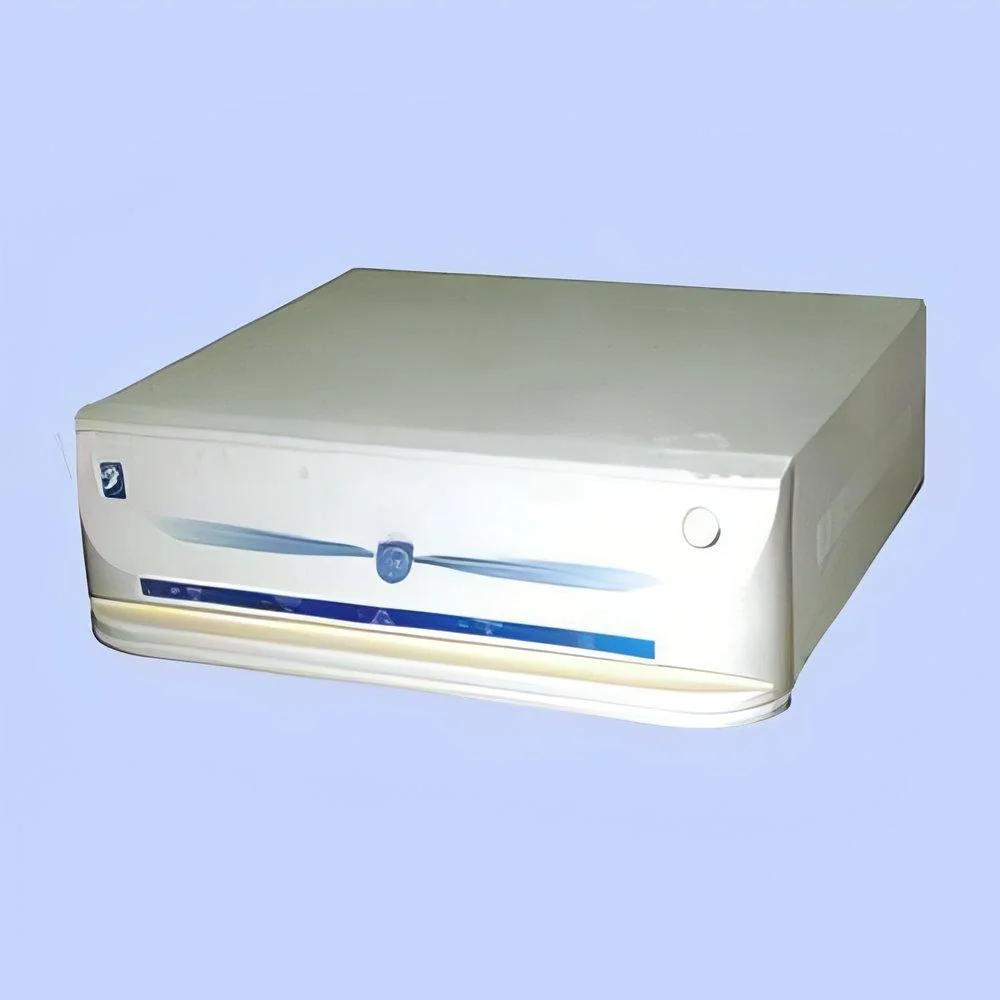
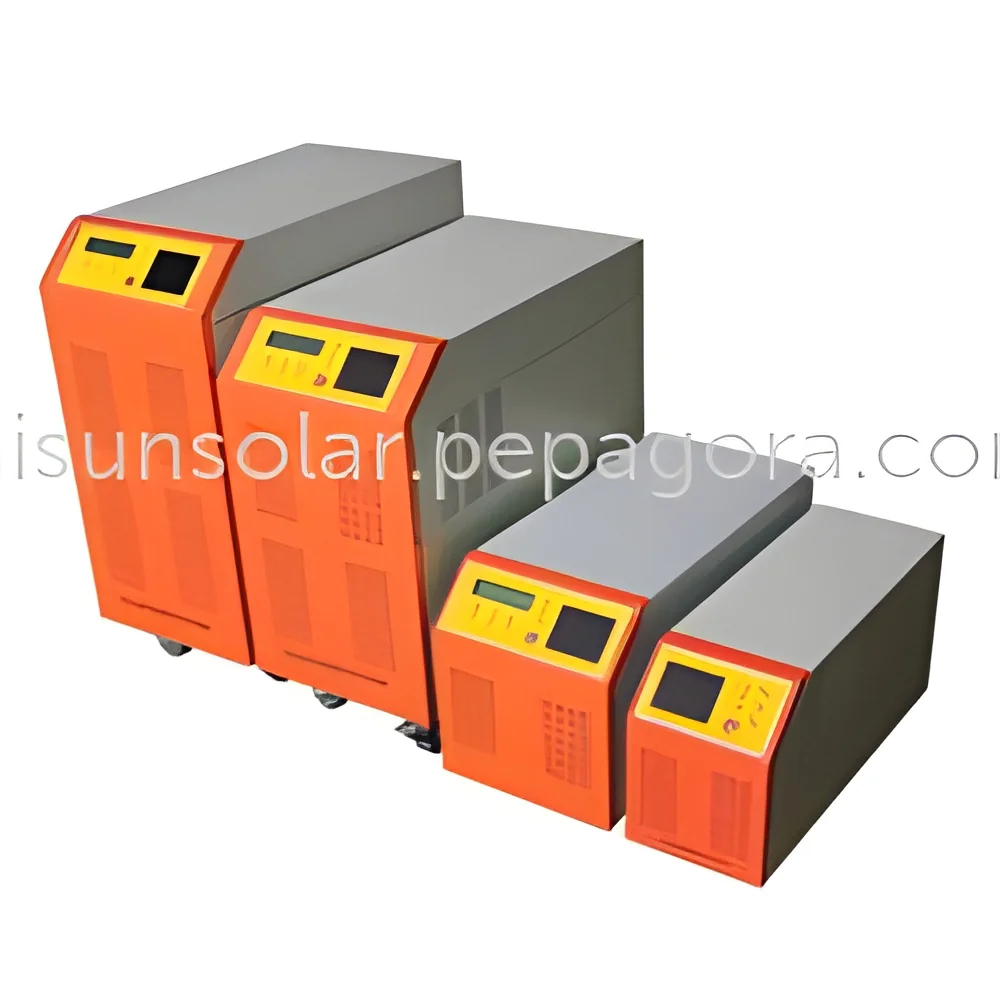
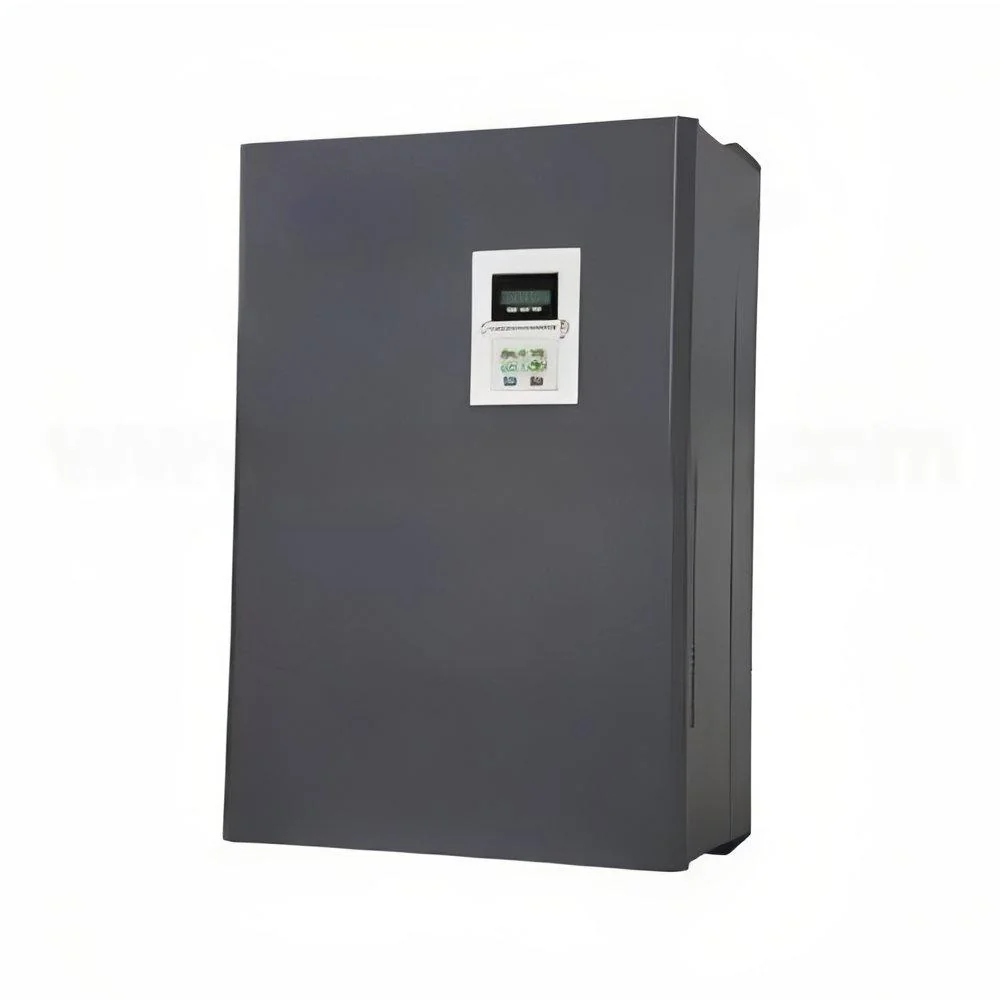
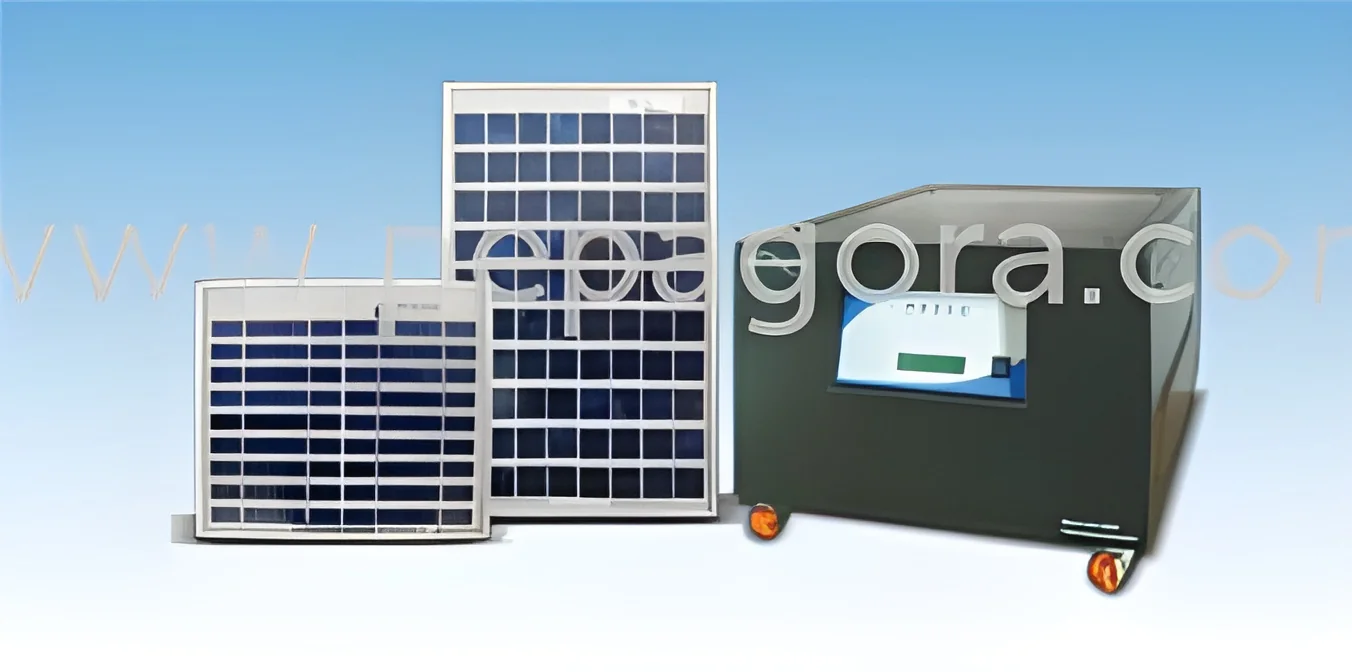
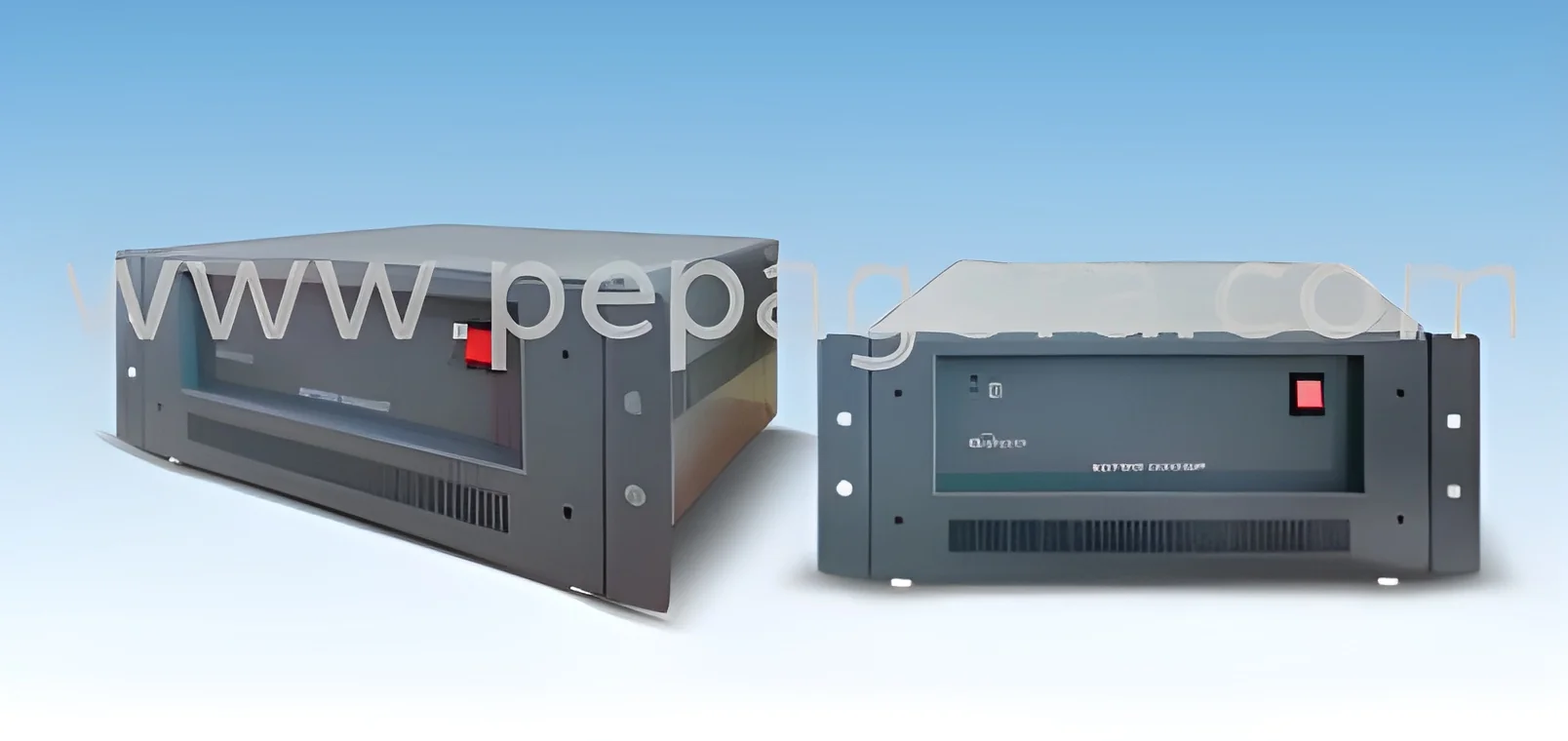
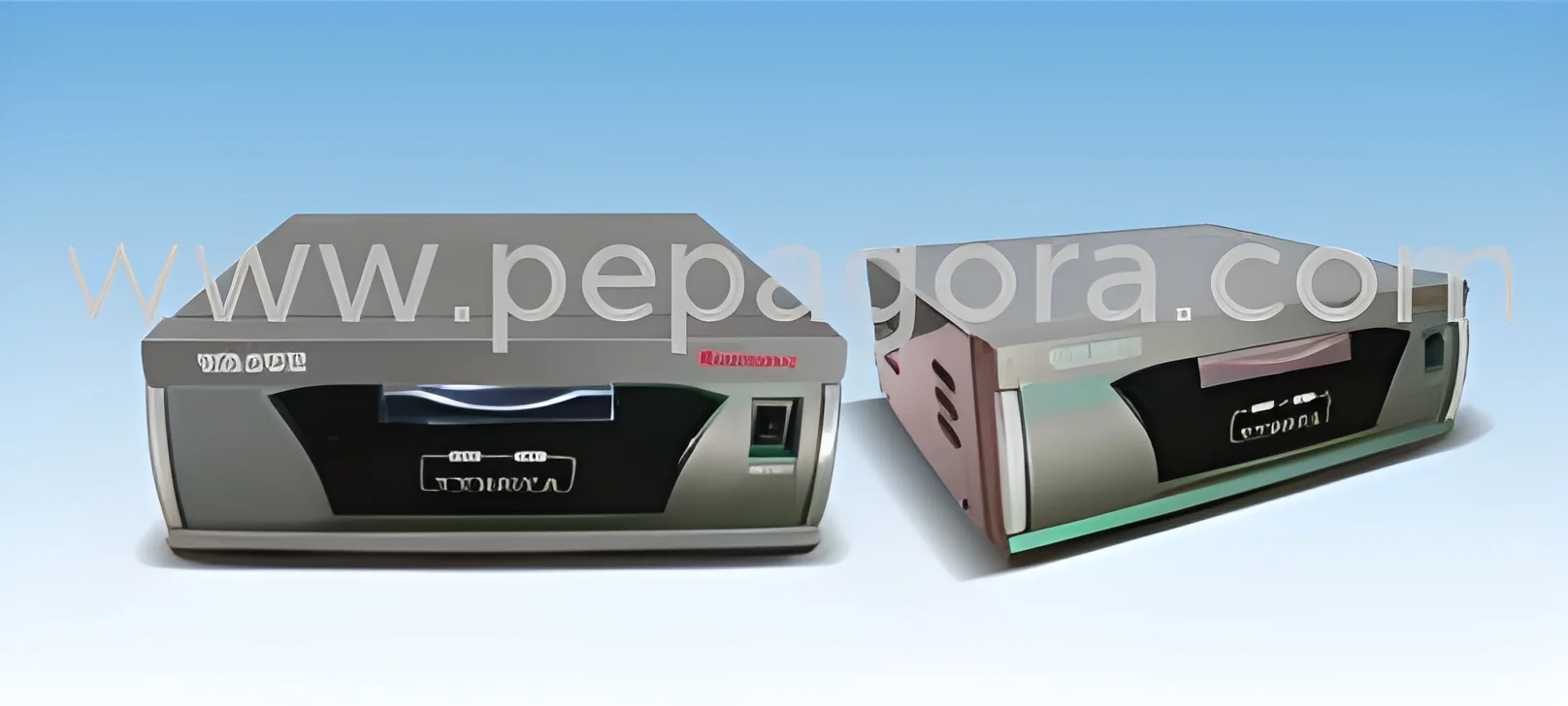
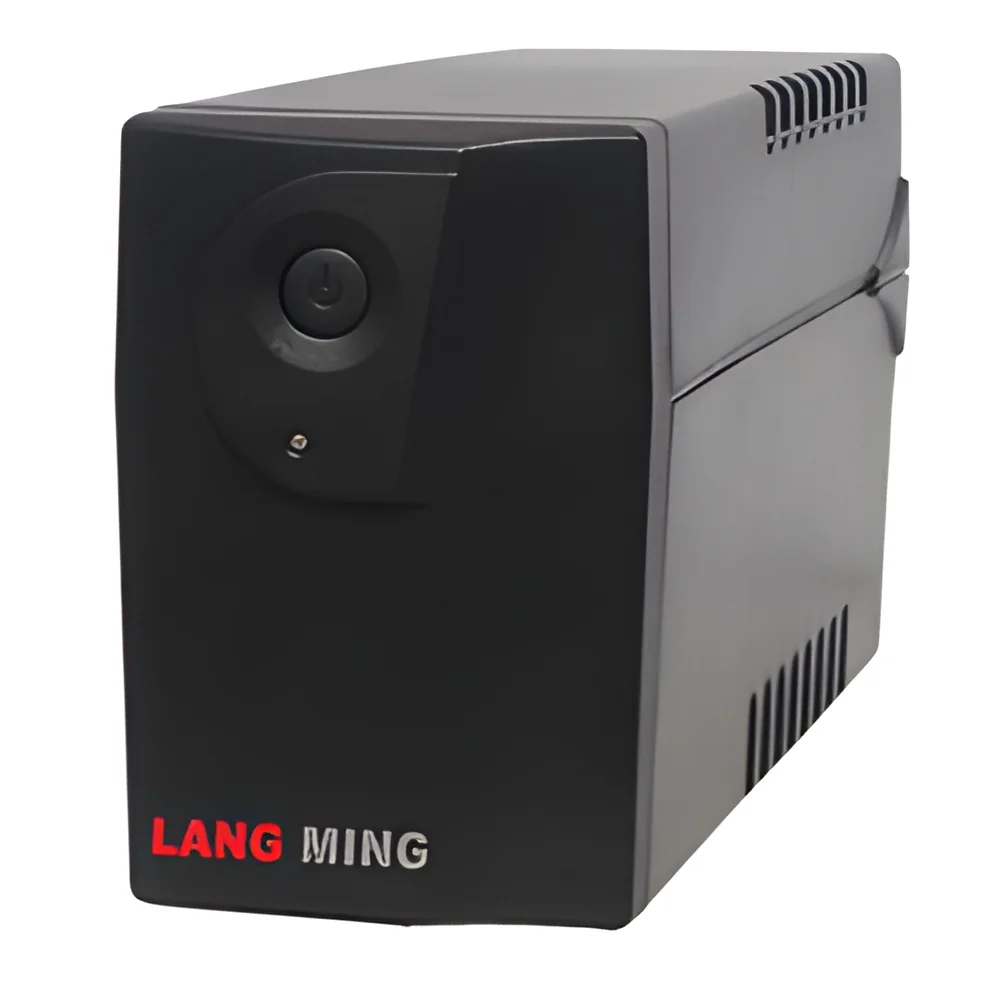
Inverters are electronic devices that convert direct current (DC) into alternating current (AC). This transformation is vital for the operation of various electrical appliances and systems that rely on AC power. Inverters play a critical role in managing electrical energy, especially in renewable energy systems such as solar power, where the generated DC must be converted to AC for use in homes and businesses.
In the business context, inverters are used in a range of applications, including renewable energy installations, uninterruptible power supplies (UPS), and electric vehicle systems. They are essential in industries where energy efficiency and reliability are crucial. The increasing demand for sustainable energy solutions has further propelled the inverter market, making it a key component in the transition towards greener energy sources.
In recent years, the inverter market has seen significant growth, driven by advancements in technology and increasing adoption of renewable energy systems. As industries move towards reducing their carbon footprint, inverters have become increasingly relevant in facilitating this shift. This makes understanding inverters and their applications vital for businesses looking to optimize energy consumption and sustainability.
Key Features and Specifications
Inverters come equipped with a variety of features and specifications that enhance their functionality and efficiency. Understanding these specifications helps businesses choose the right inverter for their needs.
Key specifications include:
1. Power Output
- Indicates the maximum load that the inverter can handle.
- Typically ranges from a few hundred watts to several megawatts.
2. Input Voltage Range
- Specifies the range of DC voltage the inverter can accept.
- Common ranges include 12V, 24V, and 48V.
3. Output Voltage
- The voltage level of the AC output provided by the inverter.
- Usually available in standard levels like 120V or 240V.
4. Efficiency Rating
- Reflects how effectively the inverter converts DC to AC power.
- High-efficiency models can achieve ratings above 95%.
5. Total Harmonic Distortion (THD)
- Measures the distortion of the output waveform.
- Lower THD values indicate better performance, typically below 5%.
6. Protection Features
- Includes overvoltage, undervoltage, and short circuit protection.
- Essential for ensuring safe operation of the inverter.
7. Cooling Mechanism
- Refers to the method used to dissipate heat generated during operation.
- Can include passive or active cooling systems.
8. Communication Options
- Indicates whether the inverter can connect to monitoring systems.
- May include options for Wi-Fi, Bluetooth, or RS485 connections.
Inverters are designed to provide reliable power conversion, making these specifications critical for ensuring optimal performance in various applications.
Common Applications and Use Cases
Inverters are utilized across multiple industries, serving a wide range of applications.
1. Renewable Energy: Inverters are crucial in solar power systems, converting solar panel-generated DC into usable AC electricity for homes and businesses. They also play a role in wind energy systems.
2. Telecommunications: Inverters are used in backup power systems to provide uninterrupted power supply to telecom equipment, ensuring communication networks remain operational during outages.
3. Electric Vehicles: Inverters are essential components in electric vehicles, converting the DC from batteries into AC to power the electric motors.
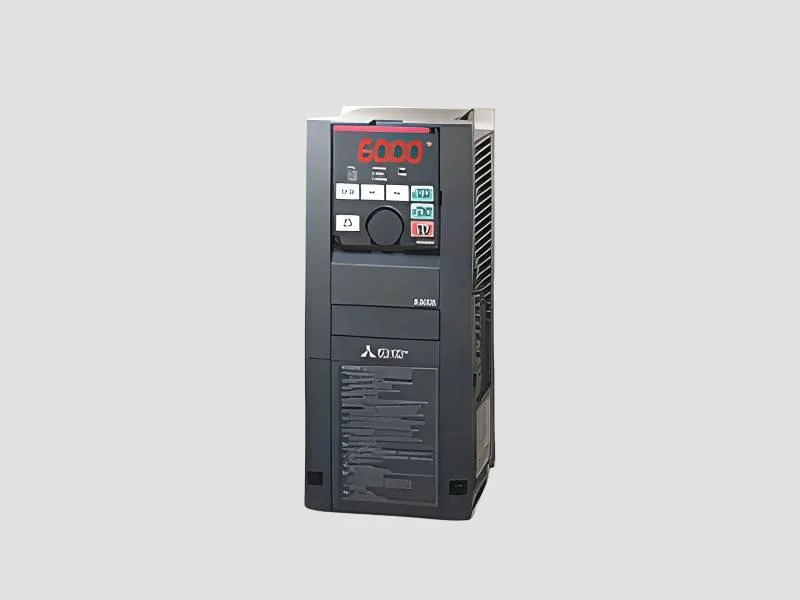
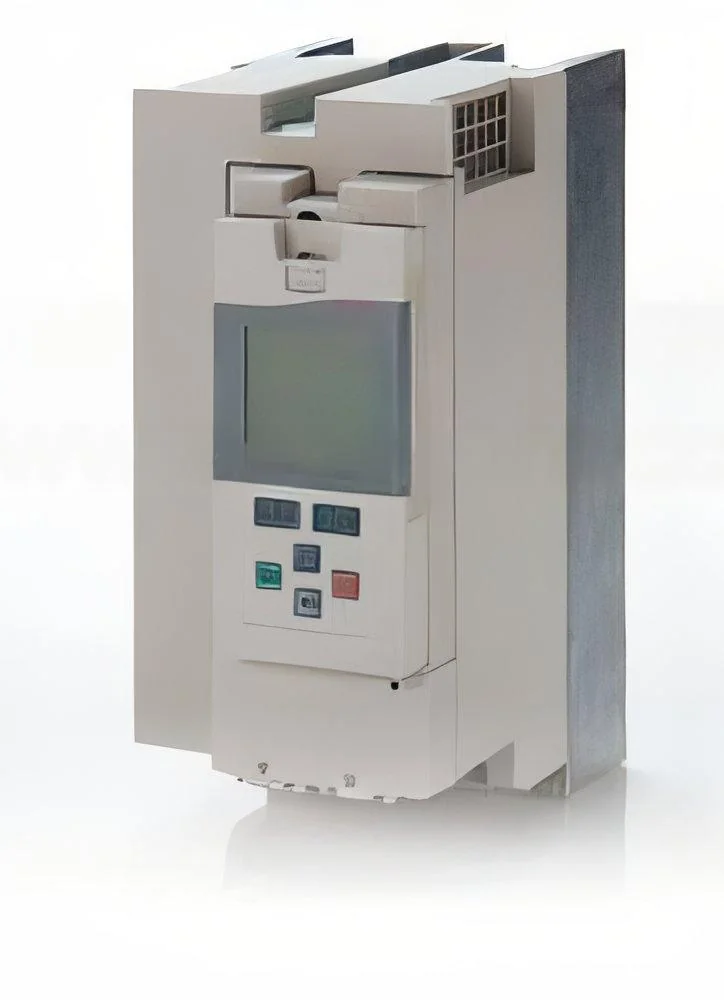
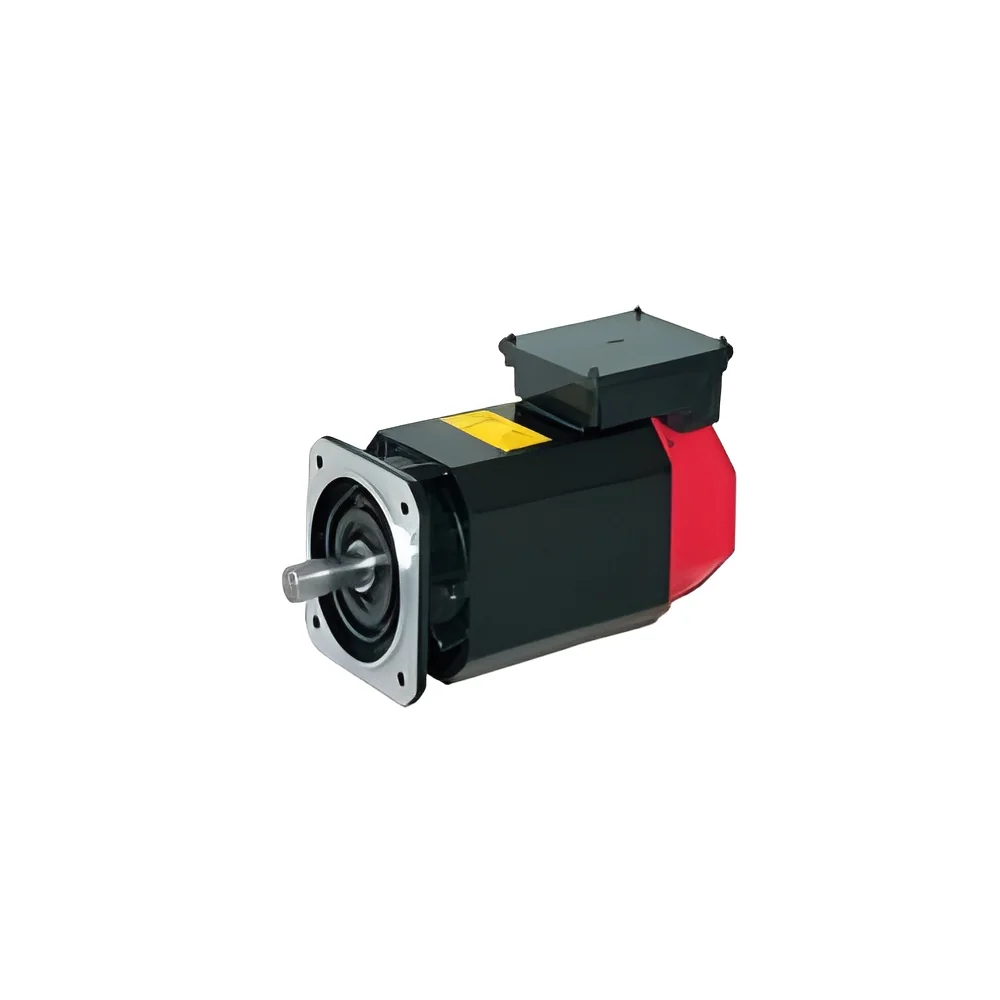
4. Industrial Automation: Inverters control the speed and torque of electric motors in manufacturing processes, enhancing operational efficiency.
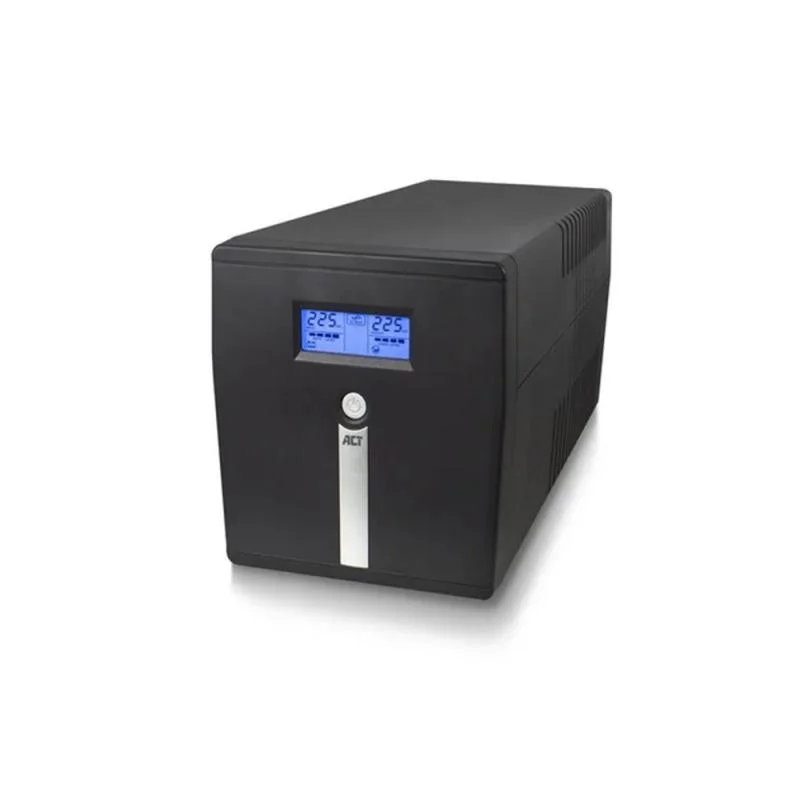
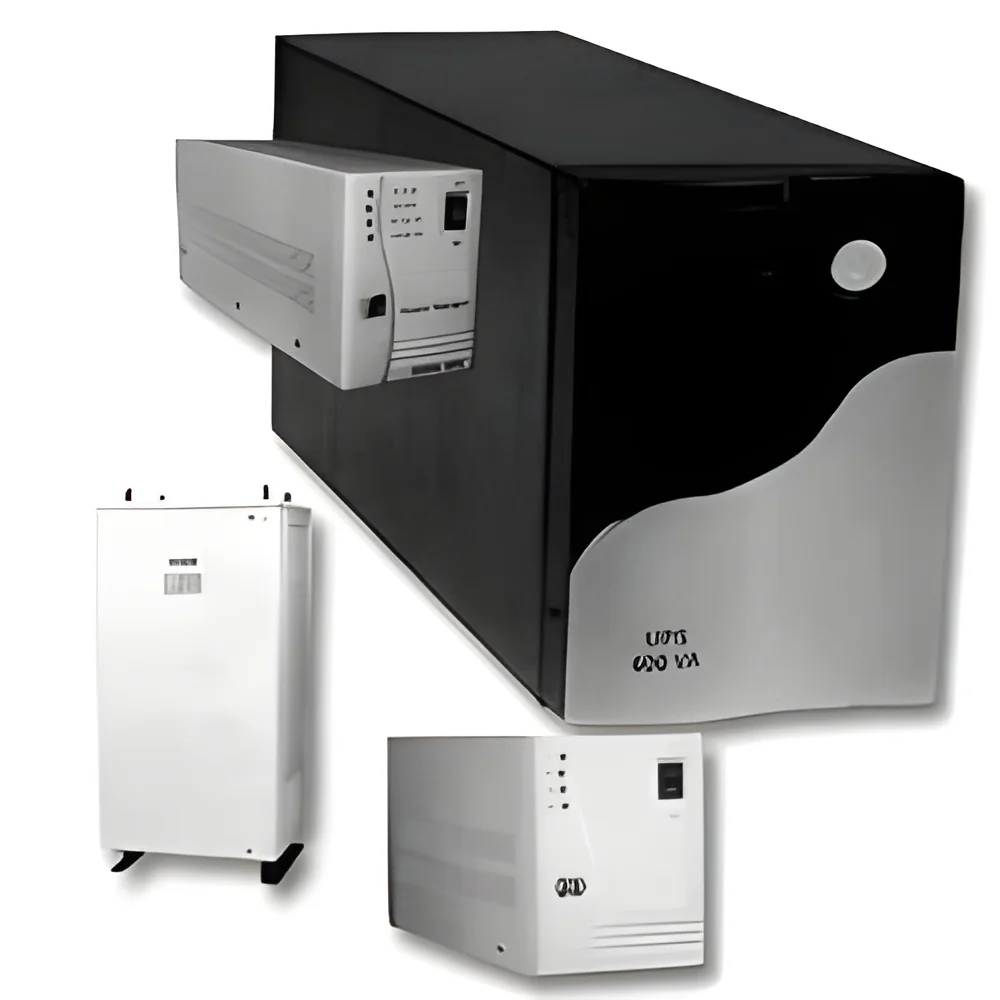
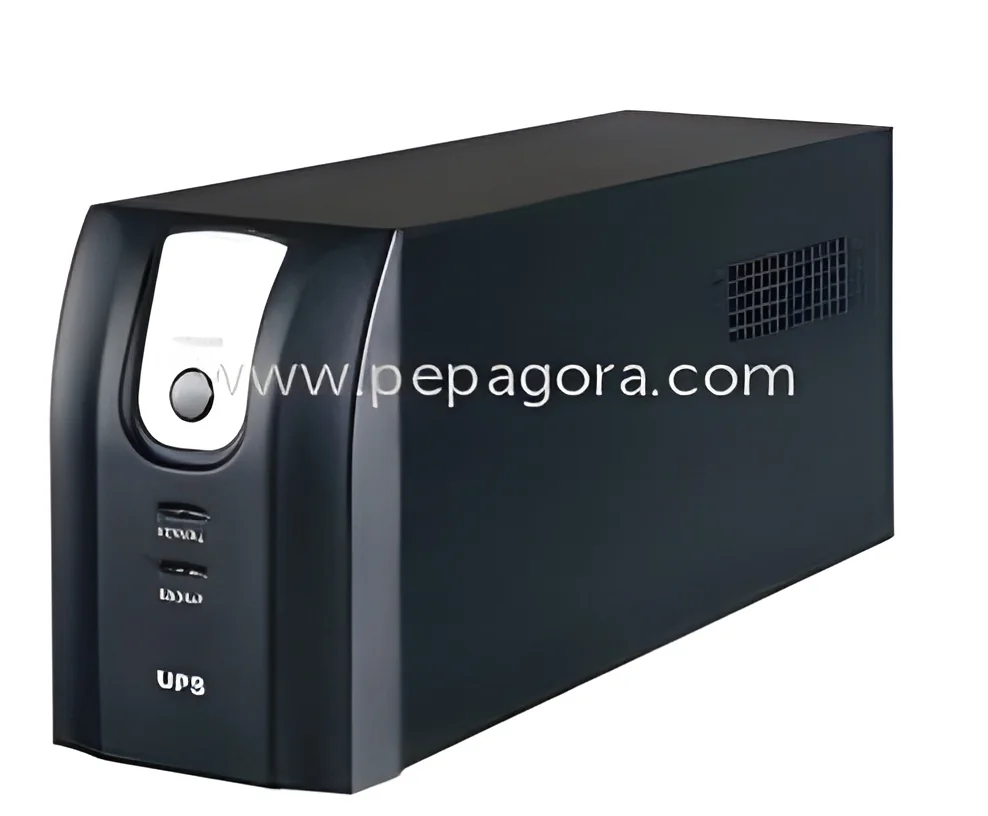
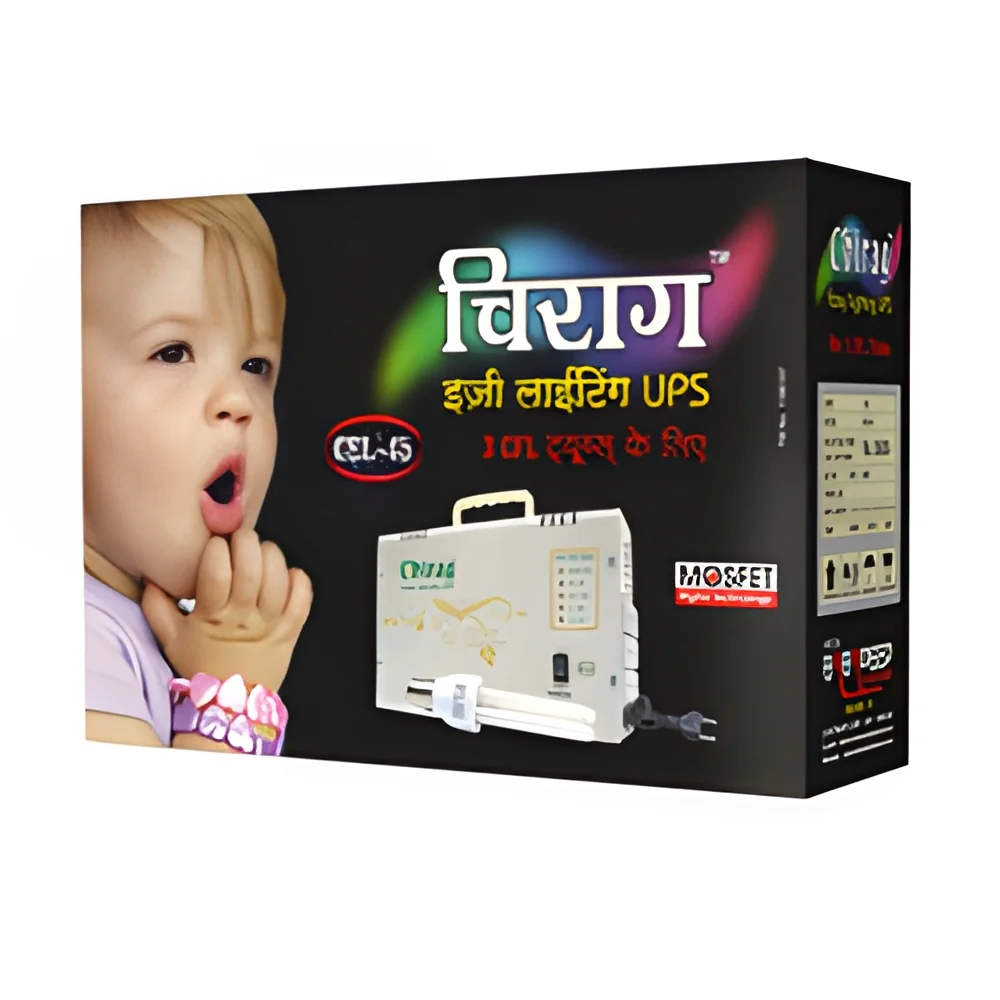
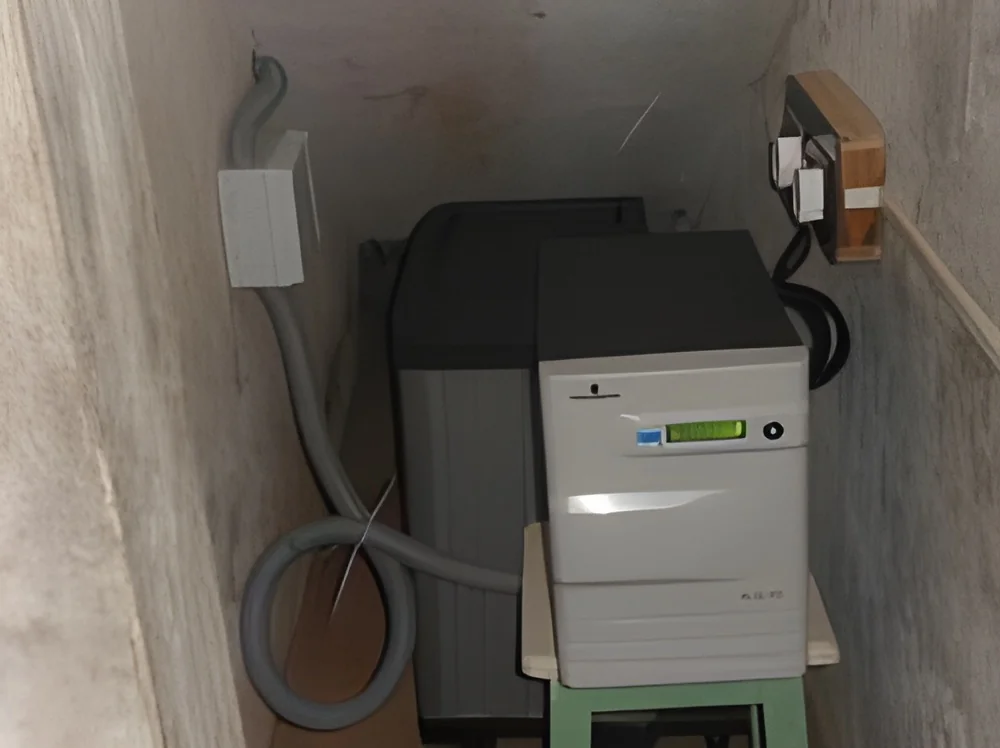
5. Uninterruptible Power Supplies (UPS): Inverters are integral to UPS systems, providing emergency power to critical equipment when the main power source fails.
6. HVAC Systems: Inverters are used in variable frequency drives for HVAC systems, allowing for precise control of motors and energy savings.
7. Rail and Transportation: Inverters are employed in electric trains and trams to convert DC from overhead lines into AC for propulsion systems.
Product Variants and Subcategories
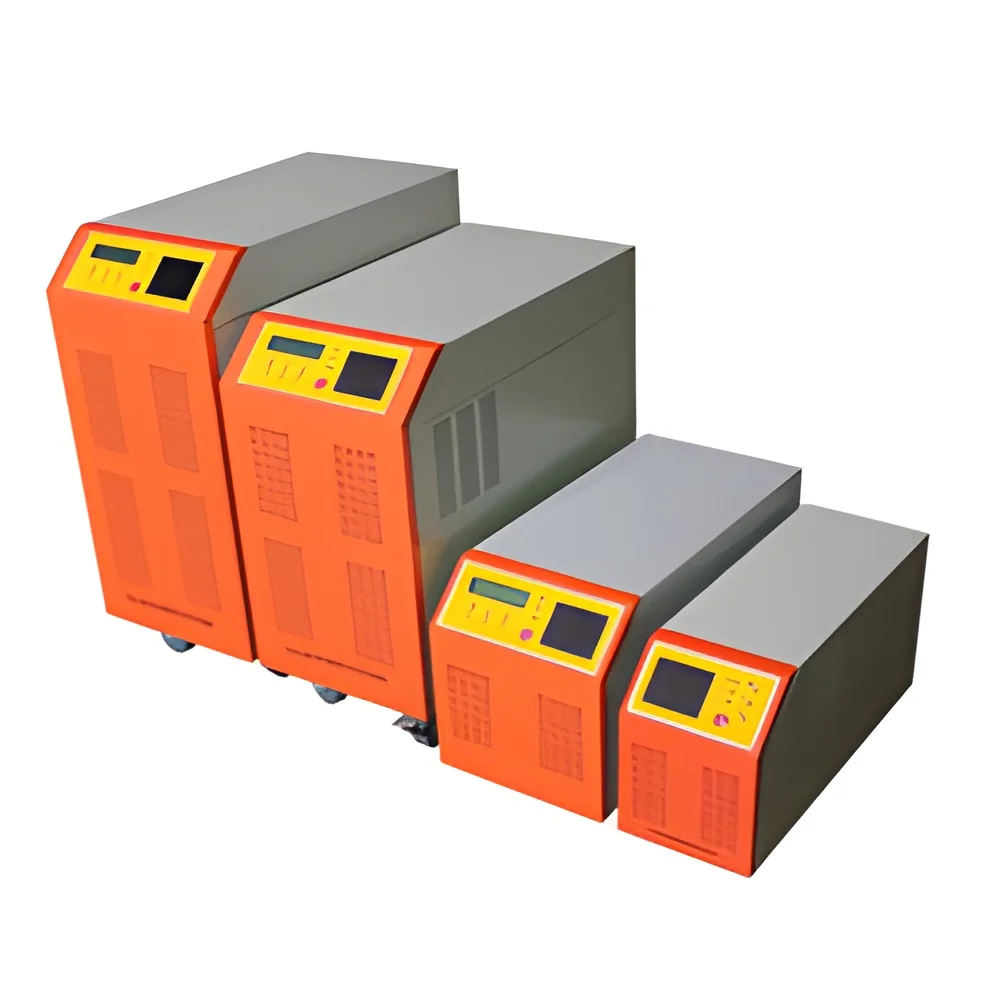
Inverters come in various forms to meet specific needs across different applications. Each variant offers unique features and capabilities.
Grid-Tie Inverters
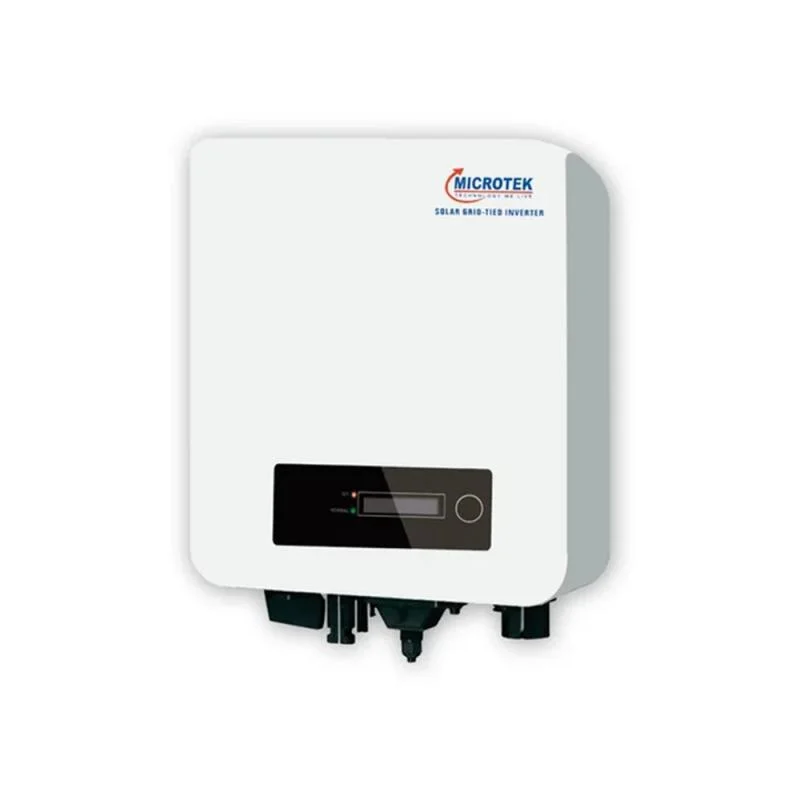
Grid-tie inverters are designed to connect directly to the utility grid. They allow solar power systems to feed excess energy back into the grid, making them ideal for residential and commercial solar installations.
Off-Grid Inverters
Off-grid inverters are used in standalone systems that are not connected to the utility grid. They are essential for remote applications, providing power for homes, cabins, and other locations where grid access is unavailable.
Hybrid Inverters
Hybrid inverters combine features of both grid-tie and off-grid inverters. They allow for energy storage integration, enabling users to store excess energy generated during the day for use at night or during outages.
Benefits and Advantages
Inverters offer several advantages that can significantly benefit businesses and industries.
1. Energy Efficiency: Modern inverters are designed to operate at high efficiency, reducing energy losses during conversion and saving costs on electricity.
2. Cost Savings: By optimizing energy use, inverters can lead to lower energy bills and increased return on investment, particularly in renewable energy systems.
3. Reliability: Inverters provide stable power conversion, ensuring that electrical systems operate consistently without interruptions.
4. Versatility: Inverters can be used in a wide range of applications across different industries, making them adaptable to various business needs.
5. Environmental Impact: By enabling the use of renewable energy sources, inverters contribute to reduced carbon emissions and a smaller environmental footprint.
6. Enhanced Control: Many inverters come with monitoring and control features, allowing businesses to track performance and make adjustments for optimal operation.
Buying Guide for B2B Buyers
When sourcing inverters, businesses should take several important factors into consideration to ensure they select the right product for their needs.
1. Quality Assessment: Evaluate the quality standards of the inverters, looking for certifications such as CE and compliance with relevant industry standards to ensure reliability and performance.
2. Supplier Verification: It is crucial to vet suppliers for their reputation and reliability. Look for established manufacturers with proven track records in the inverter market.
3. Pricing and MOQ: Understand the pricing structure and minimum order quantities (MOQ) required by suppliers. This will help in budgeting and ensuring supply meets demand.
4. Delivery and Lead Times: Assess the logistics involved in acquiring the inverters. Ensure that suppliers can meet your delivery requirements and provide clear lead times.
5. Compliance Requirements: Be aware of any regulatory requirements specific to your industry or region. Compliance with safety and environmental standards is essential for operational integrity.
Compliance and Certifications
Inverters must adhere to several quality standards and industry certifications to ensure they operate safely and effectively.
ISO 9001 is a widely recognized quality management standard that demonstrates a manufacturer's commitment to quality control and continuous improvement. Compliance with this standard is crucial for businesses looking for reliable inverter products.
CE certification indicates that an inverter meets European safety, health, and environmental protection standards. This is particularly important for businesses operating in or exporting to European markets.
In addition to these standards, inverters may be subject to various safety testing requirements to ensure they can operate without risk to users or equipment. These tests can include assessments for electrical safety and electromagnetic compatibility.
Regional compliance considerations may vary, so it is important for businesses to understand the specific regulations that apply in their area. Ensuring compliance helps mitigate risks and enhances trust in the product's reliability.
Why Source Inverters from Pepagora?
Pepagora offers a reliable platform for sourcing inverters, providing businesses with a range of advantages that facilitate better purchasing decisions.
Verified Supplier Network: Pepagora connects buyers with a network of verified suppliers, ensuring that all listed manufacturers meet stringent quality standards. This helps businesses find trustworthy partners for their inverter needs.
Streamlined RFQ Process: The request for quotation (RFQ) process on Pepagora is designed to be efficient and straightforward. Buyers can easily submit requests, receive competitive quotes, and make informed decisions based on their specific requirements.
Trade Assurance and Support: Pepagora provides trade assurance, offering buyers protection against risks associated with purchasing products. This support ensures a safer transaction process, fostering buyer confidence.
Regional Coverage: With a strong presence in India, the GCC, and Southeast Asia, Pepagora offers extensive regional coverage. This geographic reach allows businesses to find local suppliers and minimize logistics costs while ensuring timely delivery of their inverter products.

 IN
IN