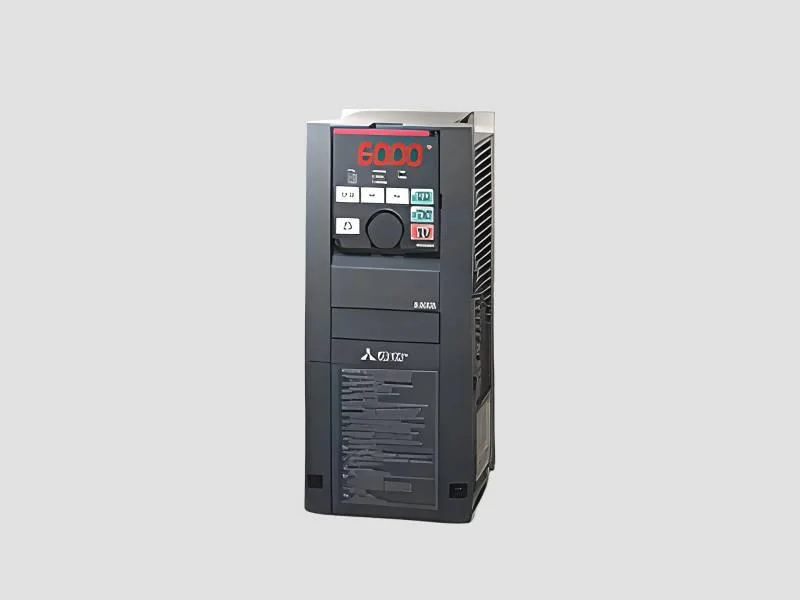
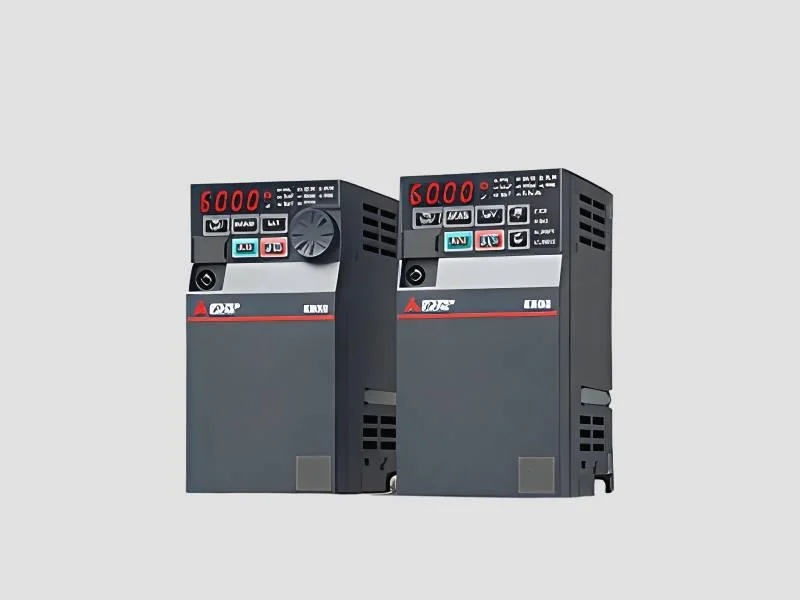
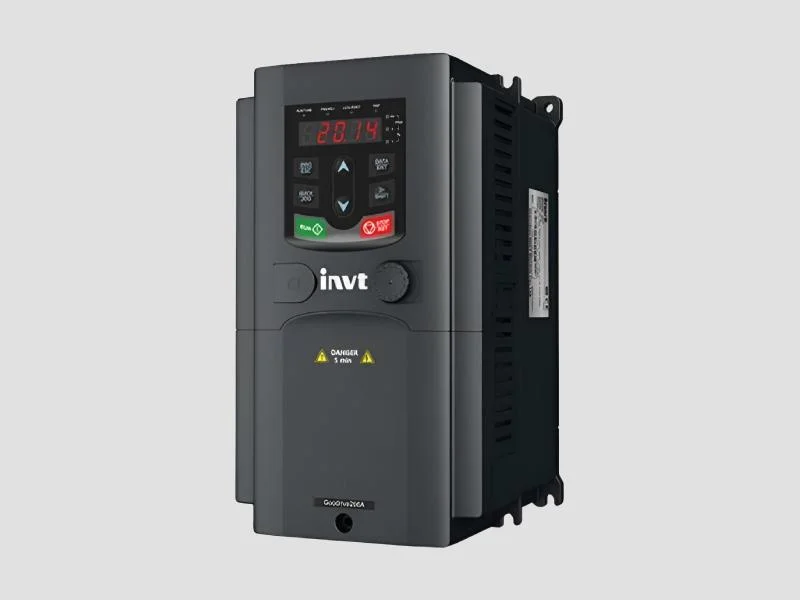
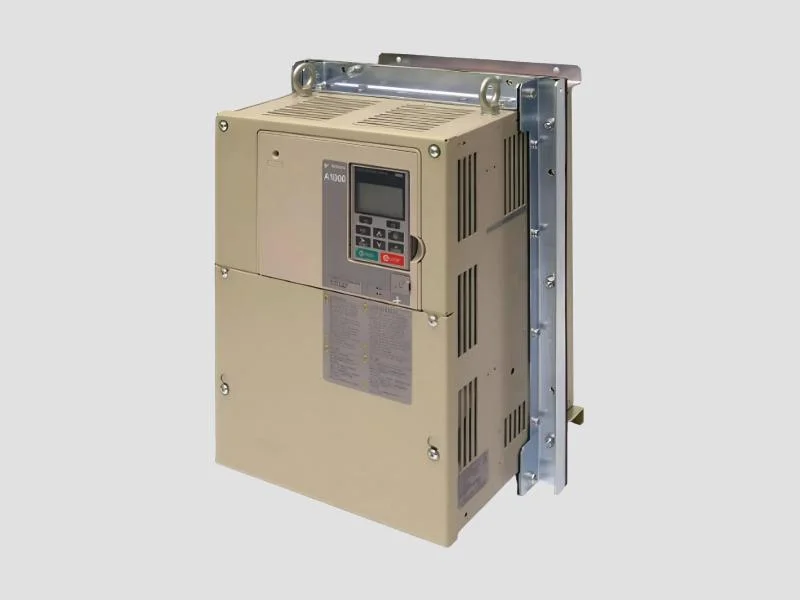
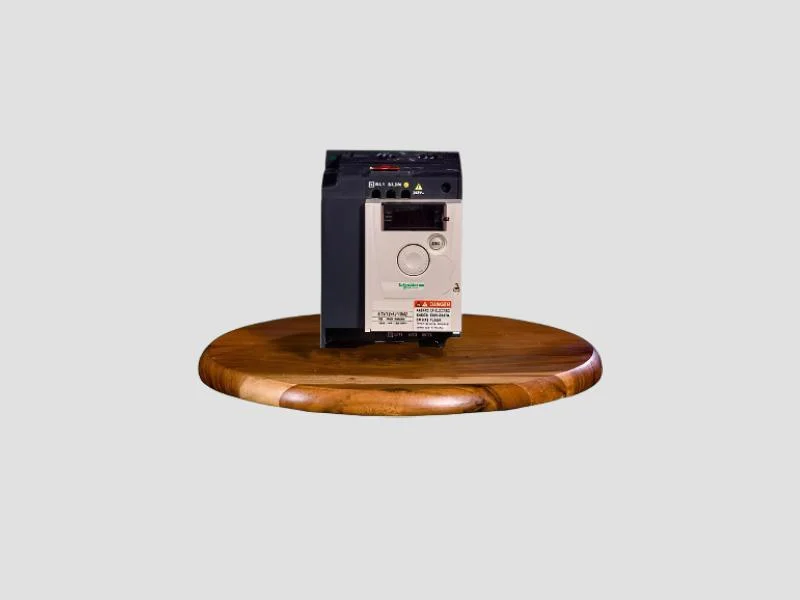
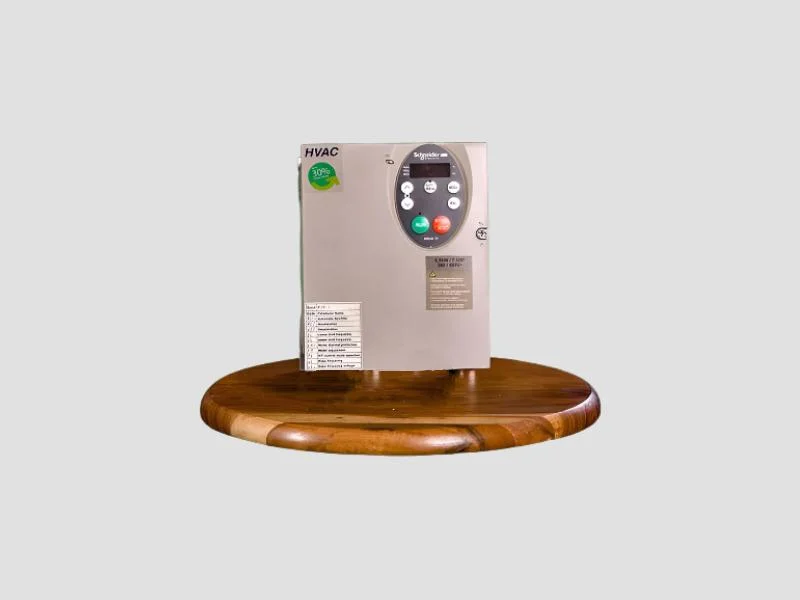
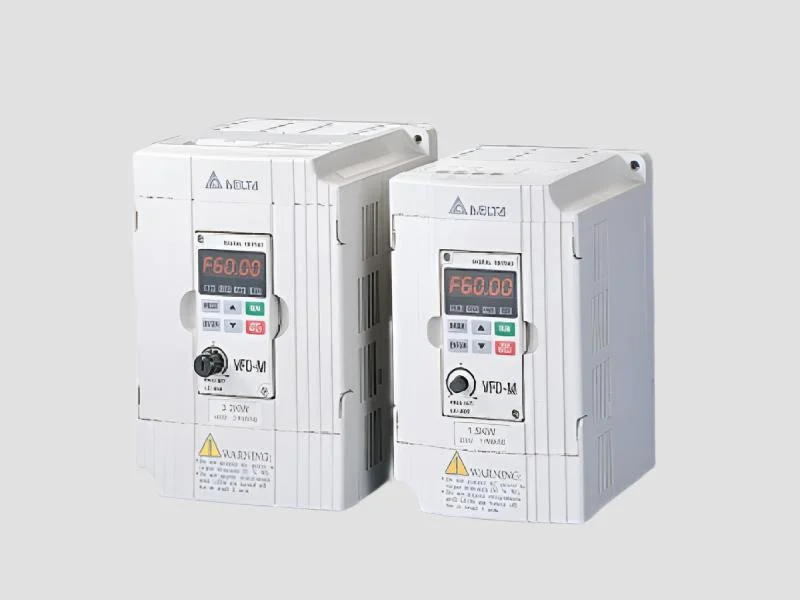
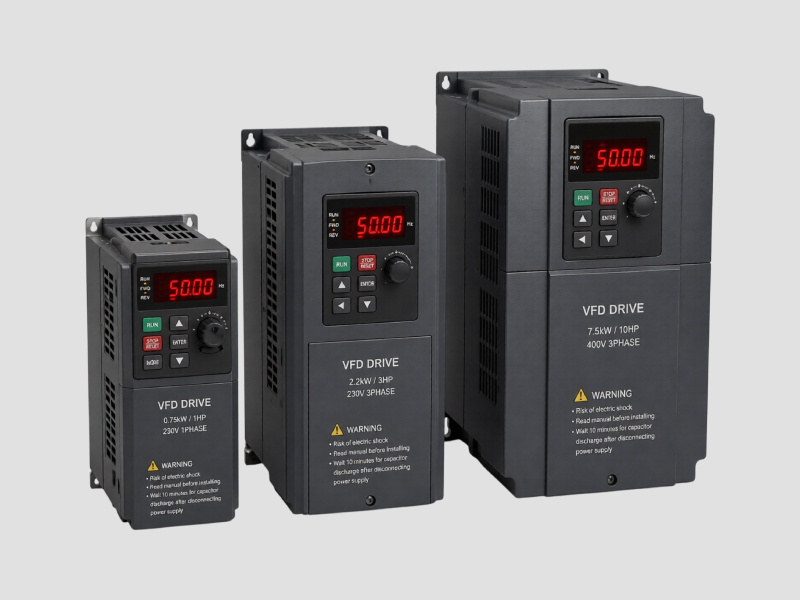
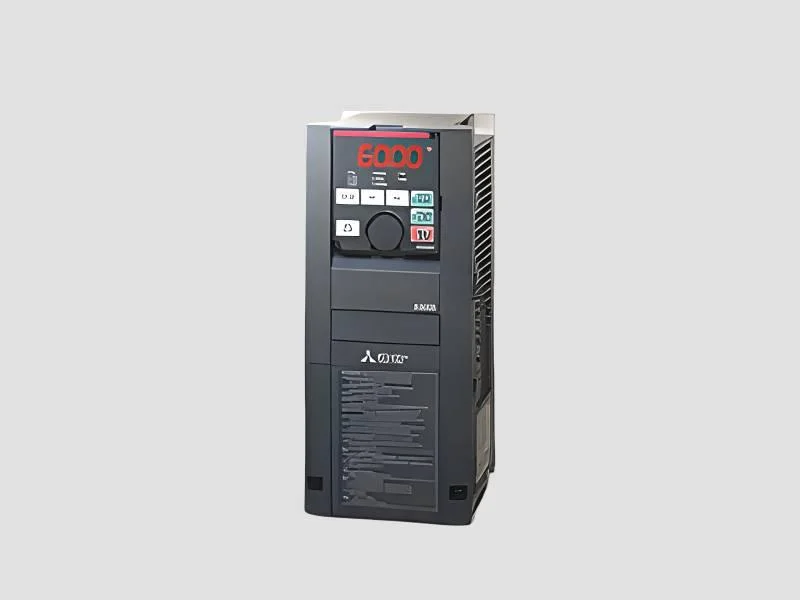
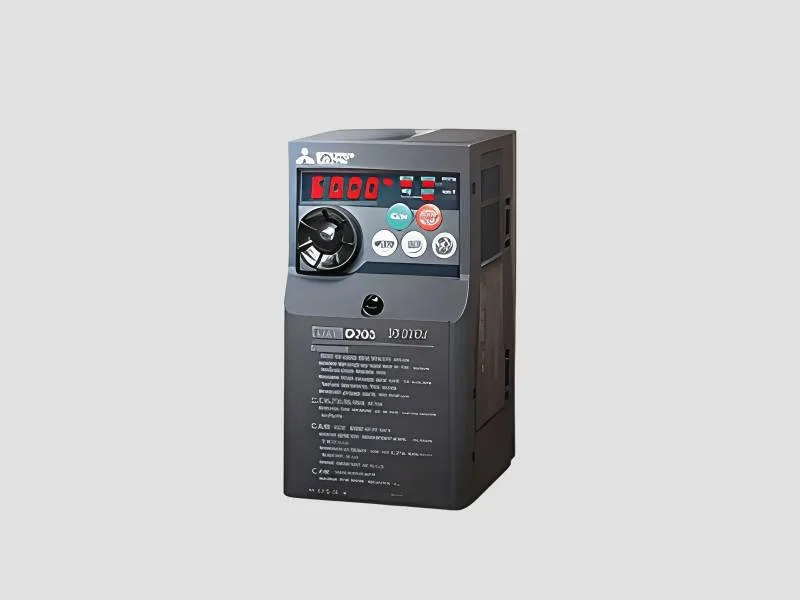
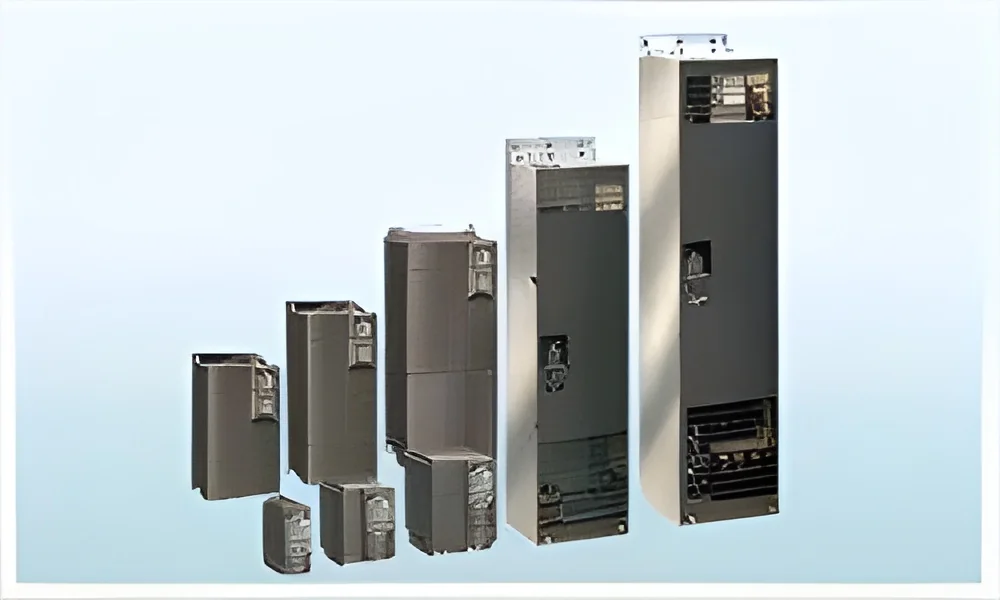
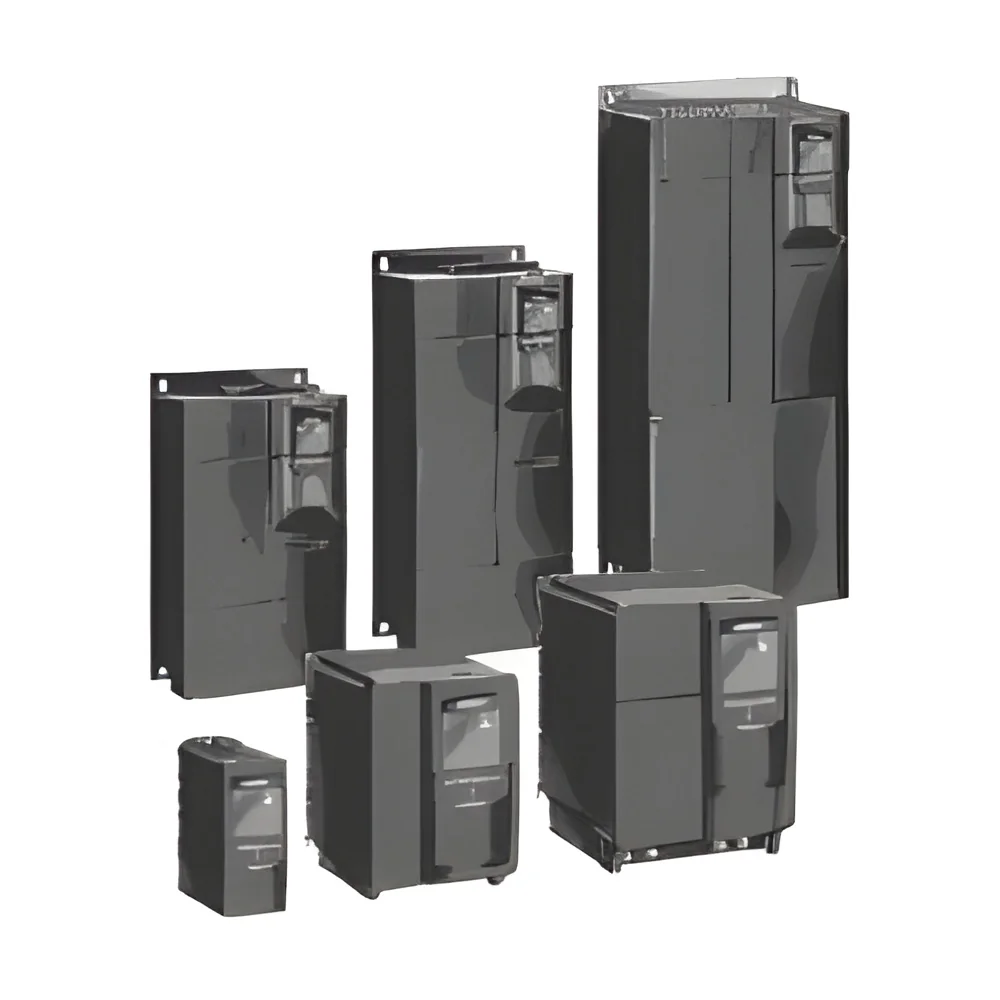
Key Features and Specifications
Variable Frequency Drives come with a range of features and specifications that enhance their functionality and performance. Understanding these specifications is crucial for selecting the right VFD for your application.
Key specifications include:
1. Input Voltage Range
- VFDs typically operate on a range of input voltages, commonly between 230V and 690V.
- This allows flexibility in applications across different power supply systems.
2. Output Frequency Range
- The output frequency usually ranges from 0 Hz to 400 Hz.
- This wide range enables precise control over motor speed.
3. Overload Capacity
- Most VFDs can handle overload conditions for short durations, often up to 150% of the rated capacity.
- This feature ensures the motor can manage peak loads without damaging the drive.
4. Control Modes
- VFDs can provide multiple control modes, including V/f control, vector control, and servo control.
- These modes allow for tailored performance based on the application requirements.
5. Communication Protocols
- Common protocols include Modbus, Profibus, and Ethernet/IP.
- These protocols facilitate integration with other systems and enable remote monitoring.
6. Protection Features
- VFDs typically include built-in protections such as over-voltage, under-voltage, and over-current protection.
- This enhances the reliability and longevity of the system.
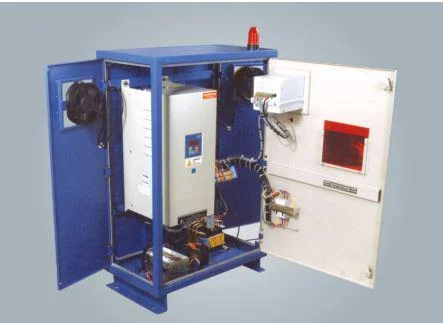
7. Cooling Methods
- VFDs may use air cooling, fan-assisted cooling, or liquid cooling.
- The cooling method can impact the drive's performance and installation requirements.
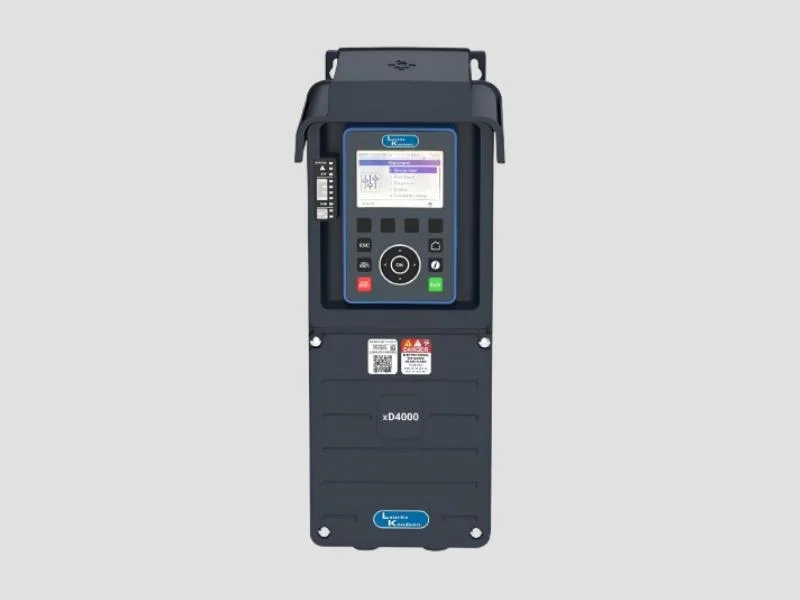
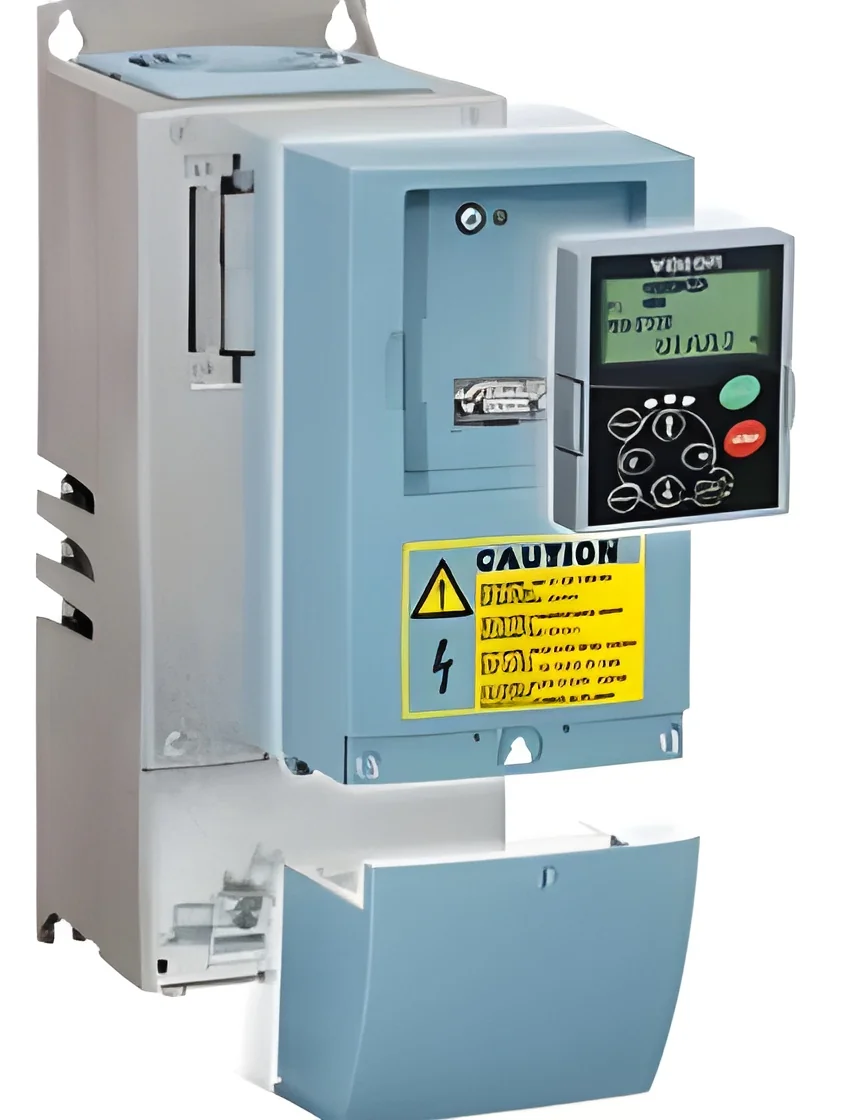
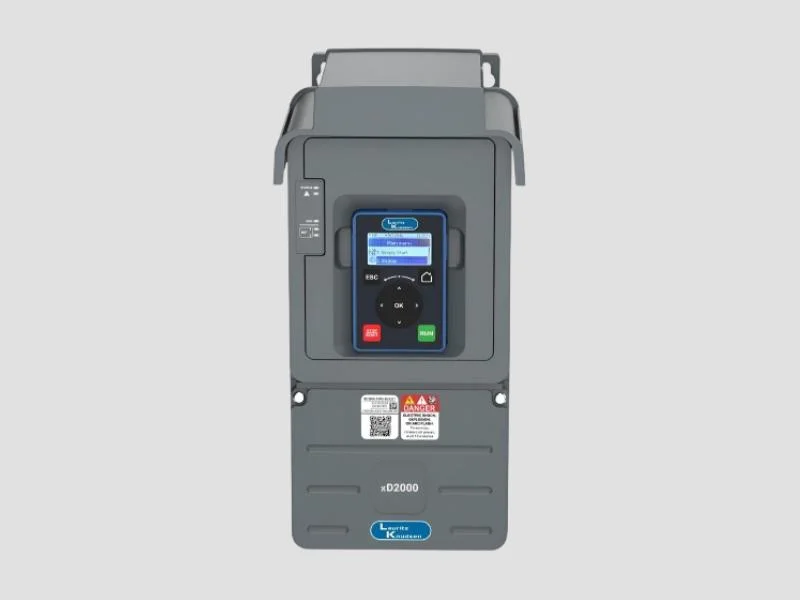
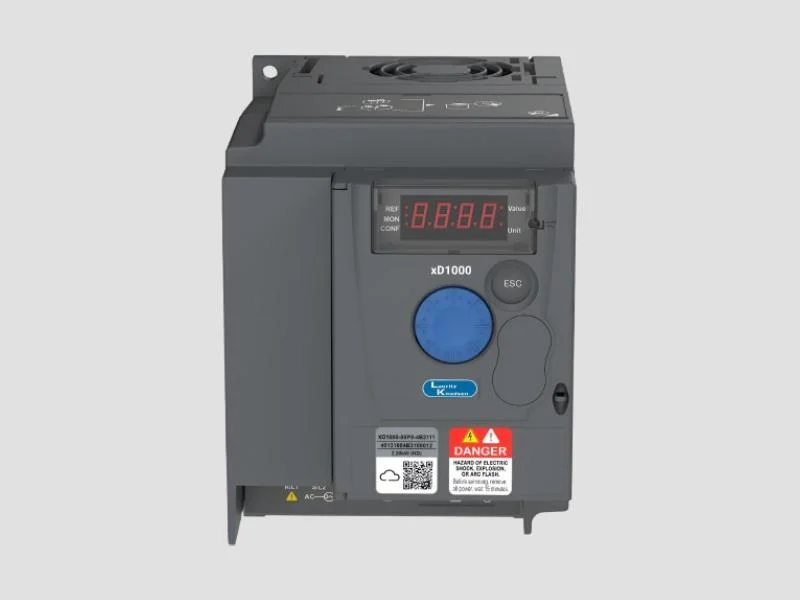
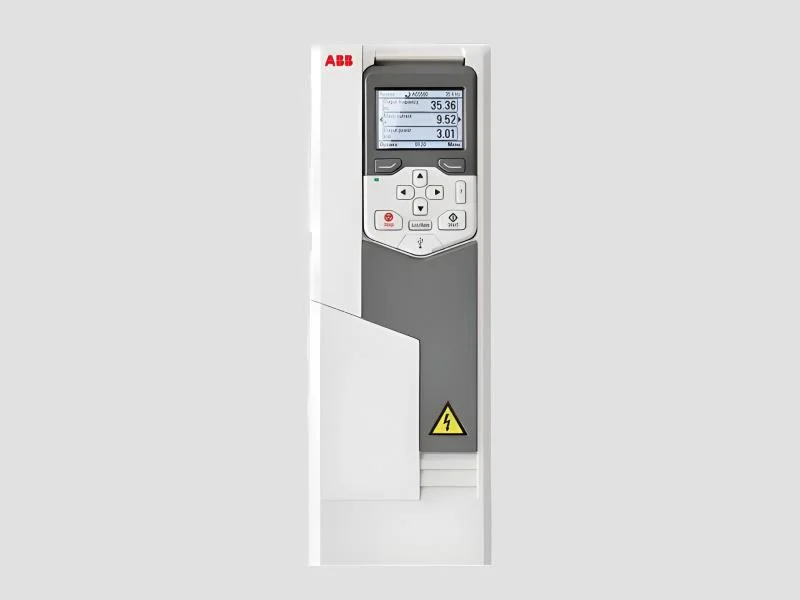
8. User Interface
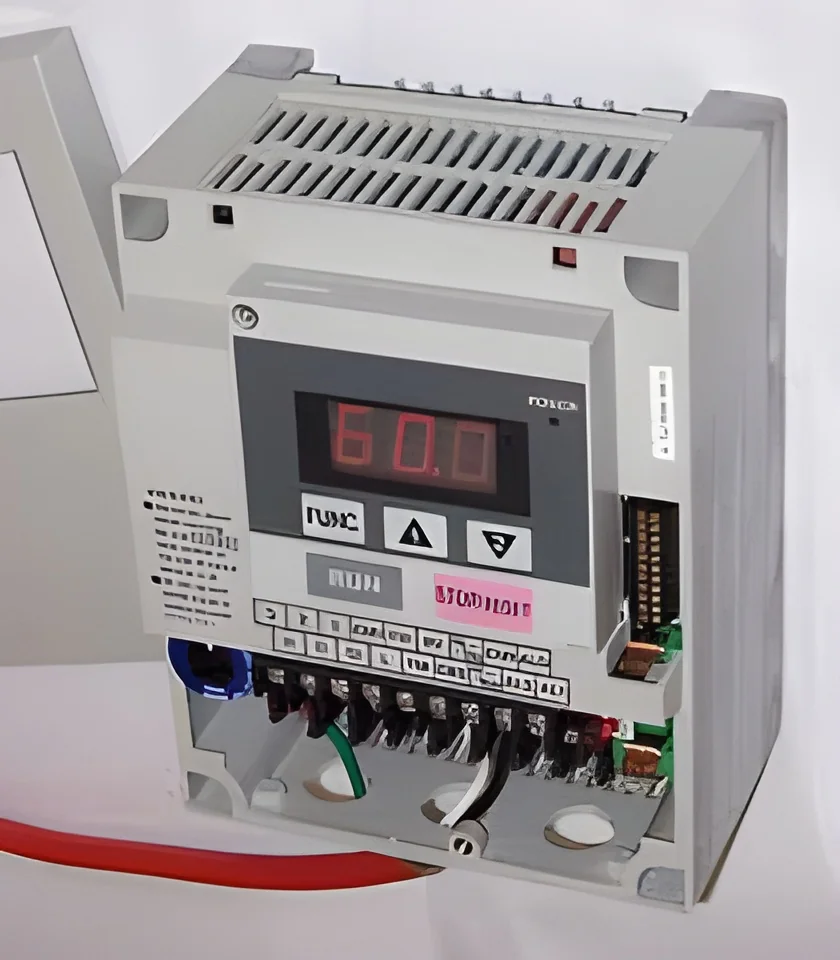
- Many VFDs come equipped with user-friendly interfaces for easy programming and monitoring.
- This feature simplifies setup and operation, making it accessible for various users.
In summary, understanding the key features and specifications of Variable Frequency Drives is essential to ensure optimal selection and performance in industrial applications.
Common Applications and Use Cases
Variable Frequency Drives are highly versatile and serve a wide range of applications across various industries.
1. Manufacturing: In manufacturing, VFDs control conveyor belts, pumps, and fans, leading to enhanced efficiency and reduced energy consumption.
2. HVAC: In heating, ventilation, and air conditioning systems, VFDs adjust fan speeds according to demand, optimizing energy use while maintaining comfort levels.
3. Water Treatment: VFDs are employed in water and wastewater treatment plants to control pump operations, ensuring efficient water flow and energy savings.
4. Agriculture: In agricultural applications, VFDs manage irrigation systems, allowing for precise control over water delivery based on environmental conditions.
5. Mining: VFDs are used to control conveyor systems and crushers, improving process efficiency and reducing operational costs.
6. Marine: In marine applications, VFDs are implemented in propulsion systems to optimize fuel efficiency and performance.
7. Food and Beverage: In the food processing industry, VFDs help control mixing and pumping operations, ensuring product quality and minimizing waste.
Product Variants and Subcategories
Variable Frequency Drives come in various types to cater to different industrial needs. Each variant offers unique features and applications.
Standard VFDs
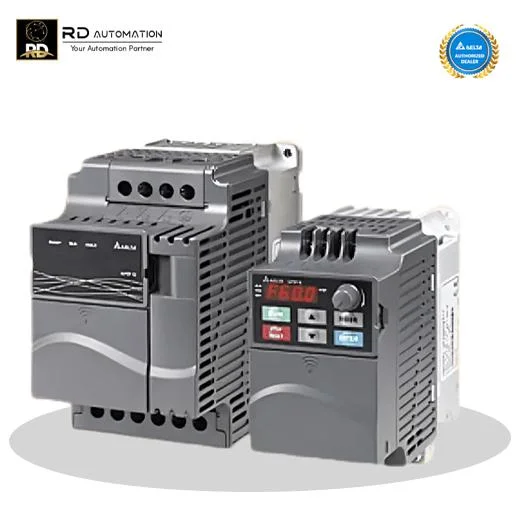
These are the most common type, designed for general-purpose applications. They provide basic speed control for motors in various industries, ensuring efficient operation.
Servo Drives
Servo drives are optimized for applications requiring precise control of position, speed, and torque. They are widely used in robotics and CNC machinery, where accuracy is critical.
High-Performance VFDs
High-performance VFDs are designed for demanding applications that require rapid response times and high torque at low speeds. They are suitable for industries such as aerospace and automotive manufacturing.
Benefits and Advantages
Variable Frequency Drives offer numerous benefits that contribute to improved operational efficiency and cost savings.
1. Energy Efficiency: VFDs significantly reduce energy consumption by adjusting motor speed according to demand, leading to lower utility bills.
2. Process Control: With precise speed control, VFDs enhance process accuracy and consistency, improving overall productivity.
3. Equipment Longevity: By reducing mechanical stress on motors and associated equipment, VFDs can extend the lifespan of machinery.
4. Noise Reduction: VFDs often operate motors at lower speeds, which can decrease noise levels in industrial environments.
5. Reduced Maintenance Costs: The ability to control motor speeds can lead to less wear and tear, resulting in lower maintenance and repair costs.
6. Environmental Impact: By optimizing energy use, VFDs contribute to reduced carbon emissions, supporting sustainability initiatives.
Buying Guide for B2B Buyers
When sourcing Variable Frequency Drives, it is essential to consider several factors to ensure you make an informed decision.
1. Quality Assessment: Evaluate the quality of VFDs by checking for compliance with industry standards and certifications, such as CE. Quality drives will perform reliably and require less maintenance.
2. Supplier Verification: Vet potential suppliers by reviewing their reputation, customer feedback, and experience in the industry. A trustworthy supplier should have a proven track record of delivering reliable products.
3. Pricing and MOQ: Consider pricing structures and minimum order quantities (MOQ) when selecting suppliers. Ensure that the cost aligns with your budget and project requirements.
4. Delivery and Lead Times: Assess the logistics involved, including delivery times and shipping methods. Reliable suppliers should provide clear timelines for when you can expect your order.
5. Compliance Requirements: Be aware of any regulatory compliance requirements relevant to your industry. Ensure that the VFDs you purchase meet these standards to avoid potential legal issues.
Compliance and Certifications
Variable Frequency Drives must adhere to various quality standards and certifications to ensure safety and performance.
ISO 9001 is a widely recognized standard that ensures quality management systems are in place, signaling a commitment to quality manufacturing processes.
CE certification indicates that VFDs meet European health and safety standards, making them suitable for use in many international markets.
In addition to these certifications, VFDs should comply with safety and testing requirements relevant to the specific industry they serve. This may involve rigorous testing to verify performance and reliability.
Regional compliance considerations are also essential, as different regions may have unique regulations governing the operation of electrical devices. Ensuring compliance with these regulations is crucial for successful deployment and operation.
Why Source Variable Frequency Drives (VFDs) from Pepagora?
Pepagora offers a trusted platform for sourcing Variable Frequency Drives, delivering several key advantages for B2B buyers.
Verified Supplier Network: Pepagora connects buyers with verified suppliers, ensuring that products meet industry standards and quality expectations. This network fosters trust and reliability in sourcing.
Streamlined RFQ Process: The request for quotation (RFQ) process on Pepagora is designed to be user-friendly, allowing buyers to receive competitive quotes quickly. This efficiency saves time and helps in making informed purchasing decisions.
Trade Assurance and Support: Buyers benefit from trade assurance that protects their orders and provides support throughout the purchasing process. This assurance helps mitigate risks associated with online sourcing.
Regional Coverage: With a strong presence in India, the GCC, and Southeast Asia, Pepagora offers extensive regional coverage. This geographical reach simplifies the sourcing process for businesses operating in these markets, ensuring timely access to quality products.

 IN
IN