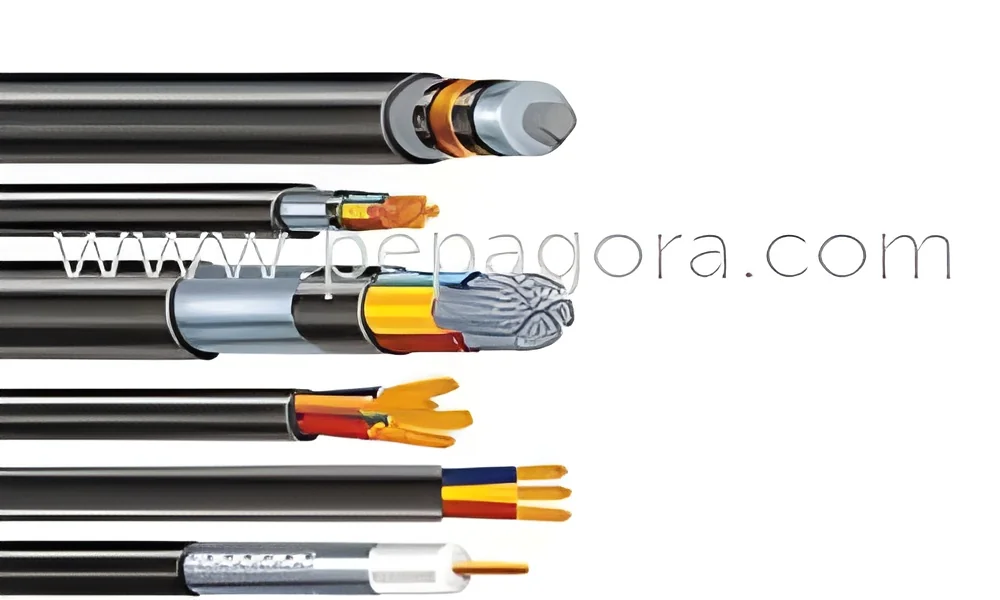
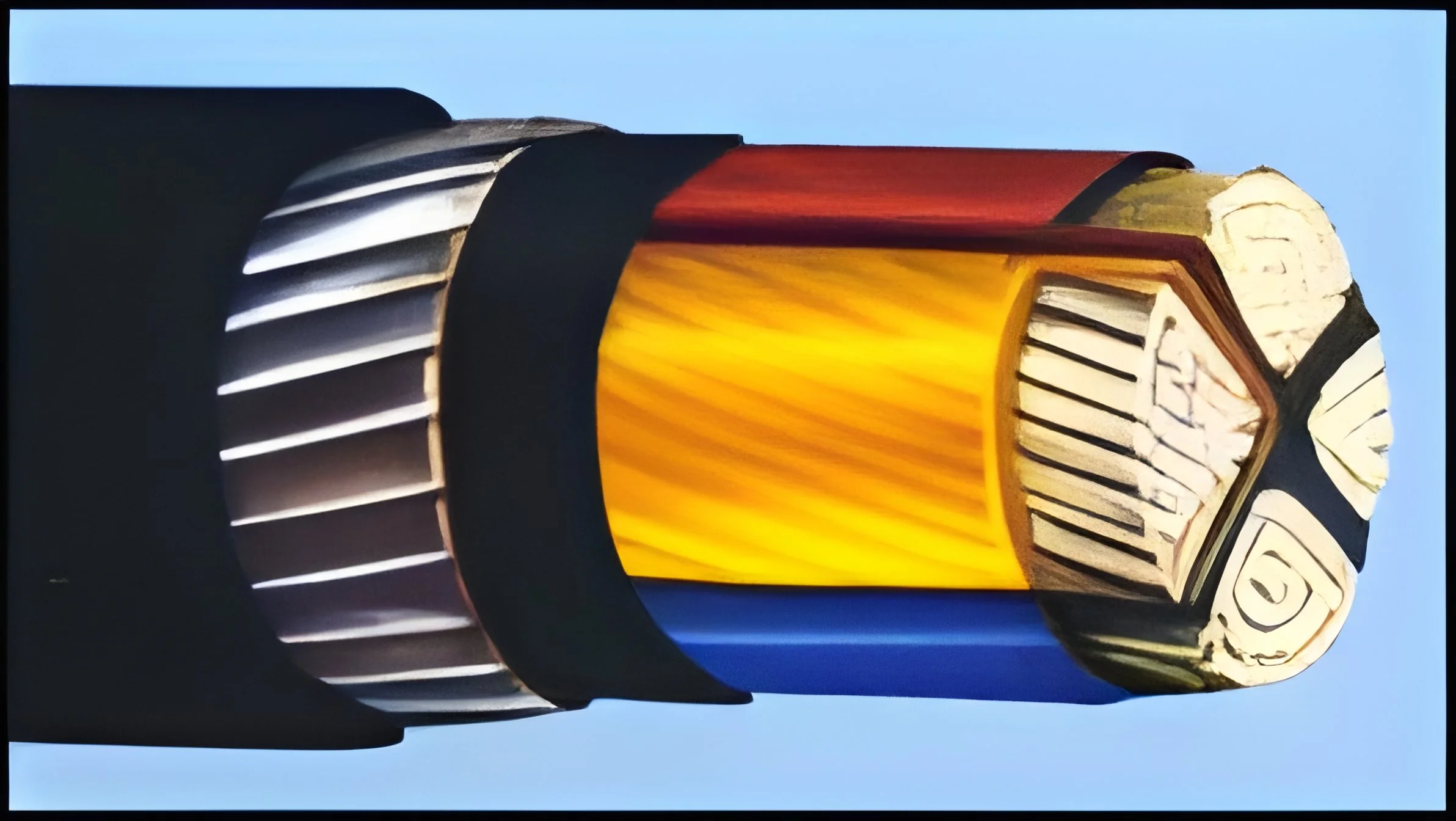
What are Control Cables?
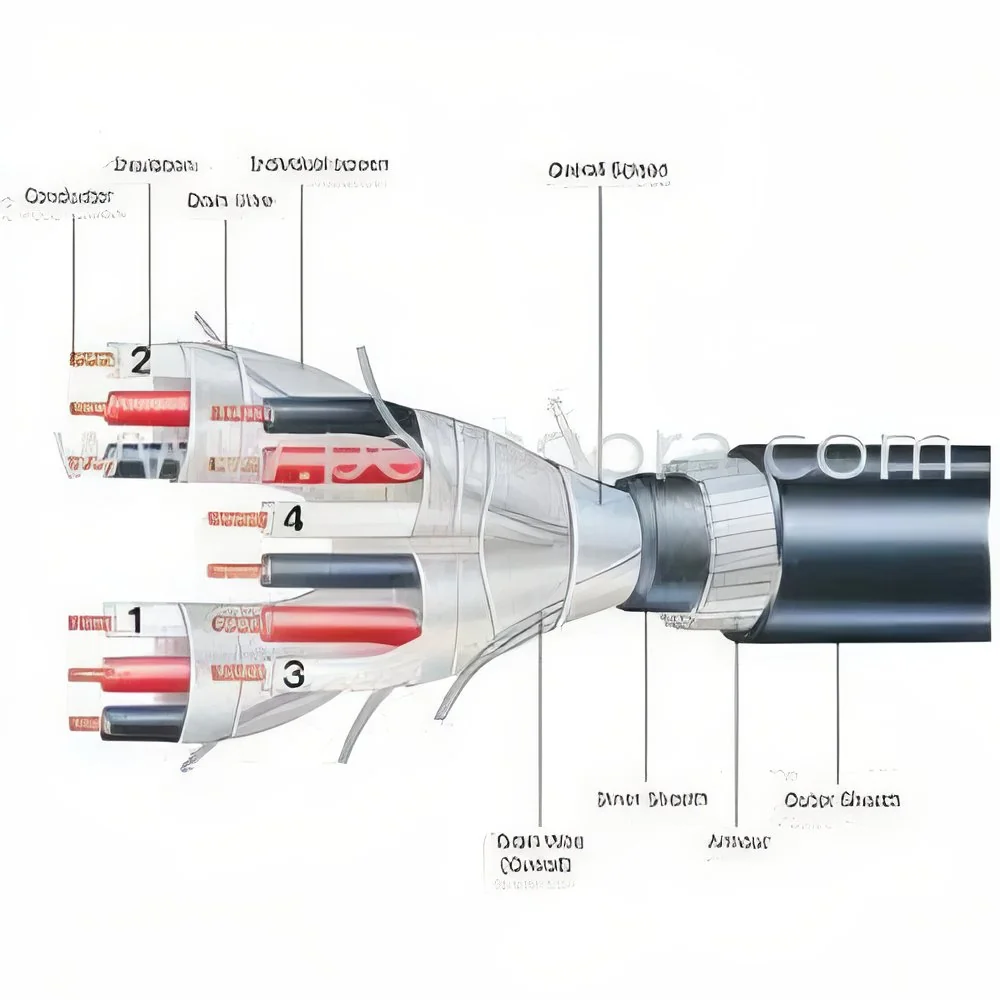
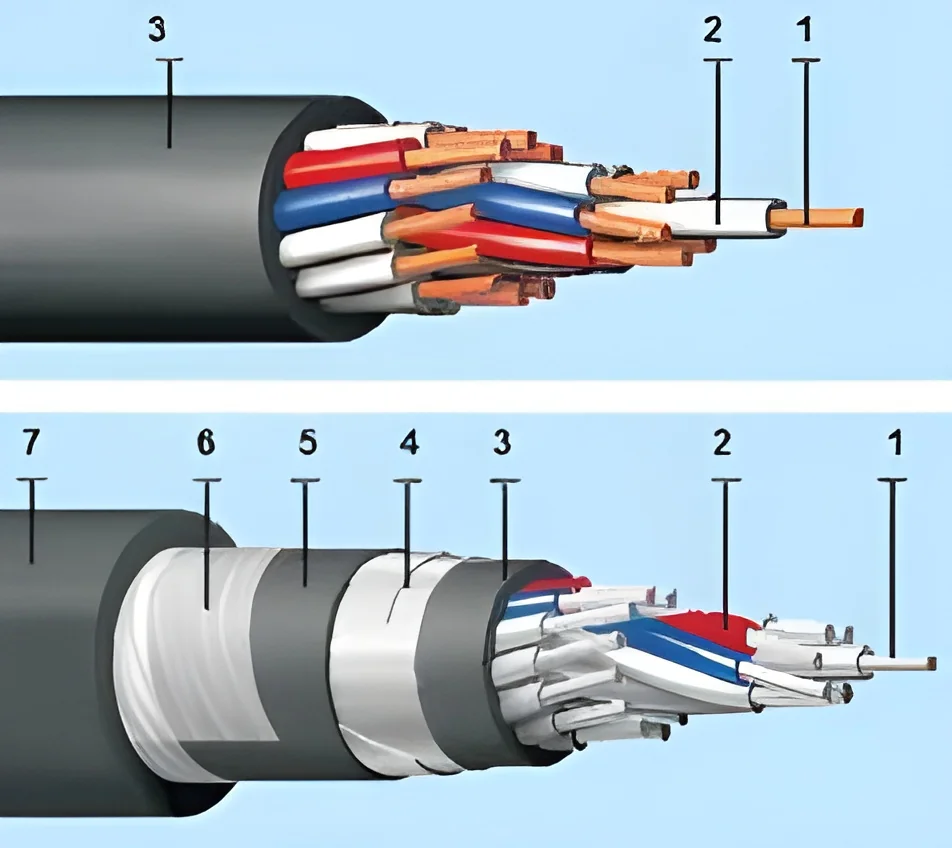
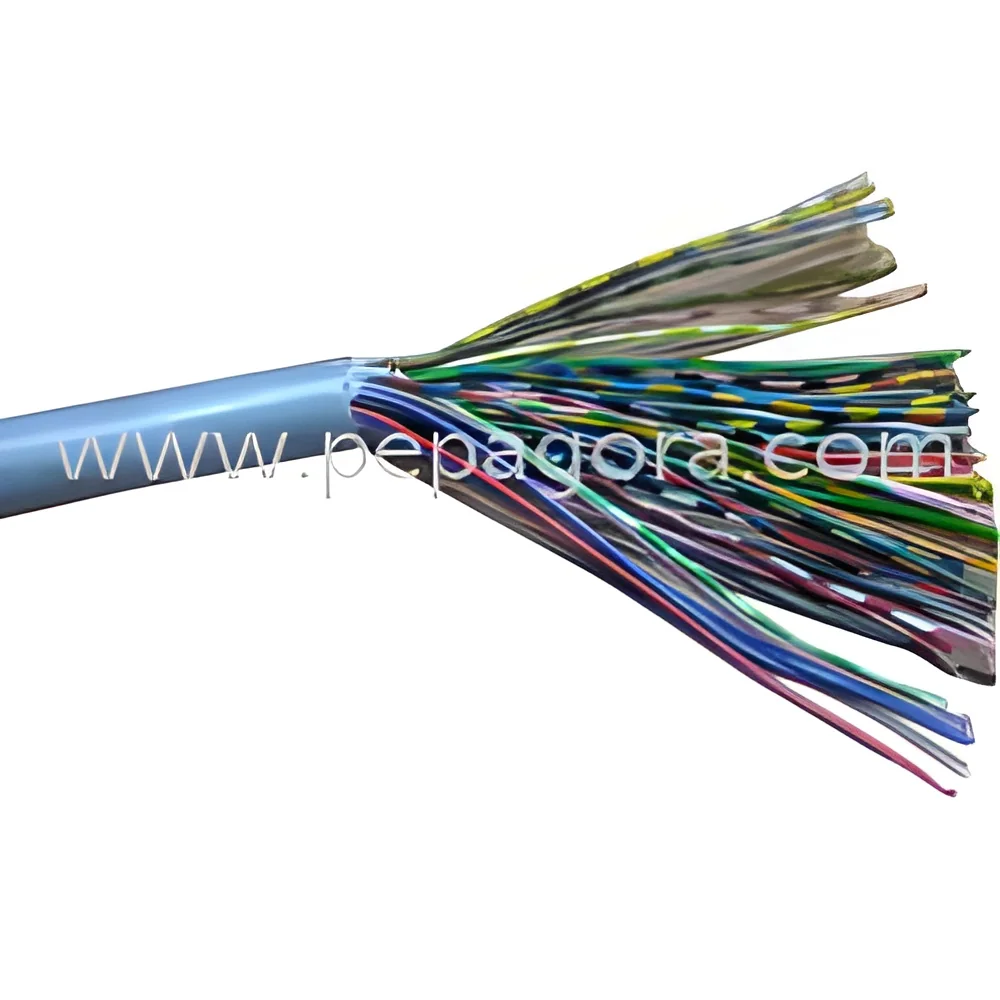
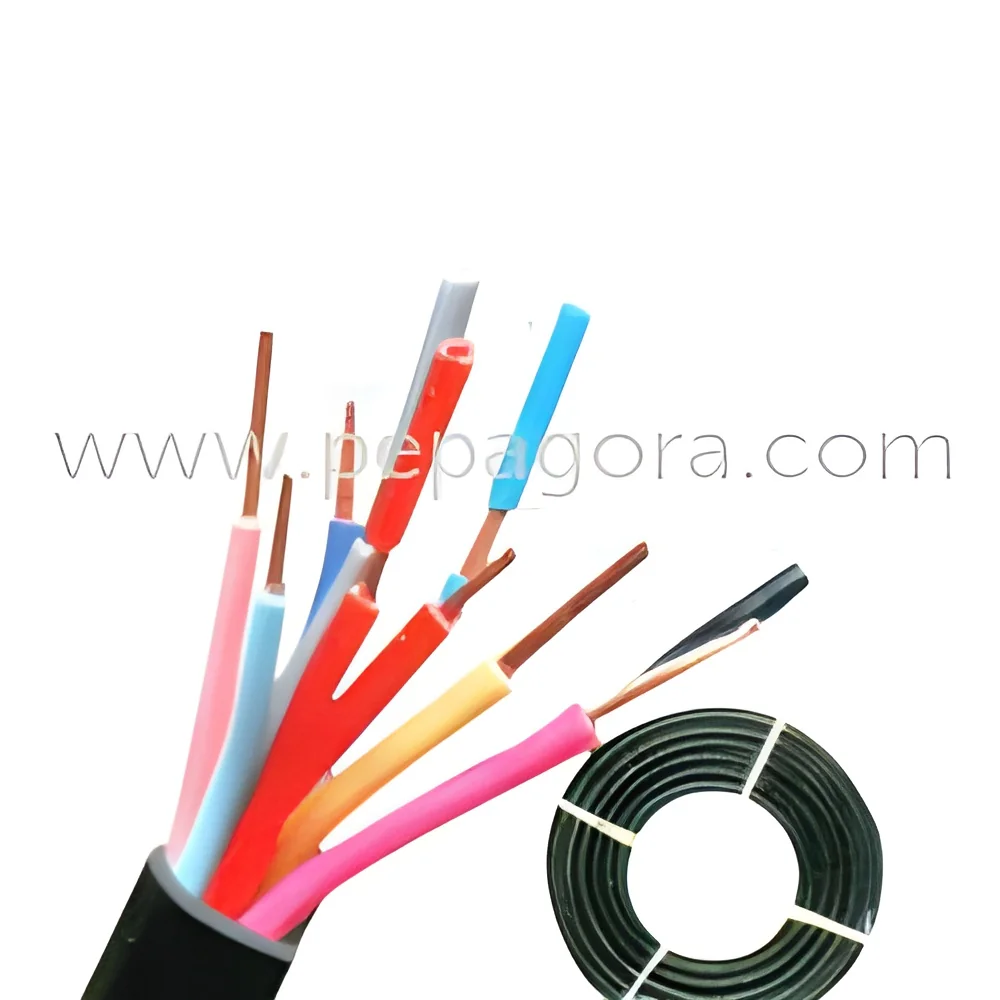
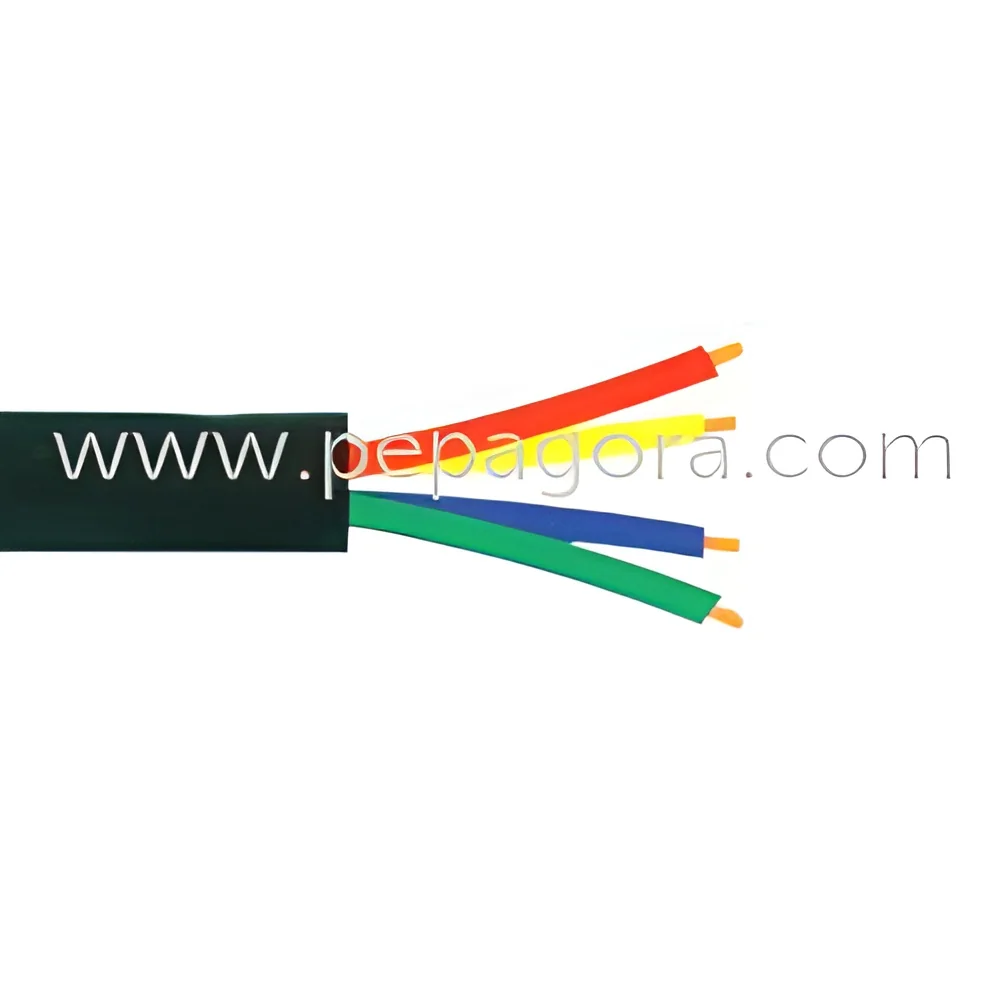
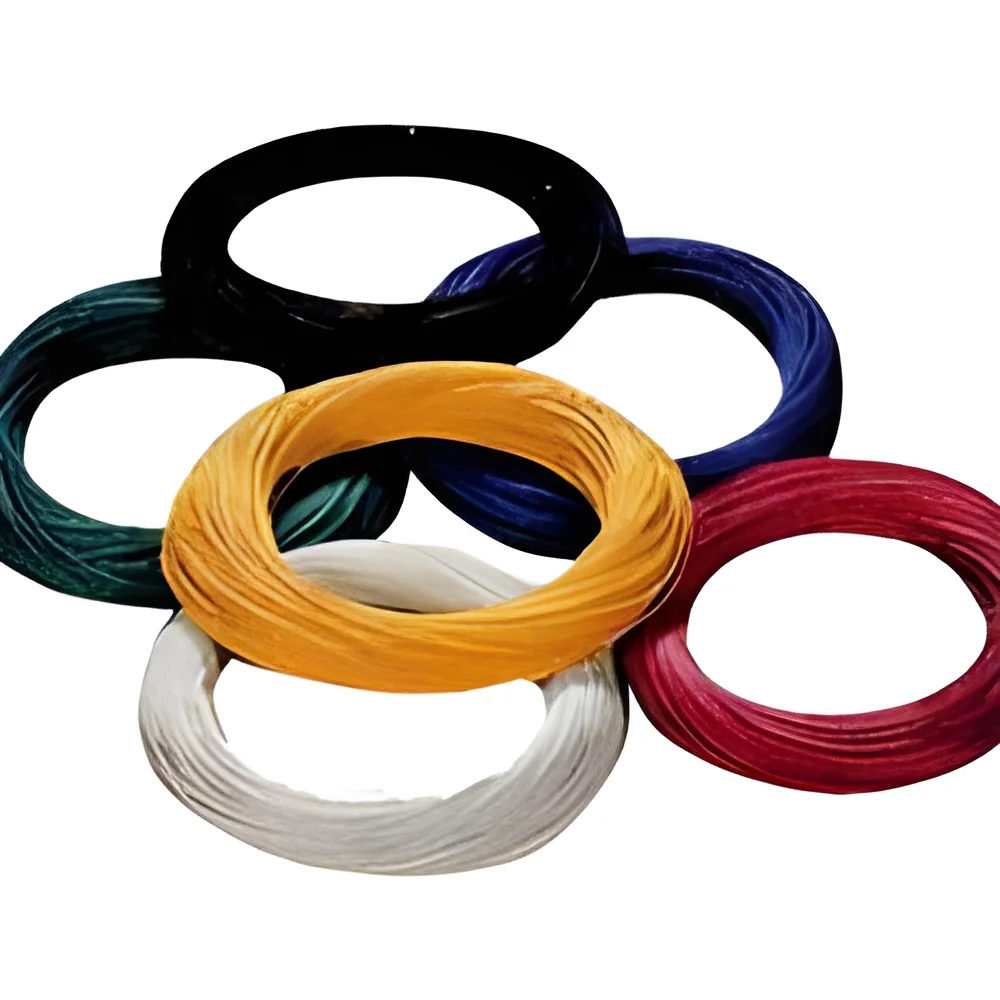
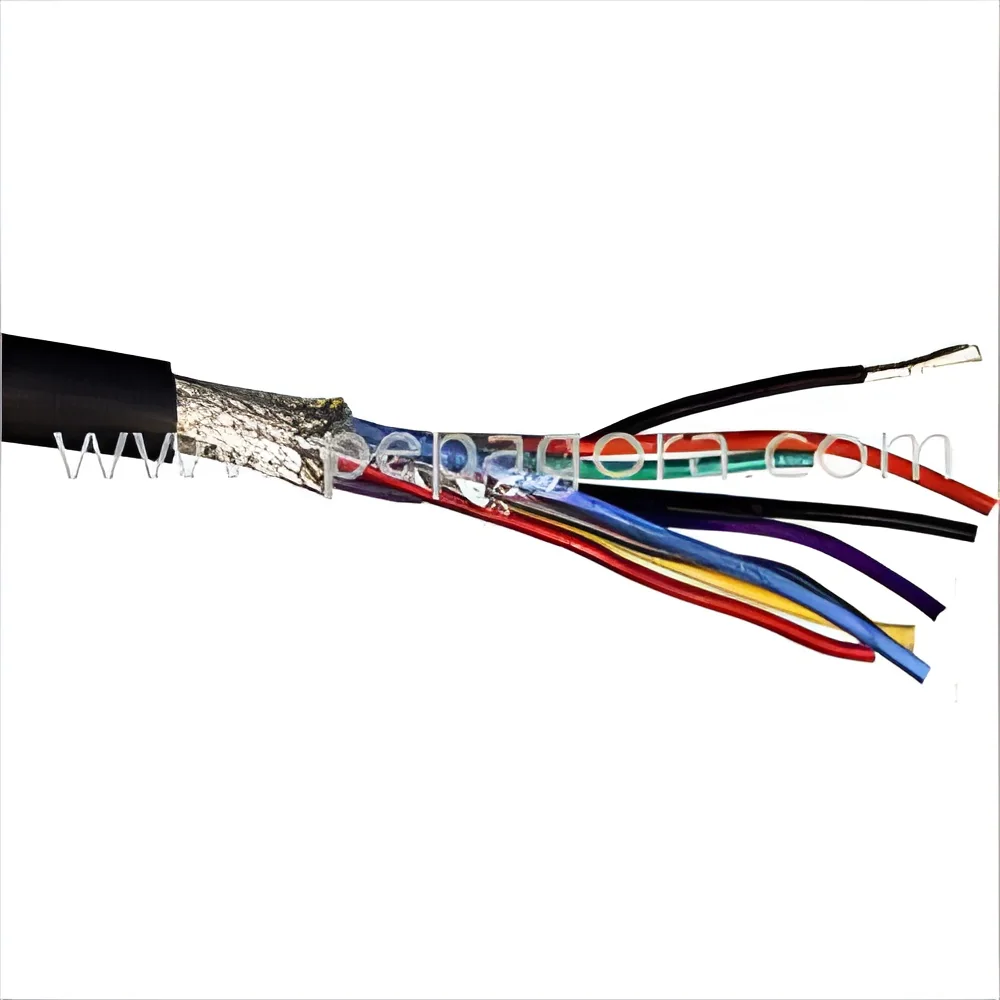
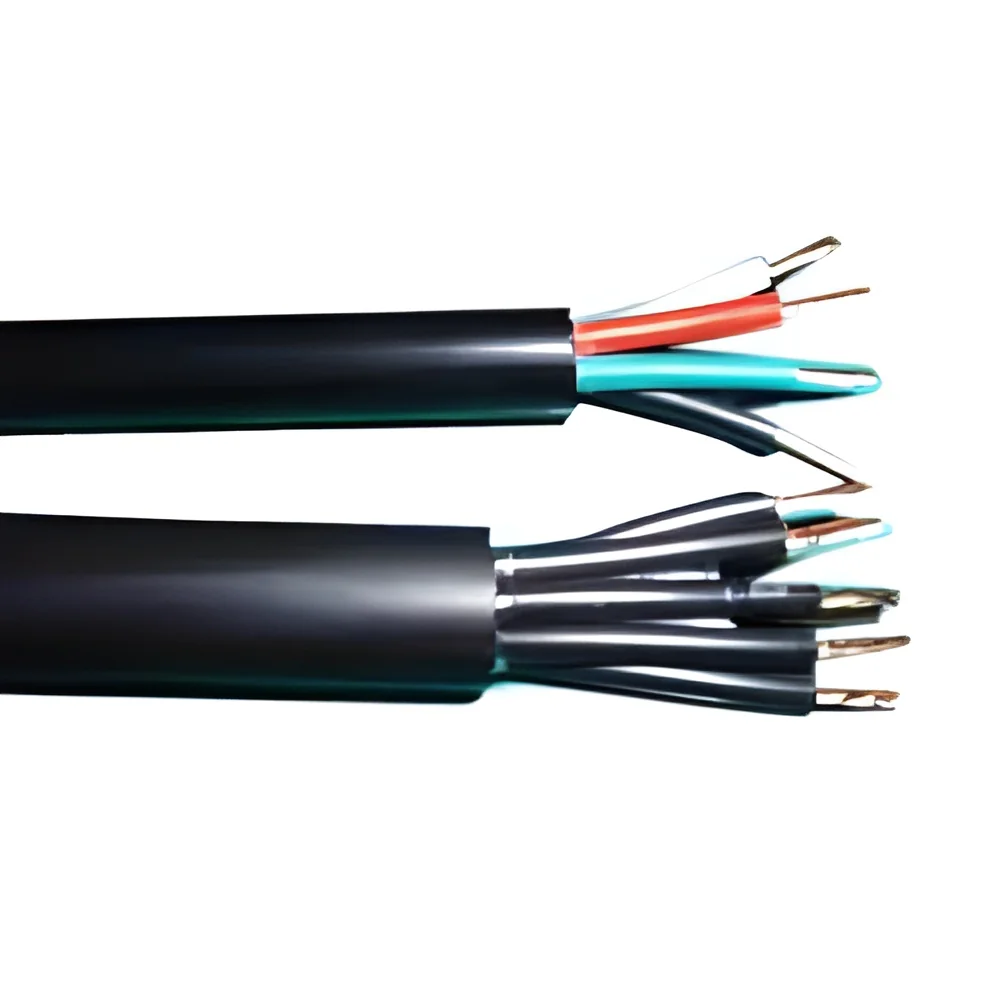
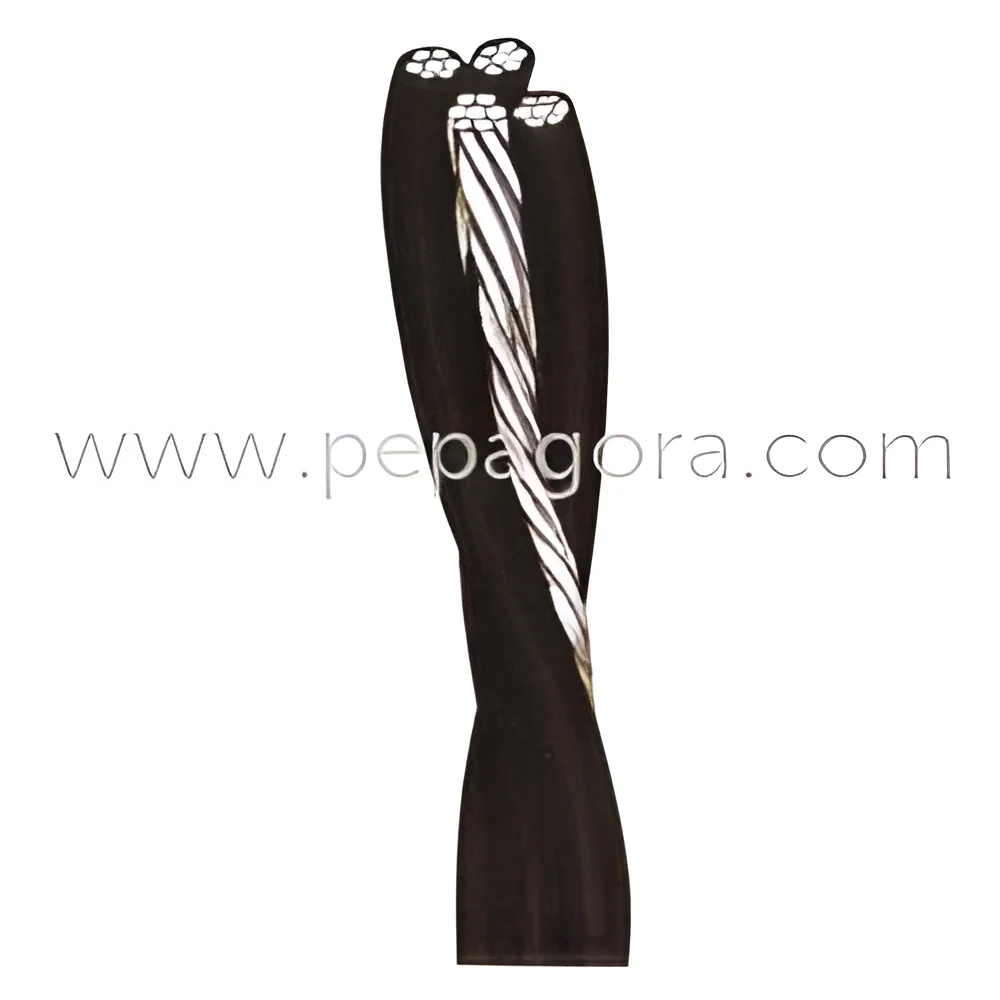
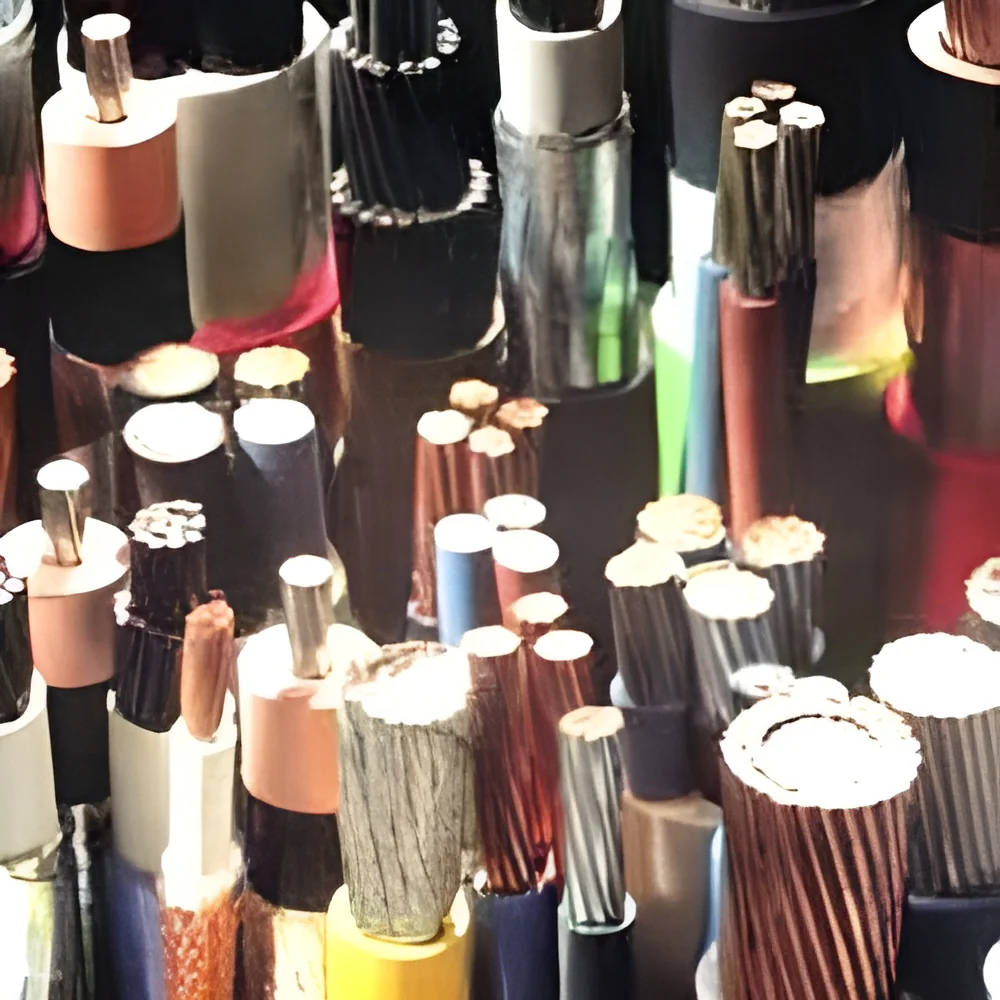
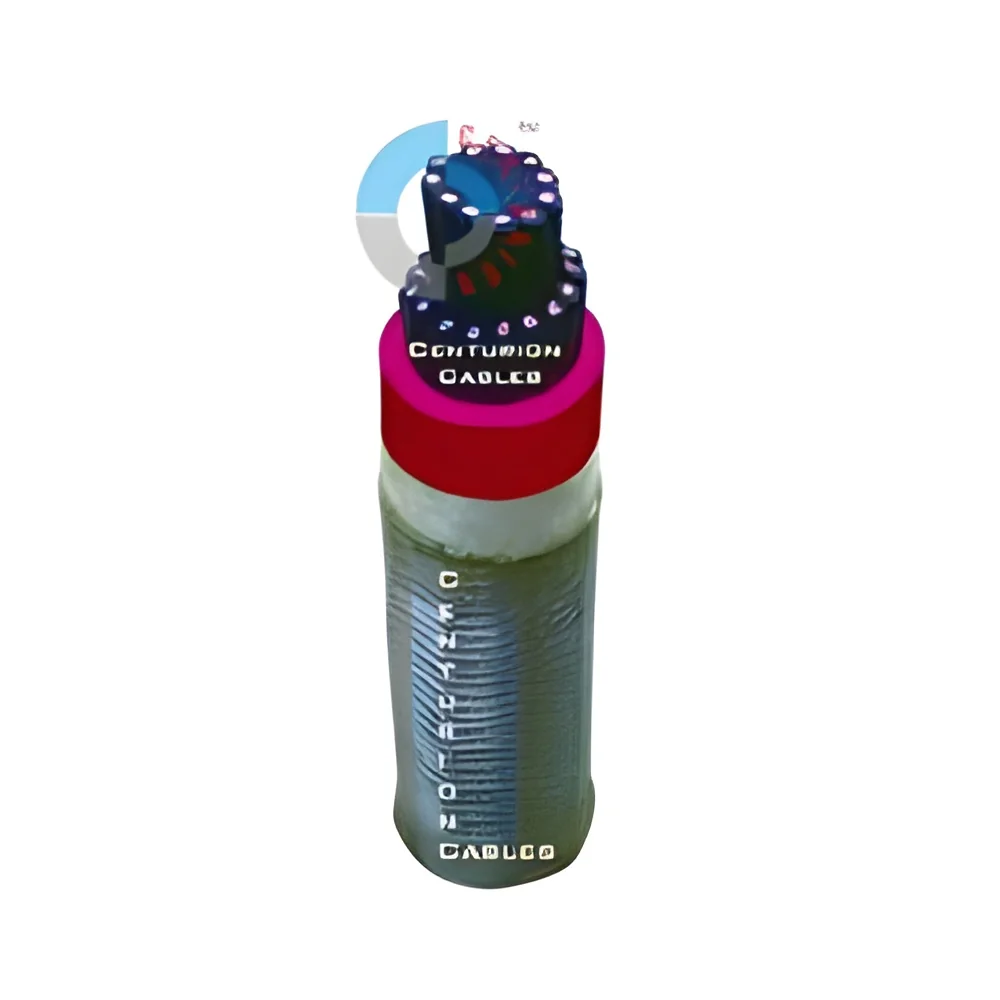
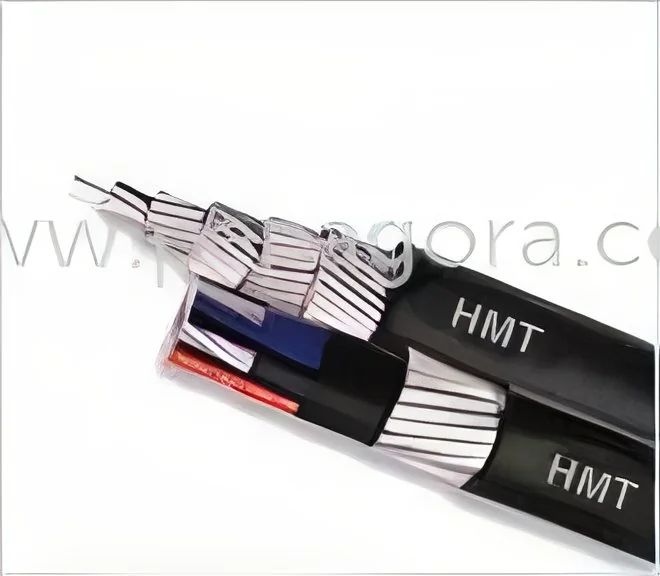
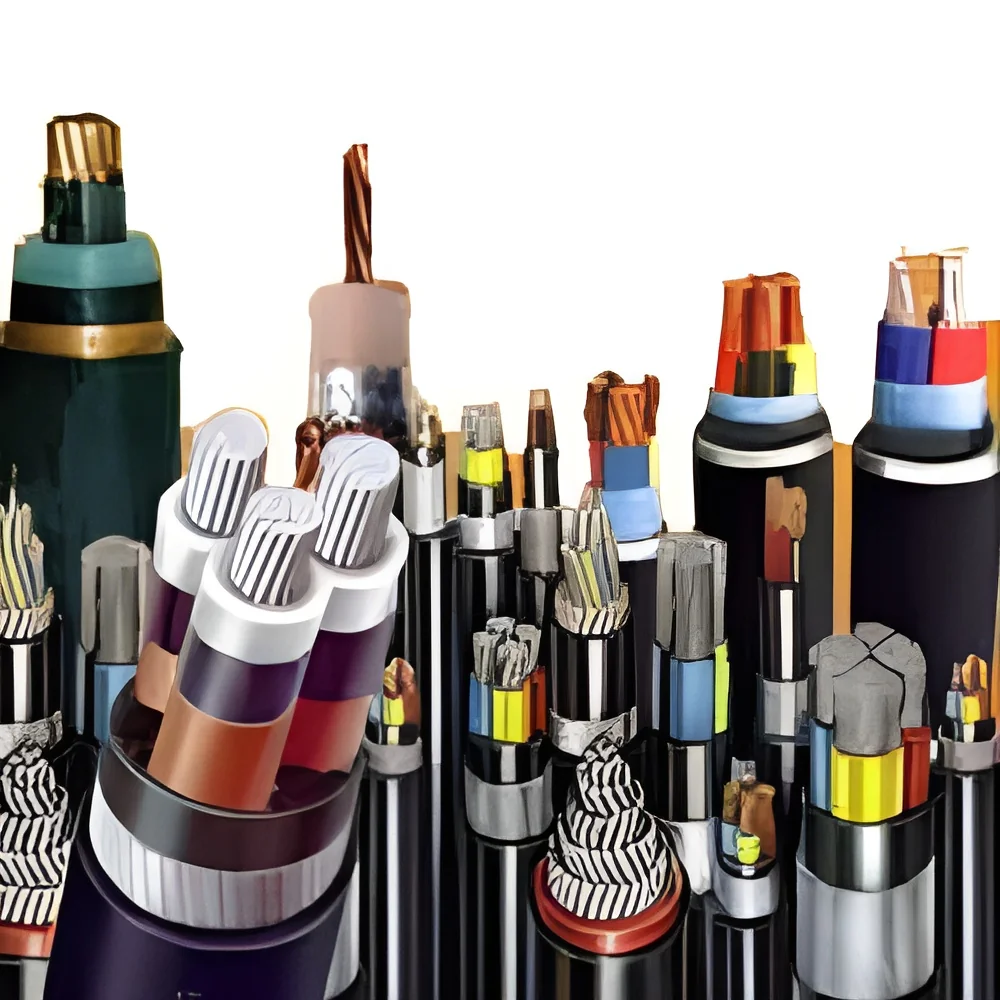
Control cables are essential components used in various industrial applications to transmit signals and control commands. These cables consist of multiple conductors insulated individually and bundled together to provide efficient transmission of electrical signals. Their design ensures minimal interference and a high degree of reliability in operations, making them suitable for numerous applications.
Primarily, control cables are utilized in automation systems, manufacturing equipment, and machinery control. They are integral in industries such as automotive, construction, and manufacturing, where precise control of equipment is crucial. Control cables facilitate the smooth operation of machines by transmitting signals from control panels to various equipment, ensuring optimal functionality. As industries continue to advance technologically, the demand for high-quality control cables is growing, making them a vital part of modern manufacturing processes.
Key Features and Specifications
Control cables come with a range of features designed to meet diverse industrial needs. Their specifications vary based on the application, ensuring that businesses find the right fit for their requirements.
Key specifications include:
1. Conductor Material
- Typically made of copper or aluminum
- Offers excellent conductivity and flexibility
2. Insulation Type
- Can include PVC, rubber, or other materials
- Provides protection against environmental factors
3. Number of Conductors
- Ranges from 2 to several dozen
- Allows for multiple control signals in one cable
4. Voltage Rating
- Available in low, medium, or high voltage options
- Ensures compatibility with various equipment
5. Temperature Range
- Designed to operate in specific temperature conditions
- Ensures performance in extreme environments
6. Shielding Options
- May include unshielded or shielded variations
- Reduces electromagnetic interference
7. Compliance Standards
- Adheres to industry standards such as CE
- Ensures safety and reliability
8. Flexibility and Durability
- Constructed for flexibility in installation
- Designed to withstand mechanical stress
These specifications are essential for businesses to consider when selecting control cables for their operations.
Common Applications and Use Cases
Control cables serve a wide range of industries, each with specific applications that highlight their versatility.
1. Manufacturing: Control cables are critical in automated assembly lines, enabling precise control of machinery and equipment.
2. Automotive: Used in various automotive applications for wiring harnesses, control systems, and sensor connections.
3. Construction: Essential for controlling cranes, lifts, and other heavy machinery, ensuring safety and efficiency on job sites.
4. HVAC: Employed in heating, ventilation, and air conditioning systems to control temperature and airflow.
5. Oil and Gas: Utilized in drilling and extraction equipment, where reliability and performance under harsh conditions are paramount.
6. Agriculture: Control cables are used in irrigation systems and automated farming machinery for effective resource management.
7. Renewable Energy: Critical for connecting solar panels and wind turbines to control systems for energy management.
Product Variants and Subcategories
Control cables come in various types and configurations to meet the diverse needs of different industries.
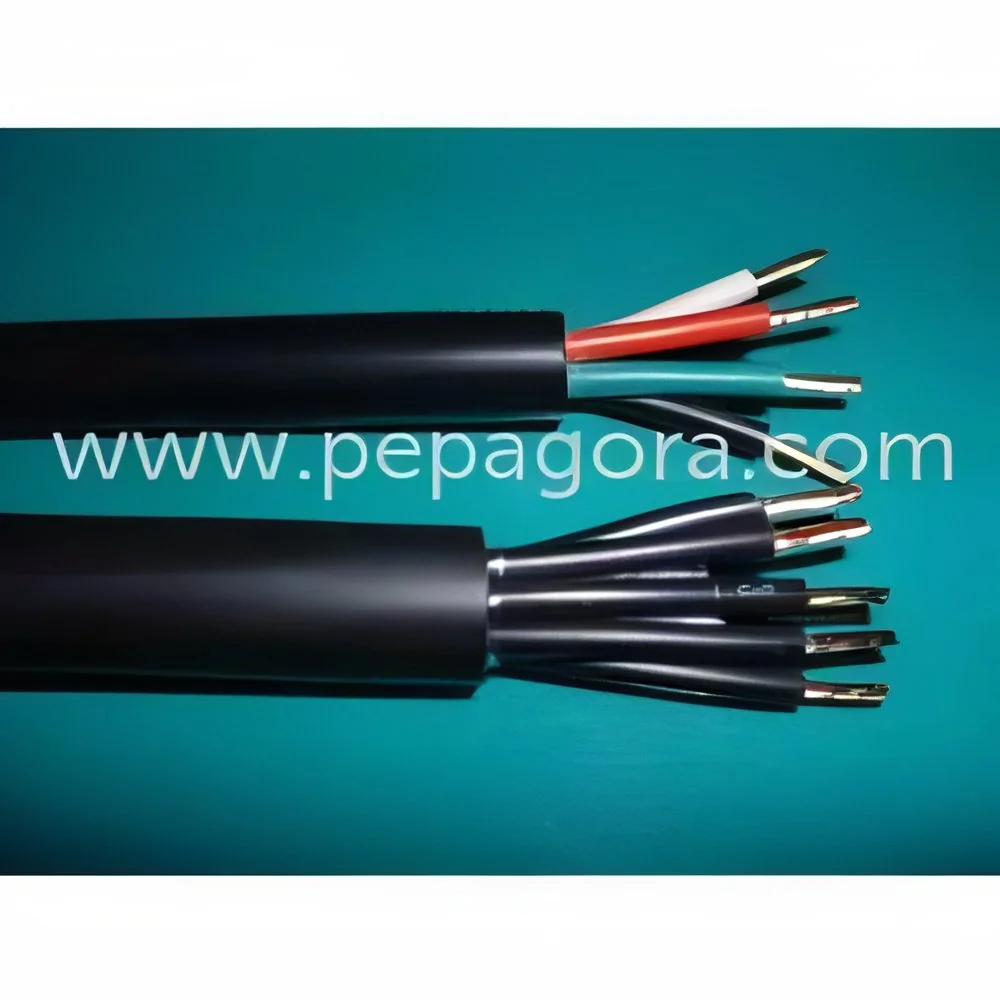
One common variant is the Multi-Conductor Control Cable. This type features multiple conductors within a single cable, allowing for the simultaneous transmission of multiple signals. It is often used in automated systems where space is limited.
Another variant is the Shielded Control Cable. This cable is designed to minimize electromagnetic interference, making it ideal for sensitive applications in industries such as telecommunications and data processing.
Benefits and Advantages
Choosing control cables offers numerous advantages to businesses seeking reliable solutions.
1. Enhanced Reliability: Control cables provide consistent performance, ensuring that equipment operates smoothly without interruptions.
2. Increased Efficiency: By transmitting signals quickly and accurately, they help optimize the performance of machinery.
3. Versatility: Available in various configurations and specifications, control cables can be tailored to meet specific industry needs.
4. Durability: Built to withstand environmental factors, these cables are designed for long-term use in harsh conditions.
5. Safety Compliance: Many control cables meet industry safety standards, reducing risks associated with electrical failures.
6. Cost-Effectiveness: Investing in high-quality control cables can lead to lower maintenance costs and longer equipment lifespan.
Buying Guide for B2B Buyers
When sourcing control cables, several factors must be considered to ensure that businesses make informed decisions.
1. Quality Assessment: Evaluate the materials and construction quality of the cables. Look for certifications that indicate compliance with industry standards.
2. Supplier Verification: Vet suppliers by checking their reputation, customer feedback, and production capabilities to ensure reliability.
3. Pricing and MOQ: Understand the pricing structure and minimum order quantities to align with your budget and procurement strategy.
4. Delivery and Lead Times: Confirm delivery schedules and lead times to ensure that your operations are not disrupted due to delays.
5. Compliance Requirements: Be aware of any regulatory requirements that may apply to the cables in your specific industry to avoid compliance issues.
Compliance and Certifications
Control cables must adhere to various quality standards to ensure safety and reliability. International standards such as ISO 9001 guarantee that manufacturers implement quality management systems for consistent product quality. Additionally, industry certifications like CE indicate compliance with European safety regulations, providing assurance to buyers regarding product safety.
Safety testing requirements often include assessments for electrical performance and environmental resistance. Manufacturers may also need to comply with regional standards that vary by location, ensuring that their products are suitable for specific markets.
Why Source Control Cables from Pepagora?
Pepagora offers a trusted platform for sourcing control cables, providing several key advantages to buyers.
Verified Supplier Network: Pepagora connects businesses with a network of verified suppliers, ensuring that you are working with reputable manufacturers who meet industry standards.
Streamlined RFQ Process: The platform features a simplified request for quotation (RFQ) process, allowing buyers to easily compare prices and specifications from multiple suppliers.
Trade Assurance and Support: Pepagora provides trade assurance, protecting buyers and ensuring that transactions are secure. Dedicated support is available to assist with any inquiries or issues.
Regional Coverage: With extensive reach across India, the GCC, and Southeast Asia, Pepagora ensures that businesses have access to quality control cables suited for their regional needs.

 IN
IN