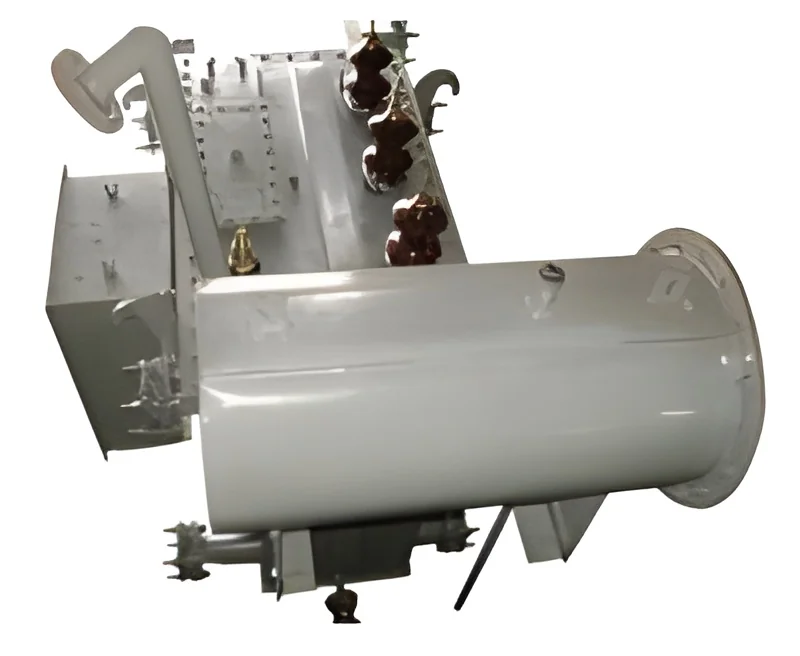
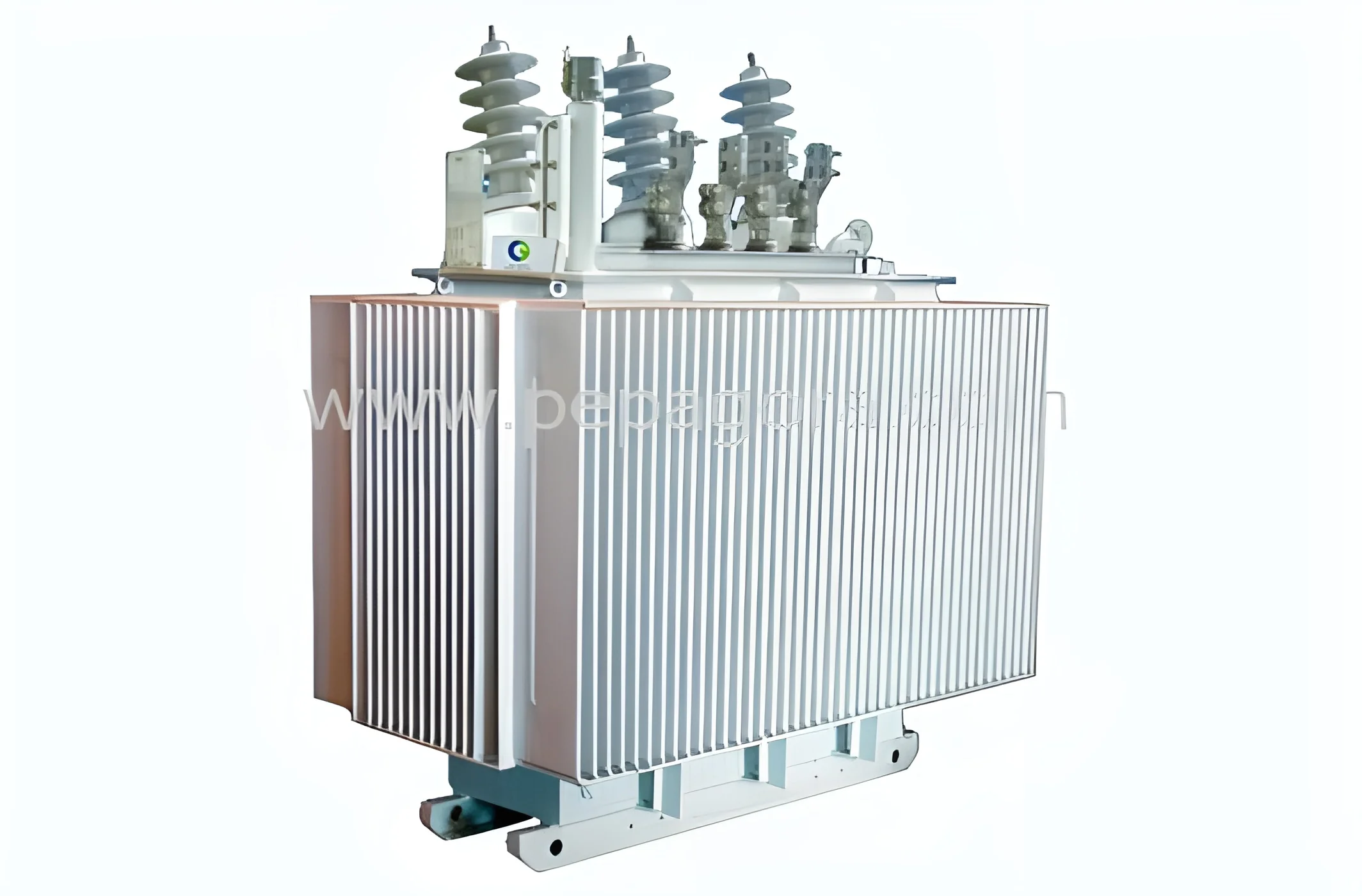
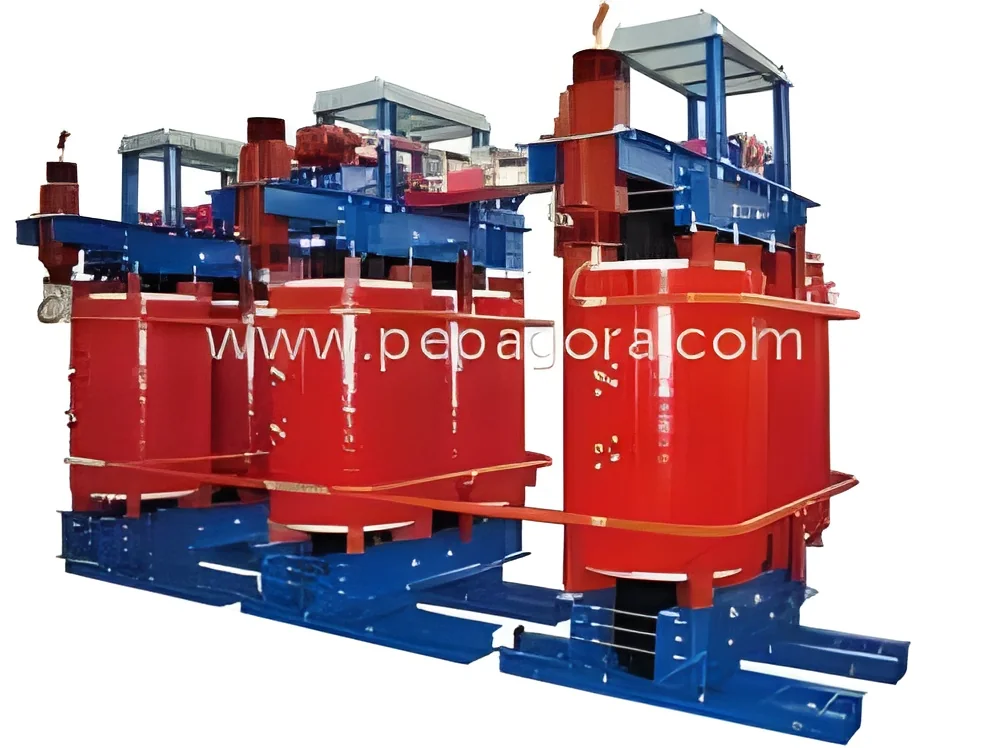
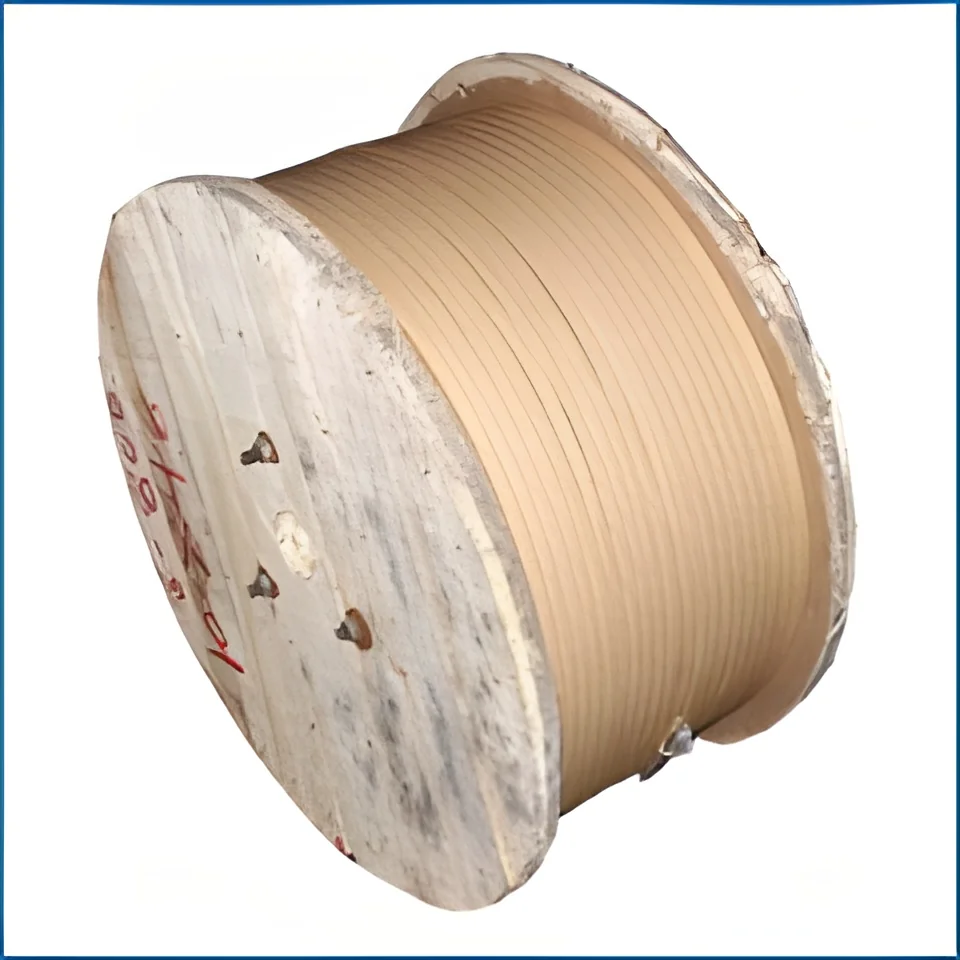
Key Features and Specifications
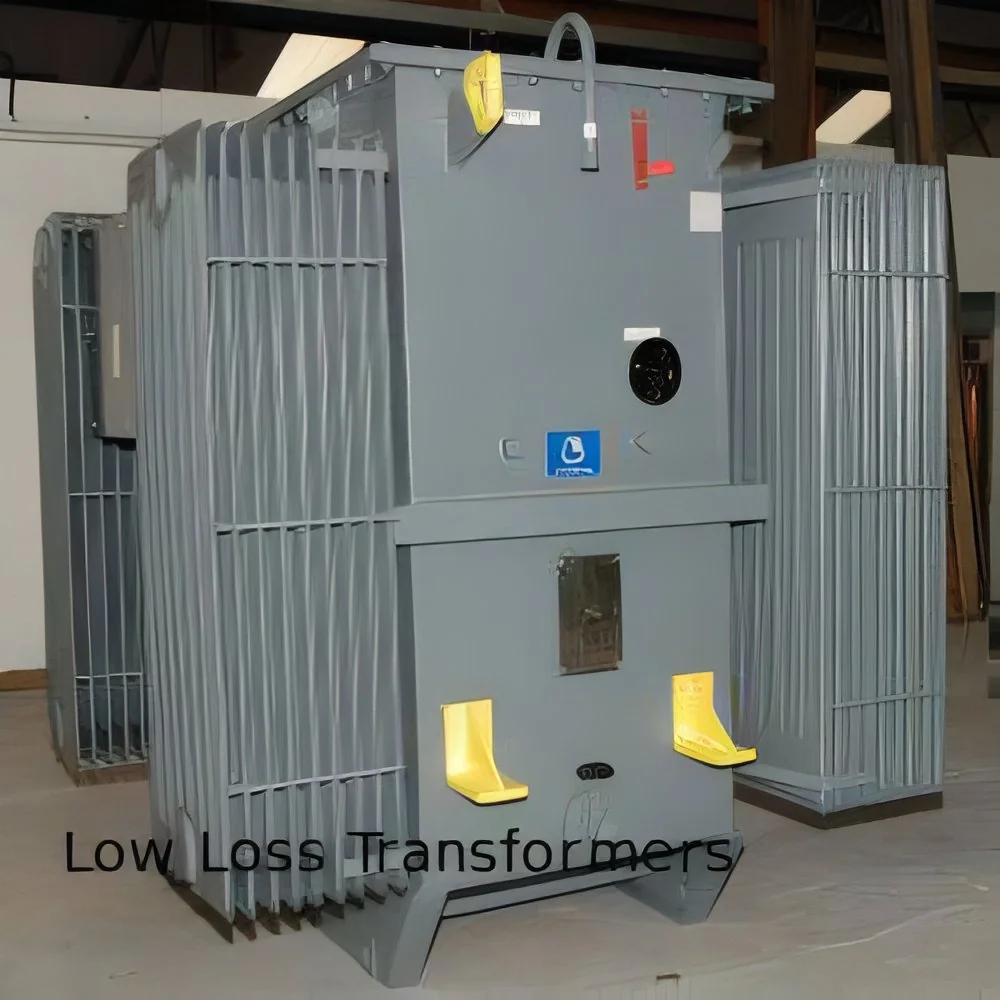
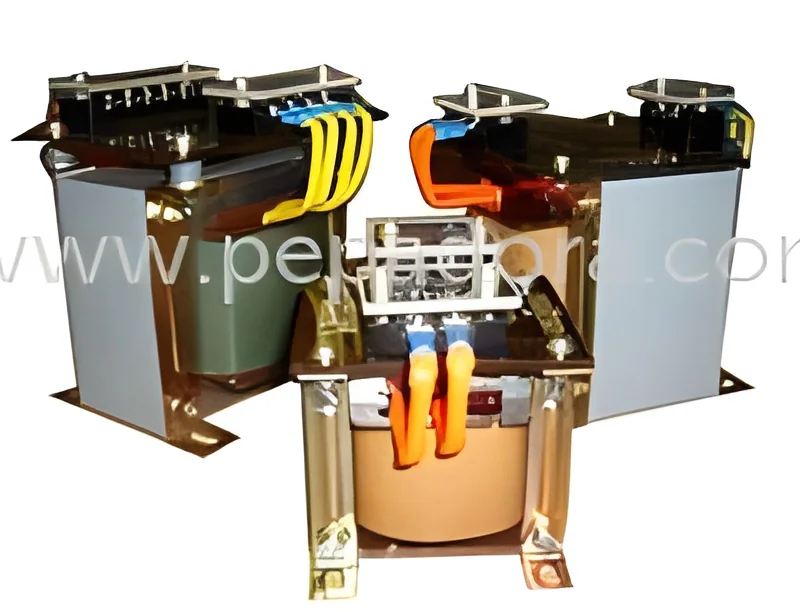
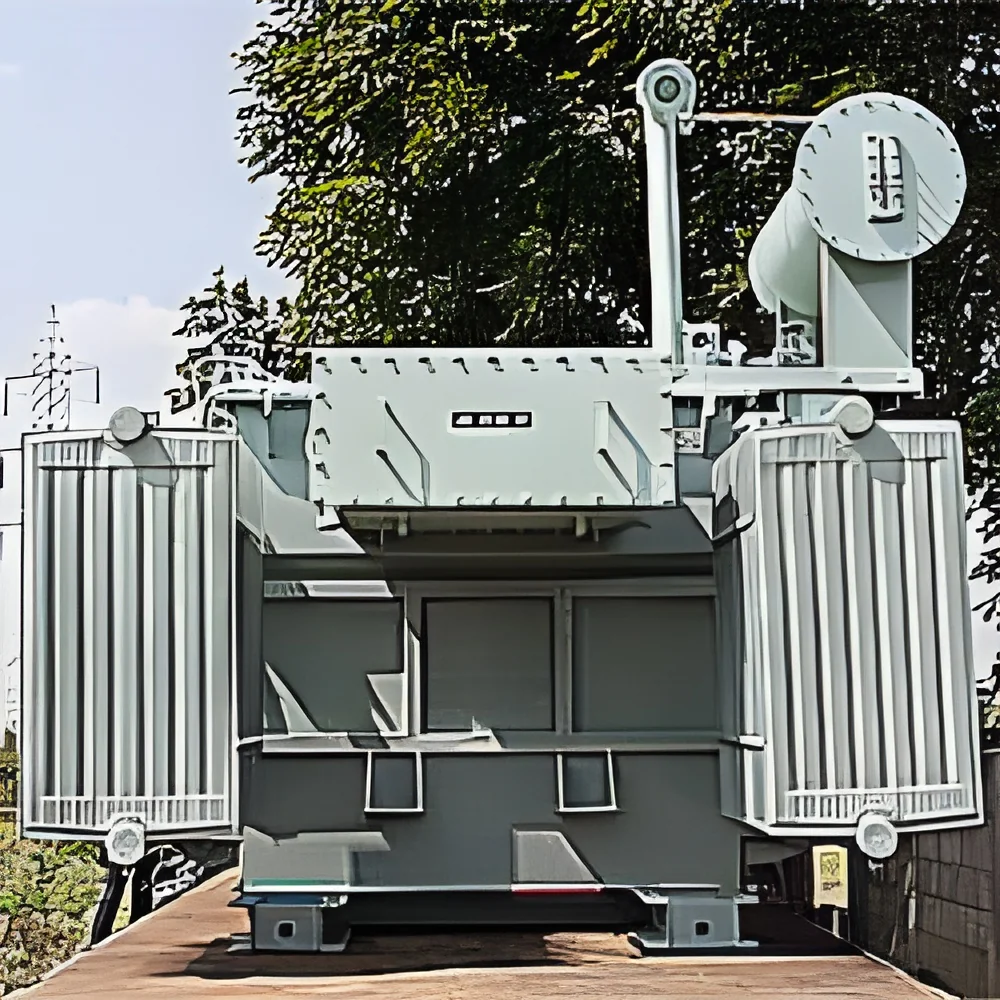
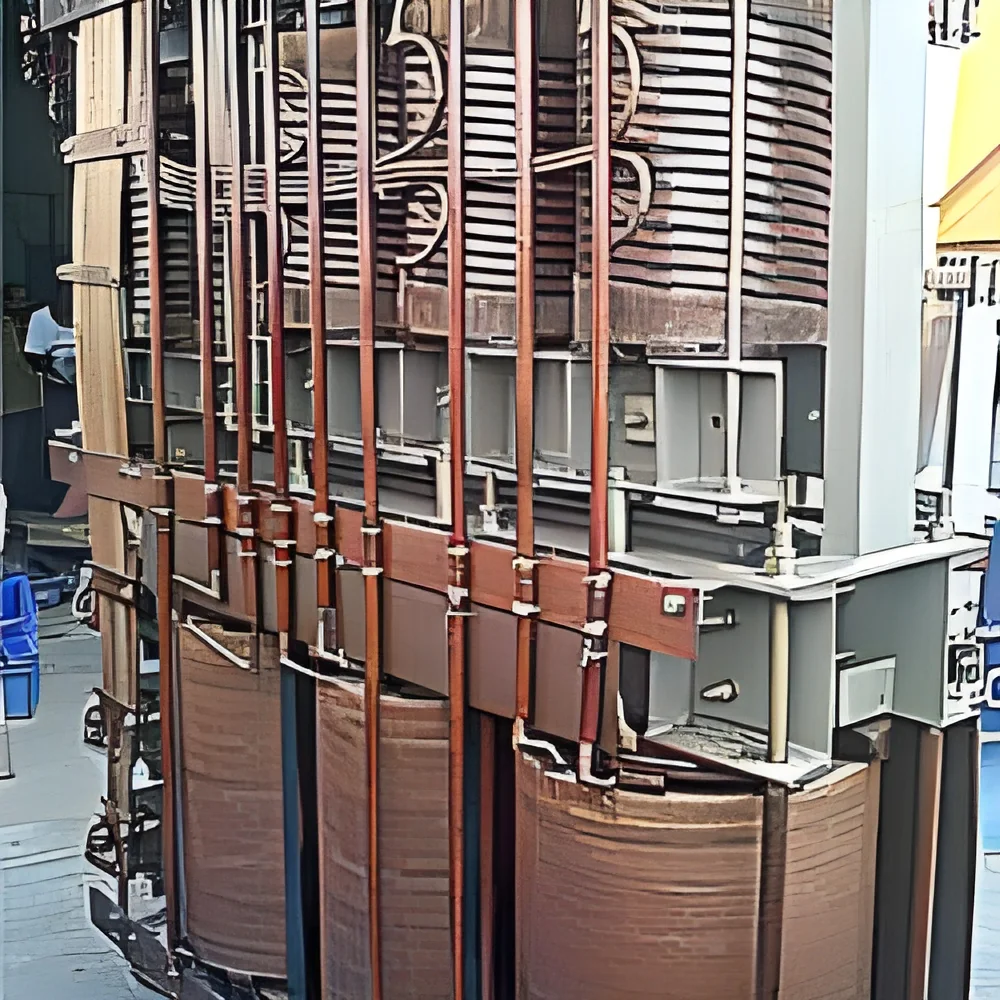
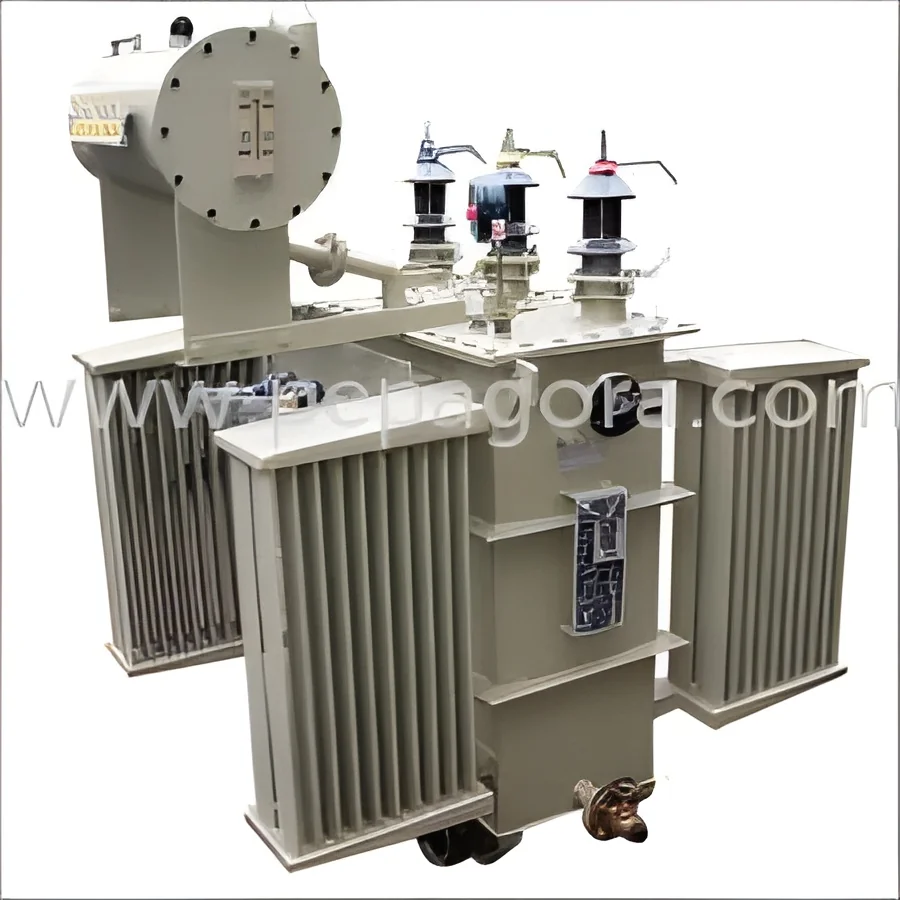
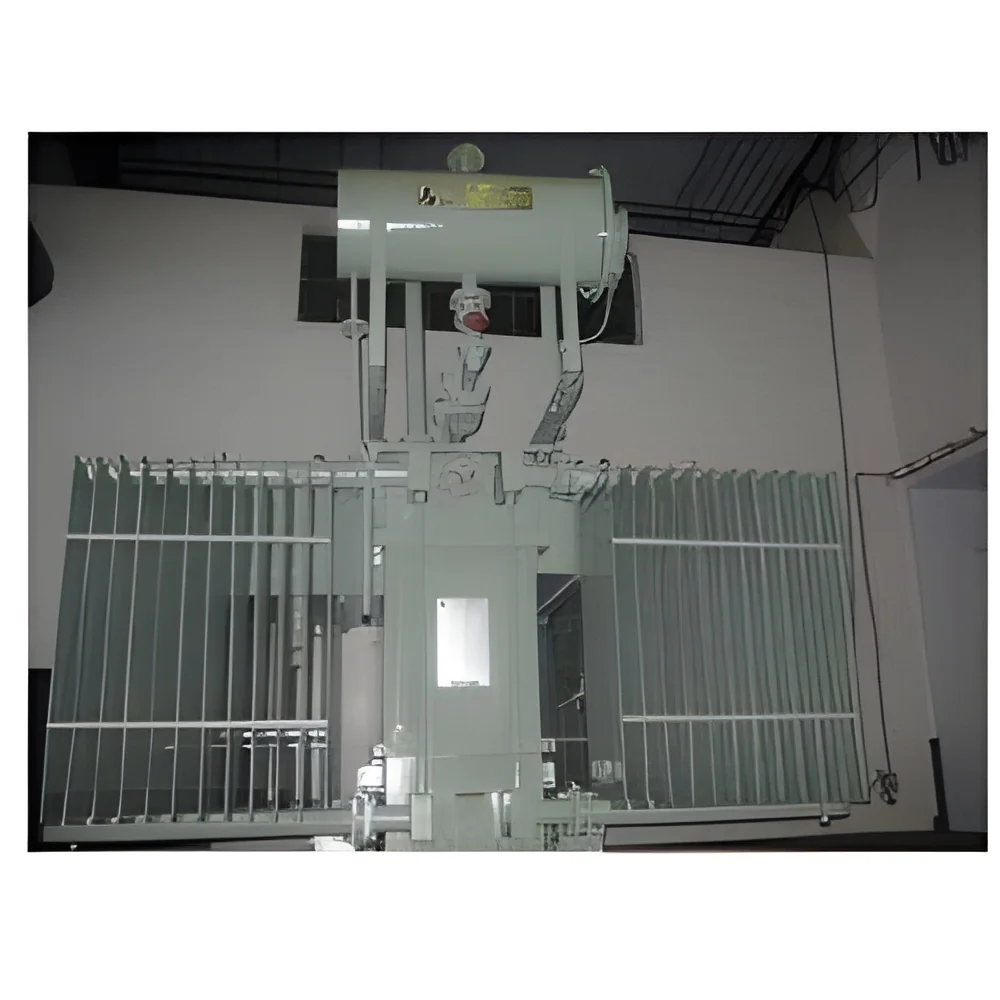
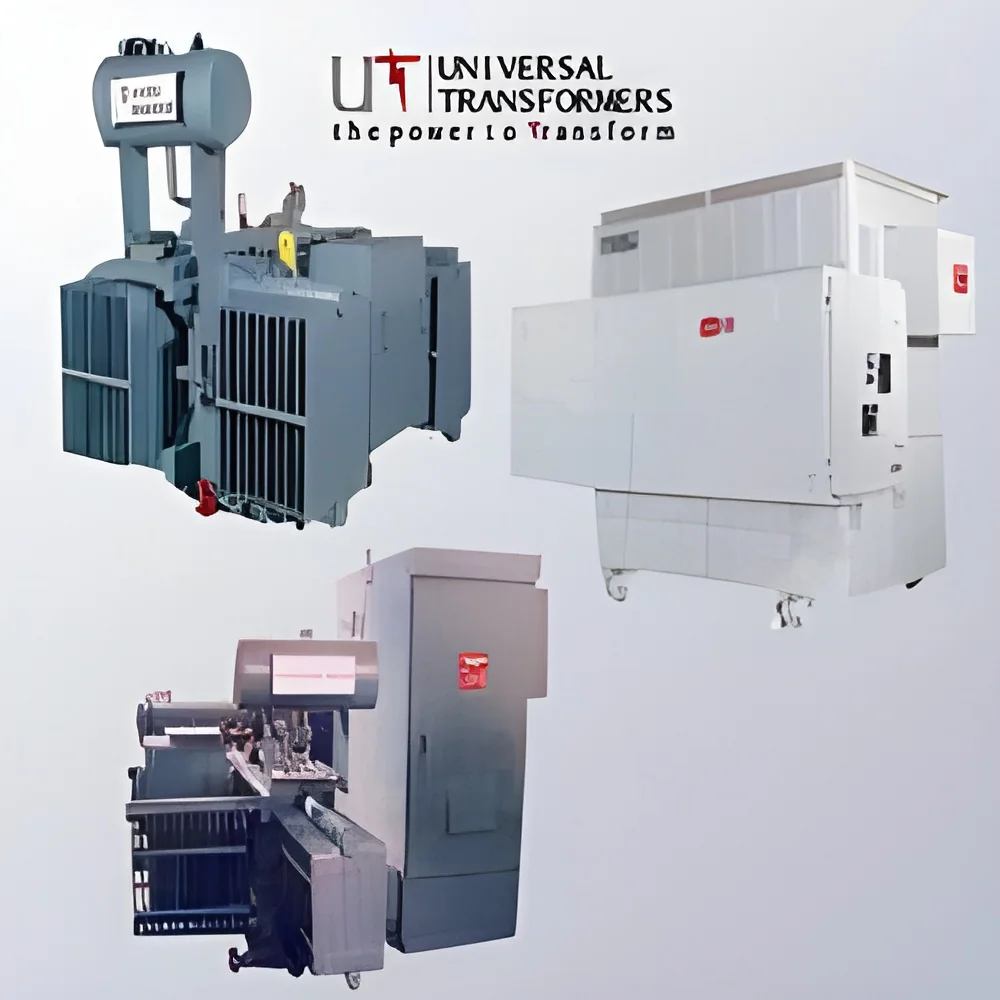
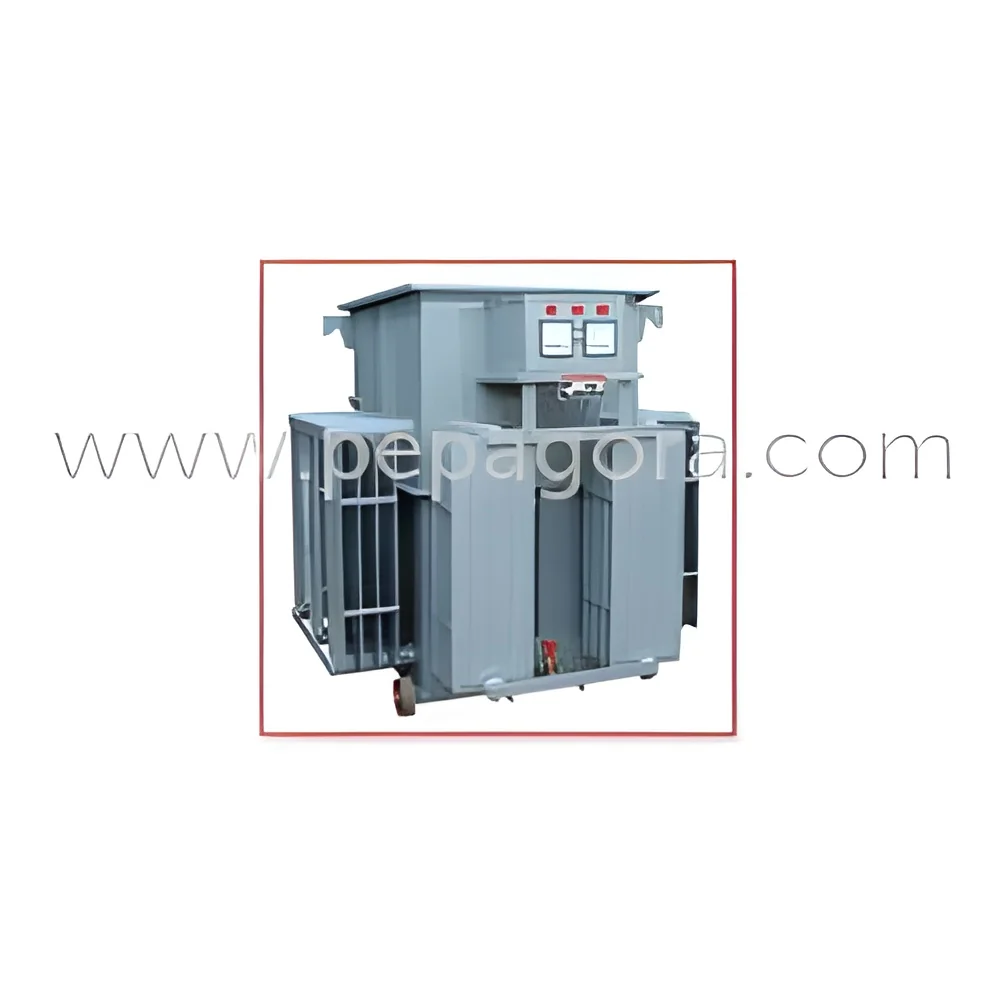
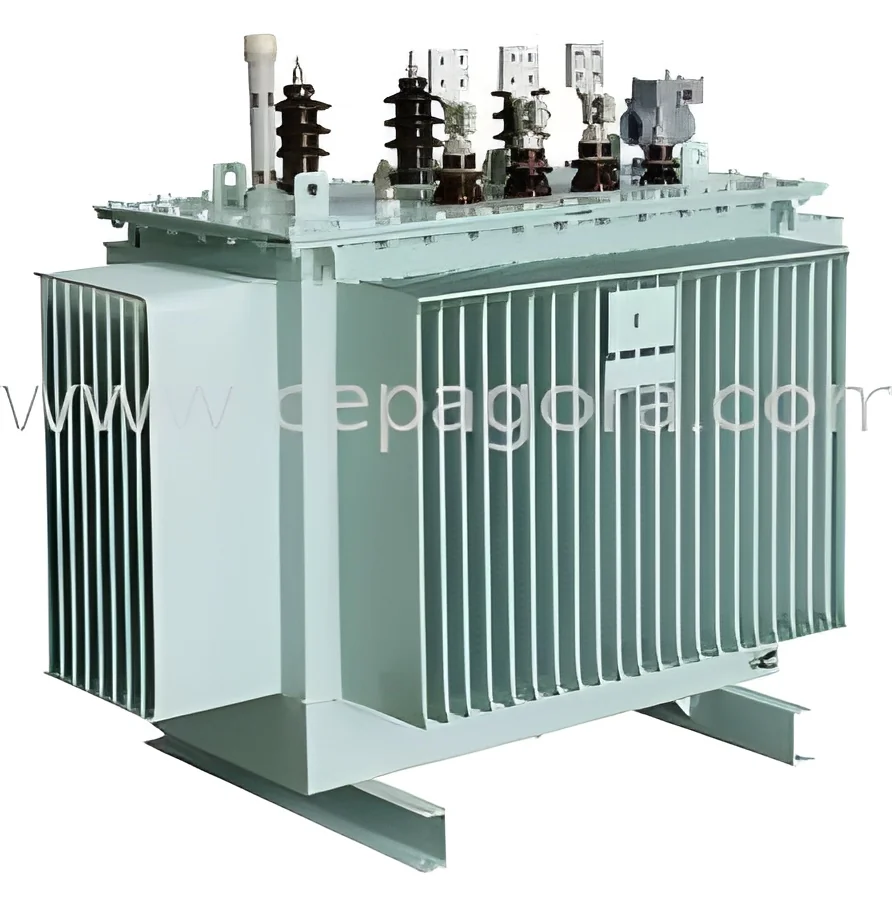
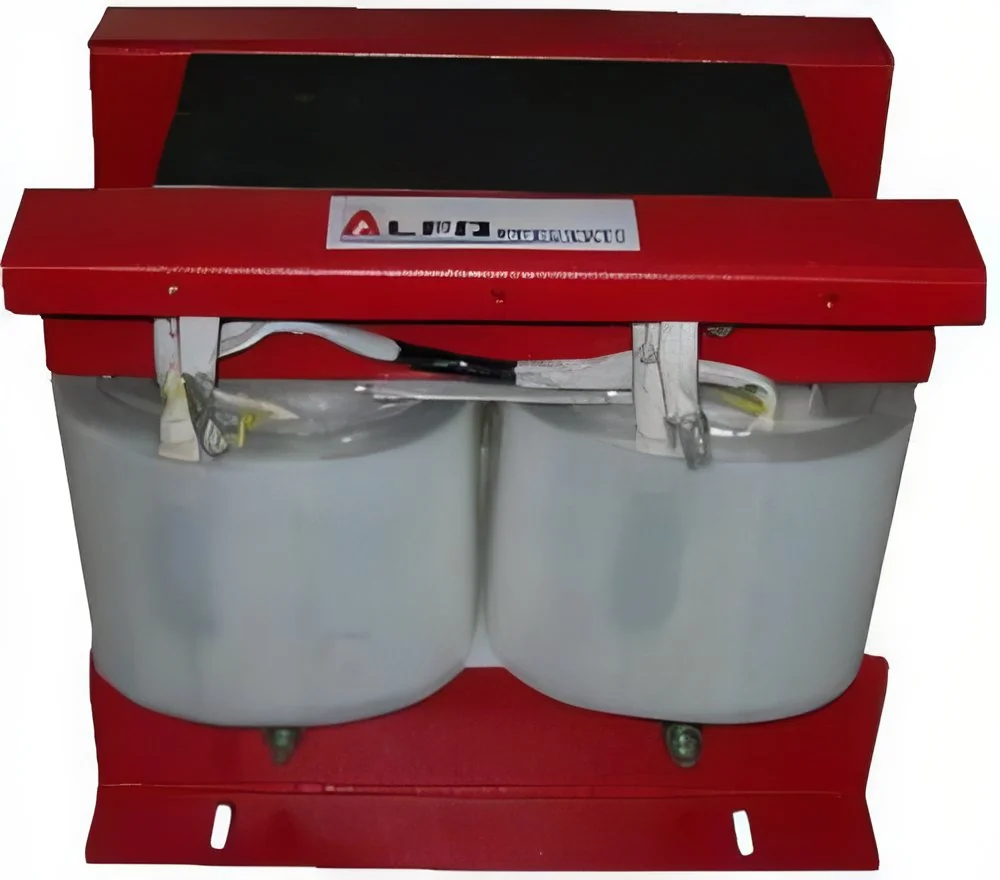
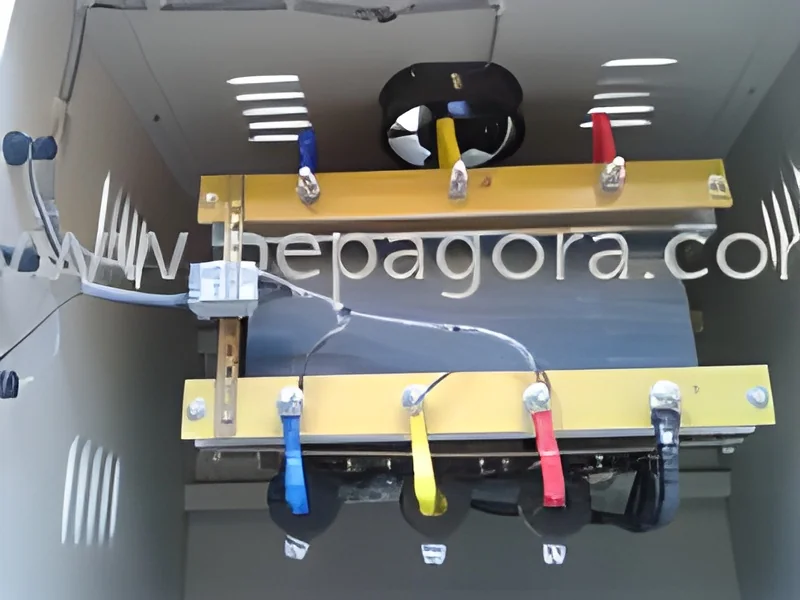
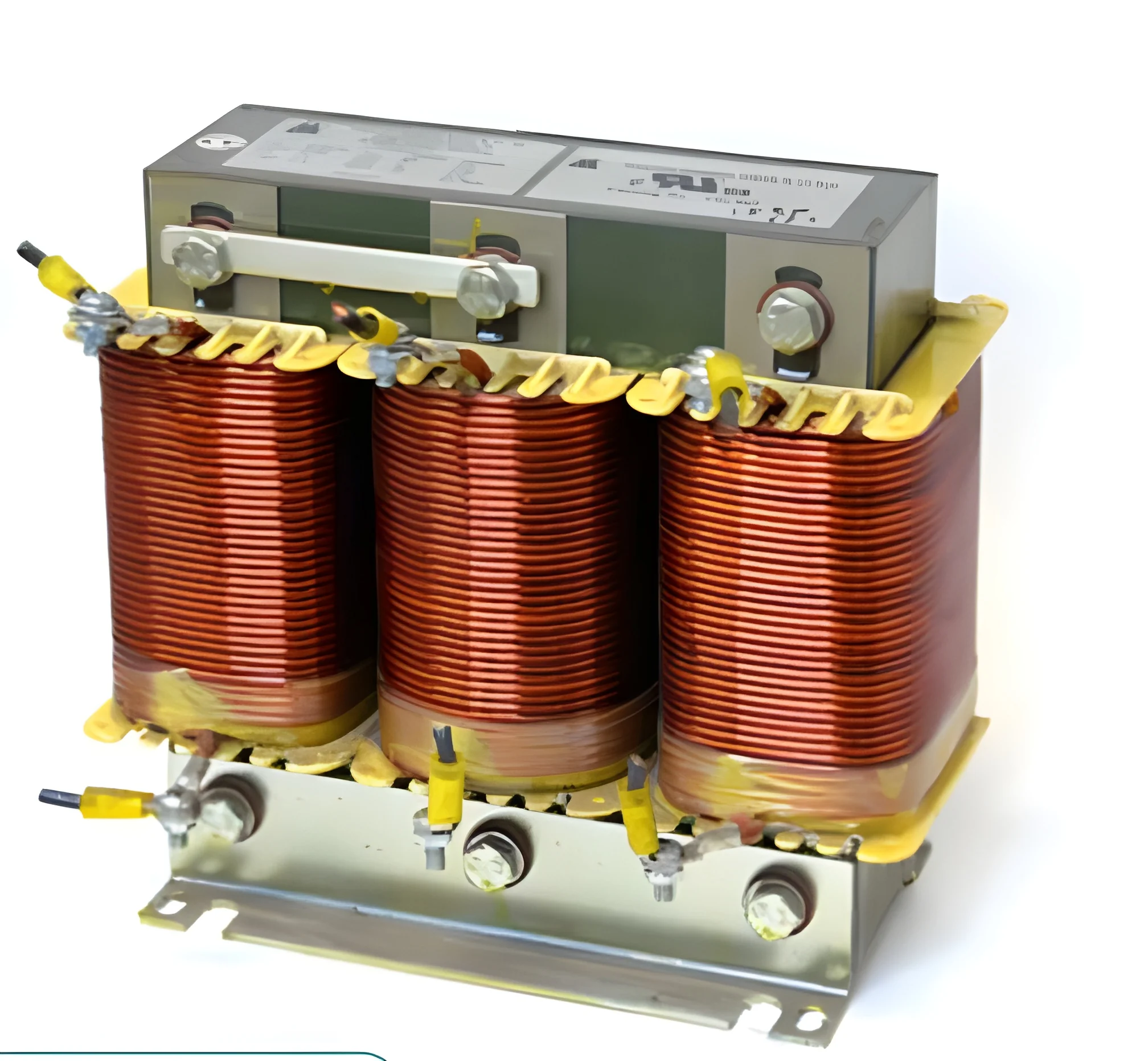
Transformers (Dry Type, Oil Cooled) come equipped with several key features that enhance their functionality and reliability. These specifications are critical for ensuring that the transformers meet the required operational standards and suit specific applications.
Key specifications include:
1. Construction Type
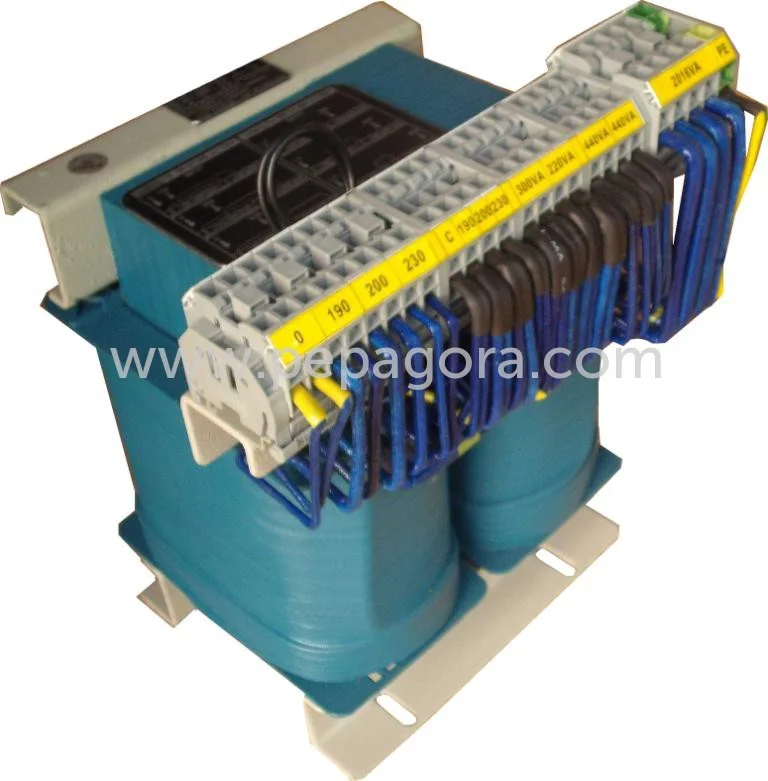
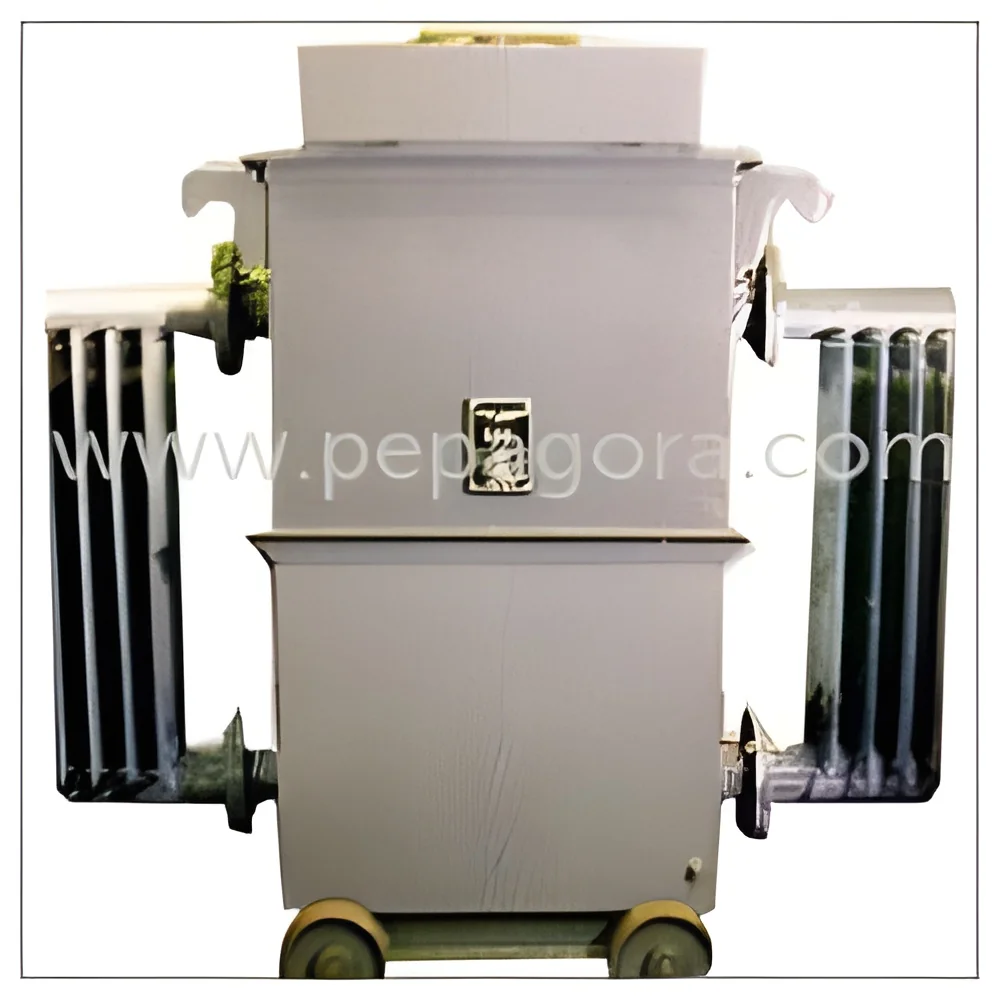
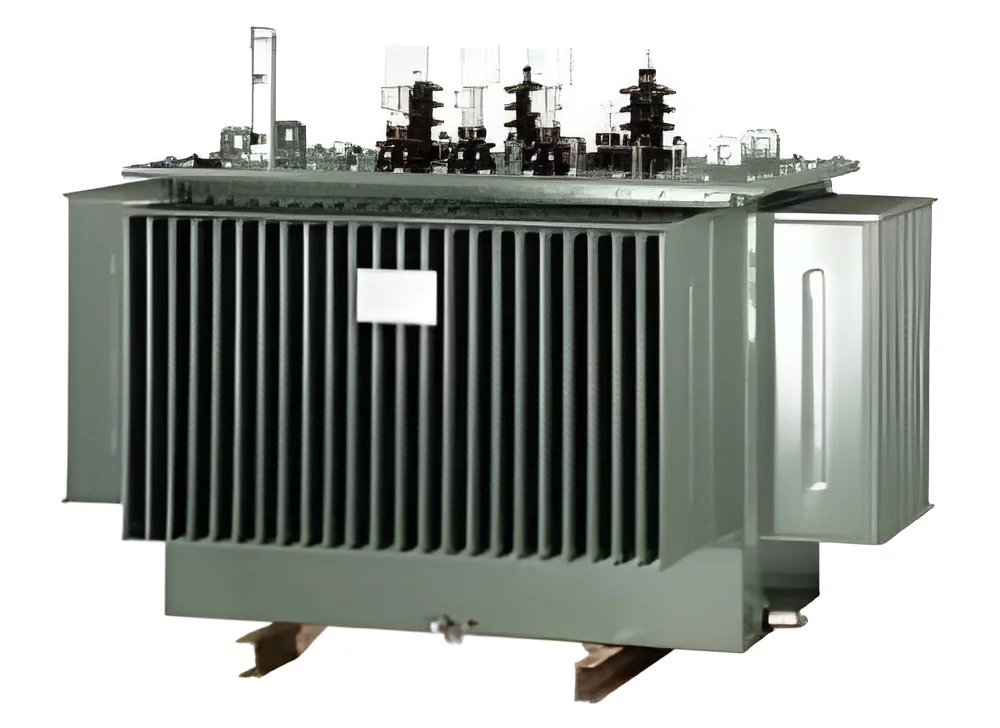
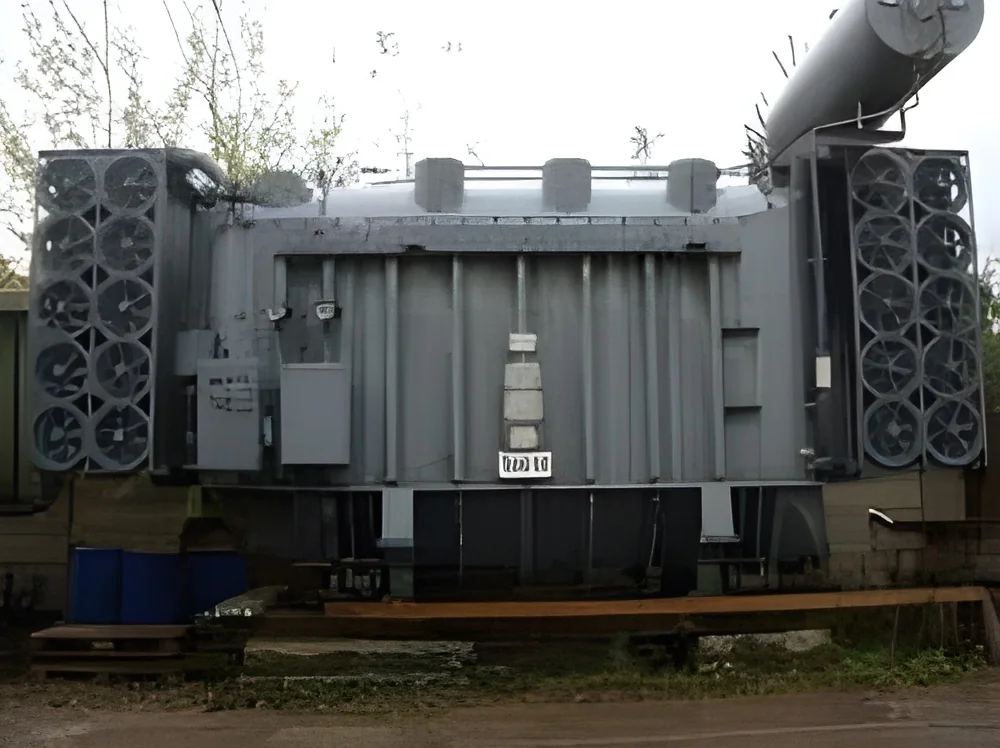
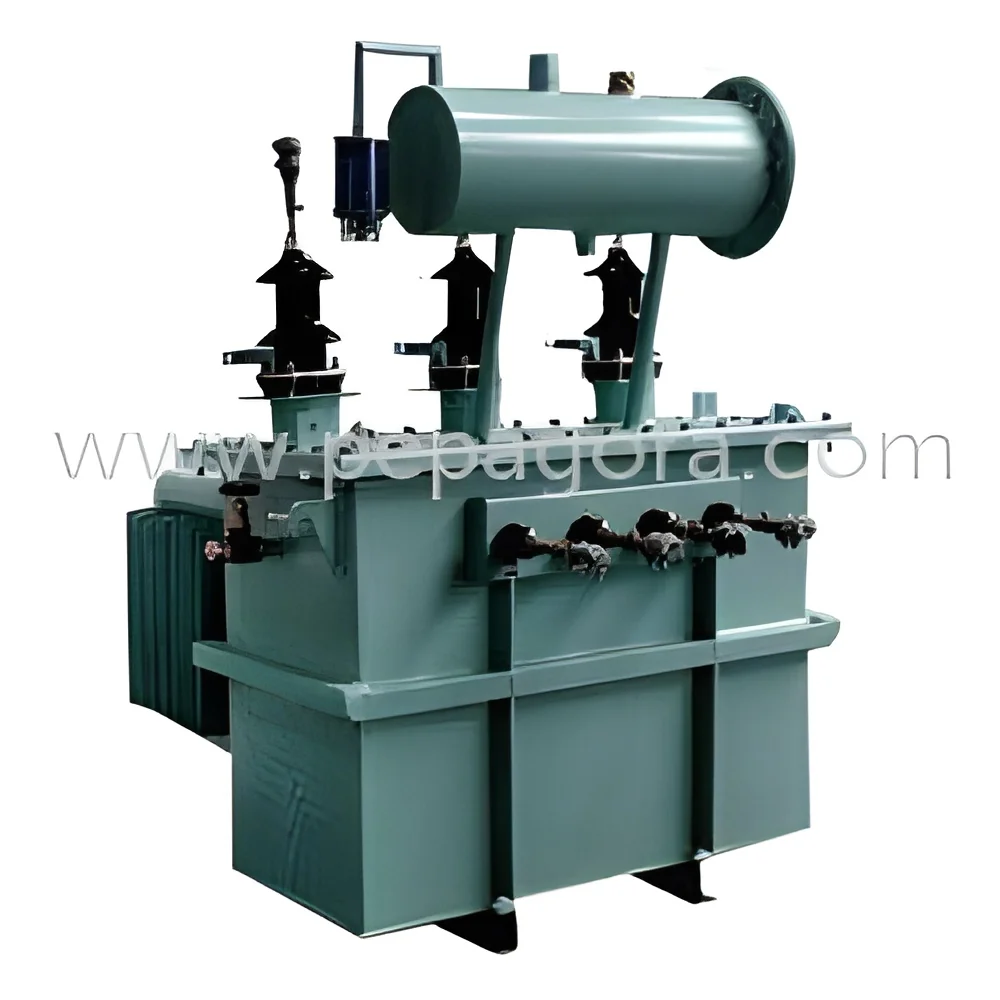
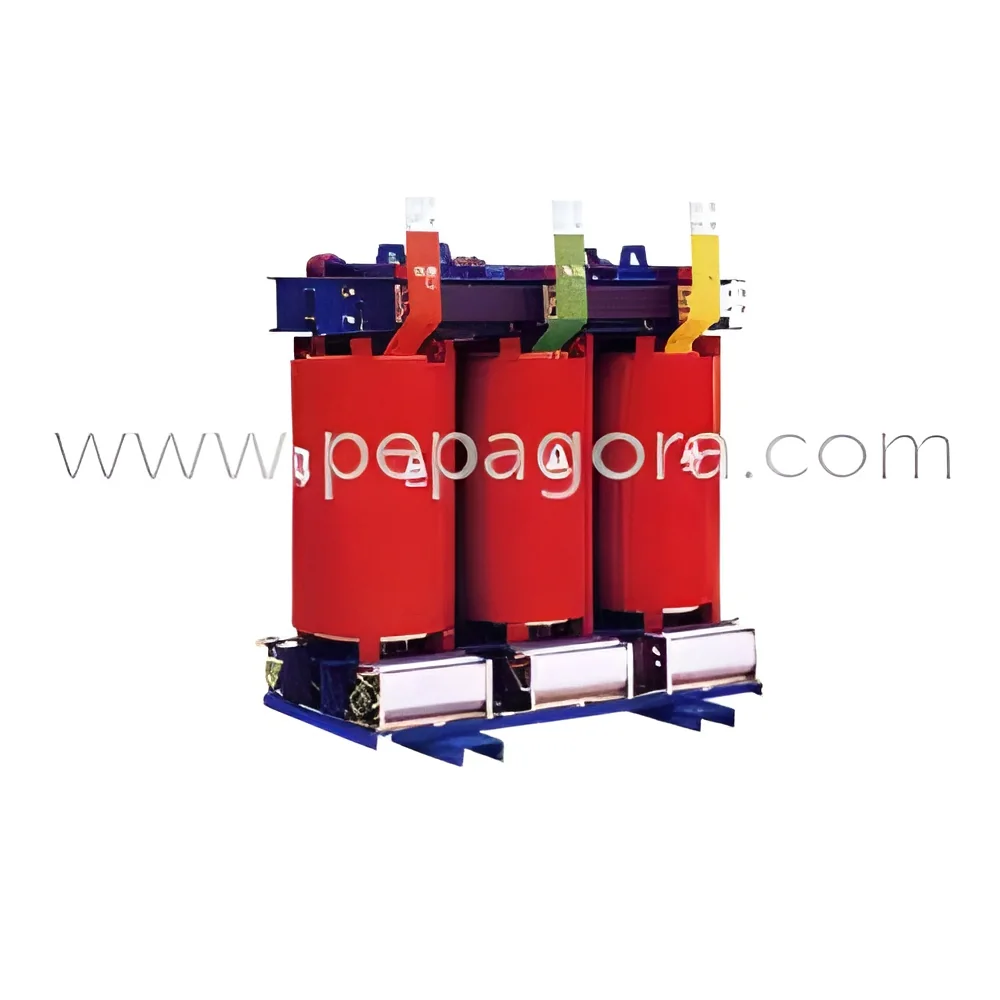
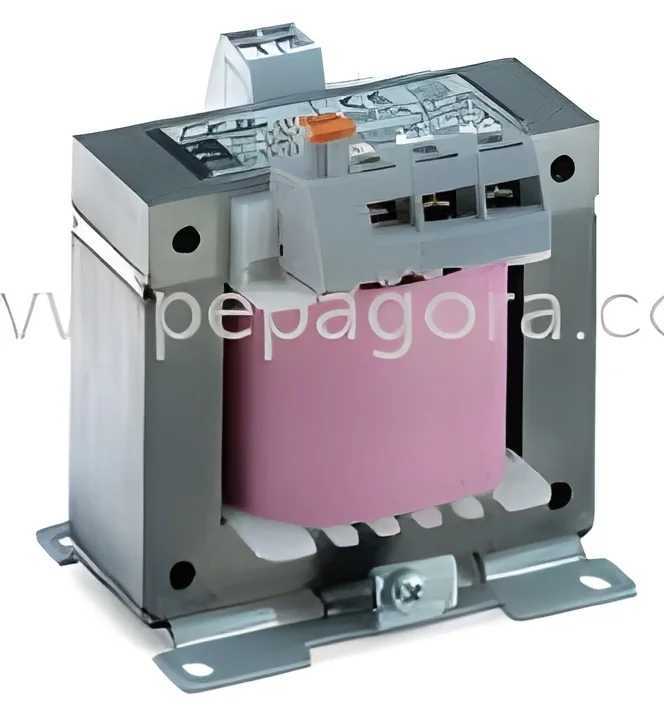
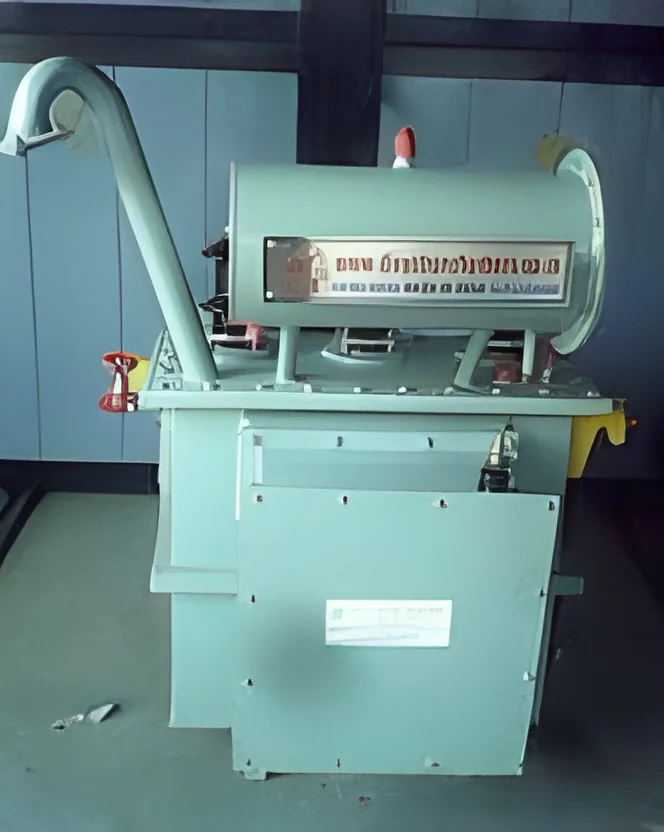
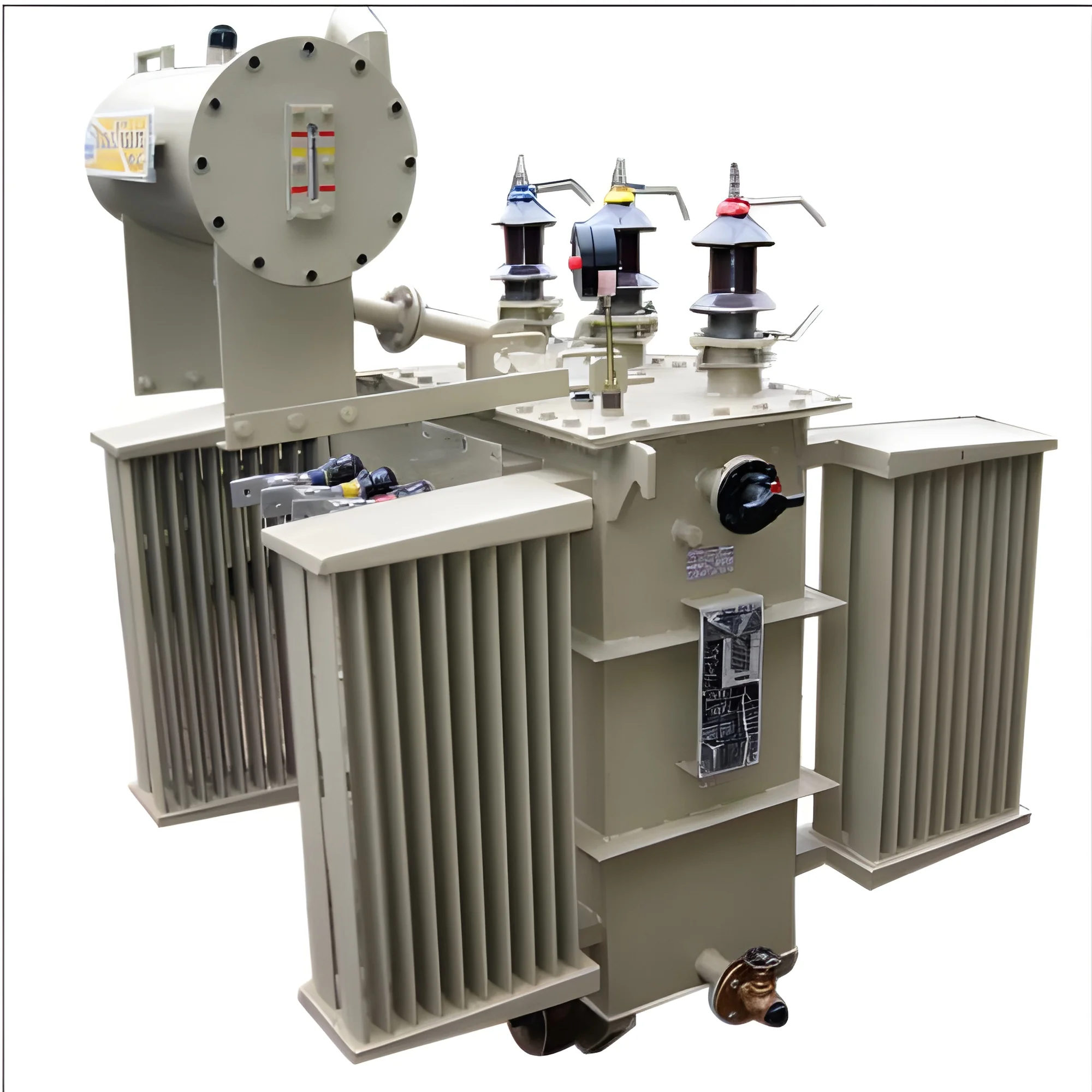
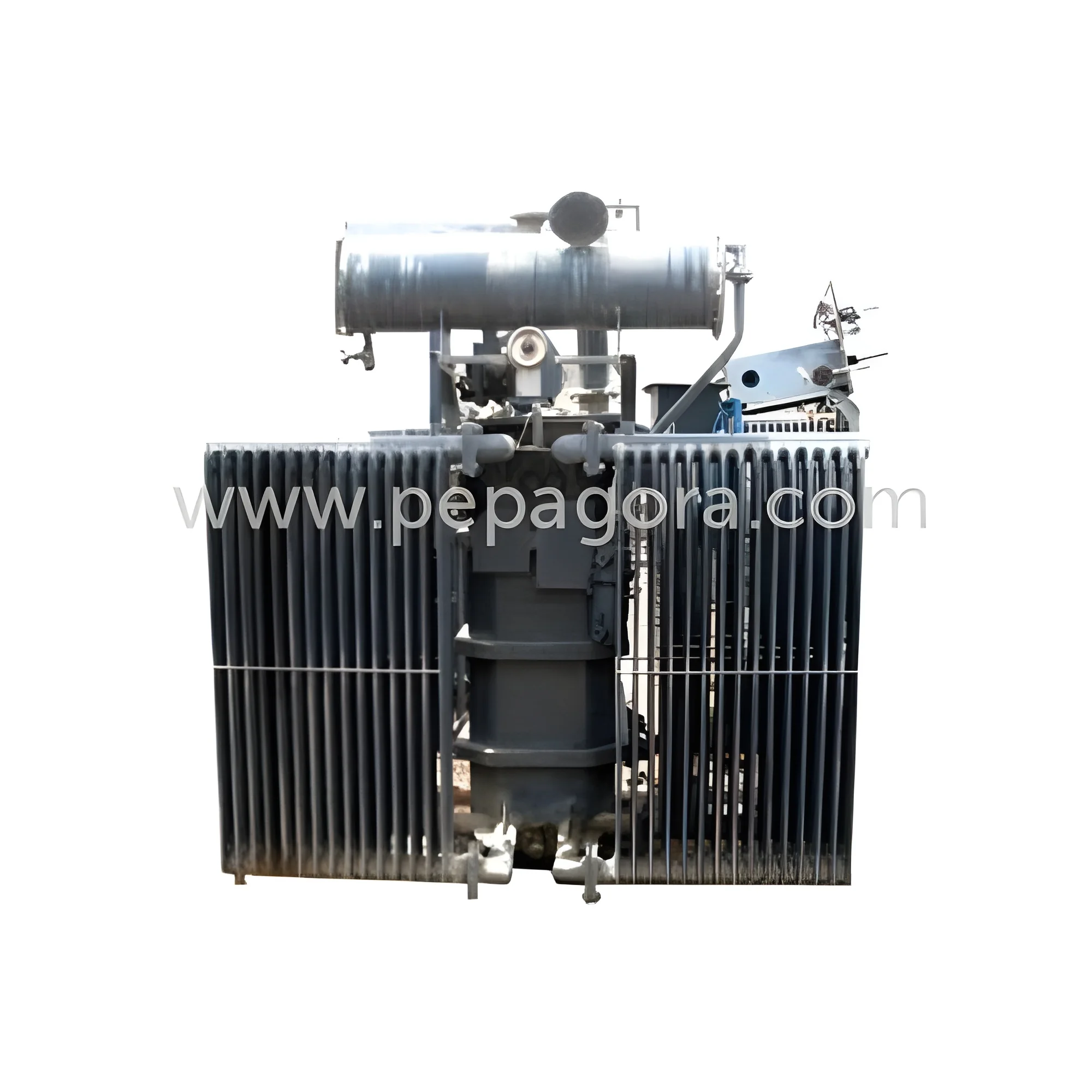
- Dry type transformers utilize air for cooling, while oil cooled transformers use oil as a coolant.
- They are designed for different operational environments.
2. Voltage Rating
- Common voltage ratings range from low voltage (up to 1 kV) to medium voltage (1 kV to 36 kV).
- Ensures compatibility with various electrical systems.
3. Power Rating
- Available power ratings typically range from 100 kVA to several MVA.
- Allows for flexibility in application and scalability.
4. Efficiency
- Operating efficiency can exceed 98%, minimizing energy losses.
- Critical for reducing operational costs in large-scale facilities.
5. Cooling Method
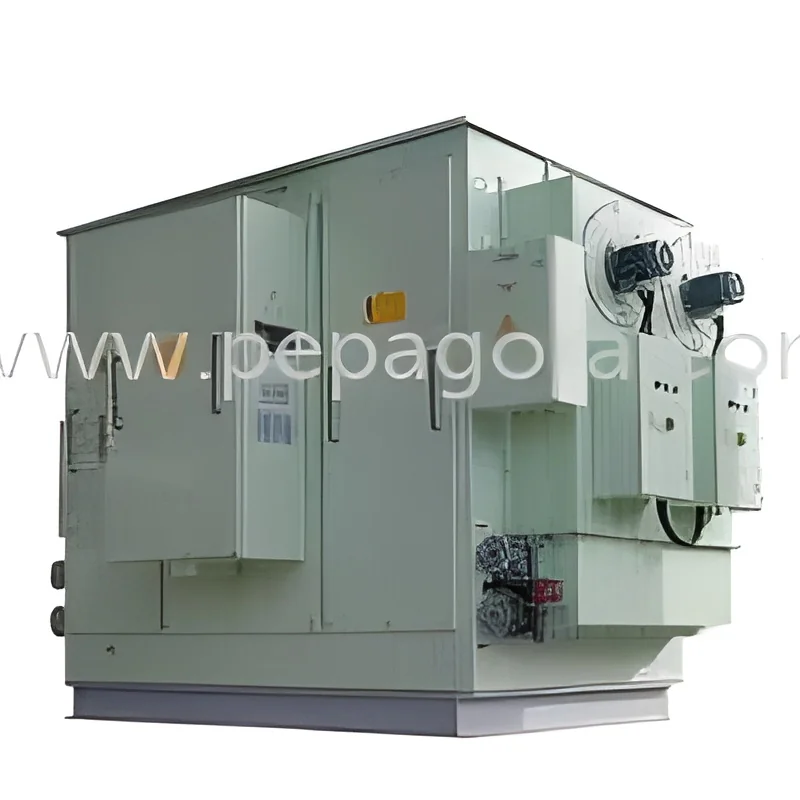
- Dry type transformers rely on natural or forced air cooling.
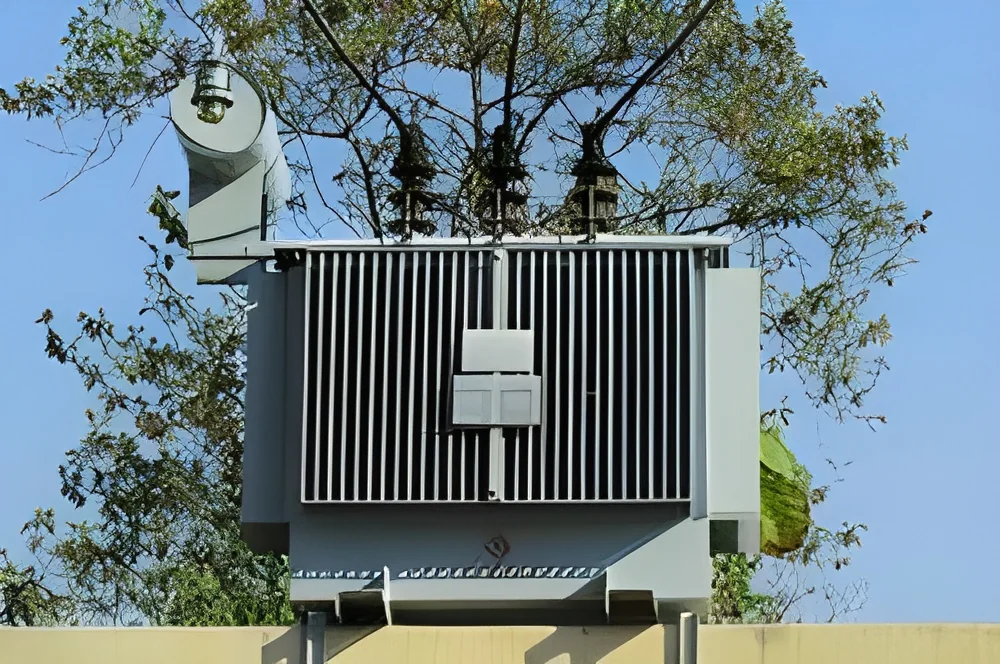
- Oil cooled transformers use oil for better thermal management.
6. Insulation Class
- Insulation classes can range from A to H, indicating the temperature tolerance.
- Essential for determining the transformer's operational limits.
7. Noise Level
- Designed to operate at low noise levels, typically less than 65 dB.
- Important for installations in residential or commercial areas.
8. Safety Features
- Incorporate safety features such as overload protection and fault indication.
- Enhances operational safety and reduces maintenance costs.
In summary, understanding the key features and specifications of transformers is essential for selecting the right product for specific needs and ensuring optimal performance.
Common Applications and Use Cases
Transformers (Dry Type, Oil Cooled) find applications across a broad spectrum of industries due to their reliability and safety features.
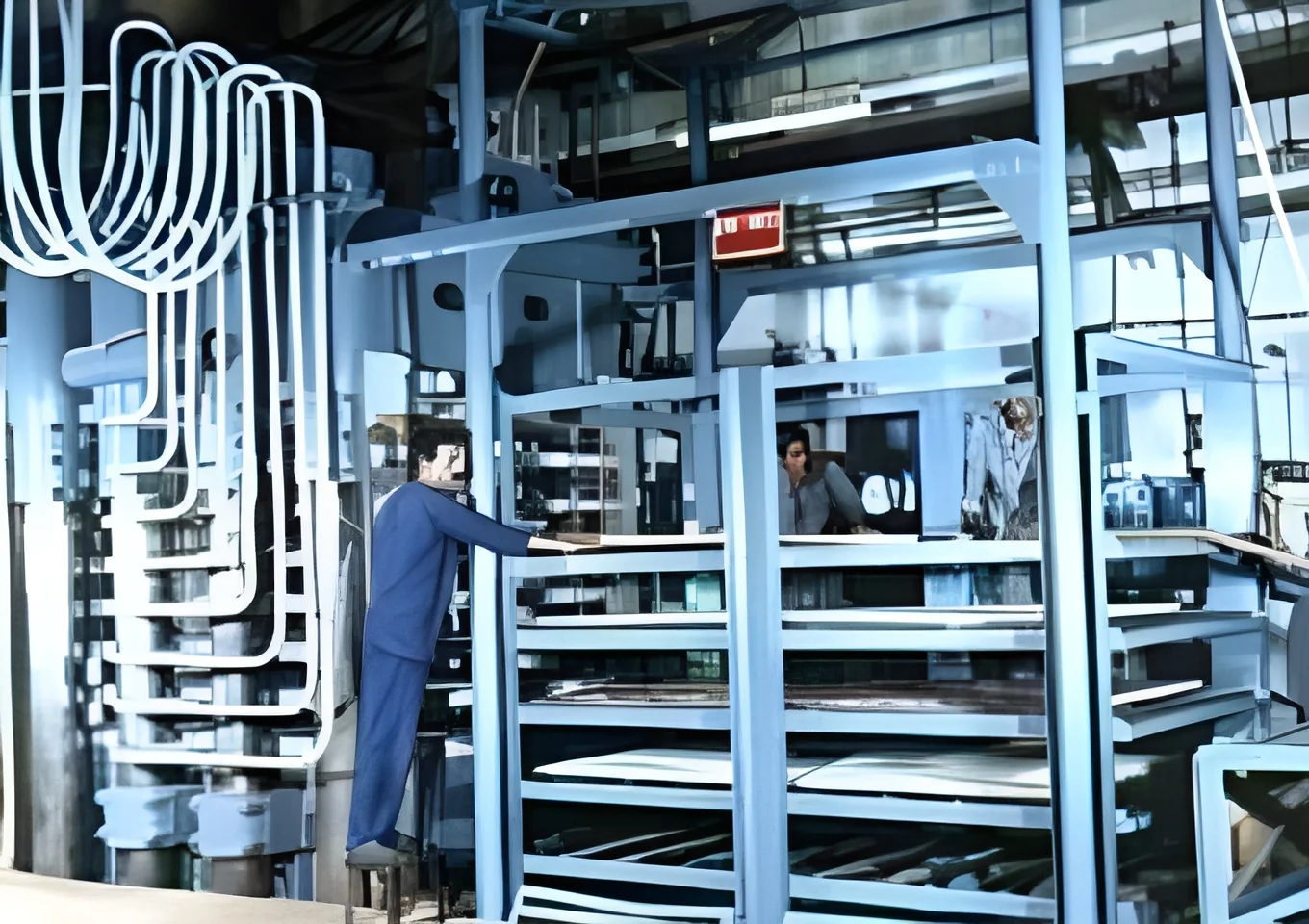
1. Manufacturing: In manufacturing facilities, these transformers are used to power machinery and equipment, ensuring stable voltage supply and reducing downtime.
2. Commercial Buildings: Many commercial buildings utilize dry type transformers for electrical distribution to lighting, HVAC systems, and elevators, enhancing energy efficiency.
3. Utilities: Power utilities employ both types of transformers for substations and distribution networks, facilitating effective voltage regulation and energy distribution.
4. Data Centers: Data centers rely on dry type transformers to maintain power quality and protect sensitive electronic equipment from electrical disturbances.
5. Renewable Energy: In solar and wind energy applications, transformers are essential for converting generated power to usable voltage levels for the grid.
6. Healthcare: Hospitals and clinics use these transformers to ensure a stable power supply for critical medical equipment.
7. Transportation: Railways and airports utilize transformers for powering essential services, including lighting and operational systems.
Product Variants and Subcategories
Transformers (Dry Type, Oil Cooled) come in various configurations to meet different operational needs. While specific subcategories are not available, the diversity in design allows for tailored solutions.
Dry Type Transformers
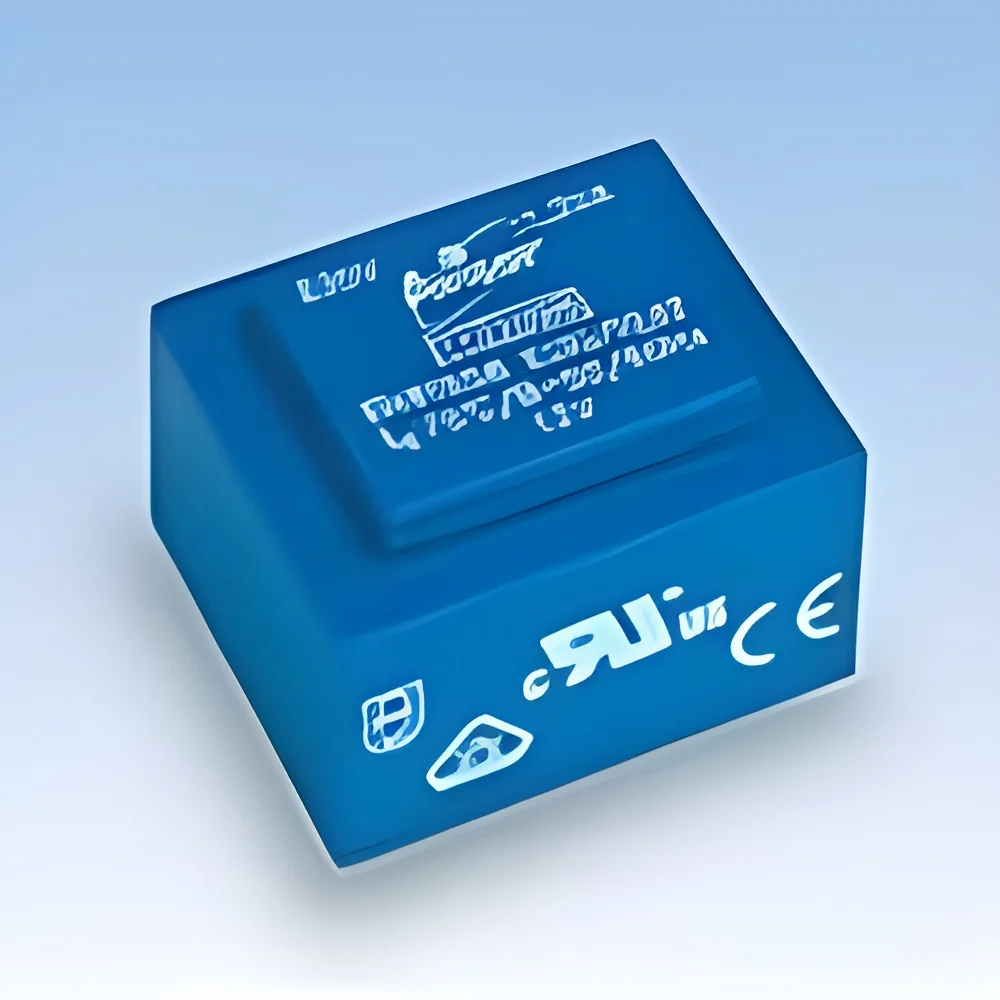
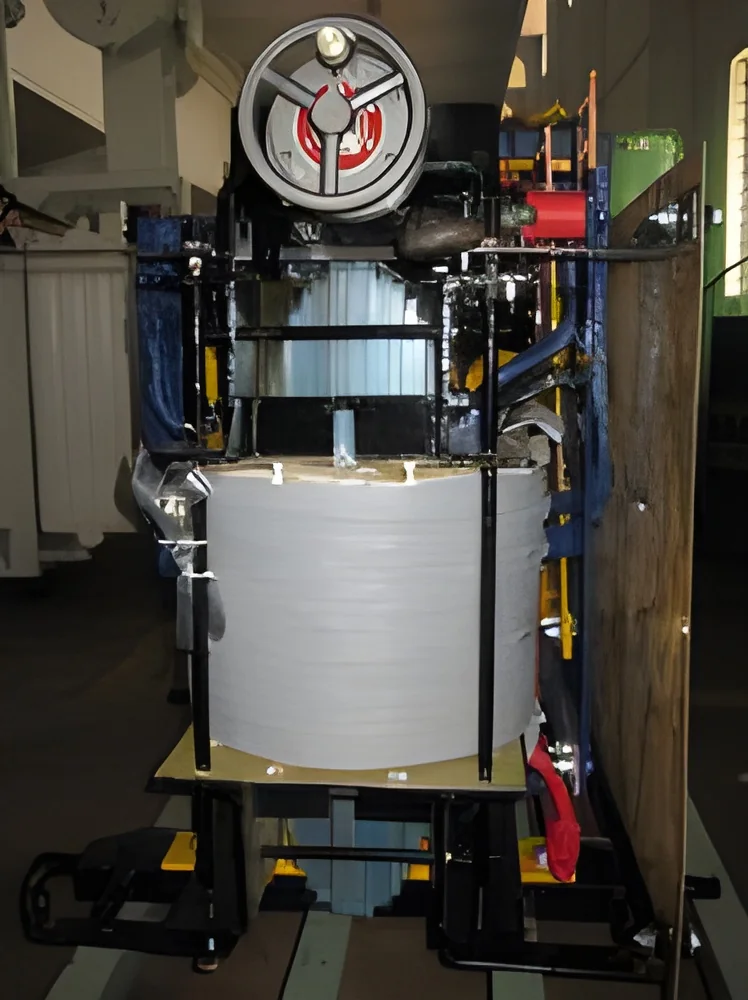
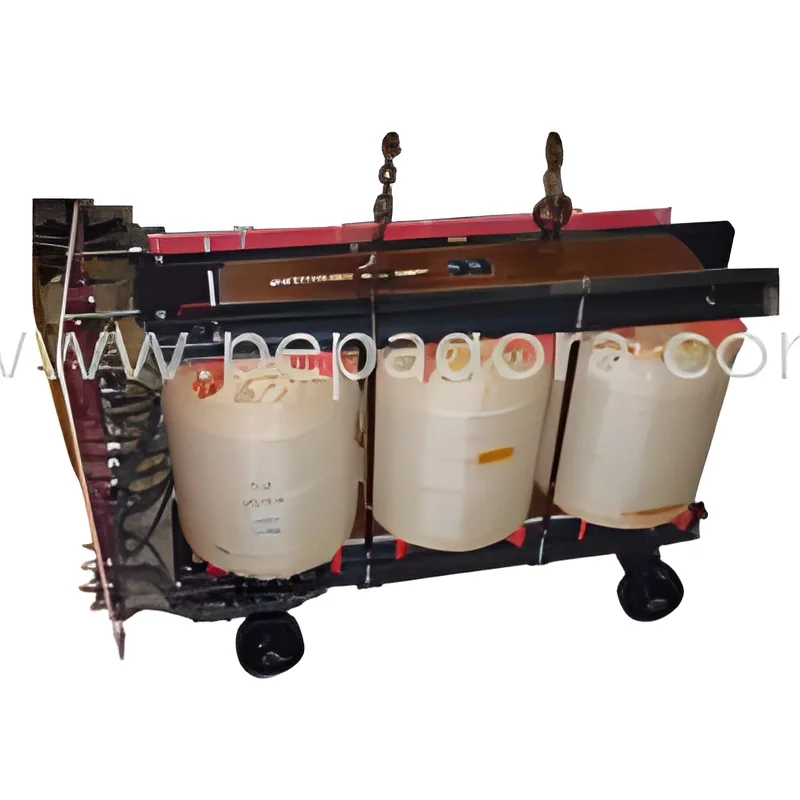
These transformers are designed for indoor applications, offering advantages such as minimal fire risk and low maintenance. They are ideal for areas with limited ventilation.
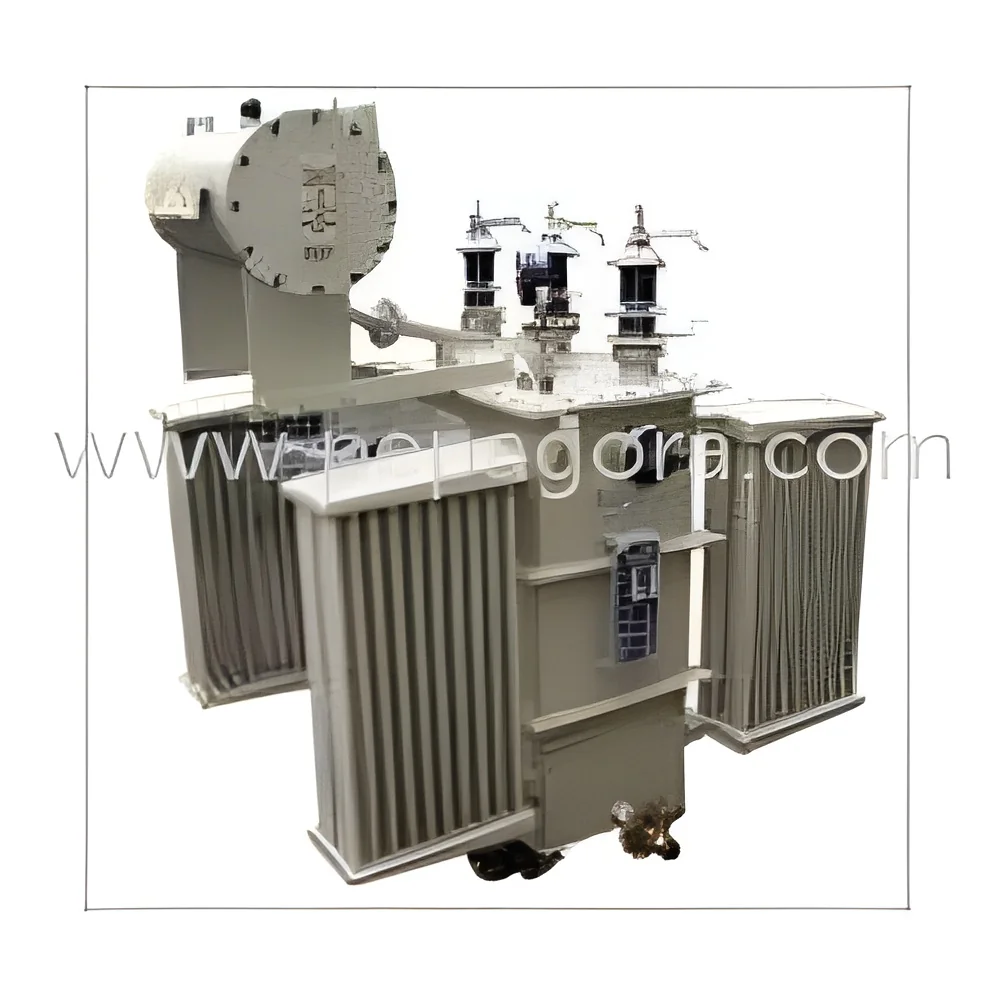
Oil Cooled Transformers
Oil cooled transformers are suitable for outdoor applications and can handle higher power ratings. They provide excellent thermal management, making them suitable for larger installations.
Benefits and Advantages
Transformers (Dry Type, Oil Cooled) present several advantages that make them a valuable investment for businesses.
1. Safety: Their design significantly reduces fire risks, making them safer for use in densely populated areas.
2. Low Maintenance: Dry type transformers require less maintenance compared to oil cooled transformers, leading to lower operational costs.
3. Environmentally Friendly: With minimal environmental impact, dry type transformers do not require oil disposal, aligning with sustainability practices.
4. Versatile Applications: Their adaptability to various industries makes them suitable for multiple applications, enhancing their market appeal.
5. High Efficiency: With operating efficiencies above 98%, these transformers minimize energy losses, translating to cost savings over time.
6. Reliability: Proven operational reliability ensures consistent performance, reducing the risk of downtime and failures.
Buying Guide for B2B Buyers
When sourcing Transformers (Dry Type, Oil Cooled), it is essential to consider several factors to ensure the right choice for your business needs.
1. Quality Assessment: Evaluate the quality of transformers based on performance standards, efficiency ratings, and manufacturer reputation. Look for products that adhere to industry benchmarks.
2. Supplier Verification: Conduct thorough research on potential suppliers. Verify their credibility, experience, and customer reviews to ensure reliable partnerships.
3. Pricing and MOQ: Understand the pricing structure and minimum order quantities (MOQ) to align with your budget and operational requirements. Compare offers from multiple suppliers.
4. Delivery and Lead Times: Assess the supplier's logistics capabilities and lead times for delivery to ensure timely project execution.
5. Compliance Requirements: Ensure that the transformers meet all relevant compliance and regulatory standards applicable in your region, such as safety and environmental regulations.
Compliance and Certifications
Transformers (Dry Type, Oil Cooled) are subject to various compliance standards and certifications that ensure their safety and operational quality.
ISO 9001 is a quality management standard that many manufacturers adhere to, ensuring consistent production quality and customer satisfaction.
CE certification indicates compliance with European safety, health, and environmental protection standards, making it essential for products sold in European markets.
Safety and testing requirements are critical, as transformers must undergo rigorous testing to ensure they can withstand operational stresses and perform reliably.
Regional compliance considerations vary by location, so it is essential to verify that the transformers meet local regulations, especially in areas with strict electrical safety laws.
Why Source Transformers (Dry Type, Oil Cooled) from Pepagora?
Pepagora provides a trusted platform for sourcing Transformers (Dry Type, Oil Cooled) with several key advantages that cater to B2B buyers.
Verified Supplier Network: Pepagora offers a comprehensive network of verified suppliers, ensuring that buyers can source high-quality transformers from reputable manufacturers.
Streamlined RFQ Process: The platform's request for quotation (RFQ) system simplifies the procurement process, allowing buyers to compare multiple offers quickly and efficiently.
Trade Assurance and Support: Pepagora provides buyer protection through trade assurance, ensuring that transactions are secure and that buyers receive the products as promised.
Regional Coverage: With a strong presence in India, the GCC, and Southeast Asia, Pepagora facilitates access to a wide range of suppliers, making it easier for businesses to find the right transformers for their needs.

 IN
IN