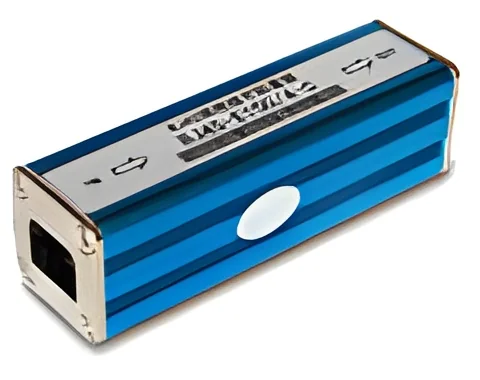
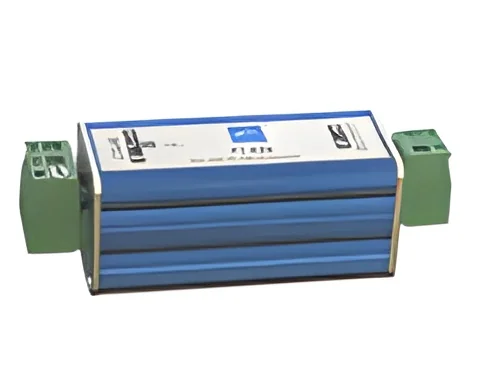
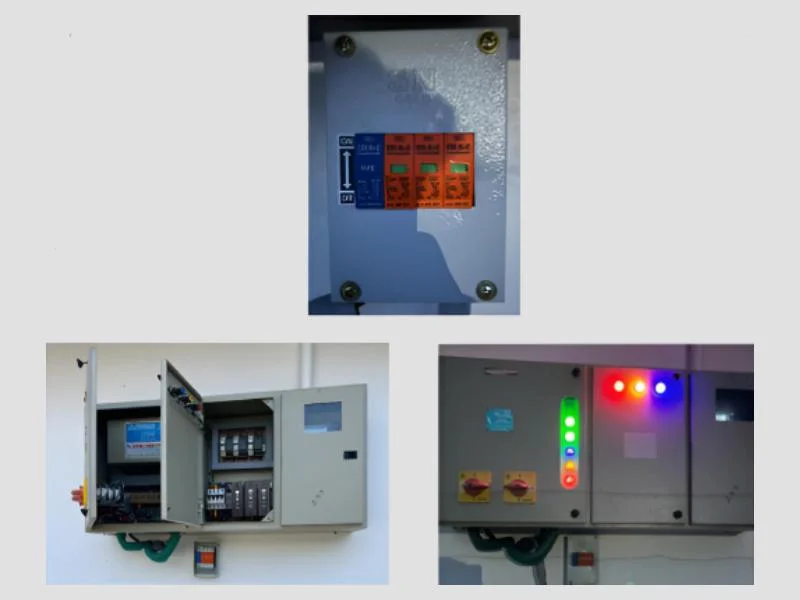
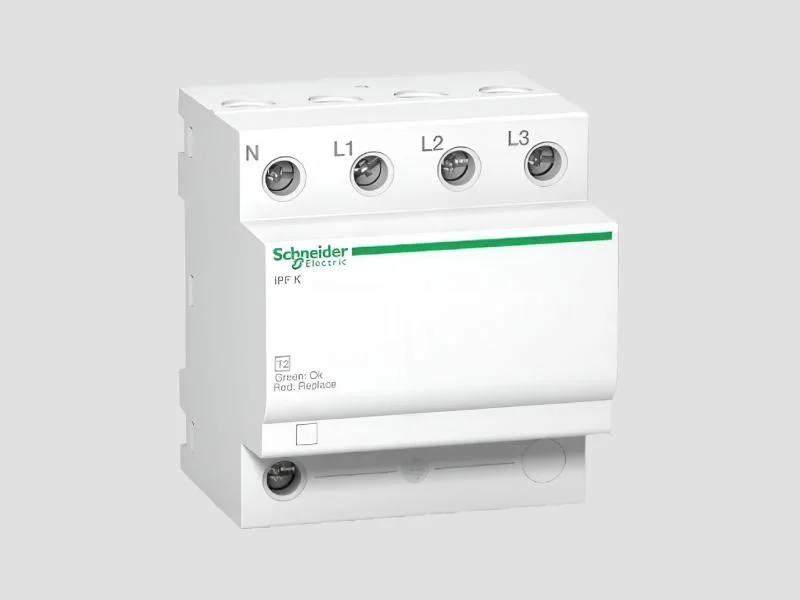
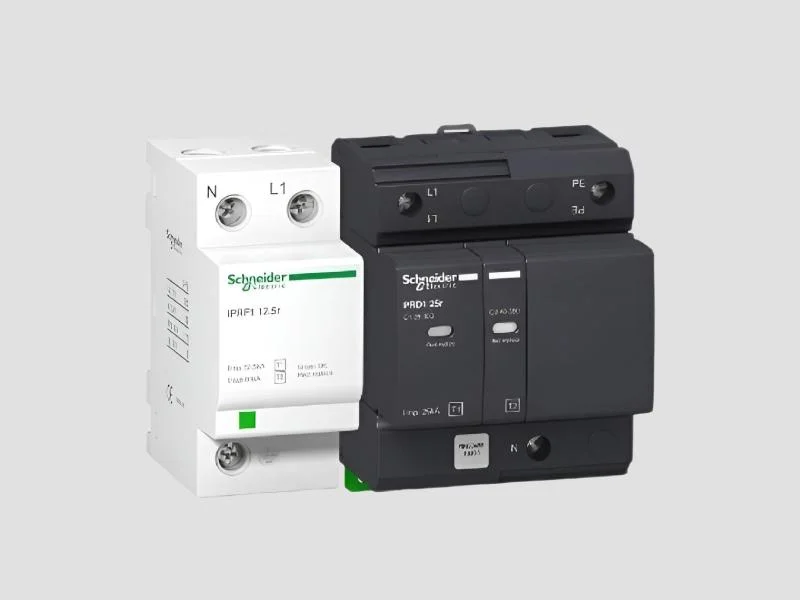
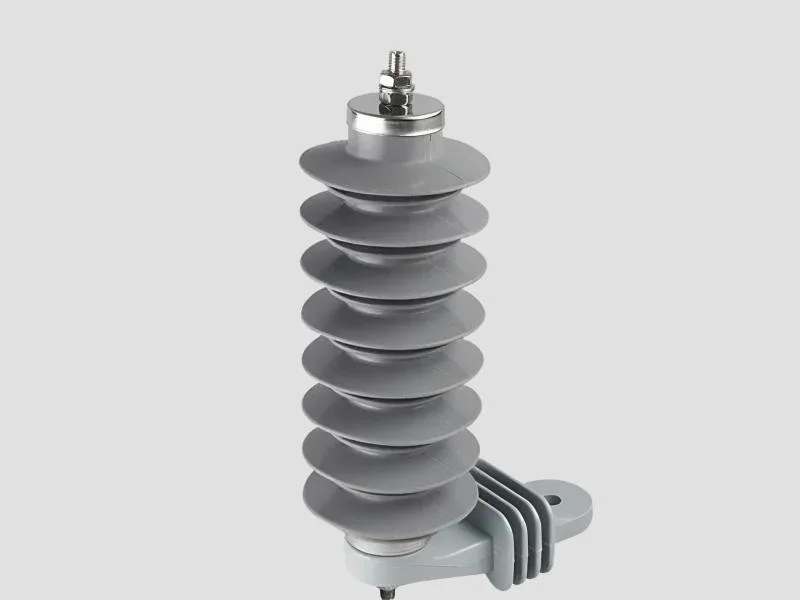
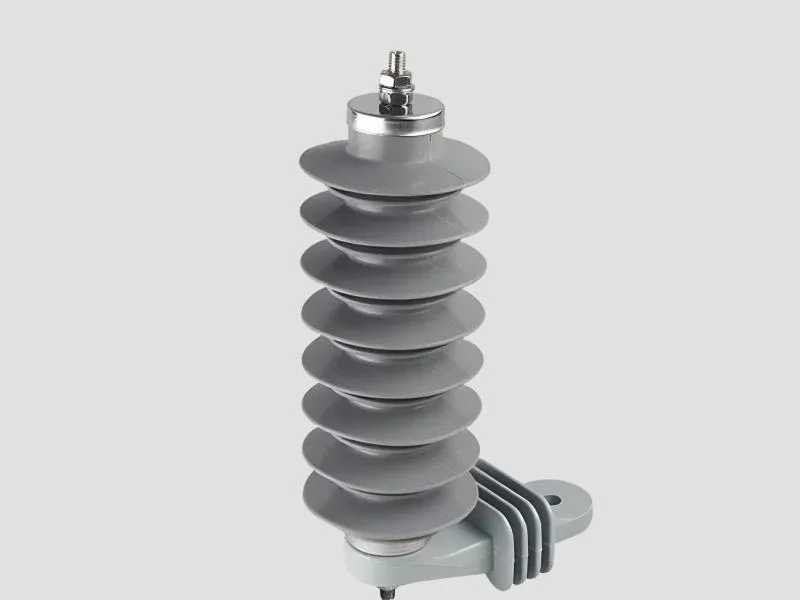
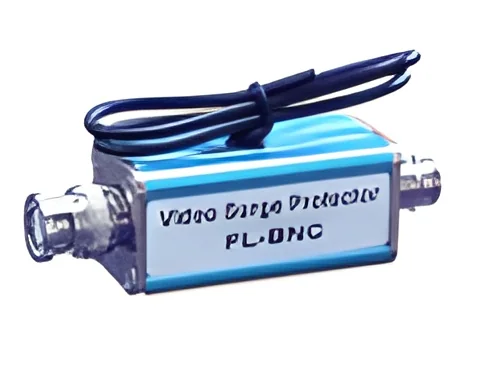
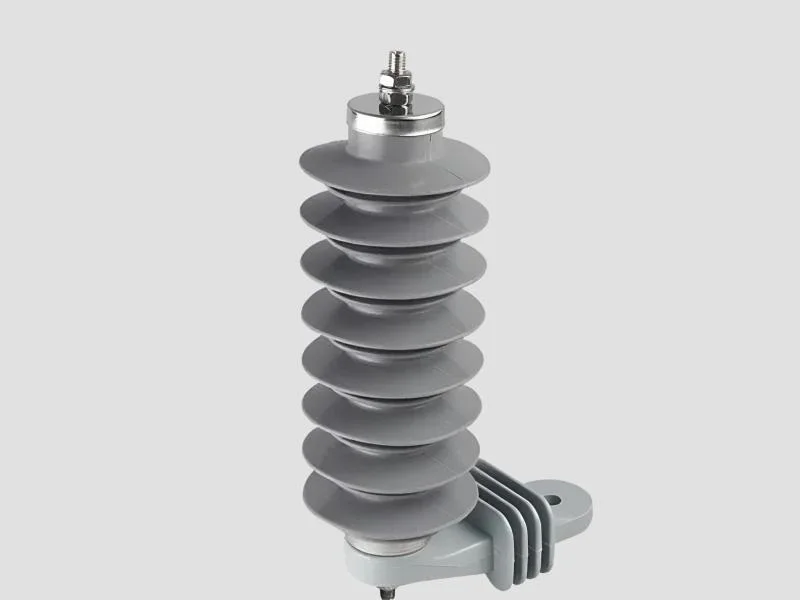
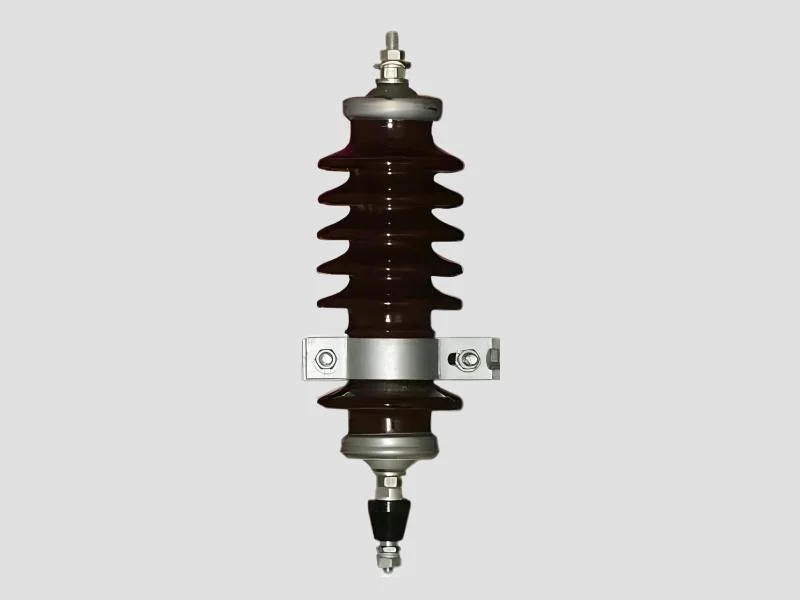
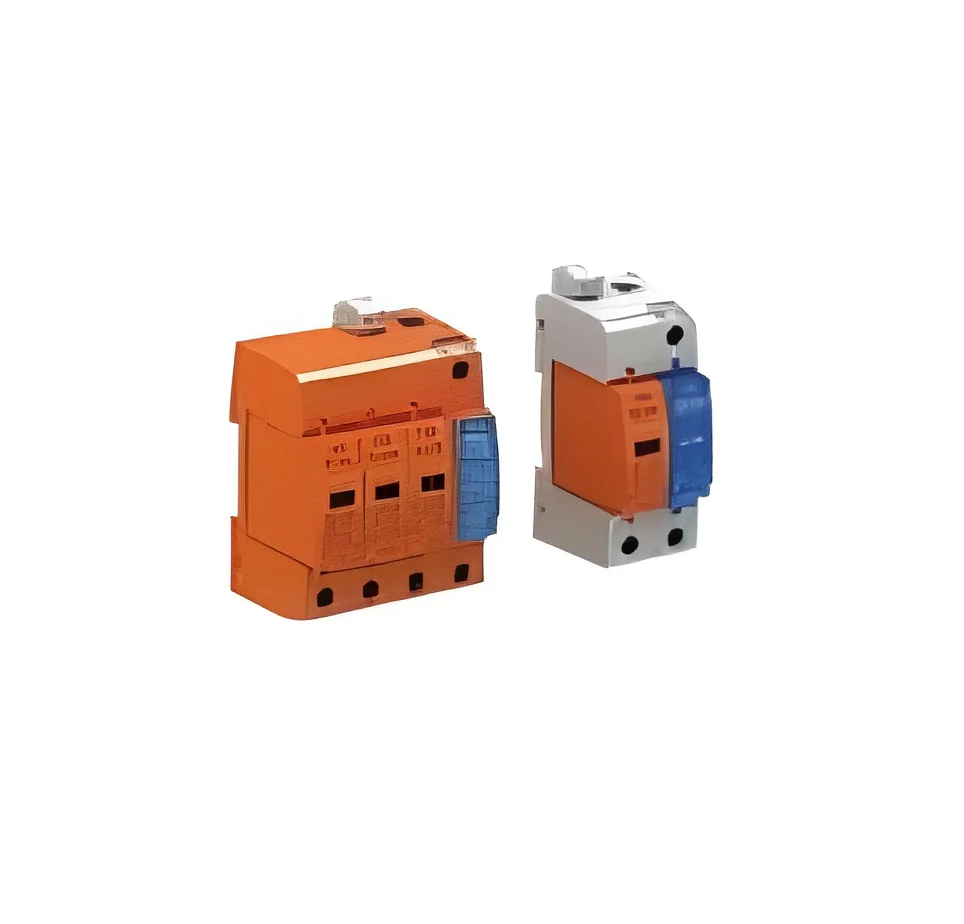
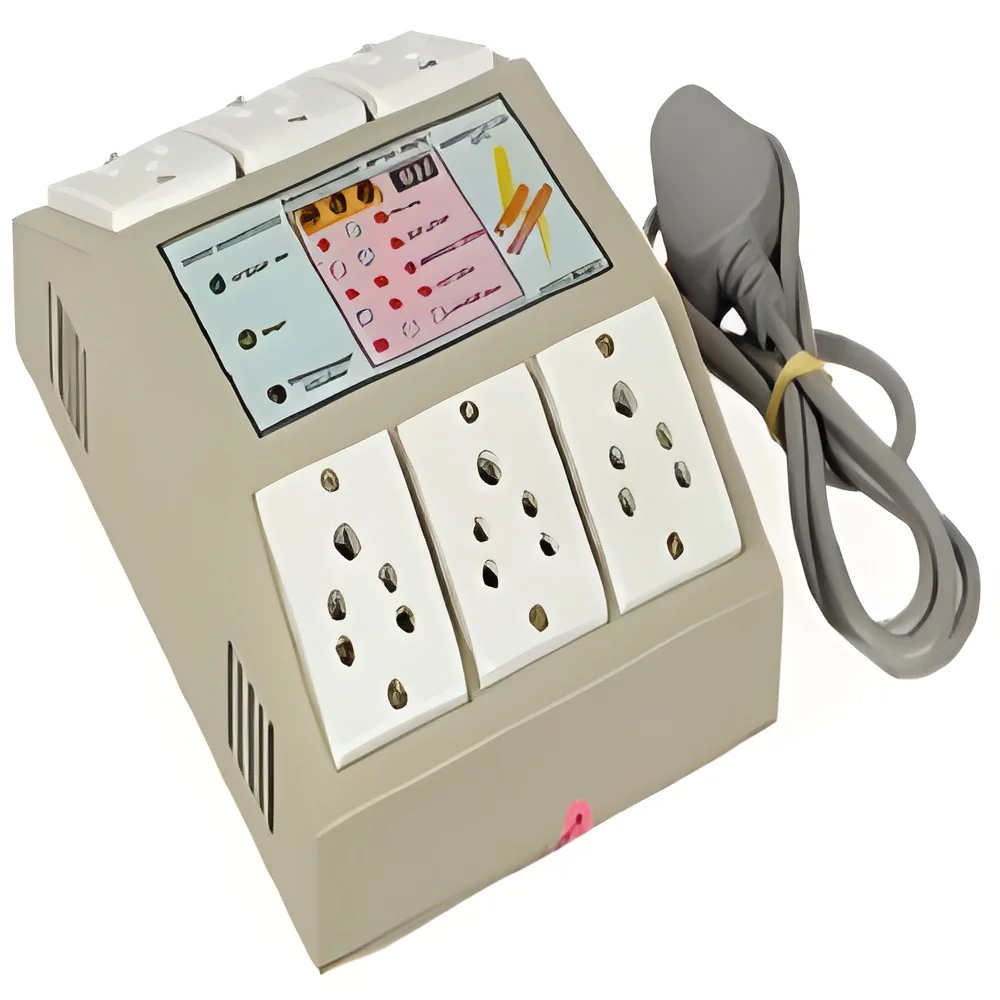
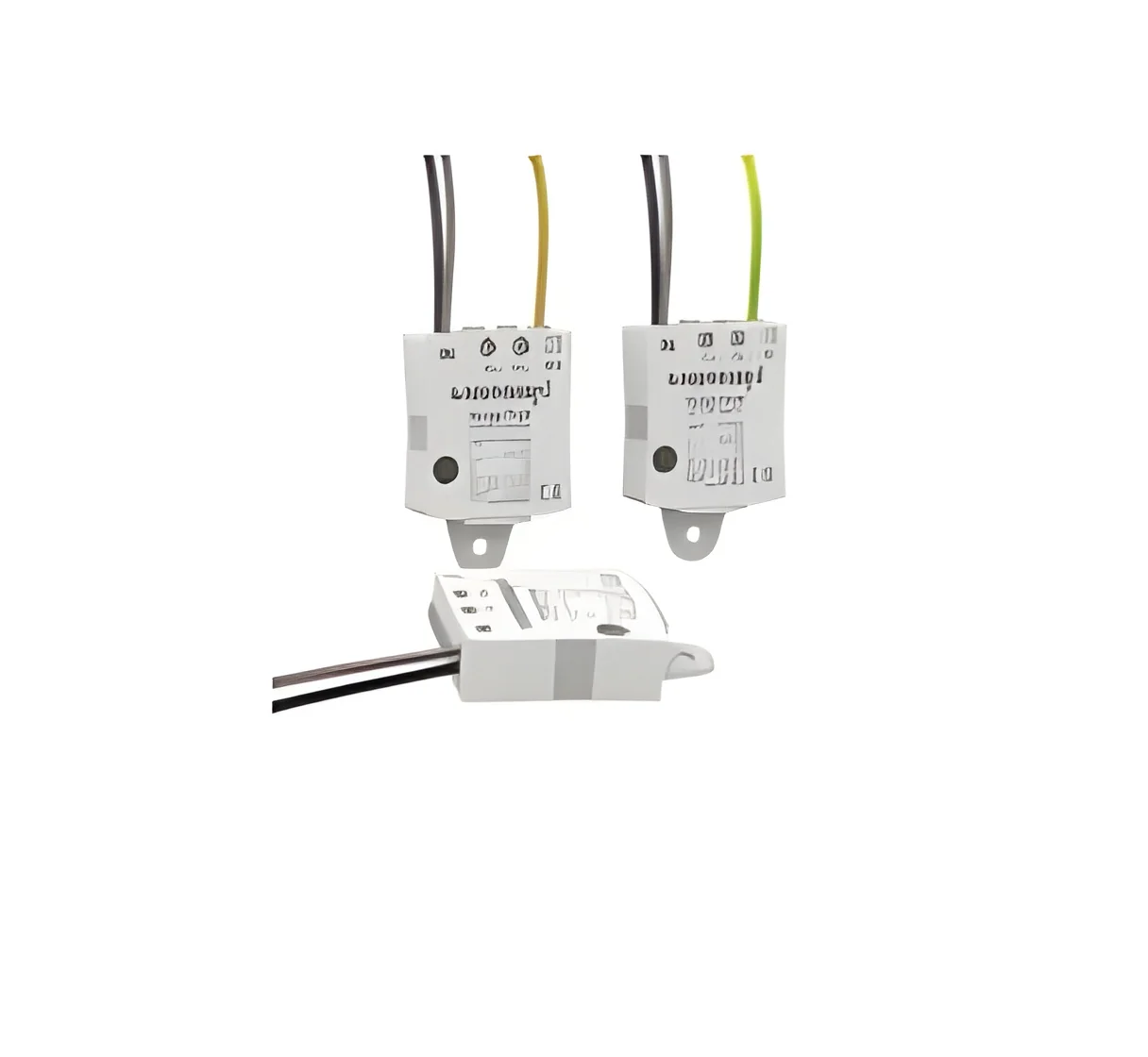
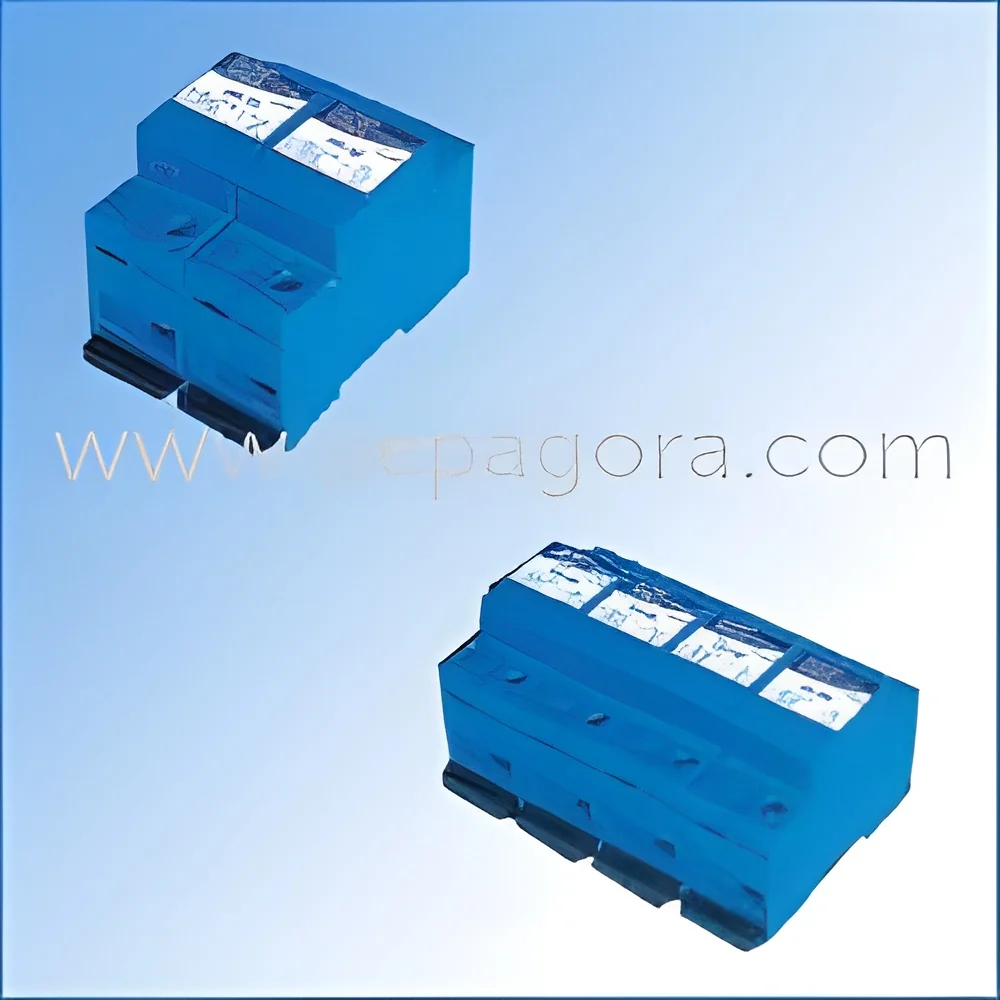
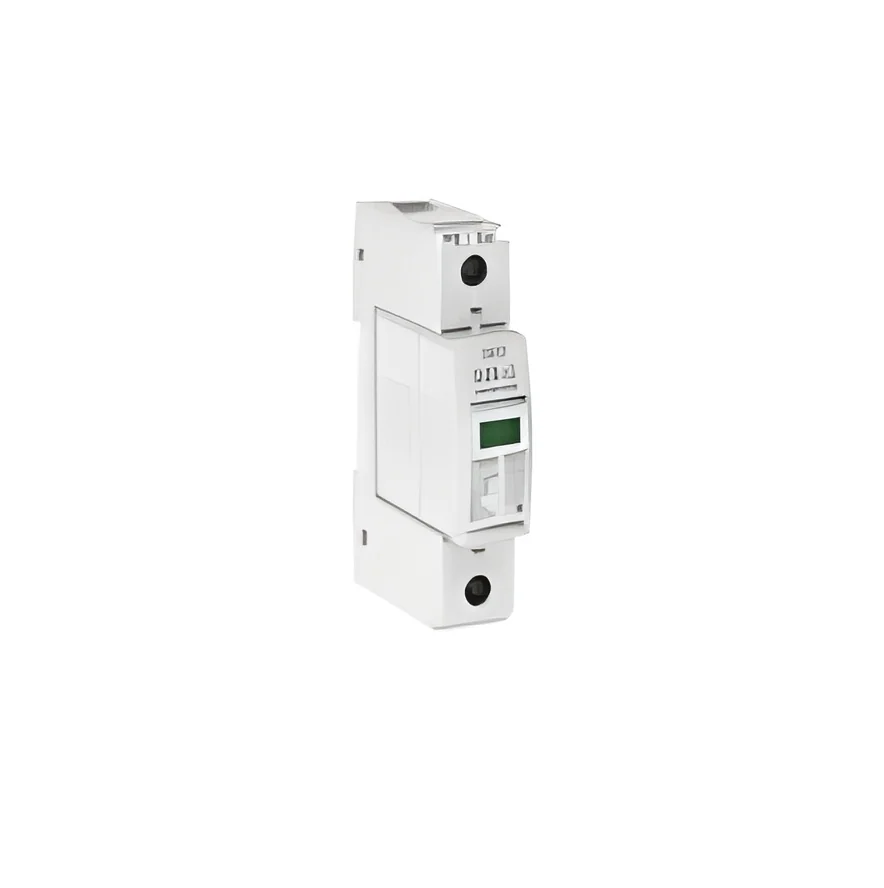
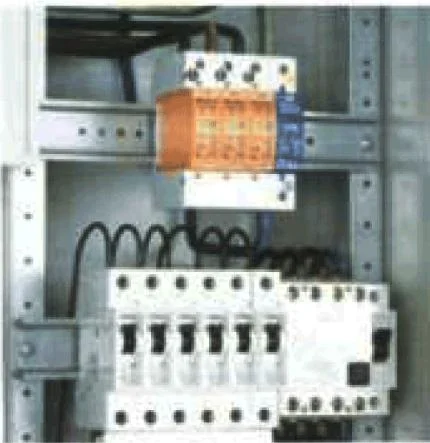
Key Features and Specifications
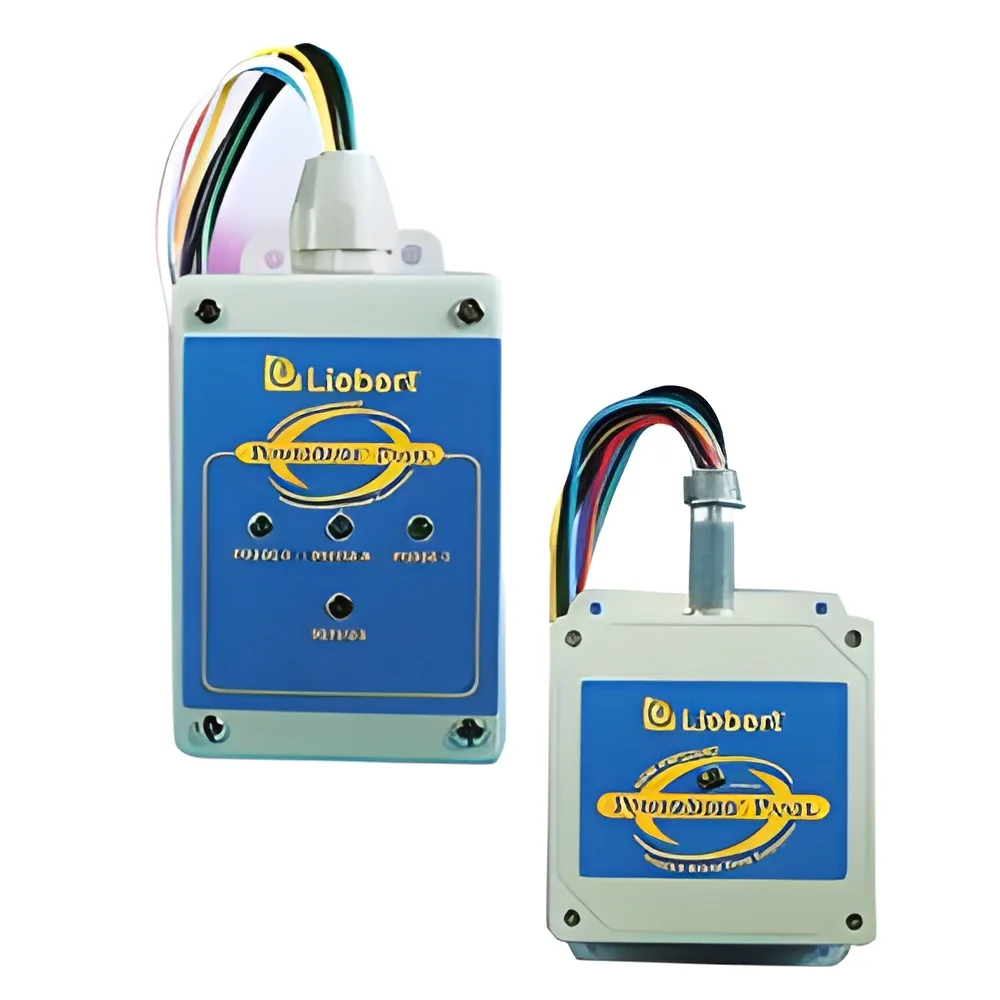
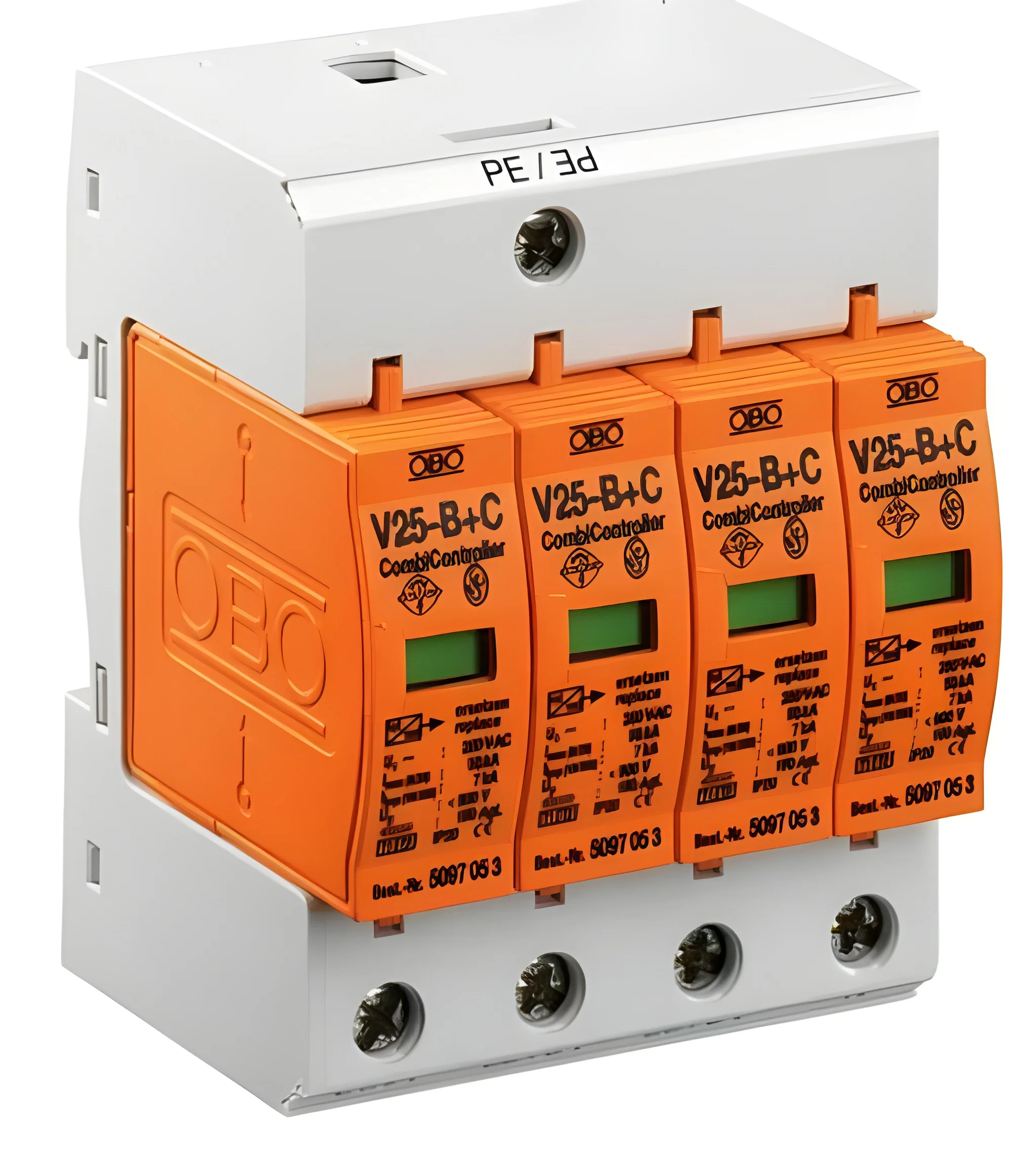
Surge Protection Devices come with a variety of features and specifications that determine their effectiveness and suitability for different applications. Understanding these specifications is crucial for selecting the right SPD for your needs.
Key specifications include:
1. Voltage Rating
- The maximum continuous operating voltage that the SPD can handle.
- Typically ranges from 120V to 1000V.
2. Surge Current Rating
- The maximum surge current the device can withstand without failure.
- Common ratings vary from 10kA to 100kA.
3. Response Time
- The speed at which the SPD reacts to a surge.
- Usually measured in nanoseconds, with lower values indicating faster response.
4. Installation Type
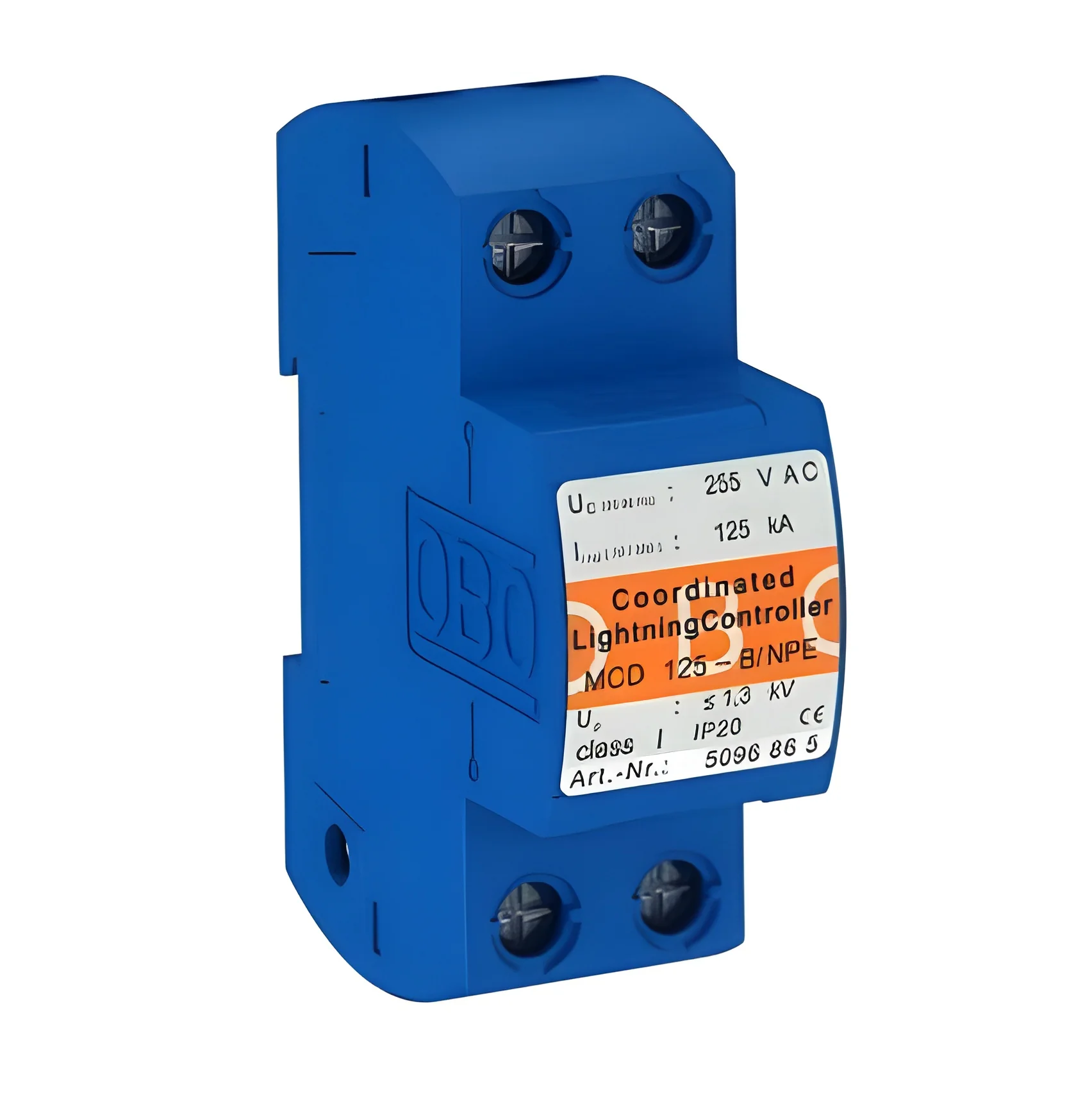
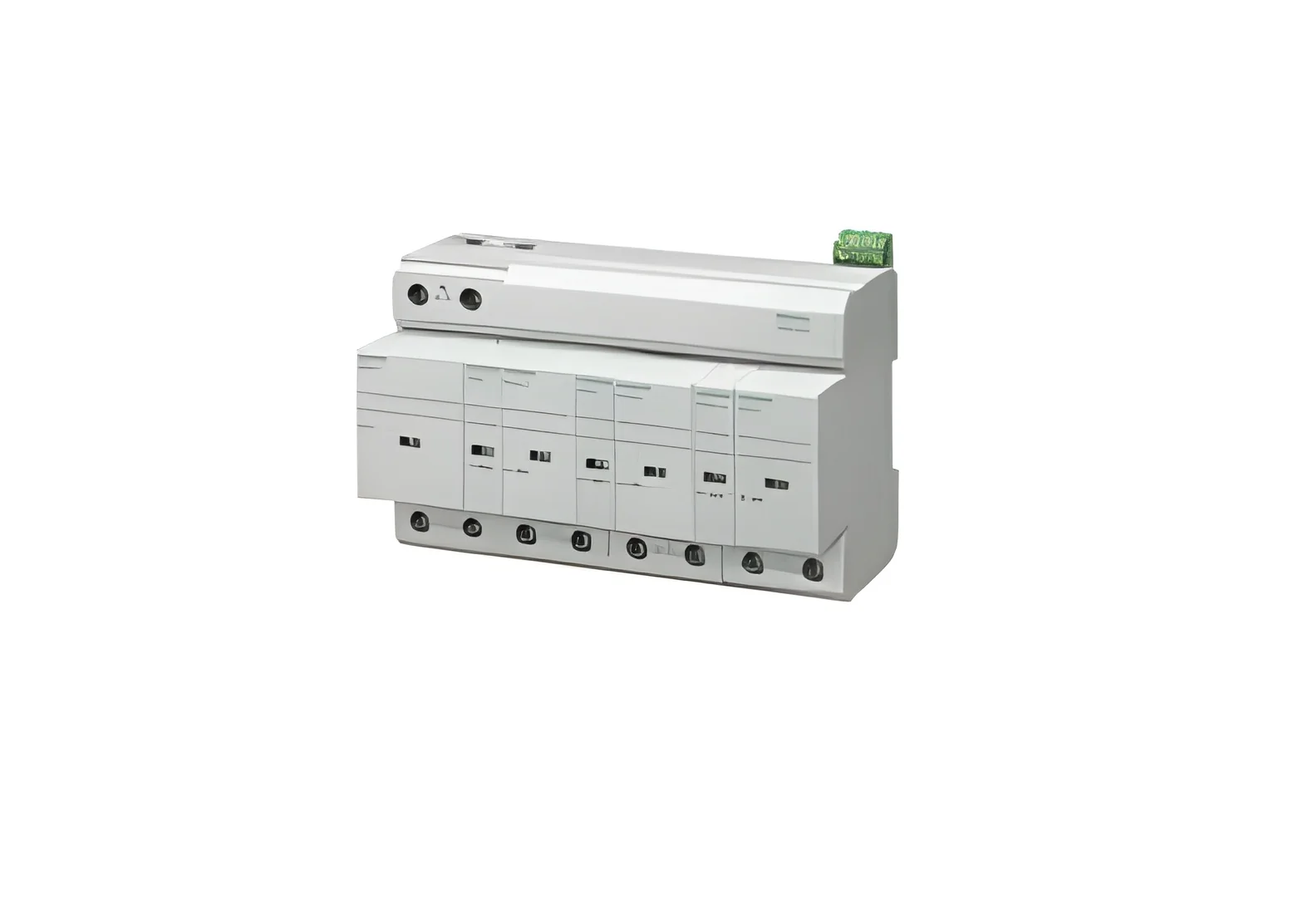
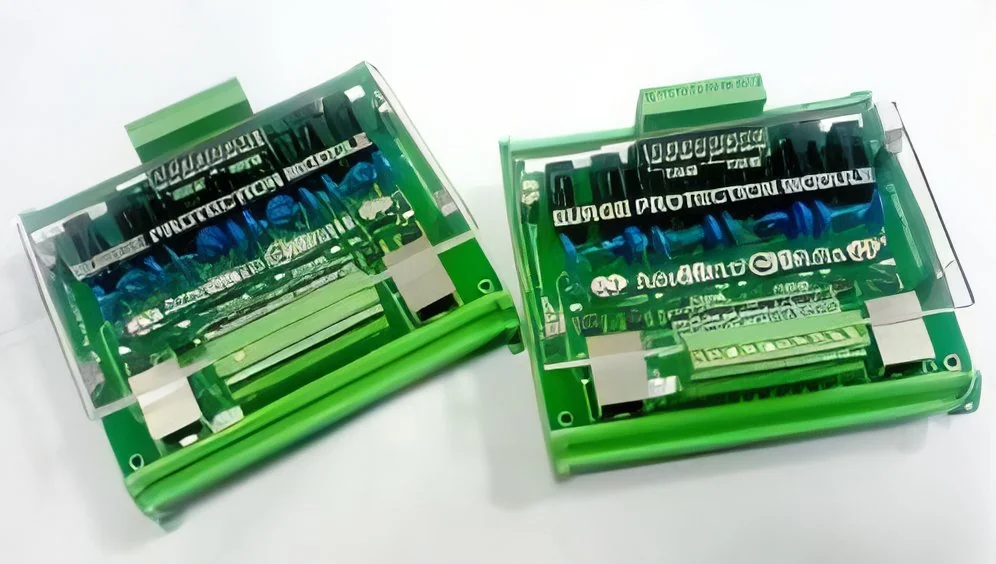
- The method of installation, such as wall-mounted or DIN rail.
- Determines the ease of integration into existing systems.
5. Number of Ports
- The number of devices or circuits that can be protected.
- Common options include single-phase or three-phase protection.
6. Indicator Lights
- Visual indicators that show the operational status of the SPD.
- Helps in monitoring the device's functionality.
7. Environmental Rating
- Specifies the conditions under which the SPD can operate effectively.
- Includes factors like temperature and humidity tolerance.
8. Certification
- Indicates compliance with industry standards, such as CE certification.
- Ensures the device meets safety and performance benchmarks.
In summary, selecting the right SPD involves understanding these key specifications to match the device with the specific requirements of your electrical system.
Common Applications and Use Cases
Surge Protection Devices are utilized across various industries to protect sensitive equipment from voltage spikes.
1. Data Centers: In data centers, SPDs protect servers and networking equipment from surges caused by lightning strikes or power fluctuations. This ensures the integrity and availability of critical data.
2. Manufacturing: In manufacturing plants, SPDs safeguard machinery and control systems, preventing disruptions in production and reducing downtime due to equipment failure.
3. Telecommunications: Telecommunication facilities rely on SPDs to protect communication lines and equipment from surges, ensuring uninterrupted service and data transmission.
4. Healthcare: In healthcare environments, SPDs are vital for protecting medical devices and equipment from surges, which can affect patient safety and operational efficiency.
5. Commercial Buildings: In commercial settings, SPDs protect lighting systems, HVAC units, and IT infrastructure, maintaining operational continuity and protecting investments.
6. Retail: Retail environments use SPDs to safeguard point-of-sale systems and digital signage from electrical surges, ensuring smooth customer transactions.
7. Renewable Energy: In renewable energy systems, such as solar energy installations, SPDs protect inverters and other critical components from surges, enhancing system reliability.
Product Variants and Subcategories
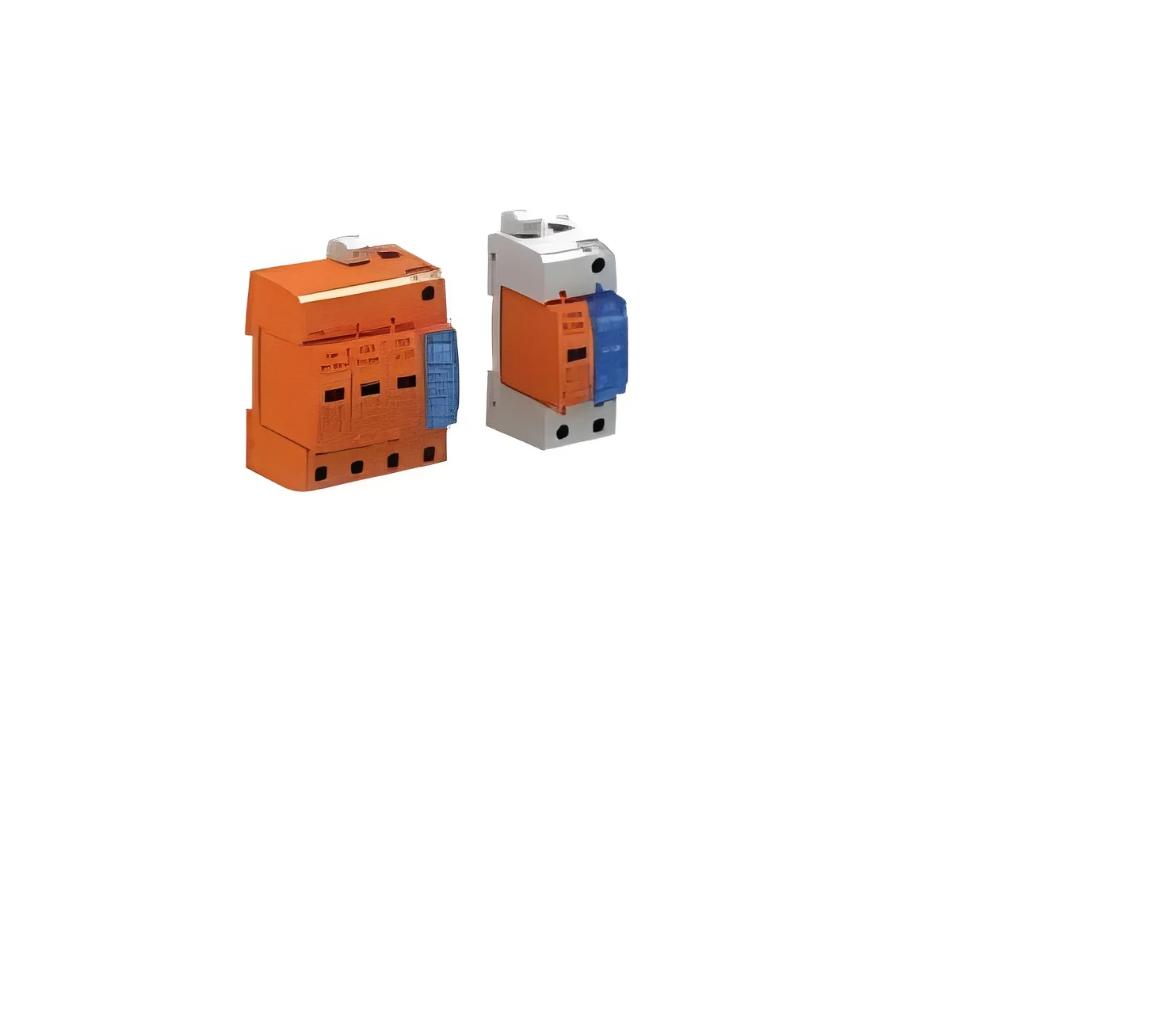
Surge Protection Devices come in various forms to cater to different applications and environments.
Type I SPD
Type I SPDs are designed for installation at the service entrance of a building. They provide primary protection against external surges and are typically used in commercial and industrial settings.
Type II SPD
Type II SPDs are installed at the distribution panel and offer protection against residual surges. They are commonly used in conjunction with Type I devices for enhanced protection.
Type III SPD
Type III SPDs are typically installed at the point of use, such as inside equipment or near sensitive devices. They provide additional protection against localized surges.
Benefits and Advantages
Investing in Surge Protection Devices offers numerous benefits to businesses seeking to protect their electrical systems.
1. Equipment Longevity: SPDs help extend the lifespan of sensitive electronic equipment by preventing damage from voltage spikes.
2. Cost Savings: By reducing the risk of equipment failure, SPDs can significantly lower repair and replacement costs, resulting in substantial long-term savings.
3. Operational Continuity: With SPDs in place, businesses can maintain uninterrupted operations, minimizing downtime caused by electrical surges.
4. Enhanced Safety: SPDs protect against electrical hazards, ensuring a safer working environment for employees and reducing the risk of electrical fires.
5. Compliance Assurance: Many industries have regulations requiring surge protection, and using SPDs helps businesses comply with these standards.
6. Peace of Mind: With proper surge protection, businesses can operate with confidence, knowing that their equipment is safeguarded against unexpected voltage spikes.
Buying Guide for B2B Buyers
When sourcing Surge Protection Devices (SPDs), it is essential for B2B buyers to consider several key factors to make informed purchasing decisions.
1. Quality Assessment: Evaluate the quality of the SPDs by reviewing technical specifications, certifications, and manufacturer reputation. High-quality devices are crucial for effective surge protection.
2. Supplier Verification: Vet potential suppliers to ensure they are reputable and reliable. Look for suppliers with a strong track record in the industry and positive customer feedback.
3. Pricing and MOQ: Understand the pricing structure and minimum order quantities (MOQ) required by suppliers. Consider budget constraints while ensuring you receive quality products.
4. Delivery and Lead Times: Inquire about delivery timelines and lead times to ensure that products will be available when needed. Timely delivery is critical for maintaining business operations.
5. Compliance Requirements: Ensure that the SPDs meet relevant compliance and regulatory standards for your industry. This includes checking for necessary certifications, such as CE.
Compliance and Certifications
Surge Protection Devices must adhere to various compliance and certification standards to ensure quality and safety.
ISO 9001 is a widely recognized standard that specifies requirements for quality management systems. Manufacturers of SPDs often pursue this certification to demonstrate their commitment to quality and customer satisfaction.
The CE mark indicates that a product meets European safety, health, and environmental protection standards. SPDs bearing the CE mark assure users that the devices comply with EU regulations.
Safety and testing requirements for SPDs typically involve rigorous evaluation to ensure they can withstand expected surge conditions without failure. Manufacturers often conduct extensive testing to validate performance.
Regional compliance considerations may vary. For instance, certain regions may have specific standards regarding electrical safety and surge protection that manufacturers must comply with to market their products.
Why Source Surge Protection Devices (SPDs) from Pepagora?
Pepagora offers a reliable platform for sourcing Surge Protection Devices (SPDs) with several key advantages for businesses.
Verified Supplier Network: Pepagora connects buyers with a network of verified suppliers who meet stringent quality and reliability standards. This ensures that businesses can source high-quality SPDs with confidence.
Streamlined RFQ Process: The platform provides a user-friendly request for quotation (RFQ) process, enabling buyers to easily obtain competitive pricing from multiple suppliers. This simplifies the sourcing process and helps businesses find the best deals.
Trade Assurance and Support: Pepagora offers trade assurance, providing buyers with protection throughout the purchasing process. This includes support in case of disputes, ensuring a secure transaction.
Regional Coverage: With a strong presence in India, the GCC, and Southeast Asia, Pepagora offers extensive regional coverage, making it easy for businesses in these areas to access reliable surge protection solutions.

 IN
IN