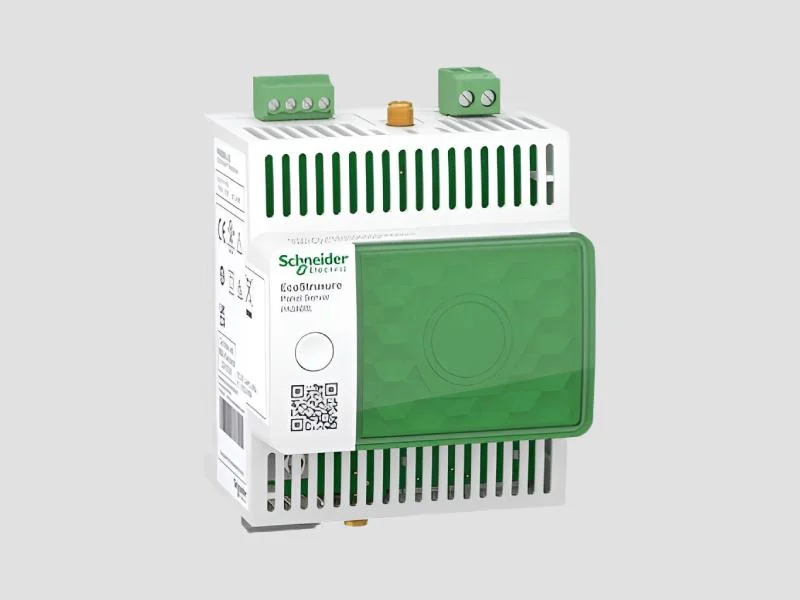
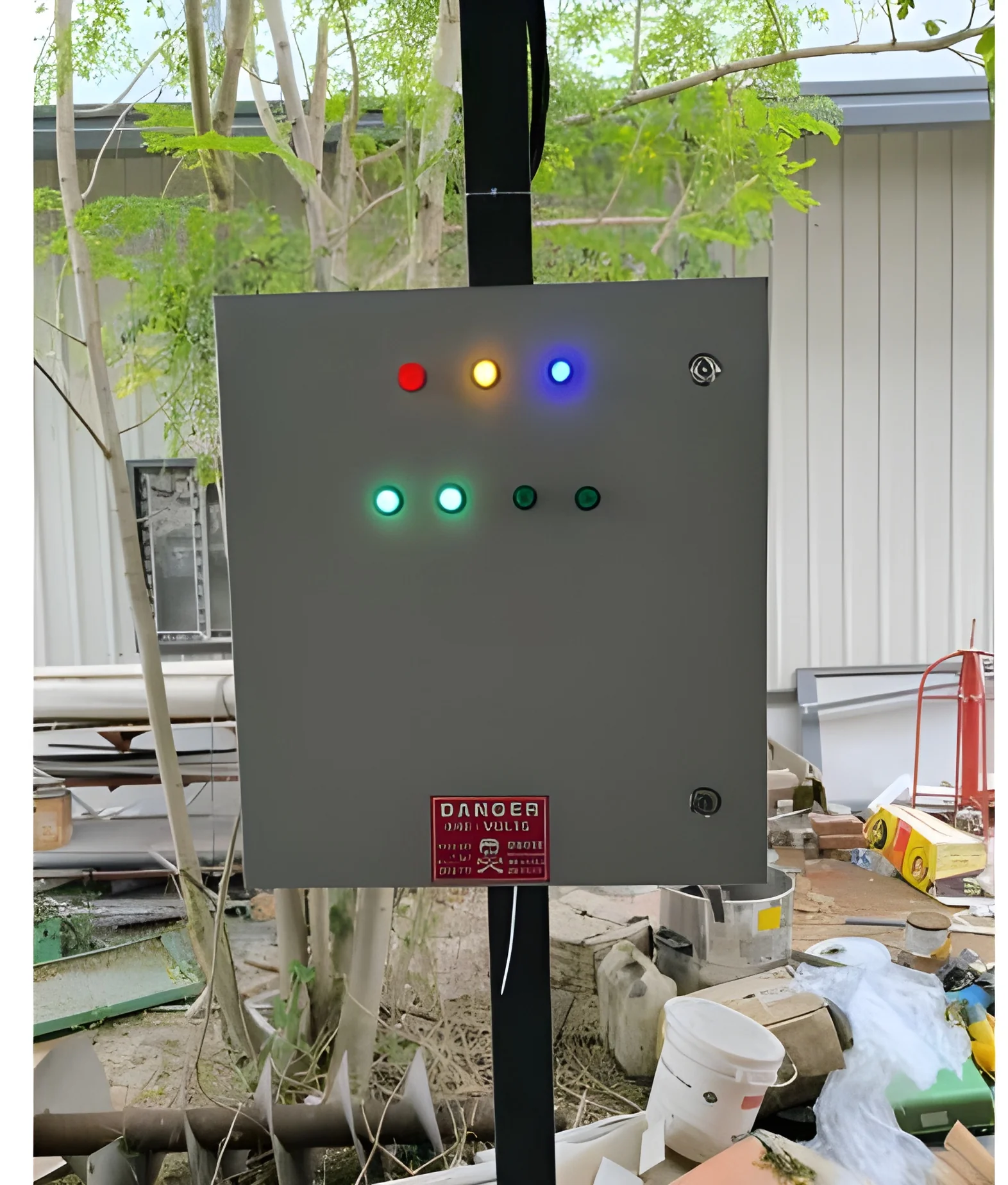
What are Smart Grid & IoT Enabled Devices?
Smart Grid and IoT Enabled Devices represent a revolutionary approach to managing energy production, distribution, and consumption through advanced technology. These devices leverage Internet of Things (IoT) connectivity to provide real-time data, control, and automation capabilities. By integrating smart technology into traditional grid systems, these devices facilitate improved energy efficiency, reliability, and sustainability.
The primary uses of Smart Grid and IoT Enabled Devices span various business applications, including energy monitoring, predictive maintenance, and demand response management. Organizations utilize these devices to optimize energy consumption, reduce operational costs, and enhance service reliability. This technology is particularly relevant as industries shift toward renewable energy sources and seek innovative solutions to meet growing energy demands.
In the current market context, the demand for Smart Grid and IoT Enabled Devices is rapidly increasing due to the global push for energy efficiency and sustainability. Governments and businesses alike are recognizing the importance of smart technology in tackling energy challenges. As a result, the market for these devices is expected to expand significantly, offering substantial opportunities for businesses looking to adopt modern energy solutions.
Key Features and Specifications
Smart Grid and IoT Enabled Devices come equipped with a variety of features that enhance their functionality and usability. These devices are designed to operate seamlessly within integrated energy systems, providing crucial data and insights that drive efficiency.
Key specifications include:
1. Connectivity Options
- Devices support various communication protocols, including Wi-Fi, Zigbee, and cellular networks.
- Enables integration with existing infrastructure and enhances data transmission capabilities.
2. Data Analytics
- Equipped with advanced analytics tools to process and interpret energy usage data.
- Provides actionable insights for optimizing energy consumption and system performance.
3. Remote Monitoring
- Allows users to monitor energy usage and device performance from anywhere.
- Facilitates timely intervention and maintenance, reducing downtime.
4. Scalability
- Designed to accommodate growing energy demands and system expansions.
- Supports multiple devices across different locations.
5. Security Features
- Incorporates encryption and authentication protocols to safeguard data.
- Protects against unauthorized access and cyber threats.
6. User Interface
- Features intuitive dashboards for easy data interpretation and management.
- Enhances user experience with customizable settings and notifications.
7. Compliance Standards
- Meets industry-specific regulations and standards for safety and performance.
- Ensures reliability and quality assurance in deployment.
In summary, Smart Grid and IoT Enabled Devices are characterized by their advanced connectivity, data analytics capabilities, and user-friendly interfaces, making them essential for modern energy management.
Common Applications and Use Cases
Smart Grid and IoT Enabled Devices are widely applicable across various industries, enhancing operational efficiency and energy management.
1. Energy Utilities: These devices help utilities monitor grid performance, manage demand response, and improve outage detection for better service delivery.
2. Manufacturing: In manufacturing, IoT devices optimize energy consumption, monitor equipment health, and facilitate predictive maintenance to reduce operational costs.
3. Smart Cities: Municipalities use these devices for traffic management, street lighting control, and environmental monitoring, contributing to sustainable urban development.
4. Agriculture: Smart agriculture solutions utilize IoT-enabled sensors to monitor soil conditions and optimize irrigation, enhancing productivity while conserving resources.
5. Transportation: Fleet management systems leverage smart devices to track vehicle emissions and fuel consumption, promoting eco-friendly logistics.
6. Residential: Home automation systems integrate Smart Grid technology to enhance energy efficiency and provide homeowners with real-time usage data.
7. Healthcare: IoT devices in healthcare monitor energy usage in facilities and ensure critical systems remain operational, supporting patient care.
Product Variants and Subcategories
Smart Grid and IoT Enabled Devices encompass a range of product variants designed to cater to diverse needs across industries.
Smart Meters
These devices measure electricity, gas, or water usage in real-time, enabling consumers to monitor their consumption patterns. Smart meters facilitate accurate billing and empower users to manage their energy use effectively.
IoT Sensors
IoT sensors collect data on environmental conditions, energy usage, and equipment performance. This data is transmitted to central systems for analysis, enabling proactive maintenance and operational improvements.
Smart Controllers
These devices manage the operation of connected equipment, optimizing performance and energy efficiency. Smart controllers can automate processes based on real-time data, enhancing overall system reliability.
Energy Management Systems
Energy management systems integrate various Smart Grid devices into a cohesive solution, providing centralized monitoring and control. These systems help organizations analyze energy consumption, identify inefficiencies, and implement energy-saving strategies.
Benefits and Advantages
Smart Grid and IoT Enabled Devices offer numerous benefits that enhance operational capabilities and energy management.
Key benefits include:
1. Enhanced Efficiency: These devices optimize energy consumption, leading to significant cost savings for businesses and consumers.
2. Real-time Data Access: Users gain instant access to energy usage data, enabling informed decision-making and timely responses to changes in demand.
3. Improved Reliability: Automated monitoring and maintenance reduce system downtime and enhance service reliability.
4. Sustainability: By promoting energy efficiency and integrating renewable resources, these devices contribute to a more sustainable energy future.
5. Scalability: The flexible nature of IoT technology allows businesses to expand their Smart Grid capabilities as needed.
6. Data-Driven Insights: Advanced analytics provide actionable insights, helping organizations identify trends and optimize operational strategies.
Buying Guide for B2B Buyers
When sourcing Smart Grid and IoT Enabled Devices, B2B buyers should consider several critical factors to ensure they select the right products.
1. Quality Assessment: Evaluate the quality of devices by reviewing technical specifications, performance metrics, and user feedback. Ensure products meet industry standards for reliability and safety.
2. Supplier Verification: Vet potential suppliers by checking their credentials, certifications, and track record in delivering Smart Grid solutions. A reliable supplier should provide transparency in their operations.
3. Pricing and MOQ: Understand the pricing structure and minimum order quantities (MOQ) associated with the products. Compare quotes from different suppliers to find the best value.
4. Delivery and Lead Times: Assess the supplier's ability to meet delivery schedules and lead times. Ensure they can deliver products promptly to avoid disruptions in your operations.
5. Compliance Requirements: Familiarize yourself with regulatory and compliance needs specific to your industry. Ensure that the devices you purchase adhere to these standards.
Compliance and Certifications
Smart Grid and IoT Enabled Devices must comply with various quality standards and certifications to ensure their reliability and safety in operation. Key quality standards include ISO 9001, which focuses on quality management systems, and CE certification, which indicates compliance with European safety and performance regulations.
Additionally, devices may be subject to safety and testing requirements that ensure they operate effectively and securely within energy systems. Manufacturers should provide documentation of compliance with relevant industry standards to facilitate trust and reliability.
Regional compliance considerations are also essential, as regulations may differ across countries and regions. It is crucial for organizations to be aware of local compliance requirements when sourcing these devices.
Why Source Smart Grid & IoT Enabled Devices from Pepagora?
Pepagora offers a trusted platform for sourcing Smart Grid and IoT Enabled Devices, providing numerous advantages to B2B buyers.
Verified Supplier Network: Pepagora maintains a robust network of verified suppliers who meet stringent quality and compliance standards. This ensures that buyers can source reliable products with confidence.
Streamlined RFQ Process: The platform simplifies the request for quotation (RFQ) process, allowing buyers to easily compare offerings from multiple suppliers. This transparency enables informed decision-making.
Trade Assurance and Support: Pepagora offers trade assurance to protect buyers from potential risks associated with procurement. Comprehensive support services are available to assist buyers throughout the sourcing process.
Regional Coverage: With a strong presence in India, the GCC, and Southeast Asia, Pepagora provides buyers access to a wide range of Smart Grid and IoT Enabled Devices. This geographic reach enhances the availability of products tailored to specific regional needs.

 IN
IN