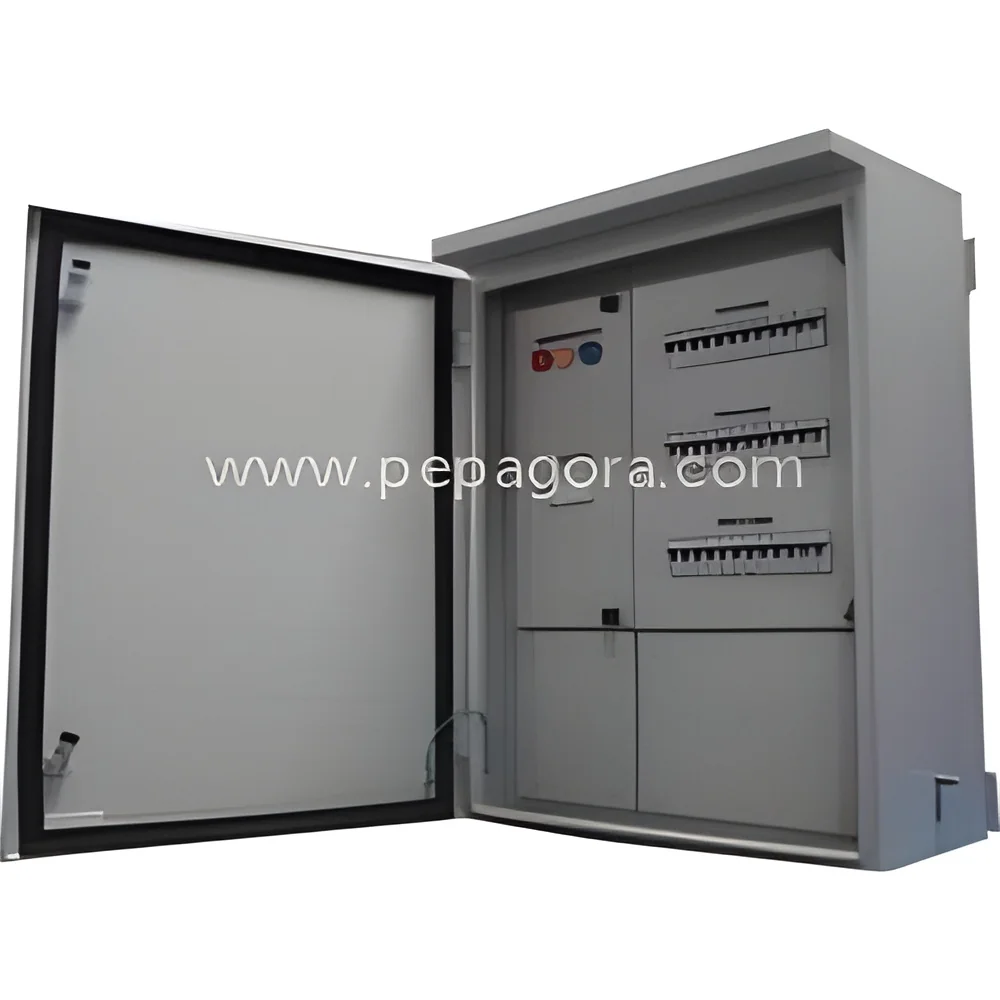
What are MCBs, MCCBs?
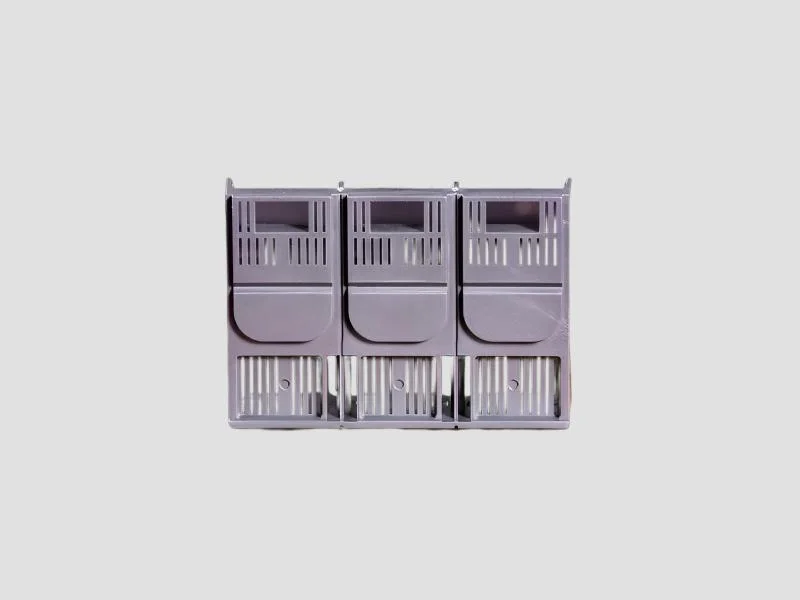
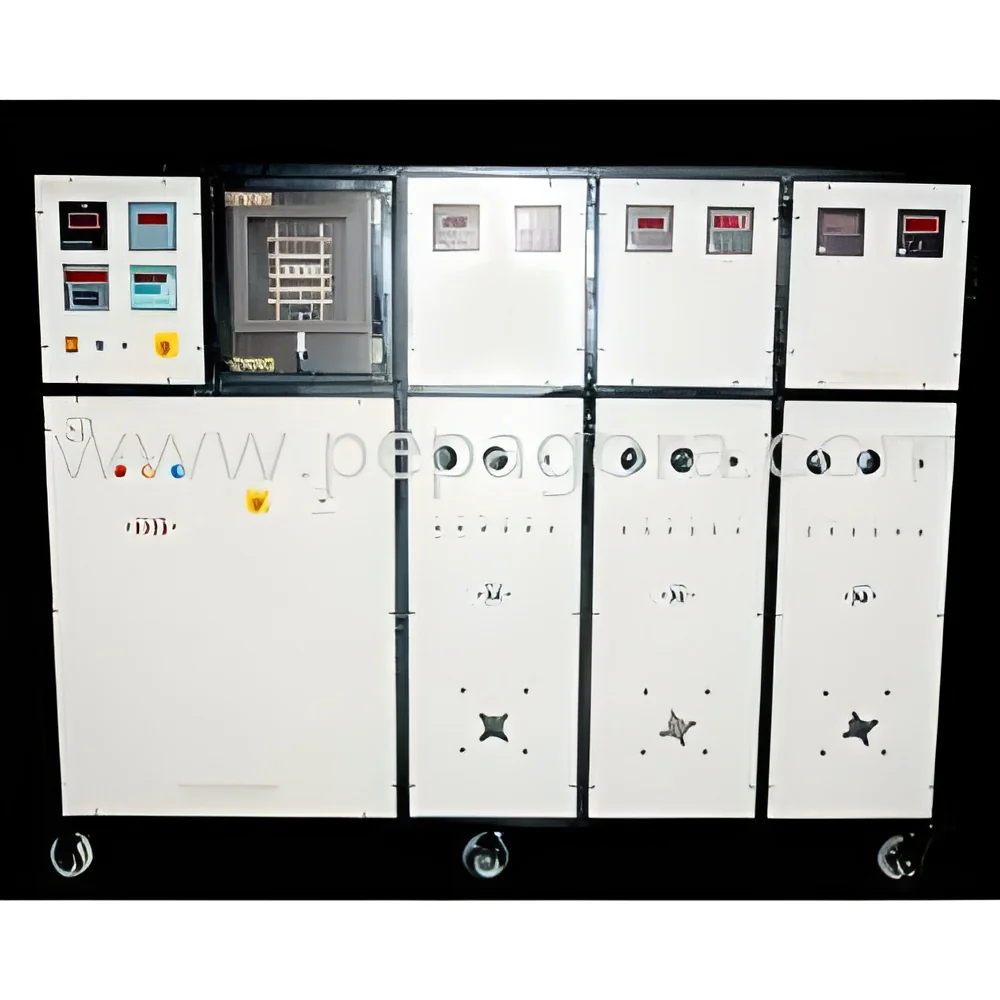
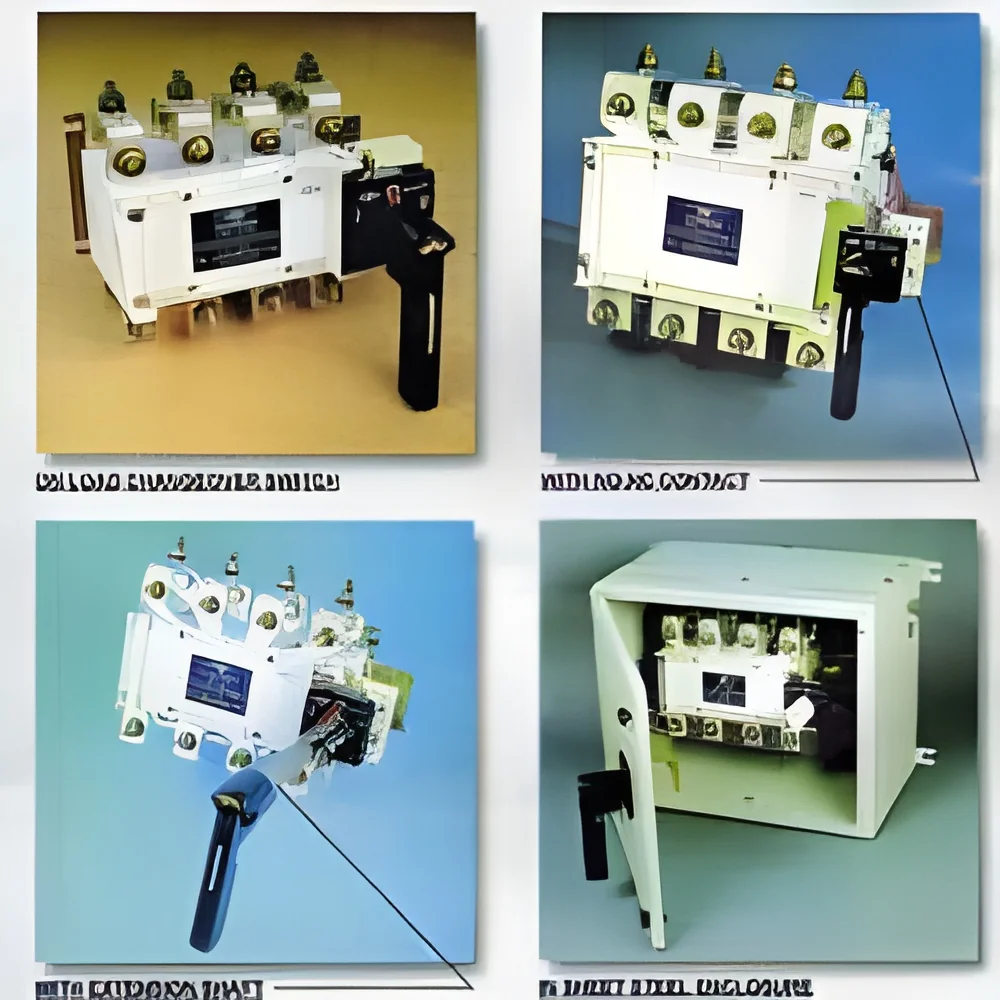
Miniature Circuit Breakers (MCBs) and Molded Case Circuit Breakers (MCCBs) are essential components in electrical distribution systems. MCBs are designed to protect low voltage circuits from overloads and short circuits, automatically switching off when an electrical fault is detected. MCCBs, on the other hand, offer protection for larger electrical loads. They can handle higher current ratings and provide adjustable settings for overload and short circuit protection, making them suitable for industrial and commercial applications.
MCBs are commonly used in residential and commercial buildings, ensuring the safety of electrical circuits. They are crucial for preventing electrical fires and damage to appliances. MCCBs are often utilized in industrial settings, where larger machinery and equipment require higher levels of protection. The market for MCBs and MCCBs is growing, driven by increasing safety regulations and the demand for reliable electrical systems across various industries.
Key Features and Specifications
MCBs and MCCBs come with various features and specifications that cater to different applications. Understanding these specifications helps in selecting the right product for specific needs.
Key specifications include:
1. Current Rating
- Defines the maximum current the device can handle.
- Ranges from a few amperes for MCBs to several hundred amperes for MCCBs.
2. Voltage Rating
- Indicates the maximum voltage the device can operate under.
- Common ratings include 230V, 400V, and higher for MCCBs.
3. Breaking Capacity
- The maximum fault current the device can interrupt without failing.
- MCBs typically have lower breaking capacities than MCCBs, which can handle more severe faults.
4. Number of Poles
- Refers to the number of circuits the breaker can protect.
- Available in single, double, triple, and four-pole configurations.
5. Tripping Characteristics
- Defines how quickly the breaker responds to overloads.
- Common characteristics include B, C, and D curves, indicating different trip times.
6. Enclosure Type
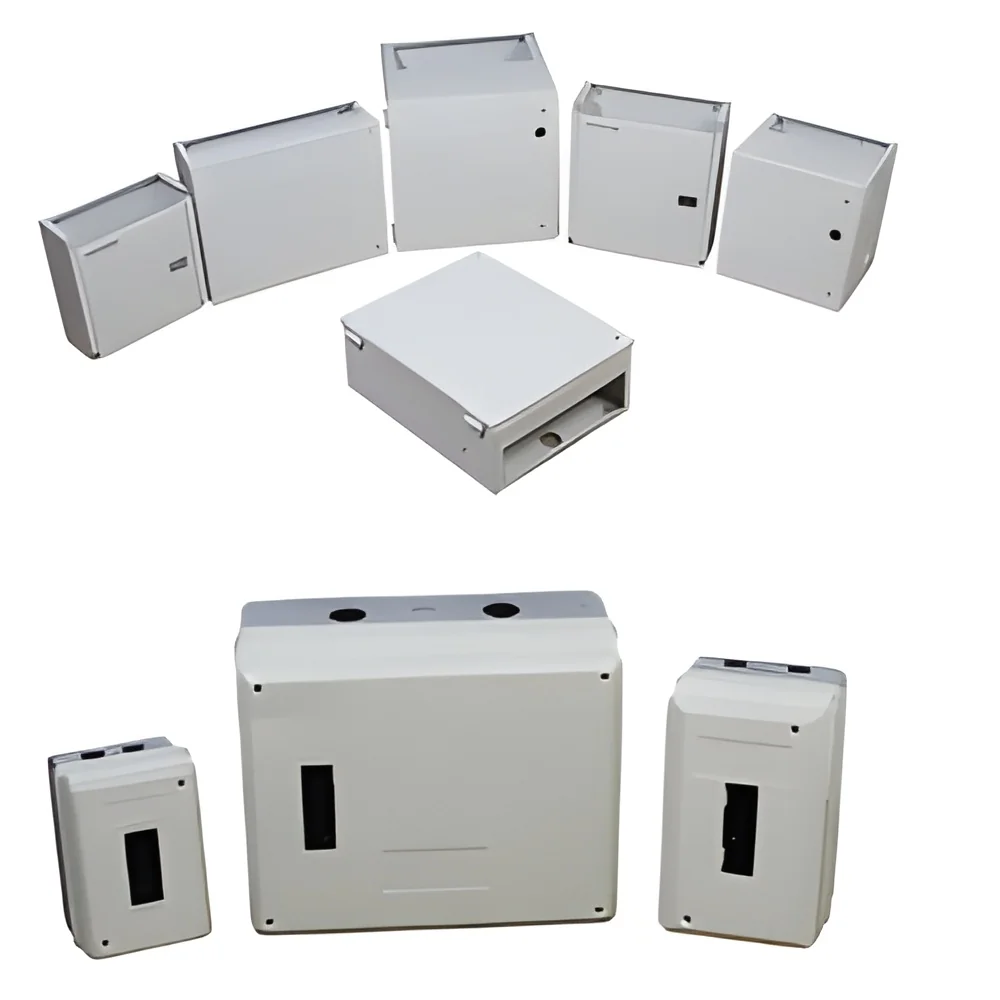
- Refers to the physical housing of the breaker.
- Options include plastic, metal, or weatherproof enclosures for outdoor applications.
7. Mounting Style
- Indicates how the breaker is installed.
- Can be din rail mounted or panel mounted.
8. Certifications
- Compliance with safety and quality standards.
- Products may carry certifications such as CE marking.
These specifications are crucial for ensuring safety, reliability, and compliance in electrical installations.
Common Applications and Use Cases
MCBs and MCCBs serve a wide range of industries and applications.
1. Residential: MCBs are widely used in homes for circuit protection, safeguarding wiring and appliances from overloads and short circuits.
2. Commercial: In office buildings, MCBs and MCCBs protect electrical systems that power lighting, HVAC, and office equipment.
3. Industrial: MCCBs are critical in manufacturing plants where heavy machinery requires robust protection from electrical faults.
4. Healthcare: Hospitals and clinics utilize MCBs to ensure reliable power supply for medical equipment, where interruptions can have serious consequences.
5. Telecommunications: MCBs protect equipment in communication networks, maintaining operational integrity and preventing outages.
6. Data Centers: MCCBs are essential for securing power distribution to servers and network devices, minimizing downtime and damage.
7. Infrastructure: Public utilities and infrastructure projects use MCBs and MCCBs to ensure safe and stable power delivery.
Product Variants and Subcategories
The product range of MCBs and MCCBs includes various variants to meet specific needs.
MCB Variants
These include different breaking capacities and tripping characteristics, catering to residential and light commercial applications. They ensure safety for smaller circuits and come in several pole configurations.
MCCB Variants
MCCBs are available with adjustable settings and higher current ratings. They are suitable for industrial applications, providing customizable protection for larger equipment and machinery.
Benefits and Advantages
MCBs and MCCBs offer numerous advantages for users across different sectors.
1. Enhanced Safety: They provide automatic disconnection during faults, reducing the risk of electrical fires and equipment damage.
2. Reliability: High-quality MCBs and MCCBs ensure consistent performance, essential for critical applications.
3. Space Efficiency: These devices are compact and can be easily integrated into existing electrical systems.
4. Customizability: Many MCCBs offer adjustable settings to meet specific operational requirements.
5. Cost-Effectiveness: Investing in MCBs and MCCBs can prevent costly repairs and downtime caused by electrical failures.
6. Regulatory Compliance: Using certified products helps businesses meet safety regulations and standards.
Buying Guide for B2B Buyers
When sourcing MCBs and MCCBs, it is crucial to consider various factors that can influence your purchase decisions.
1. Quality Assessment: Ensure the products meet industry standards and have the necessary certifications. Quality assurance is vital for reliability and safety.
2. Supplier Verification: Vet suppliers based on their reputation and track record. Look for verified suppliers who can provide references and product guarantees.
3. Pricing and MOQ: Understand the pricing structure, including any minimum order quantities. Compare offers to ensure you get the best value for your investment.
4. Delivery and Lead Times: Discuss logistics with suppliers, including delivery timelines and shipping options. Timely delivery is crucial for project planning.
5. Compliance Requirements: Check for compliance with local regulations and standards. Ensure that products meet safety and performance requirements relevant to your industry.
Compliance and Certifications
MCBs and MCCBs must adhere to various quality standards and regulations to ensure safety and reliability. Common standards include ISO 9001 for quality management systems and CE marking for compliance with European safety regulations.
Testing requirements often involve assessing the breaking capacity, insulation resistance, and operational reliability of these devices. Compliance with local electrical codes is also essential, as different regions may have specific regulations governing the installation and use of electrical components.
In addition to safety certifications, manufacturers may need to demonstrate that their products have undergone rigorous testing to meet industry standards. Ensuring compliance with these regulations helps protect businesses and users from electrical hazards.
Why Source MCBs, MCCBs from Pepagora?
Pepagora offers a reliable platform for sourcing MCBs and MCCBs with a variety of advantages for B2B buyers.
Verified Supplier Network: Pepagora connects buyers with a network of verified suppliers, ensuring access to high-quality products. This verification process helps to reduce risks associated with sourcing.
Streamlined RFQ Process: The platform facilitates a straightforward Request for Quotation (RFQ) process. Buyers can quickly submit requests and receive multiple quotes, simplifying decision-making.
Trade Assurance and Support: Pepagora provides trade assurance, offering protection for buyers throughout the purchasing process. This support ensures that transactions are secure and meets the buyers’ expectations.
Regional Coverage: Pepagora has a broad geographic reach, serving regions such as India, the GCC, and Southeast Asia. This regional coverage enables buyers to find local suppliers who understand the market and regulatory requirements.
By choosing Pepagora, businesses can effectively source MCBs and MCCBs while benefiting from a trusted supply chain.

 IN
IN