What are Instrumentation Cables?
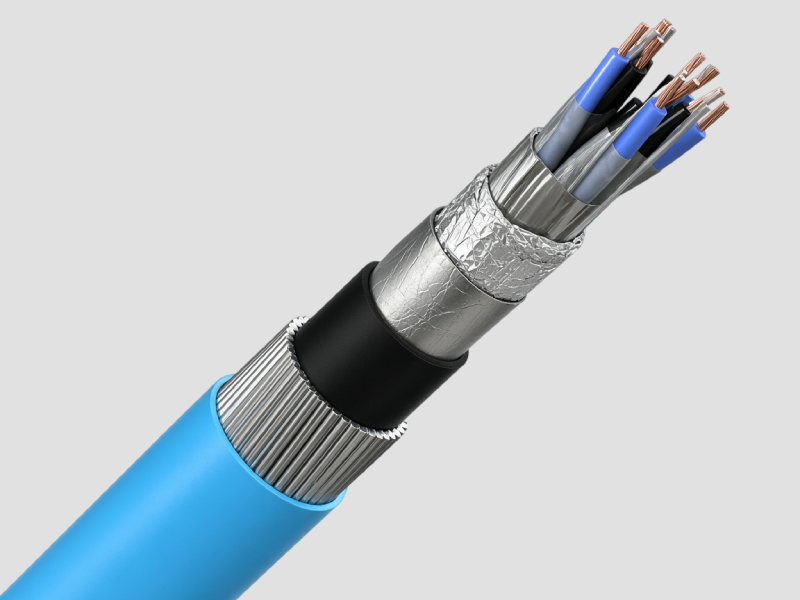
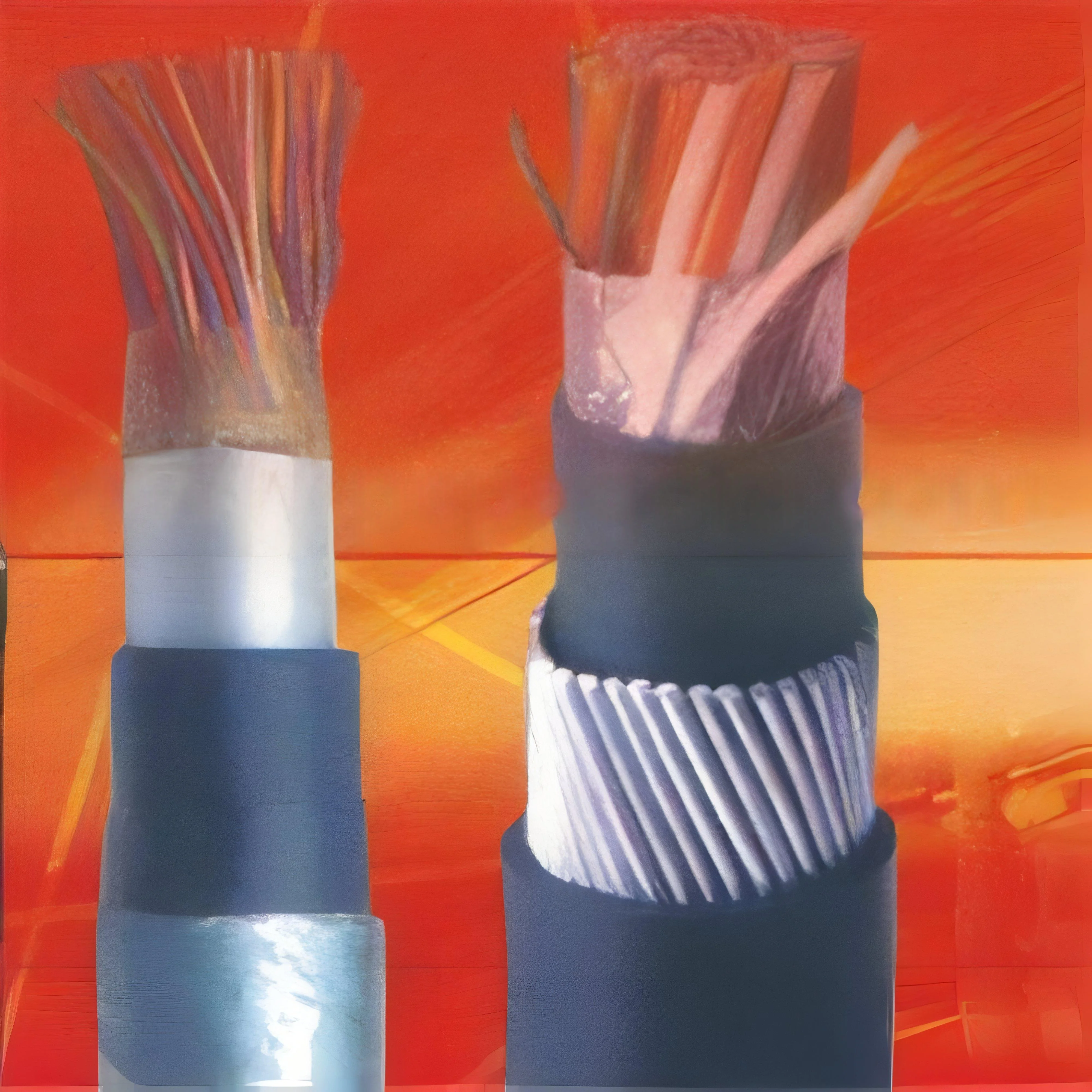
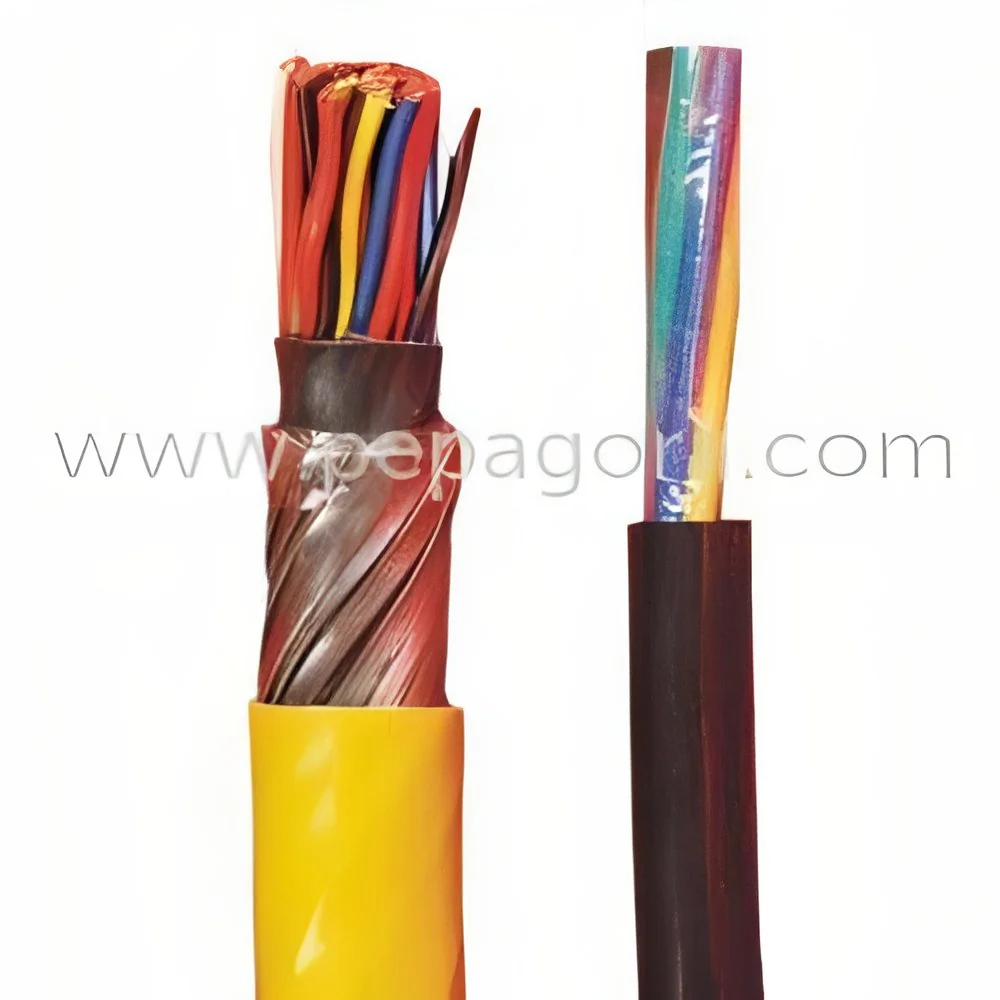
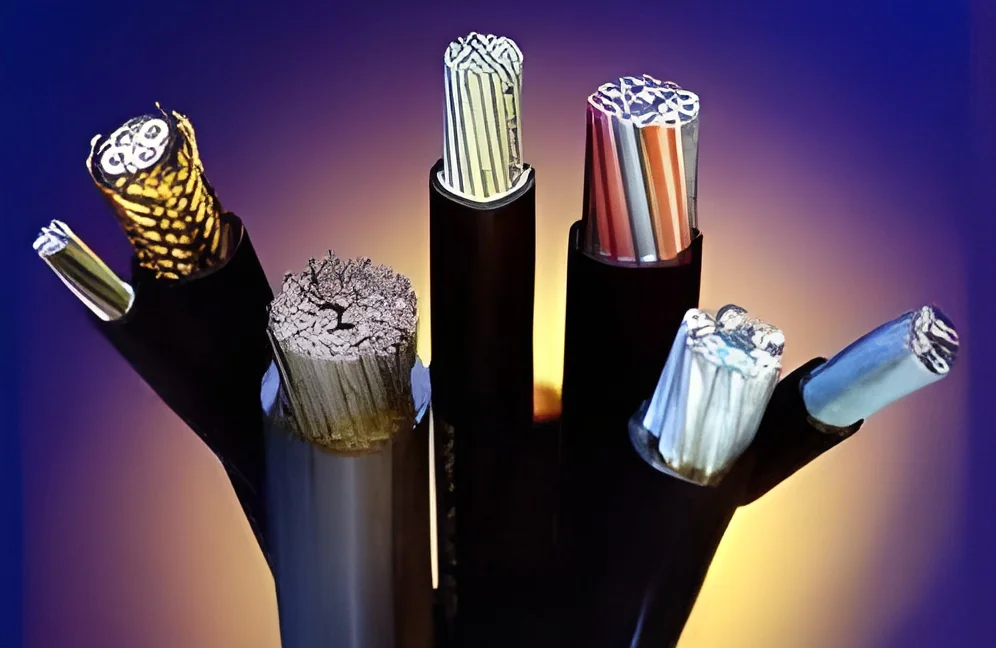
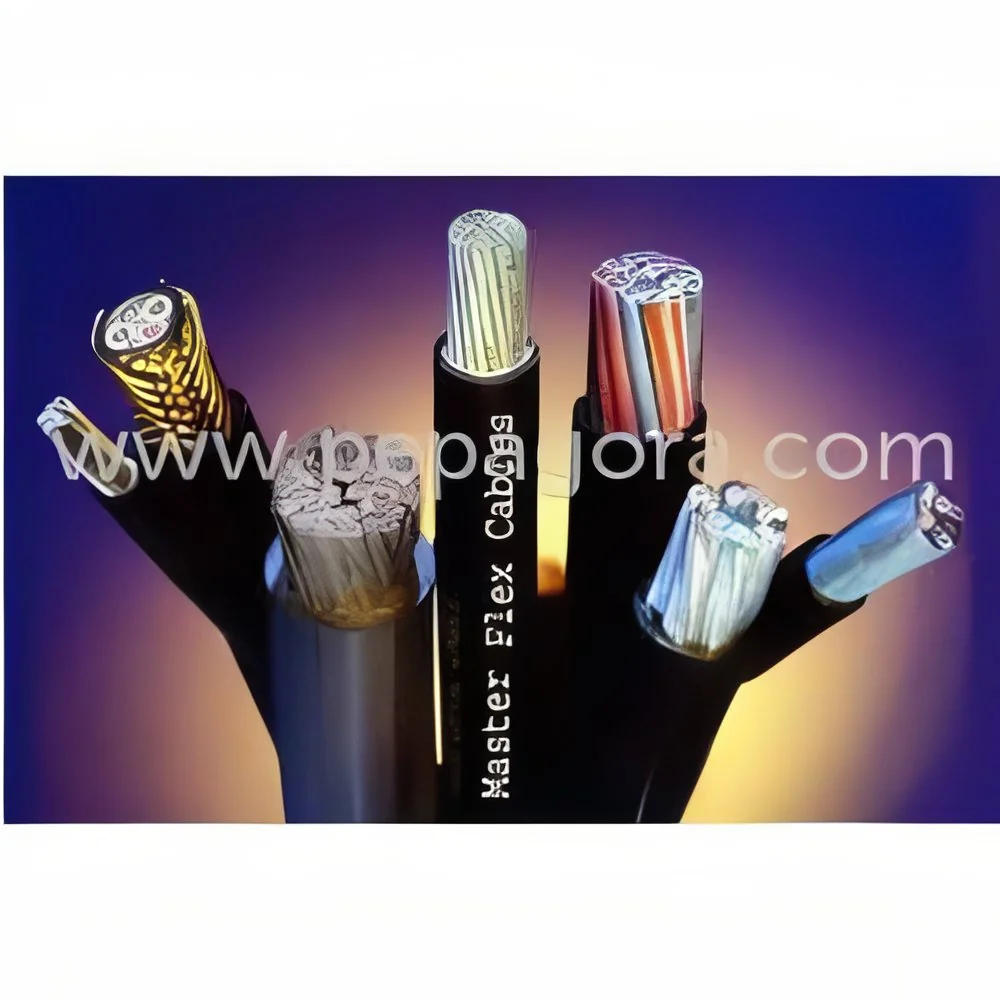
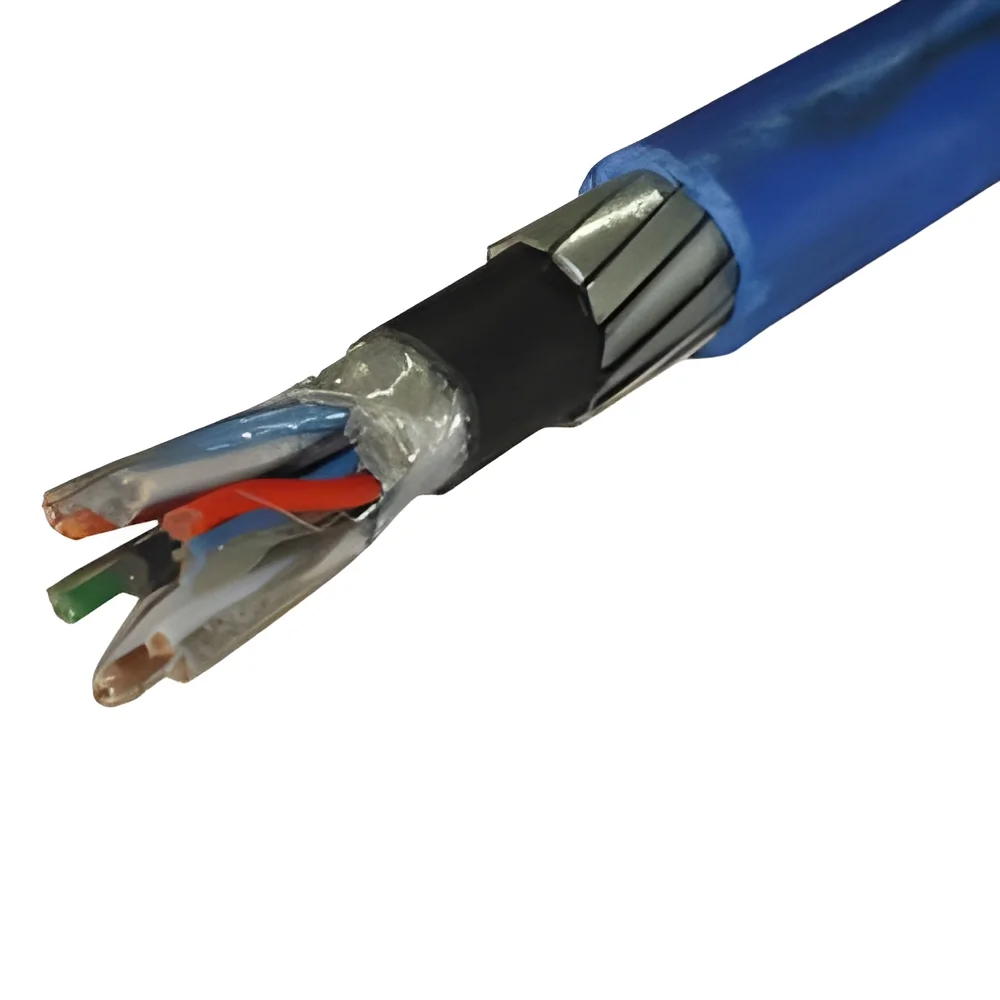
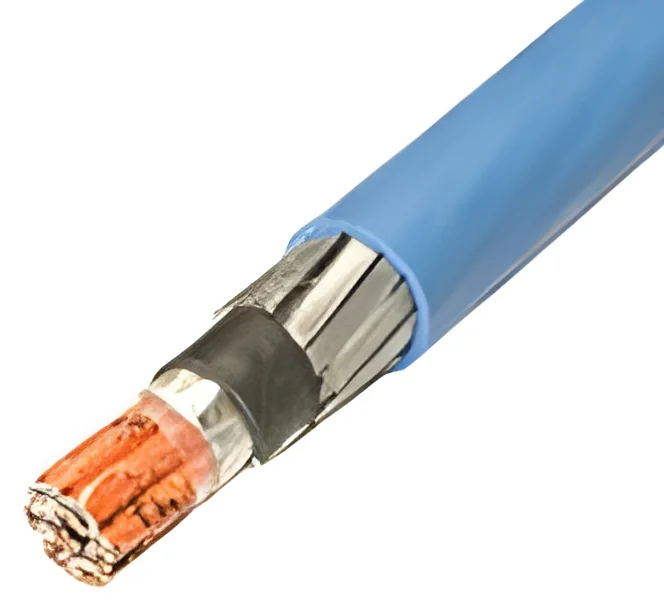
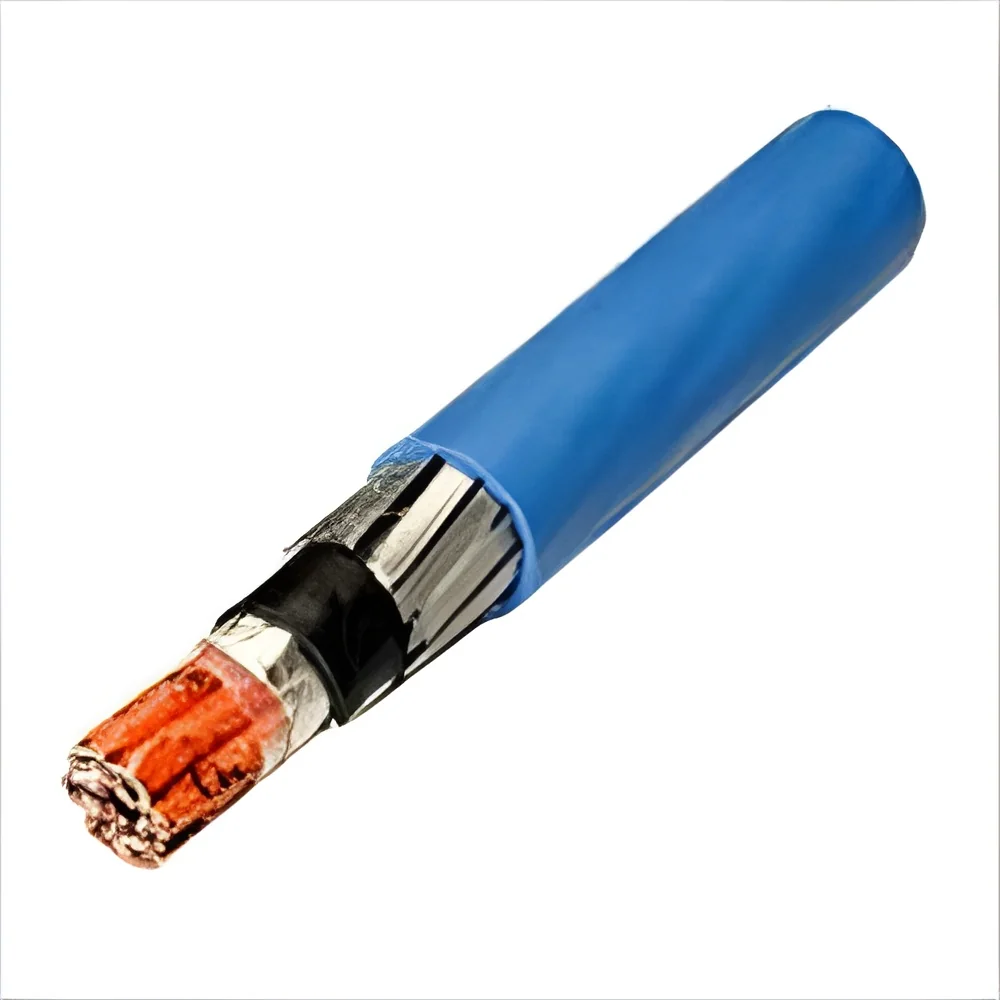
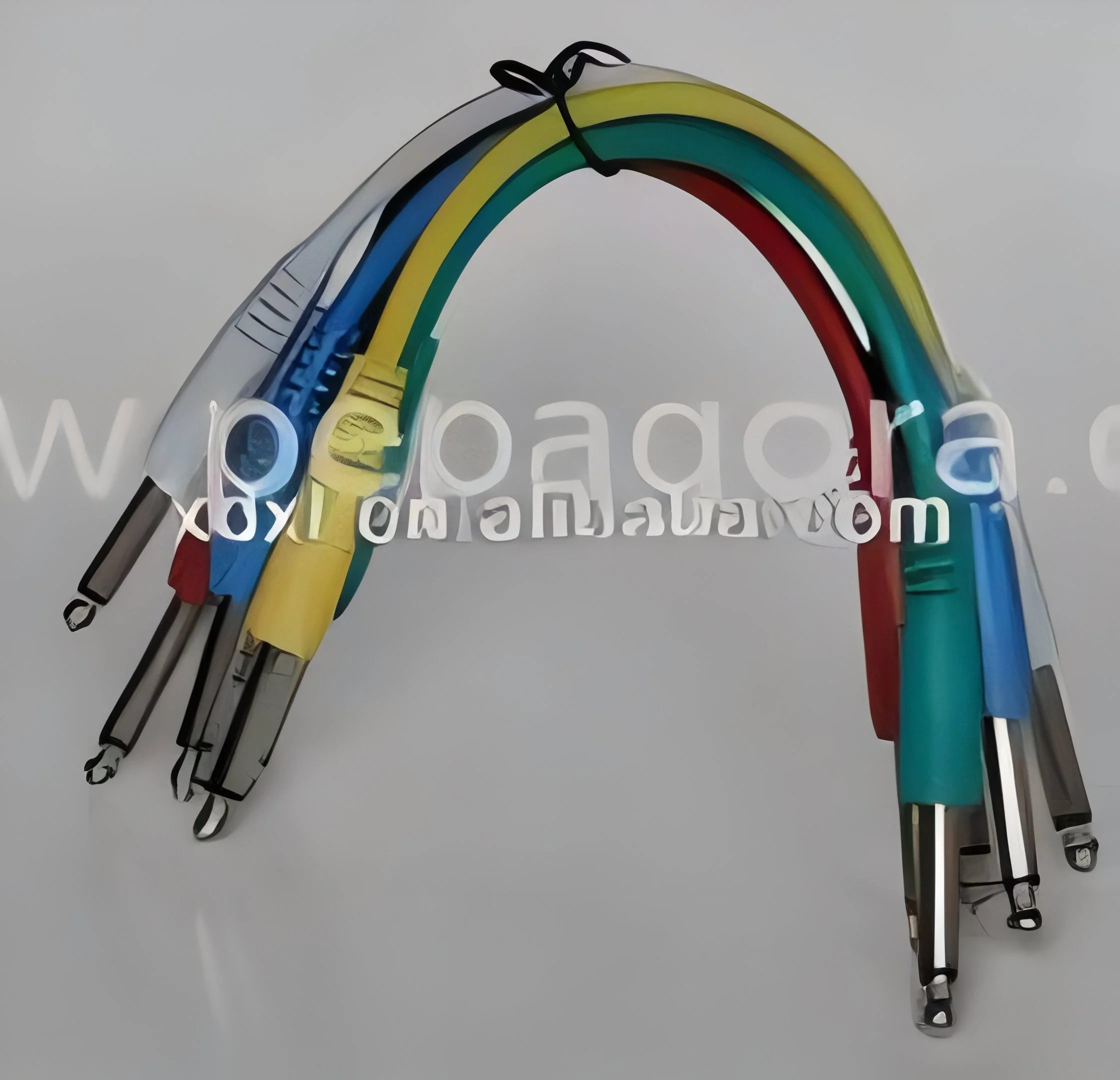
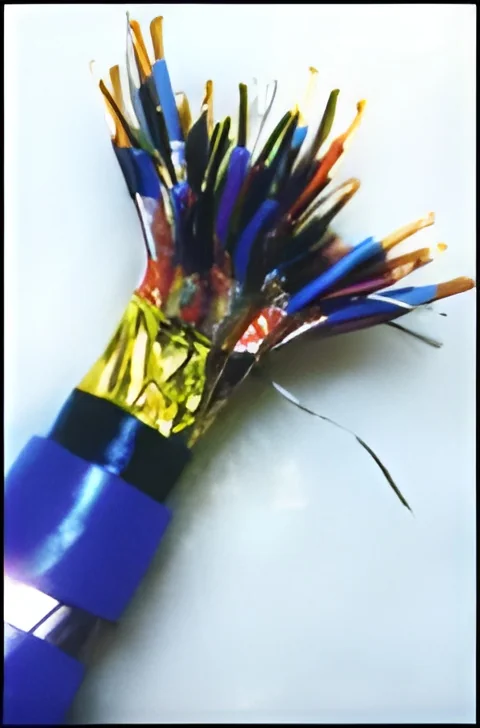
Instrumentation cables are specialized electrical wires designed to transmit signals and data in control and monitoring systems. They are engineered to ensure accurate and reliable communication in various industrial applications. These cables are typically multi-core and shielded, which helps to minimize electromagnetic interference and maintain signal integrity.
Instrumentation cables are extensively used in various industries, including oil and gas, power generation, and process control. They connect instruments such as sensors, transmitters, and control devices, facilitating seamless communication in complex systems. The ability to function effectively in harsh environments makes these cables crucial for maintaining operational efficiency and safety in industrial processes.
As industries increasingly rely on automation and advanced monitoring systems, the demand for high-quality instrumentation cables continues to grow. The market for these cables is influenced by technological advancements and the need for reliable data transmission, positioning them as essential components in modern industrial setups.
Key Features and Specifications
Instrumentation cables come with various features that enhance their performance and durability. The specifications are crucial for ensuring that the cables meet the requirements of specific applications.
Key specifications include:
1. Conductor Material
- Typically made from copper or aluminum.
- Provides excellent conductivity and flexibility.
2. Insulation Type
- Common materials include PVC, XLPE, and rubber.
- Offers resistance to heat, chemicals, and moisture.
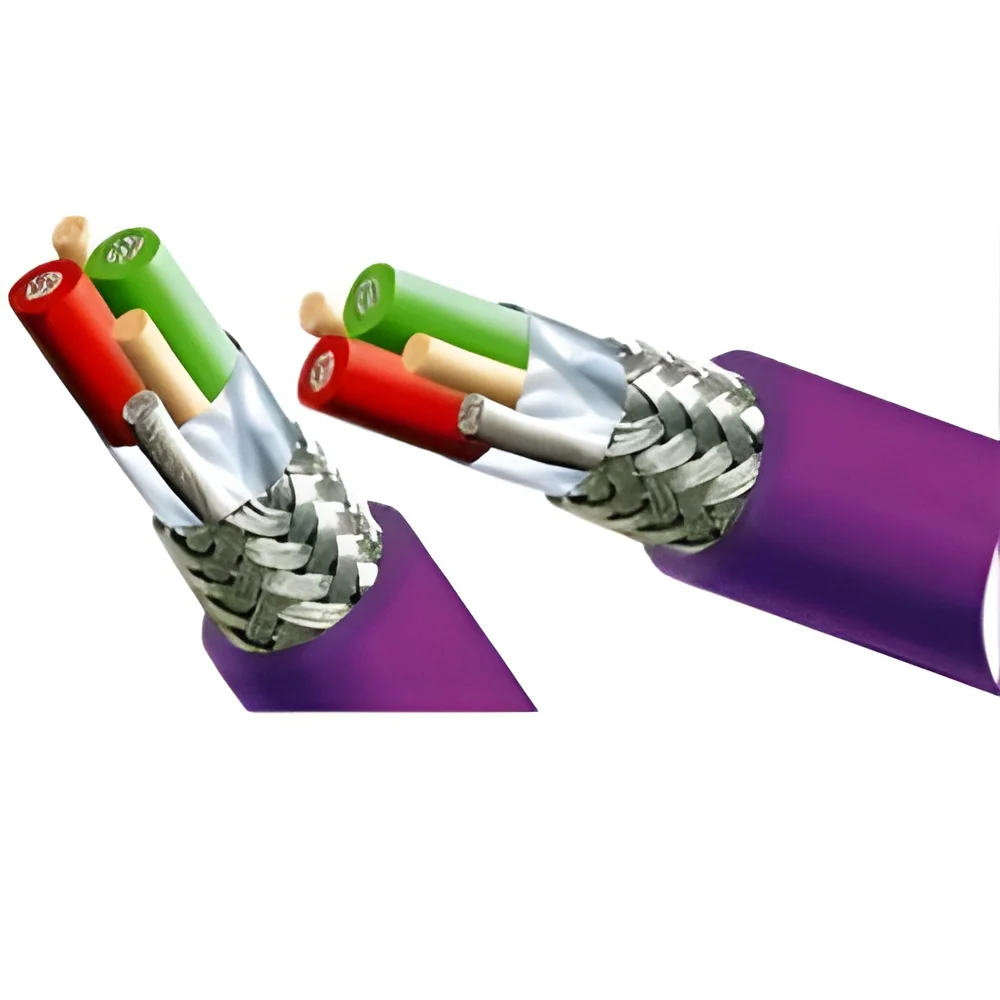
3. Shielding
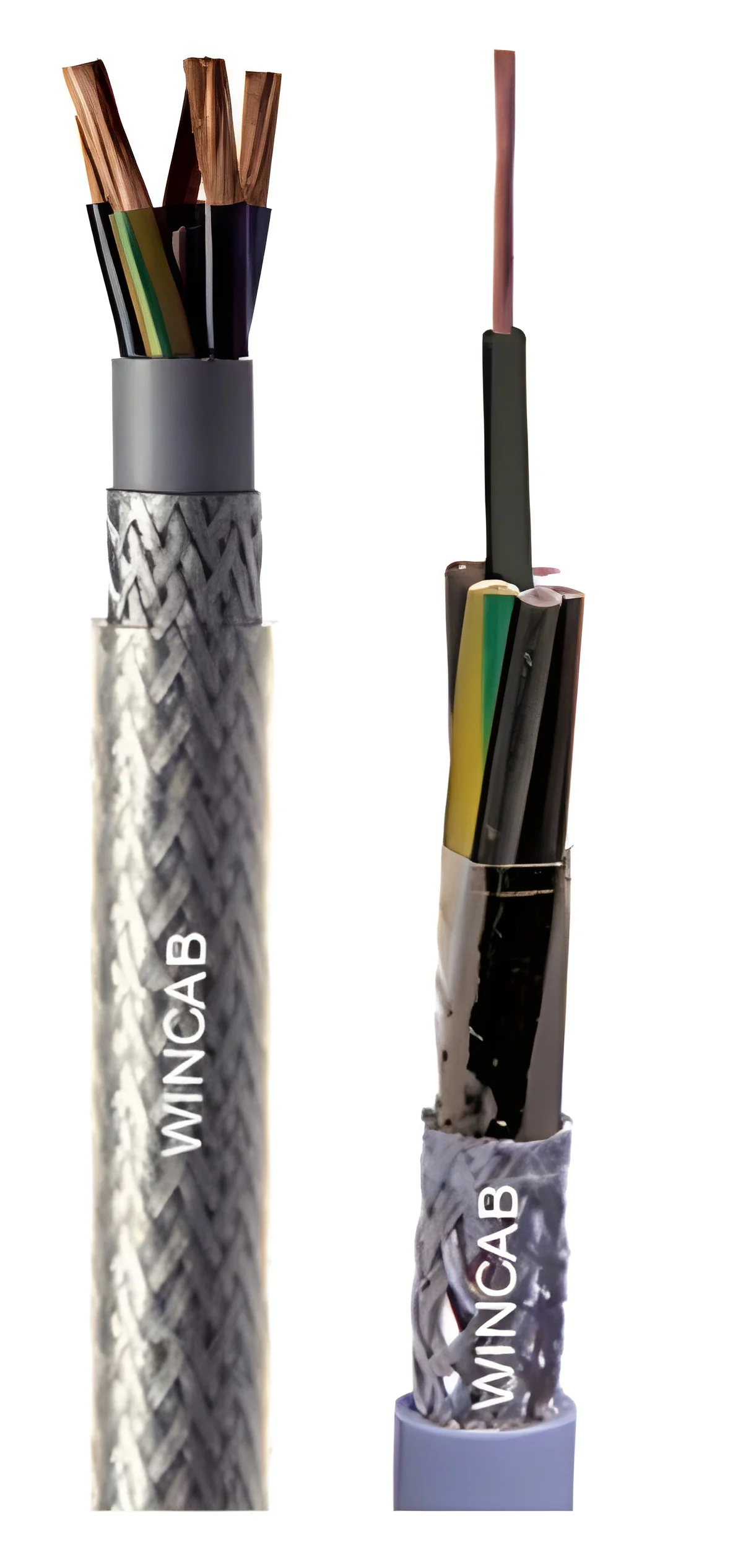
- Includes foil or braided shields.
- Protects against electromagnetic interference and enhances signal integrity.
4. Temperature Range
- Generally rated for -20°C to 90°C.
- Ensures performance in various environmental conditions.
5. Voltage Rating
- Commonly rated at 300/500V or 600/1000V.
- Suitable for various industrial applications.
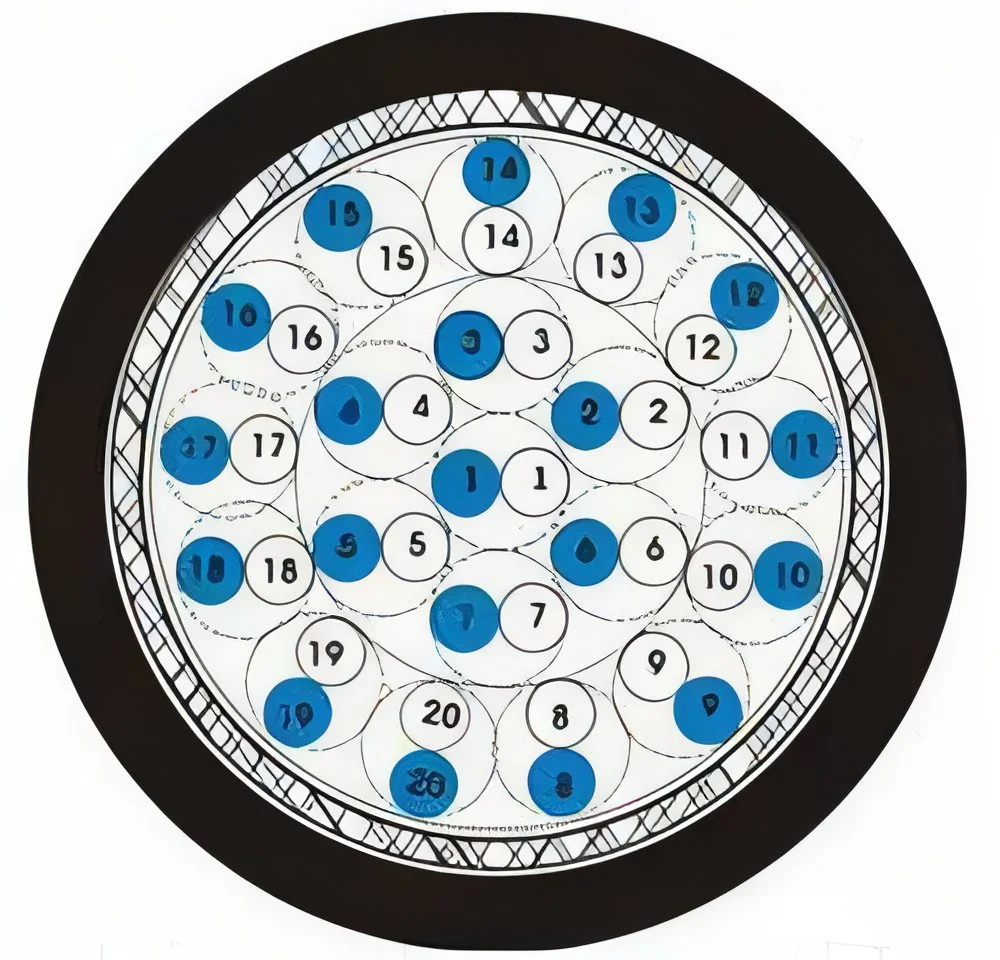
6. Core Configuration
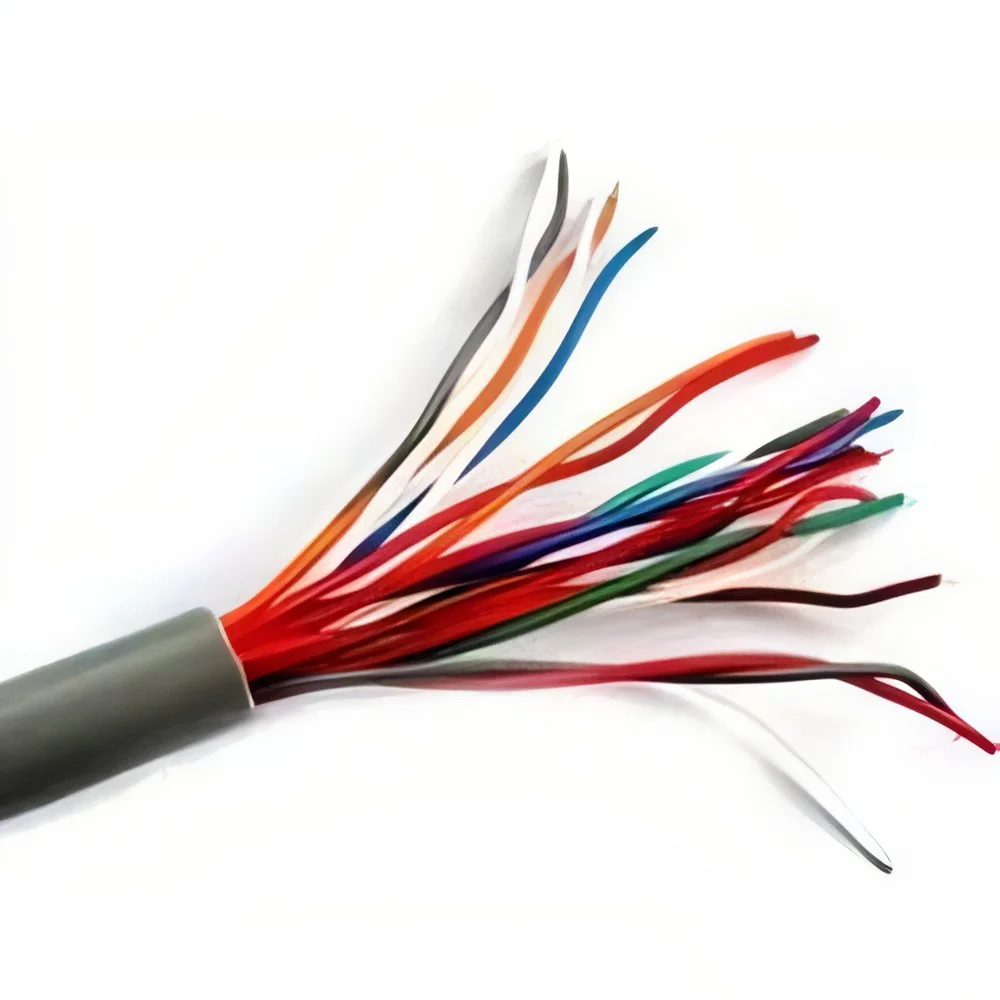
- Available in multi-core configurations.
- Facilitates the connection of multiple instruments in one cable.
7. Sheath Material
- Often made from durable thermoplastic or thermoset compounds.
- Provides mechanical protection and chemical resistance.
8. Compliance Standards
- Typically compliant with CE and other relevant industry standards.
- Ensures reliability and safety in usage.
Overall, understanding these features and specifications is vital for selecting the right instrumentation cables for specific applications.
Common Applications and Use Cases
Instrumentation cables are used across diverse industries, each with unique requirements.
1. Oil and Gas: These cables are employed in exploration and drilling operations, connecting sensors and control systems to monitor pressure, temperature, and flow rates.
2. Power Generation: Instrumentation cables are critical in power plants for connecting control panels to equipment like turbines and generators, ensuring reliable monitoring and operation.
3. Manufacturing: In industrial automation, these cables facilitate communication between machinery and control systems, enhancing efficiency and reducing downtime.
4. Water Treatment: Used in water treatment facilities, instrumentation cables connect sensors that monitor chemical levels and water quality, ensuring compliance with safety regulations.
5. Transportation: These cables are utilized in rail and road systems to monitor operational parameters, providing real-time data for safety and efficiency.
6. HVAC Systems: Instrumentation cables link control systems to sensors in heating, ventilation, and air conditioning systems, optimizing performance and energy usage.
7. Pharmaceutical: In the pharmaceutical industry, these cables are essential for monitoring processes and ensuring compliance with regulatory standards.
Product Variants and Subcategories
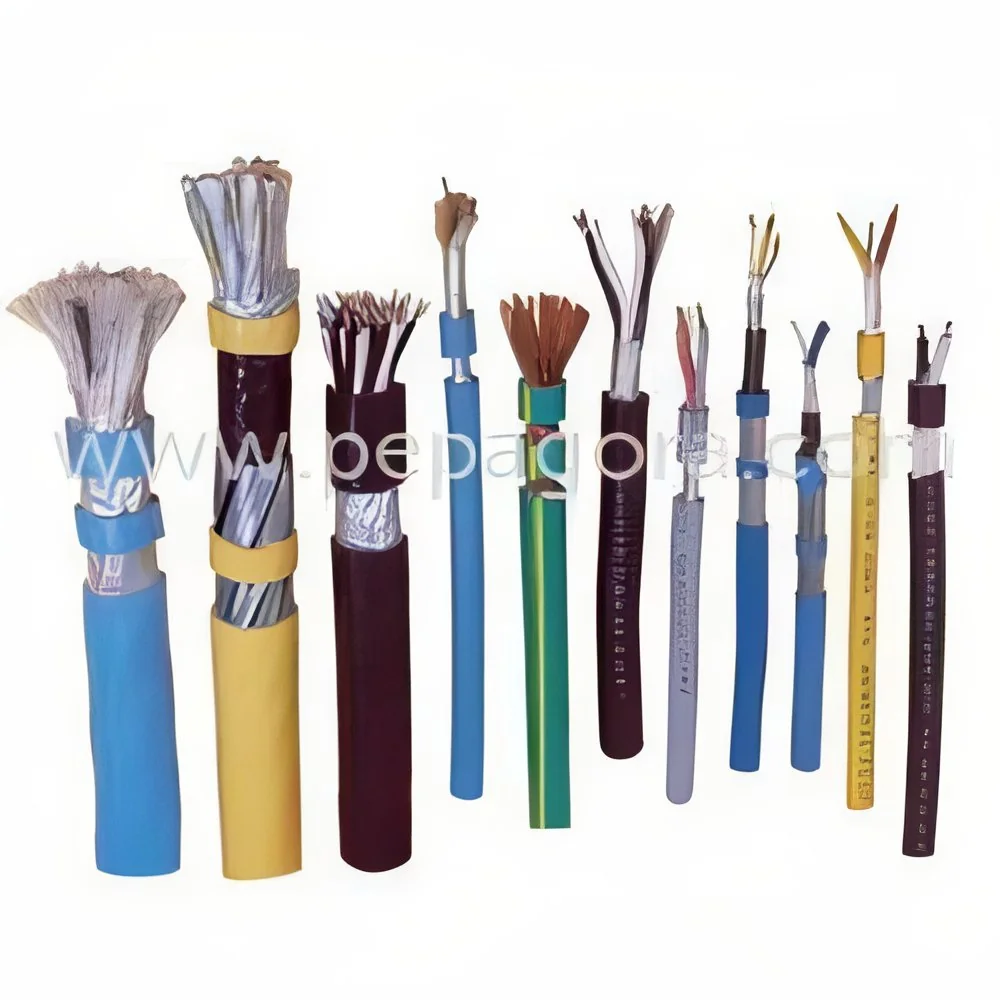
Instrumentation cables come in various configurations to meet different operational needs. This diversity allows businesses to select the most appropriate solution for their specific applications.
Variant 1: Shielded Instrumentation Cables
These cables feature additional protective shielding to minimize interference from external sources. They are ideal for environments with high electromagnetic interference, ensuring accurate signal transmission.
Variant 2: Multi-Core Instrumentation Cables
Designed with multiple cores, these cables can connect various instruments within a single cable, reducing installation complexity and saving space.
Variant 3: High-Temperature Instrumentation Cables
These cables are specifically designed to operate in extreme temperature conditions, making them suitable for industries such as oil and gas and power generation.
Variant 4: Low-Voltage Instrumentation Cables
These cables are optimized for low-voltage applications, ensuring safety and efficiency in systems where high voltage is not required.
Benefits and Advantages
Instrumentation cables offer several advantages that make them essential for industrial applications.
1. Enhanced Signal Integrity: The shielding and insulation help maintain signal quality, reducing the risk of data loss.
2. Durability: Designed to withstand harsh environmental conditions, these cables have a long lifespan and require minimal maintenance.
3. Versatility: Available in various configurations, instrumentation cables can be tailored to meet the specific needs of different industries.
4. Safety Compliance: Meeting industry standards ensures that these cables are safe for use in critical applications.
5. Ease of Installation: Multi-core cables simplify the wiring process, reducing installation time and effort.
6. Cost-Effectiveness: High durability and low maintenance requirements result in reduced long-term costs for businesses.
Buying Guide for B2B Buyers
When sourcing instrumentation cables, several factors should be considered to ensure the right choice for your applications.
1. Quality Assessment: Evaluate the quality of the cables based on materials used and compliance with industry standards. Reliable cables contribute to the longevity and performance of your systems.
2. Supplier Verification: Research and vet suppliers to ensure they have a proven track record in delivering high-quality products. Look for certifications and customer testimonials.
3. Pricing and MOQ: Understand the pricing structures and minimum order quantities (MOQ) from different suppliers to find options that fit your budget and needs.
4. Delivery and Lead Times: Inquire about delivery schedules and lead times to ensure timely project implementation. Delays can impact operational efficiency.
5. Compliance Requirements: Ensure that the cables meet relevant regulatory compliance needs specific to your industry, which can vary by region and application.
Compliance and Certifications
Instrumentation cables must adhere to various quality and safety standards to ensure reliable performance in industrial applications. Key standards include ISO 9001, which focuses on quality management systems, and HACCP for food safety in relevant industries.
Industry certifications such as CE indicate compliance with European safety standards, ensuring products meet necessary regulatory requirements. Safety and testing requirements are critical to verify the performance of these cables under various environmental conditions.
Regional compliance considerations may vary, emphasizing the importance of sourcing cables that meet local regulations to avoid legal issues and ensure operational safety.
Why Source Instrumentation Cables from Pepagora?
Pepagora offers a reliable platform for sourcing instrumentation cables, providing several key advantages for B2B buyers.
Verified Supplier Network: Pepagora ensures that all suppliers in its network are verified, providing buyers with peace of mind regarding the quality and reliability of products.
Streamlined RFQ Process: The request for quotation process is designed to be efficient, allowing buyers to easily compare offers and make informed purchasing decisions quickly.
Trade Assurance and Support: Buyers benefit from trade assurance programs that protect their investments, along with dedicated support to address any concerns during the sourcing process.
Regional Coverage: Pepagora's extensive reach across India, the GCC, and Southeast Asia ensures that buyers can find the right products suited to their regional needs and logistical requirements.

 IN
IN