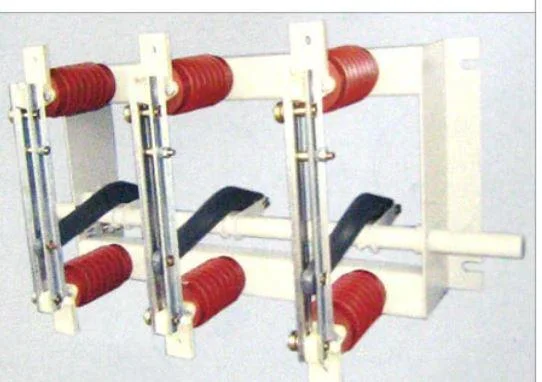
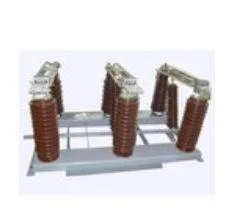
What are Isolators & Disconnect Switches?
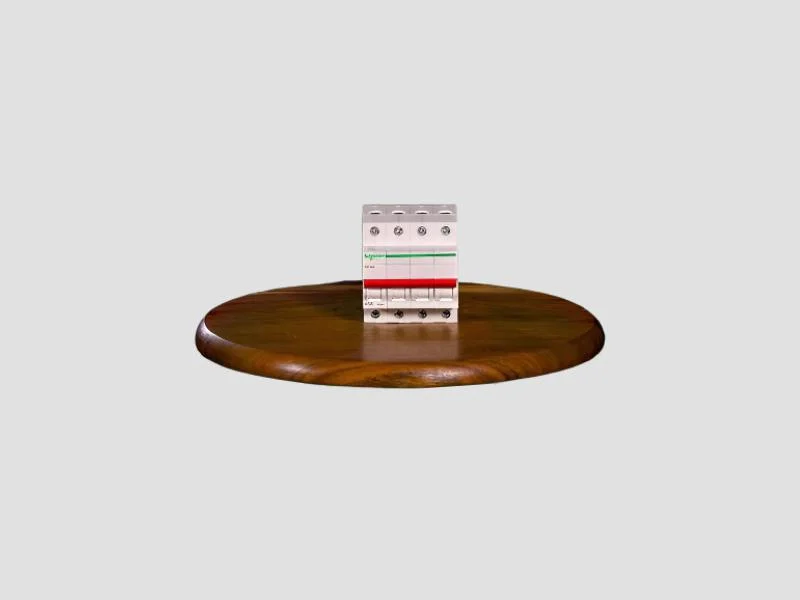
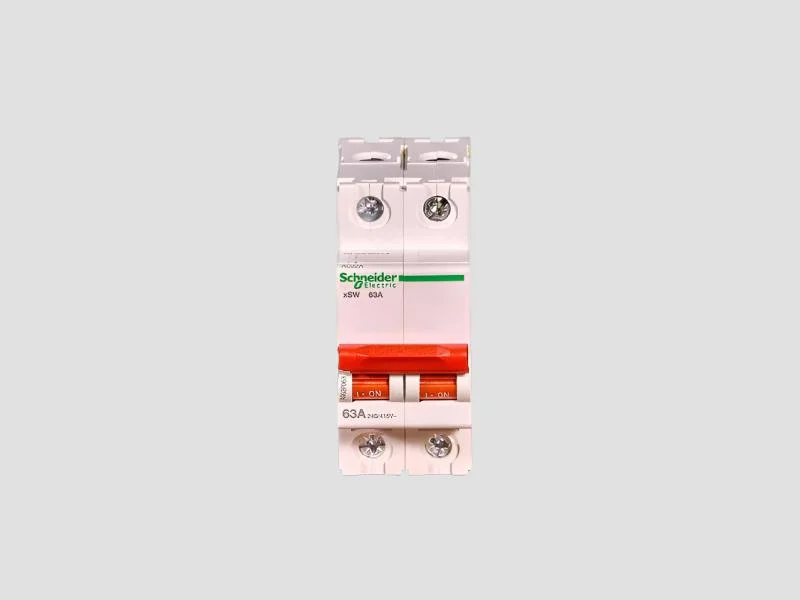
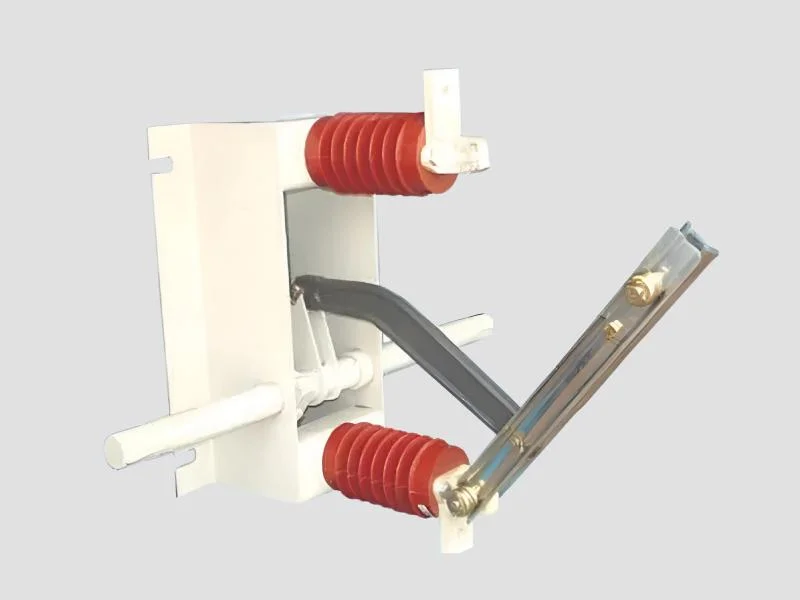
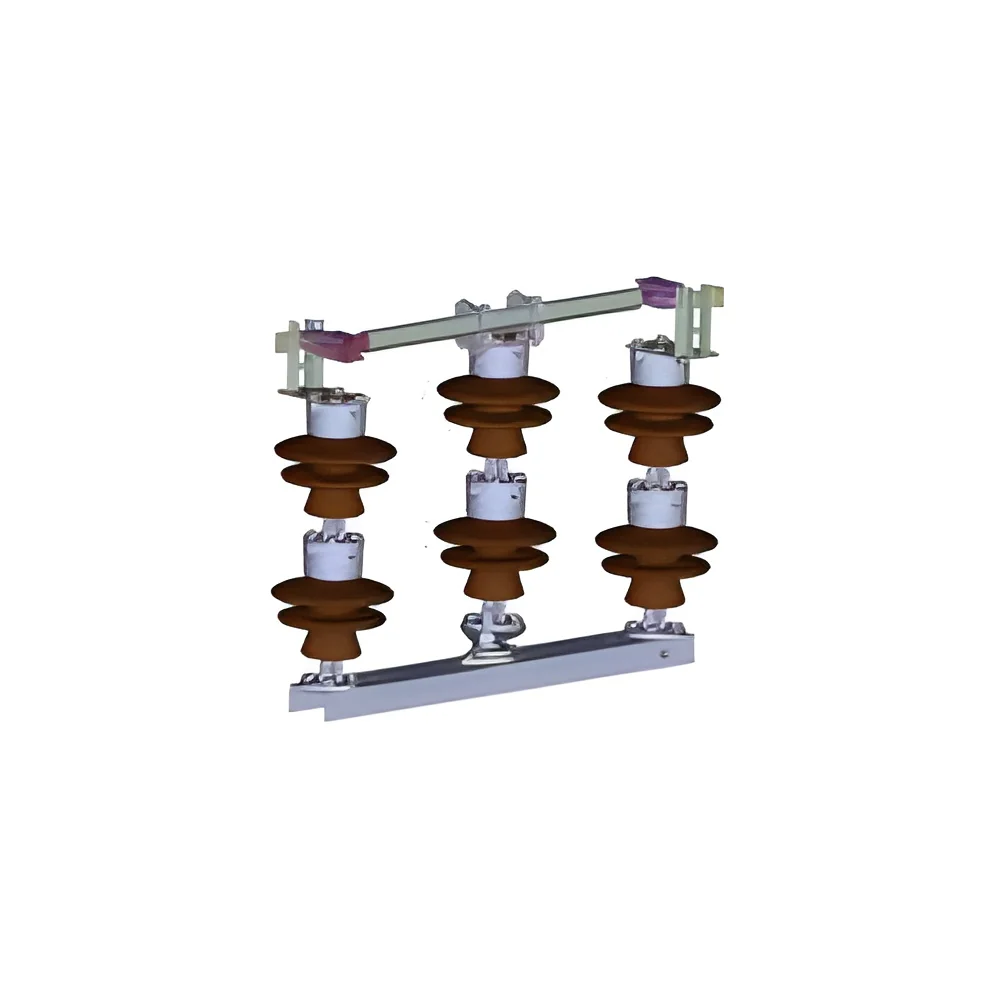
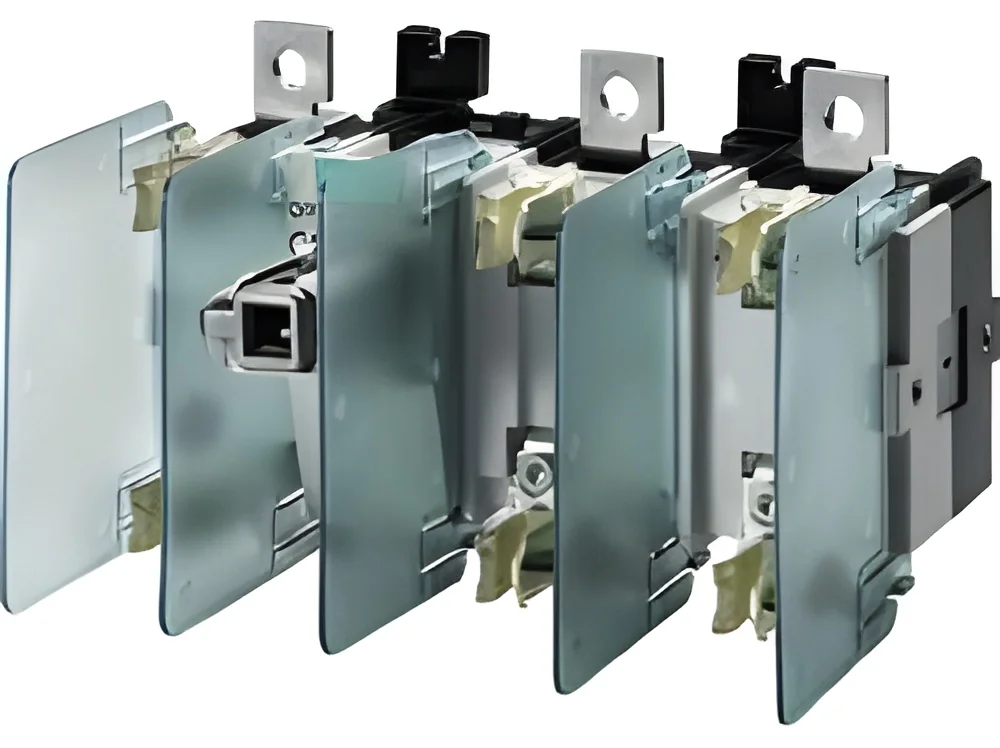
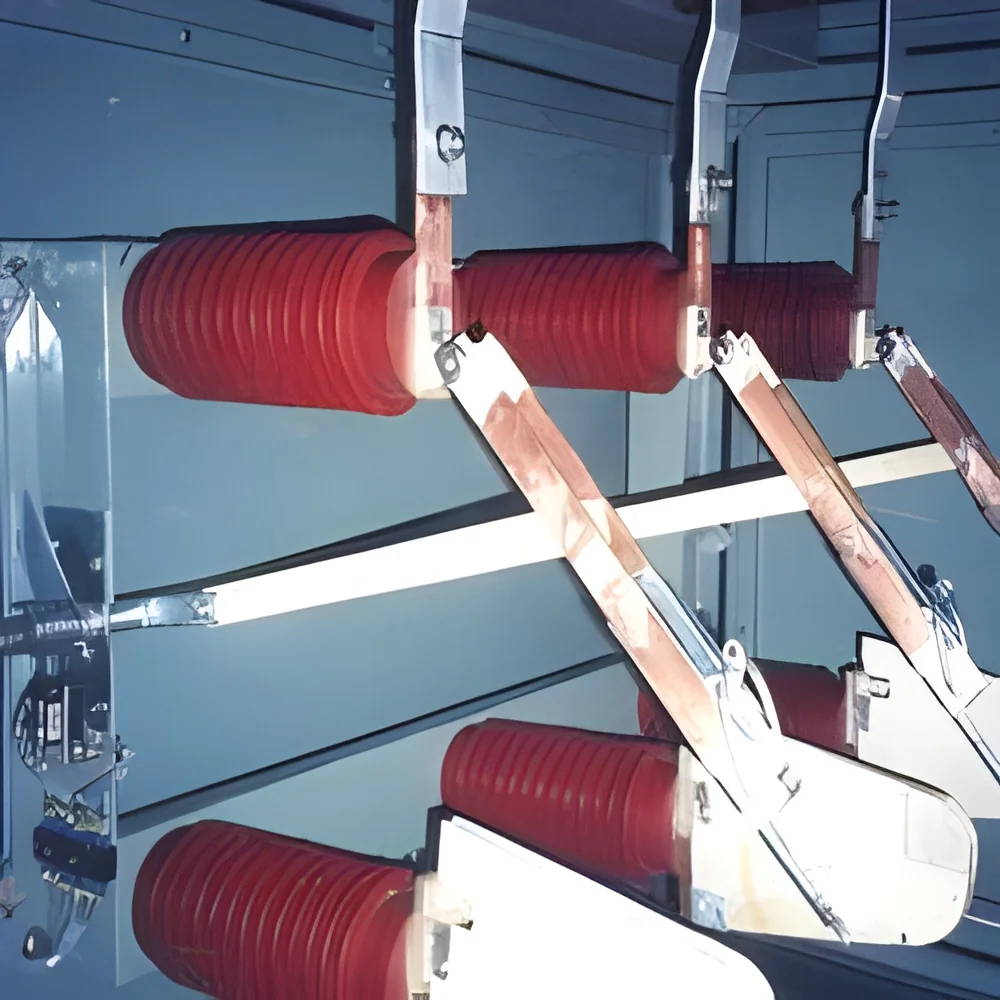
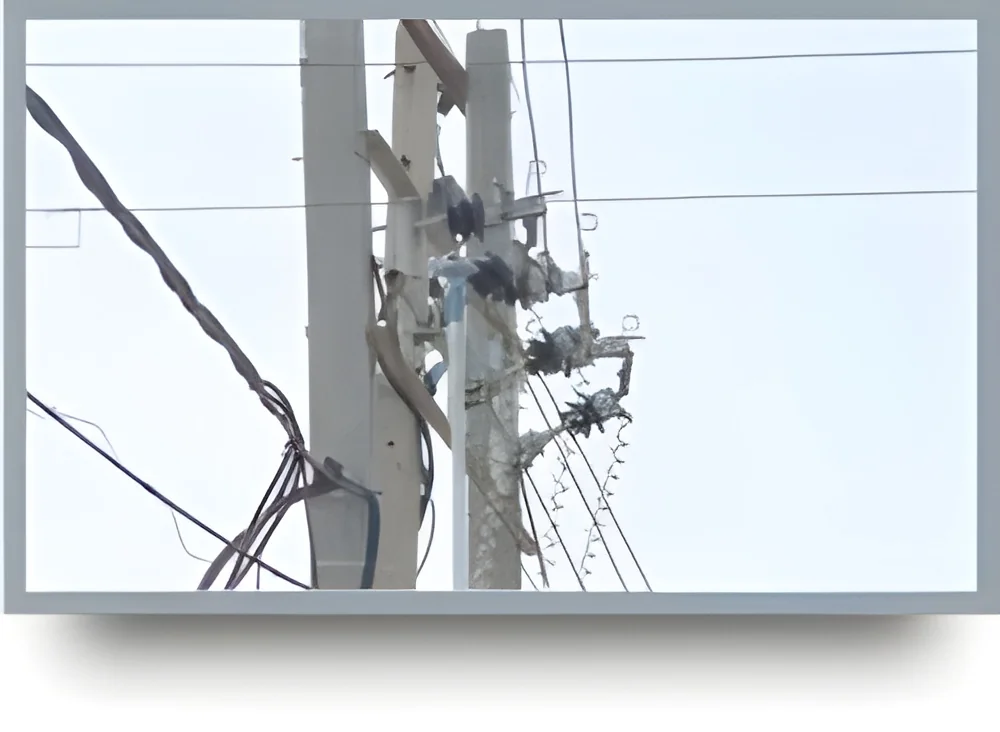
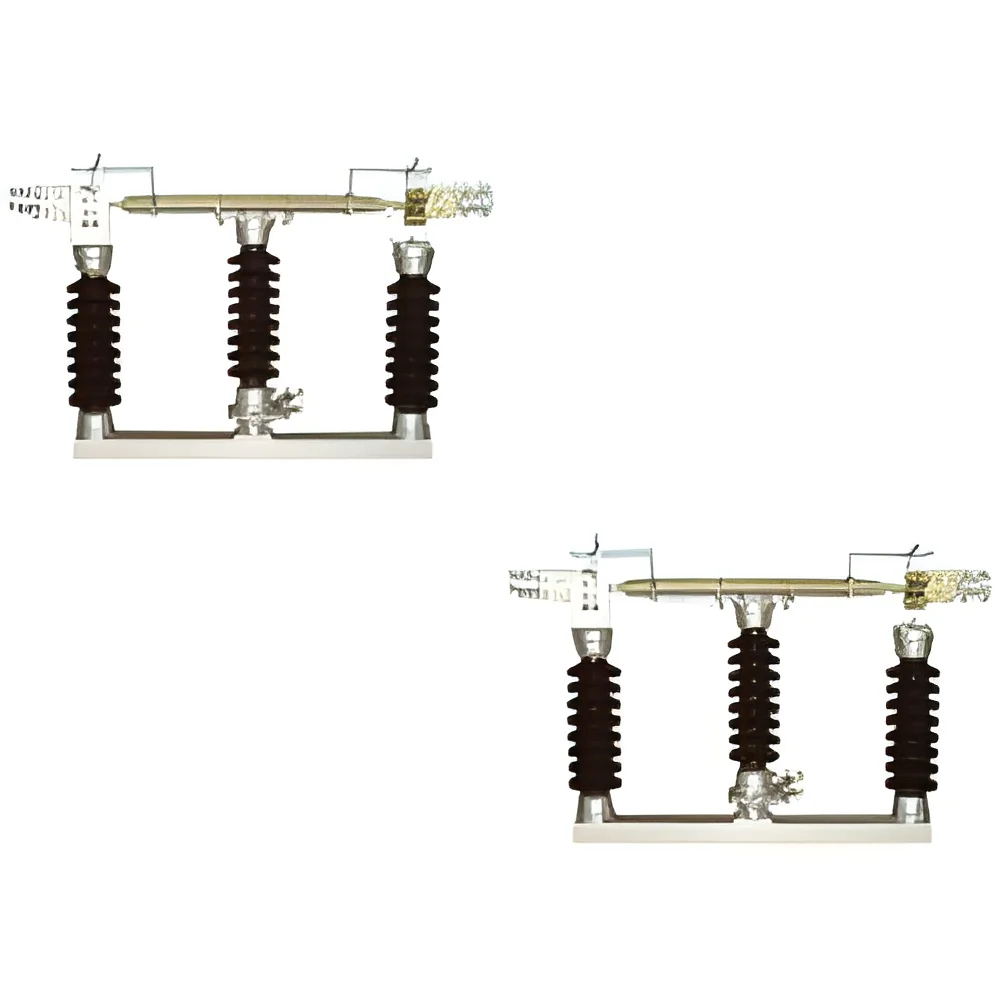
Isolators and disconnect switches are essential electrical devices used to ensure safety and control in electrical systems. An isolator is designed to provide a visible break in the circuit, which allows maintenance personnel to safely work on electrical equipment. Disconnect switches, on the other hand, are used to isolate various parts of an electrical system, enabling safe disconnection from power sources. These devices are crucial in preventing electrical accidents and protecting equipment from damage caused by unexpected power surges or failures.
These switches are widely applied across various industries, including manufacturing, utilities, and commercial sectors. They are often found in substations, power plants, and large industrial facilities where high-voltage equipment operates. As businesses increasingly prioritize safety and reliability, isolators and disconnect switches have become critical components in electrical infrastructure. The growing demand for energy-efficient systems and the expansion of renewable energy sources further enhance their relevance in today's market.
Key Features and Specifications
Isolators and disconnect switches come with a range of features designed to enhance performance and reliability. Understanding these specifications is key for businesses when selecting the right product for their needs.
Key specifications include:
1. Voltage Rating
- Determines the maximum voltage the device can safely handle.
- Common ranges include 230V, 400V, and higher for industrial applications.
2. Current Rating
- Indicates the maximum current that can pass through the device without overheating.
- Typically ranges from 16A to several thousand amps depending on the application.
3. Insulation Resistance
- Measures the resistance of the insulating material to prevent electrical leakage.
- High insulation resistance values are crucial for safety and performance.
4. Operating Temperature Range
- Specifies the temperature limits within which the switch can operate effectively.
- Generally ranges from -20°C to 60°C, but data not available for specific products.
5. Number of Poles
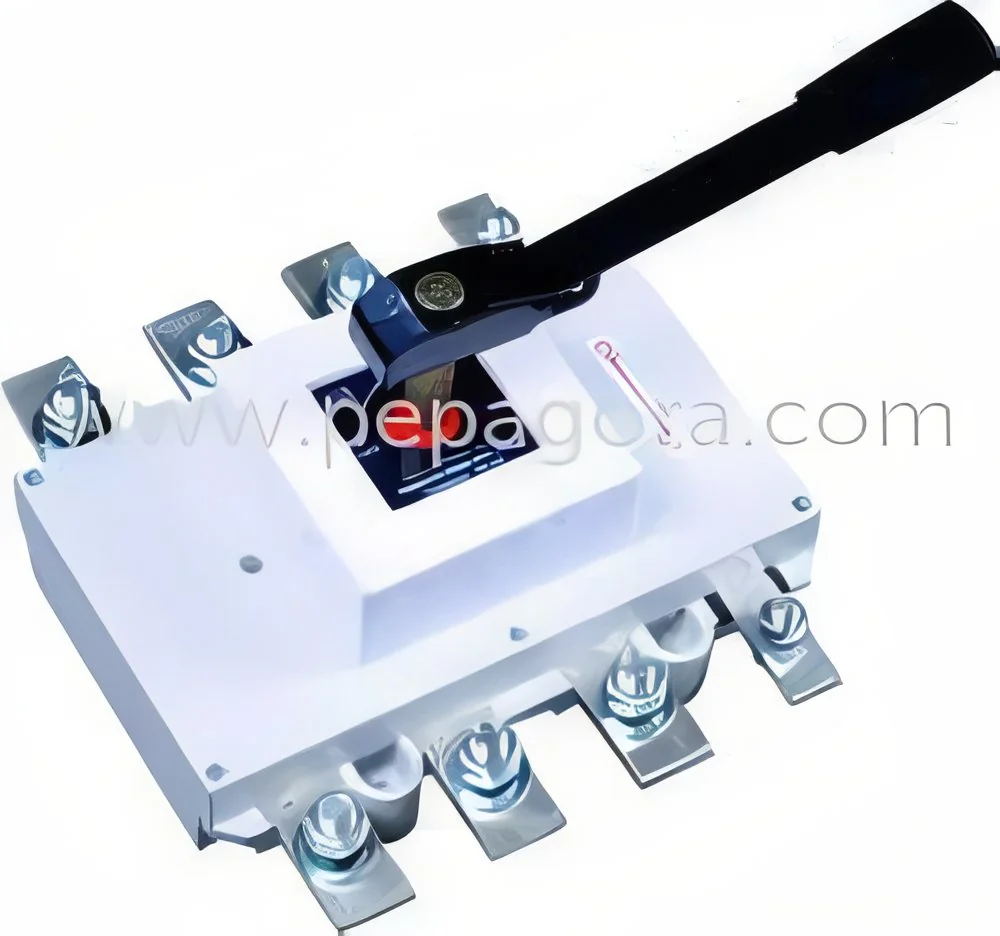
- Refers to the number of circuits the switch can control.
- Available in single-pole, double-pole, and multi-pole configurations.
6. Mounting Type
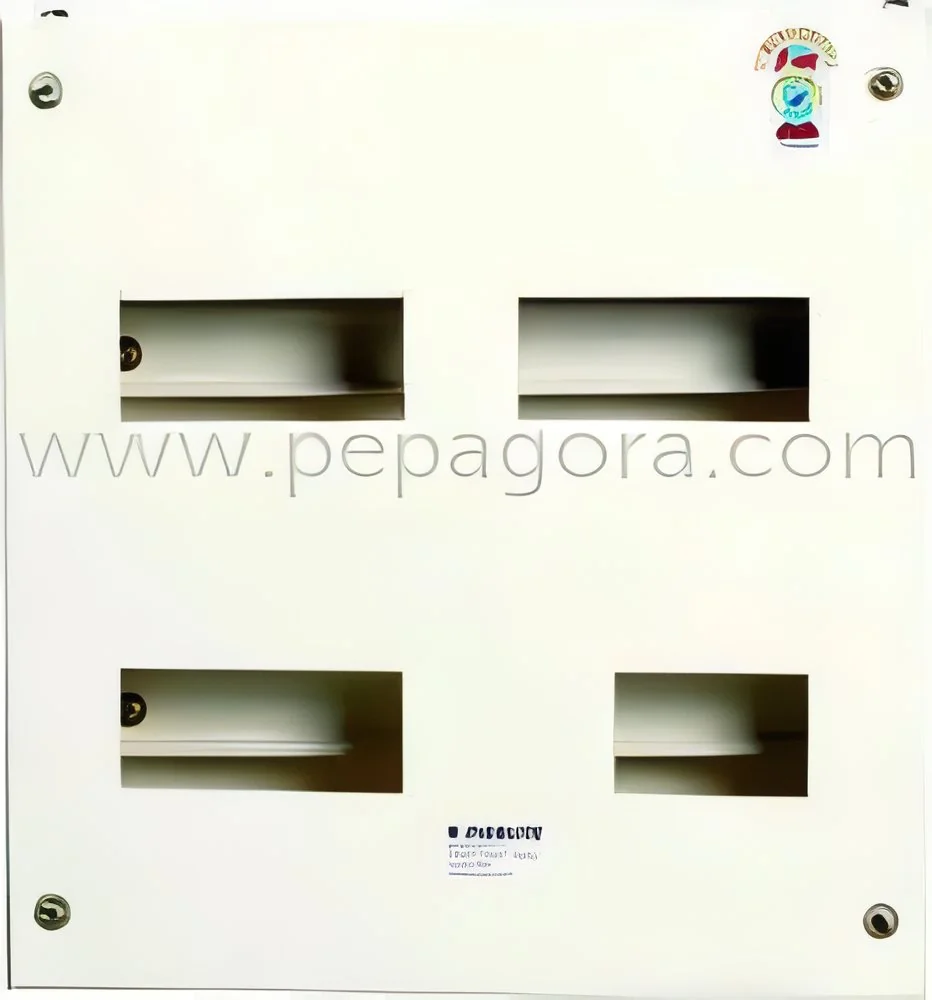
- Indicates how the switch is installed, such as panel-mounted or surface-mounted.
- Affects ease of installation and application flexibility.
7. Degree of Protection
- Specifies the level of protection against dust and moisture.
- Common ratings include IP20, IP65, and higher for harsh environments.
8. Certification
- Indicates compliance with industry standards for safety and performance.
- CE certification is common for ensuring adherence to European safety regulations.
These specifications play a critical role in ensuring the device meets the operational requirements of specific applications, promoting safety and efficiency.
Common Applications and Use Cases
Isolators and disconnect switches are versatile devices used across various sectors. They are integral to ensuring safe electrical operations in different environments.
1. Manufacturing: In manufacturing plants, these devices are used to isolate machinery during maintenance and repair, minimizing the risk of accidental energization.
2. Utilities: Power generation and distribution facilities utilize isolators to safely disconnect transformers and other equipment for maintenance, ensuring continuous service reliability.
3. Commercial Buildings: Disconnect switches are commonly installed in commercial buildings to allow for safe access to electrical systems for servicing and upgrades.
4. Renewable Energy: In solar and wind energy systems, isolators are used to disconnect power sources during maintenance, ensuring worker safety.
5. Mining: Mining operations use these devices to safely manage electrical systems in remote locations, where safety is paramount.
6. Data Centers: Disconnect switches help ensure the reliability of power supply systems, allowing for safe maintenance of critical IT infrastructure.
7. Transportation: In rail and road transport systems, isolators are used to maintain and operate electrical systems safely, enhancing operational reliability.
Product Variants and Subcategories
Isolators and disconnect switches come in diverse configurations to cater to various operational needs.
Manual Isolator Switches
These are operated manually and are suitable for applications where frequent switching is not required. They provide a reliable means of disconnecting circuits for maintenance.
Motorized Disconnect Switches
Motorized variants offer the advantage of remote operation, ideal for applications where access to the switch is limited. They are commonly used in large industrial settings.
Load Break Switches
These switches allow for the safe interruption of current flow under load conditions. They are often used in substations and industrial power systems.
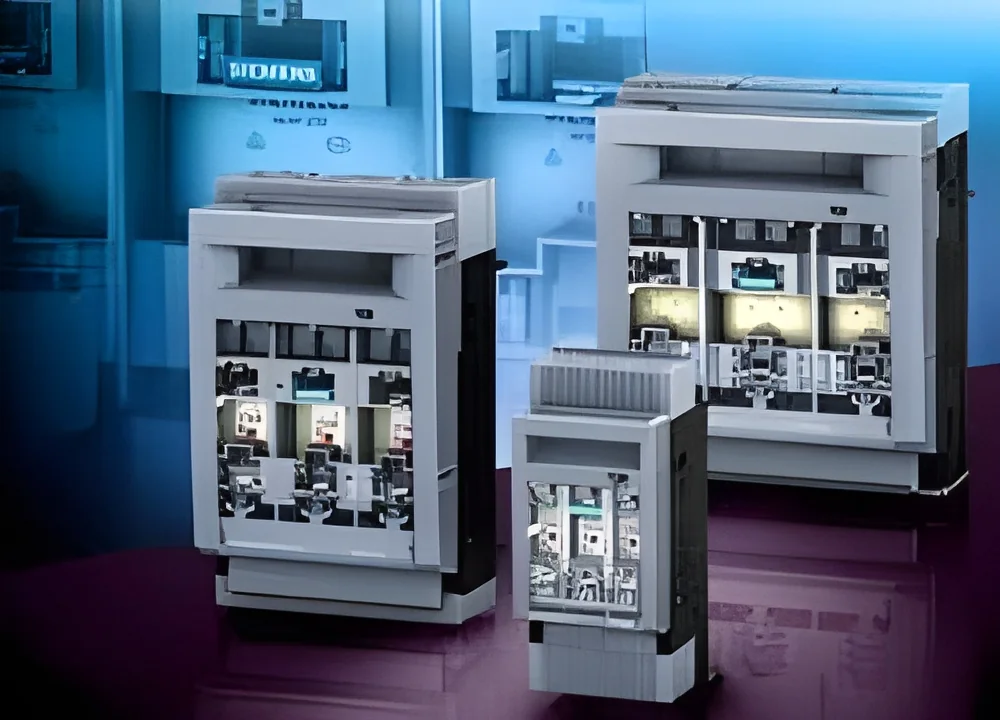
Fuse Disconnect Switches
Combining a fuse with a disconnect switch, these devices provide overcurrent protection along with the ability to isolate equipment. They are ideal for protecting sensitive machinery.
Benefits and Advantages
Isolators and disconnect switches offer several advantages across various applications.
Key benefits include:
1. Enhanced Safety: They provide a visible break in the circuit, ensuring that maintenance personnel can work safely without the risk of accidental energization.
2. Reliability: High-quality isolators and disconnect switches are built to withstand harsh operating conditions, ensuring consistent performance over time.
3. Efficiency: These devices facilitate quick disconnection of electrical systems, reducing downtime during maintenance work.
4. Compliance: Using certified isolators and disconnect switches helps businesses meet regulatory safety standards, minimizing liability risks.
5. Versatility: Available in various configurations, they can be tailored to meet specific operational requirements across different industries.
6. Cost-Effectiveness: Investing in reliable disconnect switches reduces the likelihood of costly electrical failures and downtime, leading to long-term savings.
Buying Guide for B2B Buyers
When sourcing isolators and disconnect switches, businesses should consider several key factors to ensure they make informed decisions.
1. Quality Assessment: Evaluate the quality of materials and construction to ensure durability and reliability under operational conditions. Look for industry certifications that demonstrate adherence to safety standards.
2. Supplier Verification: Vet suppliers based on their reputation, experience, and customer reviews. A reliable supplier will provide comprehensive support and service.
3. Pricing and MOQ: Consider the cost of the devices along with minimum order quantities (MOQ). Ensure that pricing aligns with your budget while still meeting quality standards.
4. Delivery and Lead Times: Discuss logistics with suppliers to understand delivery schedules and lead times. Timely delivery is crucial for maintaining operational continuity.
5. Compliance Requirements: Ensure that the products meet local and international compliance requirements, including safety and performance standards, to avoid legal issues.
Compliance and Certifications
Compliance and certification are critical aspects of isolators and disconnect switches. They ensure that the products meet industry safety and quality standards.
Relevant quality standards include ISO 9001, which outlines requirements for a quality management system aimed at enhancing customer satisfaction. This standard ensures that manufacturers maintain consistent quality in their products.
Additionally, many isolators and disconnect switches carry CE certification, indicating compliance with European safety regulations. This certification assures customers that the products meet essential health and safety requirements.
Safety and testing requirements also play a significant role in product design. Devices must undergo rigorous testing to ensure they can withstand electrical and environmental stressors effectively.
Regional compliance considerations may vary. Businesses should be aware of local regulations that may impose specific requirements for electrical devices in their region.
Why Source Isolators & Disconnect Switches from Pepagora?
Pepagora provides a trusted platform for sourcing isolators and disconnect switches, offering several key advantages.
Verified Supplier Network: Pepagora connects buyers with a network of verified suppliers who meet stringent quality and compliance standards. This reduces the risk of sourcing unreliable products.
Streamlined RFQ Process: The platform simplifies the request for quotation (RFQ) process, allowing buyers to receive competitive bids from multiple suppliers. This increases transparency and ensures better pricing.
Trade Assurance and Support: Pepagora offers trade assurance, protecting buyers from potential issues related to order fulfillment. Their dedicated support team assists throughout the purchasing process.
Regional Coverage: With a strong presence in India, the GCC, and Southeast Asia, Pepagora facilitates sourcing for businesses across diverse geographic locations, ensuring access to quality products and suppliers.

 IN
IN