What are Industrial Sockets & Plugs?
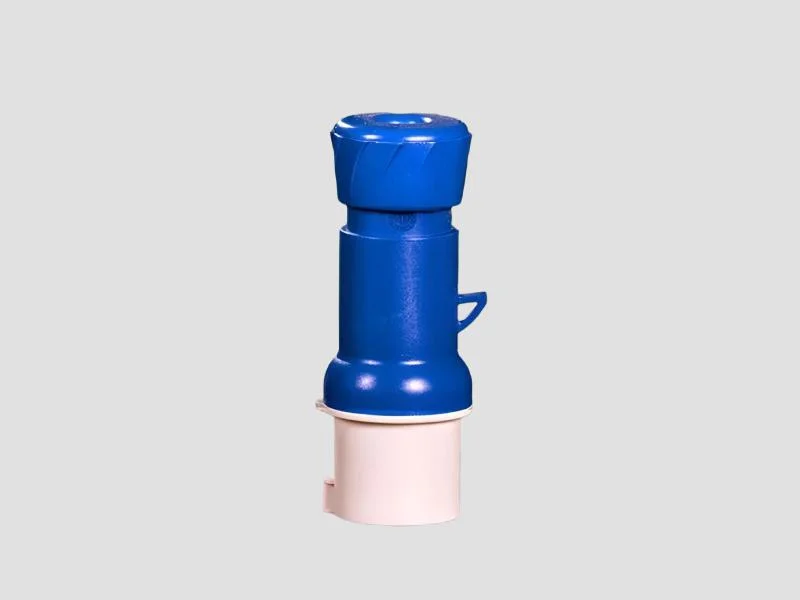
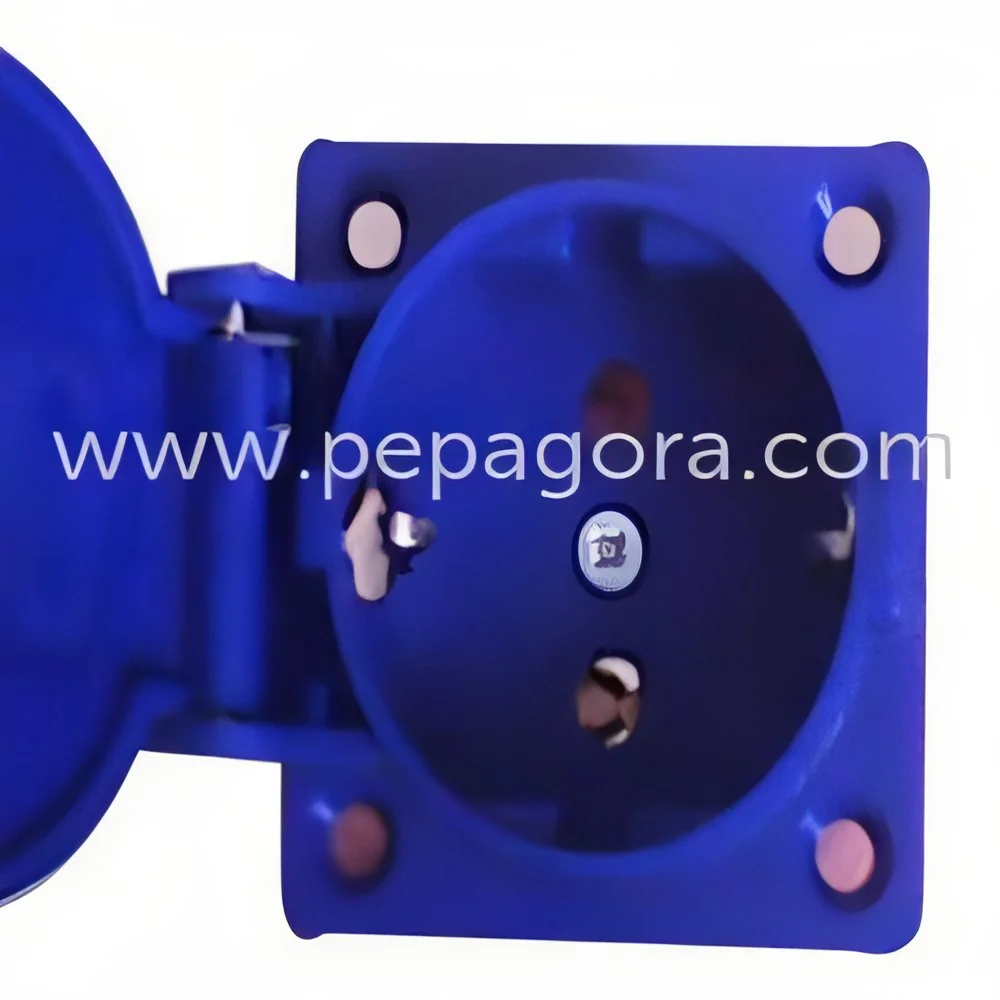
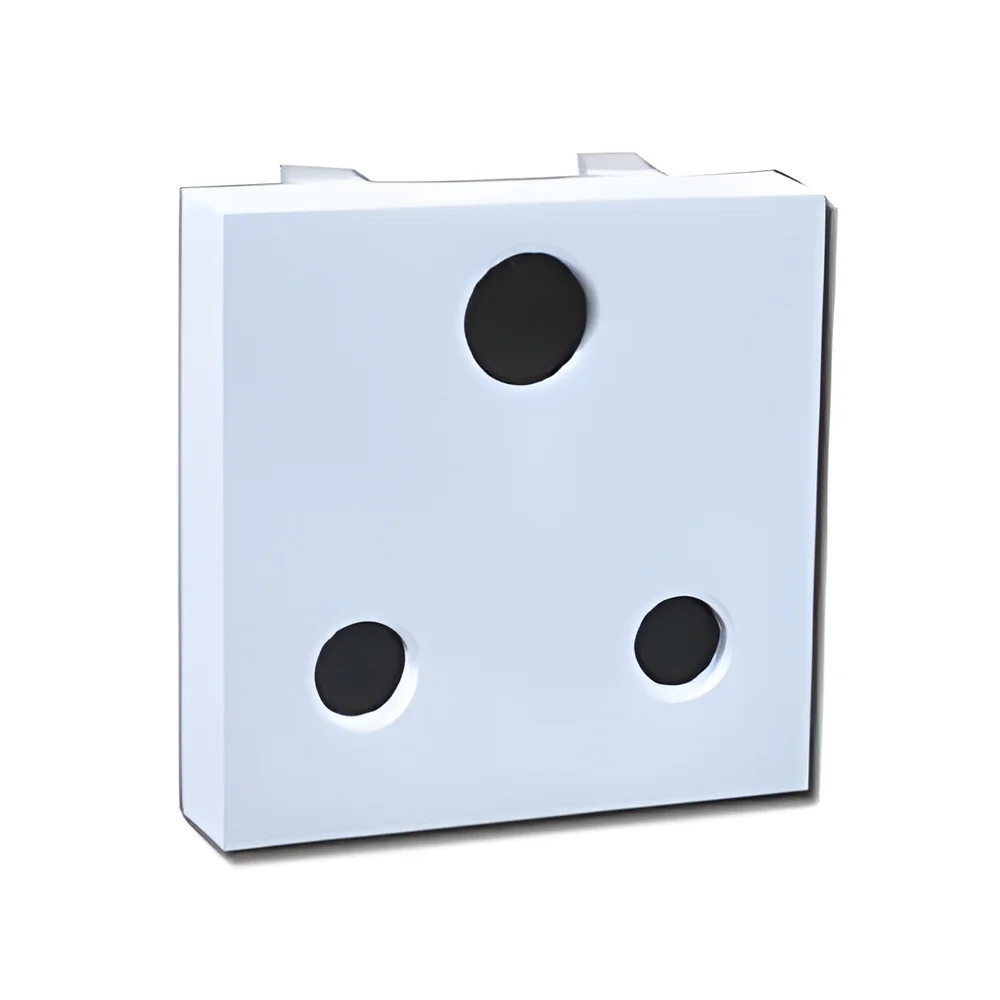
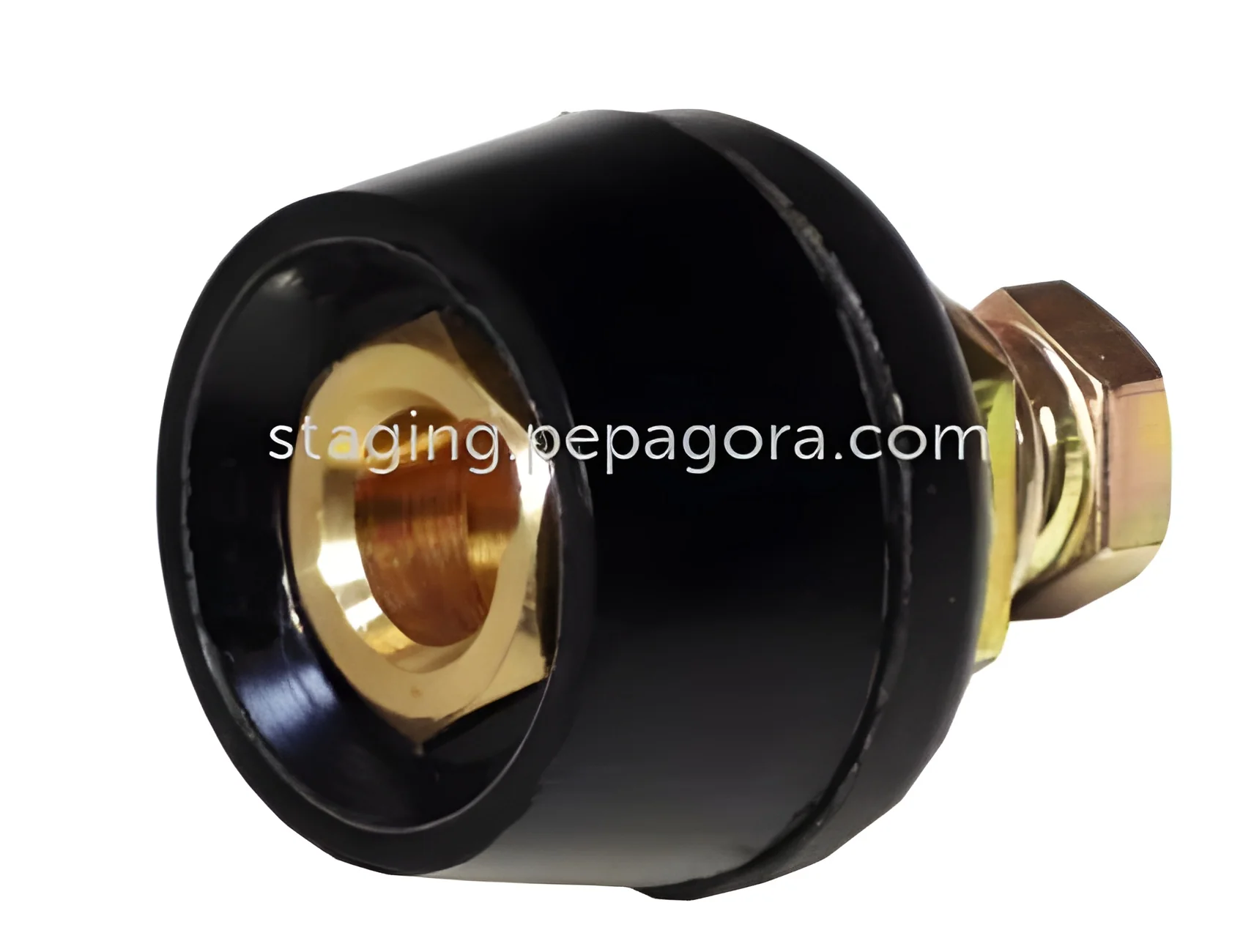
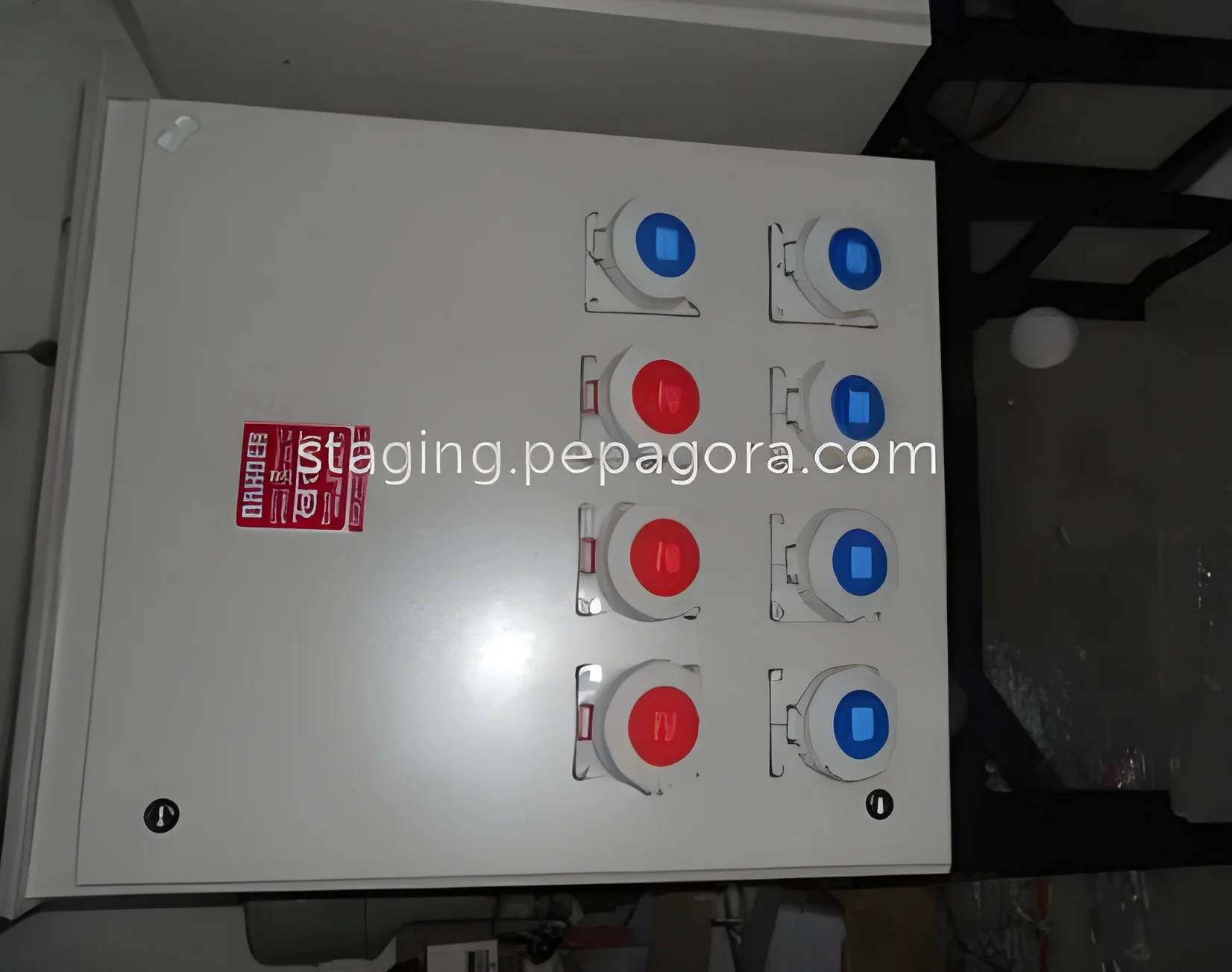
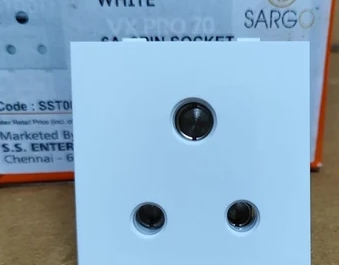
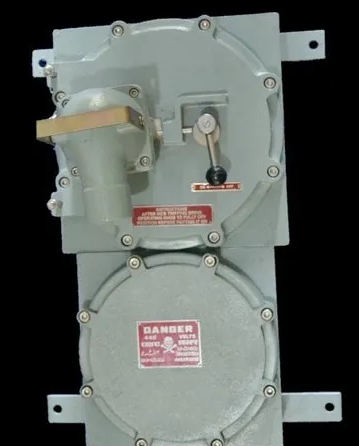
Industrial sockets and plugs are essential electrical components that facilitate the connection of equipment to power sources in various industrial settings. These devices are designed to handle high currents and voltages, ensuring a reliable and safe electrical supply. Industrial sockets, typically mounted on walls or panels, provide a secure point for connecting plugs from machines and tools. Plugs are the male connectors that fit into these sockets, allowing for easy and efficient operation.
These products are primarily used in manufacturing, construction, and other heavy-duty industries where robust electrical connectivity is crucial. They support a wide range of applications including powering machinery, tools, and equipment in workshops, factories, and construction sites. The relevance of industrial sockets and plugs is underscored by their ability to enhance operational efficiency while ensuring safety and compliance with electrical standards in various sectors.
Key Features and Specifications
Industrial sockets and plugs are characterized by their robust design and performance specifications. They are built to withstand harsh environmental conditions and heavy use in industrial applications.
Key specifications include:
1. Voltage Rating
- Common voltage ratings include 230V, 400V, and higher.
- Ensures compatibility with various equipment and applications.
2. Current Rating
- Available in ratings such as 16A, 32A, and 63A.
- Indicates the maximum load the socket and plug can handle safely.
3. Protection Rating
- Often rated IP44, IP67, or higher.
- Indicates resistance to dust and water ingress.
4. Material Composition
- Typically made from durable materials such as thermoplastic or metal.
- Provides resistance to mechanical stress and chemical exposure.
5. Number of Poles
- Available in configurations such as 2-pole, 3-pole, and 5-pole.
- Determines the type of electrical supply and safety features.
6. Locking Mechanism
- Features like twist-lock or latch mechanisms.
- Ensures secure connections and prevents accidental disconnection.
7. Temperature Range
- Designed to operate in extreme temperatures; specific data not available.
- Maintains functionality in varying environmental conditions.
8. Compliance Standards
- Must meet international standards such as CE.
- Ensures safety and reliability in use.
Industrial sockets and plugs are essential for maintaining safe and efficient operations in industrial environments, making it crucial to choose products that meet these specifications.
Common Applications and Use Cases
Industrial sockets and plugs serve a diverse range of industries, providing critical connectivity for various applications.
1. Manufacturing: In manufacturing facilities, these devices are used to connect heavy machinery, ensuring a reliable power supply for operations such as assembly lines and automated equipment.
2. Construction: On construction sites, industrial sockets and plugs are utilized to power tools and machinery, enabling efficient work processes and ensuring safety in temporary setups.
3. Mining: In the mining sector, these connectors are vital for powering equipment in harsh environments, where durability and reliability are paramount.
4. Oil and Gas: Industrial sockets and plugs are used in drilling and extraction operations, providing robust electrical connections in remote and challenging locations.
5. Agriculture: In agricultural settings, they connect various equipment, such as irrigation systems and machinery, ensuring efficient operation.
6. Event Management: Temporary setups for events often rely on industrial sockets and plugs for power distribution, ensuring sufficient electricity for lighting and sound systems.
7. Transportation: In logistics and transportation, these devices are used to power loading and unloading equipment, enhancing efficiency in operations.
Product Variants and Subcategories
Industrial sockets and plugs come in a variety of configurations to meet specific needs in different applications.
Heavy-Duty Sockets
These sockets are designed for high-current applications and provide robust connections for heavy machinery. They are often used in manufacturing and construction settings where power demands are significant.
Weatherproof Plugs
Weatherproof plugs are specifically designed for outdoor use, featuring enhanced sealing and protective features. They are ideal for construction sites and outdoor events, ensuring reliability in adverse weather conditions.
Compact Sockets
Compact sockets are designed for space-constrained applications. They offer the same level of performance in a smaller footprint, making them suitable for crowded industrial panels.
Portable Plugs
Portable plugs allow for quick connections in temporary setups. They are commonly used in event management and construction sites, where flexibility and mobility are essential.
Benefits and Advantages
Industrial sockets and plugs offer numerous advantages that enhance operational efficiency and safety.
1. Enhanced Safety: These products are designed with safety features that prevent electrical hazards, ensuring a secure working environment.
2. Durability: Built to withstand harsh conditions, they provide long-lasting performance even in demanding industrial applications.
3. Ease of Use: Their design allows for quick and easy connections, enabling efficient operation and reducing downtime.
4. Versatility: Available in various configurations, they can be used across multiple industries and applications, providing flexibility.
5. Compliance Assurance: Meeting international standards ensures that these products are reliable and safe for use, reducing the risk of legal issues.
6. Cost-Effective: Investing in high-quality industrial sockets and plugs reduces maintenance costs and downtime, ultimately saving money.
Buying Guide for B2B Buyers
When sourcing industrial sockets and plugs, there are several key factors to consider to ensure you make an informed decision.
1. Quality Assessment: Evaluate the materials and design of the sockets and plugs to ensure they meet industry standards for safety and durability. Look for certifications like CE that guarantee quality.
2. Supplier Verification: Vet potential suppliers by checking their reputation, reviews, and compliance with industry standards. A reliable supplier can provide consistent quality and support.
3. Pricing and MOQ: Consider the pricing structure, including minimum order quantities, as this can impact your budget and inventory management.
4. Delivery and Lead Times: Assess the supplier's ability to meet your delivery requirements. Timely delivery is crucial to maintaining your operations without interruptions.
5. Compliance Requirements: Ensure that the products meet any regional compliance regulations to avoid legal issues and ensure safety in your operations.
Compliance and Certifications
Compliance with industry standards and regulations is critical for industrial sockets and plugs. These products must adhere to relevant quality standards, ensuring safety and reliability in use. ISO 9001 is one such standard that focuses on quality management systems, ensuring manufacturers deliver consistent quality.
Industry certifications like CE indicate that the products meet European safety, health, and environmental protection standards. This certification is essential for products sold in European markets and assures buyers of compliance with safety regulations.
Safety and testing requirements are also crucial, as these products must undergo rigorous testing to ensure they can withstand the demands of industrial applications. Regional compliance considerations may differ, so it is essential to be aware of the specific regulations applicable in your locality and industry.
Why Source Industrial Sockets & Plugs from Pepagora?
Pepagora provides a trusted platform for sourcing industrial sockets and plugs, offering several key advantages to B2B buyers.
Verified Supplier Network: Pepagora features a network of verified suppliers, ensuring that buyers can source high-quality products with confidence. This verification process helps minimize risks associated with purchasing from unproven suppliers.
Streamlined RFQ Process: The platform offers a streamlined Request for Quotation (RFQ) process, making it easy for buyers to compare prices and specifications from multiple suppliers. This efficiency helps in making informed purchasing decisions.
Trade Assurance and Support: Buyers benefit from trade assurance programs that safeguard their purchases, providing protection against potential issues with orders. Additionally, Pepagora offers customer support to assist throughout the buying process.
Regional Coverage: With a strong presence in India, the GCC, and Southeast Asia, Pepagora ensures that buyers can easily access suppliers in these regions. This geographic reach enhances the availability of products and services, catering to a broad range of industrial needs.

 IN
IN