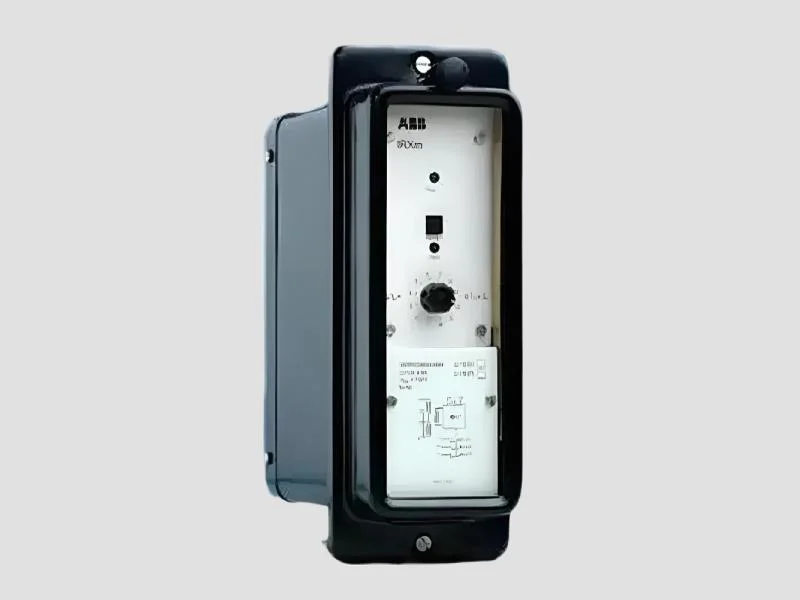
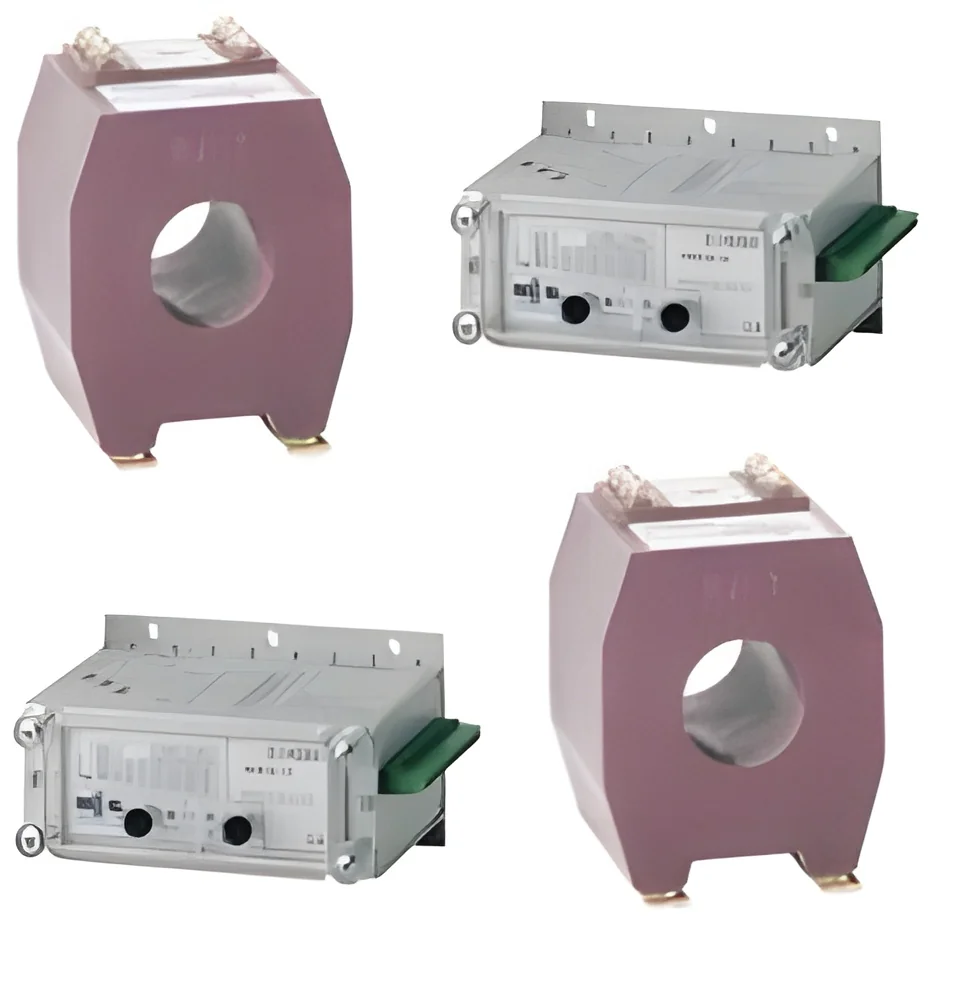
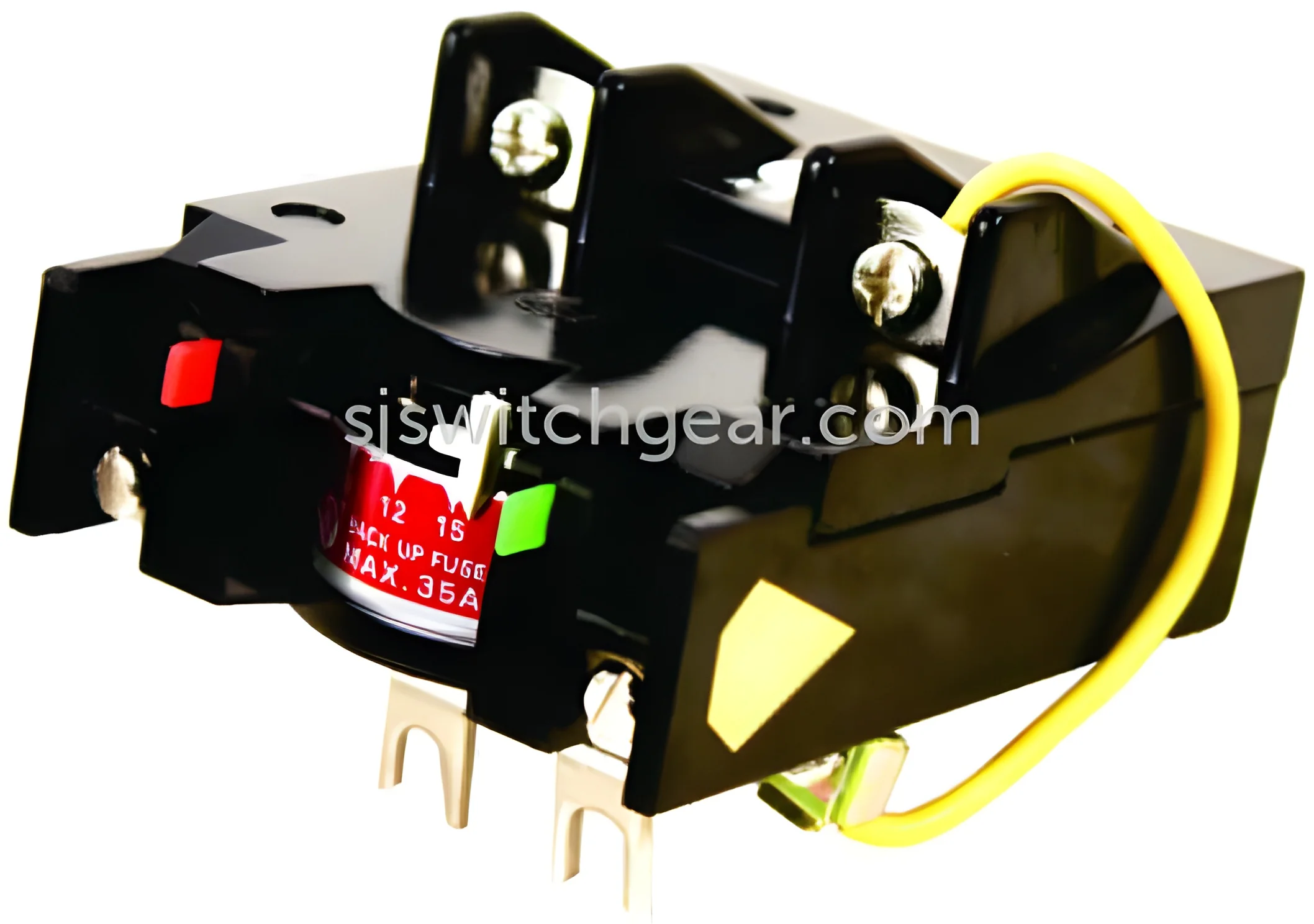
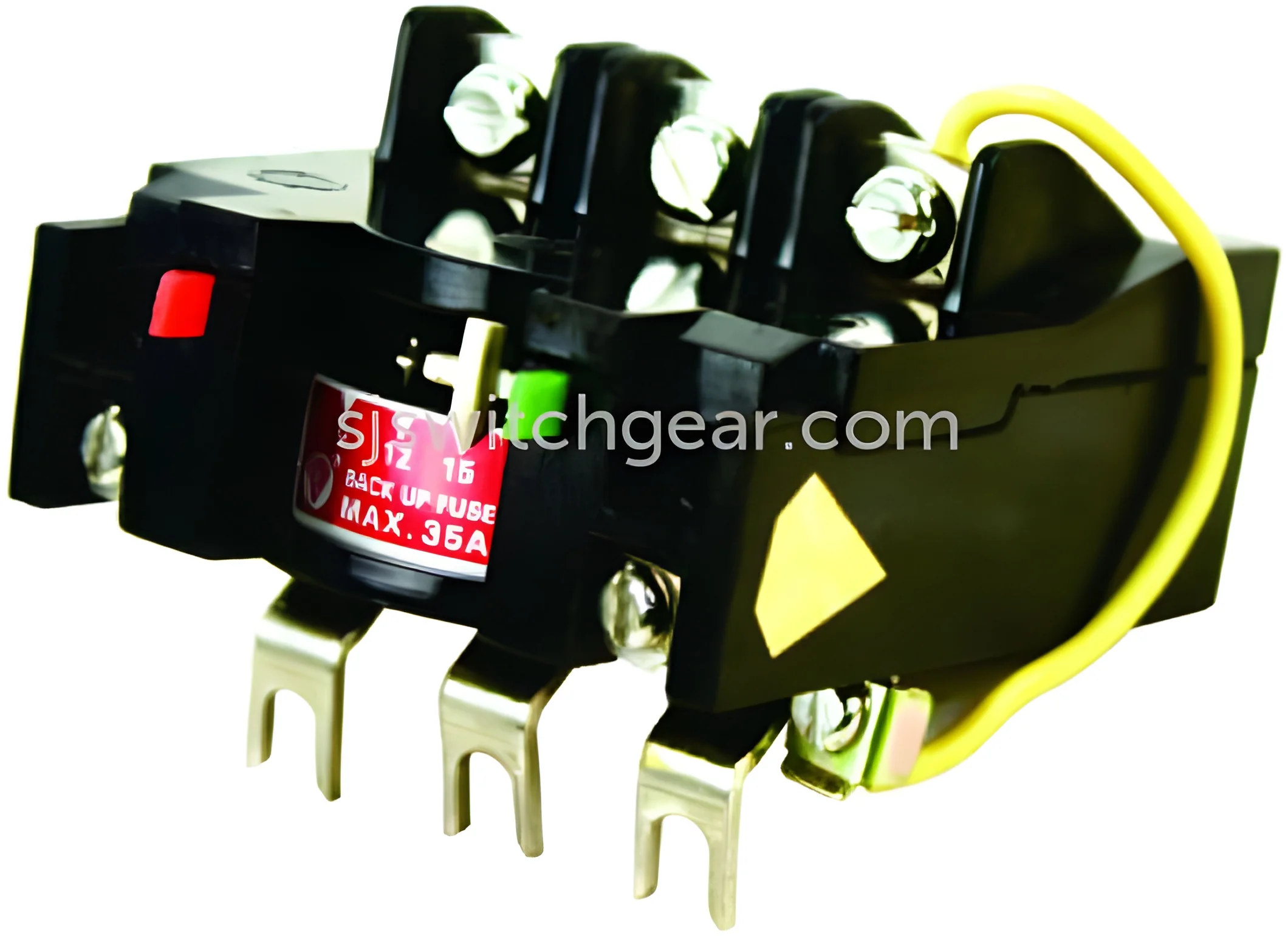
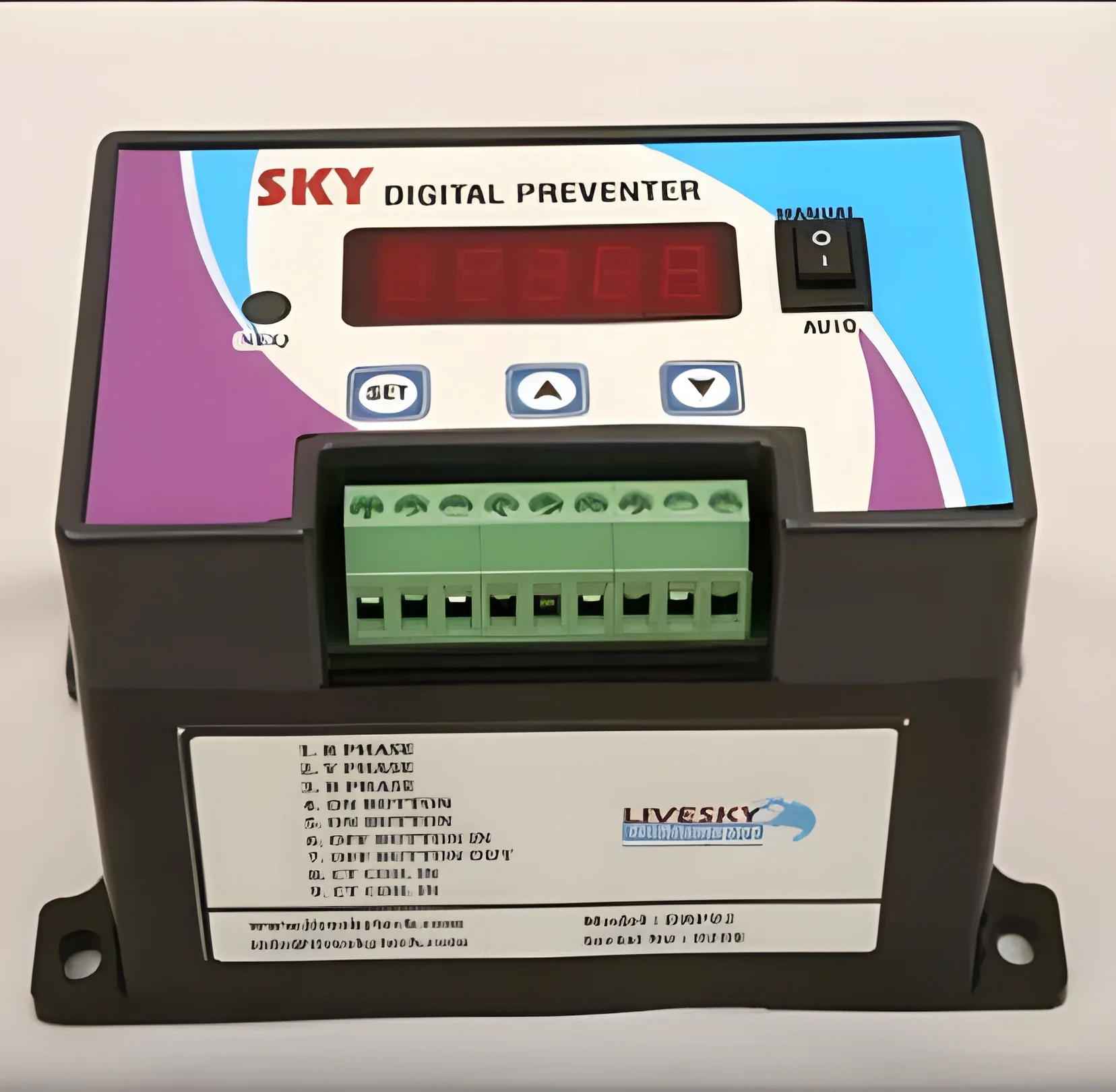
What are Overload Relays?
Overload relays are electrical devices designed to protect motors from overheating due to excessive current. They function by interrupting the electrical circuit when the current exceeds a preset limit, thereby preventing potential damage to the motor. By monitoring the current flow, these relays ensure that motors operate within safe limits and help maintain overall system integrity.
In business applications, overload relays are primarily used in industrial and commercial settings where electric motors are commonplace. They are essential in machinery, conveyor systems, and HVAC systems, ensuring reliable operation and reducing the risk of costly downtime. The relevance of overload relays in various industries is underscored by their ability to enhance safety and efficiency, thus playing a critical role in operational continuity.
With the increasing demand for automation and efficiency in manufacturing and production processes, the market for overload relays is expected to grow. Businesses are increasingly recognizing the importance of investing in quality protection devices to safeguard their equipment and enhance productivity.
Key Features and Specifications
Overload relays come with a variety of features and specifications that cater to different operational requirements. Their design and functionality make them integral components in protecting motors across various applications.
Key specifications include:
1. Current Rating
- Indicates the maximum current the relay can handle.
- Typical ranges can vary from 0.1A to 100A or more, depending on the application.
2. Voltage Rating
- Specifies the maximum voltage the relay can operate under.
- Common voltage ratings include 230V, 400V, and 600V.
3. Trip Class
- Defines the time it takes for the relay to trip when overload conditions occur.
- Classes range from 5 to 30, with lower numbers indicating faster response times.
4. Reset Type
- Describes how the relay resets after tripping.
- Options include manual reset, automatic reset, or semi-automatic reset.
5. Temperature Range
- Specifies the operational temperature range for the relay.
- Typically from -20°C to 60°C.
6. Enclosure Type
- Indicates the housing protection level against environmental factors.
- Common types include IP20, IP54, and IP65.
7. Mounting Type
- Defines how the relay is installed in a panel or enclosure.
- Mounting options include DIN rail, panel mount, and surface mount.
8. Certification
- Indicates compliance with industry standards for safety and performance.
- Common certifications include CE and UL.
In summary, selecting overload relays with the right specifications is crucial for ensuring motor protection and operational efficiency in industrial settings.
Common Applications and Use Cases
Overload relays are widely utilized in various industries, providing essential protection for electric motors and machinery.
1. Manufacturing: In manufacturing plants, overload relays are critical for protecting conveyor belts, assembly lines, and machining equipment from motor failure due to overload conditions.
2. HVAC: In heating, ventilation, and air conditioning systems, these relays safeguard compressor motors, ensuring they do not overheat and fail during operation.
3. Water Treatment: Overload relays protect pumps in water treatment facilities by preventing motor burnout caused by excessive loads during peak operational periods.
4. Agriculture: In agricultural equipment, overload relays help protect motors in irrigation systems and processing machines, ensuring efficient operation.
5. Mining: In the mining industry, overload relays play a vital role in protecting heavy machinery and equipment from motor damage due to overloads.
6. Construction: Overload relays are used in construction equipment to protect motors in cranes, mixers, and other heavy machinery from overheating.
7. Food Processing: In food processing plants, these relays protect motors in mixers and conveyors, ensuring safe and efficient operations.
Product Variants and Subcategories
Overload relays are available in various designs to meet specific industrial needs. This diversity allows businesses to select the most suitable relay for their applications.
Electromechanical Overload Relays
These relays use mechanical components to detect overload conditions. They are known for their reliability and are widely used in various industrial applications, providing a proven solution for motor protection.
Electronic Overload Relays
Electronic overload relays offer advanced features such as adjustable trip settings and enhanced monitoring capabilities. They provide greater precision in detecting overload conditions and are suitable for modern, automated systems.
Solid-State Overload Relays
Solid-state overload relays utilize electronic components instead of mechanical ones, allowing for faster response times and increased durability. They are ideal for applications where space is limited and efficiency is critical.
Benefits and Advantages
Overload relays provide numerous benefits that enhance the reliability and efficiency of motor systems.
1. Enhanced Protection: Overload relays prevent motor damage due to overheating, extending the lifespan of equipment.
2. Reduced Downtime: By minimizing the risk of motor failure, these relays help maintain continuous operation, reducing costly downtime.
3. Improved Safety: Overload relays enhance workplace safety by reducing the risk of electrical fires and equipment malfunctions.
4. Cost-Effective Solution: Investing in overload relays can lead to significant savings by preventing damage and the associated repair costs.
5. Easy Integration: Overload relays can be easily integrated into existing systems, making them a versatile choice for various applications.
6. Customizable Settings: Many overload relays allow for adjustable trip settings, enabling businesses to tailor their motor protection to specific operational needs.
Buying Guide for B2B Buyers
When sourcing overload relays, it is essential to consider several factors to ensure you make informed purchasing decisions.
1. Quality Assessment: Evaluate the quality of the relays by examining the materials used and the manufacturing processes. Look for relays that meet recognized industry standards to ensure reliability.
2. Supplier Verification: Vet suppliers by checking their credentials, customer reviews, and industry reputation. A reliable supplier will provide consistent quality and support.
3. Pricing and MOQ: Consider the pricing structure and minimum order quantities (MOQ) set by suppliers. Ensure that the costs align with your budget while maintaining quality.
4. Delivery and Lead Times: Assess the delivery schedules and lead times offered by suppliers. Ensure they can meet your operational timelines to avoid disruptions.
5. Compliance Requirements: Verify that the overload relays comply with relevant industry standards and regulations. This is crucial for ensuring safety and reliability in your operations.
Compliance and Certifications
Overload relays must adhere to various compliance standards to ensure quality and safety. Commonly recognized standards include ISO 9001, which outlines quality management systems, ensuring consistent quality in manufacturing processes.
Additionally, industry certifications such as CE indicate that the products meet European safety and environmental requirements. Compliance with safety and testing requirements is vital for ensuring that overload relays perform effectively and safely in industrial applications.
Regional compliance considerations also play a significant role, as different regions may have specific regulations that govern electrical devices. Businesses must ensure that the relays they source meet the necessary compliance standards in their operating regions.
Why Source Overload Relays from Pepagora?
Pepagora provides a trusted platform for sourcing overload relays, offering several key advantages for B2B buyers.
Verified Supplier Network: Pepagora connects buyers with a network of verified suppliers, ensuring that quality and reliability are prioritized. This vetting process helps businesses find the best products for their needs.
Streamlined RFQ Process: The request for quotation (RFQ) process on Pepagora is designed to be efficient, allowing buyers to receive competitive quotes from multiple suppliers quickly. This saves time and facilitates better decision-making.
Trade Assurance and Support: Pepagora offers trade assurance and support to buyers, providing protection throughout the purchasing process. This includes assistance with resolving any issues that may arise, ensuring a smooth transaction.
Regional Coverage: With a strong presence in India, the GCC, and Southeast Asia, Pepagora provides extensive geographic reach. This allows businesses to source overload relays from local suppliers, reducing shipping times and costs while supporting regional economies.

 IN
IN