𝗪𝗵𝗮𝘁 𝗮𝗿𝗲 𝗥𝗲𝗺𝗼𝘁𝗲 𝗠𝗼𝗻𝗶𝘁𝗼𝗿𝗶𝗻𝗴 𝗨𝗻𝗶𝘁𝘀?
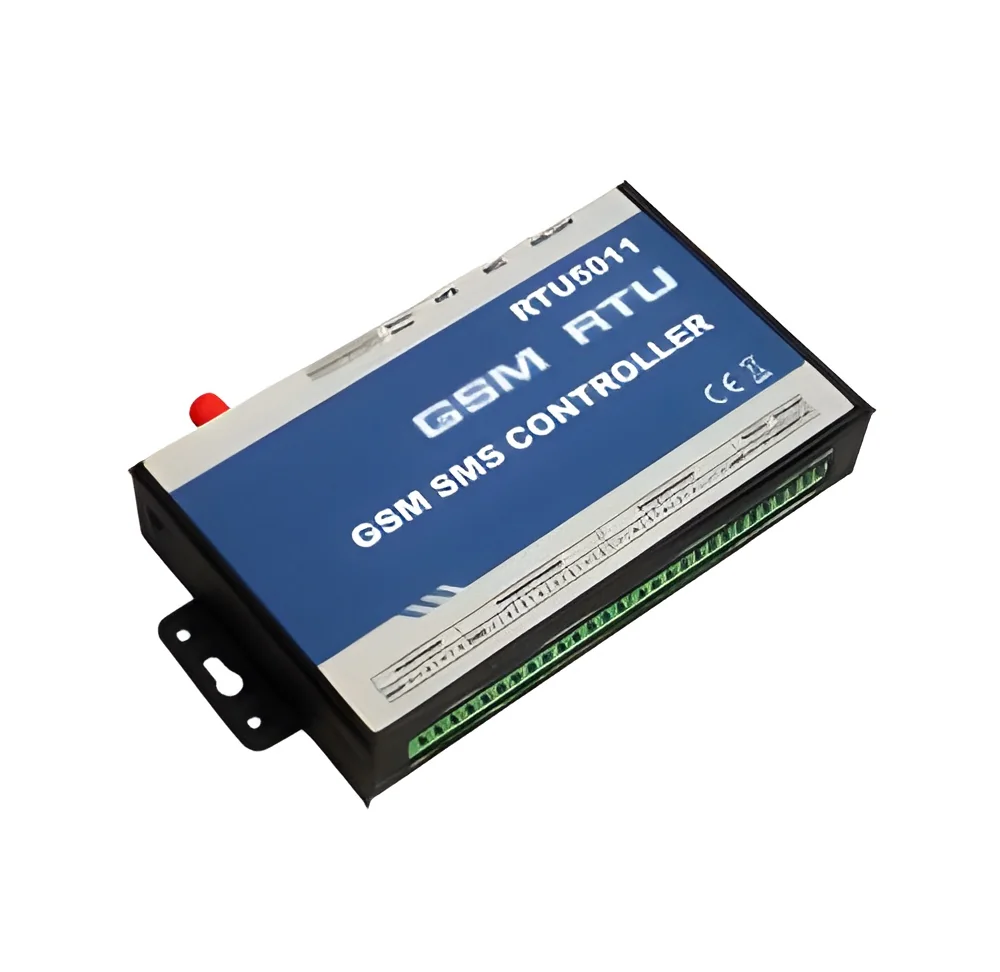
Remote Monitoring Units (RMUs) are sophisticated devices designed to continuously track and report environmental conditions and operational parameters from a distance. These units are equipped with various sensors that measure factors such as temperature, humidity, and other critical metrics. The data collected is transmitted in real-time to a centralized system, allowing users to monitor conditions without being physically present at the site.
RMUs find extensive applications across numerous industries, including pharmaceuticals, food and beverage, and manufacturing. They are particularly valuable in environments where maintaining specific conditions is crucial for product quality and safety. Businesses utilize these units to ensure compliance with regulatory standards, prevent product spoilage, and optimize operational efficiency. With the increasing demand for automation and remote monitoring, the market for RMUs continues to grow.
As industries evolve, the relevance of Remote Monitoring Units becomes increasingly pronounced. The need for real-time data analytics and proactive management strategies pushes businesses to adopt these technologies. In the current market landscape, RMUs are not just a luxury but a necessity for companies striving to enhance productivity and ensure compliance with stringent industry standards.
𝗞𝗲𝘆 𝗙𝗲𝗮𝘁𝘂𝗿𝗲𝘀 𝗮𝗻𝗱 𝗦𝗽𝗲𝗰𝗶𝗳𝗶𝗰𝗮𝘁𝗶𝗼𝗻𝘀
Remote Monitoring Units incorporate a range of features designed to meet diverse industry needs. These specifications contribute to their functionality, reliability, and effectiveness in various applications.
Key specifications include:
1. Monitoring Features
- Comprehensive tracking of environmental parameters
- Real-time data transmission capabilities
2. Communication Protocols
- Support for various protocols like Wi-Fi, Ethernet, and cellular
- Ensures seamless integration with existing systems
3. Sensor Types
- Various sensors available for temperature, humidity, and other metrics
- Customizable options based on specific monitoring requirements
4. Data Storage
- Local and cloud-based storage options available
- Facilitates easy access and historical data analysis
5. Power Supply
- Options for battery-powered and line-powered units
- Provides flexibility in installation and operation
6. User Interface
- Intuitive dashboards for easy monitoring
- Mobile app compatibility for on-the-go access
7. Alert System
- Real-time alerts for deviations from set parameters
- Customizable notification settings to suit user preferences
8. Certifications
- Compliance with industry standards such as CE
- Ensures product reliability and safety
In summary, Remote Monitoring Units are equipped with advanced features that enhance their usability across various sectors. Their specifications cater to the needs of businesses looking to optimize their operations and ensure compliance.
𝗖𝗼𝗺𝗺𝗼𝗻 𝗔𝗽𝗽𝗹𝗶𝗰𝗮𝘁𝗶𝗼𝗻𝘀 𝗮𝗻𝗱 𝗨𝘀𝗲 𝗖𝗮𝘀𝗲𝘀
Remote Monitoring Units are utilized across multiple industries, each with unique applications that enhance operational efficiency and compliance.
1. Pharmaceuticals: RMUs are vital in monitoring storage conditions for medications, ensuring that temperature and humidity levels remain within specified ranges to maintain product efficacy.
2. Food and Beverage: These units track conditions during production and storage, helping companies comply with safety regulations and prevent spoilage.
3. Manufacturing: RMUs monitor machinery and environmental conditions in factories, enabling predictive maintenance and minimizing downtime.
4. Agriculture: In farming, RMUs are used to monitor soil moisture and climate conditions, aiding in precision agriculture practices.
5. Logistics: These units track the conditions of goods in transit, ensuring that temperature-sensitive products maintain their quality throughout the supply chain.
6. Data Centers: RMUs monitor environmental parameters in data centers, helping to manage cooling systems and prevent overheating of critical equipment.
7. Healthcare: In hospitals, these units monitor conditions in laboratories and storage areas for medical supplies, ensuring compliance with health regulations.
𝗣𝗿𝗼𝗱𝘂𝗰𝘁 𝗩𝗮𝗿𝗶𝗮𝗻𝘁𝘀 𝗮𝗻𝗱 𝗦𝘂𝗯𝗰𝗮𝘁𝗲𝗴𝗼𝗿𝗶𝗲𝘀
Remote Monitoring Units come in various configurations to meet the specific needs of different applications. Each variant offers distinct features tailored to particular industry requirements.
Variant 1: Temperature Monitoring Units
These units focus on tracking temperature variations in sensitive environments. They are ideal for pharmaceuticals and food industries, where precise temperature control is critical.
Variant 2: Environmental Monitoring Units
Designed to monitor multiple environmental parameters, these units provide comprehensive data about temperature, humidity, and air quality. They are widely used in manufacturing and logistics.
Variant 3: Wireless Monitoring Units
These units offer wireless connectivity for easier installation and flexibility. They are suitable for businesses looking to simplify their monitoring systems without extensive wiring.
Variant 4: Customizable Monitoring Units
These units allow businesses to select specific sensors and features based on their unique requirements. This flexibility makes them suitable for a wide range of applications.
𝗕𝗲𝗻𝗲𝗳𝗶𝘁𝘀 𝗮𝗻𝗱 𝗔𝗱𝘃𝗮𝗻𝘁𝗮𝗴𝗲𝘀
Remote Monitoring Units offer numerous advantages that enhance operational efficiency and compliance across industries.
1. Real-time Monitoring: Continuous data tracking enables immediate response to deviations, reducing the risk of product spoilage.
2. Improved Compliance: RMUs help businesses adhere to industry regulations by ensuring that environmental conditions are consistently monitored and documented.
3. Cost Efficiency: By preventing losses related to spoilage or equipment failure, RMUs ultimately save businesses money.
4. Enhanced Decision Making: Access to real-time data allows companies to make informed decisions quickly, optimizing their operations.
5. Increased Productivity: Automation of monitoring processes frees up staff to focus on other critical tasks, improving overall productivity.
6. Customization: With various sensor options and features, businesses can tailor RMUs to meet their specific monitoring needs.
𝗕𝘂𝘆𝗶𝗻𝗴 𝗚𝘂𝗶𝗱𝗲 𝗳𝗼𝗿 𝗕𝟮𝗕 𝗕𝘂𝘆𝗲𝗿𝘀
When sourcing Remote Monitoring Units, it is essential to consider several critical factors to ensure that you select the right product for your needs.
1. Quality Assessment: Evaluate the quality of RMUs by reviewing product specifications and manufacturer credentials. Look for industry certifications that indicate reliability.
2. Supplier Verification: Vet potential suppliers by checking their reputation, customer reviews, and experience in the industry. A trusted supplier is crucial for ongoing support and service.
3. Pricing and MOQ: Understand the pricing structure and minimum order quantities (MOQ) for RMUs. Compare costs across different suppliers to ensure competitive pricing.
4. Delivery and Lead Times: Discuss delivery options and lead times with suppliers to ensure timely receipt of your units. Consider logistics dependencies that may affect delivery schedules.
5. Compliance Requirements: Ensure that the RMUs meet relevant regulatory standards for your industry. This can include safety certifications and environmental compliance.
𝗖𝗼𝗺𝗽𝗹𝗶𝗮𝗻𝗰𝗲 𝗮𝗻𝗱 𝗖𝗲𝗿𝘁𝗶𝗳𝗶𝗰𝗮𝘁𝗶𝗼𝗻𝘀
Compliance with quality standards and certifications is paramount for Remote Monitoring Units. Adhering to regulations ensures product safety and reliability.
Relevant quality standards include ISO 9001, which outlines best practices for quality management systems. Compliance with HACCP guidelines is also critical in food and pharmaceutical industries to ensure safety in handling and storage.
Industry certifications, such as CE marking, indicate that the product meets European safety and health requirements. This certification is essential for companies looking to market their products in the European Union.
Safety and testing requirements ensure that RMUs are capable of operating effectively under various conditions. It is also important to consider regional compliance, as different regions may have specific regulations governing the use of monitoring equipment.
𝗪𝗵𝘆 𝗦𝗼𝘂𝗿𝗰𝗲 𝗥𝗲𝗺𝗼𝘁𝗲 𝗠𝗼𝗻𝗶𝘁𝗼𝗿𝗶𝗻𝗴 𝗨𝗻𝗶𝘁𝘀 𝗳𝗿𝗼𝗺 𝗣𝗲𝗽𝗮𝗴𝗼𝗿𝗮?
Pepagora provides a trusted platform for sourcing Remote Monitoring Units, offering several key advantages to buyers.
Verified Supplier Network: Pepagora has a rigorous supplier verification process, ensuring that only reputable manufacturers are listed on the platform. This gives buyers confidence in the quality of the products they are sourcing.
Streamlined RFQ Process: The platform simplifies the request for quotation (RFQ) process, allowing buyers to easily compare multiple suppliers and receive competitive pricing without hassle.
Trade Assurance and Support: Pepagora offers trade assurance to protect buyers throughout the purchasing process. This ensures that buyers receive the products as described and provides support in case of any issues.
Regional Coverage: With a strong presence in India, the GCC, and Southeast Asia, Pepagora connects buyers with suppliers across these regions, facilitating access to a diverse range of Remote Monitoring Units tailored to various industry needs.

 IN
IN