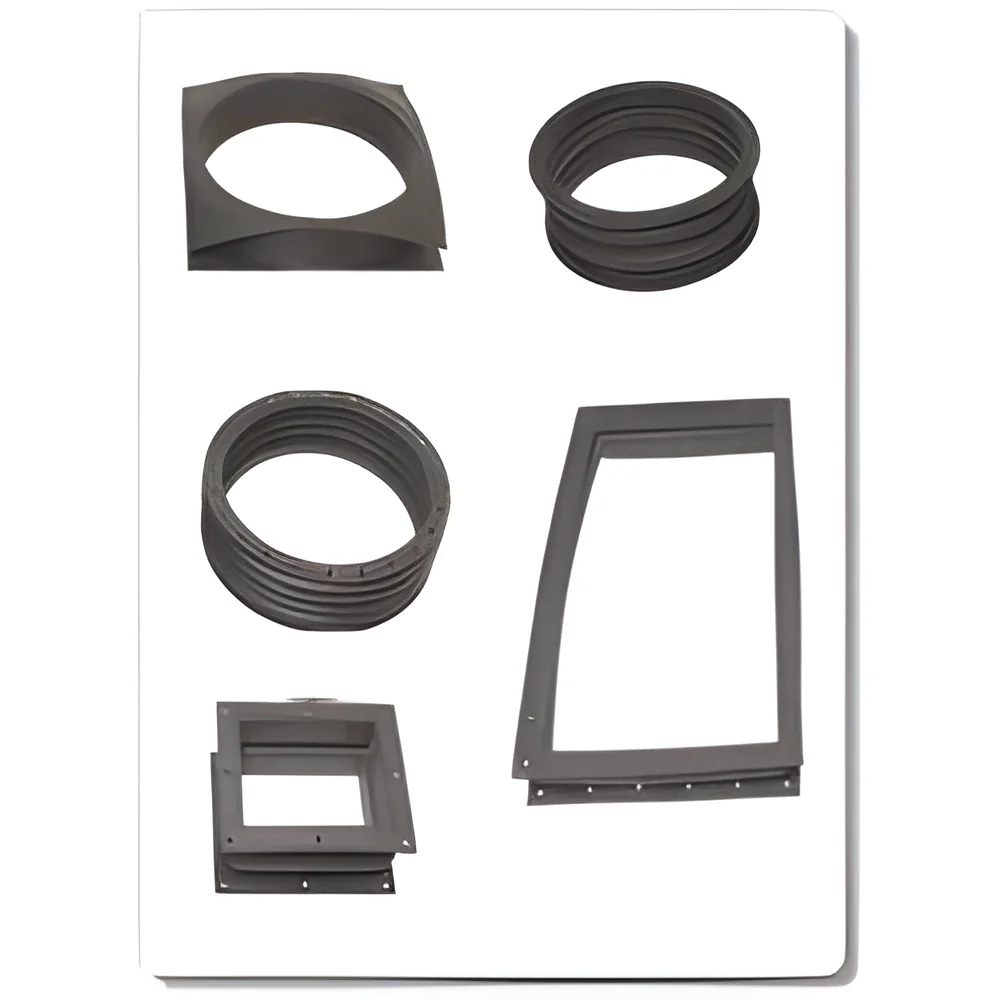
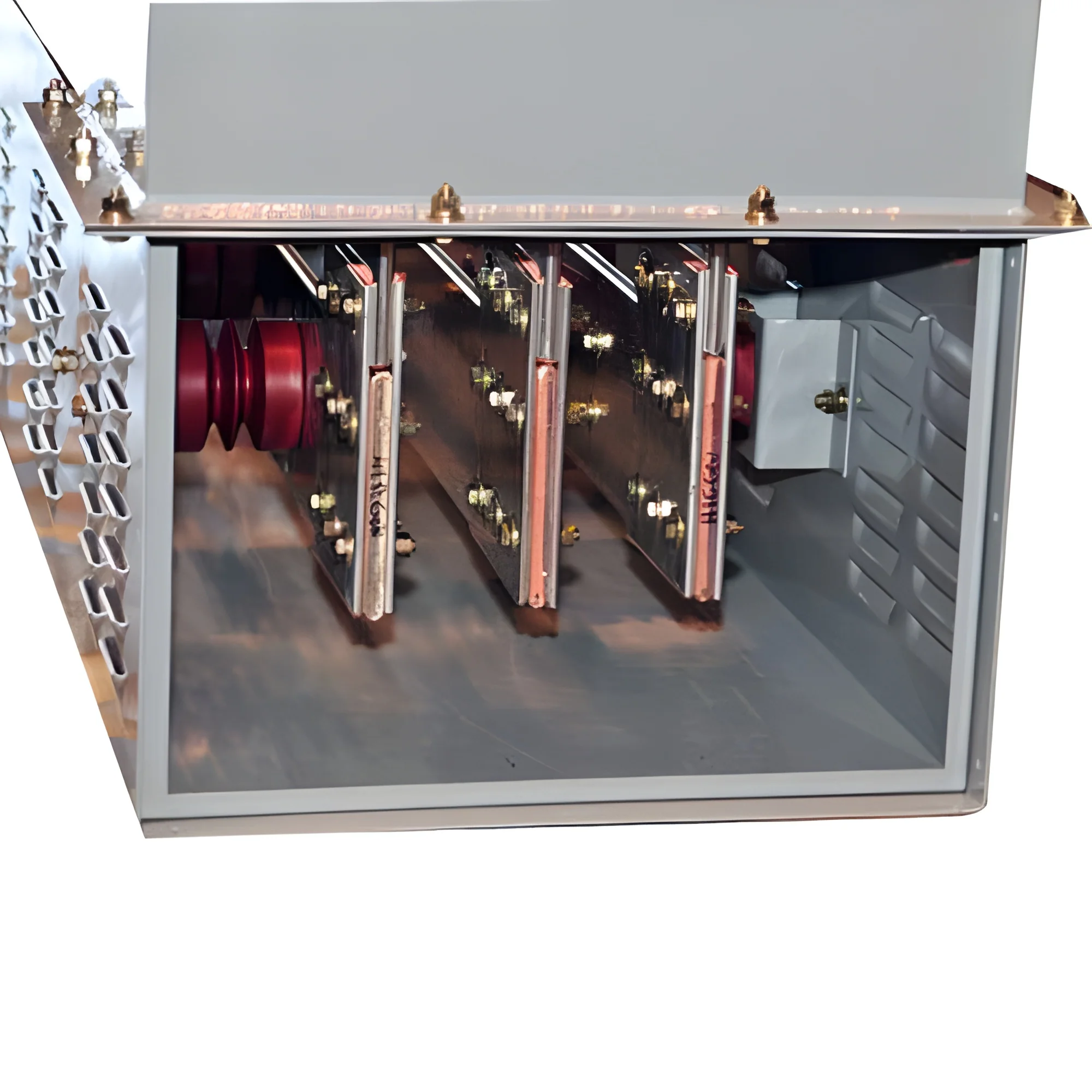
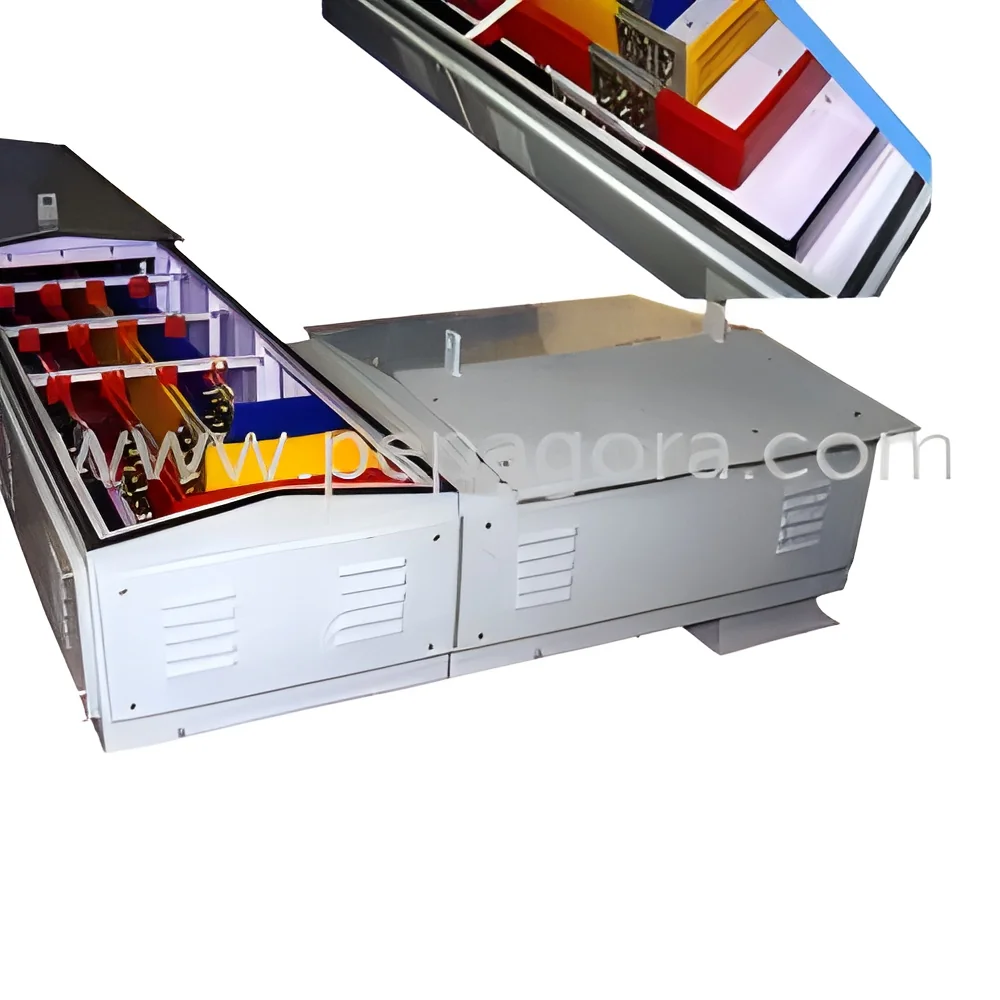
What are Bus Ducts & Rising Mains?
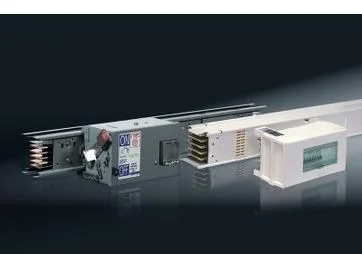
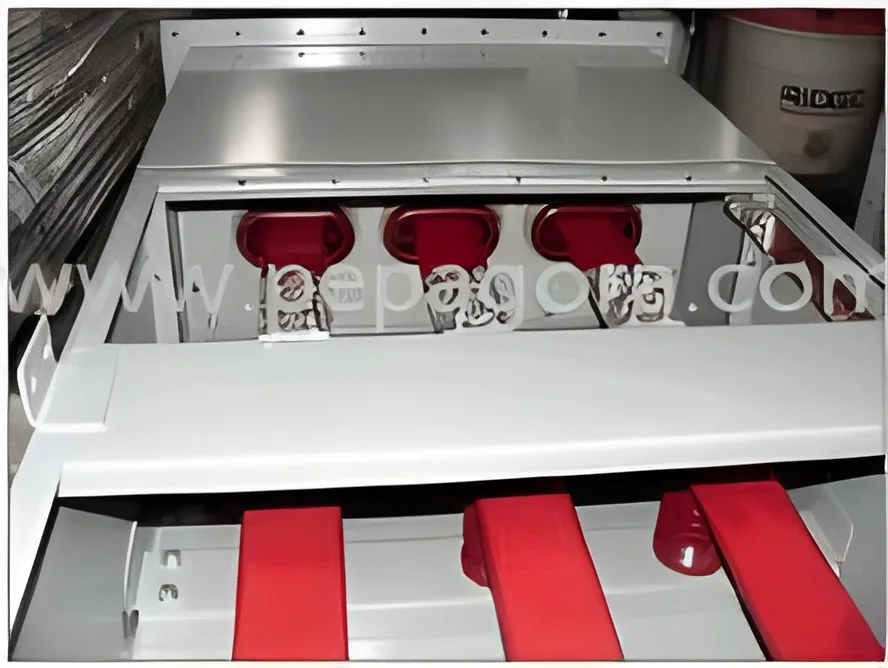
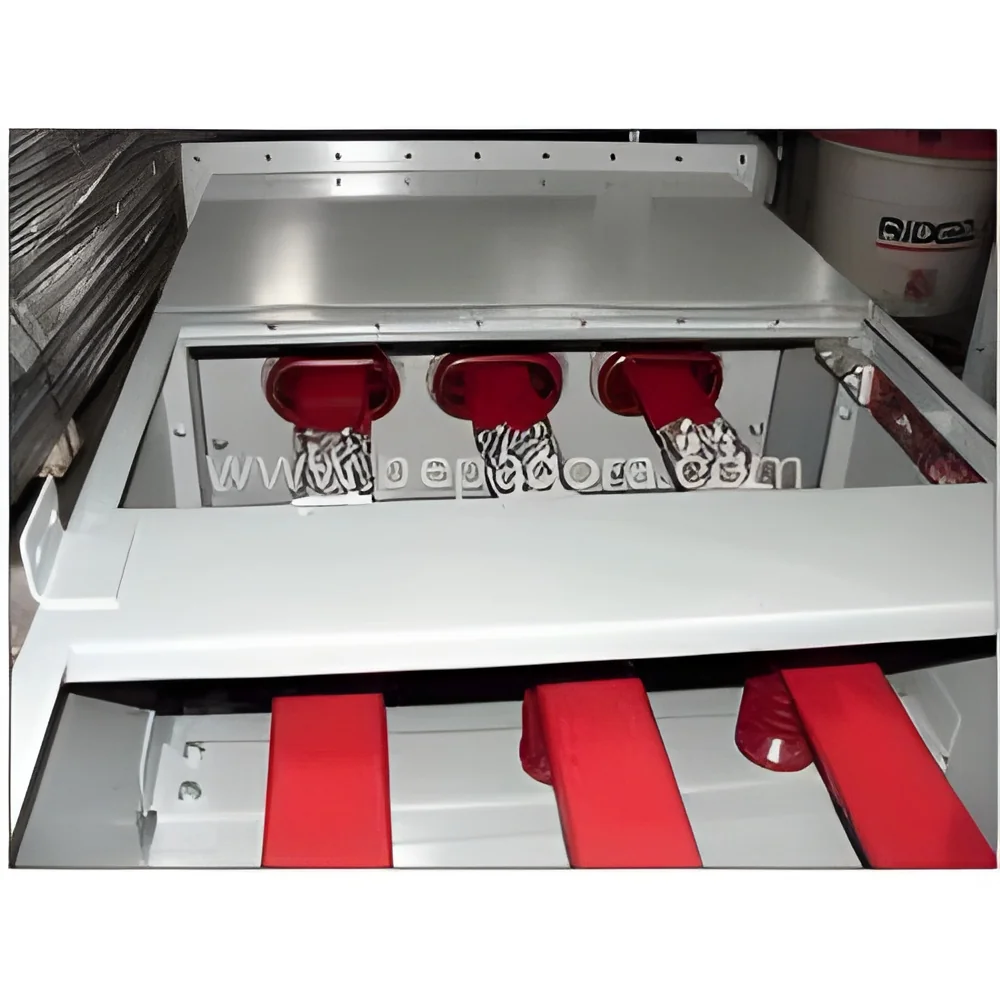
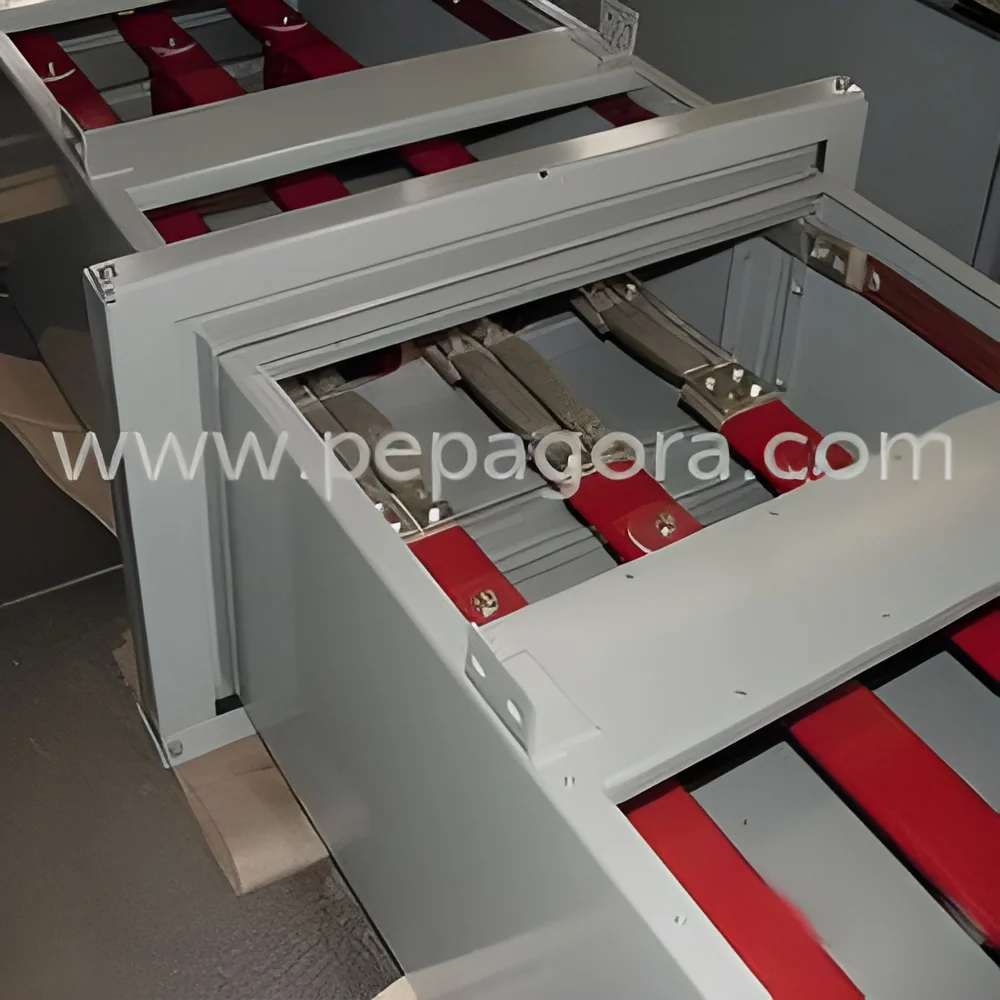
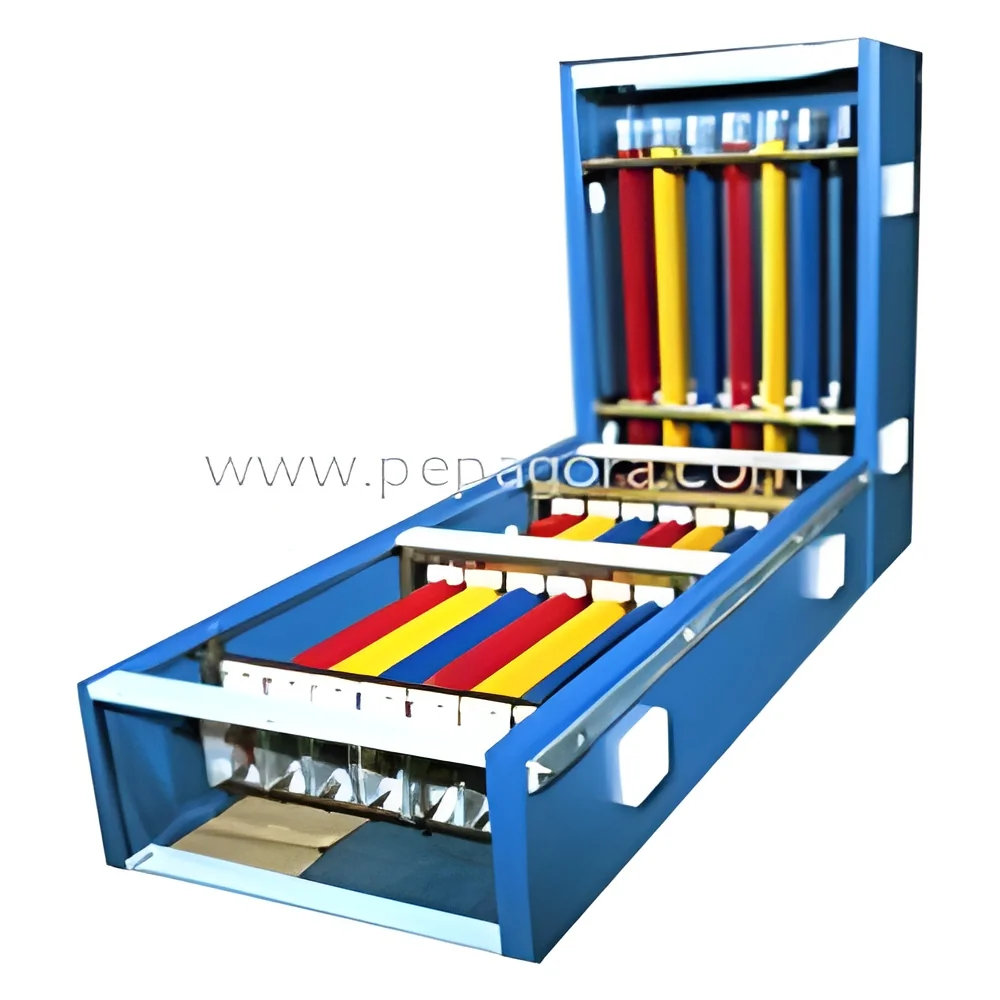
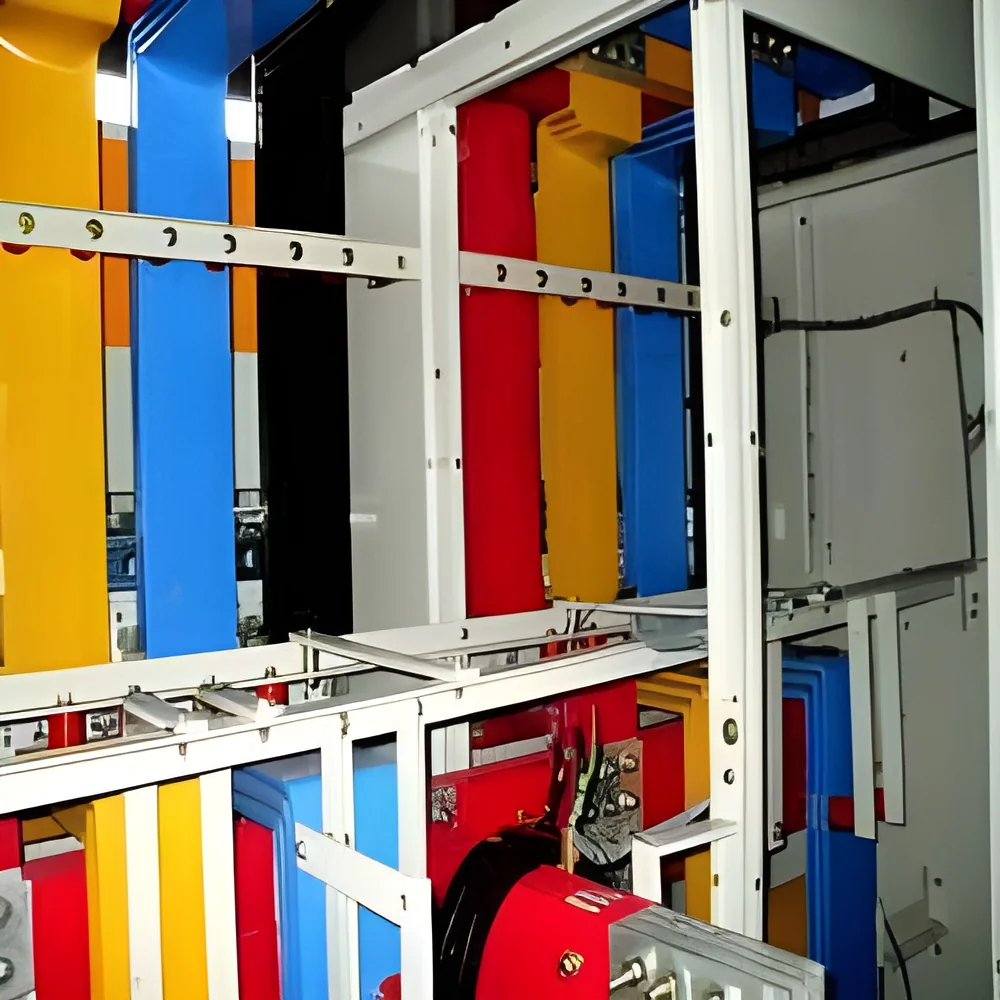
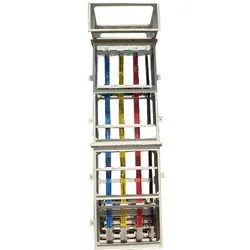
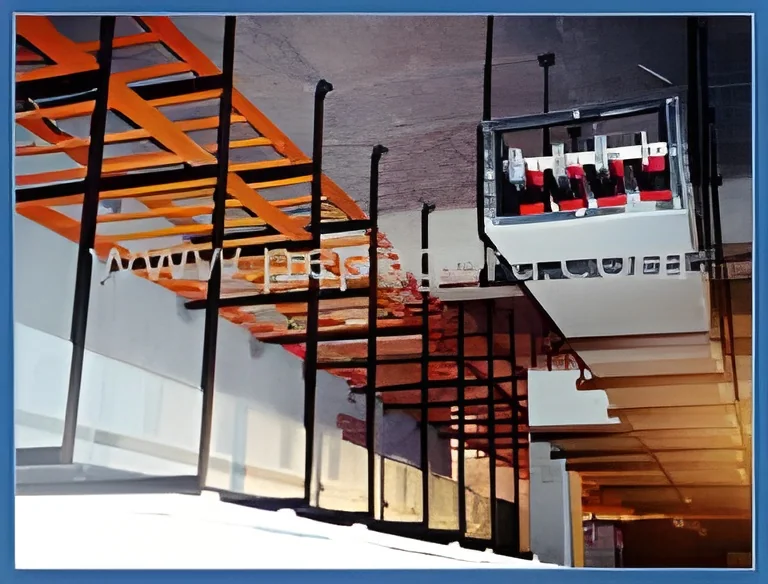
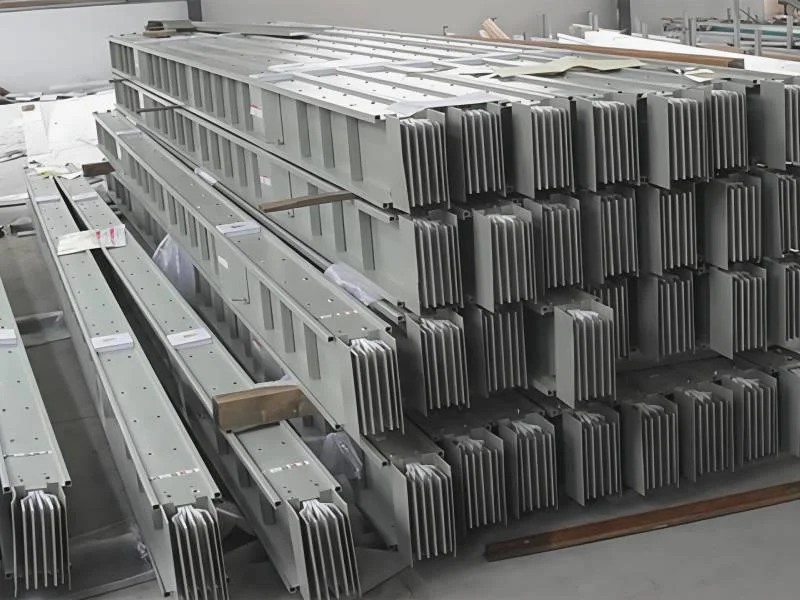
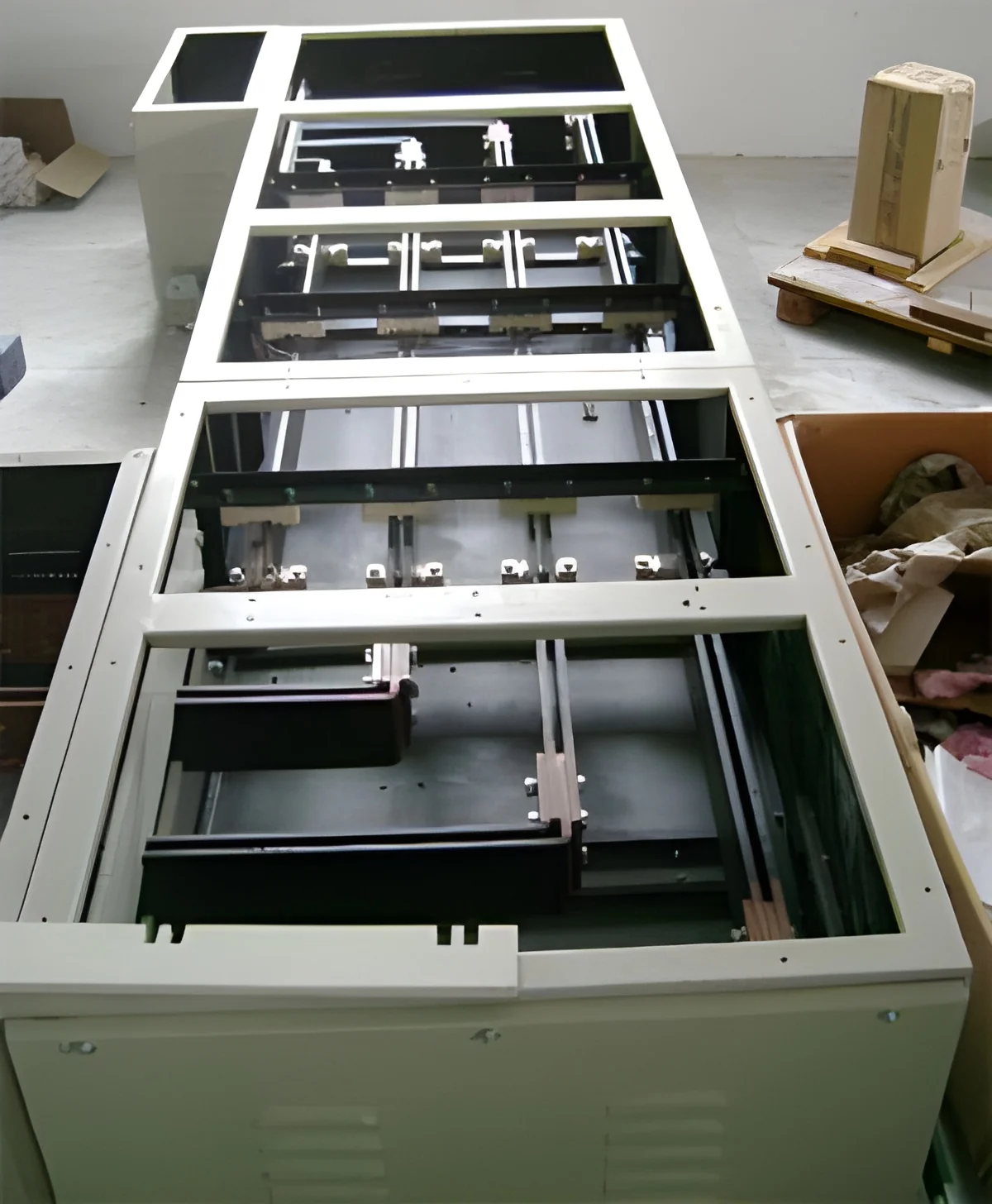
Bus ducts and rising mains are essential electrical distribution systems used to transport electrical power efficiently within commercial and industrial buildings. A bus duct consists of a metal enclosure containing busbars that carry electricity, while rising mains serve as vertical conduits that distribute electrical power from the main supply to various floors of a building. Both systems are designed to reduce electrical losses and improve the safety and reliability of power distribution.
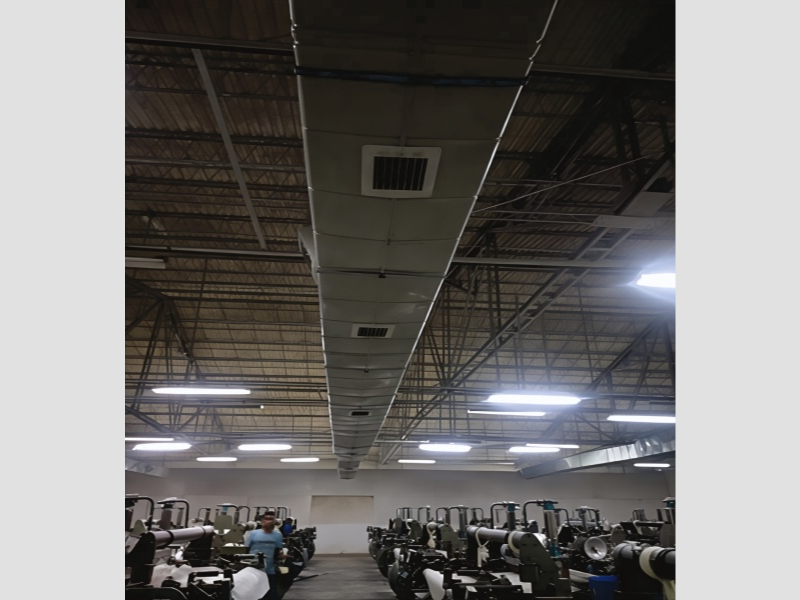
These systems find primary applications in large infrastructures such as factories, shopping malls, data centers, and high-rise buildings. They facilitate the safe and efficient transfer of electricity, helping to meet the growing demands of modern electrical systems. In industries where space is a premium, bus ducts and rising mains offer a compact solution that allows for easier installation and maintenance of electrical networks. Their significance is amplified in sectors that require high power loads and continuous operation, making them an integral part of contemporary electrical engineering.
Key Features and Specifications
Bus ducts and rising mains come with various features and specifications that cater to different industrial needs. Understanding these specifications is crucial for buyers looking to implement these systems in their operations.
Key specifications include:
1. Conductor Material
- Typically made from copper or aluminum
- Copper offers higher conductivity, while aluminum is lighter and more cost-effective
2. Busbar Configuration
- Available in single and three-phase arrangements
- Configuration affects load capacity and installation flexibility
3. Current Rating
- Varies according to application requirements, often ranging from 250A to 5000A
- Higher ratings support larger electrical loads
4. Enclosure Type
- Designed as either open or enclosed systems
- An enclosed design enhances safety and reduces the risk of environmental interference
5. Insulation Class
- Common insulation classes include Class B, Class F, and Class H
- Determines the temperature tolerance and reliability of the system under load
6. Length and Modular Design
- Bus ducts can be customized in length and modularity
- Allows for easy expansion and adaptation to changing facility layouts
7. Certification
- Must meet industry standards such as CE certification
- Ensures compliance with safety and performance regulations
8. Temperature and Humidity Control
- Typically designed to operate within specific temperature ranges
- Humidity control measures are often implemented to enhance longevity
In summary, understanding the key features and specifications of bus ducts and rising mains is essential for making informed purchasing decisions. Buyers should consider these aspects to ensure optimal performance and compliance with industry standards.
Common Applications and Use Cases
Bus ducts and rising mains serve a wide range of industries with unique electrical distribution needs.
1. Manufacturing: In manufacturing facilities, these systems provide efficient power distribution to machinery and equipment, ensuring smooth operations and minimizing downtime.
2. Commercial Buildings: In shopping malls and office complexes, bus ducts facilitate the distribution of power to lighting, HVAC systems, and elevators, critical for maintaining comfort and safety.
3. Data Centers: Rising mains are pivotal in data centers, delivering reliable power supply to servers and critical IT infrastructure, where power redundancy is essential.
4. Hospitals: In healthcare settings, bus ducts ensure uninterrupted power to life-saving medical equipment and systems, making reliability a top priority.
5. Transportation: Airports and train stations utilize these systems to power lighting, signage, and essential services, contributing to operational efficiency.
6. Telecommunications: In telecom hubs, bus ducts support the high power demands of communication equipment, ensuring constant connectivity and service reliability.
7. Energy Sector: In power plants, these systems distribute electricity generated from various sources, playing a crucial role in energy management.
Product Variants and Subcategories
Bus ducts and rising mains come in various designs to meet diverse application needs.
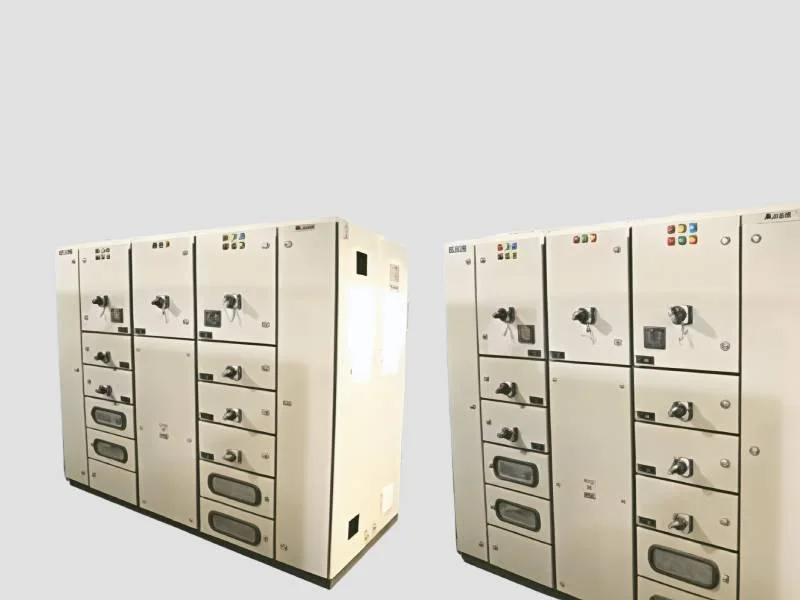
Indoor Bus Ducts: These variants are designed for indoor installations, featuring robust enclosures to protect against dust and moisture. They are often used in commercial buildings and factories.
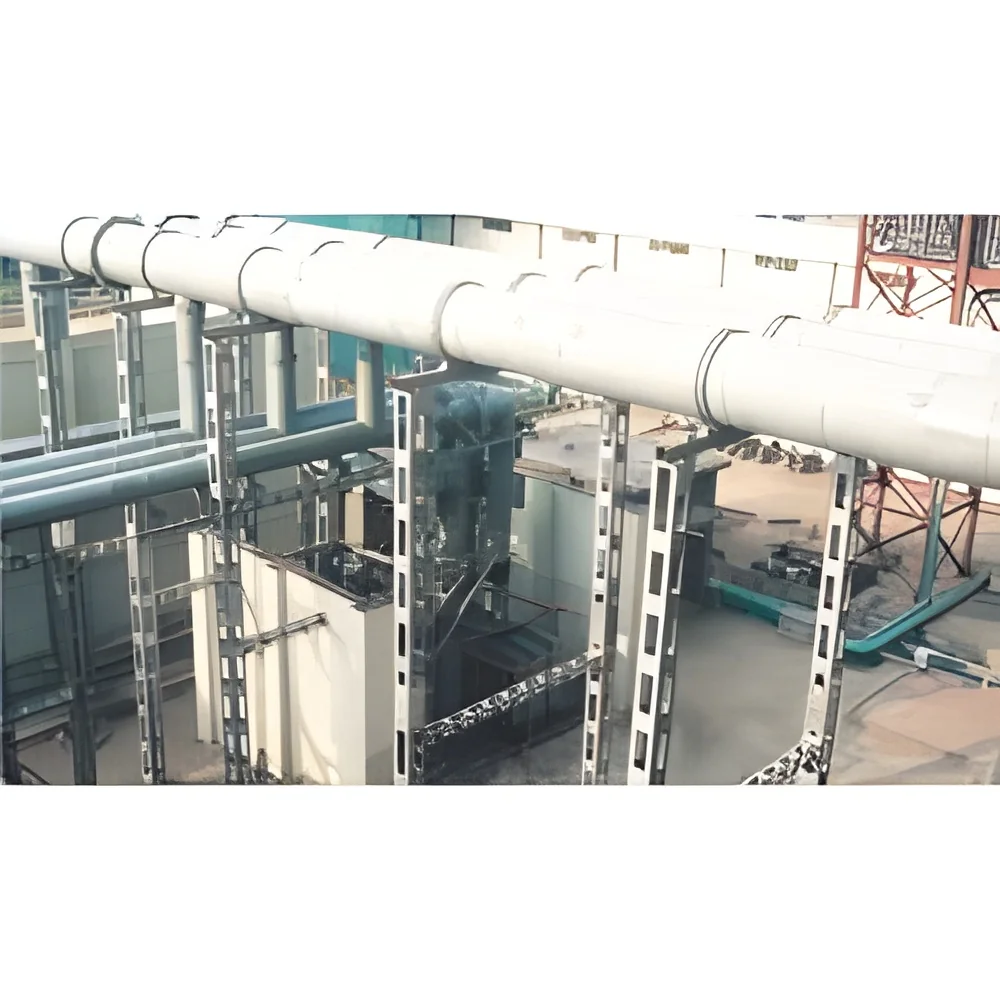
Outdoor Rising Mains: These models are built to withstand environmental elements, making them suitable for outdoor installations in industrial sites or construction areas.
Underground Bus Ducts: Designed for below-ground installations, these variants reduce visual clutter and protect electrical systems from environmental damage.
Custom Solutions: Some manufacturers offer customized bus ducts and rising mains tailored to specific customer requirements, ensuring that unique operational needs are met.
Benefits and Advantages
Bus ducts and rising mains offer numerous advantages for businesses looking to enhance their electrical distribution systems.
Key benefits include:
1. Space Efficiency: Their compact design allows for significant space savings in facilities, making them ideal for congested environments.
2. Enhanced Safety: With enclosed designs and robust materials, these systems reduce the risk of electrical hazards, improving overall workplace safety.
3. Easy Installation: Modular systems simplify installation and allow for quick adjustments during upgrades or expansions.
4. Reduced Power Loss: Bus ducts are designed to minimize electrical losses, leading to improved energy efficiency and lower operational costs.
5. Flexibility: These systems can be easily expanded or modified to accommodate changing power requirements, supporting future growth.
6. Reliability: High-quality materials and construction ensure long-lasting performance, making them a dependable choice for critical applications.
Buying Guide for B2B Buyers
When sourcing bus ducts and rising mains, several key factors should be considered to ensure a suitable choice for your business needs.
1. Quality Assessment: Evaluate the quality of materials and construction standards. Look for certifications and adherence to industry benchmarks to ensure reliability.
2. Supplier Verification: Vet potential suppliers thoroughly. Check for industry experience, customer reviews, and compliance with safety regulations to ensure you are choosing a reputable partner.
3. Pricing and MOQ: Compare pricing from multiple suppliers. Be aware of the minimum order quantities (MOQ) and how they align with your project requirements and budget.
4. Delivery and Lead Times: Understand logistics associated with the supply chain. Ensure that suppliers can meet your delivery timelines to avoid project delays.
5. Compliance Requirements: Familiarize yourself with regional regulatory requirements and standards. Ensure that the products you source comply with relevant safety and performance certifications.
Compliance and Certifications
Compliance and certifications are critical in ensuring the quality and safety of bus ducts and rising mains. Most products adhere to relevant quality standards such as ISO 9001, which focuses on quality management systems. This ensures that manufacturers have robust processes in place to deliver consistent and reliable products.
Industry certifications such as CE mark are essential, indicating that the products meet European safety, health, and environmental protection standards. Manufacturers should also comply with safety and testing requirements to ensure that their products can withstand operational stresses and environmental conditions.
In addition to these, regional compliance considerations can vary, so it is important for businesses to be aware of local regulations regarding electrical products. Ensuring compliance with these standards protects both the manufacturer and the end-user, reducing risks associated with electrical failures.
Why Source Bus Ducts & Rising Mains from Pepagora?
Pepagora provides a trusted platform for sourcing bus ducts and rising mains, offering several key advantages for B2B buyers.
Verified Supplier Network: Pepagora maintains a comprehensive network of verified suppliers, ensuring that buyers can access high-quality products from reputable manufacturers. This verification process helps mitigate risks associated with sourcing and guarantees reliability.
Streamlined RFQ Process: The platform features an efficient Request for Quotation (RFQ) system, allowing buyers to easily compare prices and specifications from multiple suppliers. This transparency helps businesses make informed decisions quickly.
Trade Assurance and Support: Pepagora offers trade assurance measures to protect buyers during transactions, providing peace of mind throughout the purchasing process. Customer support is also available to assist with any inquiries or issues that may arise.
Regional Coverage: With a strong presence in India, the GCC, and Southeast Asia, Pepagora serves a wide geographic area, connecting buyers with suppliers across various regions. This extensive coverage helps businesses access the products they need, regardless of location.

 IN
IN