
 IN
INPower Cables (XLPE, Armored, Flexible)
58 products available
Key Features and Specifications
Common Applications and Use Cases
Product Variants and Subcategories
Benefits and Advantages
Buying Guide for B2B Buyers
Compliance and Certifications









Frequently Asked Questions
What are Power Cables (XLPE, Armored, Flexible)?
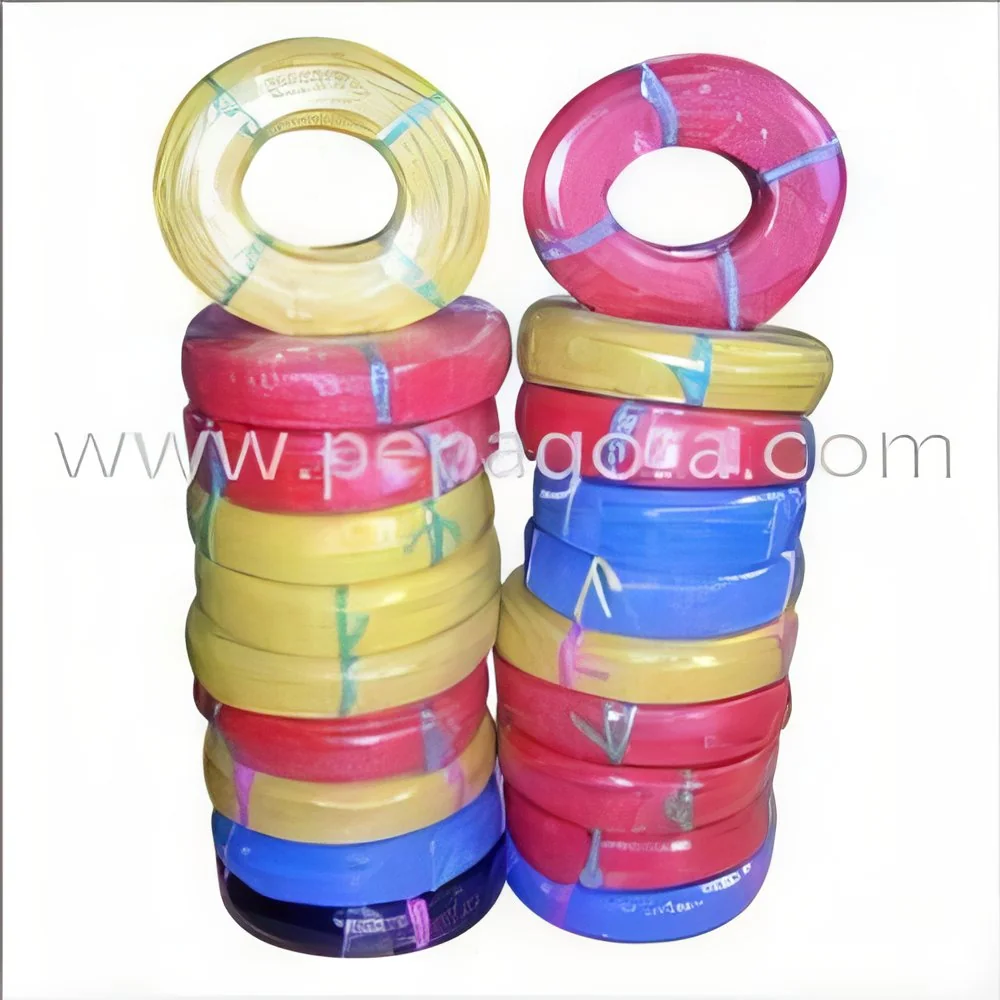
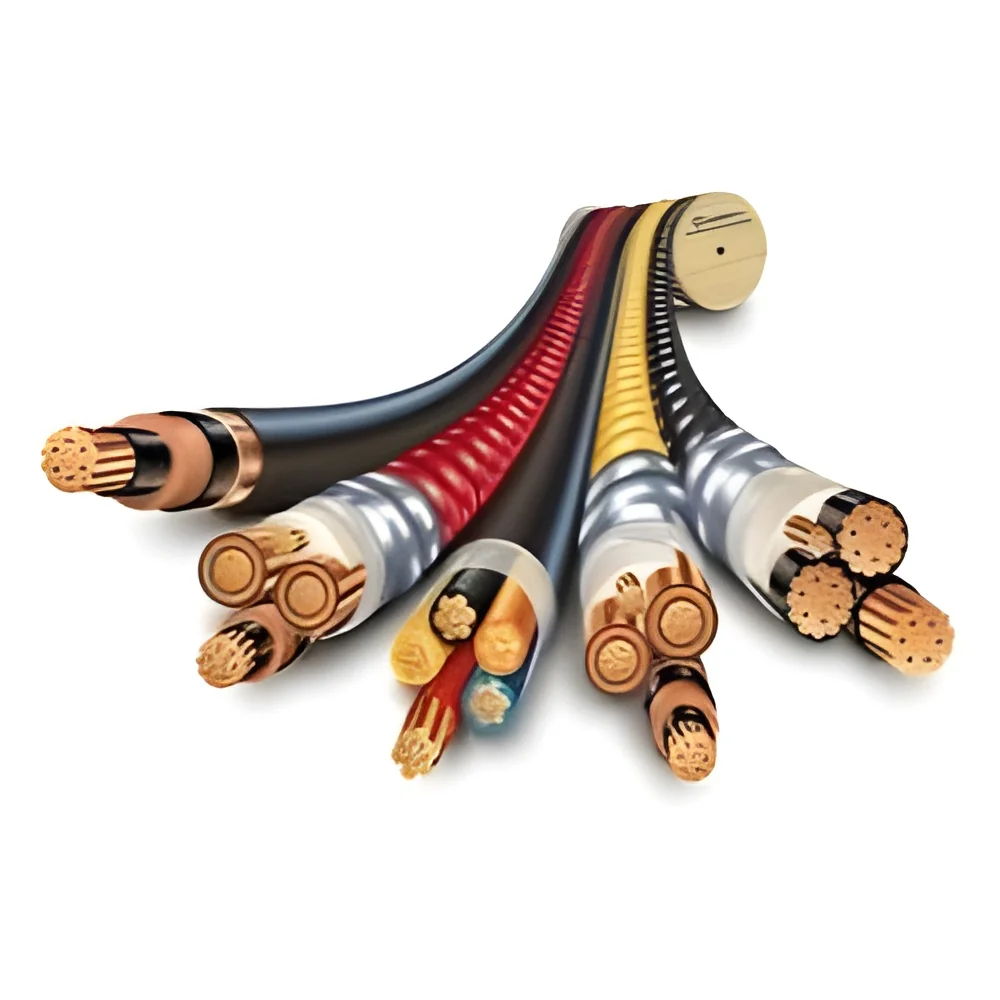
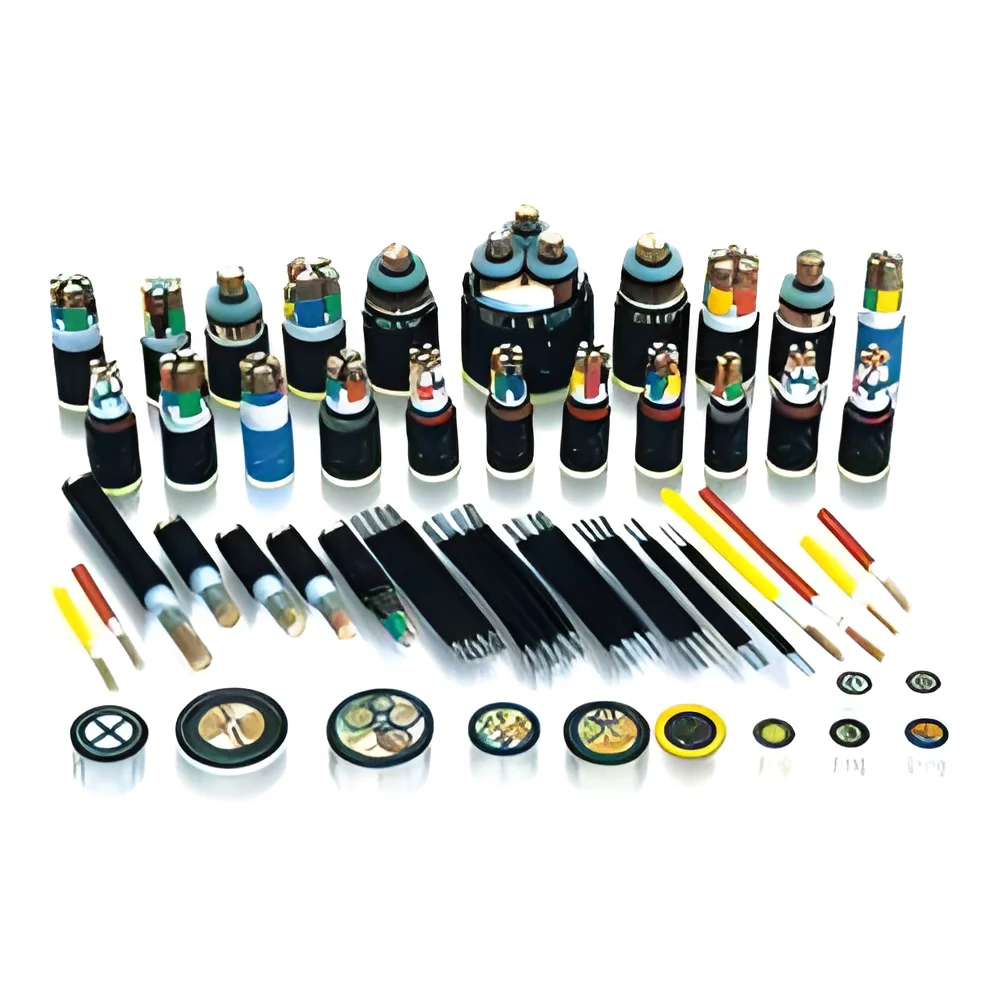
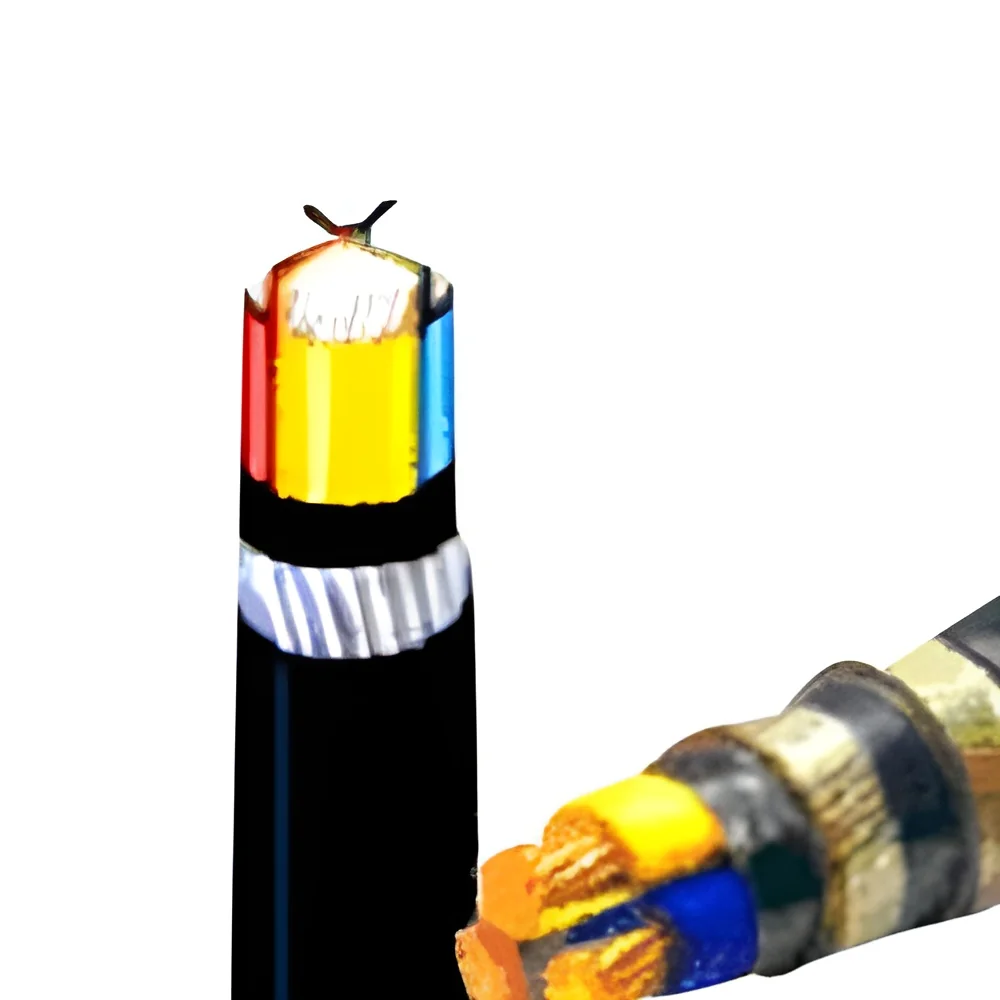
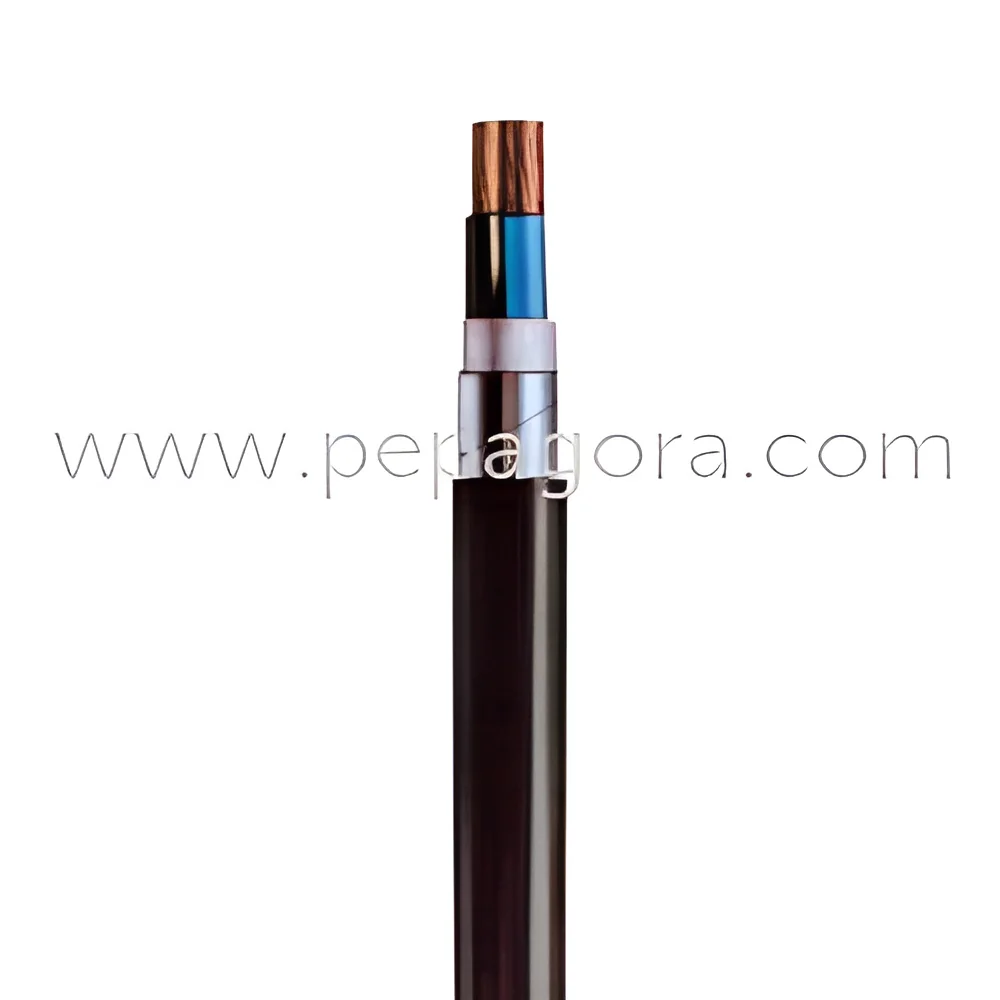
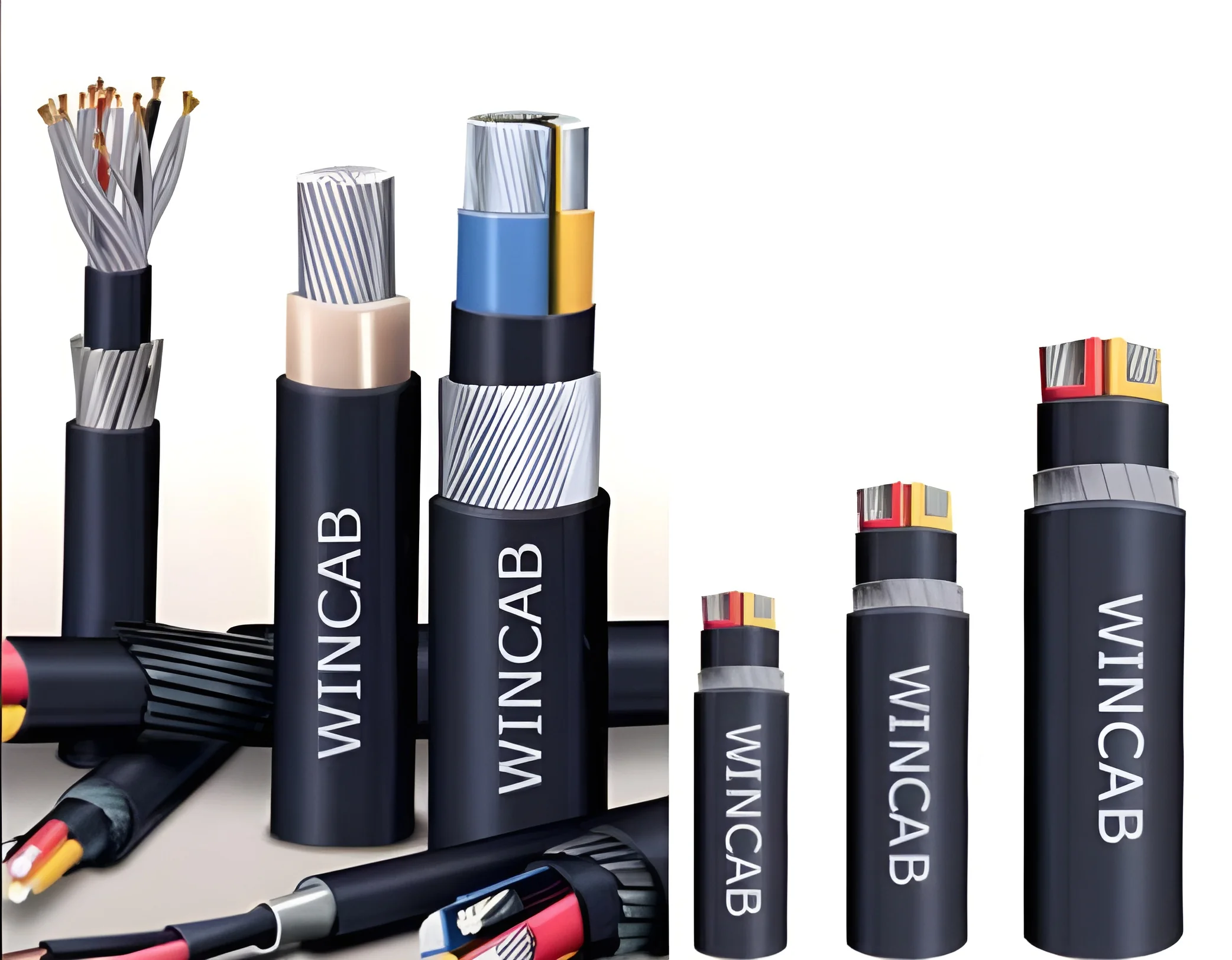
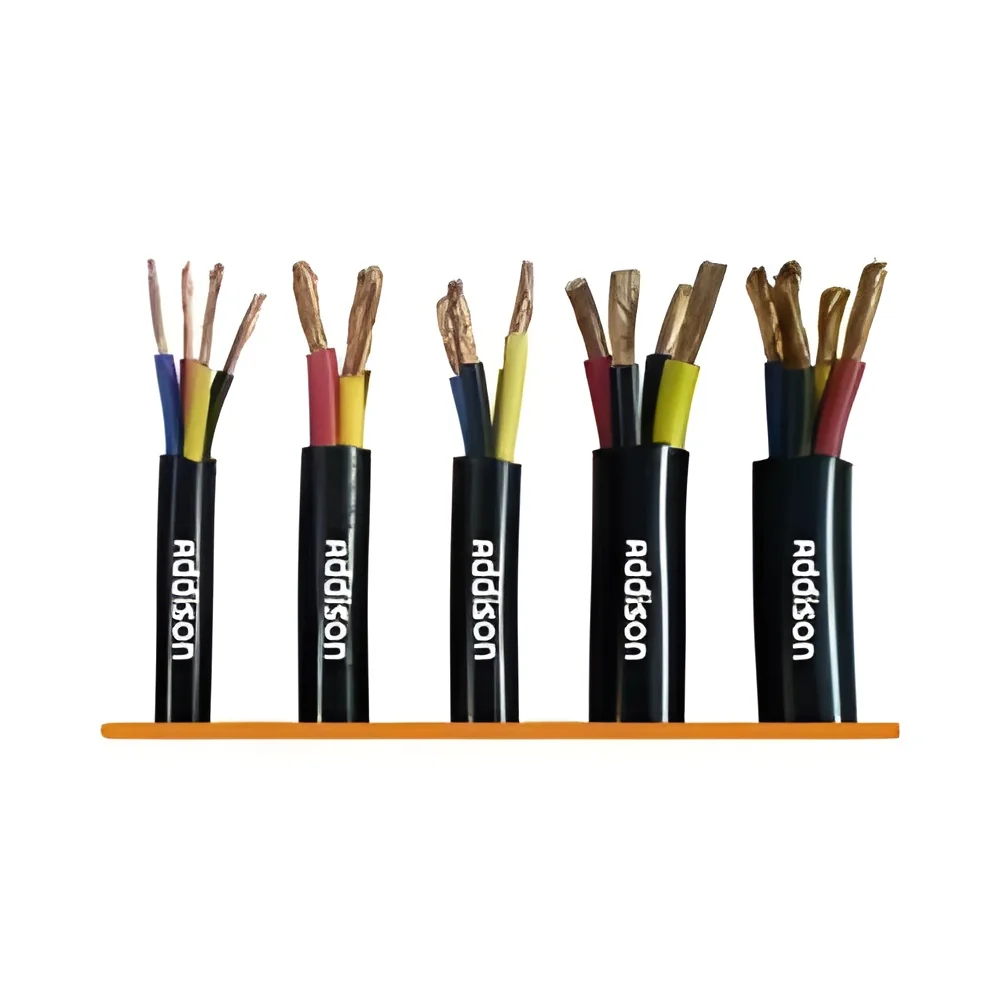
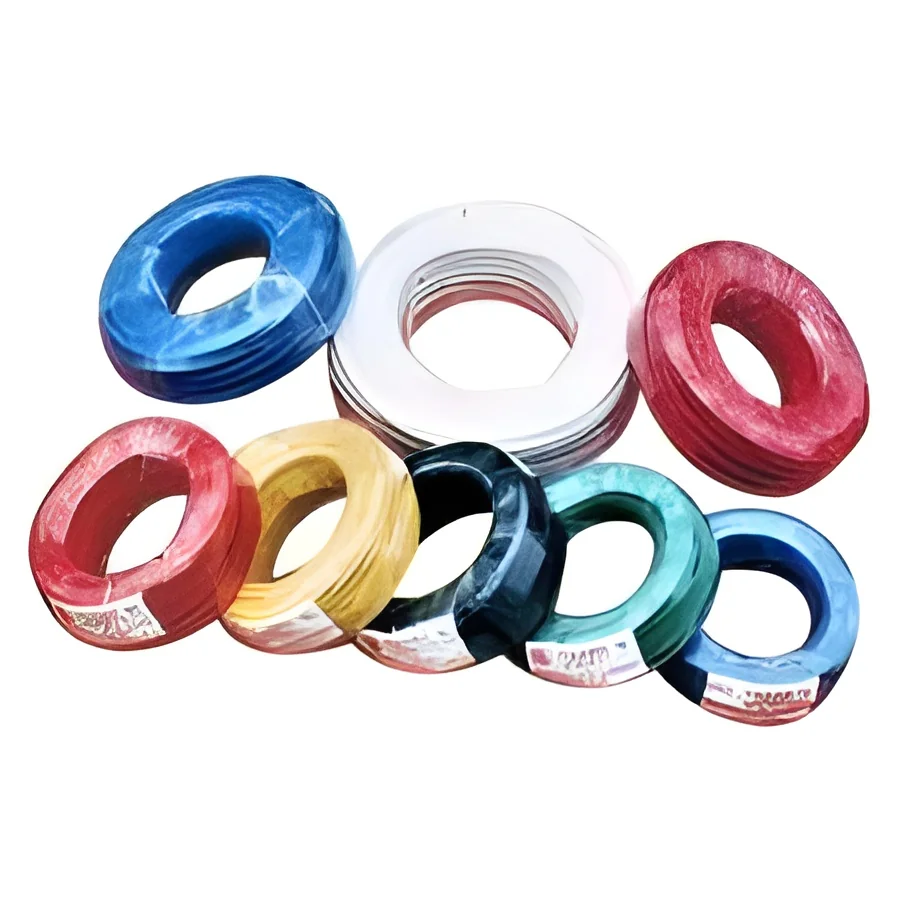
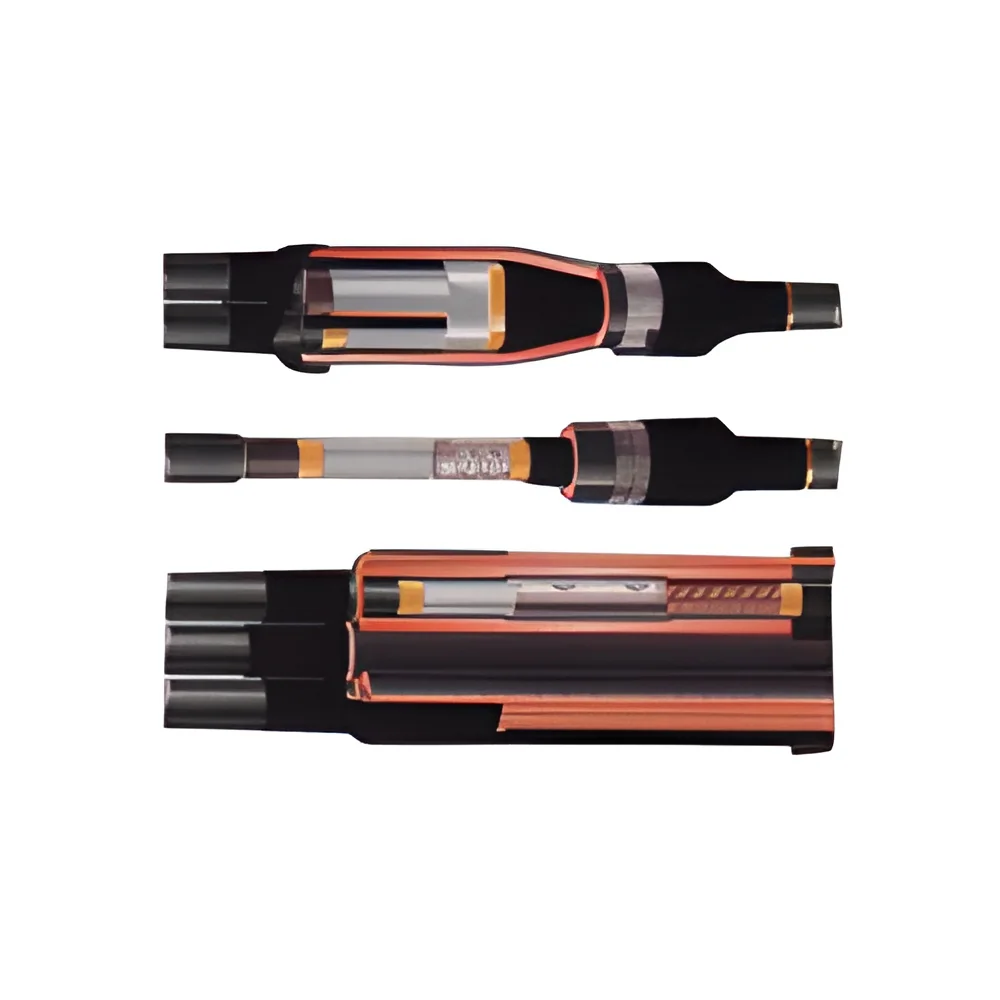
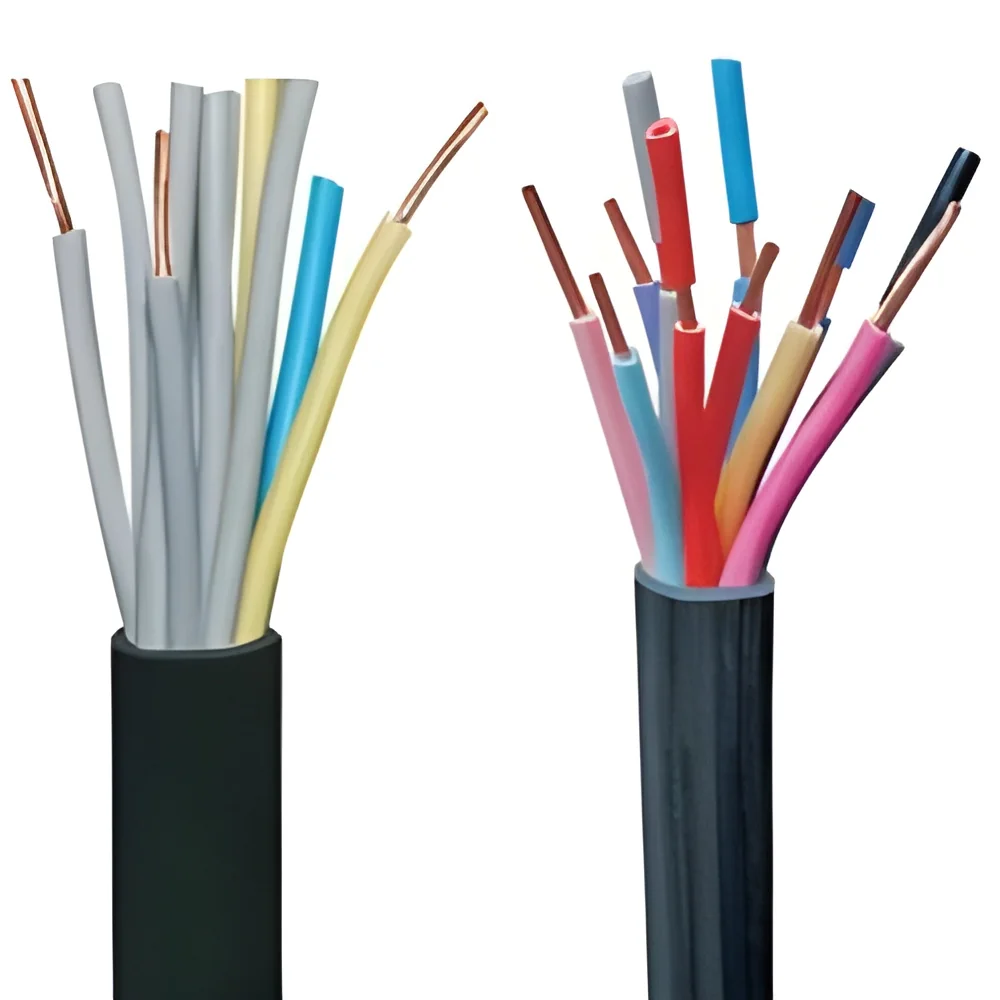
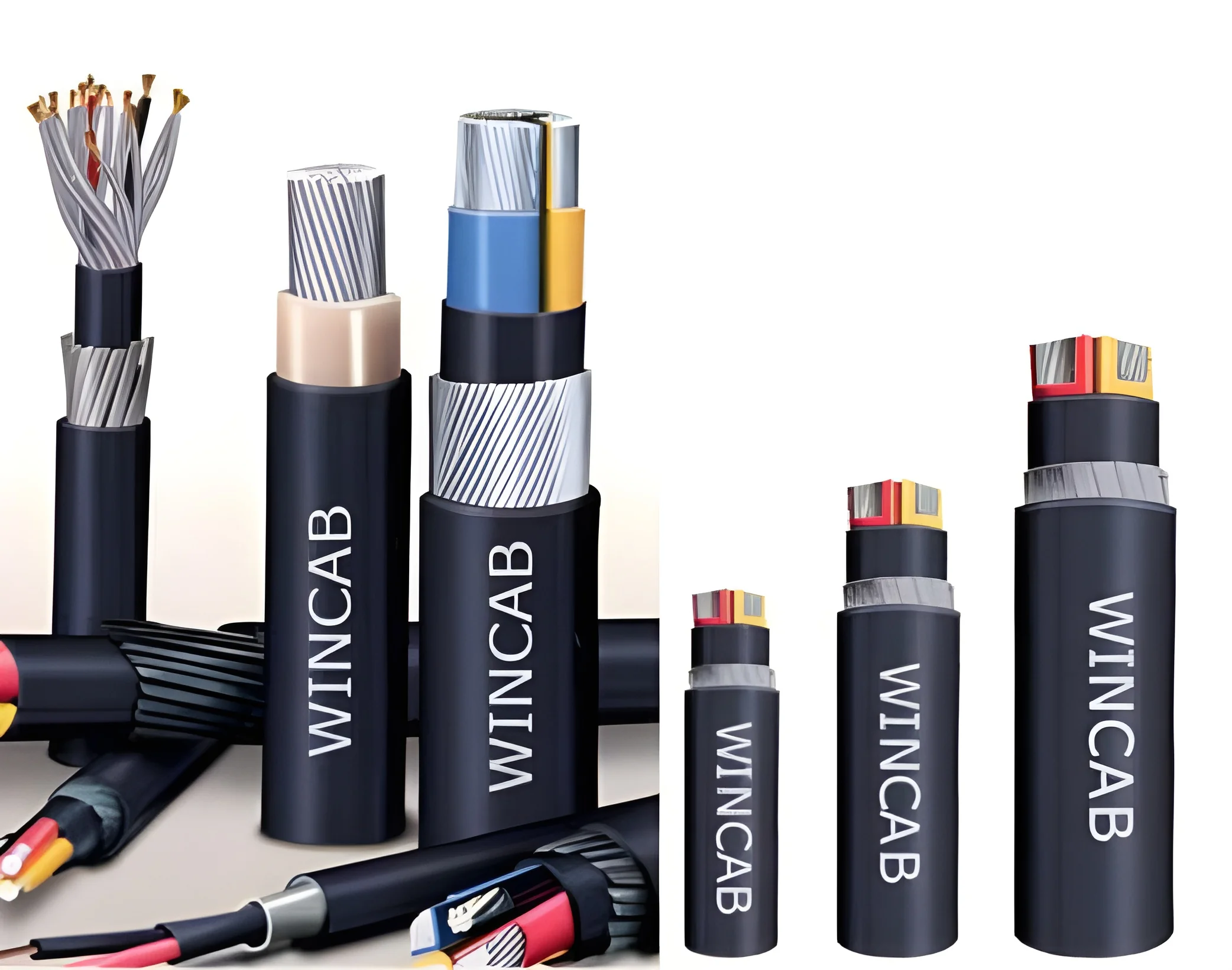
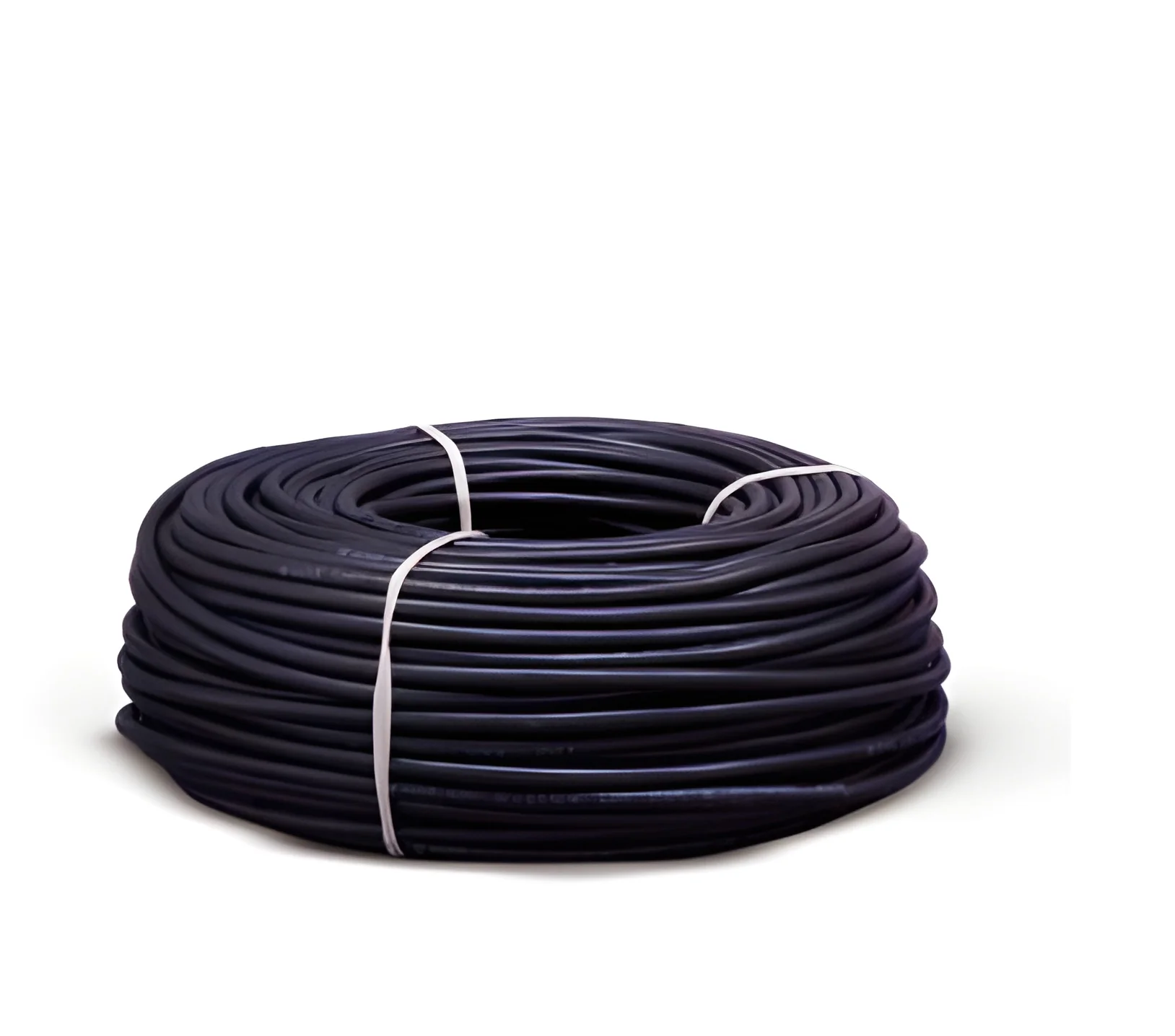
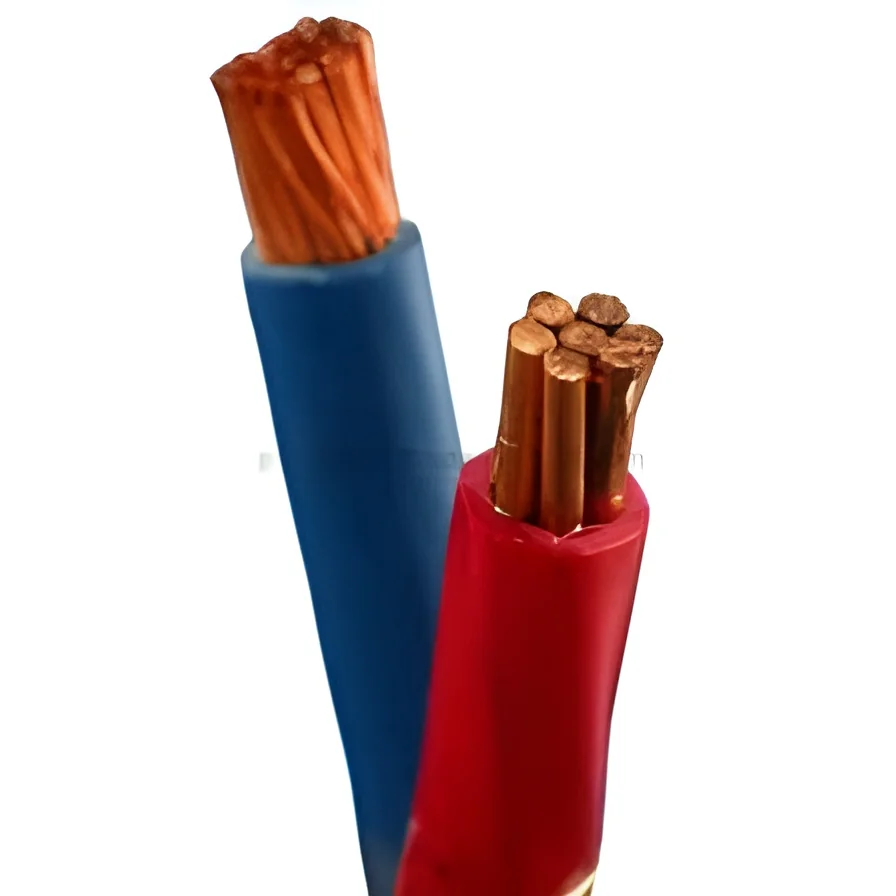
Power Cables (XLPE, Armored, Flexible) are electrical cables designed for power transmission and distribution. They feature a cross-linked polyethylene (XLPE) insulation, which provides high thermal stability and excellent electrical properties. The armored construction offers additional protection from physical damage, while the flexible design allows for easy installation in various applications.
What are the different types of Power Cables (XLPE, Armored, Flexible)?
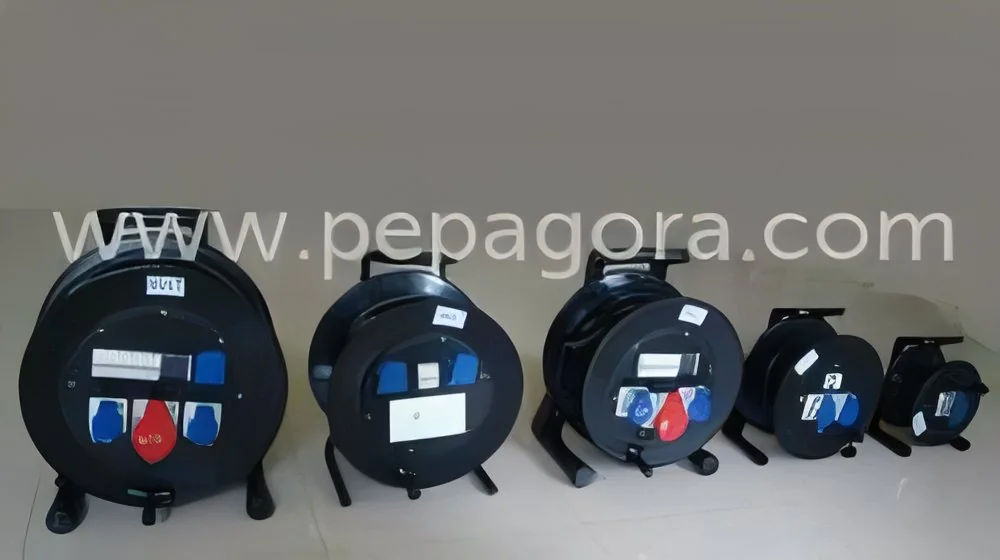
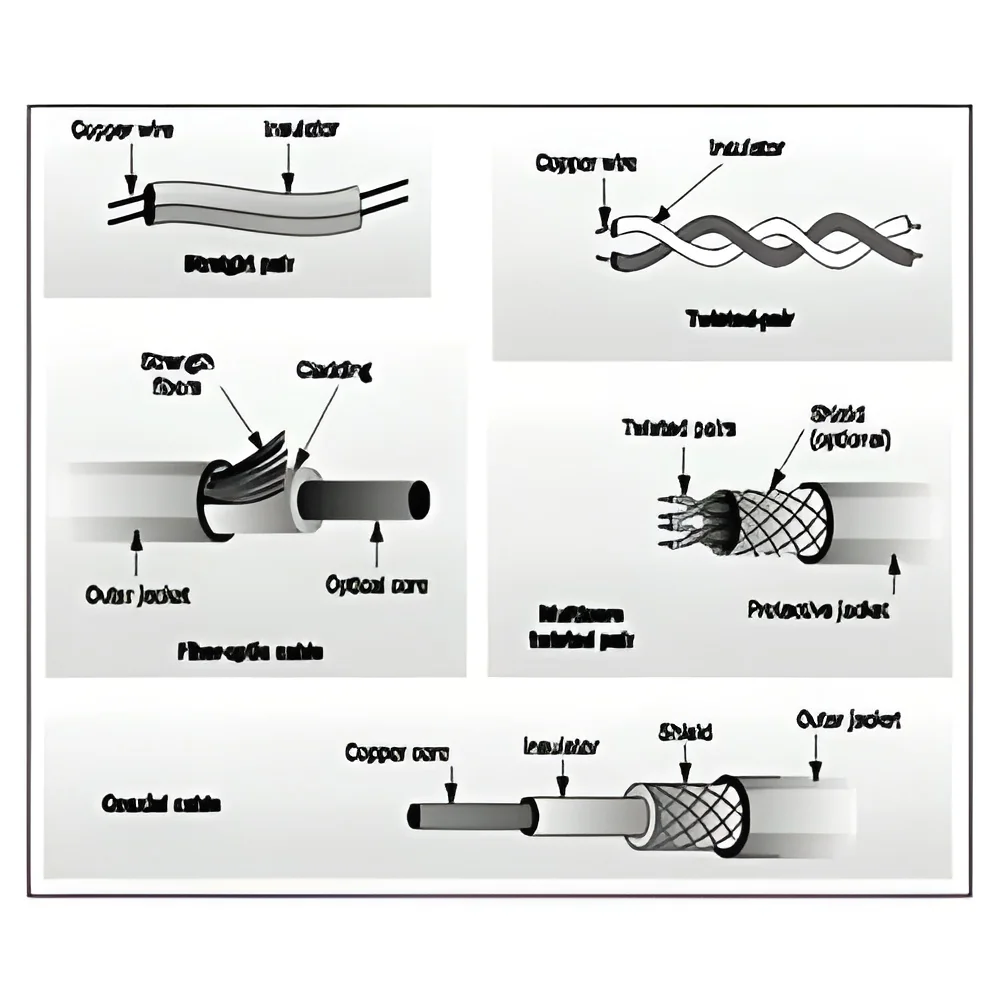
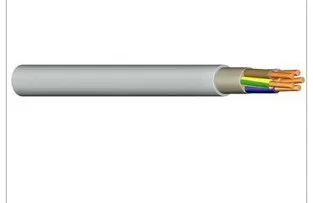
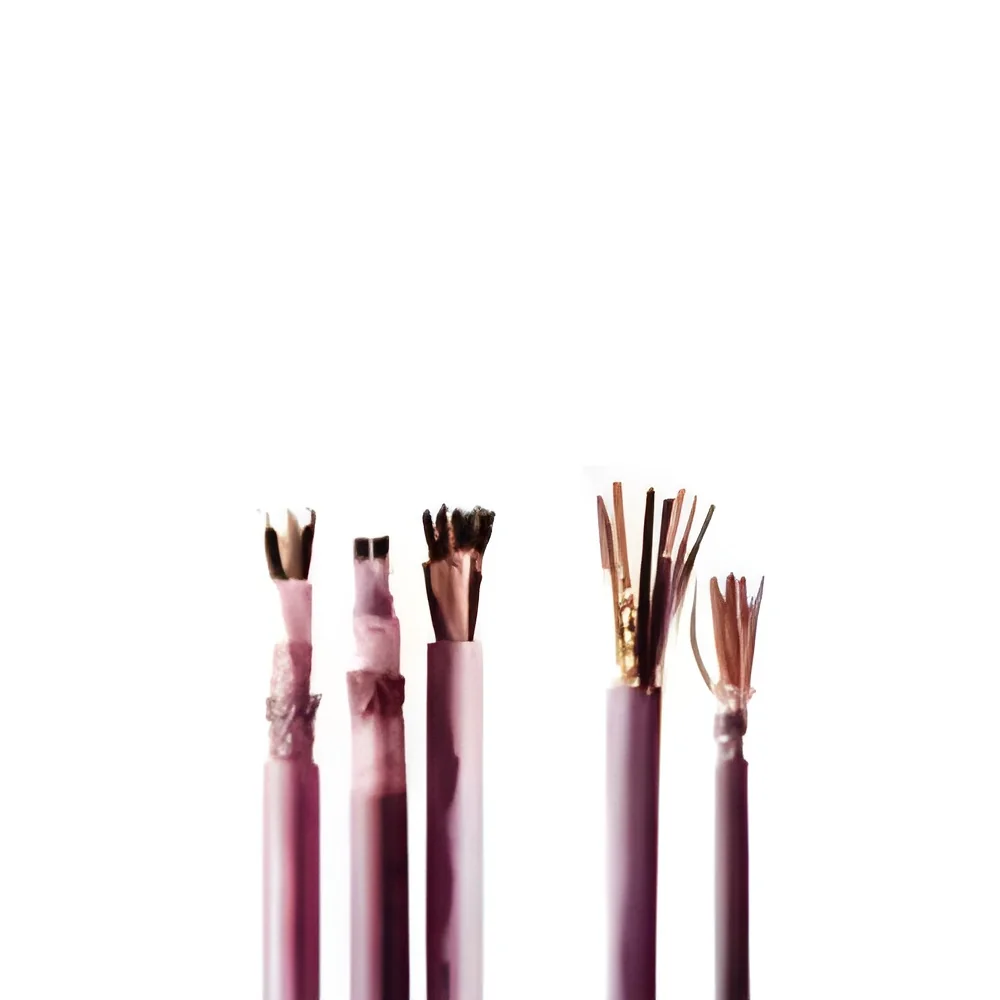
The main types of Power Cables include XLPE insulated cables, armored cables, and flexible cables. XLPE cables are known for their high thermal resistance and electrical performance. Armored cables have a protective layer that shields against mechanical damage, while flexible cables are designed for applications requiring bending and movement.
How do I choose the right Power Cables (XLPE, Armored, Flexible)?
Choosing the right Power Cables involves considering factors such as the application, environmental conditions, and load requirements. It is essential to assess the voltage level and current capacity needed for your specific use case. Consulting with manufacturers or suppliers can also provide insights into the most suitable options based on your requirements.
What are the standard specifications for Power Cables (XLPE, Armored, Flexible)?
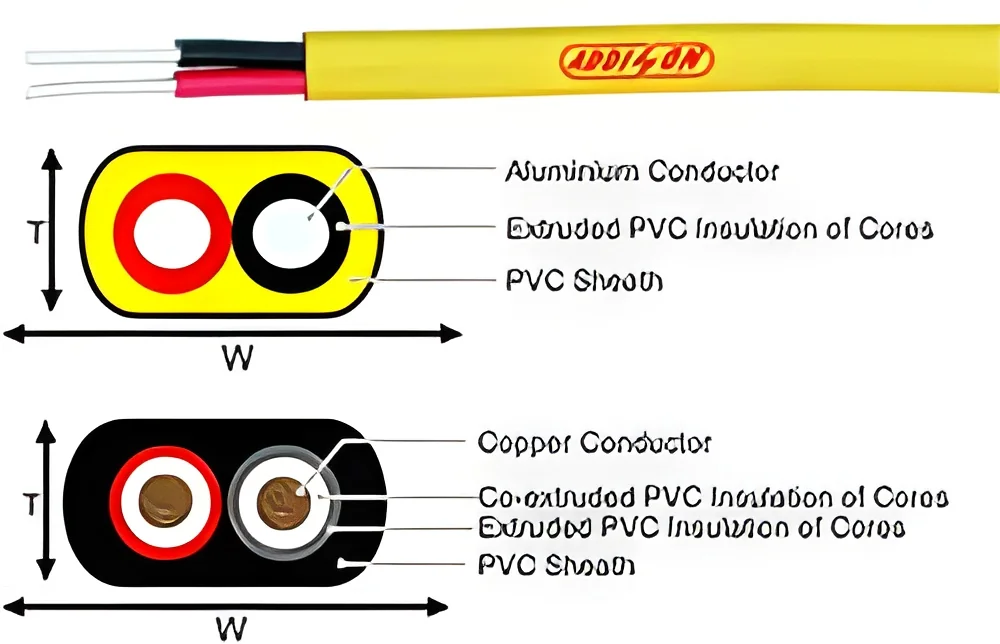
Standard specifications for Power Cables typically include voltage rating, conductor material (copper or aluminum), insulation thickness, and armor type. Additionally, they may conform to various international and national standards such as IS, IEC, or BS. It's crucial to ensure that the cables meet the relevant standards for safety and performance.
What is the price range for Power Cables (XLPE, Armored, Flexible)?
The price range for Power Cables (XLPE, Armored, Flexible) can vary significantly based on factors like cable type, specifications, and manufacturer. Generally, prices can range from INR 50 to INR 200 per meter, depending on these variables. For bulk purchases, discounts may be available.
What quality standards apply to Power Cables (XLPE, Armored, Flexible)?
Power Cables must adhere to quality standards such as IS 7098 or IEC 60502, which govern their manufacturing and performance characteristics. Compliance with these standards ensures safety, reliability, and durability of the cables. Regular testing and certification from recognized bodies are essential for maintaining quality.
Where can I find Power Cables (XLPE, Armored, Flexible) suppliers in India?
You can find Power Cables (XLPE, Armored, Flexible) suppliers in India through various online B2B marketplaces, industry trade shows, and manufacturer directories. Websites like Pepagora.com provide a platform to connect with reputable suppliers and manufacturers across the country. It is advisable to check reviews and ratings before making a purchase.
Can Power Cables (XLPE, Armored, Flexible) be customized?
Yes, Power Cables can be customized based on specific requirements, including length, insulation type, and conductor material. Many manufacturers offer tailored solutions to meet unique project specifications. It is best to discuss your needs directly with suppliers to explore available customization options.
What is the typical minimum order quantity for Power Cables (XLPE, Armored, Flexible)?
The typical minimum order quantity (MOQ) for Power Cables can vary by supplier but generally ranges from 100 meters to 1000 meters. Ordering in bulk often results in cost savings and better pricing. It is advisable to confirm MOQs with individual suppliers before placing orders.
What is the typical lead time for Power Cables (XLPE, Armored, Flexible)?
The typical lead time for Power Cables (XLPE, Armored, Flexible) can range from 1 to 4 weeks, depending on the supplier, order size, and customization requirements. Factors such as manufacturing capacity and logistical considerations can also affect delivery times. It is recommended to communicate with suppliers for estimated lead times on your specific order.
Why Businesses Trust Pepagora
Thousands of companies trust Pepagora to source smarter and sell faster
Expand Your Sales Globally

Source Smarter,Grow Faster
