What are Emergency Lights?
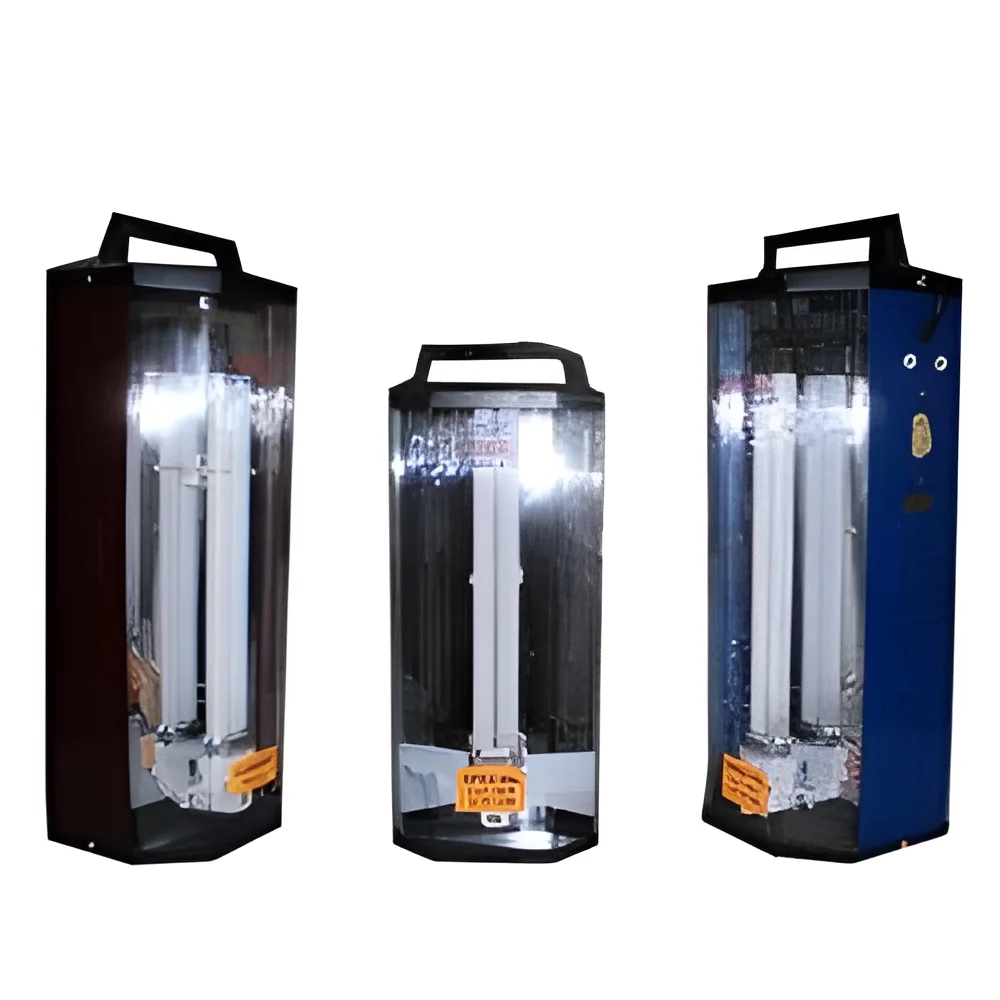
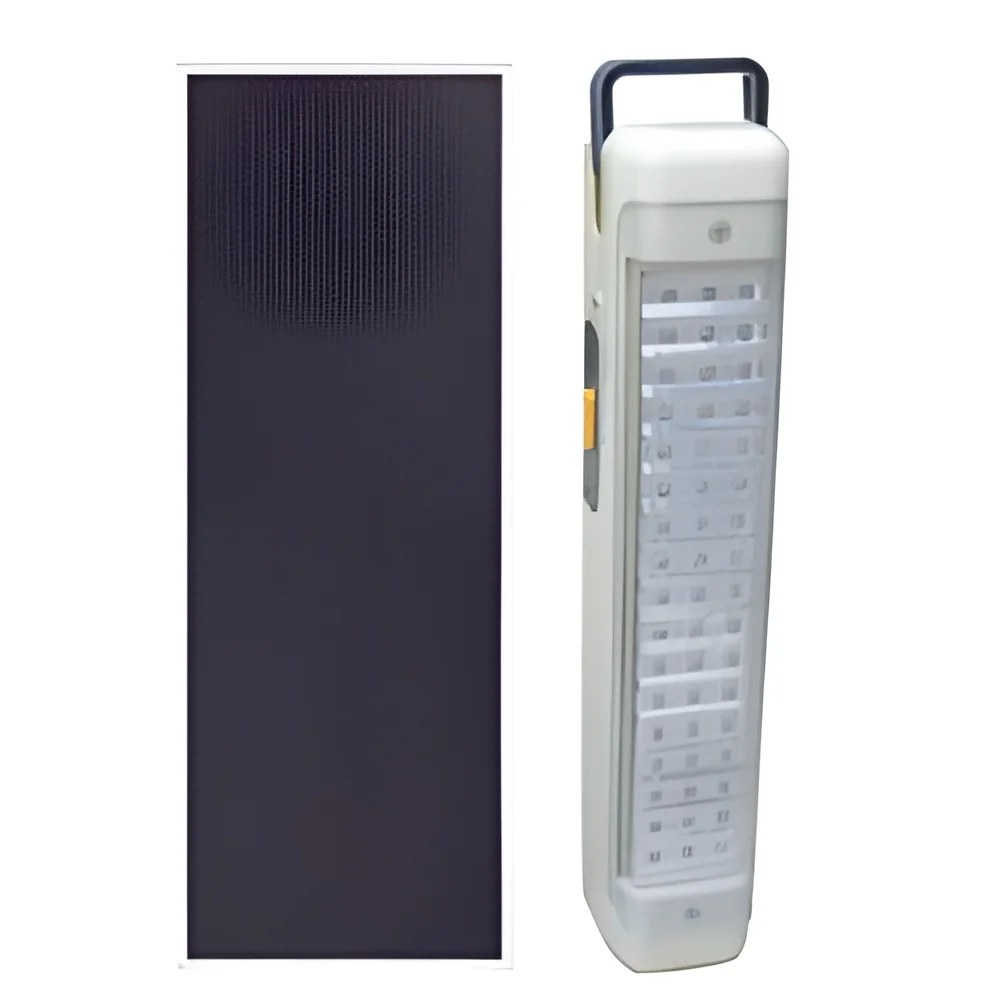
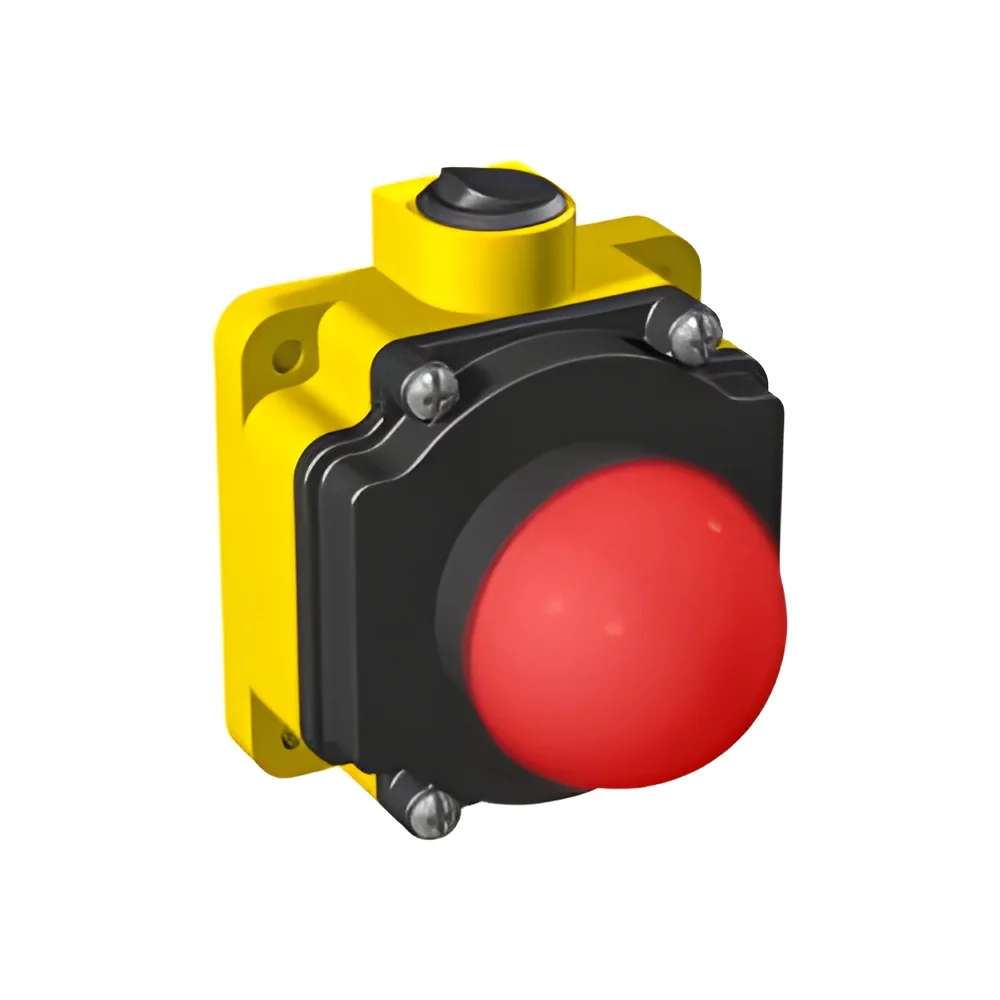
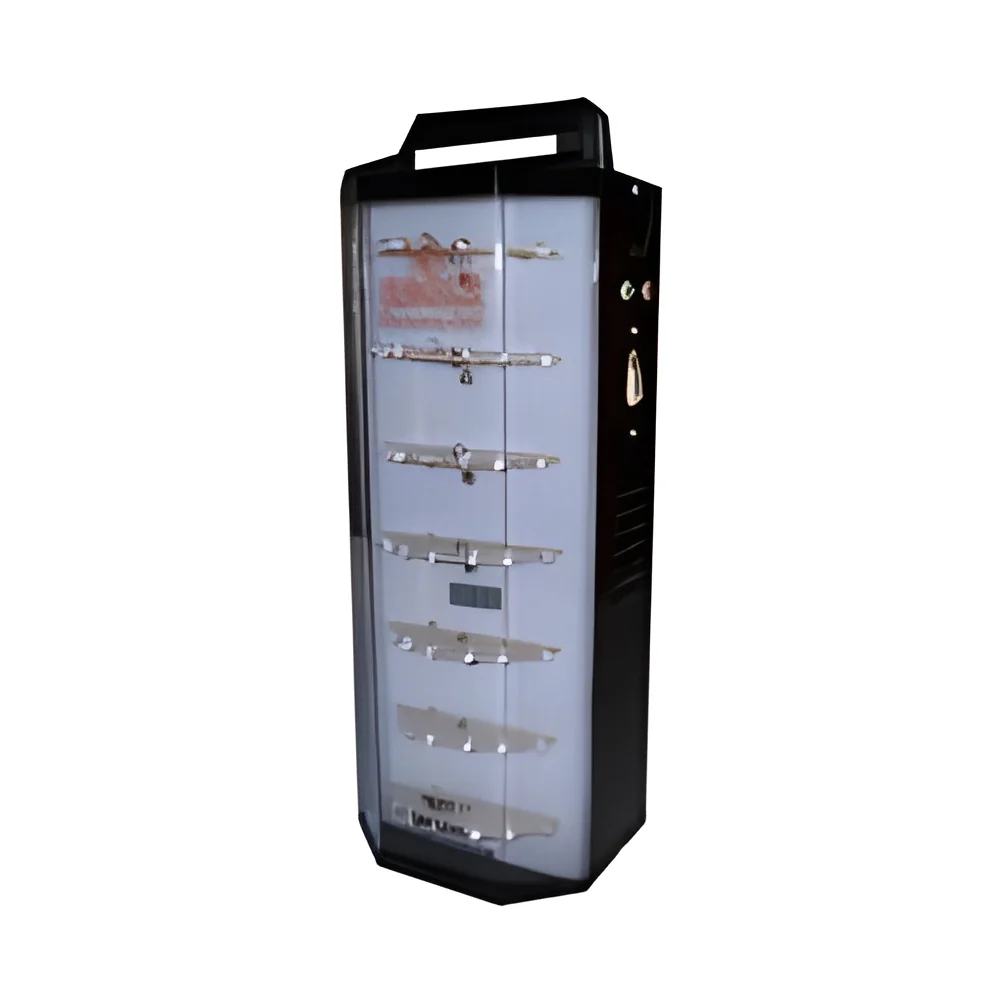
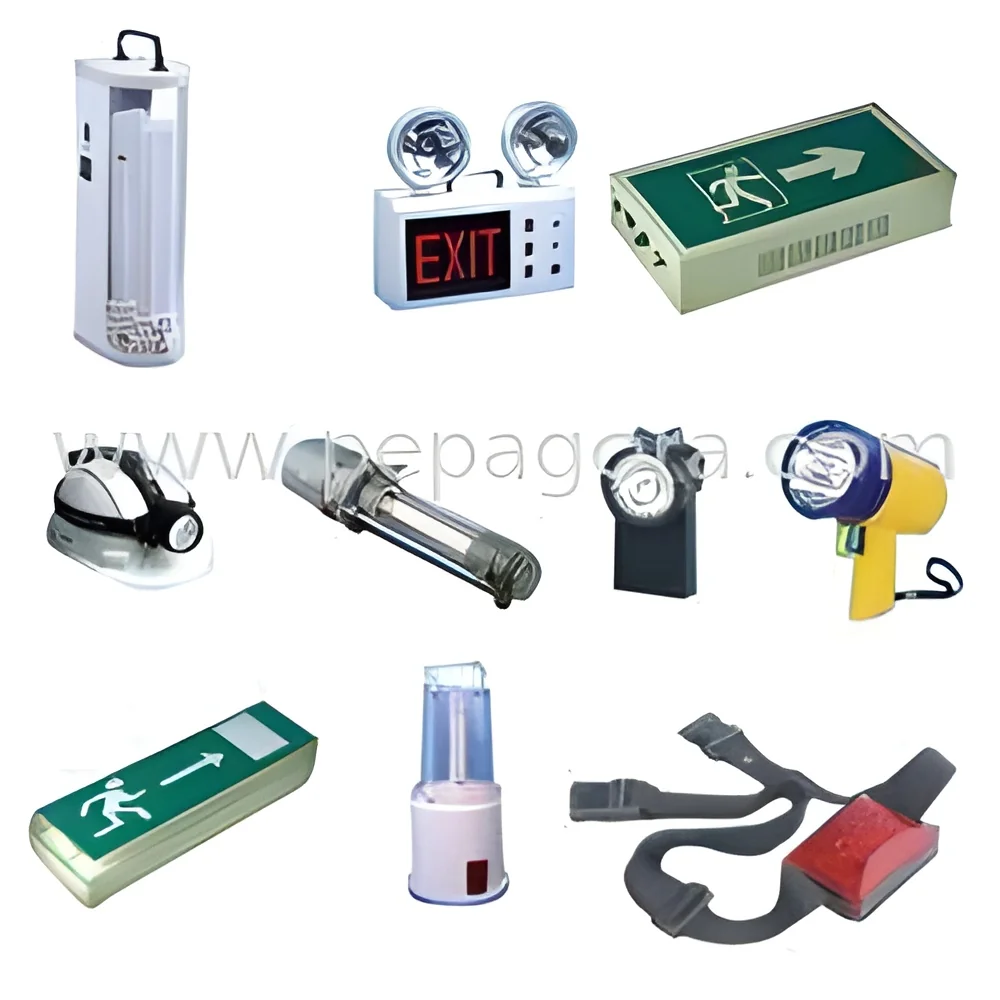
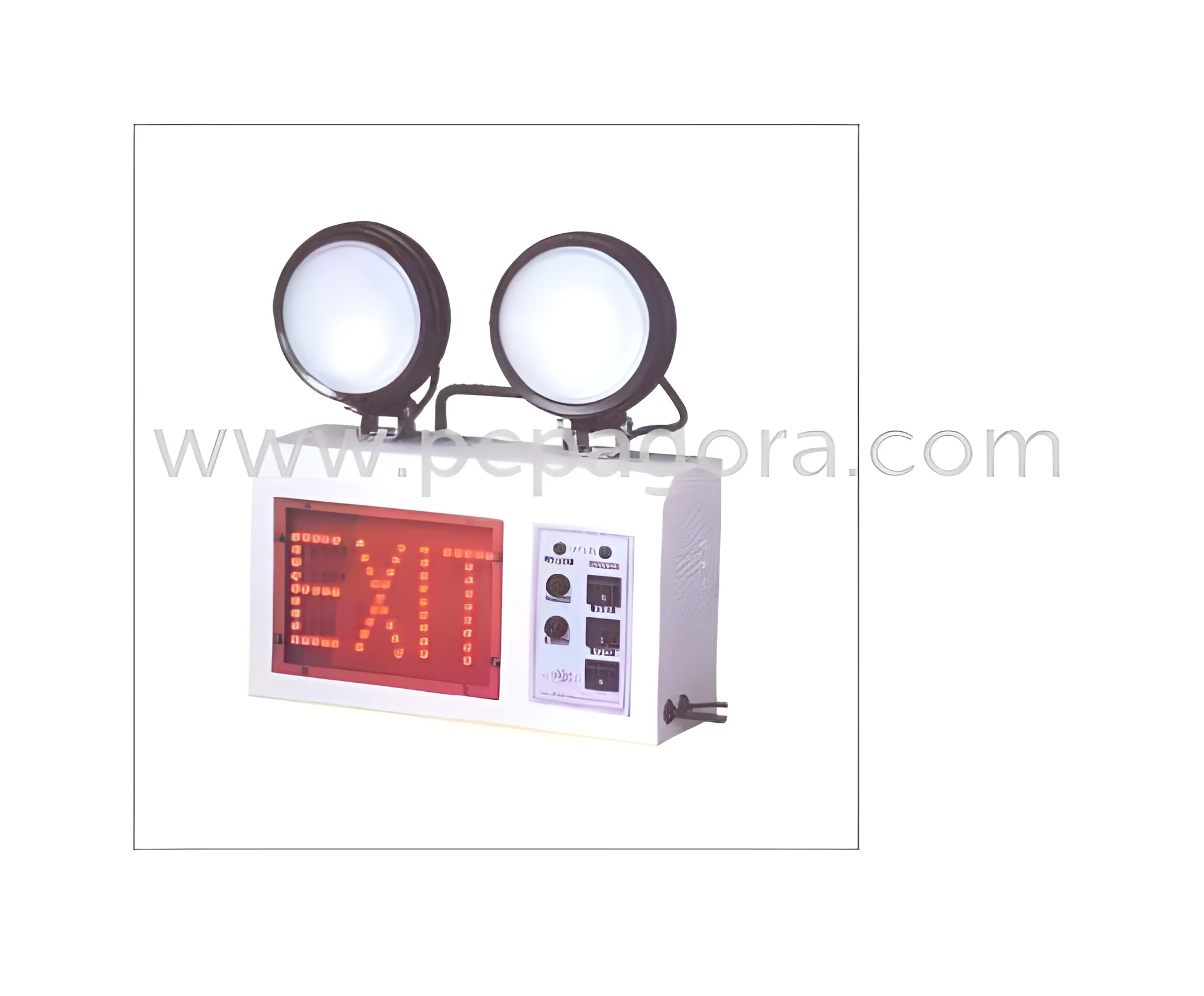
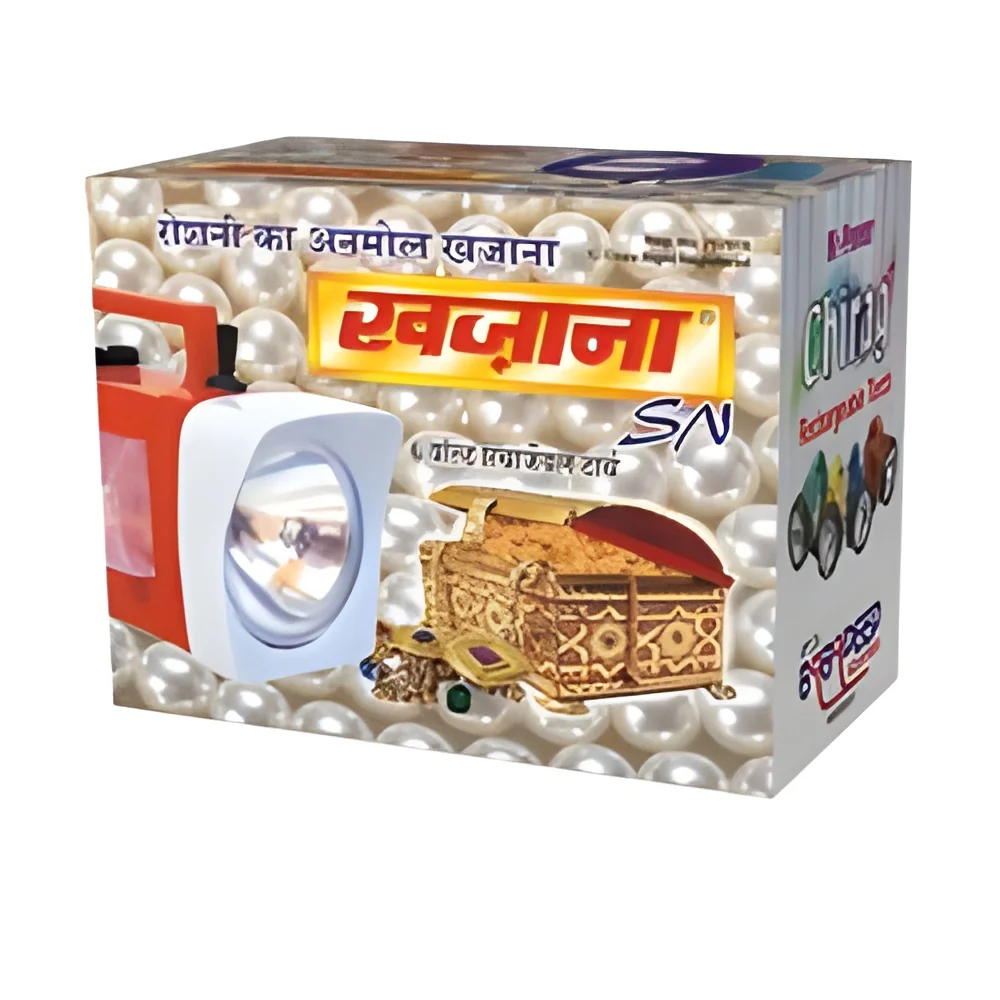
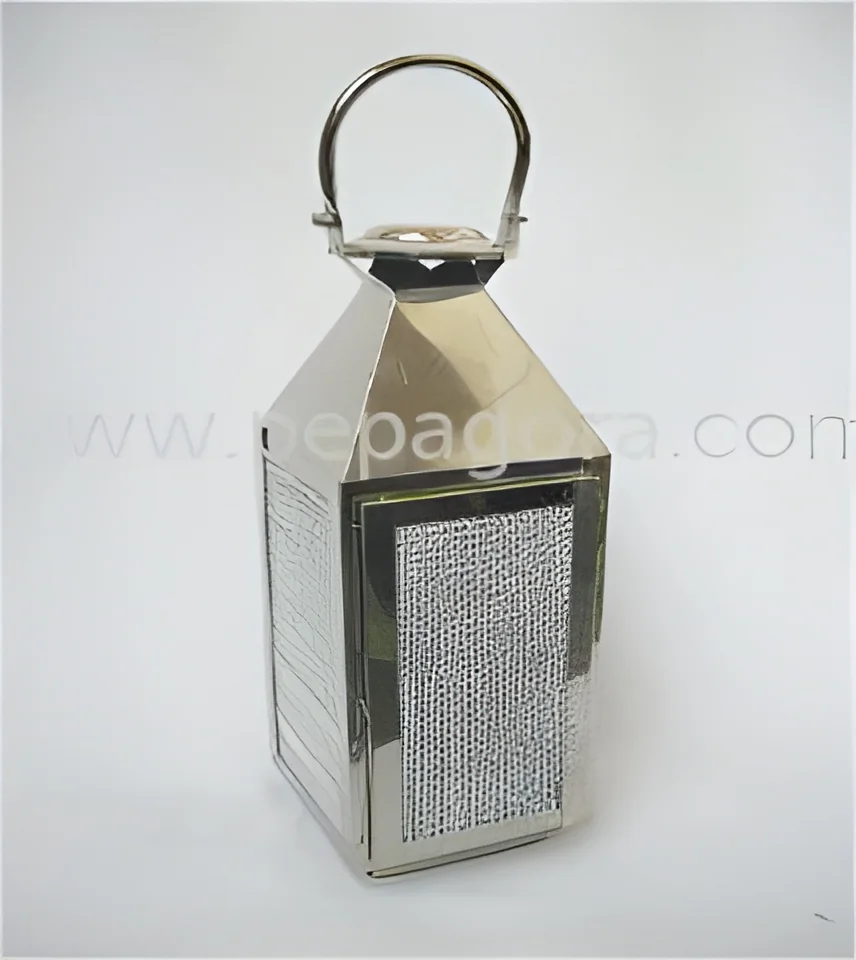
Emergency lights are essential safety devices designed to provide illumination in the event of power outages or emergencies. They are typically battery-operated and automatically activate when the main power supply fails, ensuring that exit pathways remain visible and safe for occupants. Emergency lights can vary in design and functionality, including exit signs, portable lights, and fixed installations.
The primary uses of emergency lights include illuminating escape routes, enhancing visibility in stairwells, and providing light in critical areas such as hospitals, schools, and industrial facilities. Businesses across various sectors rely on emergency lighting systems to comply with safety regulations and to ensure the safety of employees and visitors. These lights play a crucial role in emergency preparedness and are a vital component of any comprehensive safety plan.
In a market context, the demand for emergency lights has grown due to increasing awareness of safety regulations and the importance of preparedness in both commercial and industrial settings. As businesses seek to enhance their safety measures, emergency lighting solutions have become a key focus for manufacturers and suppliers.
Key Features and Specifications
Emergency lights come equipped with various features designed to enhance their functionality and reliability during emergencies. Selecting the right emergency lighting system involves understanding these features and their specifications.
Key specifications include:
1. Power Source
- Typically powered by rechargeable batteries
- Ensures operation during power failures
2. Brightness Level
- Measured in lumens
- Varies by model, usually between 100 and 1000 lumens
3. Battery Life
- Duration of operation on a full charge
- Commonly ranges from 2 to 8 hours
4. Charging Time
- Time required to fully recharge the batteries
- Generally between 12 to 24 hours
5. Installation Type
- Options include wall-mounted, ceiling-mounted, or portable
- Suitable for different environments and applications
6. Compliance Standards
- Must meet industry safety standards such as CE certification
- Essential for legal compliance in many regions
7. Operating Temperature Range
- Designed to function in various temperature conditions
- Specific ranges may vary, typically between 0°C to 40°C
8. Durability Rating
- Often rated for impact resistance and water ingress
- Ensures longevity and reliability in harsh conditions
These specifications empower businesses to choose emergency lights that best match their operational needs and compliance requirements.
Common Applications and Use Cases
Emergency lights find applications across a wide range of industries, ensuring safety and compliance in various environments.
1. Healthcare: Emergency lights are crucial in hospitals and clinics, providing illumination for evacuation routes and critical areas during power outages.
2. Education: Schools and universities utilize emergency lighting systems to guide students and staff safely out of buildings in case of emergencies.
3. Manufacturing: Factories and warehouses require emergency lights to ensure safe navigation during power failures, especially in areas with heavy machinery.
4. Hospitality: Hotels and restaurants implement emergency lighting to maintain safety for guests and staff during unexpected power interruptions.
5. Retail: Stores use emergency lights to facilitate safe exits for customers during emergencies, enhancing overall safety standards.
6. Transportation: Airports and train stations rely on emergency lighting to direct passengers to safety during emergencies, ensuring compliance with safety regulations.
7. Offices: Corporate buildings incorporate emergency lights as part of their fire safety systems to provide clear exit paths for employees.
Product Variants and Subcategories
Emergency lights come in various types and configurations to meet specific needs across different applications.
Wall-Mounted Emergency Light
This variant is designed for fixed installation on walls. It typically features a sleek design with bright LED lights, ensuring visibility in hallways and exits.
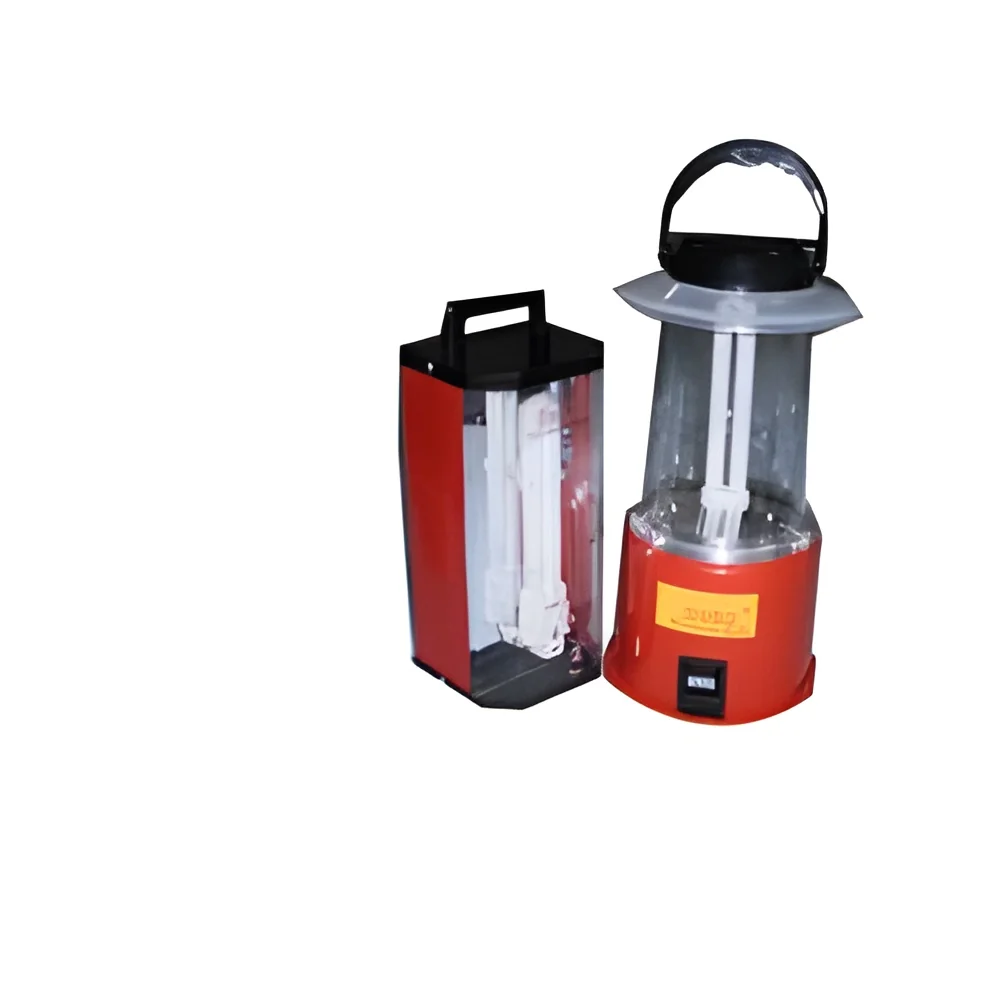
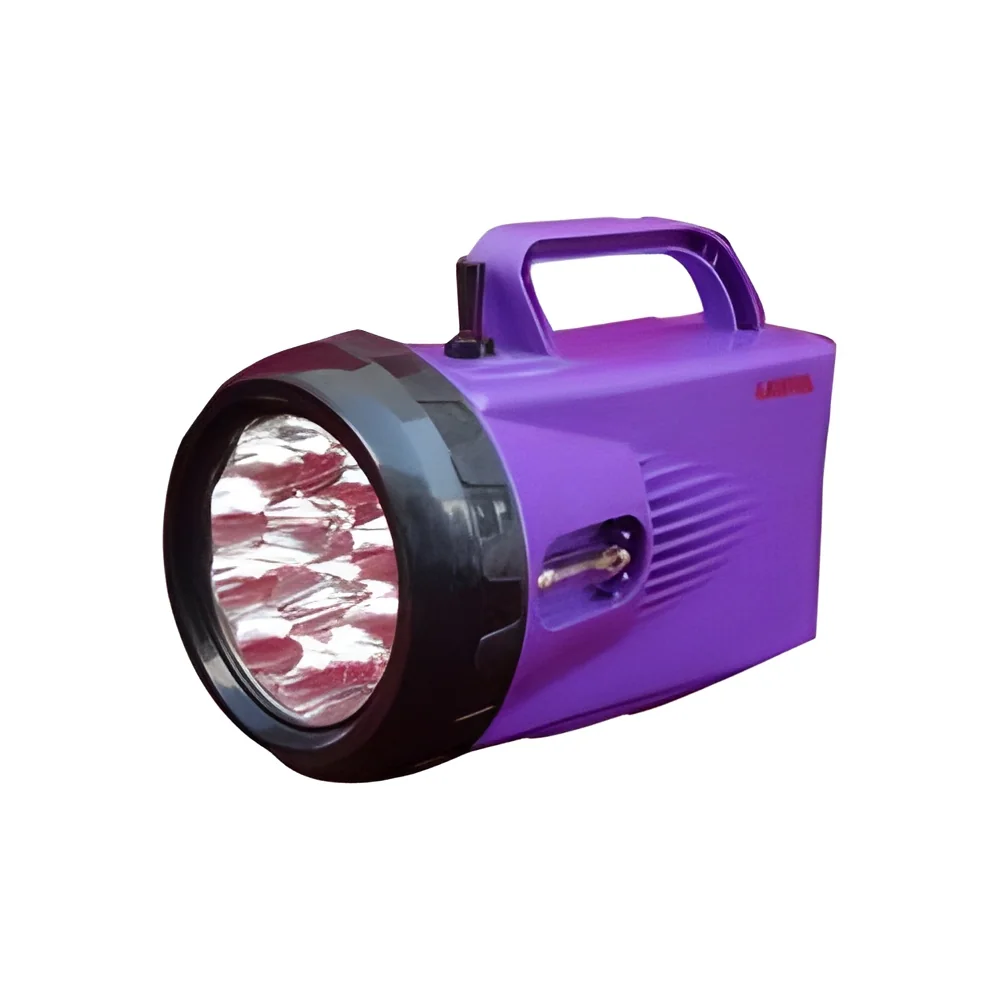
Portable Emergency Light
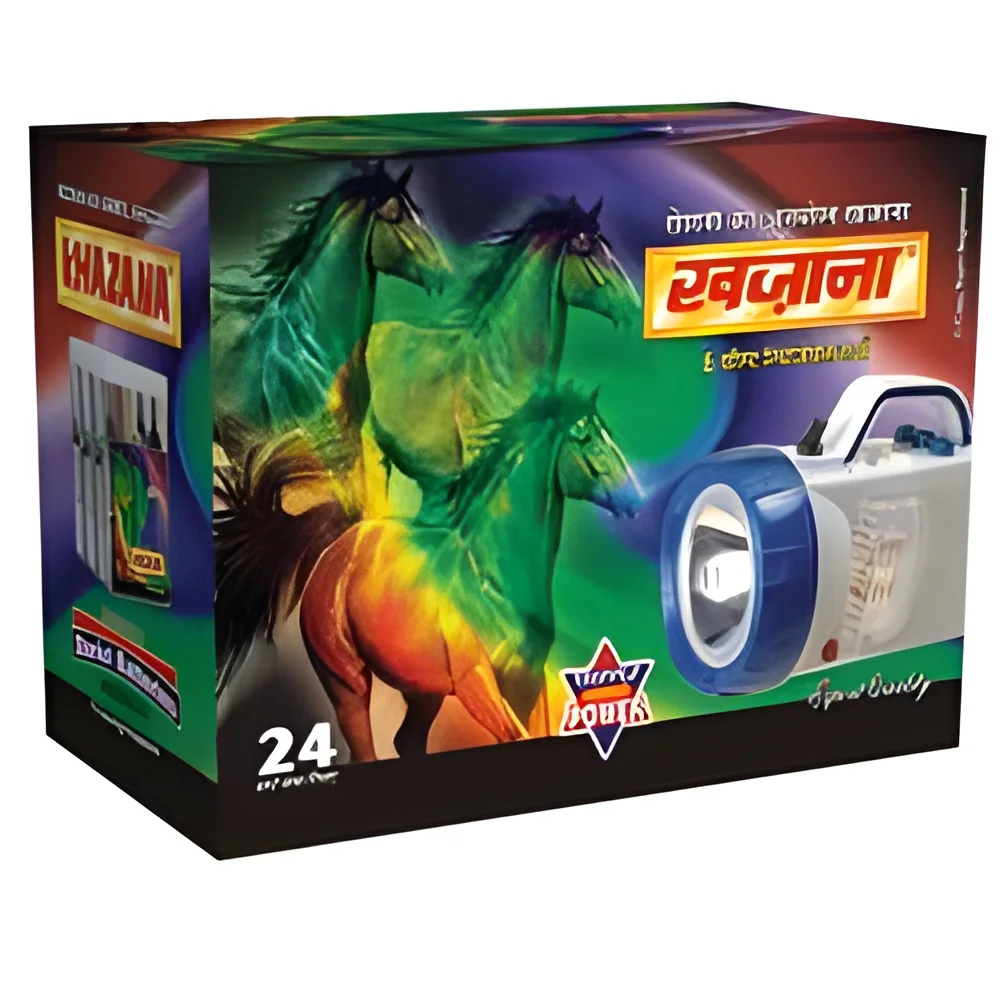
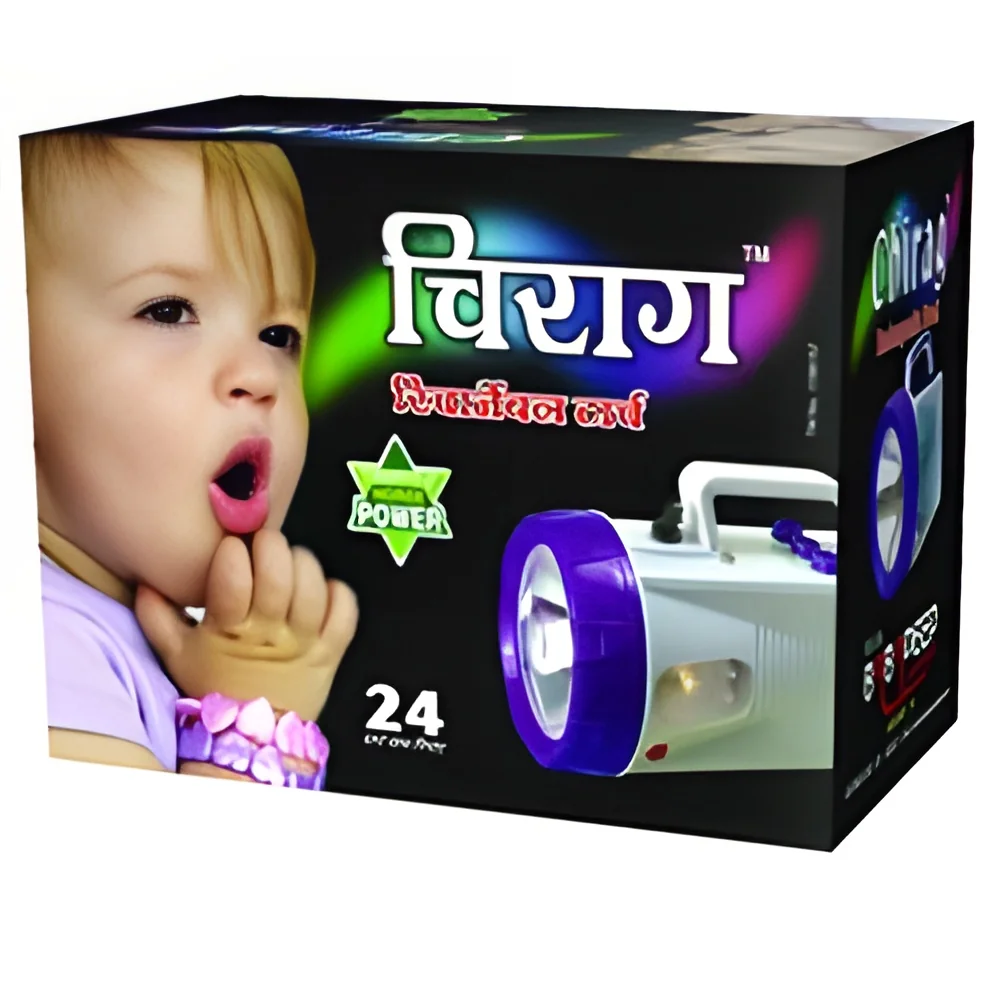
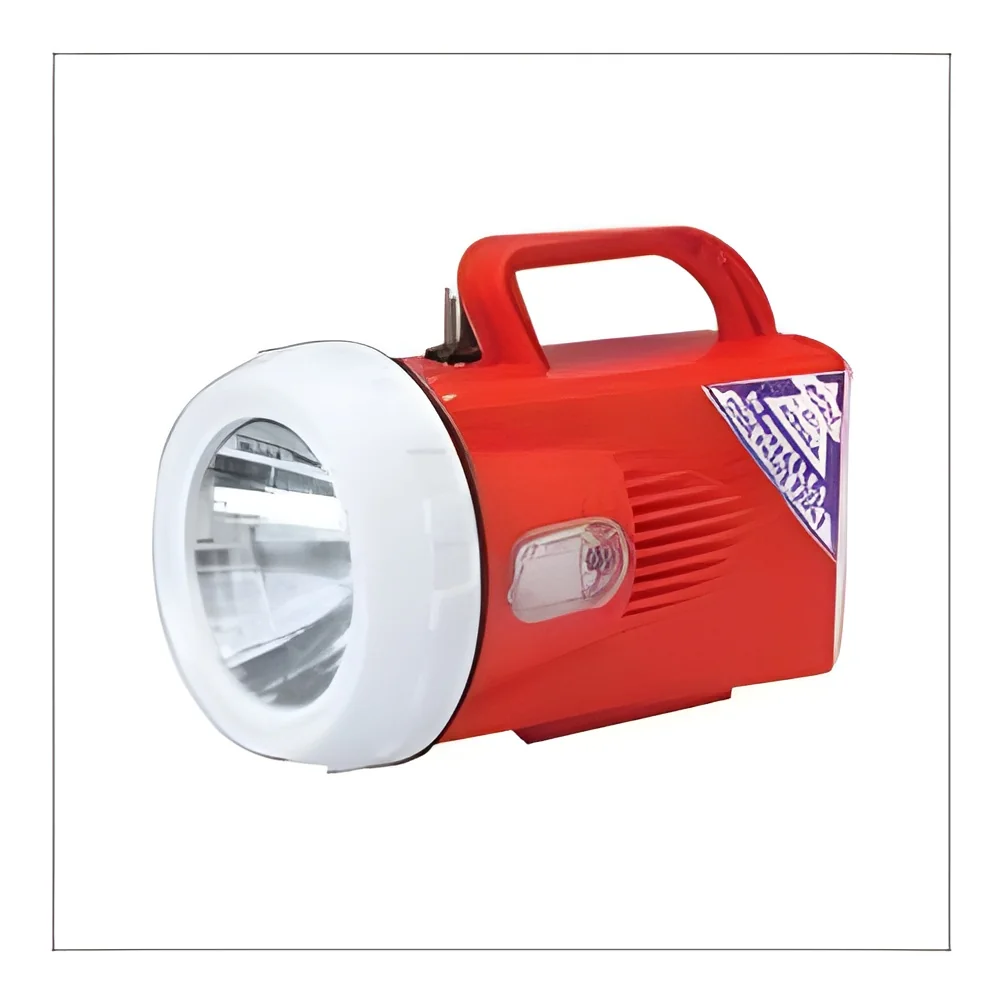
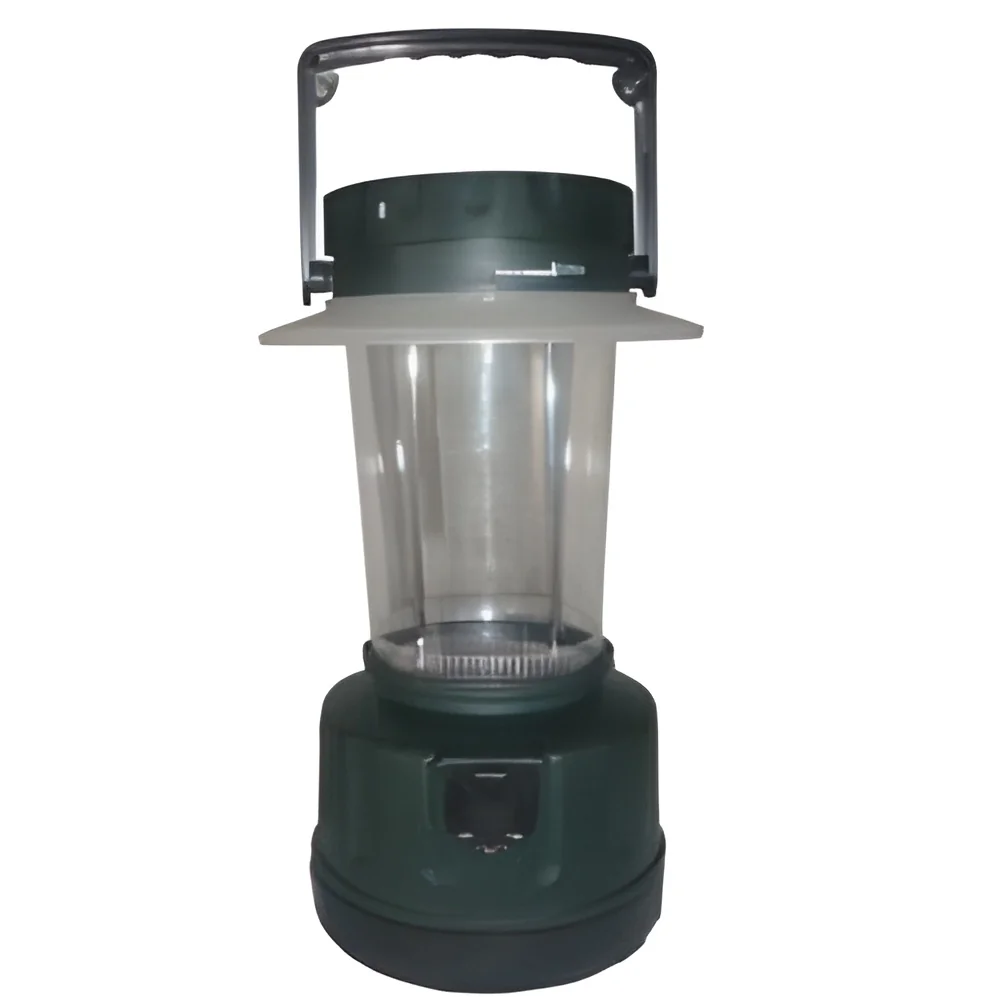
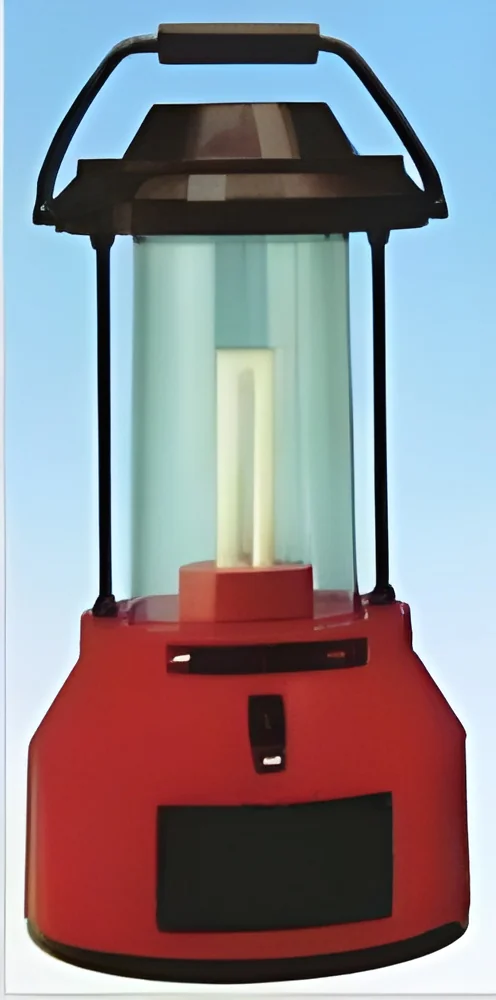
These lights are battery-operated and designed for easy transport. They are ideal for temporary setups and can be used in various locations, providing flexibility during emergencies.
Rechargeable Emergency Light
This type includes built-in batteries that recharge when the main power supply is available, ensuring readiness for unexpected outages.
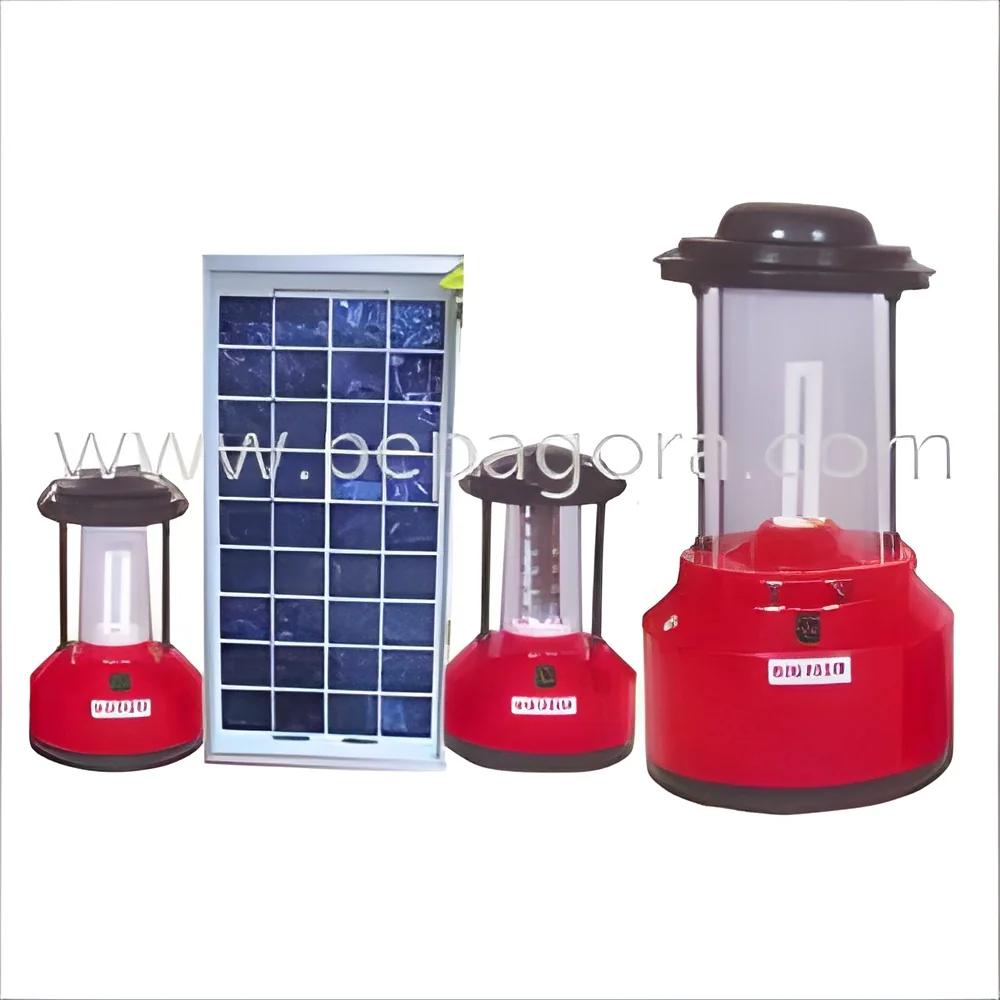
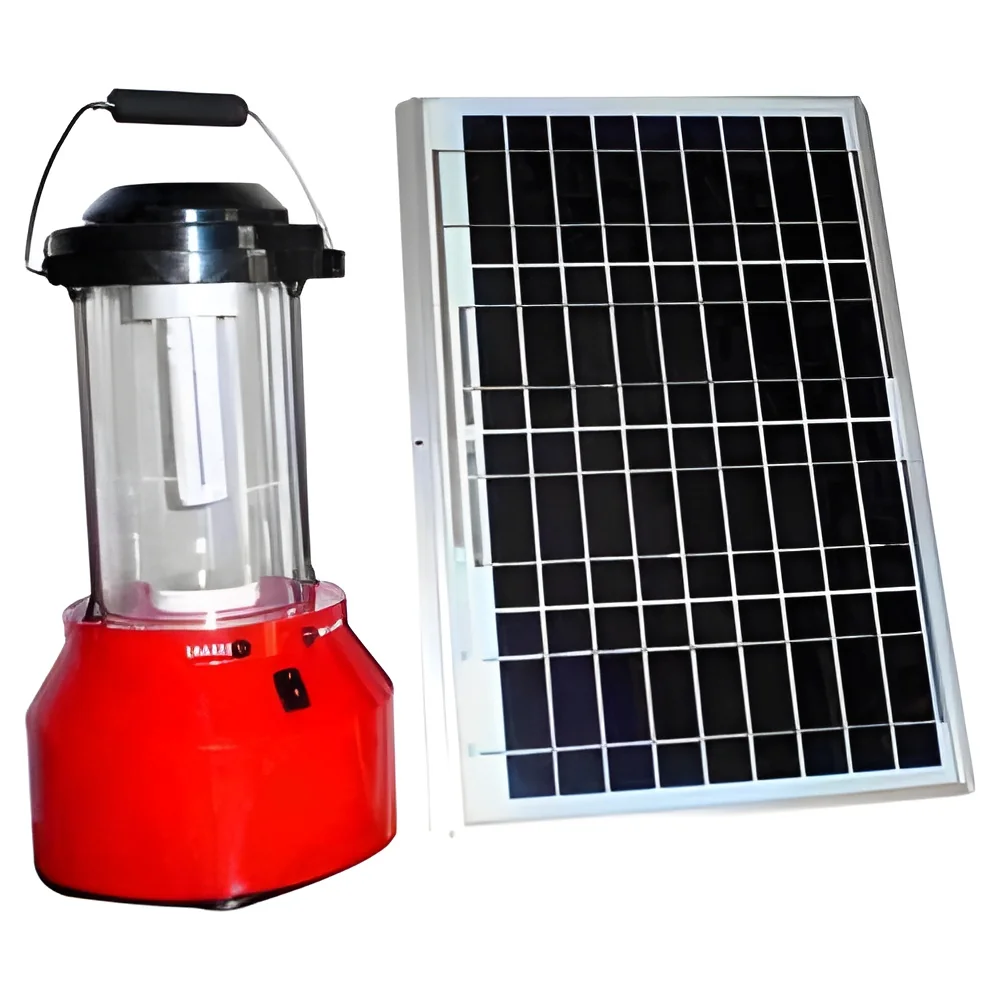
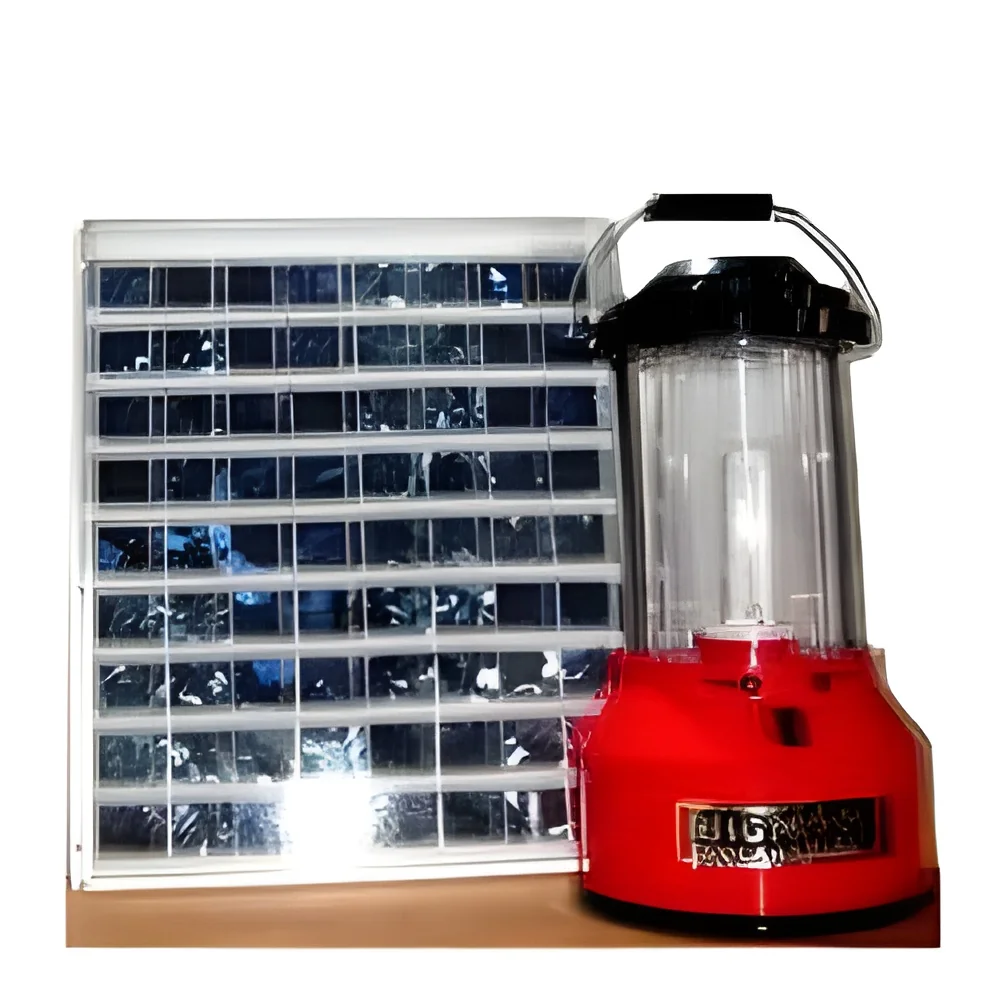
Solar-Powered Emergency Light
Utilizing solar energy, this variant is environmentally friendly and can be used in locations where traditional power sources are unavailable.
Benefits and Advantages
Emergency lights offer numerous benefits that enhance safety and compliance for businesses.
1. Improved Safety: Emergency lights provide essential illumination during power outages, helping to prevent accidents and injuries.
2. Regulatory Compliance: Installing emergency lighting systems ensures adherence to local safety regulations, reducing potential liability for businesses.
3. Enhanced Visibility: Bright lighting improves visibility in dark conditions, allowing for safer evacuation and navigation.
4. Cost-Effective Solutions: Many emergency lights are energy-efficient and have low maintenance costs, making them a practical investment.
5. Versatile Applications: Emergency lights can be used in various settings, from offices to industrial facilities, providing flexibility for businesses.
6. Reliable Performance: High-quality emergency lights are designed for longevity and reliability, ensuring they function when needed most.
Buying Guide for B2B Buyers
When sourcing emergency lights, businesses should consider several critical factors to ensure they make informed decisions.
1. Quality Assessment: Evaluate the quality of emergency lights by checking certifications and standards compliance. Look for products that meet recognized safety standards.
2. Supplier Verification: Vet potential suppliers by reviewing their reputation, customer feedback, and reliability. Ensure they have a proven track record in supplying emergency lighting solutions.
3. Pricing and MOQ: Understand the cost structure and minimum order quantities required by suppliers. Compare prices to find a balance between quality and affordability.
4. Delivery and Lead Times: Confirm the delivery schedules and lead times with suppliers. Timely delivery is crucial for ensuring that emergency lights are available when needed.
5. Compliance Requirements: Be aware of local regulations regarding emergency lighting, including installation and operational requirements. Ensure that the products sourced meet these regulations.
Compliance and Certifications
Emergency lights must adhere to various industry standards and certifications to ensure safety and reliability. Key quality standards include ISO 9001, which outlines requirements for a quality management system. Compliance with HACCP and GDP guidelines may also be necessary in specific industries like food and pharmaceuticals.
The CE certification signifies that the emergency lights meet European safety, health, and environmental protection standards. This certification is crucial for manufacturers and suppliers looking to enter the European market.
Safety and testing requirements vary by region, and manufacturers must conduct rigorous testing to ensure that their products perform as expected during emergencies. Additionally, businesses should consider regional compliance requirements, which may vary significantly based on local regulations and safety standards.
Why Source Emergency Lights from Pepagora?
Pepagora provides a trusted platform for sourcing emergency lights, offering several key advantages to B2B buyers.
Verified Supplier Network: Pepagora features a network of verified suppliers, ensuring that businesses can access high-quality products backed by reliable manufacturers.
Streamlined RFQ Process: The platform simplifies the request for quotation (RFQ) process, allowing buyers to easily communicate their requirements and receive competitive offers from multiple suppliers.
Trade Assurance and Support: Pepagora offers buyer protection through trade assurance, ensuring that businesses can source emergency lights with confidence. This support includes assistance with disputes and guarantees on product quality.
Regional Coverage: With a strong presence in India, the GCC, and Southeast Asia, Pepagora provides extensive regional coverage, making it easier for businesses in these areas to find suitable emergency lighting solutions tailored to their specific needs.

 IN
IN