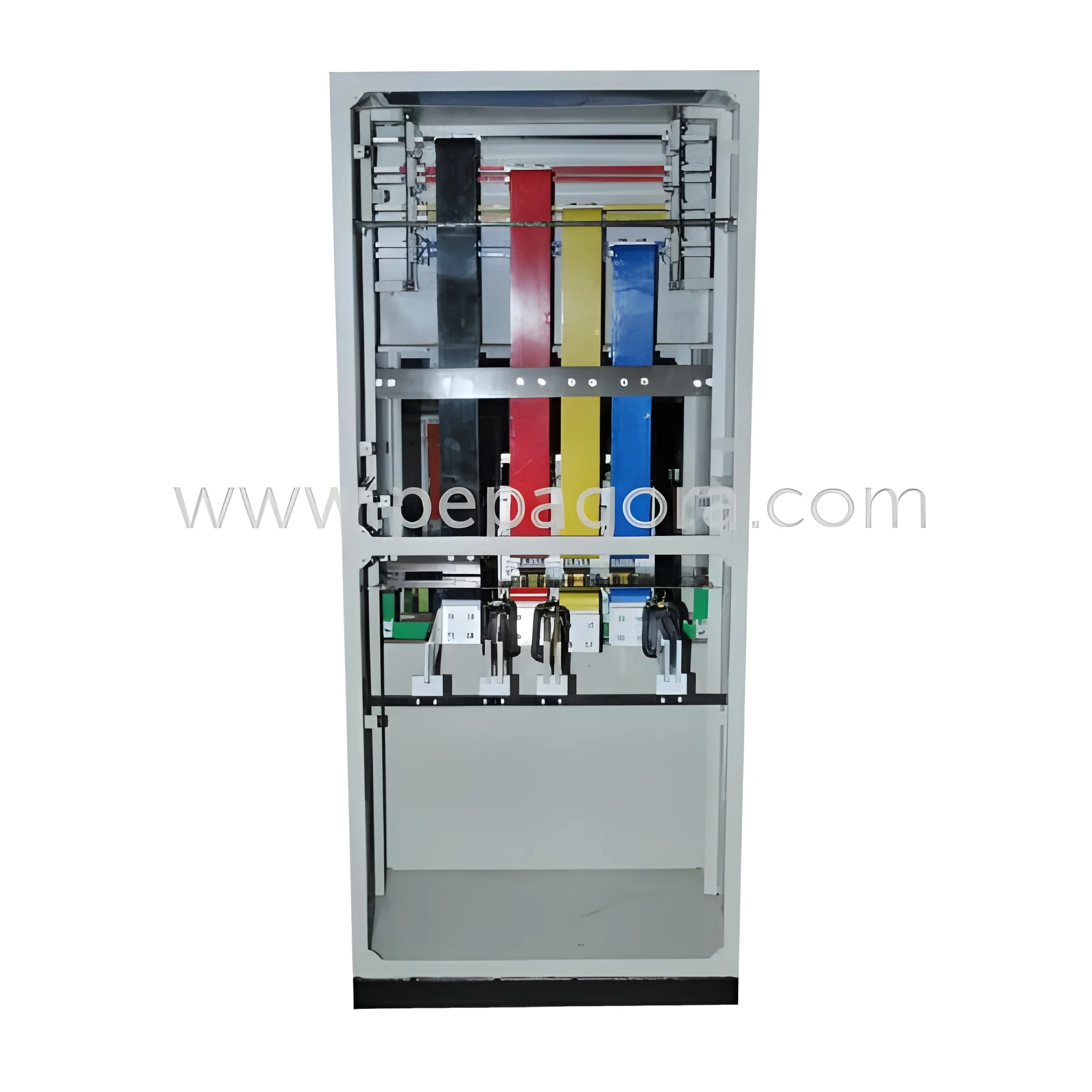
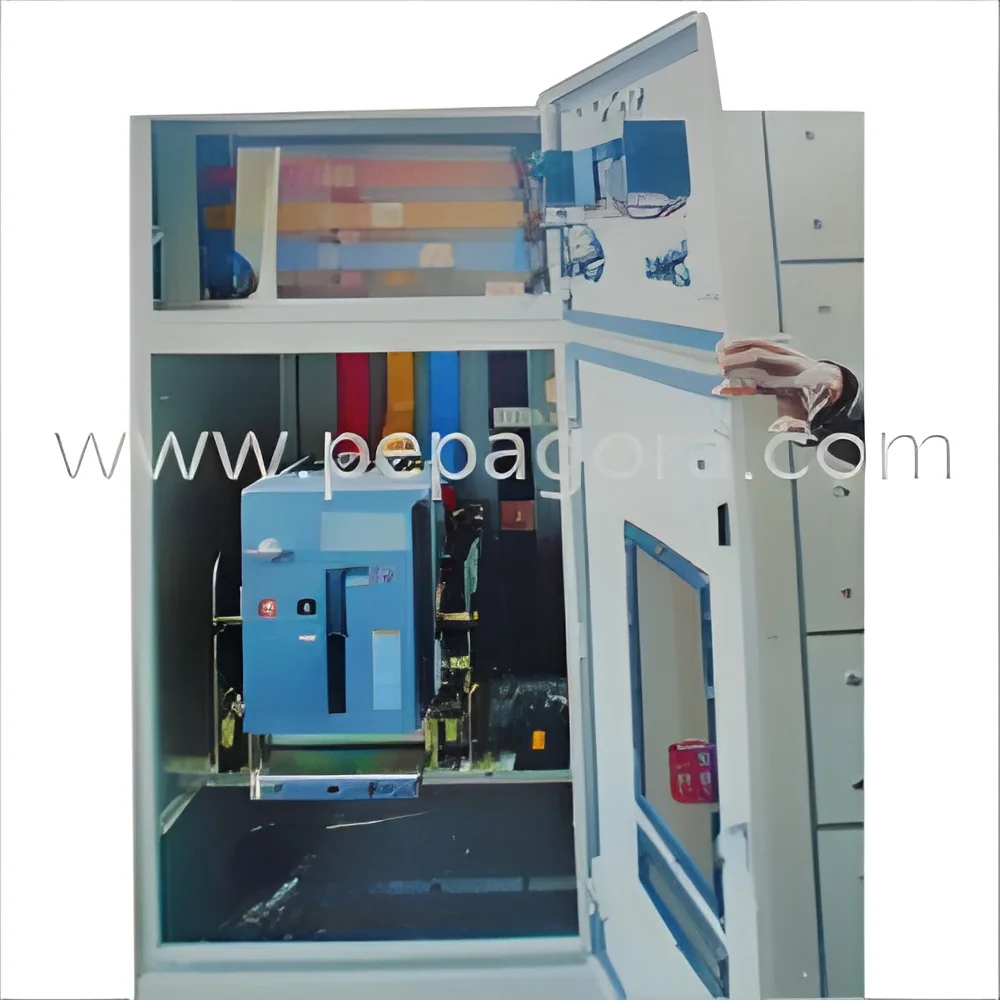
Key Features and Specifications
ACBs are equipped with several key features that make them indispensable in electrical systems. These features ensure safety, reliability, and efficiency in power distribution.
Key specifications include:
1. Current Rating
- ACBs are available in various current ratings, typically ranging from 16A to 6300A.
- The current rating determines the maximum load the breaker can handle.
2. Breaking Capacity
- This specification indicates the maximum short-circuit current that the ACB can safely interrupt.
- Values generally range from 15 kA to 100 kA, depending on the model.
3. Voltage Rating
- ACBs are designed for different voltage applications, commonly rated for 415V, 690V, or higher.
- The voltage rating must match the electrical system's specifications.
4. Protection Features
- Many ACBs come with built-in protection functions including overcurrent, earth fault, and short-circuit protection.
- These features enhance safety and operational reliability.
5. Mechanical Durability
- ACBs are designed for long service life, often rated for over 10,000 operational cycles.
- This durability is critical for reducing maintenance costs.
6. Size and Mounting Options
- ACBs come in different physical sizes and mounting configurations, including panel and floor-mounted types.
- This flexibility allows for integration into various setups.
7. Trip Mechanism
- ACBs can be equipped with thermal-magnetic or electronic trip mechanisms.
- This selection affects response times and customization options.
8. Compliance and Certifications
- Most ACBs adhere to industry standards and are certified by relevant bodies, such as CE.
- Compliance ensures product reliability and safety.
In summary, ACBs offer a range of features that cater to diverse industrial needs, enhancing safety and efficiency in electrical systems.
Common Applications and Use Cases
ACBs have applications across various industries due to their protective capabilities and reliability.
1. Manufacturing: In manufacturing plants, ACBs protect machinery and equipment from voltage surges and short circuits, ensuring continuous operation.
2. Power Generation: ACBs are used in power generation facilities to manage high voltage systems and protect transformers and generators from faults.
3. Commercial Buildings: In large commercial buildings, ACBs help distribute power efficiently while safeguarding electrical systems from overloads.
4. Data Centers: ACBs are critical in data centers to protect sensitive electronic equipment from power disruptions that could lead to data loss.
5. Oil and Gas: In the oil and gas industry, ACBs ensure the safety of electrical systems in hazardous environments, protecting equipment from faults.
6. Transportation: ACBs are used in transport systems, such as railways and airports, to manage electrical loads and protect infrastructure.
7. Mining: In mining operations, ACBs protect heavy machinery and electrical systems from the harsh conditions and potential faults.
Product Variants and Subcategories
ACBs come in various models and configurations to meet specific operational needs.
Standard ACBs
These are the most common ACB types, designed for general applications in industrial and commercial settings. They offer essential protective features and are available in various current ratings.
Smart ACBs
These advanced ACBs include monitoring and communication capabilities, allowing for remote management and real-time diagnostics of electrical systems.
Compact ACBs
Designed for space-constrained environments, compact ACBs provide essential protection in a smaller footprint, suitable for panel installations.
Modular ACBs
These ACBs allow for customization and scalability, making them ideal for systems where future expansion may be necessary.
Benefits and Advantages
The use of ACBs presents several advantages for businesses.
1. Enhanced Safety: ACBs provide reliable protection against electrical faults, reducing the risk of equipment damage and fire hazards.
2. Operational Efficiency: By preventing electrical overloads, ACBs maintain system efficiency, ensuring consistent power delivery to critical operations.
3. Cost Savings: The durability and long life of ACBs lead to lower maintenance costs and reduced downtime, translating into significant savings over time.
4. Versatile Applications: ACBs can be utilized in various industrial settings, making them a flexible solution for electrical protection.
5. Regulatory Compliance: ACBs help organizations meet safety and electrical standards, ensuring compliance with industry regulations.
6. Advanced Features: The inclusion of smart technology in some ACB models allows for better monitoring and management of electrical systems.
Buying Guide for B2B Buyers
When sourcing ACBs, it is essential to consider several factors to ensure the right choice for your needs.
1. Quality Assessment: Evaluate the quality of ACBs by reviewing manufacturer certifications and product testing results. Look for compliance with recognized standards to ensure reliability.
2. Supplier Verification: Vet potential suppliers by checking their reputation, customer reviews, and experience in the market. A verified supplier can ensure better product quality and support.
3. Pricing and MOQ: Understand the pricing structure and minimum order quantities (MOQ) set by suppliers. This information is crucial for budgeting and planning your procurement.
4. Delivery and Lead Times: Consider logistics and delivery schedules when sourcing ACBs. Ensure that suppliers can meet your project timelines to avoid delays.
5. Compliance Requirements: Be aware of any regulatory standards applicable to your industry. Ensure that the ACBs you select comply with necessary safety and electrical standards.
Compliance and Certifications
Compliance with quality standards and certifications is critical for ACBs. ACBs commonly adhere to ISO 9001 standards, which ensure that manufacturing processes meet international quality management criteria. This compliance enhances product reliability and safety.
Industry certifications, such as CE, indicate that ACBs meet European safety, health, and environmental protection standards. Such certifications are essential for products sold in specific markets, providing assurance to buyers regarding safety and performance.
Additionally, ACBs need to fulfill safety and testing requirements to ensure they operate effectively under various conditions. Manufacturers often conduct rigorous testing to confirm performance against specified standards. Regional compliance considerations may also apply, depending on the market and local regulations, ensuring that ACBs are suitable for the intended application.
Why Source ACBs (Air Circuit Breakers) from Pepagora?
Pepagora is a reputable platform for sourcing ACBs, offering several key advantages for B2B buyers.
Verified Supplier Network: Pepagora collaborates with a network of verified suppliers, ensuring that buyers have access to high-quality ACBs from trusted manufacturers. This verification process minimizes the risk of sourcing inferior products.
Streamlined RFQ Process: The platform features an efficient Request for Quotation (RFQ) system that simplifies the process of obtaining quotes from multiple suppliers. This feature saves time and allows buyers to compare options easily.
Trade Assurance and Support: Pepagora provides trade assurance to protect buyers throughout the purchasing process. This support includes addressing any concerns and facilitating communication between buyers and suppliers.
Regional Coverage: With a focus on regions such as India, the GCC, and Southeast Asia, Pepagora offers extensive geographic coverage. This reach allows buyers to find suitable ACB solutions that meet their specific regional requirements while accessing a diverse range of products.

 IN
IN