
 IN
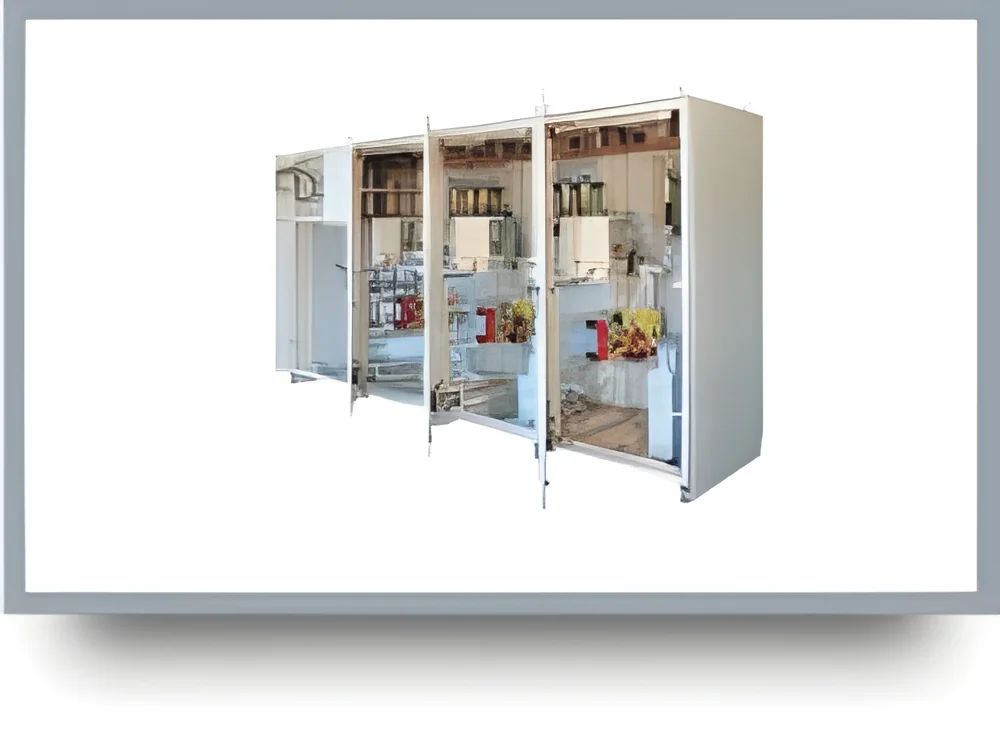
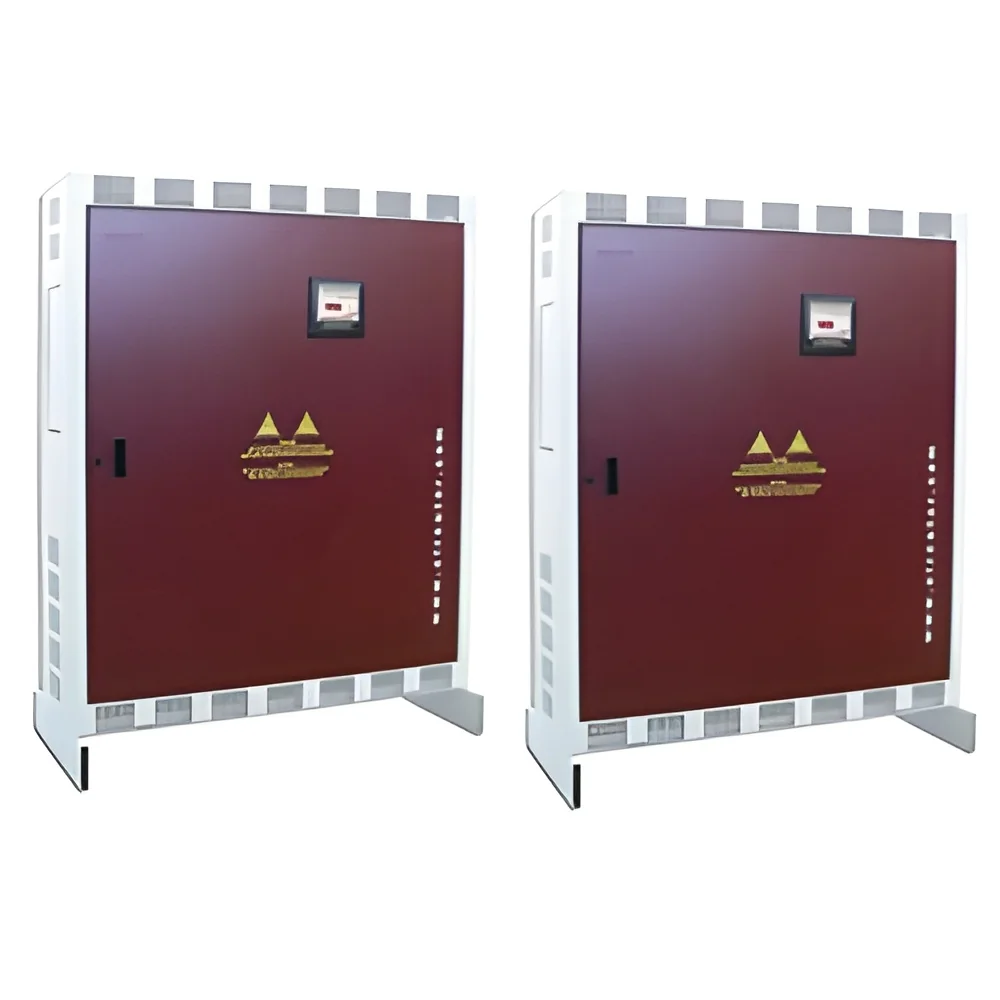
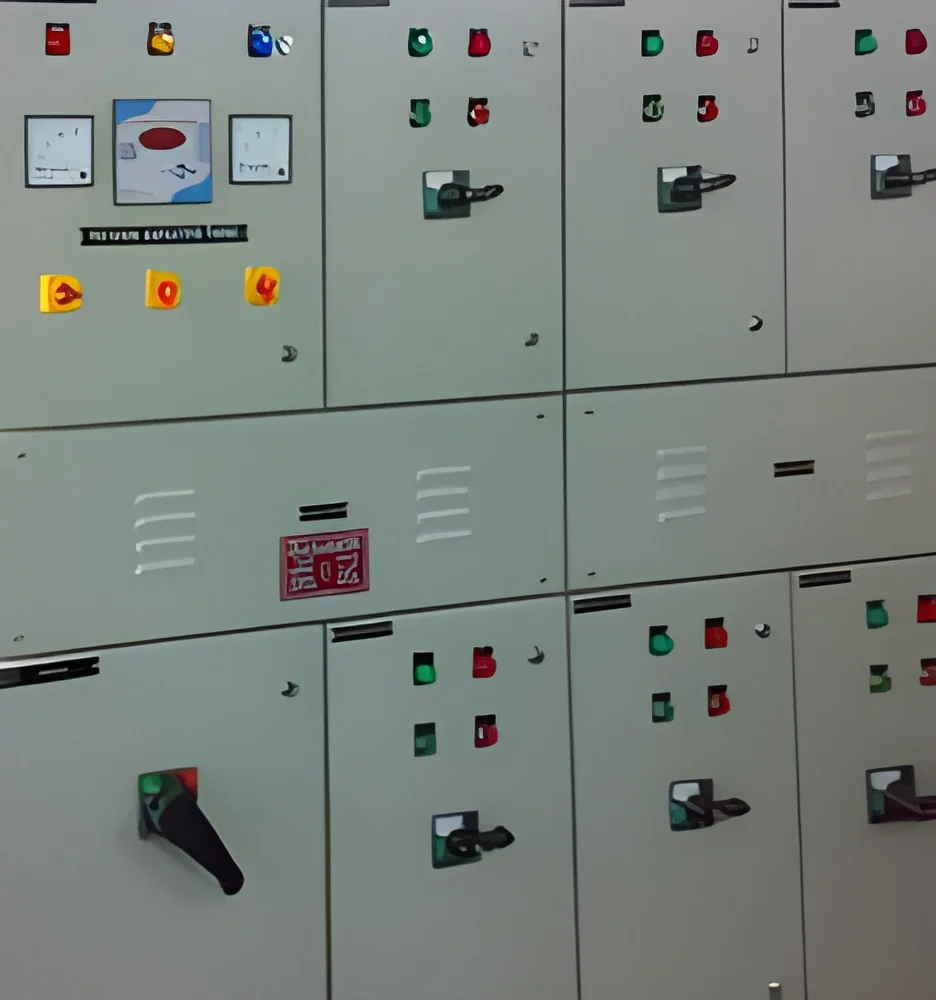
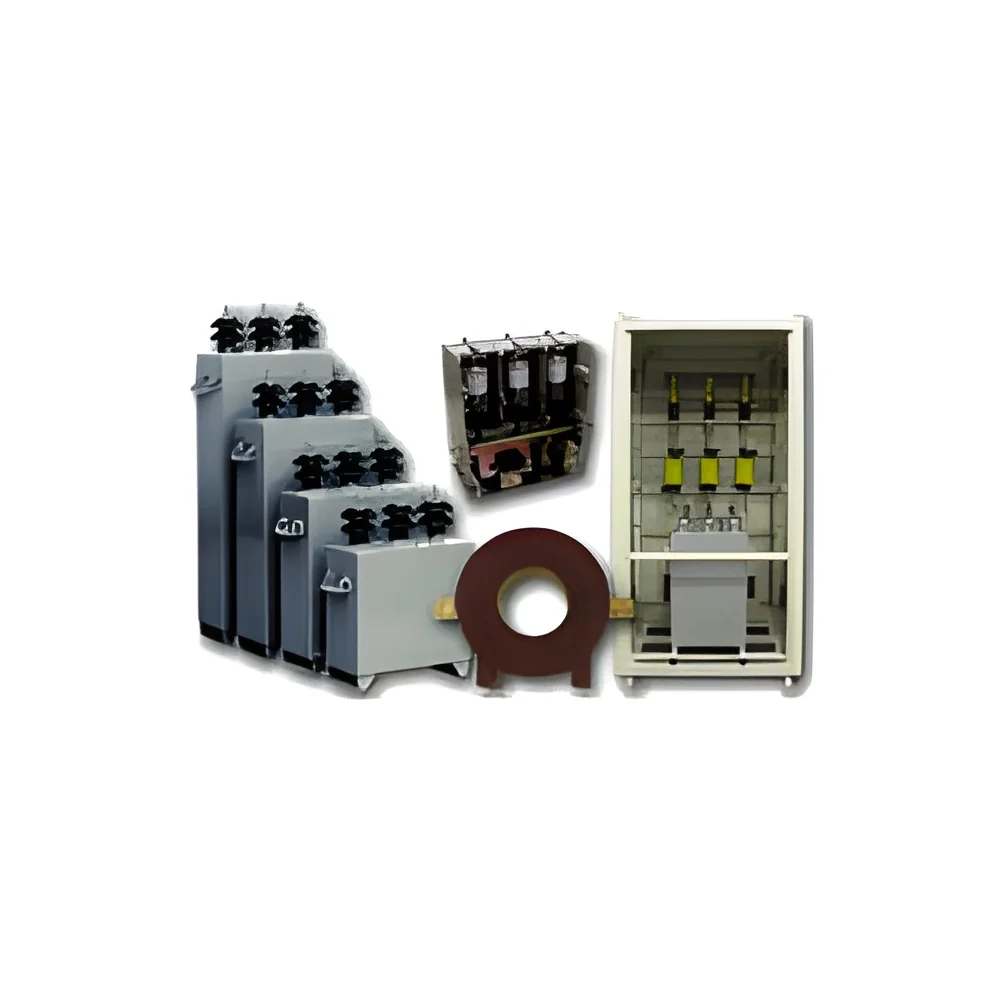
Power Factor Correction Panels
49 products available
What are Power Factor Correction Panels?
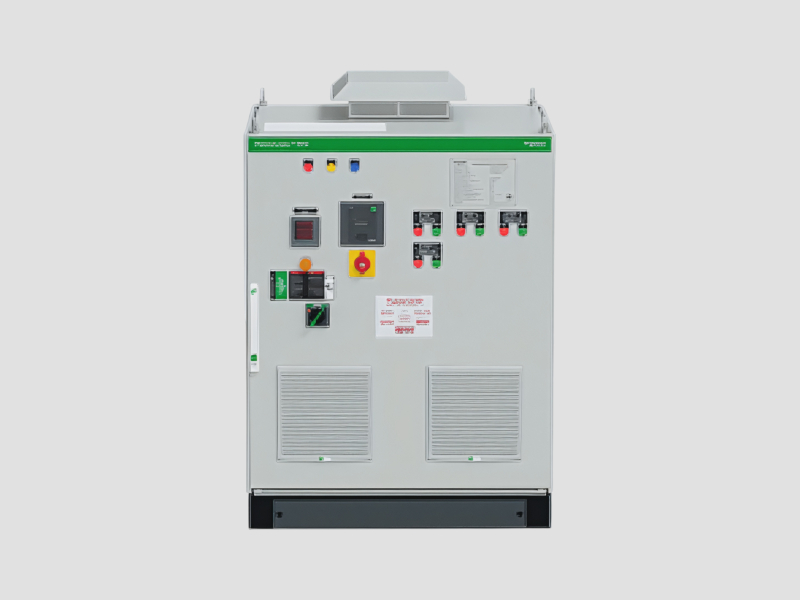
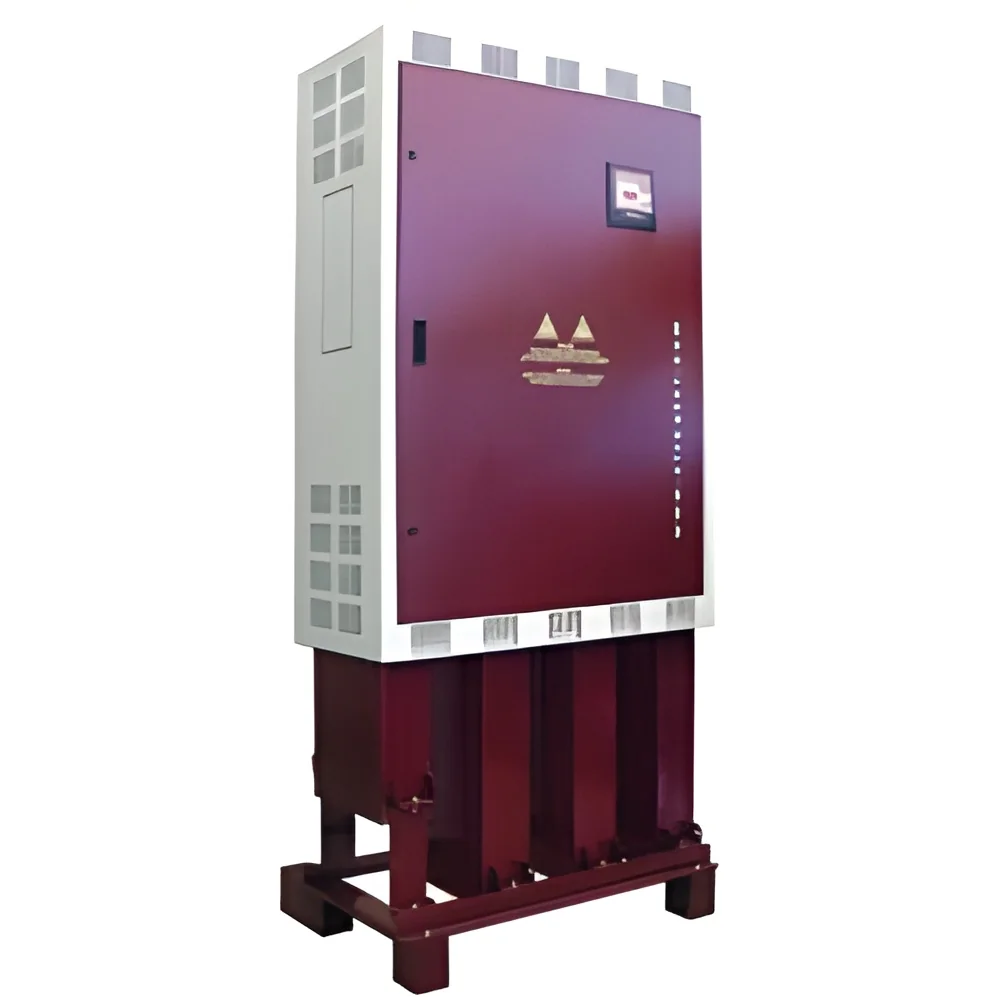
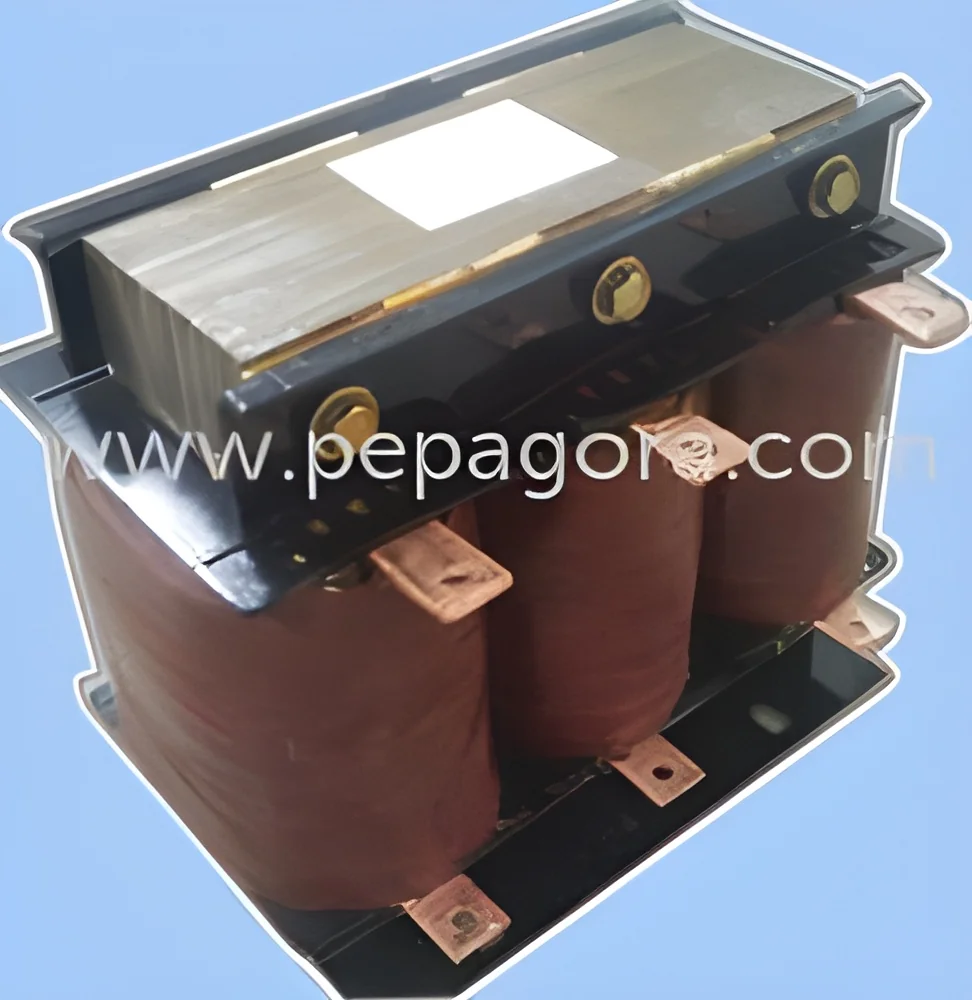
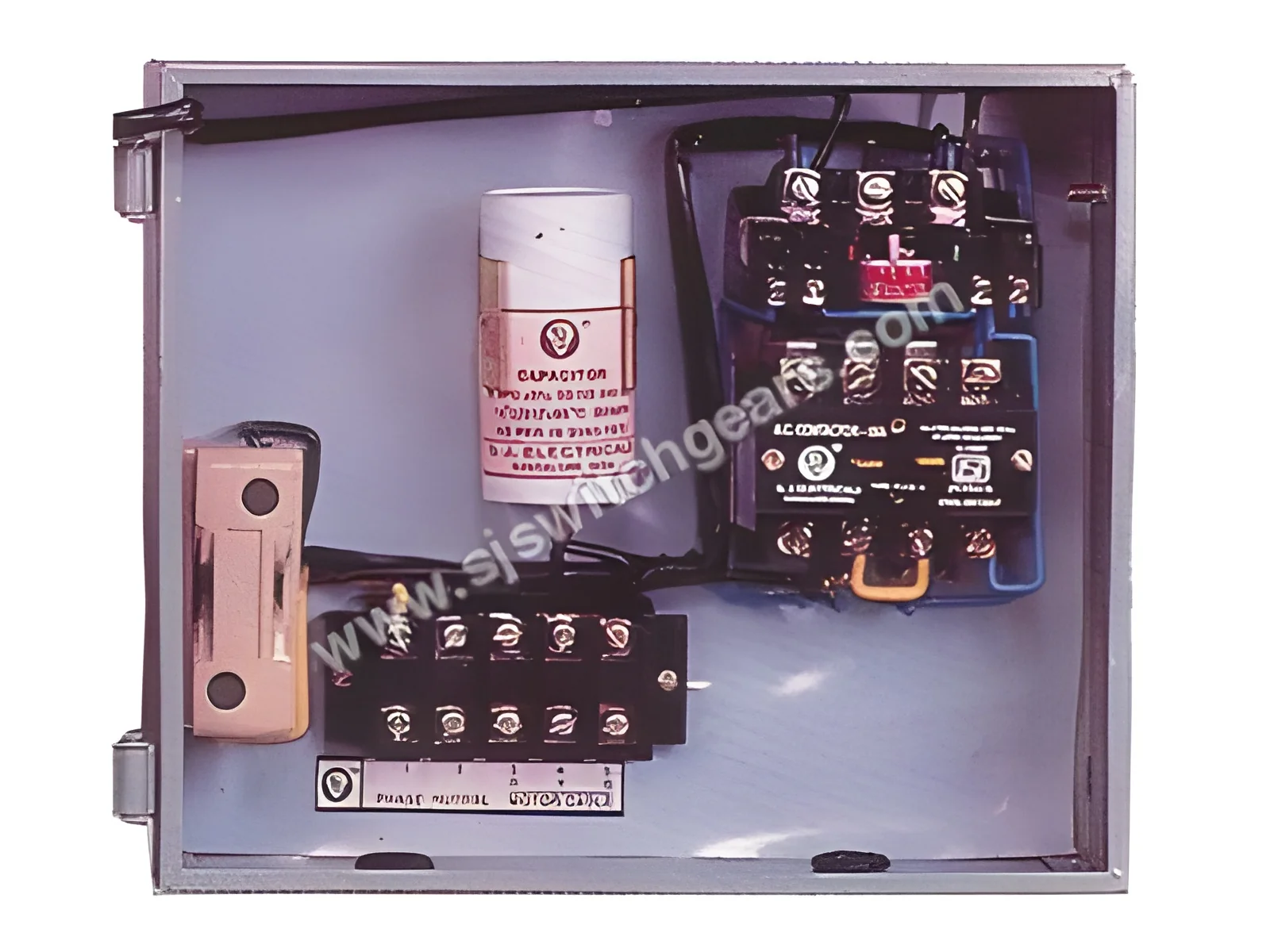
Power Factor Correction Panels are specialized electrical devices designed to improve the power factor in electrical systems. The power factor is a measure of how effectively electrical power is being converted into useful work output. A low power factor indicates that a significant portion of the electrical energy supplied is not being effectively utilized, leading to increased energy costs and potential penalties from utility companies. Power Factor Correction Panels address this issue by adding capacitive loads to the system, which helps to balance the inductive loads and enhance the overall efficiency of the power supply.
These panels are commonly used in various business applications, including manufacturing plants, commercial buildings, and industrial facilities. By optimizing the power factor, companies can reduce their electricity costs, minimize energy losses, and enhance the performance of their electrical equipment. This is particularly important in industries where large motors and transformers are prevalent, as these devices often contribute to poor power factor readings. As energy efficiency becomes a crucial focus for businesses, the relevance of Power Factor Correction Panels continues to grow in the marketplace.
Key Features and Specifications
Power Factor Correction Panels come equipped with several key features and specifications that enhance their effectiveness and reliability in various applications. These specifications ensure that the panels operate efficiently and meet industry standards for performance and safety.
Key specifications include:
1. Voltage Rating
- Typically ranges from 400V to 690V
- Ensures compatibility with various electrical systems
2. Capacitor Bank Size
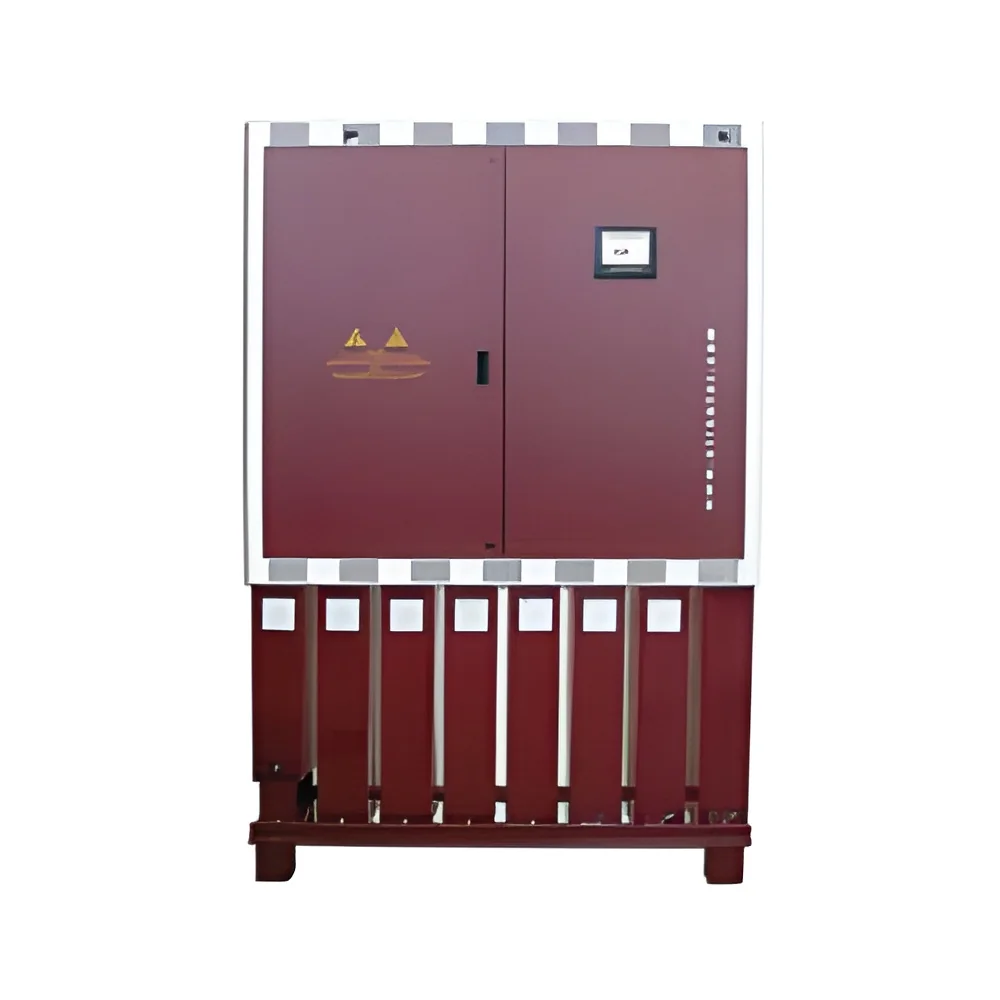
- Available in sizes from 5 kVAR to 1000 kVAR
- Customizable to meet specific load requirements
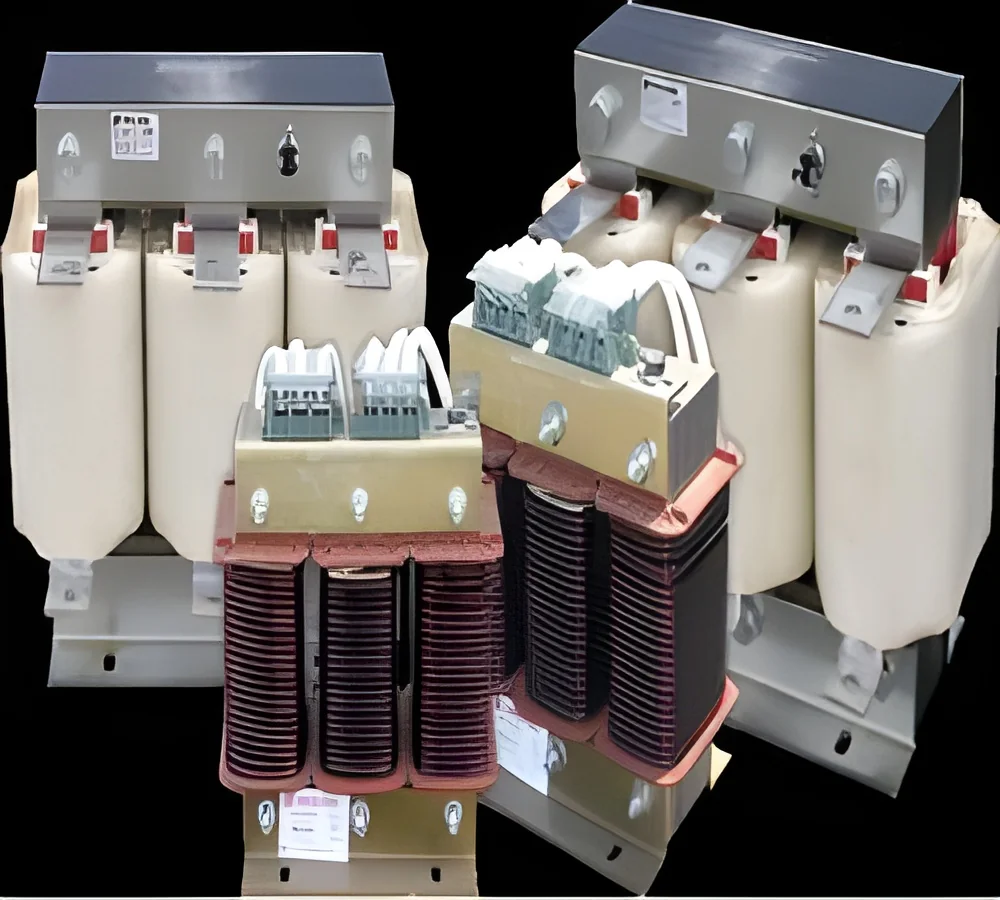
3. Harmonic Mitigation
- Features to reduce harmonic distortion in electrical systems
- Improves overall power quality and equipment lifespan
4. Automatic Control System
- Incorporates automatic switching based on load conditions
- Enhances operational efficiency and energy savings
5. Protection Features
- Includes fuses, circuit breakers, and thermal overload protection
- Safeguards equipment from electrical faults
6. Enclosure Type
- Available in indoor and outdoor configurations
- Provides durability and protection from environmental factors
7. Compliance with Standards
- Designed to meet international quality and safety standards
- Ensures reliable operation in various industrial settings
In summary, Power Factor Correction Panels are equipped with advanced features and specifications that make them suitable for enhancing energy efficiency in numerous applications.
Common Applications and Use Cases
Power Factor Correction Panels are utilized across a wide range of industries to address specific energy efficiency challenges.
1. Manufacturing: These panels help improve the power factor in factories, reducing energy costs associated with machinery operations and enhancing the performance of electrical equipment.
2. Commercial Buildings: In office complexes and retail spaces, Power Factor Correction Panels optimize energy use, leading to lower utility bills and improved energy efficiency ratings.
3. Mining: The mining industry relies on heavy machinery that often contributes to poor power factor. These panels help mitigate costs associated with energy penalties.
4. HVAC Systems: Power Factor Correction Panels are used in heating, ventilation, and air conditioning systems to improve energy efficiency and reduce operational costs.
5. Water Treatment Plants: These panels enhance the efficiency of pumping systems, helping to optimize energy use in water distribution and treatment operations.
6. Data Centers: In facilities where power quality is critical, these panels improve power factor, ensuring reliable operation of servers and IT equipment.
7. Agriculture: Power Factor Correction Panels are employed in agricultural applications to improve efficiency in irrigation systems and other electrically powered equipment.
Product Variants and Subcategories
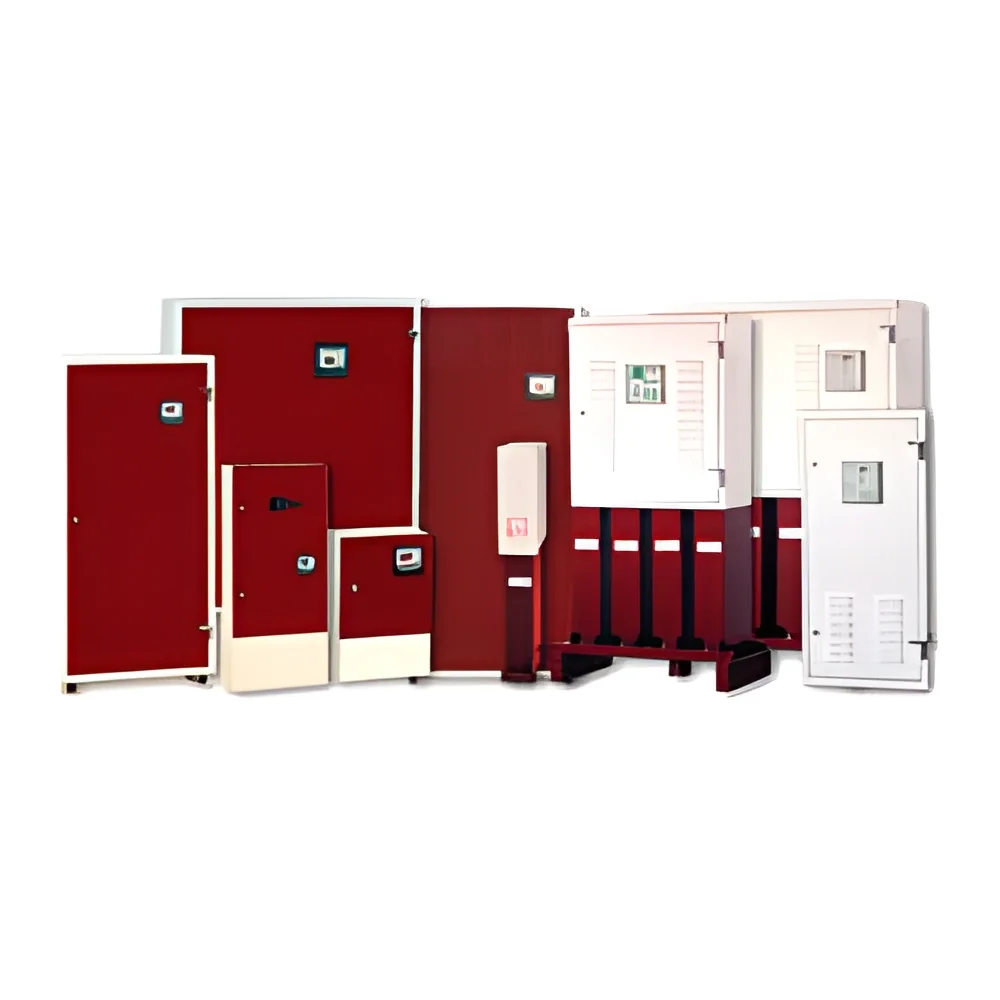
Power Factor Correction Panels come in various configurations to meet the diverse needs of different industries. While specific subcategories may not be widely documented, the following variants illustrate the adaptability of these panels.
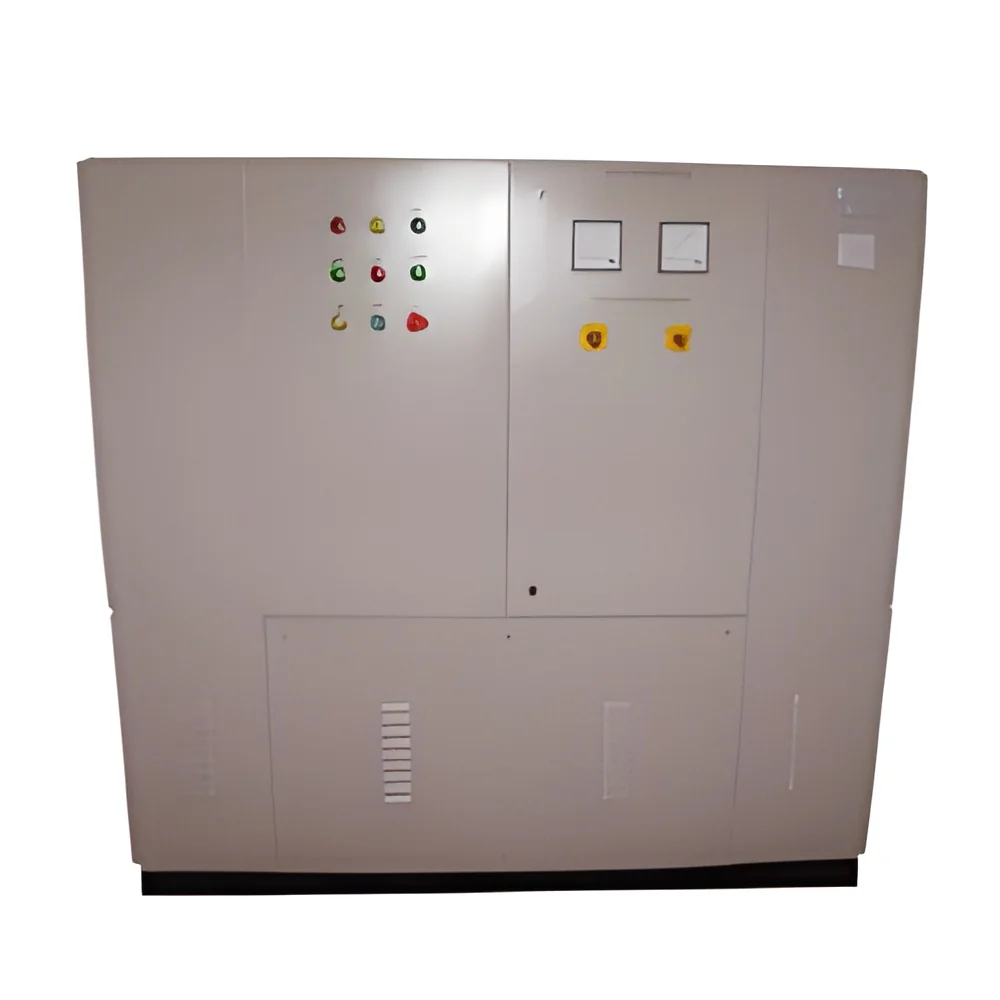
Standard Power Factor Correction Panels: These are the most common type, designed for general industrial use. They feature automatic control systems and are available in a range of sizes to accommodate different load requirements.
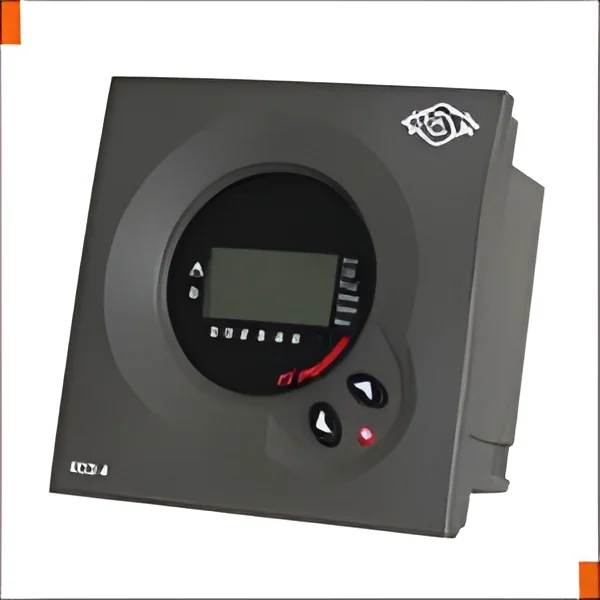
Smart Power Factor Correction Panels: These panels incorporate advanced monitoring and control features, allowing for real-time adjustments to optimize power factor based on current load conditions. They are ideal for dynamic industrial environments.
Compact Power Factor Correction Panels: Designed for installations with space constraints, these panels offer efficient power factor correction in a more compact form factor. They are suitable for smaller commercial buildings or facilities.
Benefits and Advantages
Investing in Power Factor Correction Panels offers numerous benefits to businesses looking to enhance their energy efficiency and reduce operational costs.
1. Cost Savings: By improving the power factor, companies can significantly reduce their electricity bills and avoid penalties associated with low power factor readings.
2. Equipment Longevity: Enhancing power quality leads to less strain on electrical equipment, resulting in extended lifespan and reduced maintenance costs.
3. Improved Energy Efficiency: These panels optimize electrical systems, allowing for more effective use of energy throughout the facility.
4. Compliance with Utility Regulations: By maintaining an acceptable power factor, businesses can comply with utility company standards and avoid additional charges.
5. Enhanced System Performance: Improved power factor can lead to better performance of motors and other inductive loads, contributing to increased productivity.
6. Environmental Benefits: Optimizing energy use reduces overall energy consumption, which can lead to a lower carbon footprint for businesses.
Buying Guide for B2B Buyers
When sourcing Power Factor Correction Panels, B2B buyers should consider several key factors to ensure they select the right solution for their needs.
1. Quality Assessment: Look for panels that meet recognized quality standards such as ISO 9001. This ensures that the panels are manufactured to high-quality specifications and can reliably perform in demanding environments.
2. Supplier Verification: Vet potential suppliers by checking their industry reputation, customer reviews, and certifications. A verified supplier network can ensure timely delivery and quality products.
3. Pricing and MOQ: Understand the pricing structures and minimum order quantities (MOQ) required by suppliers. This will help in budgeting and planning for procurement.
4. Delivery and Lead Times: Inquire about delivery schedules and lead times to ensure that the panels can be delivered when needed. Timely delivery is crucial for maintaining project timelines.
5. Compliance Requirements: Ensure that the panels comply with local and international regulations. This includes safety standards and environmental regulations that may affect installation and operation.
Compliance and Certifications
Power Factor Correction Panels must adhere to various compliance and certification standards to ensure safety and reliability in operation.
Relevant quality standards include ISO 9001, which specifies requirements for a quality management system. Compliance with this standard indicates that the manufacturing processes meet consistent quality benchmarks.
The CE marking is a crucial certification for Power Factor Correction Panels, indicating that they meet European safety standards. This certification is essential for companies operating in or exporting to European markets.
Safety and testing requirements vary by region but generally include thorough inspections and testing to ensure that panels can operate safely under specified conditions.
Regional compliance considerations are also important, as different countries may have specific regulations governing electrical equipment. Buyers should verify that their selected panels meet local compliance standards to ensure smooth installation and operation.
Why Source Power Factor Correction Panels from Pepagora?
Pepagora offers a trusted platform for sourcing Power Factor Correction Panels, providing several key advantages for businesses.
Verified Supplier Network: Pepagora connects buyers with a network of verified suppliers, ensuring that all products meet high-quality standards. This level of vetting helps buyers make informed purchasing decisions.
Streamlined RFQ Process: The request for quotation (RFQ) process on Pepagora is straightforward, allowing buyers to quickly receive quotes from multiple suppliers. This efficiency helps businesses find the best pricing and options available.
Trade Assurance and Support: Pepagora provides trade assurance, offering protection for buyers throughout the procurement process. This support enhances buyer confidence and minimizes risks associated with sourcing.
Regional Coverage: With a strong presence in India, the GCC, and Southeast Asia, Pepagora offers regional coverage that allows businesses to easily access suppliers and products tailored to their specific market needs.
In conclusion, sourcing Power Factor Correction Panels from Pepagora equips businesses with the necessary tools to improve energy efficiency and reduce operational costs while ensuring compliance and quality.












Frequently Asked Questions
What are Power Factor Correction Panels?
Power Factor Correction Panels are electrical devices used to improve the power factor in electrical systems. They work by compensating for the lagging power factor caused by inductive loads, thus enhancing energy efficiency and reducing electricity costs.
What are the different types of Power Factor Correction Panels?
There are mainly two types of Power Factor Correction Panels: automatic and manual. Automatic panels adjust the reactive power in real-time, while manual panels require human intervention to adjust the capacitors based on the load changes.
How do I choose the right Power Factor Correction Panels?
Choosing the right Power Factor Correction Panel involves assessing the specific power requirements of your electrical system. Consider factors such as the total load, existing power factor, and the type of inductive loads present to select a suitable panel.
What are the standard specifications for Power Factor Correction Panels?
Standard specifications for Power Factor Correction Panels typically include voltage rating, current rating, and the type of capacitors used. They should also comply with relevant industry standards for safety and performance.
What is the price range for Power Factor Correction Panels?
The price range for Power Factor Correction Panels can vary widely based on specifications and features. Generally, prices can start from a few thousand rupees and go up to several lakhs, depending on the complexity and capacity of the panel.
What quality standards apply to Power Factor Correction Panels?
Power Factor Correction Panels must adhere to various quality standards, including IS, IEC, and ISO certifications. These standards ensure reliability, safety, and efficiency in the operation of the panels.
Where can I find Power Factor Correction Panels suppliers in India?
You can find Power Factor Correction Panels suppliers in India through online B2B marketplaces like Pepagora.com. Additionally, industry trade shows and local electrical equipment suppliers can also provide valuable contacts.
Can Power Factor Correction Panels be customized?
Yes, Power Factor Correction Panels can be customized to meet specific operational requirements. Manufacturers often offer customization options tailored to the unique needs of different industries and applications.
What is the typical minimum order quantity for Power Factor Correction Panels?
The typical minimum order quantity (MOQ) for Power Factor Correction Panels can vary by supplier, but it generally ranges from 1 to 10 units. It's advisable to check with specific manufacturers for their MOQ policies.
What is the typical lead time for Power Factor Correction Panels?
The typical lead time for Power Factor Correction Panels can range from a few weeks to several months, depending on the customization and the manufacturer's production schedule. It's best to confirm lead times with the supplier at the time of order.
Why Businesses Trust Pepagora
Thousands of companies trust Pepagora to source smarter and sell faster
Expand Your Sales Globally

Source Smarter,Grow Faster
