
 IN
Street Lighting Fixtures
8 products available
What are Street Lighting Fixtures?
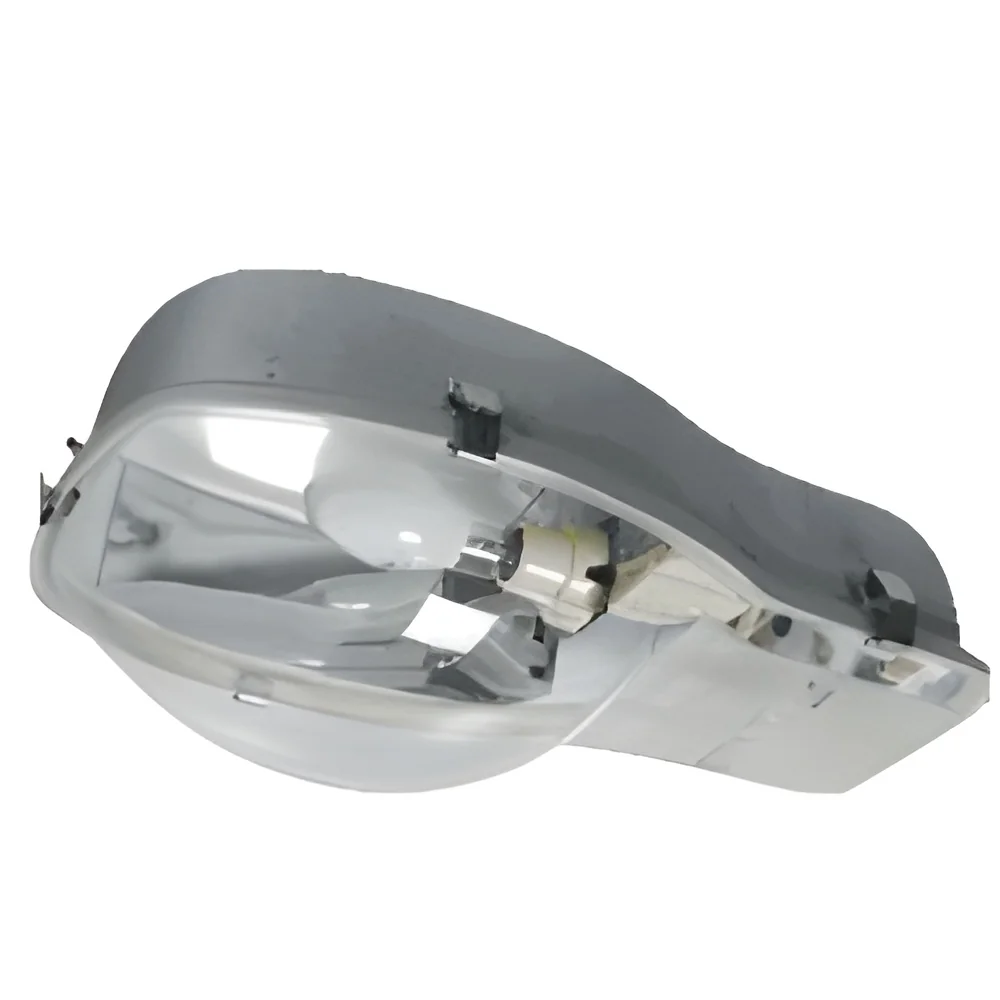
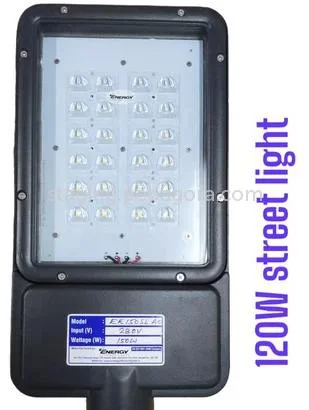
Street lighting fixtures are essential components designed to illuminate public spaces, roadways, and pathways during nighttime or low-visibility conditions. These fixtures typically consist of a housing unit that contains light sources, such as LED or traditional bulbs, along with necessary electrical components. They are engineered to withstand various environmental factors including weather conditions, temperature fluctuations, and potential vandalism.
Primarily, street lighting fixtures serve the purpose of enhancing safety and security for pedestrians and vehicles alike. They are commonly installed along streets, highways, parks, and commercial areas to provide adequate visibility. Beyond basic illumination, these fixtures can also contribute to aesthetic designs in urban planning and community development. The street lighting industry is evolving, with increasing demand for energy-efficient and sustainable lighting solutions, reflecting broader trends in environmental responsibility and smart city initiatives.
Key Features and Specifications
Street lighting fixtures come with a variety of features designed to meet specific needs. The specifications can vary based on the intended application and environmental conditions. Understanding these specifications helps businesses select the right fixtures for their projects.
Key specifications include:
1. Light Source Type
- Options include LED, HID, and fluorescent
- LED fixtures are often preferred for energy efficiency
2. Wattage
- Common wattage ranges from 30W to 300W
- Higher wattage typically indicates brighter illumination
3. Lumen Output
- Measures the total amount of light produced
- Ranges from 2,500 to over 30,000 lumens depending on the fixture
4. Color Temperature
- Measured in Kelvin (K), with common options being 3000K to 6000K
- Influences the color of the light emitted
5. Voltage
- Standard voltages include 120V, 240V, and 277V
- Must match local electrical systems for proper functionality
6. Material
- Common materials used are aluminum, polycarbonate, and glass
- Durability and resistance to corrosion are key considerations
7. IP Rating
- Indicates ingress protection against dust and water
- Common ratings are IP65 or IP66 for outdoor use
8. Mounting Options
- Various mounting styles like pole, wall, or pendant
- Must align with installation requirements
In summary, street lighting fixtures are defined by multiple features and specifications that allow for tailored solutions to meet diverse lighting needs.
Common Applications and Use Cases
Street lighting fixtures are utilized across various sectors to enhance safety and visibility.
1. Urban Areas: In cities, street lighting is vital for illuminating roadways, sidewalks, and public parks, ensuring pedestrian safety during night hours.
2. Commercial Districts: Businesses use these fixtures to enhance visibility for customers and create inviting atmospheres around storefronts and parking lots.
3. Industrial Sites: Factories and warehouses require robust lighting for safety and operational efficiency during overnight shifts.
4. Highways: Roadways benefit from high-intensity fixtures that provide long-distance visibility, crucial for vehicle navigation and safety.
5. Recreational Areas: Parks and sports complexes utilize street lighting to extend usage hours and ensure safety for participants and spectators.
6. Residential Communities: Housing developments often incorporate street lighting to enhance neighborhood safety and improve property values.
7. Transportation Hubs: Airports and bus stations employ street lighting fixtures to guide travelers and ensure secure environments.
Product Variants and Subcategories
Street lighting fixtures are available in a diverse range of variants to suit different applications and preferences.
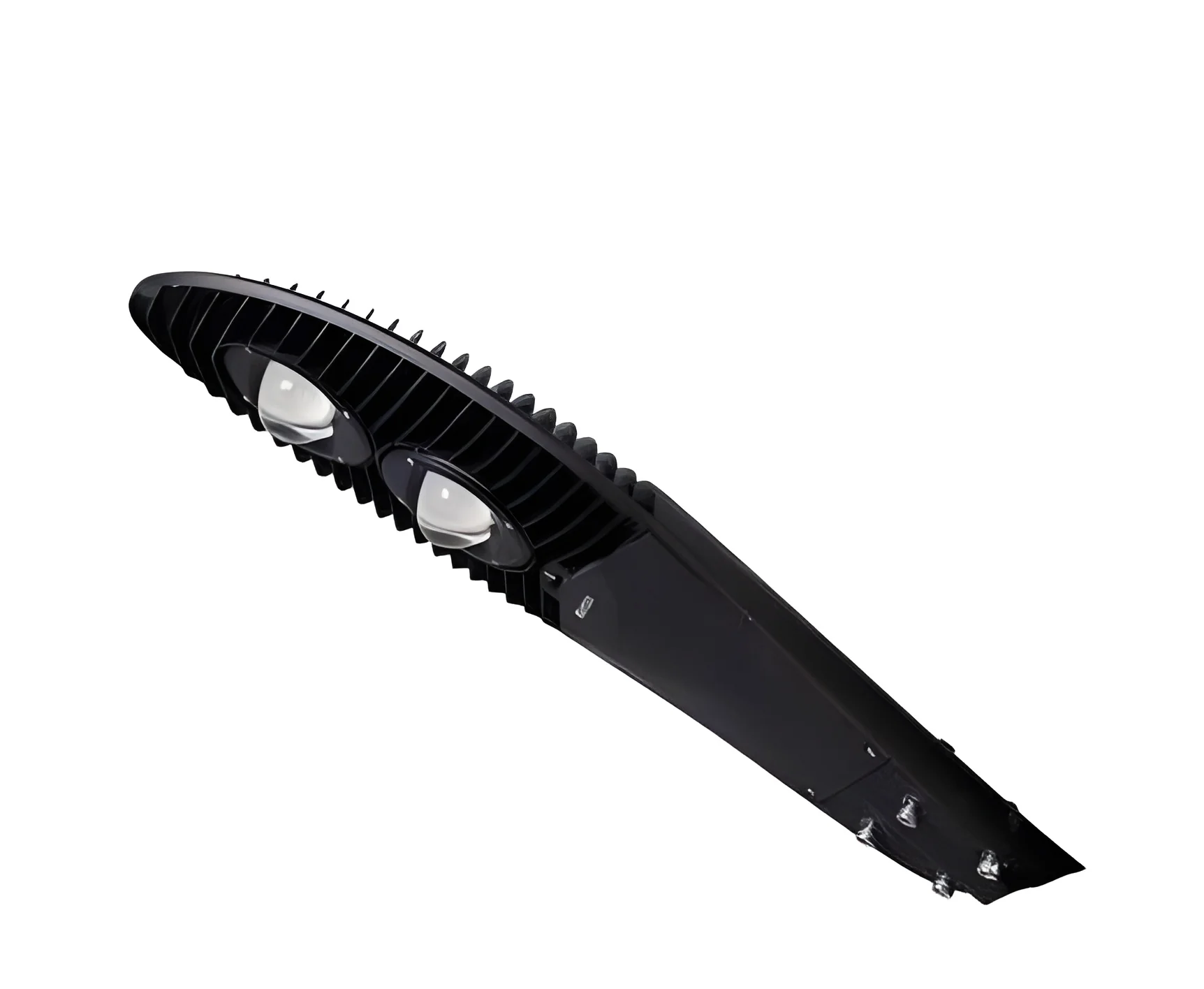
LED Street Lights
These fixtures are known for their energy efficiency and long lifespan. They provide bright illumination and can be controlled for dimming or smart city applications.
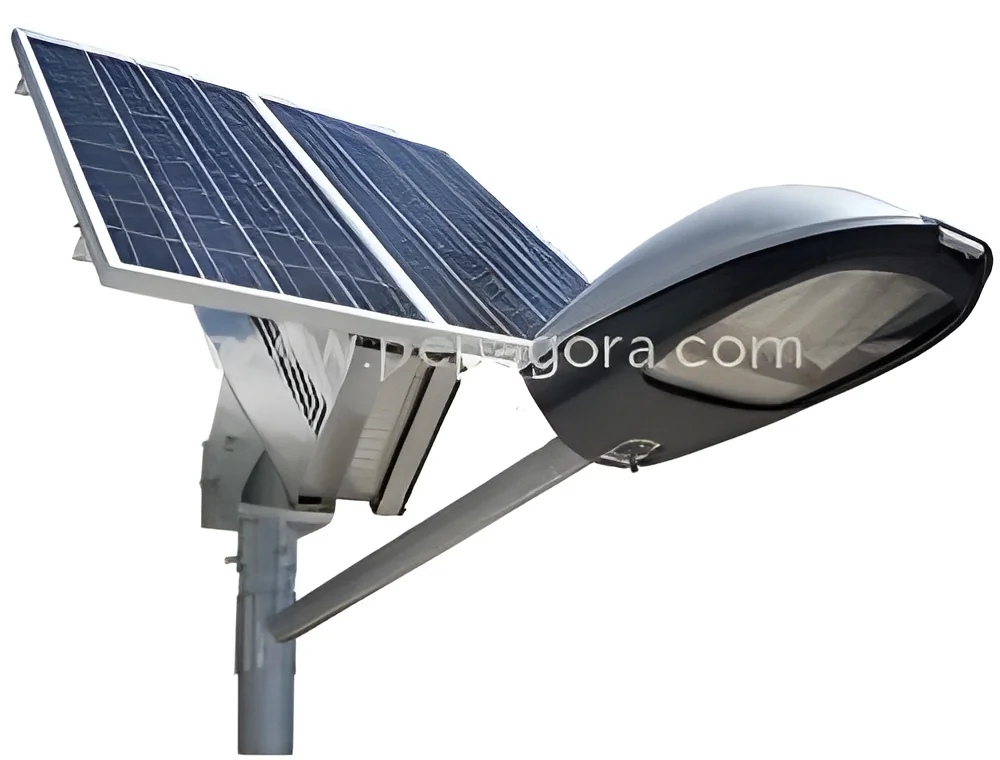
Solar Street Lights
Equipped with solar panels, these fixtures harness solar energy, making them an eco-friendly option for areas without electrical infrastructure. They require minimal maintenance and can be installed in remote locations.
Smart Street Lighting
Incorporating IoT technology, smart street lights can be remotely monitored and controlled. They adapt to environmental changes and can improve energy savings through intelligent management systems.
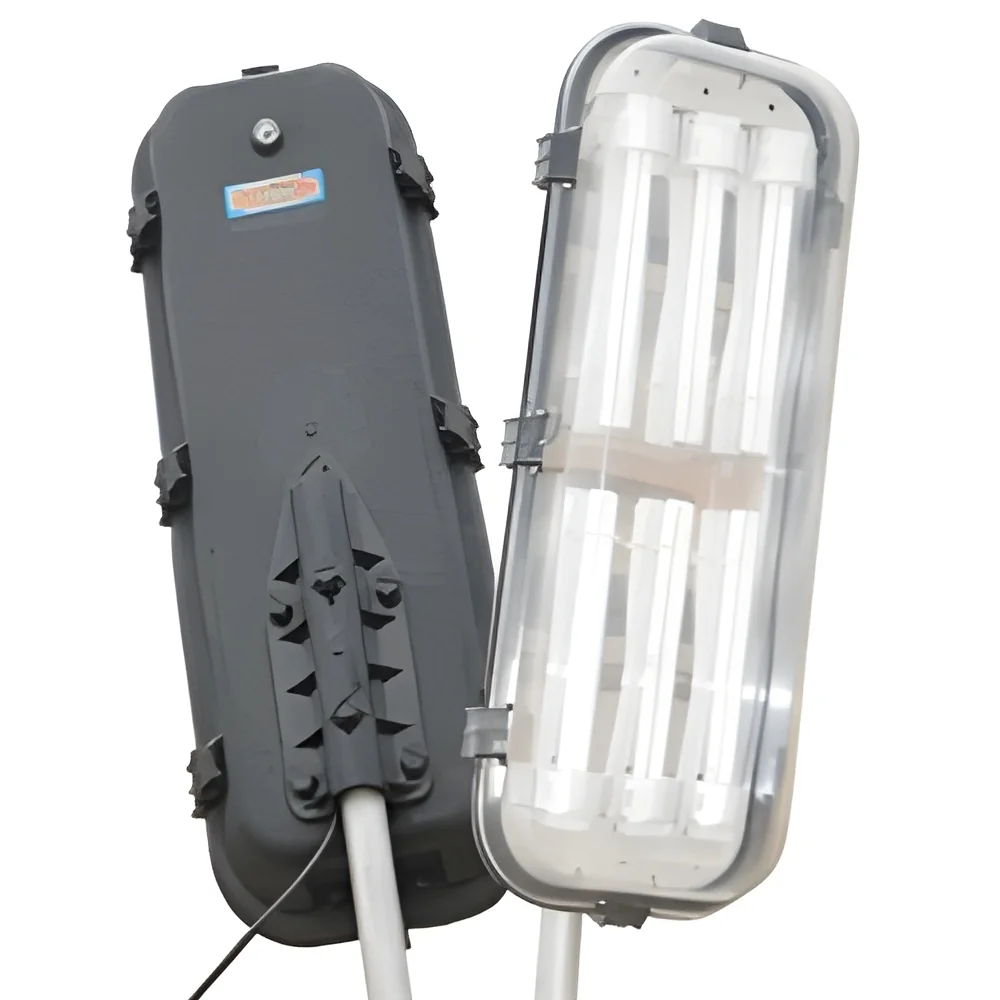
Traditional Street Lights
These fixtures typically use incandescent or HID bulbs. While less energy-efficient, they are often used in historical districts for their classic aesthetic appeal.
Benefits and Advantages
Street lighting fixtures offer numerous advantages that benefit both municipalities and businesses.
1. Enhanced Safety: Proper illumination reduces accidents and crime rates, ensuring safer environments for pedestrians and drivers.
2. Energy Efficiency: Modern fixtures, especially LED options, consume less energy, leading to reduced operational costs and lower carbon footprints.
3. Longer Lifespan: Many fixtures are designed for durability, resulting in fewer replacements and lower maintenance costs over time.
4. Improved Visibility: High lumen outputs ensure that areas are well-lit, facilitating safer navigation during night hours.
5. Aesthetic Appeal: Street lighting can enhance the visual appeal of urban landscapes, contributing to community pride and property values.
6. Environmental Sustainability: Options like solar street lights promote renewable energy use, aligning with global sustainability goals.
Buying Guide for B2B Buyers
When sourcing street lighting fixtures, several factors should be considered to ensure the right selection for specific needs.
1. Quality Assessment: Look for fixtures that meet industry standards and are constructed from durable materials. Review product warranties and longevity claims.
2. Supplier Verification: Vet suppliers for reliability and reputation. Check for reviews and certifications that indicate quality assurance.
3. Pricing and MOQ: Assess pricing structures and minimum order quantities. Ensure that costs align with budget constraints while maintaining quality standards.
4. Delivery and Lead Times: Inquire about logistics capabilities and typical lead times for delivery to ensure timely project completion.
5. Compliance Requirements: Be aware of local regulations regarding energy efficiency and safety standards. Ensure that selected fixtures meet these compliance criteria.
Compliance and Certifications
Street lighting fixtures must adhere to various quality standards and regulations to ensure safety and reliability.
Relevant quality standards include ISO 9001, which focuses on quality management systems, ensuring that the manufacturing processes meet international benchmarks.
Industry certifications such as CE indicate compliance with European health, safety, and environmental protection standards, assuring buyers of the product's reliability.
Safety and testing requirements vary by region but generally include rigorous performance evaluations to confirm durability and effectiveness under different conditions.
Regional compliance considerations may include local building codes and energy efficiency mandates, which can influence product selection and installation practices.
Why Source Street Lighting Fixtures from Pepagora?
Pepagora provides a trusted platform for sourcing street lighting fixtures, offering several key advantages to B2B buyers.
Verified Supplier Network: Pepagora connects buyers with a network of verified suppliers, ensuring that businesses can access high-quality products from reputable manufacturers.
Streamlined RFQ Process: The request for quotation process is designed to be user-friendly, allowing buyers to receive competitive bids quickly and efficiently.
Trade Assurance and Support: Pepagora offers trade assurance and support services, providing buyers with protection throughout the purchasing process and ensuring a smooth transaction experience.
Regional Coverage: With a strong presence in regions such as India, the GCC, and Southeast Asia, Pepagora facilitates access to a diverse range of street lighting fixtures tailored to various market needs.

Frequently Asked Questions
What are Street Lighting Fixtures?
Street Lighting Fixtures are outdoor lighting devices designed to illuminate streets, roadways, pathways, and public spaces. They are essential for enhancing visibility and safety during nighttime and can be powered by various energy sources, including electricity and solar energy.
What are the different types of Street Lighting Fixtures?
There are several types of Street Lighting Fixtures, including LED street lights, high-pressure sodium (HPS) lights, and metal halide lights. Each type has distinct characteristics in terms of energy efficiency, brightness, and color temperature.
How do I choose the right Street Lighting Fixtures?
When selecting Street Lighting Fixtures, consider factors such as the area size, desired brightness, energy efficiency, and the specific lighting requirements of the location. It is also important to review local regulations and standards to ensure compliance.
What are the standard specifications for Street Lighting Fixtures?
Standard specifications for Street Lighting Fixtures typically include lumen output, wattage, color temperature, and IP rating for water and dust resistance. Additionally, the fixtures should meet safety and energy efficiency standards set by local authorities.
What is the price range for Street Lighting Fixtures?
The price range for Street Lighting Fixtures can vary significantly based on the type, brand, and specifications. Generally, prices can start from around INR 2,000 and go up to INR 20,000 or more per fixture, depending on features and technology.
What quality standards apply to Street Lighting Fixtures?
Street Lighting Fixtures must meet various quality standards, which may include ISO certifications, energy efficiency ratings, and compliance with national electrical codes. These standards ensure safety, durability, and performance under different environmental conditions.
Where can I find Street Lighting Fixtures suppliers in India?
You can find Street Lighting Fixtures suppliers in India through online B2B marketplaces like Pepagora, industry trade shows, and local business directories. It is advisable to verify the supplier's credentials and product quality before making a purchase.
Can Street Lighting Fixtures be customized?
Yes, many manufacturers offer customization options for Street Lighting Fixtures to meet specific project requirements. Customizations may include different sizes, colors, and features such as smart lighting technology or additional safety features.
What is the typical minimum order quantity for Street Lighting Fixtures?
The typical minimum order quantity (MOQ) for Street Lighting Fixtures can vary by supplier and product type, usually ranging from 10 to 100 units. It is best to check with the specific supplier for their MOQ policies.
What is the typical lead time for Street Lighting Fixtures?
The typical lead time for Street Lighting Fixtures can range from a few weeks to several months, depending on the supplier and whether the fixtures are standard or customized. Always confirm the lead time with the supplier before placing an order.
Why Businesses Trust Pepagora
Thousands of companies trust Pepagora to source smarter and sell faster
Expand Your Sales Globally

Source Smarter,Grow Faster
