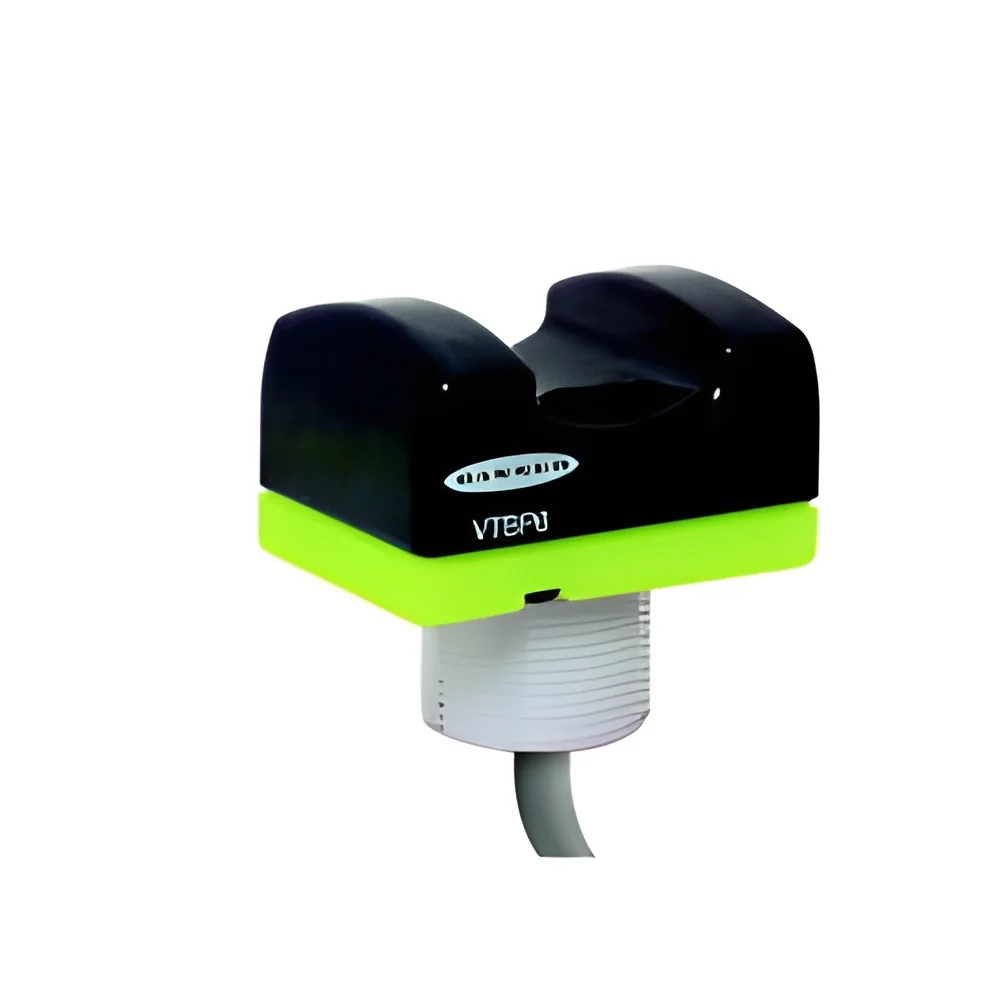
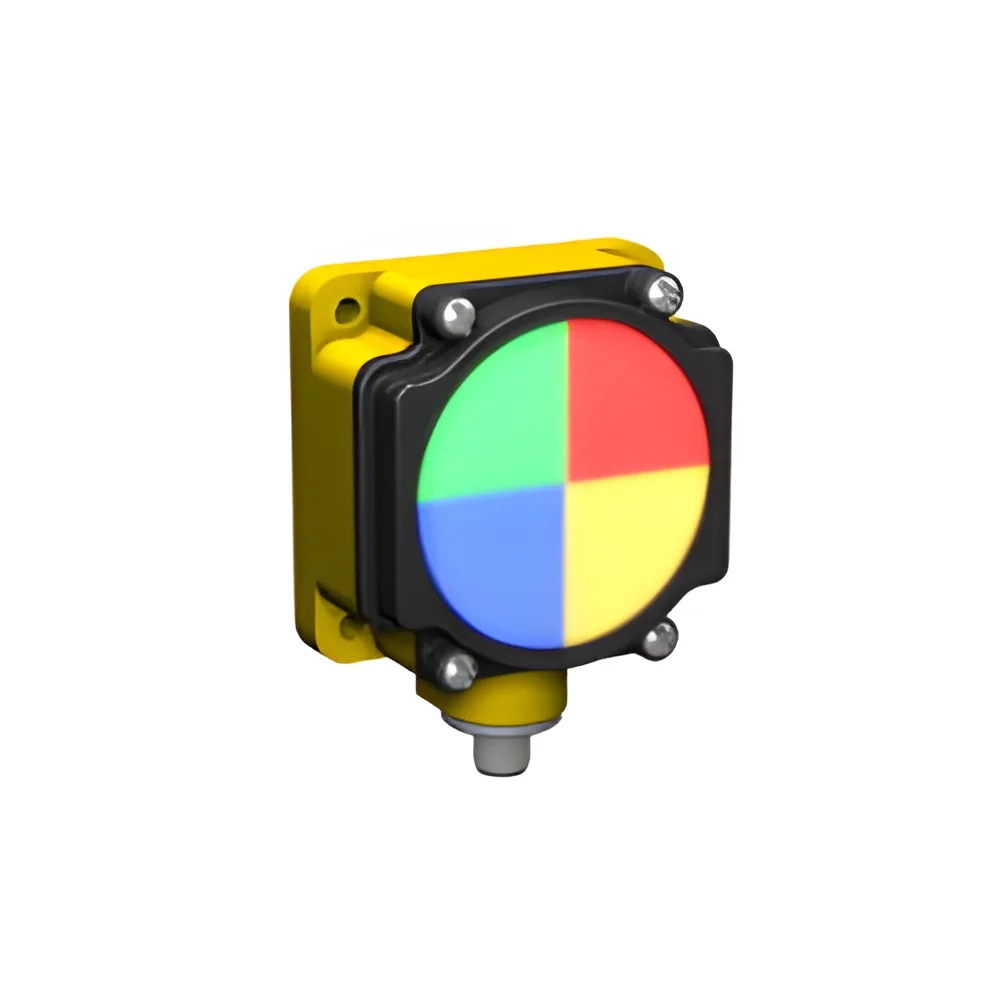
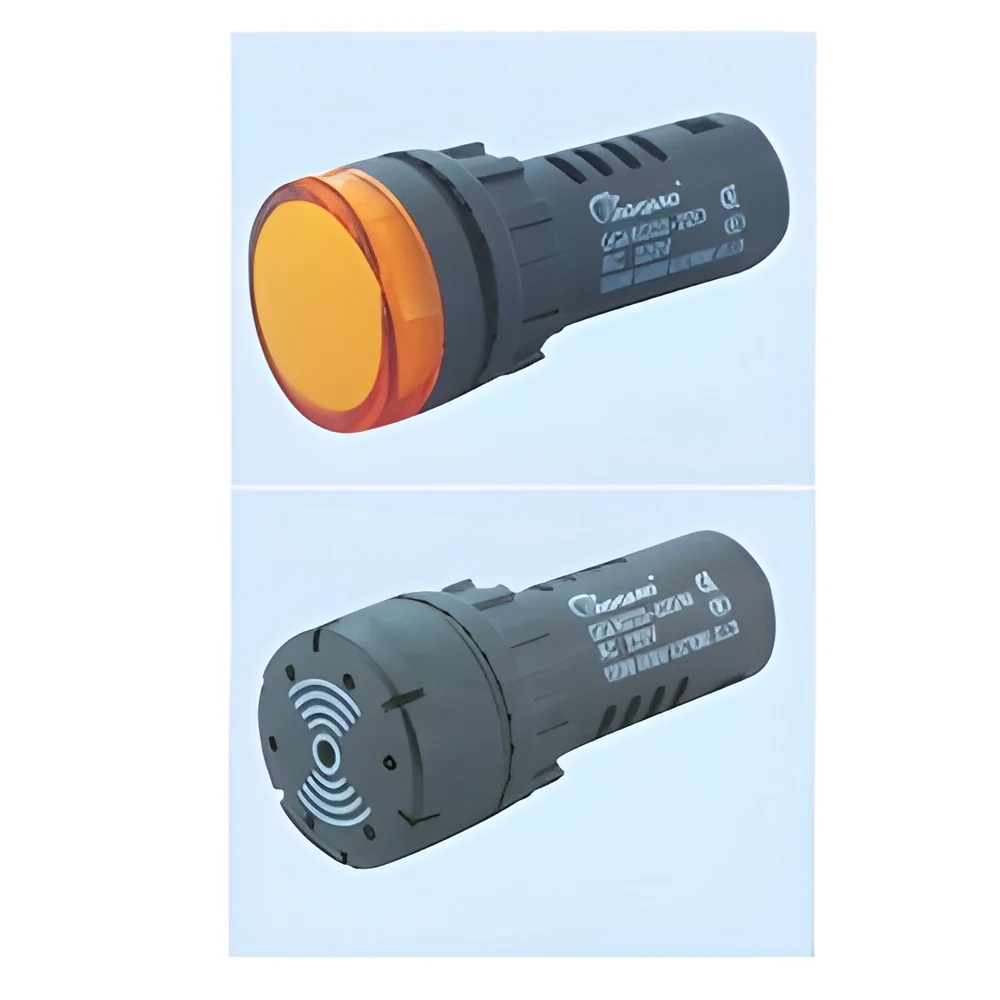
𝗪𝗵𝗮𝘁 𝗮𝗿𝗲 𝗣𝘂𝘀𝗵 𝗕𝘂𝘁𝘁𝗼𝗻𝘀 & 𝗜𝗻𝗱𝗶𝗰𝗮𝘁𝗼𝗿𝘀?
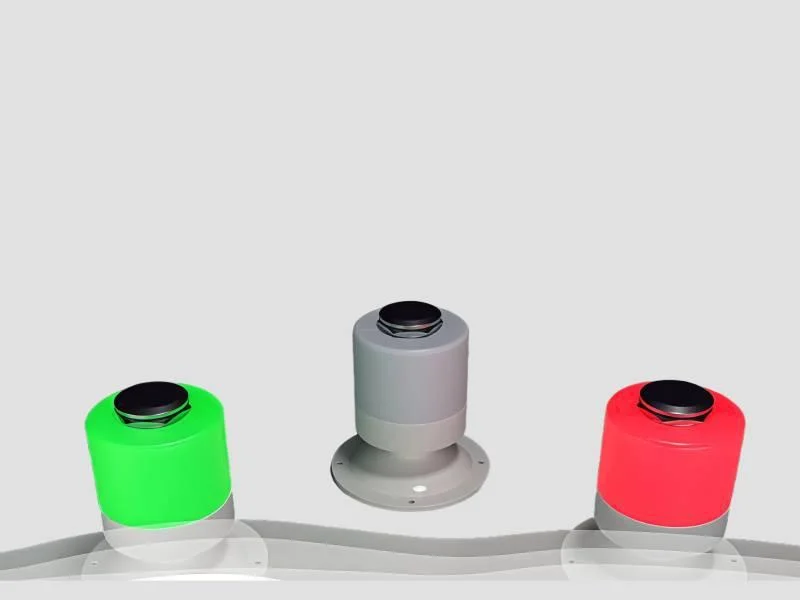
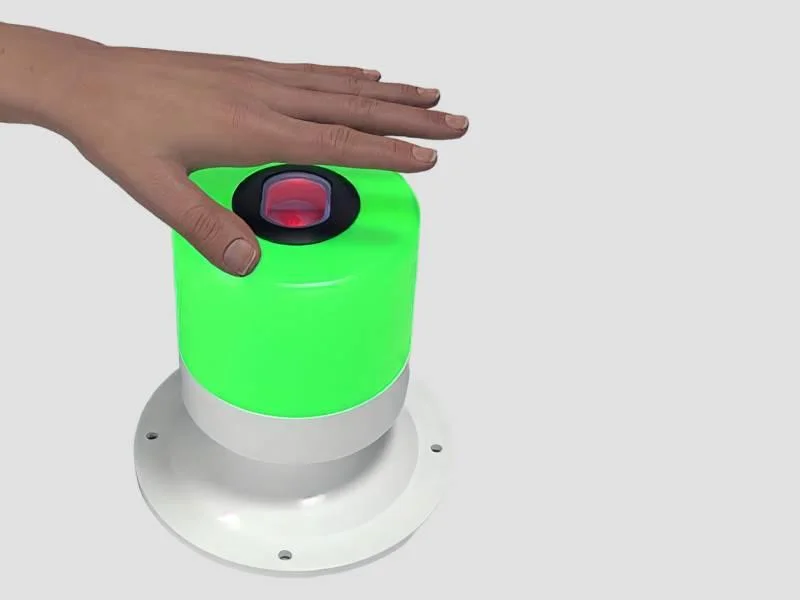
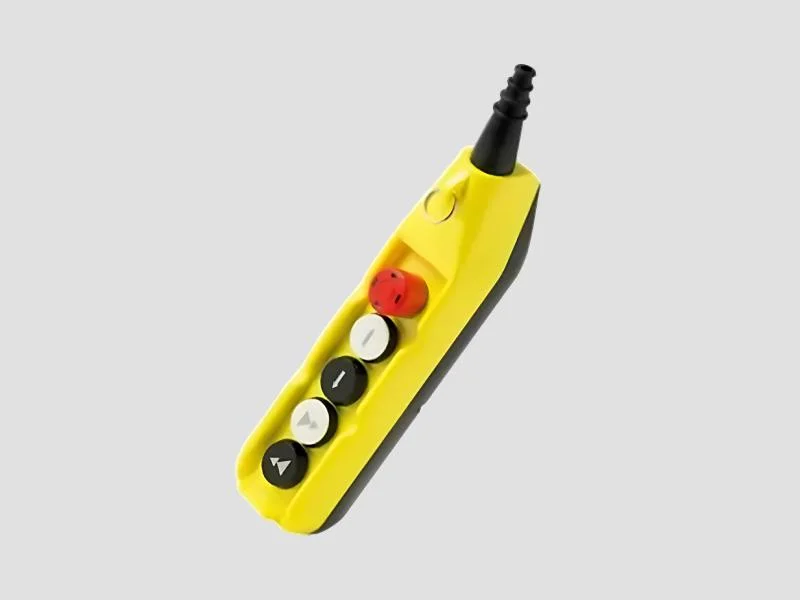
Push buttons and indicators are essential components used in various industrial applications to control machinery and provide visual feedback. Push buttons are designed to be manually activated, allowing operators to initiate functions such as starting, stopping, or adjusting equipment. Indicators, on the other hand, serve as visual signals that communicate the status of a machine or process, such as operational readiness, alerts, or fault conditions.
These components find their primary use in manufacturing, automation, and control systems. Industries rely on push buttons and indicators for their user-friendly interfaces, which facilitate quick and effective interactions with complex machinery. Additionally, they play a crucial role in enhancing safety by providing immediate visual cues to operators. In today’s market, the relevance of push buttons and indicators extends across various sectors, including automotive, aerospace, and consumer electronics, where reliability and performance are paramount.
𝗞𝗲𝘆 𝗙𝗲𝗮𝘁𝘂𝗿𝗲𝘀 𝗮𝗻𝗱 𝗦𝗽𝗲𝗰𝗶𝗳𝗶𝗰𝗮𝘁𝗶𝗼𝗻𝘀
Push buttons and indicators are designed with a range of features that enhance their usability and reliability in industrial settings. Understanding these specifications is crucial for selecting the right components for specific applications.
Key specifications include:
1. Operational Voltage
- Typically ranges from low voltage (5V) to high voltage (600V)
- Ensures compatibility with various electrical systems
2. Current Rating
- Usually varies from 1A to 10A
- Determines the maximum load the button can handle
3. Actuation Force
- Measured in grams or Newtons
- Indicates the force required to activate the button
4. Contact Configuration
- Common types include normally open (NO) and normally closed (NC)
- Essential for determining how the button interacts with circuits
5. Enclosure Rating
- Often rated with IP ratings (e.g., IP65)
- Indicates resistance to dust and water ingress
6. Lifespan
- Typically rated for hundreds of thousands of cycles
- Critical for reliability in high-usage environments
7. Temperature Range
- Data not available
- Important for ensuring functionality in various environments
8. Certification
- Commonly certified by CE standards
- Ensures compliance with safety and quality regulations
In summary, choosing the right push buttons and indicators involves understanding these specifications to ensure optimal performance and reliability in industrial applications.
𝗖𝗼𝗺𝗺𝗼𝗻 𝗔𝗽𝗽𝗹𝗶𝗰𝗮𝘁𝗶𝗼𝗻𝘀 𝗮𝗻𝗱 𝗨𝘀𝗲 𝗖𝗮𝘀𝗲𝘀
Push buttons and indicators are versatile components utilized across multiple industries.
1. Manufacturing: In manufacturing settings, push buttons are frequently used on assembly lines to control machinery and equipment, enabling operators to start, stop, or adjust machines easily.
2. Automotive: In the automotive industry, push buttons serve as controls for various systems, including ignition switches and safety features, allowing quick access and improved user experience.
3. Aerospace: Push buttons and indicators play a critical role in aircraft control panels, providing pilots with clear, reliable indicators of system status and safe operation.
4. Consumer Electronics: These components are widely used in consumer electronics, such as appliances and devices, where user interfaces require intuitive controls for operation.
5. HVAC Systems: In heating, ventilation, and air conditioning systems, push buttons and indicators provide vital controls for temperature regulation and system status monitoring.
6. Medical Devices: Push buttons are essential in medical devices, facilitating user interaction for diagnostics and treatment applications.
7. Transportation: In public transportation systems, push buttons are used in ticket machines and control panels, ensuring ease of use for passengers and operators.
𝗣𝗿𝗼𝗱𝘂𝗰𝘁 𝗩𝗮𝗿𝗶𝗮𝗻𝘁𝘀 𝗮𝗻𝗱 𝗦𝘂𝗯𝗰𝗮𝘁𝗲𝗴𝗼𝗿𝗶𝗲𝘀
Push buttons and indicators come in various forms to cater to distinct requirements in different environments.
Standard Push Buttons: These are the most common type and are available in various sizes and colors. They typically feature a simple on/off mechanism and are used in numerous applications, from industrial machinery to consumer devices.
Illuminated Push Buttons: These variants include built-in LED indicators that light up when activated. They are commonly used in control panels where visual feedback is essential for operators to identify the status of the equipment.
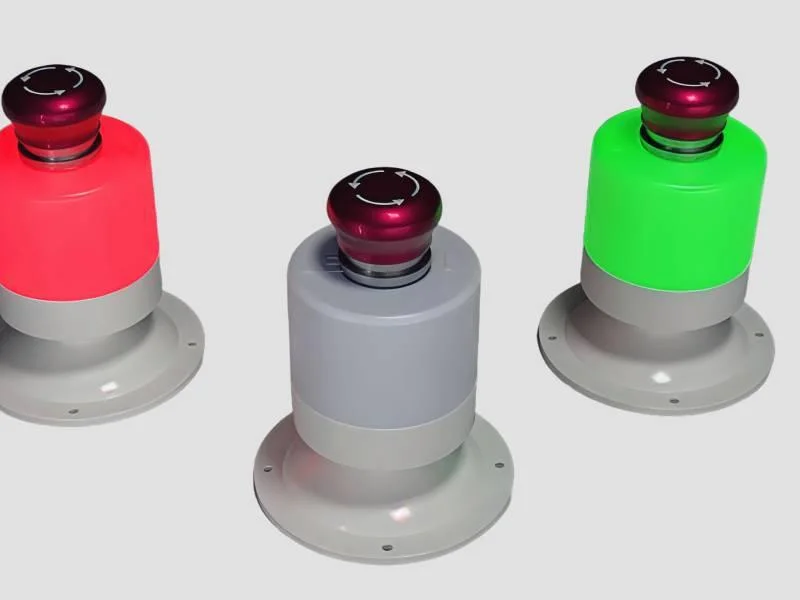
Emergency Stop Buttons: Designed for safety applications, these buttons are easily identifiable and must be activated quickly to halt operations in emergencies. They are critical in manufacturing and industrial settings.
Toggle Switches: While not traditional push buttons, toggle switches are often grouped with push buttons for control applications. They offer a different mechanism for maintaining positions and are used in various electrical devices.
𝗕𝗲𝗻𝗲𝗳𝗶𝘁𝘀 𝗮𝗻𝗱 𝗔𝗱𝘃𝗮𝗻𝘁𝗮𝗴𝗲𝘀
The use of push buttons and indicators in industrial applications offers several advantages.
1. Enhanced Safety: Push buttons provide a straightforward way to control machinery, reducing the chances of accidental activation and improving workplace safety.
2. User-Friendly Interface: Their design allows for quick and easy operation, making them accessible for various users, including those with limited technical skills.
3. Versatility: These components can be used across numerous industries, making them suitable for a wide range of applications.
4. Visual Feedback: Indicators provide essential visual cues that help operators monitor system status, reducing the risk of errors in high-stakes environments.
5. Reliable Performance: High-quality push buttons and indicators are built to withstand harsh conditions, ensuring consistent performance over time.
6. Customization Options: Many manufacturers offer custom solutions, allowing businesses to tailor components to their specific needs.
𝗕𝘂𝘆𝗶𝗻𝗴 𝗚𝘂𝗶𝗱𝗲 𝗳𝗼𝗿 𝗕𝟮𝗕 𝗕𝘂𝘆𝗲𝗿𝘀
When sourcing push buttons and indicators, it is essential to consider various factors to make an informed decision.
1. Quality Assessment: Evaluate the quality of materials and construction to ensure longevity and reliability. Look for certifications like CE that indicate adherence to safety standards.
2. Supplier Verification: Vet suppliers thoroughly to ensure they have a solid reputation and track record in manufacturing push buttons and indicators. This can involve reviewing customer feedback and industry credentials.
3. Pricing and MOQ: Understand the pricing structure and minimum order quantities (MOQ) that suppliers may have. This will help in budgeting for your purchases and planning inventory.
4. Delivery and Lead Times: Consider the logistics of sourcing these components. Ensure suppliers can meet your delivery requirements and provide estimated lead times for orders.
5. Compliance Requirements: Identify any specific regulatory needs for your industry that the components must meet. This may include standards relevant to safety, environmental impact, and operational efficiency.
𝗖𝗼𝗺𝗽𝗹𝗶𝗮𝗻𝗰𝗲 𝗮𝗻𝗱 𝗖𝗲𝗿𝘁𝗶𝗳𝗶𝗰𝗮𝘁𝗶𝗼𝗻𝘀
Push buttons and indicators must adhere to various quality standards and certifications to ensure safety and performance in industrial applications. One of the most recognized standards is ISO 9001, which sets the framework for quality management systems, ensuring products meet customer and regulatory requirements.
Additionally, CE certification is crucial for products sold in European markets. It indicates compliance with safety, health, and environmental protection standards. Manufacturers must ensure that their push buttons and indicators meet these certifications to access international markets.
Safety and testing requirements are also paramount. These components should undergo rigorous testing to ensure they can withstand operational stresses, such as electrical loads and environmental conditions. Regional compliance considerations may vary, so it is vital to understand the specific regulations applicable to your location and industry.
𝗪𝗵𝘆 𝗦𝗼𝘂𝗿𝗰𝗲 𝗣𝘂𝘀𝗵 𝗕𝘂𝘁𝘁𝗼𝗻𝘀 & 𝗜𝗻𝗱𝗶𝗰𝗮𝘁𝗼𝗿𝘀 𝗳𝗿𝗼𝗺 𝗣𝗲𝗽𝗮𝗴𝗼𝗿𝗮?
Pepagora provides a trusted platform for sourcing push buttons and indicators, offering several key advantages to B2B buyers.
Verified Supplier Network: Pepagora has a comprehensive network of verified suppliers, ensuring that buyers can find high-quality components from reputable manufacturers. This reduces the risk of sourcing unreliable products.
Streamlined RFQ Process: The platform features an efficient Request for Quotation (RFQ) system that simplifies the buying process. Buyers can quickly receive quotes from multiple suppliers, facilitating informed decision-making.
Trade Assurance and Support: Pepagora offers trade assurance programs that protect buyers against potential risks. This includes support for dispute resolution, ensuring a smooth purchasing experience.
Regional Coverage: With a strong presence in India, GCC, and Southeast Asia, Pepagora provides extensive geographic reach. This allows buyers to access local suppliers while benefiting from competitive pricing and quality products.
By choosing Pepagora, businesses can confidently source push buttons and indicators tailored to their specific industrial needs.

 IN
IN