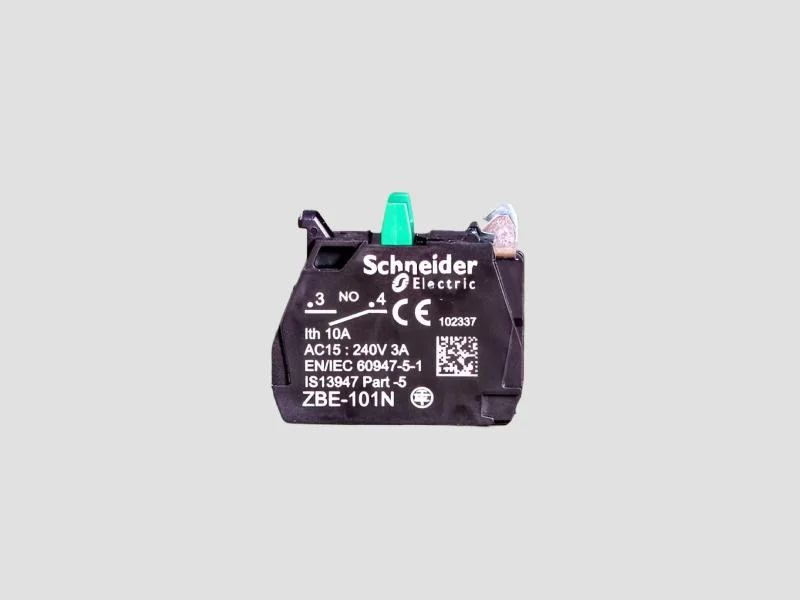
What are Relay & Contactor Panels?
Relay and contactor panels are essential components in electrical systems, used primarily for controlling and switching electrical circuits. These panels house relays and contactors that facilitate the automation of electrical devices and systems. A relay is an electromechanical switch that opens and closes circuits in response to electrical signals, while a contactor is a heavy-duty switch designed to control high-current loads. Together, they provide reliable operation and control for various electrical applications.
These panels are widely used across multiple industries, including manufacturing, construction, and energy management. Businesses utilize relay and contactor panels to enhance automation, improve safety, and streamline operations. They play a crucial role in controlling motors, lighting systems, and other electrical equipment, ensuring efficient and safe functioning. Given their importance, relay and contactor panels are integral to modern industrial applications, where reliability and precision are paramount.
In the current market, there is a growing emphasis on energy efficiency and automation, which drives the demand for advanced relay and contactor panels. As industries evolve, these panels must adapt to meet new technological standards and regulatory requirements, making them vital for maintaining operational efficiency and compliance.
Key Features and Specifications
Relay and contactor panels offer a range of features designed to meet the diverse needs of industrial applications. Understanding the specifications is crucial for selecting the right panel for specific tasks.
Key specifications include:
1. Control Voltage Range
- Typically between 24V to 240V AC/DC
- Determines compatibility with various electrical systems
2. Current Rating
- Ranges from 10A to 100A, depending on the application
- Essential for matching the panel with load requirements
3. Number of Contacts
- Available with single, double, or multiple contacts
- Influences the complexity and functionality of the circuit
4. Operating Temperature
- Commonly between -10°C to 50°C
- Important for ensuring reliable performance in different environments
5. Protection Class
- Ratings such as IP20 or IP65
- Indicates the level of protection against dust and moisture
6. Mounting Type
- Options for panel mounting or DIN rail mounting
- Affects installation flexibility and space considerations
7. Certification Compliance
- Typically CE certified, ensuring adherence to safety standards
- Validates quality and reliability for industrial use
In summary, understanding these specifications helps businesses choose the right relay and contactor panels tailored to their operational needs, ensuring optimal performance and safety.
Common Applications and Use Cases
Relay and contactor panels are utilized in a variety of industries, each with unique requirements and applications.
1. Manufacturing: In manufacturing plants, these panels manage motor control for conveyor systems and automate machinery, enhancing production efficiency.
2. Construction: Relay and contactor panels control lighting and power distribution in construction sites, ensuring safety and effective resource management.
3. Energy Management: In power plants, these panels are critical for controlling and monitoring electrical distribution, improving energy efficiency and reliability.
4. HVAC Systems: They are used to control heating, ventilation, and air conditioning systems, ensuring optimal climate control in commercial buildings.
5. Transportation: Relay and contactor panels are essential in controlling electrical systems in vehicles and public transport, enhancing safety and operational reliability.
6. Agriculture: In agricultural settings, these panels automate irrigation systems, ensuring efficient water management and resource conservation.
7. Telecommunications: They manage power distribution for communication networks, ensuring uninterrupted service and reliability.
Product Variants and Subcategories
Relay and contactor panels come in various forms to cater to specific industry needs. Although subcategories are not specified, the diversity within the product line allows for customization based on functionality and application.
Standard Relay Panels
These panels are designed for basic relay functions, suitable for low to moderate load applications. They offer essential control features and are widely used in industrial settings.
Heavy-Duty Contactor Panels
Designed for high-load applications, these panels are built to handle significant electrical currents. They are commonly used in manufacturing processes and heavy machinery control.
Modular Relay Panels
These panels provide flexibility with modular design, allowing businesses to customize configurations based on specific operational requirements. They are ideal for dynamic environments where needs may change frequently.
Benefits and Advantages
Choosing relay and contactor panels provides several advantages for businesses looking to enhance their electrical systems.
1. Enhanced Automation: These panels facilitate automated control of electrical devices, reducing manual intervention and increasing efficiency.
2. Improved Safety: With built-in protection features, relay and contactor panels help prevent electrical faults and hazards, ensuring a safer working environment.
3. Energy Efficiency: By optimizing control systems, these panels contribute to reduced energy consumption, leading to lower operational costs.
4. Reliability: High-quality components ensure consistent performance, minimizing downtime and maintenance needs.
5. Customization Options: Many panels can be tailored to meet specific operational requirements, providing flexibility for various applications.
6. Compliance Assurance: With certifications such as CE, these panels meet industry standards for safety and quality, ensuring regulatory compliance.
Buying Guide for B2B Buyers
When sourcing relay and contactor panels, several critical factors should be considered to ensure you select the right product for your business needs.
1. Quality Assessment: Evaluate the quality of materials and components used in the panels. Look for certifications like CE to ensure adherence to industry standards.
2. Supplier Verification: Vet suppliers by checking their track record, customer reviews, and industry reputation. A reliable supplier can significantly impact your procurement process.
3. Pricing and MOQ: Consider pricing structures and minimum order quantities (MOQ) to align with your budget and project requirements. Request quotes from multiple suppliers for comparison.
4. Delivery and Lead Times: Understand logistics involved in the procurement process. Ensure the supplier can meet your delivery timelines to avoid project delays.
5. Compliance Requirements: Familiarize yourself with any regulatory requirements specific to your industry. Ensure the panels meet these standards to avoid compliance issues.
Compliance and Certifications
Compliance and certifications are vital aspects of relay and contactor panels, ensuring that they meet industry standards for safety and quality.
Relevant quality standards include ISO 9001, which outlines requirements for a quality management system. Adhering to this standard ensures consistent quality in production processes.
Another key certification is CE, which indicates compliance with European health, safety, and environmental protection standards. This certification is essential for products marketed in European markets.
Safety and testing requirements also play a significant role in the manufacturing of these panels. They must undergo rigorous testing to ensure they can handle electrical loads safely and reliably.
Additionally, regional compliance considerations may vary. Businesses should consider local regulations and standards to ensure their panels meet all necessary requirements.
Why Source Relay & Contactor Panels from Pepagora?
Pepagora is a trusted platform for sourcing relay and contactor panels, offering several key advantages for B2B buyers.
Verified Supplier Network: Pepagora provides access to a network of verified suppliers, ensuring that buyers can connect with reputable manufacturers. This minimizes the risk of sourcing low-quality products.
Streamlined RFQ Process: The platform simplifies the request for quotation process, allowing buyers to easily compare offerings from multiple suppliers. This efficiency helps in making informed purchasing decisions.
Trade Assurance and Support: Buyers benefit from trade assurance features that protect their investments. Pepagora offers customer support to address any concerns during the procurement process.
Regional Coverage: With a strong presence in India, the GCC, and Southeast Asia, Pepagora connects buyers with suppliers across these regions. This broad geographic reach ensures that businesses can find suitable products for their needs.

 IN
IN