
 IN
INCable Trays (Perforated, Ladder)
169 products available
Key Features and Specifications
Common Applications and Use Cases
Product Variants and Subcategories
Benefits and Advantages
Buying Guide for B2B Buyers
Compliance and Certifications






Frequently Asked Questions
What are Cable Trays (Perforated, Ladder)?
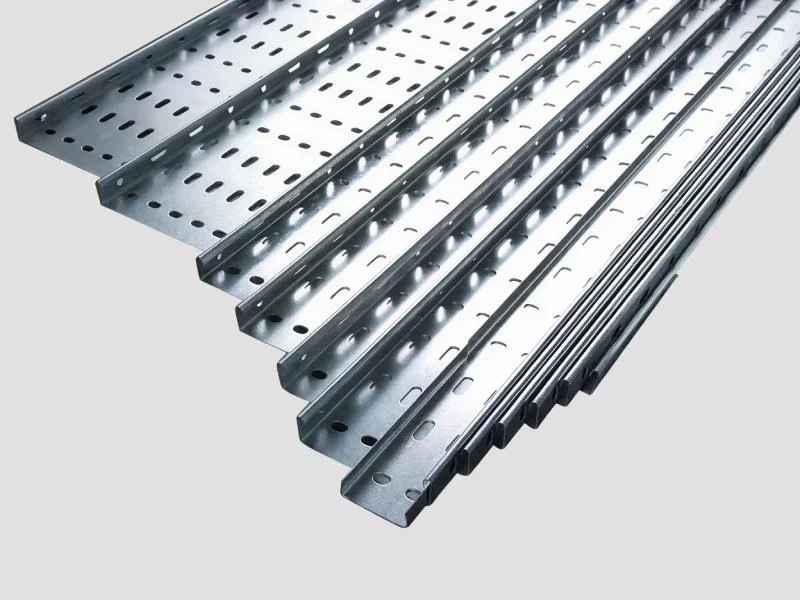
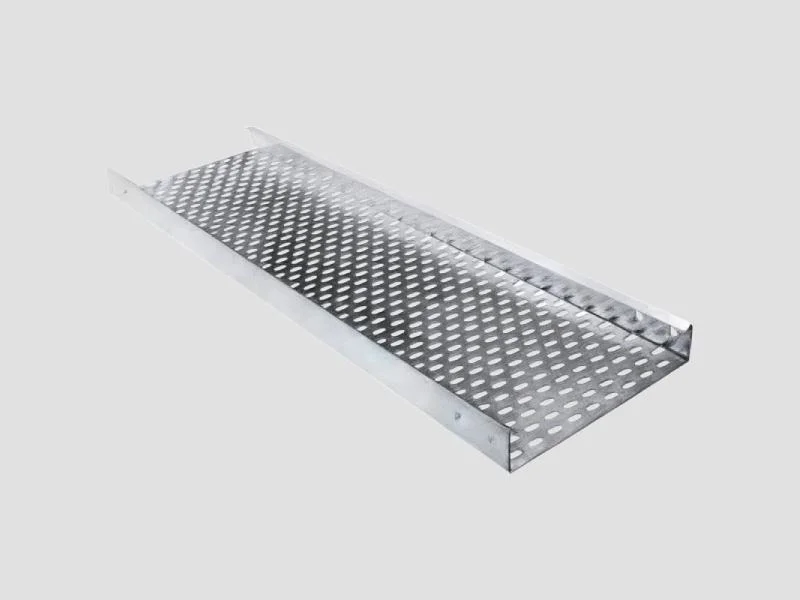
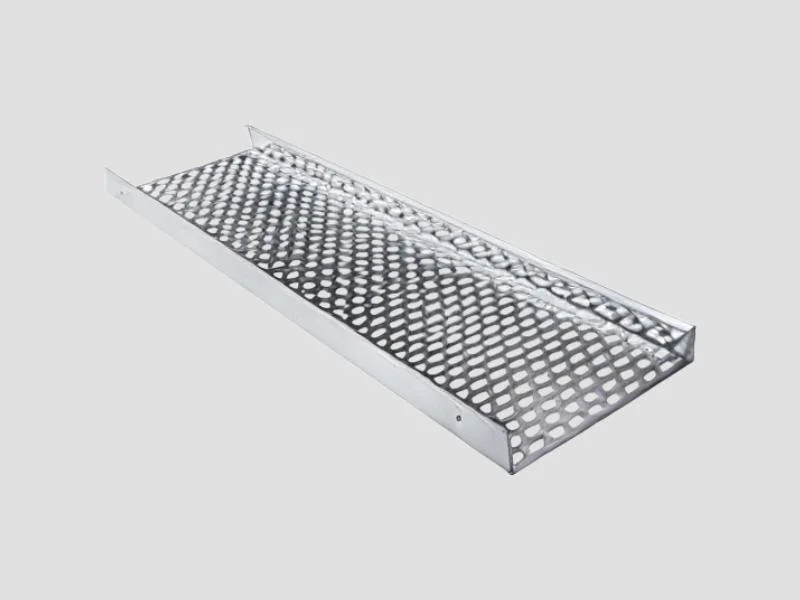
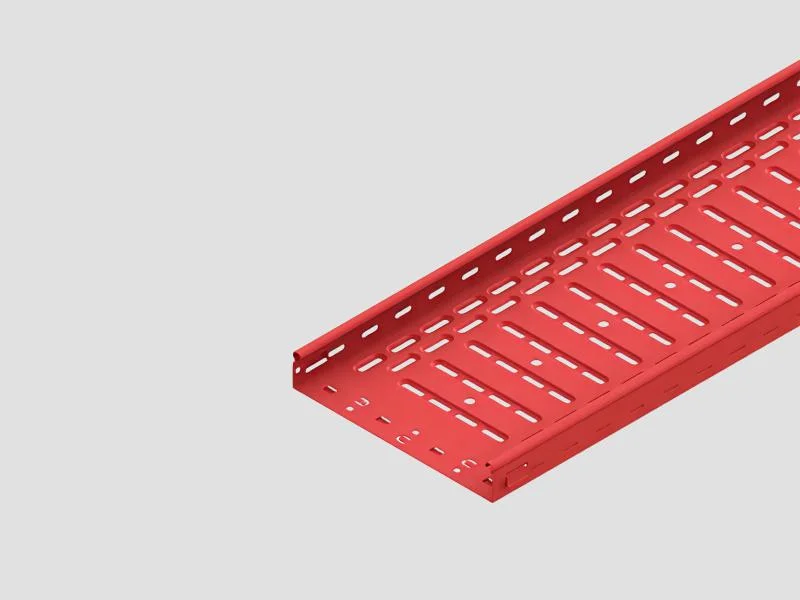
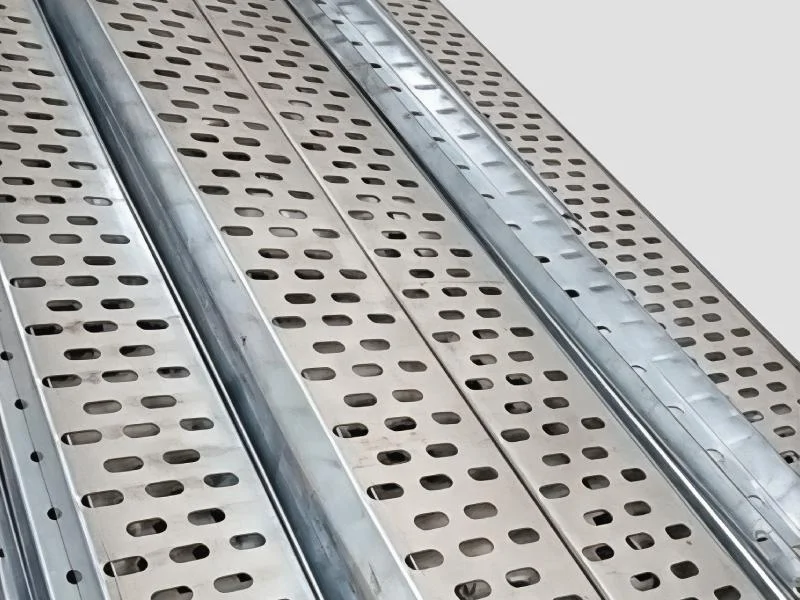
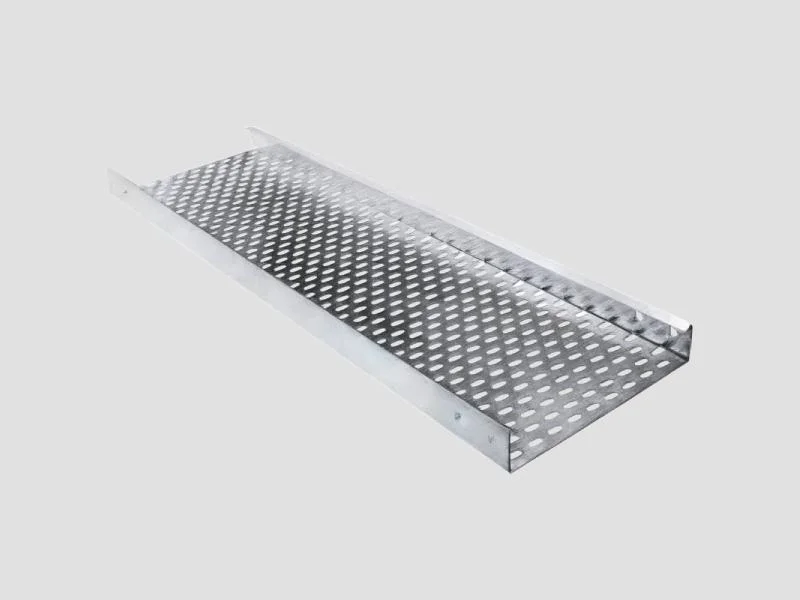
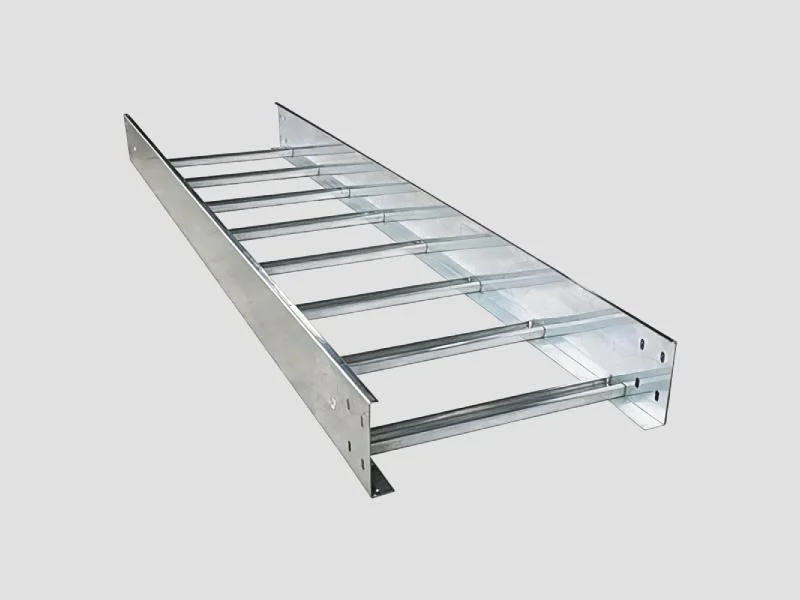
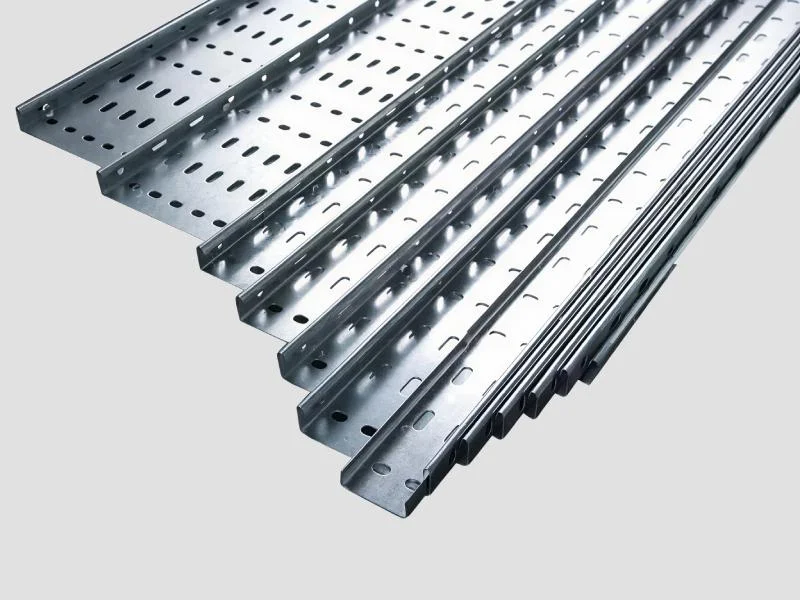
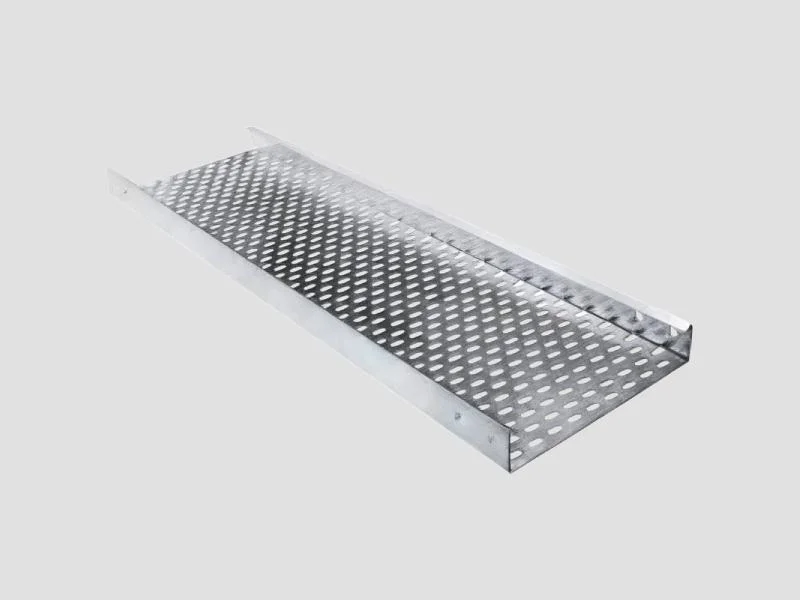
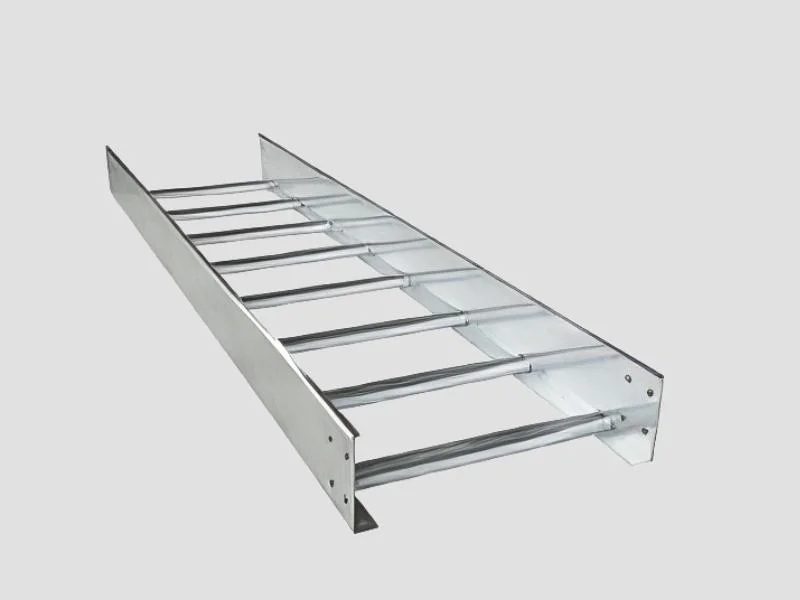
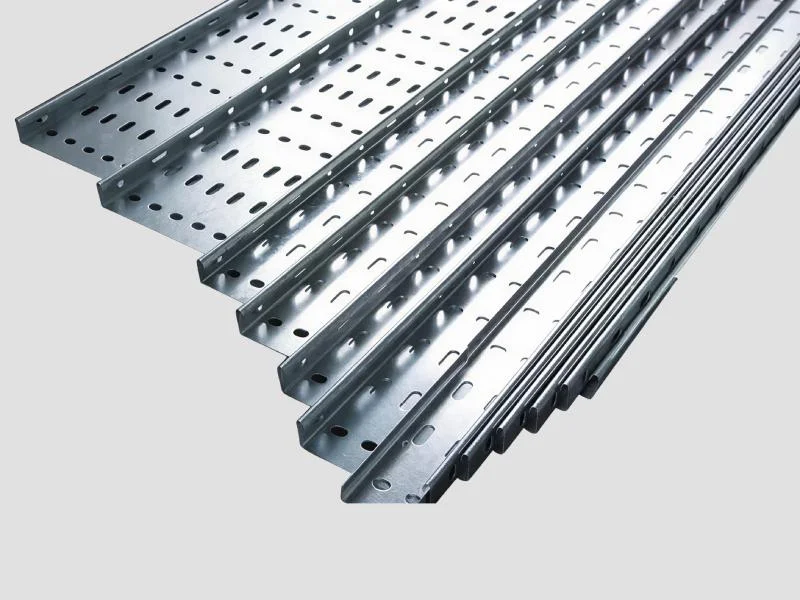
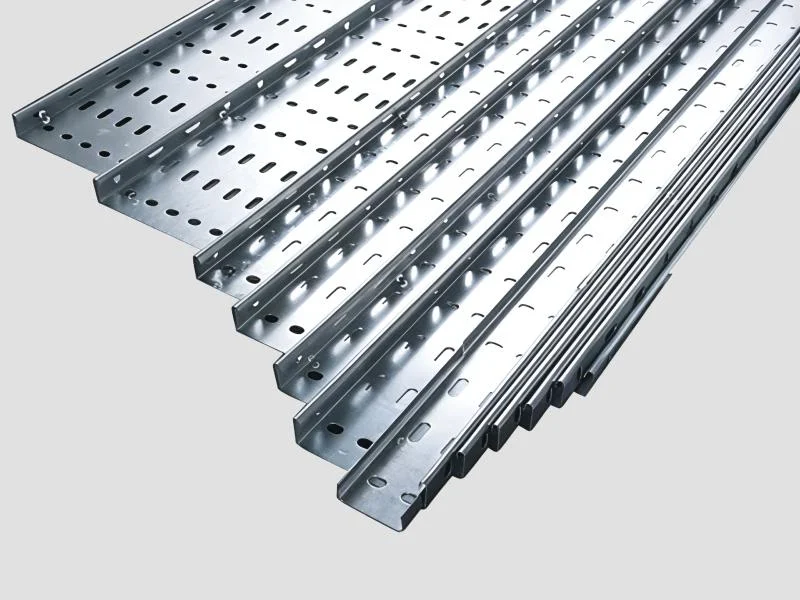
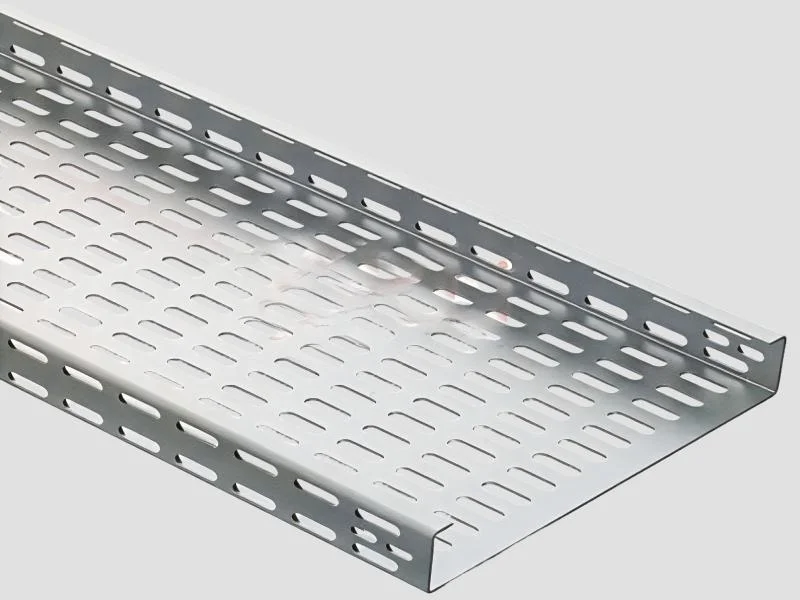
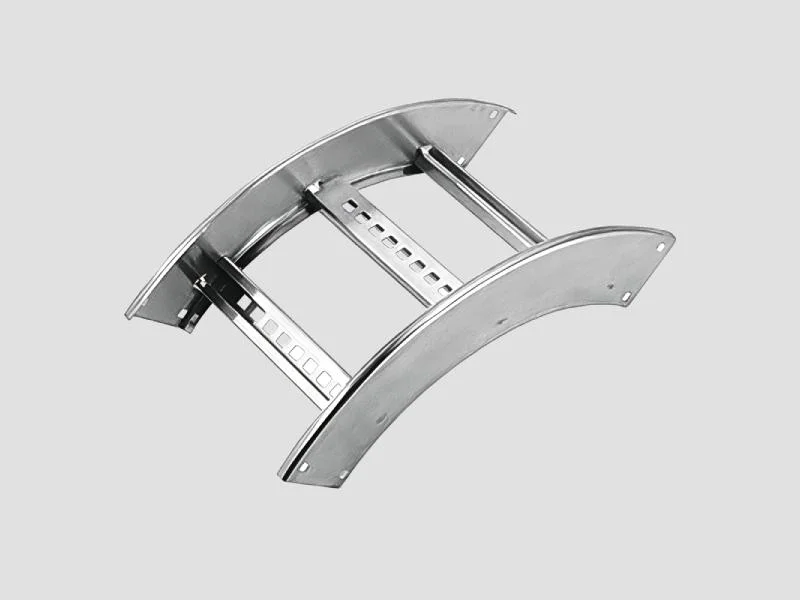
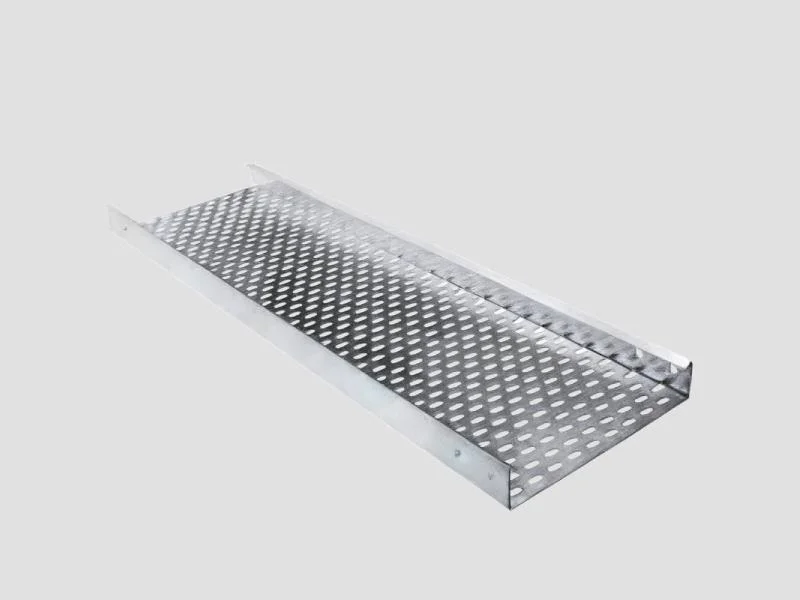
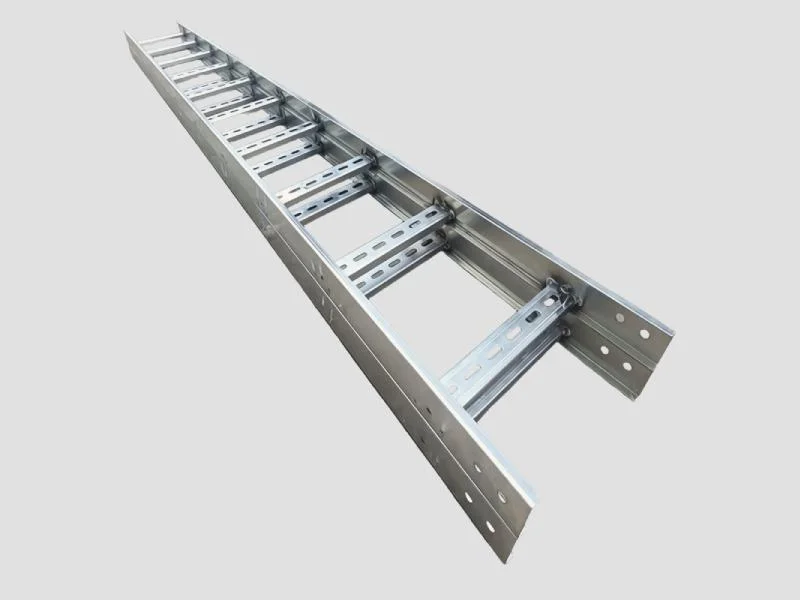
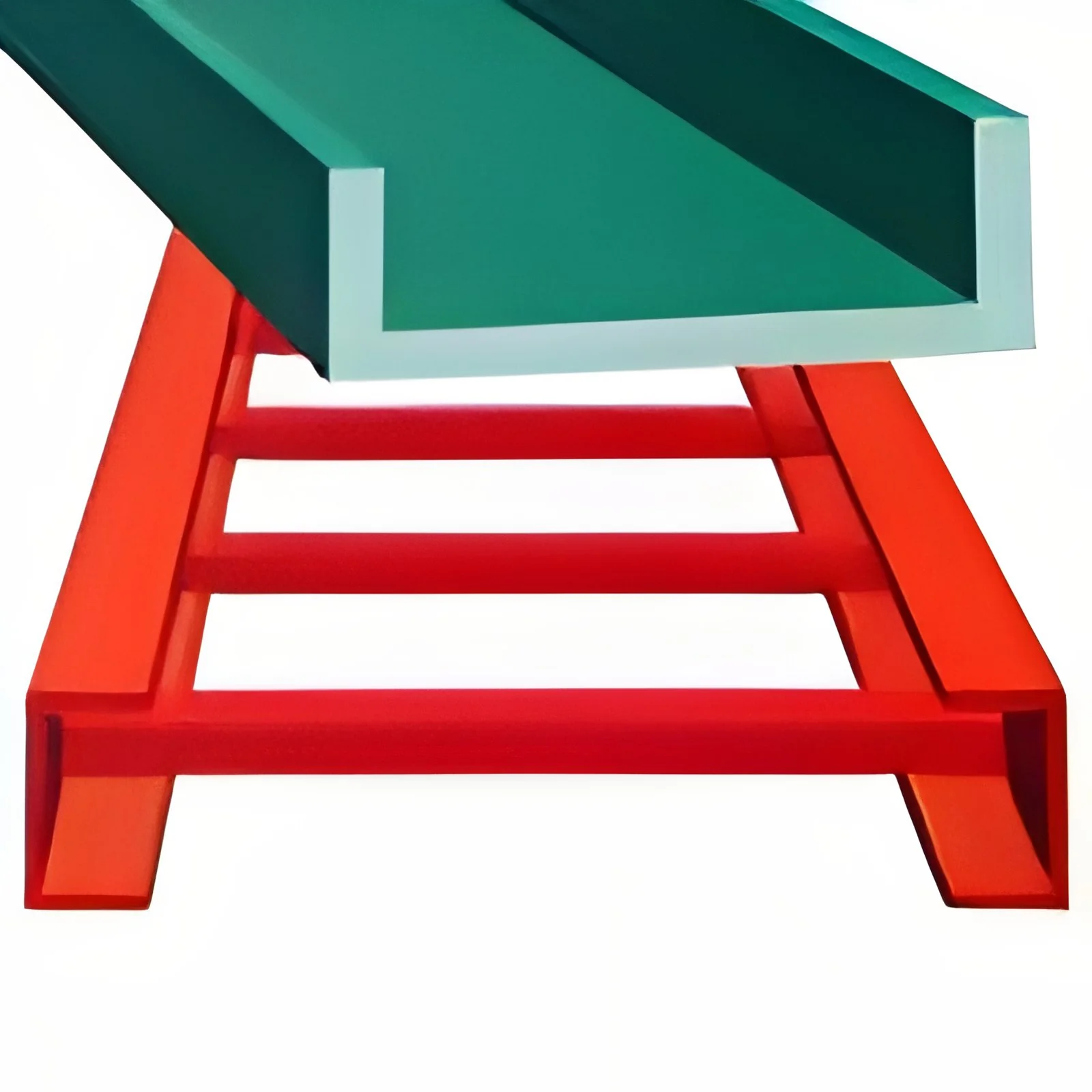
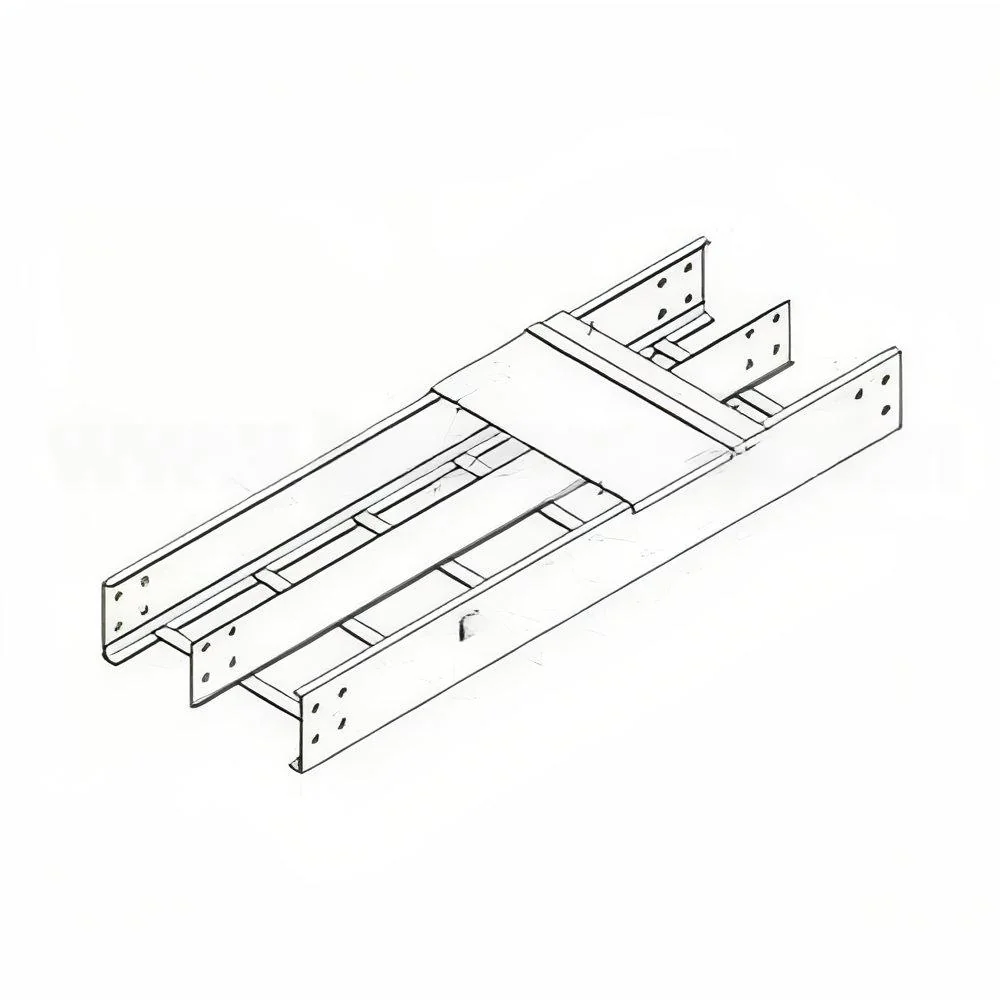
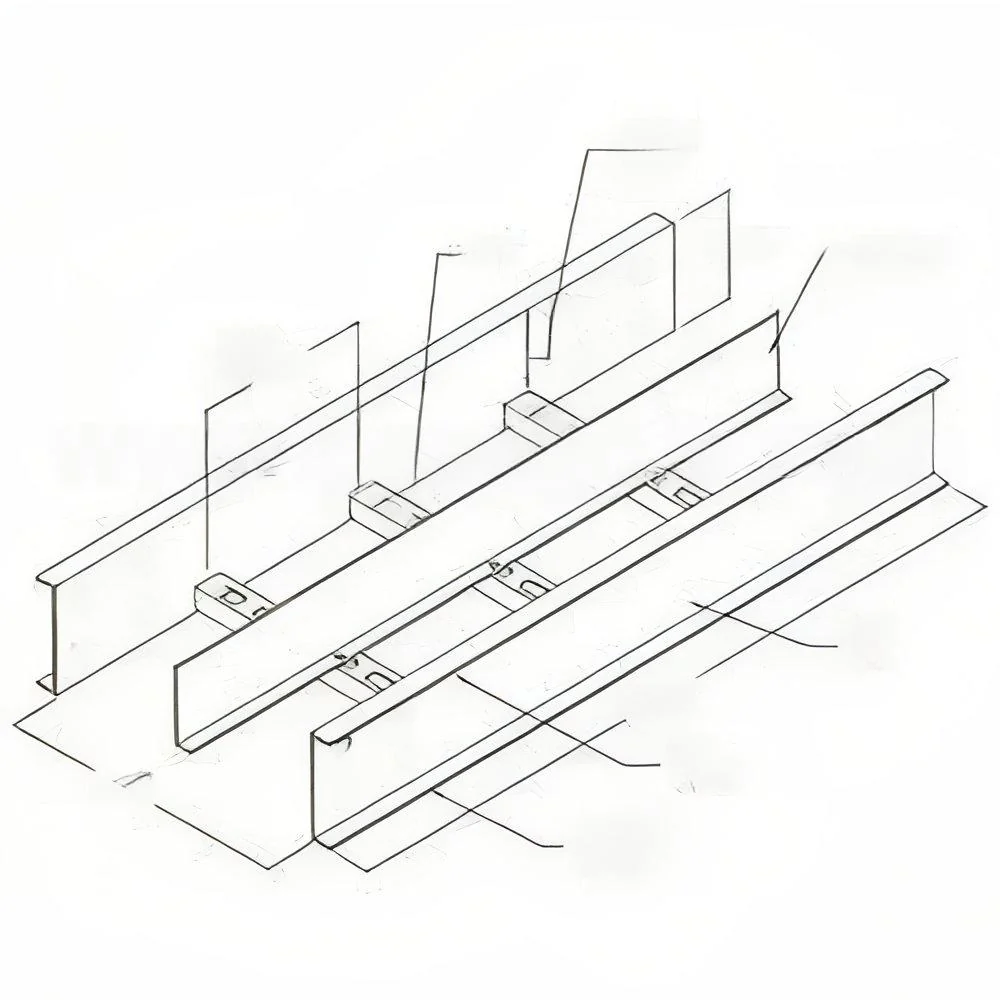
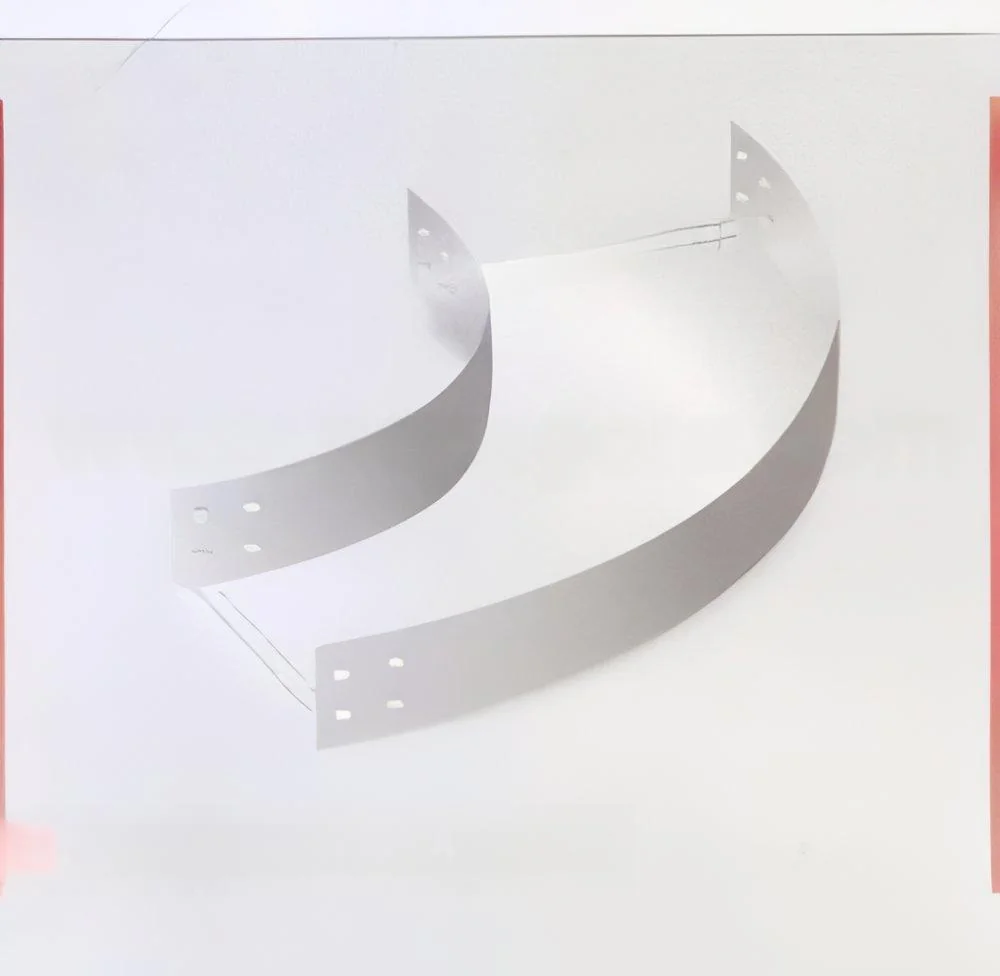
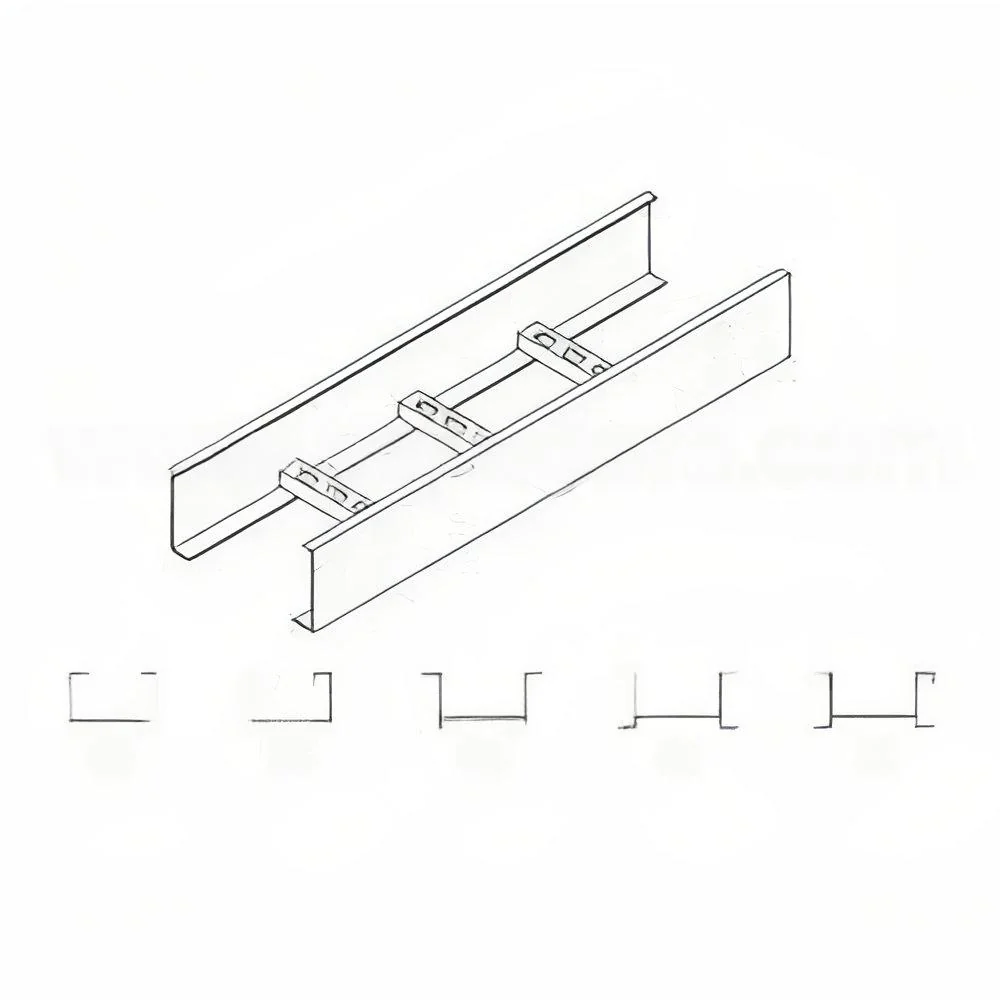
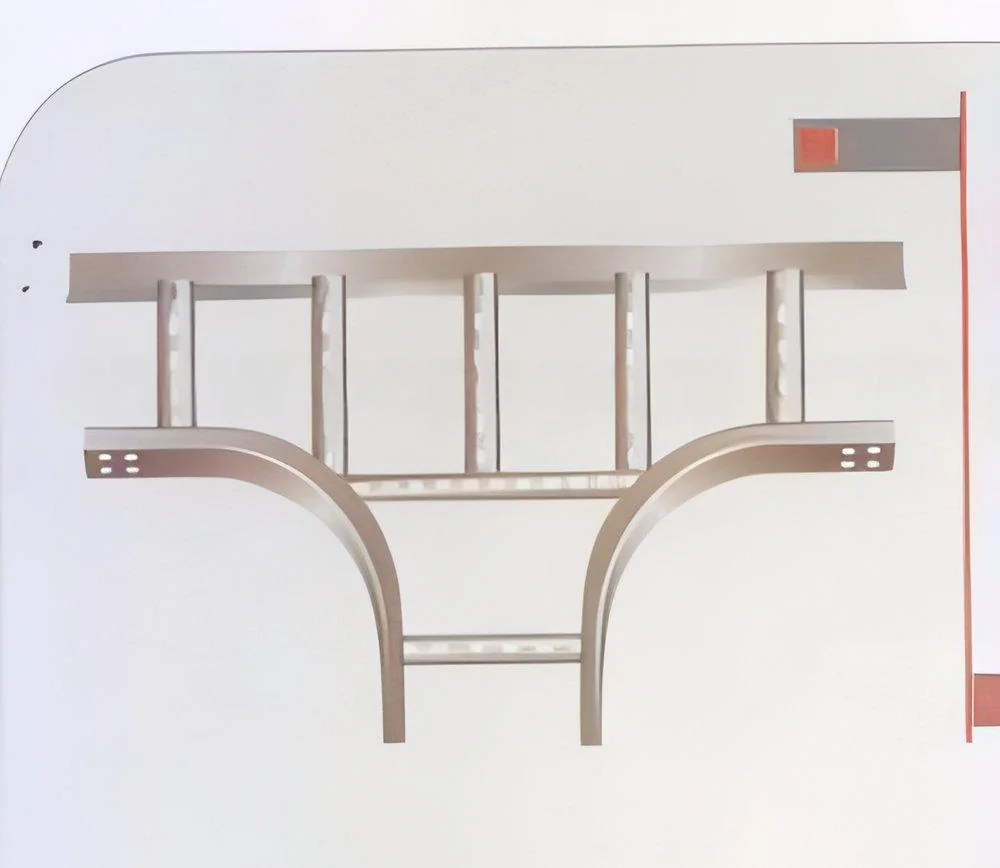
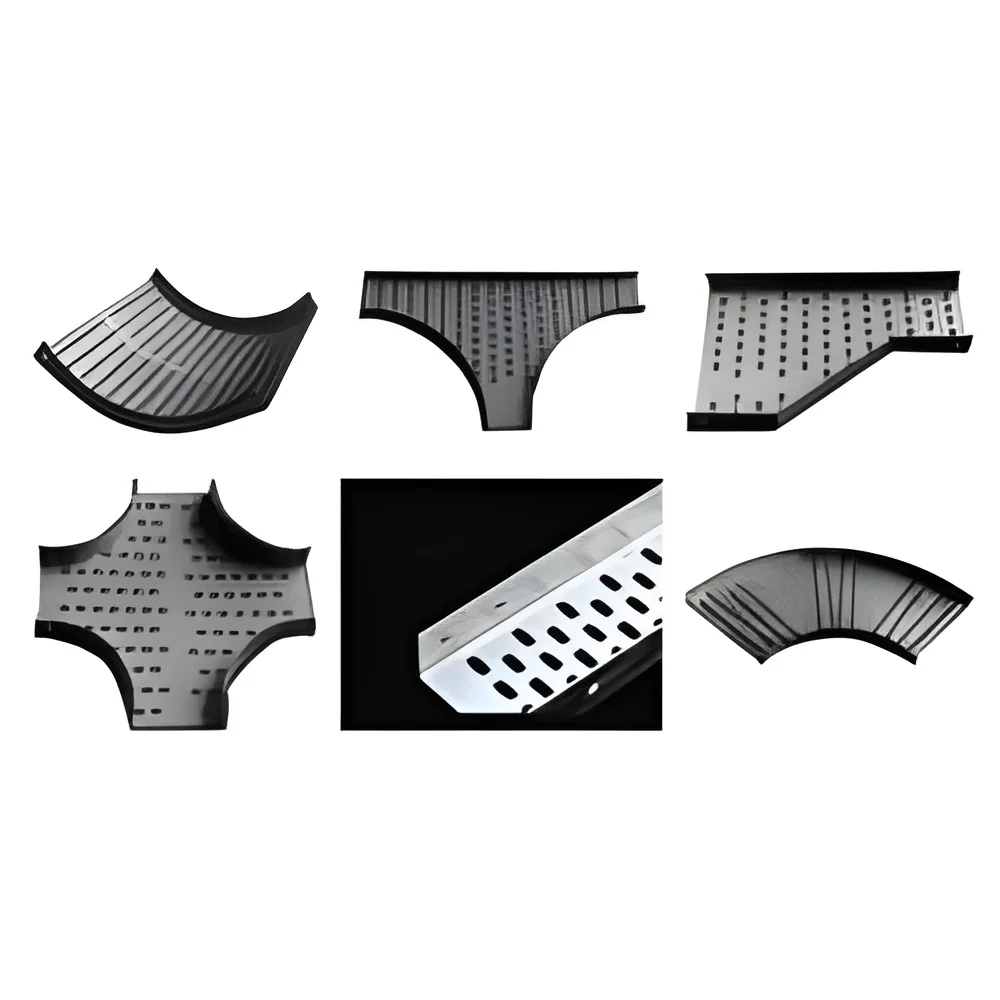
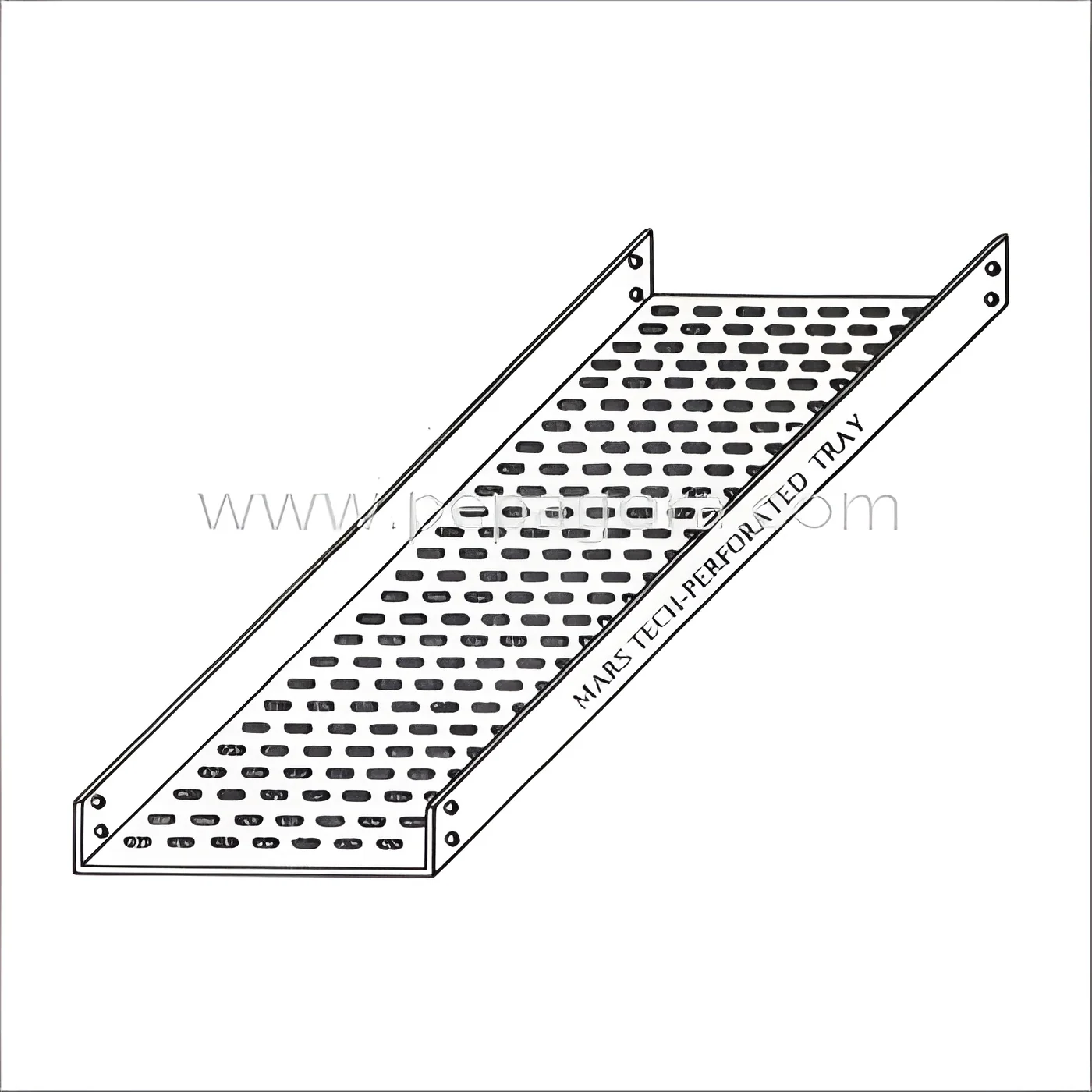
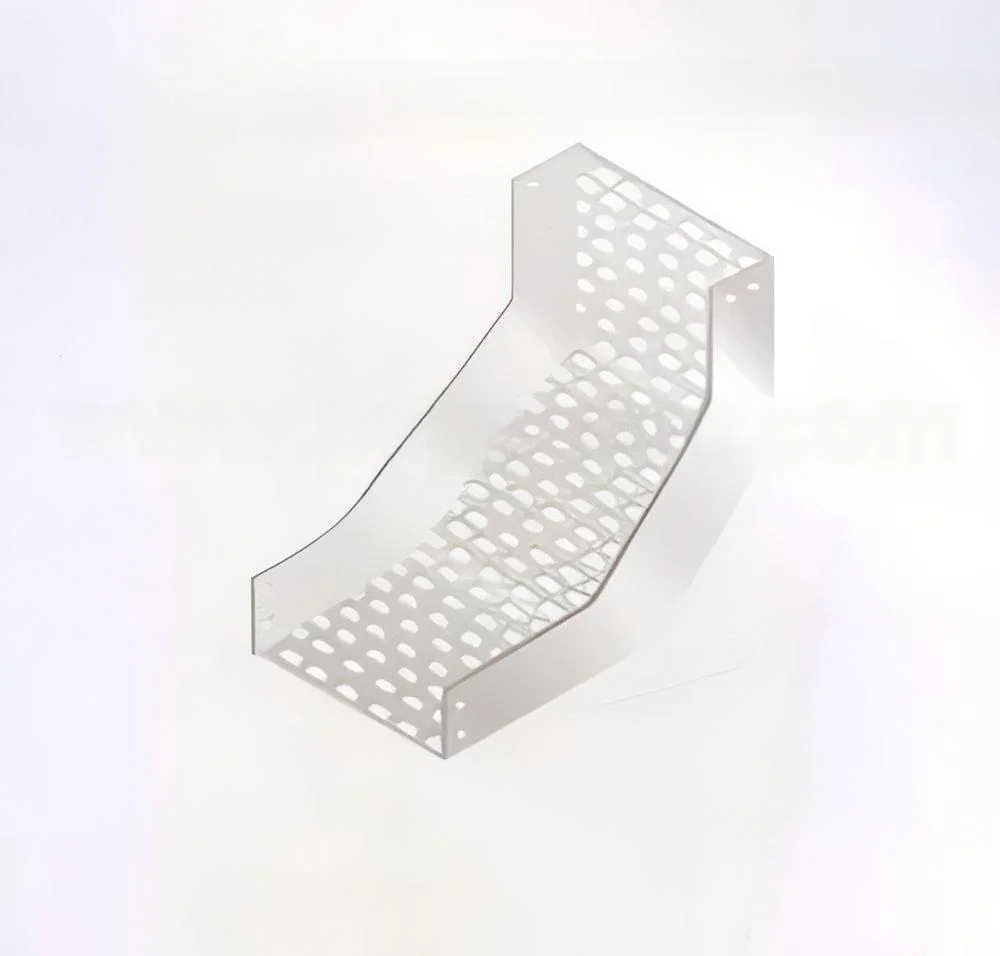
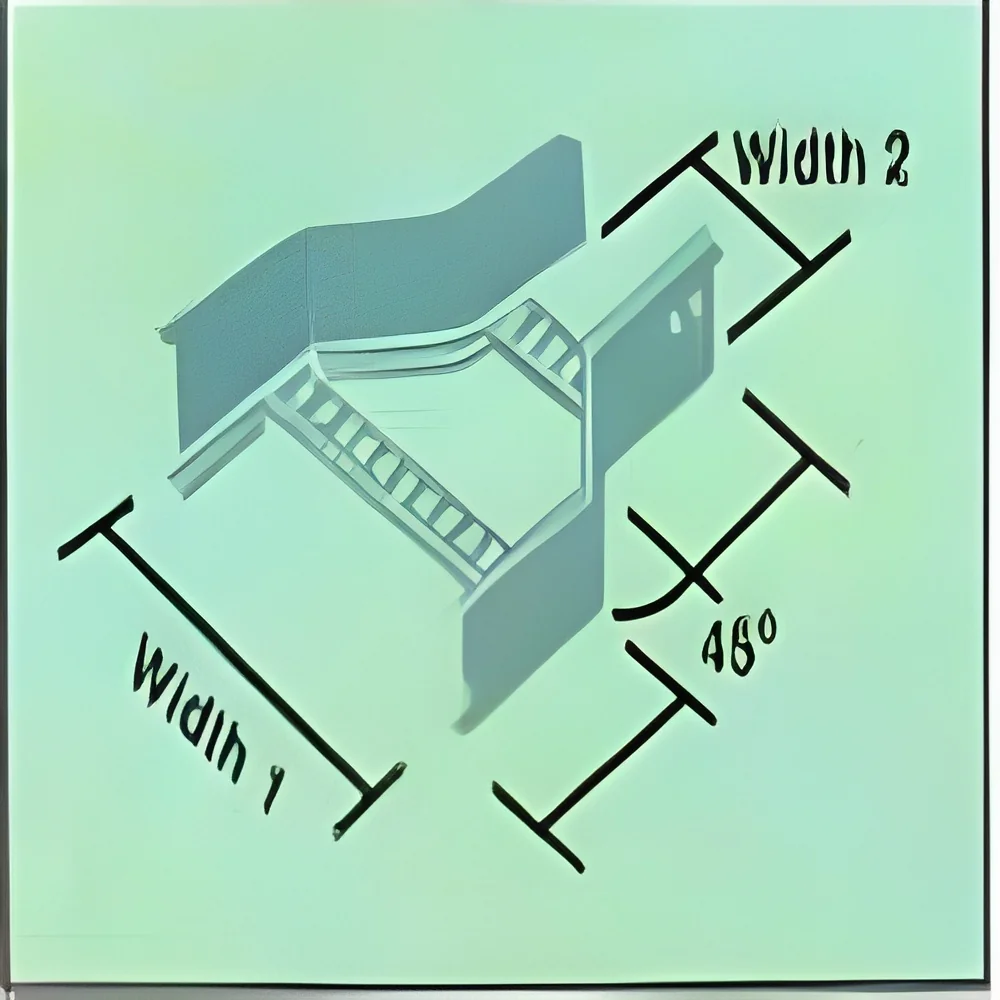
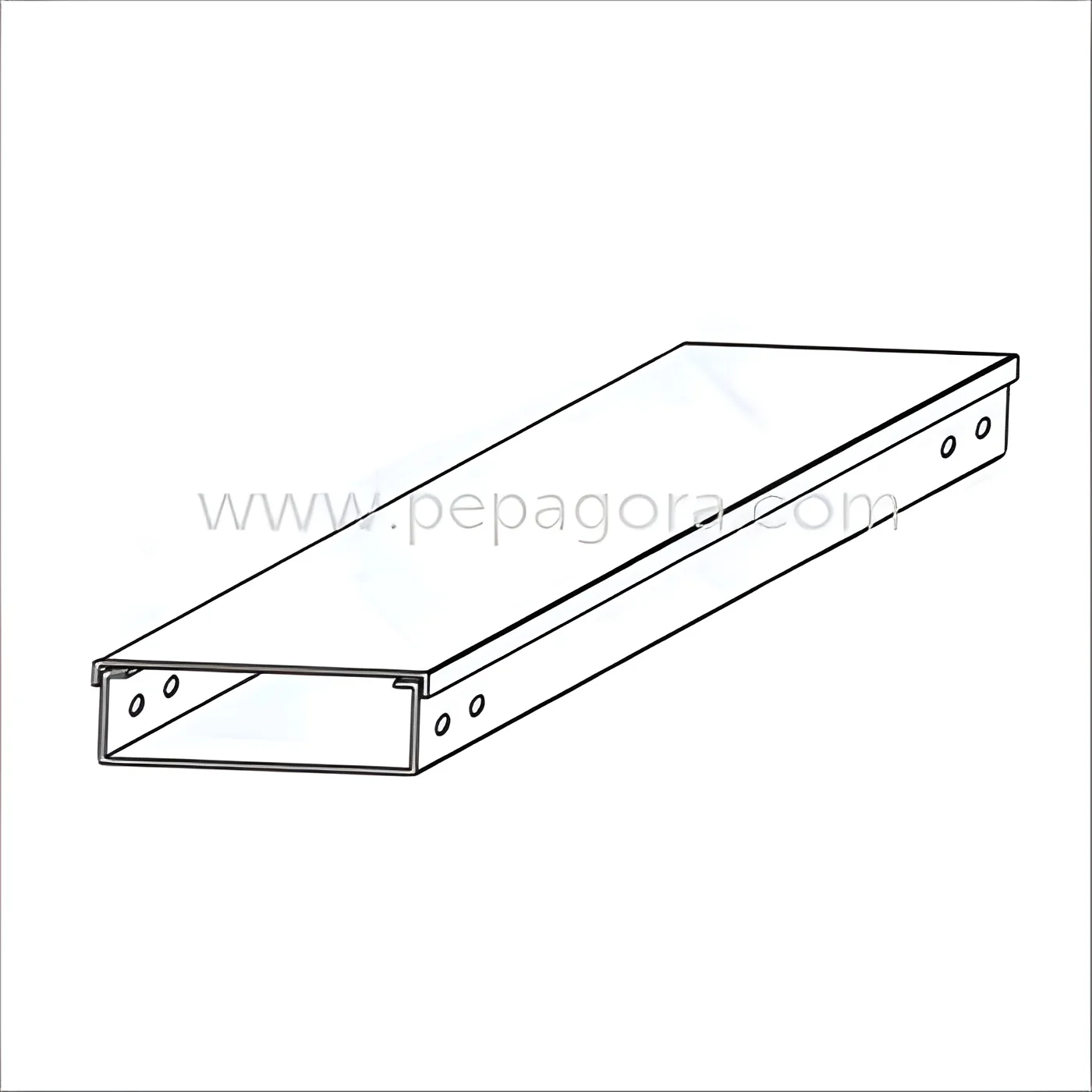
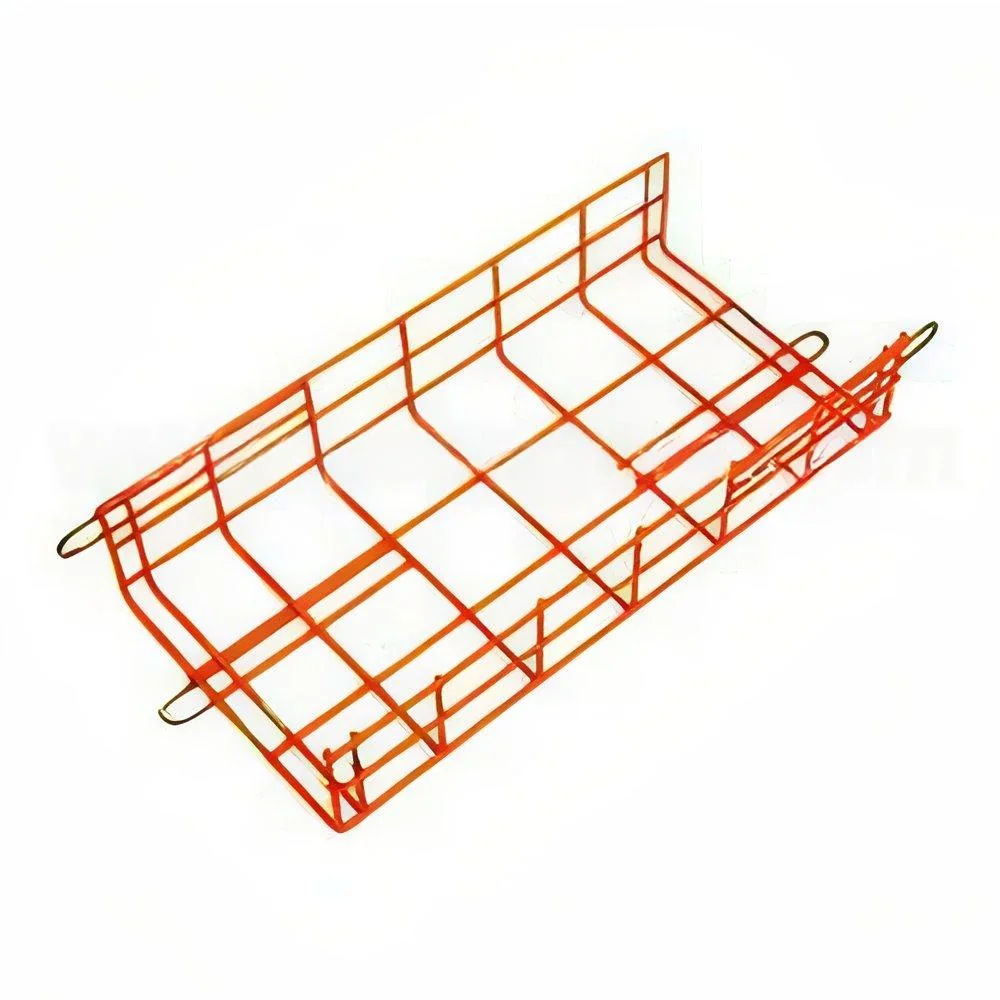
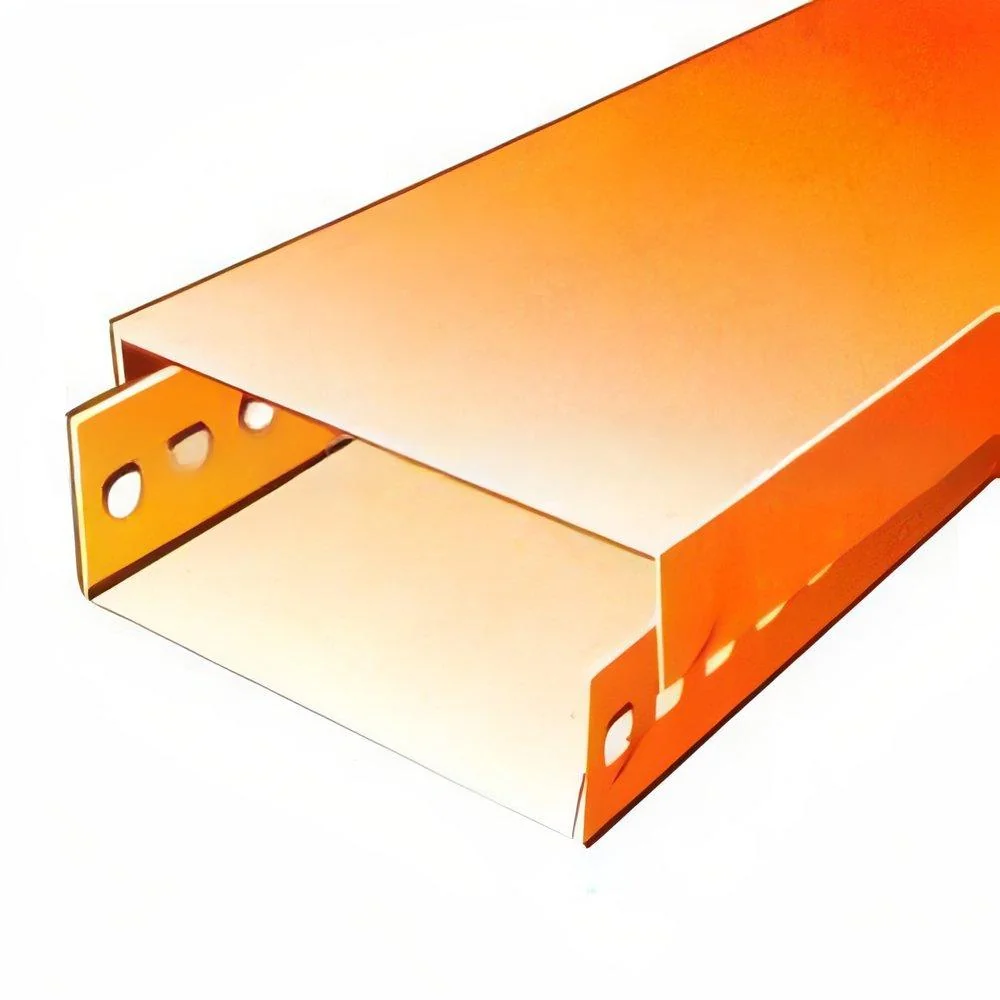
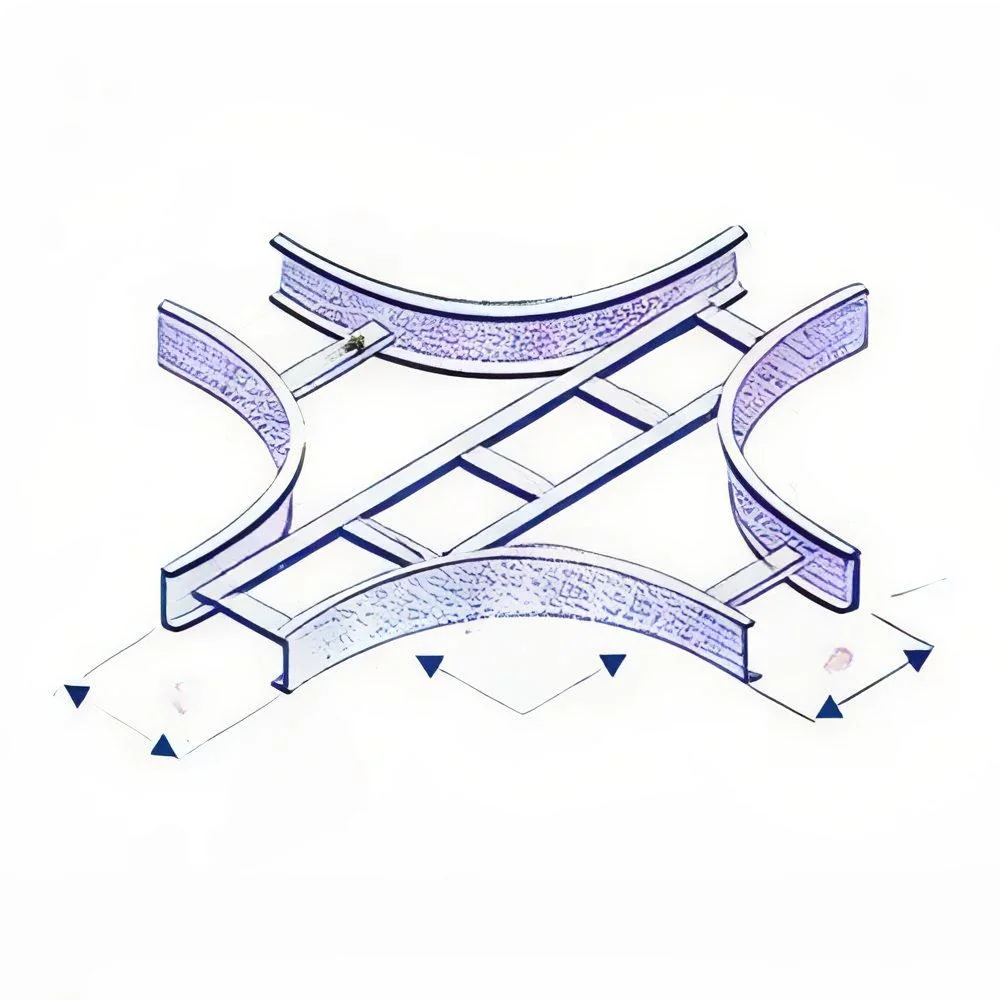
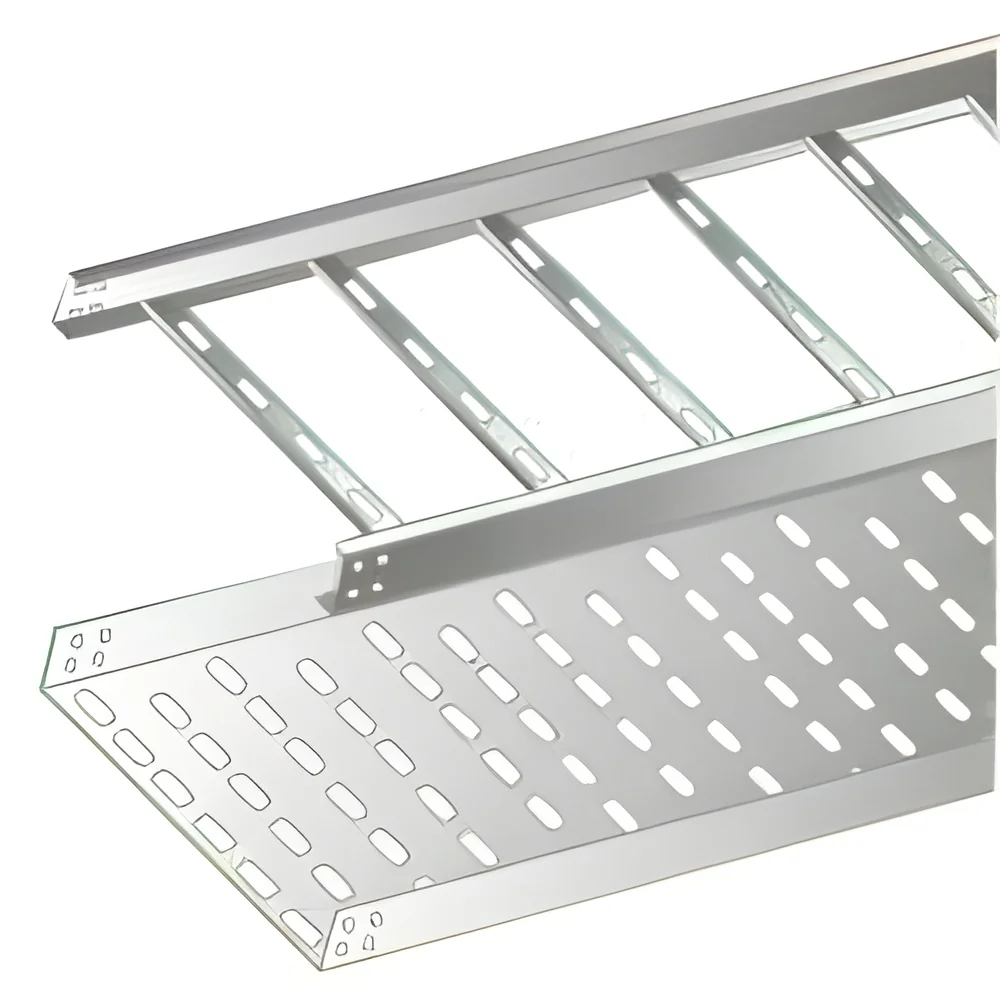
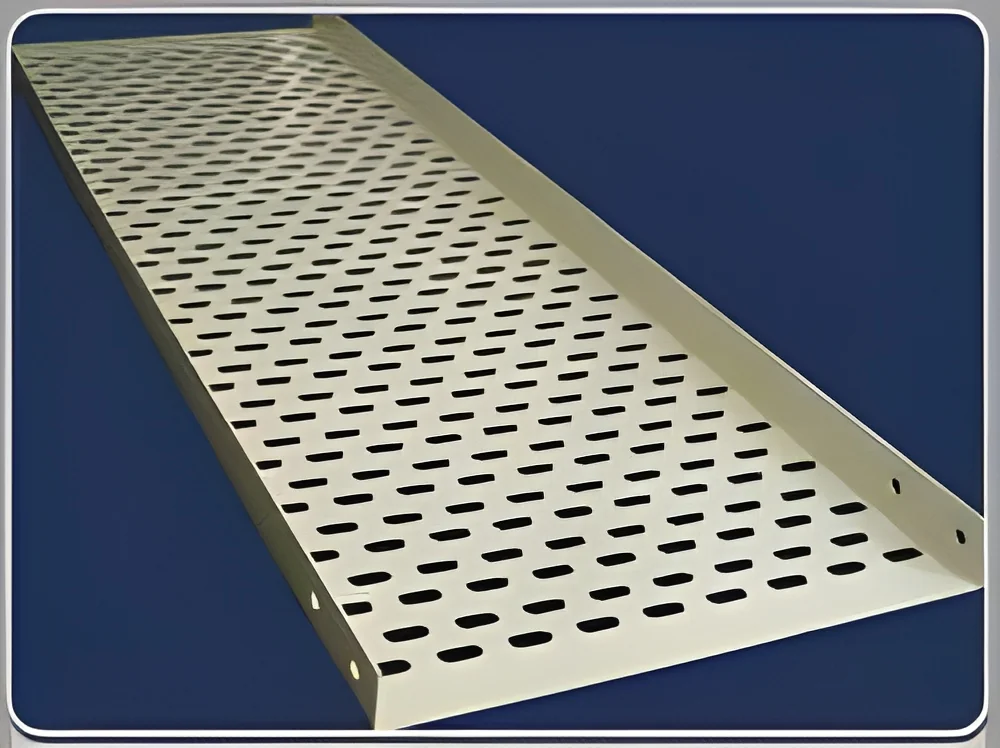
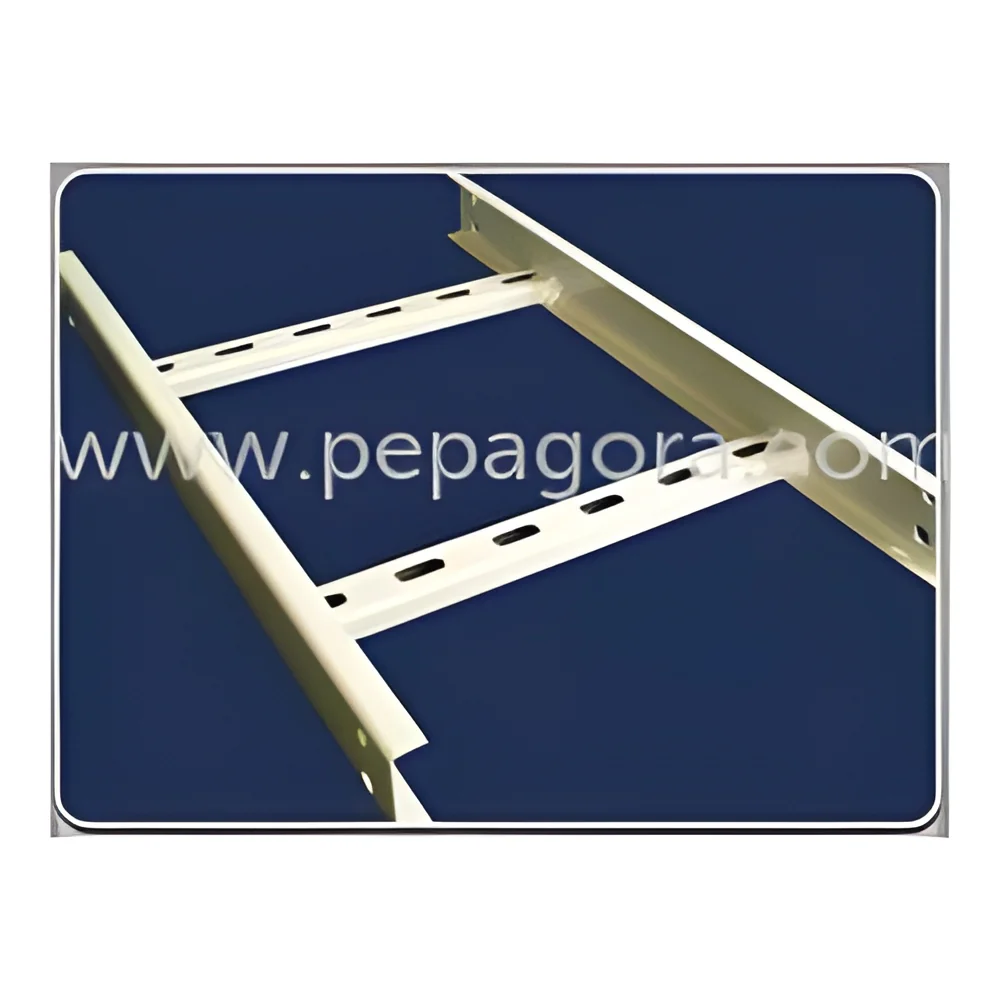
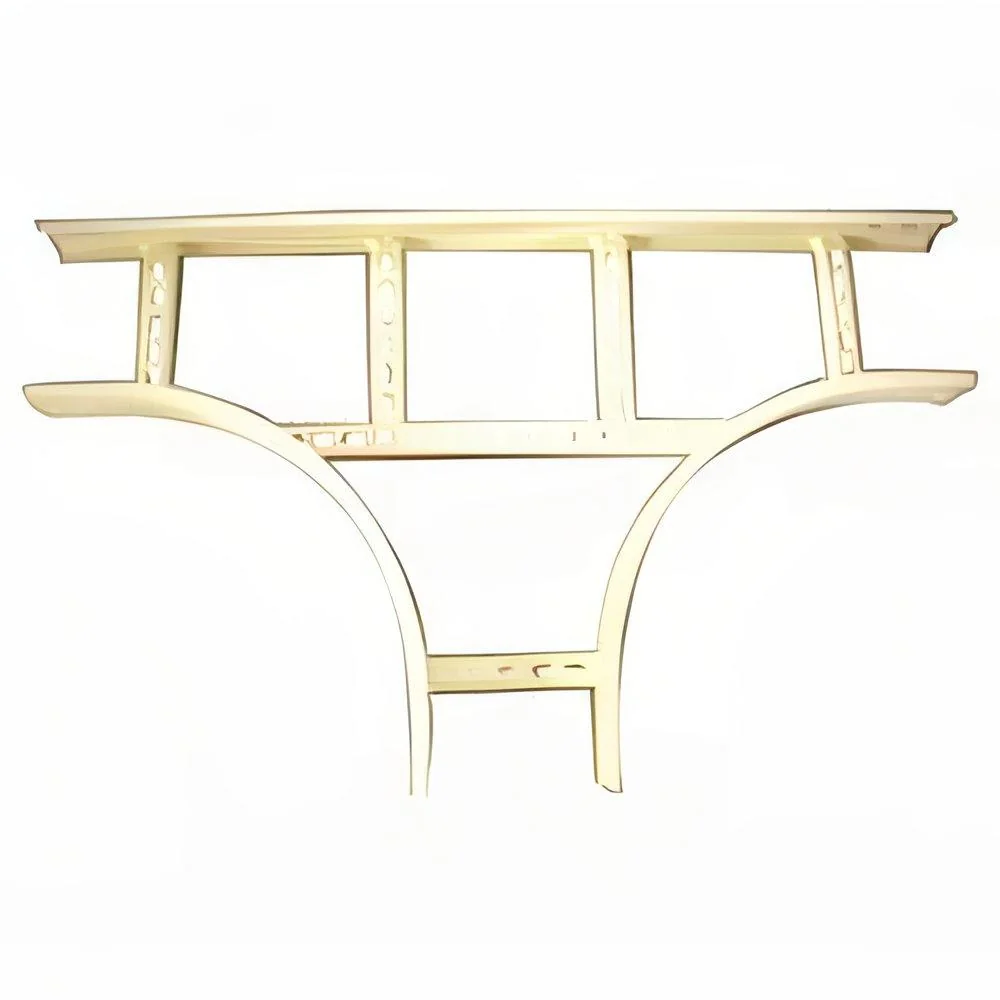
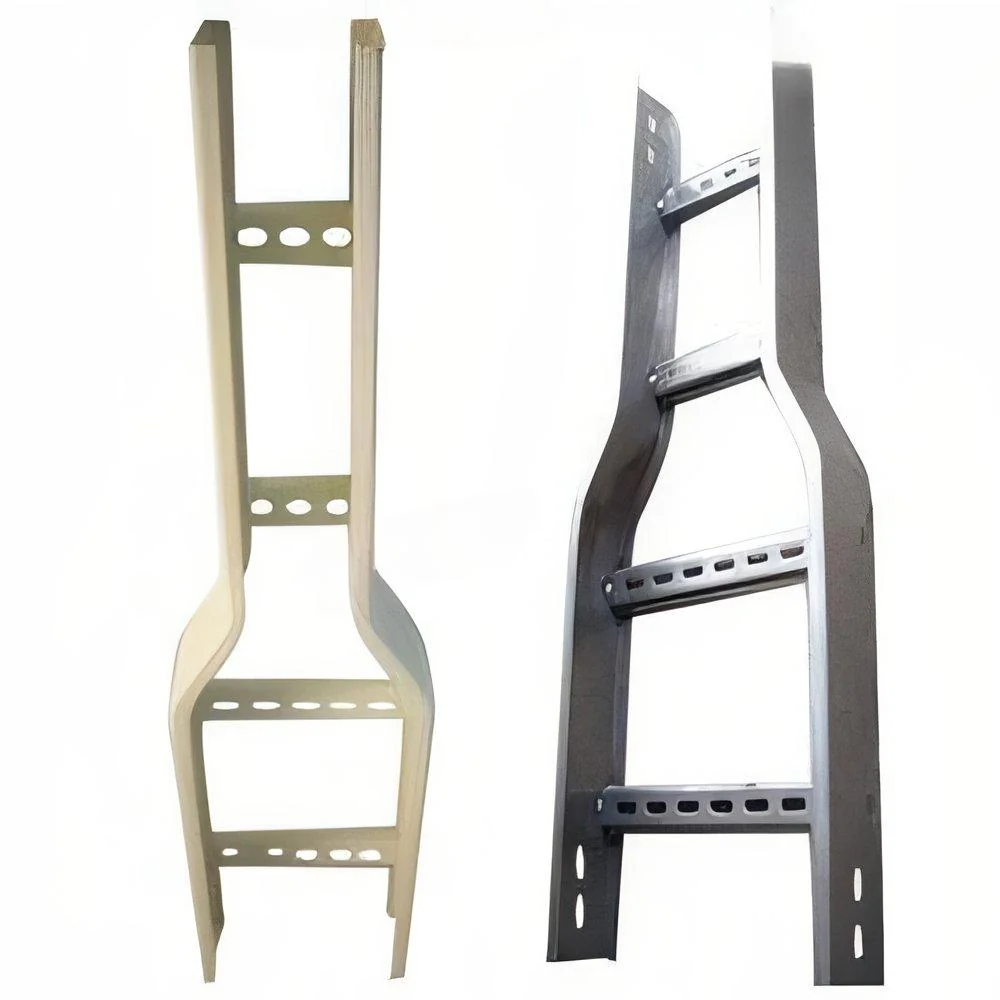
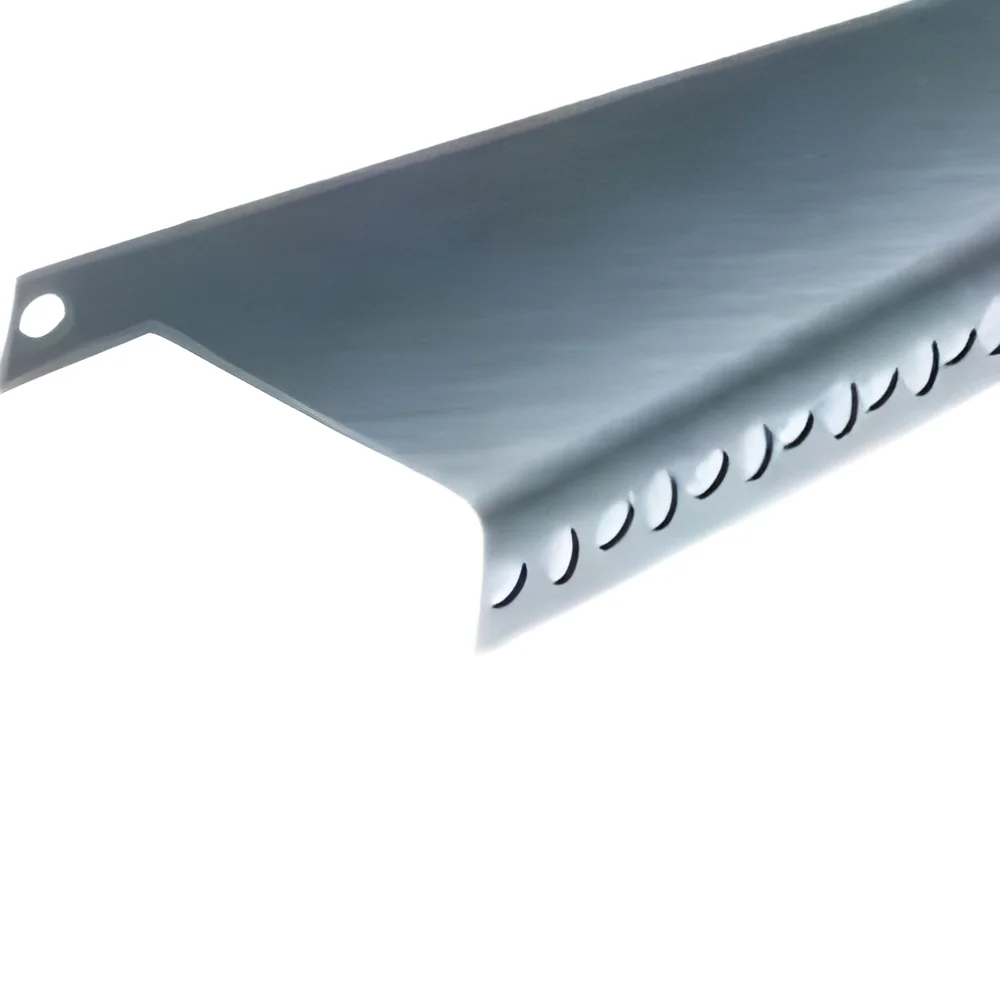
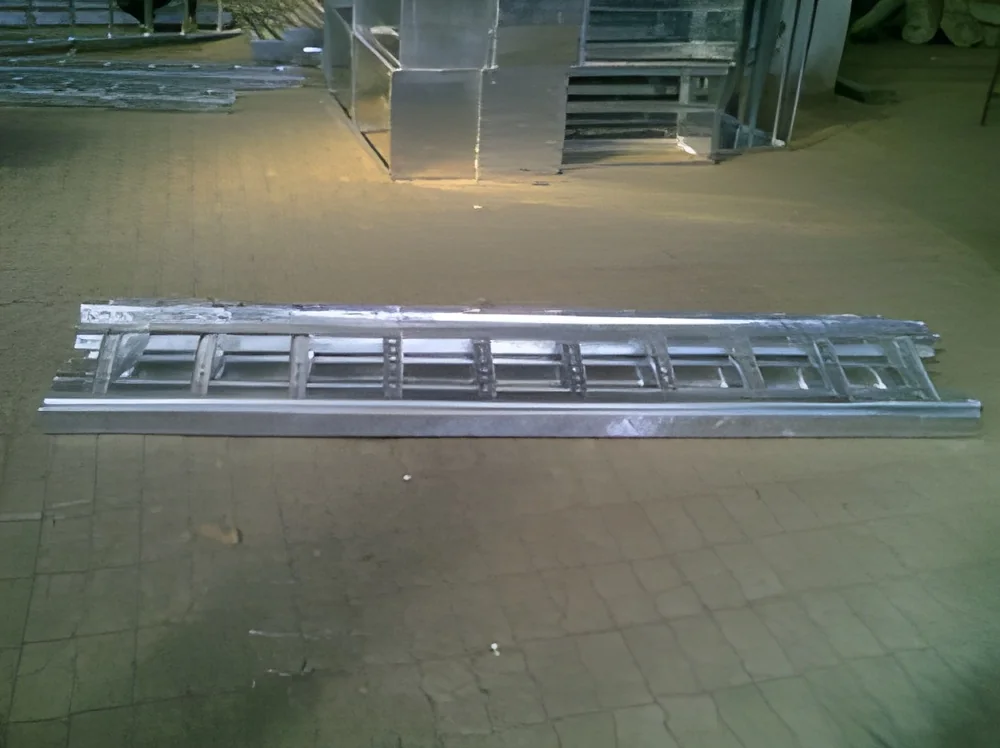
Cable trays (perforated, ladder) are structural support systems used to manage and support electrical cables and wires. They come in two common designs: perforated trays, which feature holes for ventilation and cable management, and ladder trays, which resemble a ladder structure providing easy access for installation and maintenance.
What are the different types of Cable Trays (Perforated, Ladder)?
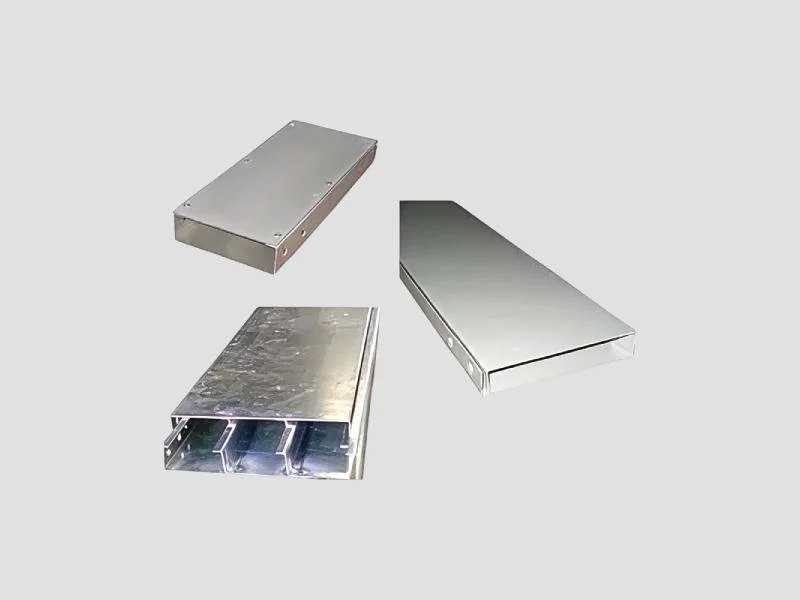
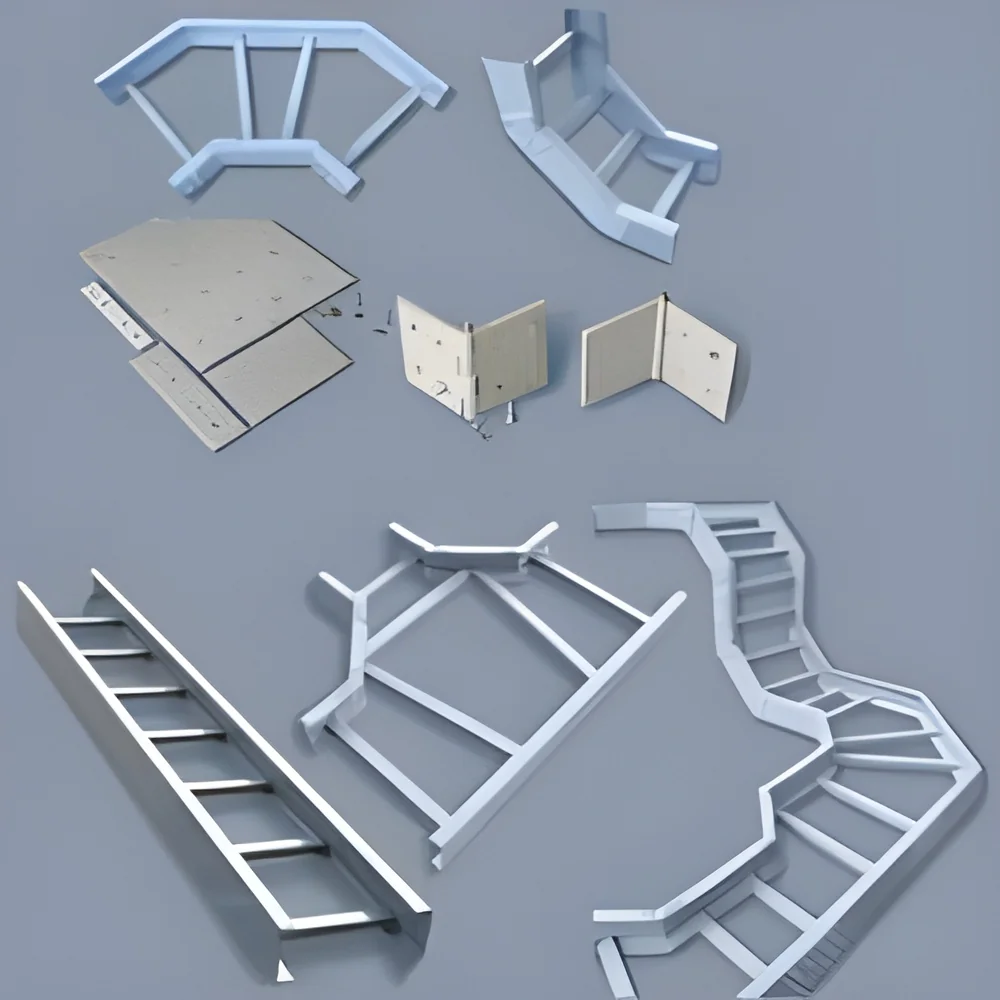
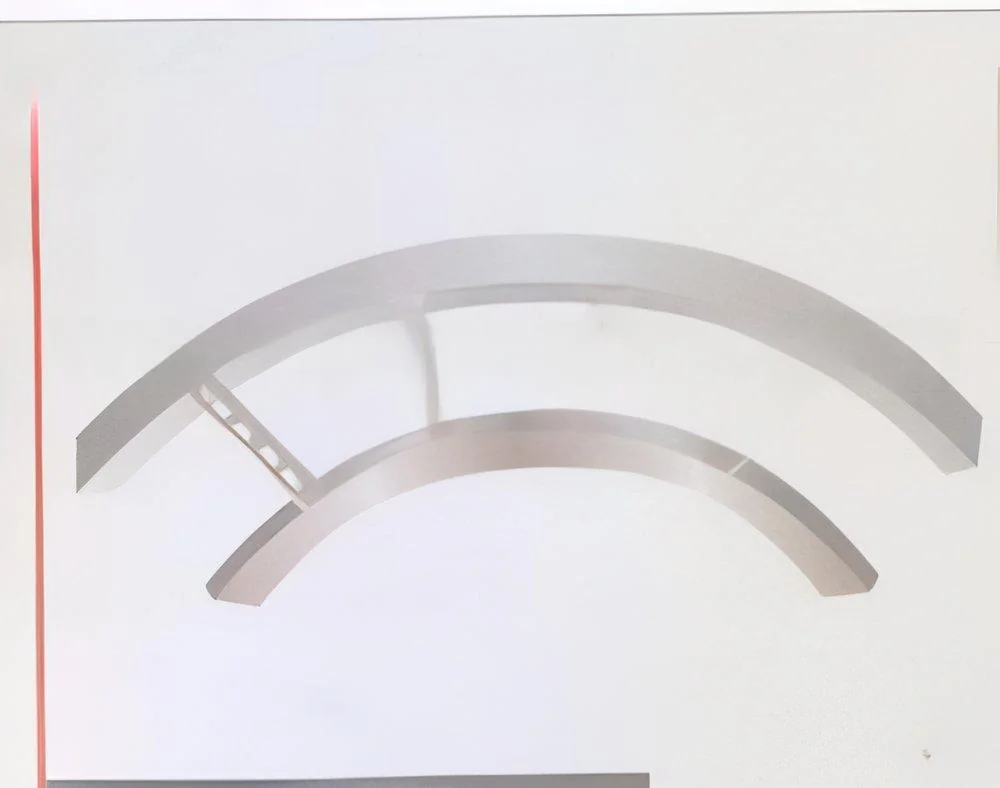
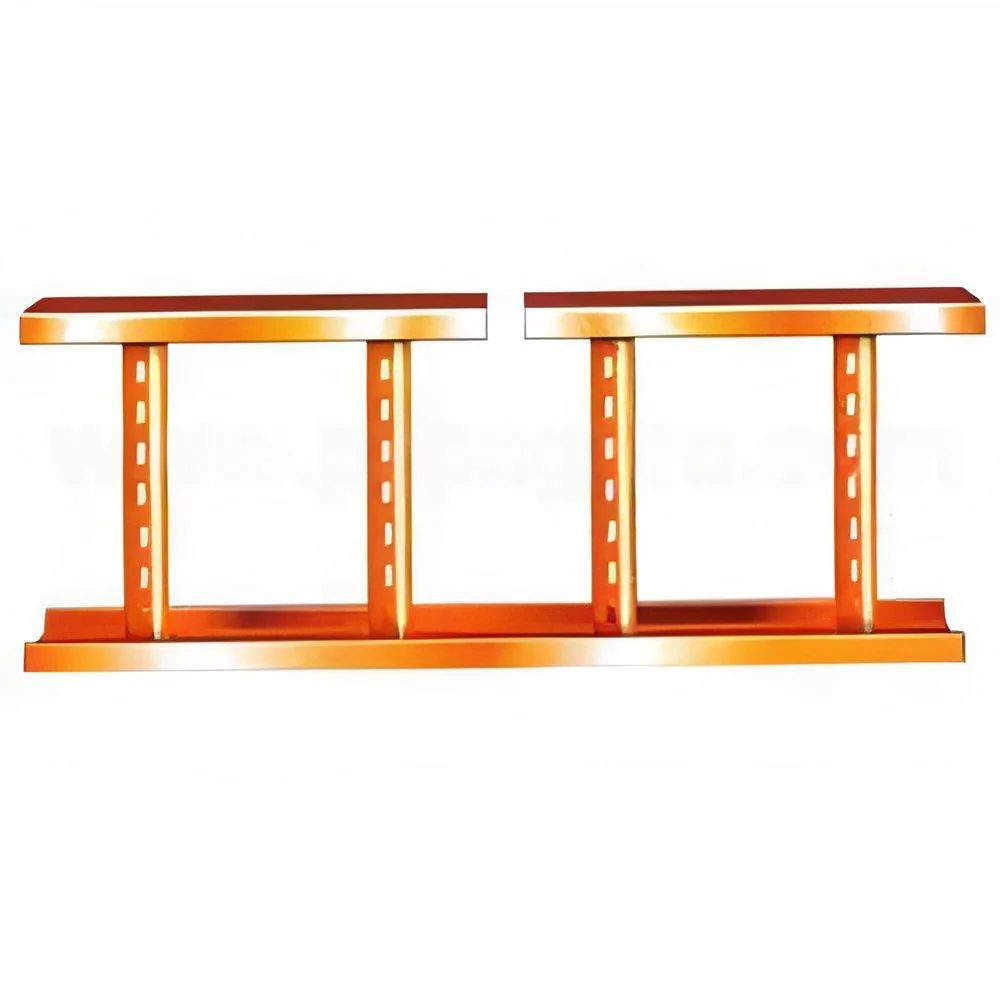
The main types of cable trays include perforated cable trays, ladder cable trays, and solid bottom trays. Perforated trays are designed with holes to facilitate airflow, while ladder trays consist of two side rails connected by rungs, ideal for heavy cabling. Solid bottom trays are also available for specific applications requiring additional protection.
How do I choose the right Cable Trays (Perforated, Ladder)?
Choosing the right cable tray involves considering factors such as the type and quantity of cables to be supported, the environment where the tray will be installed, and any specific load-bearing requirements. Additionally, evaluating the material of the tray, whether it's steel, aluminum, or fiberglass, is crucial for durability and compatibility with your project.
What are the standard specifications for Cable Trays (Perforated, Ladder)?
Standard specifications for cable trays typically include dimensions such as width, height, and length, as well as load capacity, which varies based on material and design. Common materials include galvanized steel and aluminum, with specifications often adhering to industry standards like NEMA or IEC for safety and performance.
What is the price range for Cable Trays (Perforated, Ladder)?
The price range for cable trays can vary significantly based on materials, dimensions, and manufacturer. Generally, you can expect prices to range from INR 100 to INR 1000 per meter, depending on the specifications and quality of the product.
What quality standards apply to Cable Trays (Perforated, Ladder)?
Quality standards for cable trays often include compliance with national and international standards such as ISO, NEMA, and IEC. These standards ensure the trays meet certain criteria for material strength, durability, and safety, which are essential for reliable performance in electrical installations.
Where can I find Cable Trays (Perforated, Ladder) suppliers in India?
You can find cable tray suppliers in India through various channels, including B2B marketplaces, industrial supply companies, and local manufacturers. Online platforms like Pepagora.com also provide a comprehensive directory of reliable suppliers and manufacturers of cable trays.
Can Cable Trays (Perforated, Ladder) be customized?
Yes, cable trays can often be customized to meet specific project requirements. Customization may include adjustments in size, material, and additional features like special coatings or finishes to enhance their functionality and aesthetic appeal.
What is the typical minimum order quantity for Cable Trays (Perforated, Ladder)?
The typical minimum order quantity (MOQ) for cable trays can vary by supplier but is often around 50 to 100 meters. It is advisable to check with individual manufacturers or suppliers for their specific MOQ policies based on your purchasing needs.
What is the typical lead time for Cable Trays (Perforated, Ladder)?
The lead time for cable trays typically ranges from 2 to 6 weeks, depending on factors such as the supplier's inventory, order volume, and customization requirements. It's important to communicate with your supplier to get an accurate estimate based on your specific order.
Why Businesses Trust Pepagora
Thousands of companies trust Pepagora to source smarter and sell faster
Expand Your Sales Globally

Source Smarter,Grow Faster
