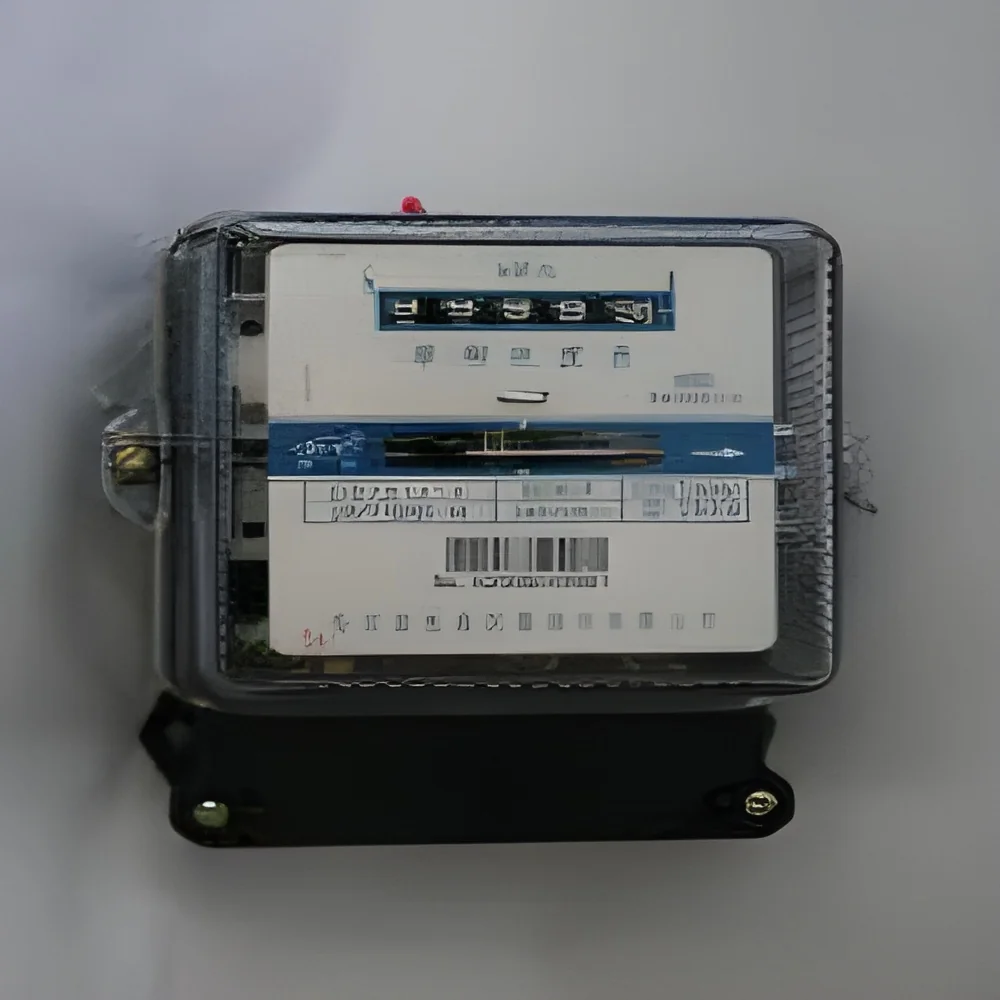
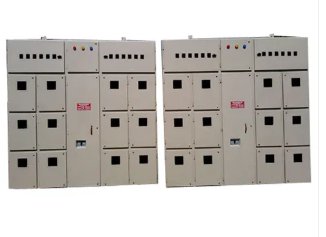
What are Energy Meters (Single/Three Phase)?
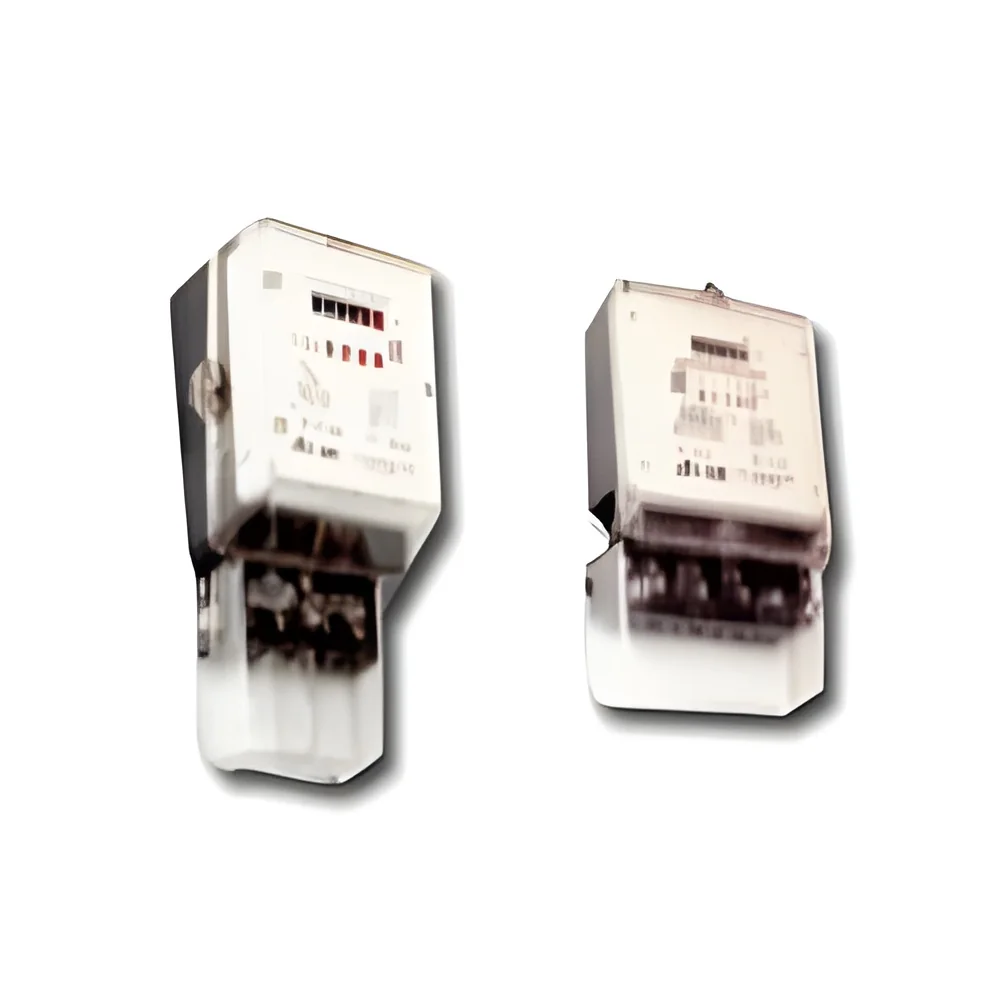
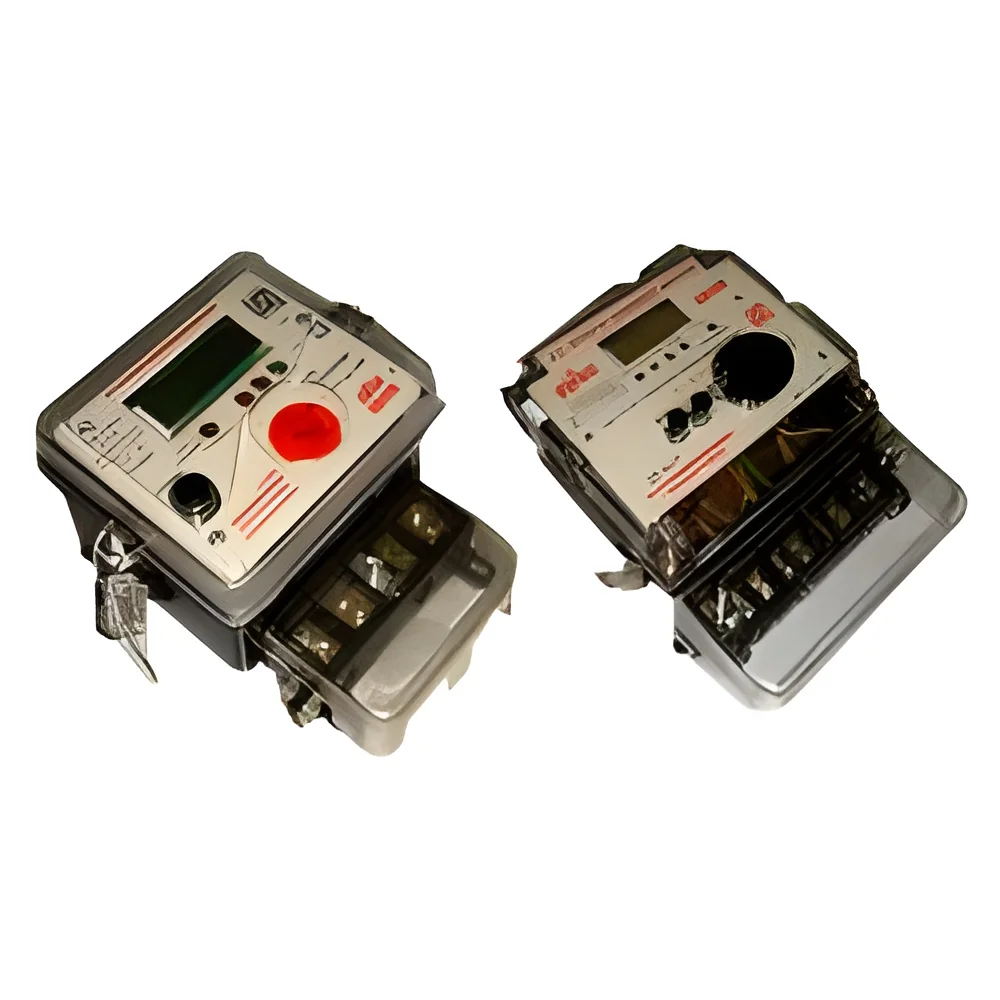
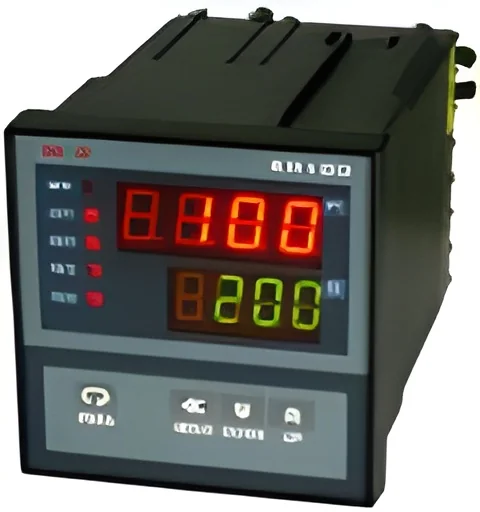
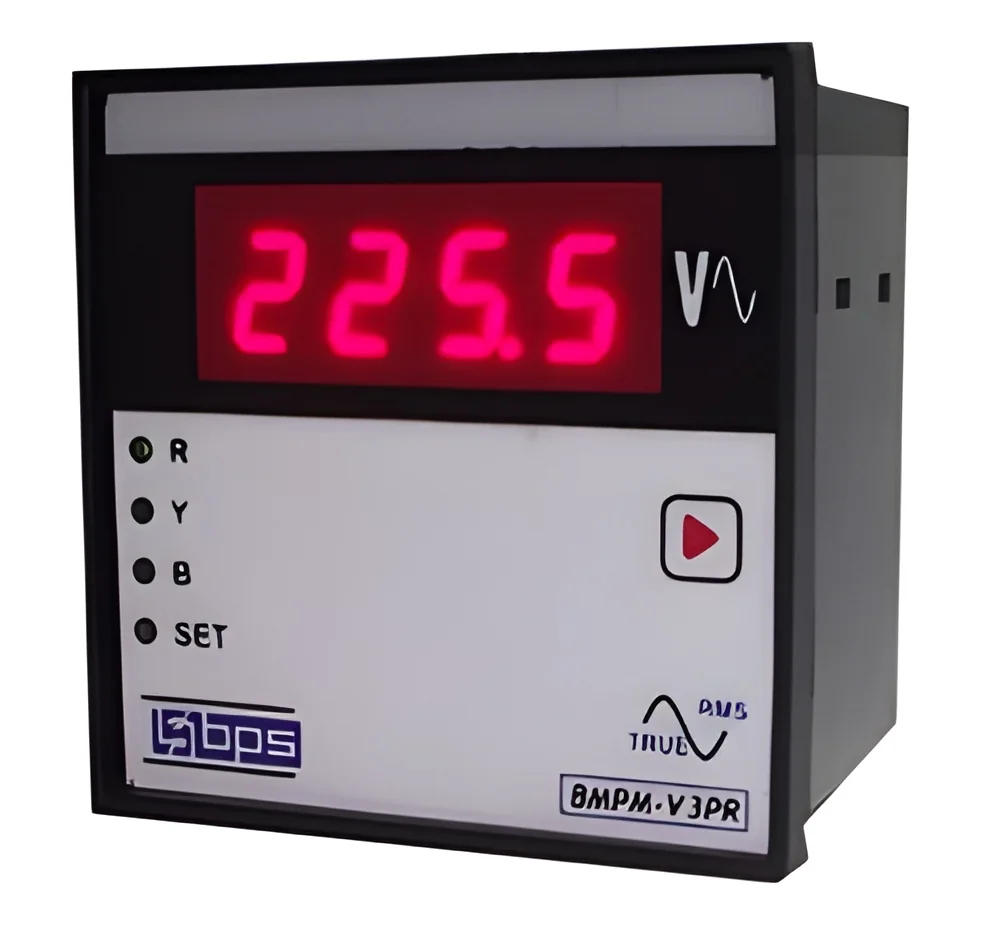
Energy meters, both single-phase and three-phase, are essential devices used to measure the electrical energy consumption of various systems. Single-phase energy meters are typically used in residential settings, while three-phase energy meters are commonly found in industrial and commercial applications. These devices provide critical data that helps businesses monitor energy usage, enabling them to manage their energy costs effectively.
These energy meters have numerous applications across various sectors, including manufacturing, construction, and utilities. They help facility managers and business owners ensure efficient energy consumption, identify areas for improvement, and comply with energy regulations. As industries increasingly focus on sustainability, the demand for accurate energy measurement is rising, making these devices integral to energy management systems.
The market for energy meters is growing rapidly due to the increasing need for energy efficiency and monitoring. Businesses are adopting advanced technologies to track energy consumption, reduce costs, and enhance operational efficiency. Consequently, energy meters are becoming vital tools for businesses aiming to optimize their energy usage and reduce their carbon footprint.
๐๐ฒ๐ ๐๐ฒ๐ฎ๐๐๐ฟ๐ฒ๐ ๐ฎ๐ป๐ฑ ๐ฆ๐ฝ๐ฒ๐ฐ๐ถ๐ณ๐ถ๐ฐ๐ฎ๐๐ถ๐ผ๐ป๐
Energy meters offer a range of features and specifications that cater to various industrial needs. These devices are designed to provide precise measurements and facilitate effective energy management. Understanding these specifications is essential for B2B buyers looking to invest in reliable energy meters.
Key specifications include:
1. Voltage Range
- Typically ranges from 220V to 480V for single-phase and three-phase meters.
- Allows compatibility with different electrical systems.
2. Current Rating
- Standard ratings can vary from 5A to 100A.
- Ensures accurate measurement across different load conditions.
3. Accuracy Class
- Common classes include 1.0 and 2.0, indicating the level of precision.
- Higher accuracy classes are preferred for critical applications.
4. Communication Protocol
- Supports various protocols such as Modbus and RS-485.
- Facilitates integration with building management systems.
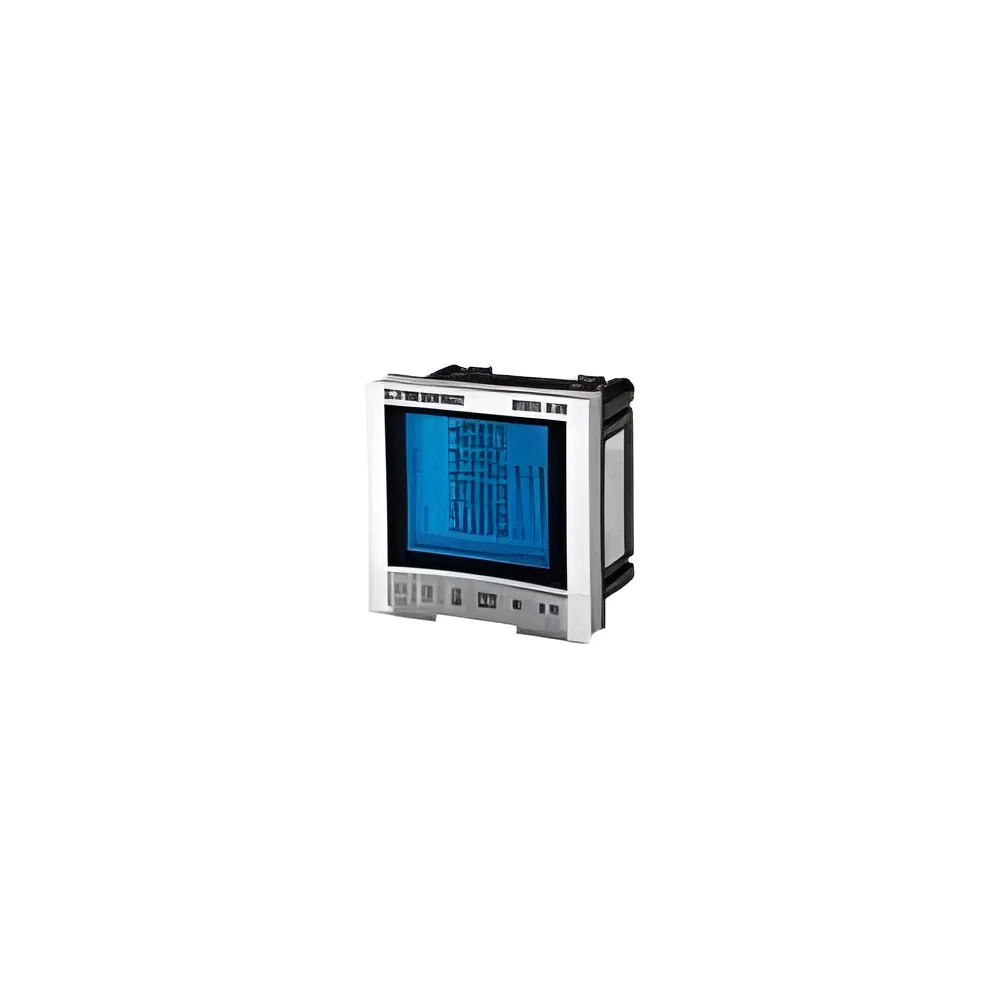
5. Display Type
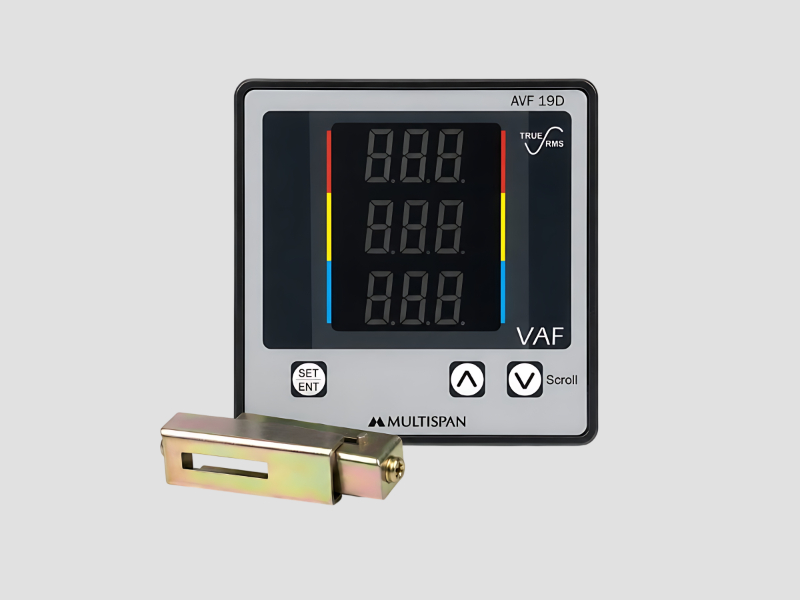
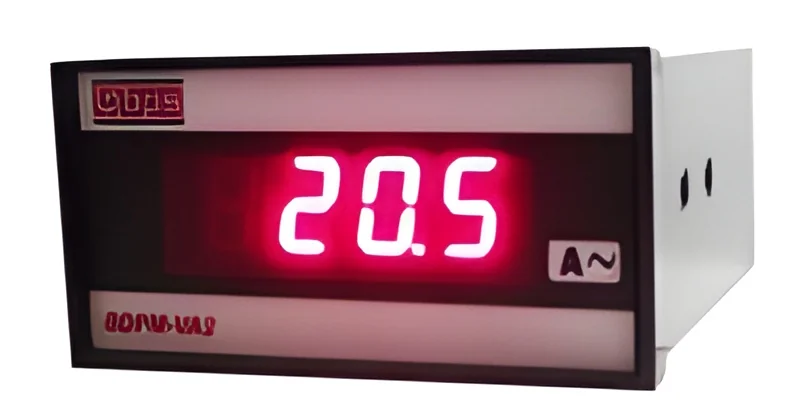
- Options include digital LCD and LED displays.
- Provides clear visibility of energy consumption data.
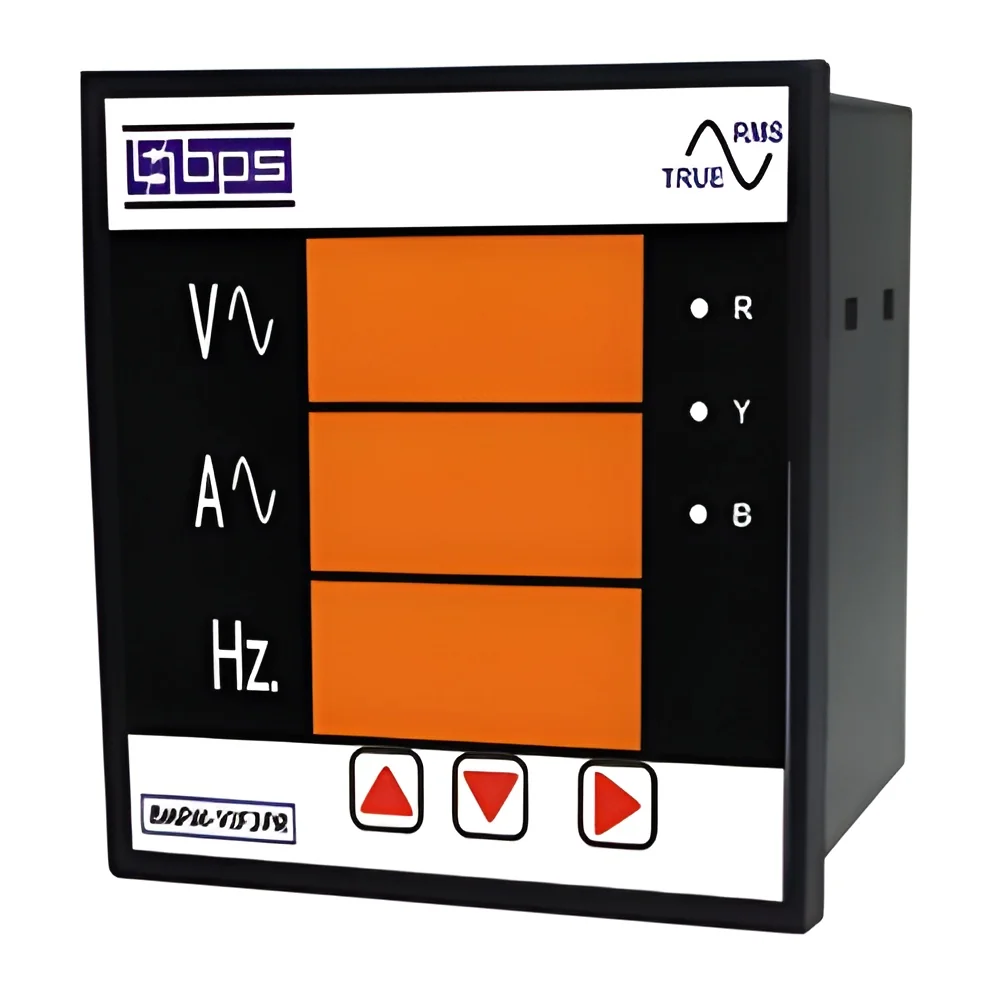
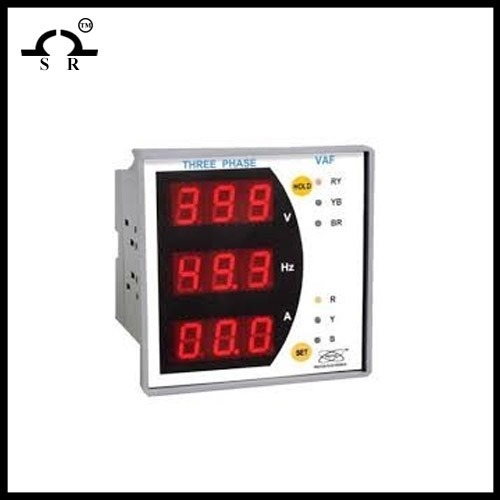
6. Measurement Parameters
- Includes voltage, current, power factor, and total energy.
- Enables comprehensive energy analysis.
7. Installation Type
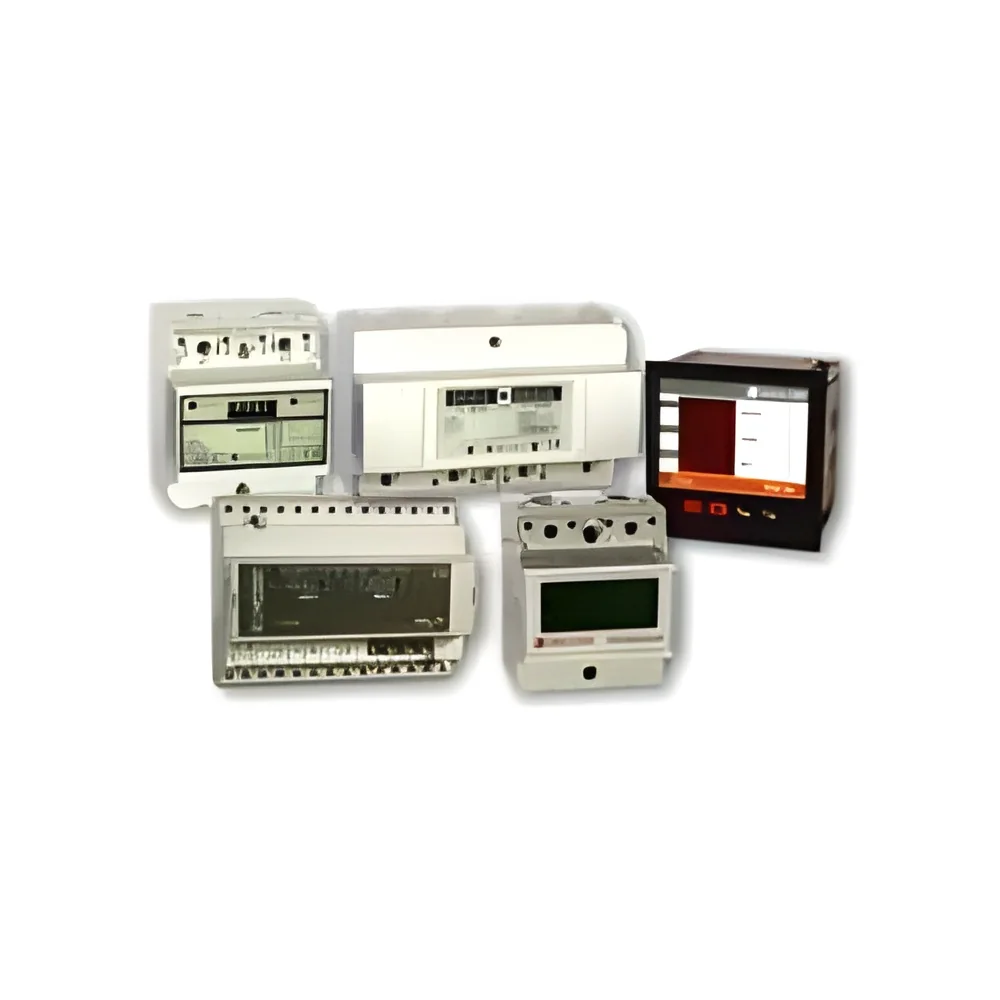
- Available in both panel-mounted and din-rail formats.
- Offers flexibility in installation based on user requirements.
8. Operating Temperature
- Standard operating temperature ranges from -10ยฐC to 60ยฐC.
- Ensures reliable performance in diverse environments.
These features make energy meters a crucial component of energy management systems, providing businesses with the tools needed to monitor and optimize their energy use.
๐๐ผ๐บ๐บ๐ผ๐ป ๐๐ฝ๐ฝ๐น๐ถ๐ฐ๐ฎ๐๐ถ๐ผ๐ป๐ ๐ฎ๐ป๐ฑ ๐จ๐๐ฒ ๐๐ฎ๐๐ฒ๐
Energy meters are utilized across various industries, each leveraging the technology to enhance energy management and efficiency.
1. Manufacturing: In manufacturing facilities, energy meters help monitor machine performance and energy consumption, allowing for timely maintenance and operational improvements.
2. Construction: Construction sites use energy meters to track power usage on-site, ensuring budget adherence and identifying areas for energy savings during the building process.
3. Utilities: Utility companies rely on energy meters for accurate billing and to monitor energy distribution, which helps in demand forecasting and grid management.
4. Commercial Buildings: In office buildings, energy meters play a critical role in energy reporting and tenant billing, promoting energy conservation practices among occupants.
5. Agriculture: Agricultural facilities utilize energy meters to monitor irrigation systems and equipment, ensuring efficient energy usage and reducing operational costs.
6. Data Centers: Data centers require precise energy monitoring to ensure optimal performance and reliability, with energy meters providing insights into power consumption patterns.
7. Retail: Retail establishments use energy meters to manage energy consumption of lighting and HVAC systems, contributing to cost savings and sustainability efforts.
๐ฃ๐ฟ๐ผ๐ฑ๐๐ฐ๐ ๐ฉ๐ฎ๐ฟ๐ถ๐ฎ๐ป๐๐ ๐ฎ๐ป๐ฑ ๐ฆ๐๐ฏ๐ฐ๐ฎ๐๐ฒ๐ด๐ผ๐ฟ๐ถ๐ฒ๐
Energy meters come in various variants designed to meet specific needs and applications.
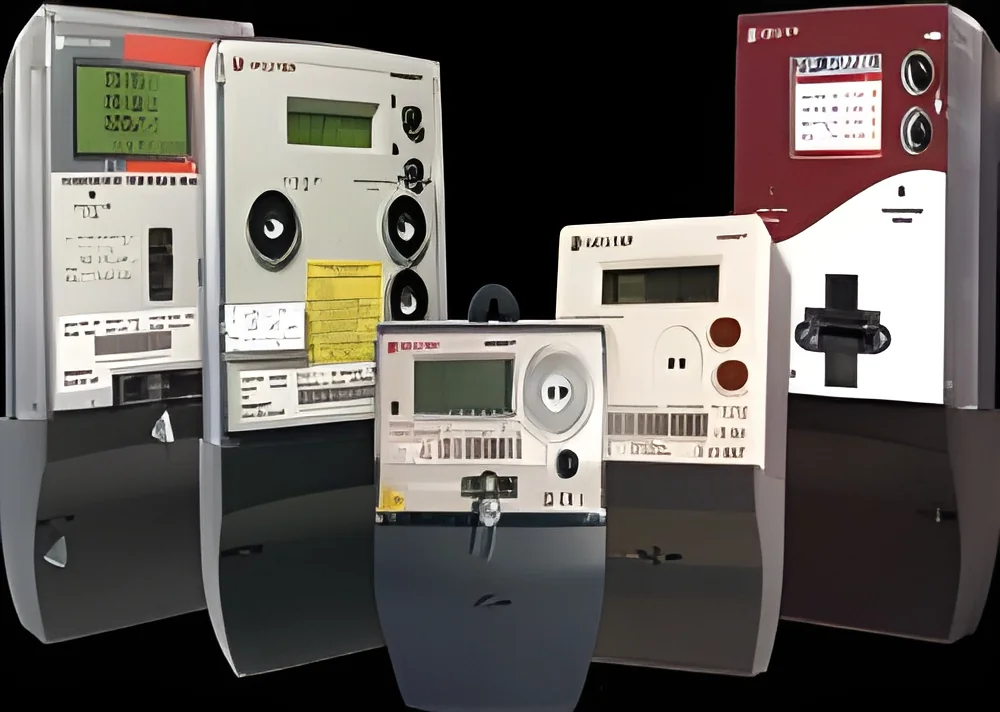
Single-Phase Energy Meters: These meters are designed for residential and small commercial applications. They measure energy consumption accurately and are generally easy to install.
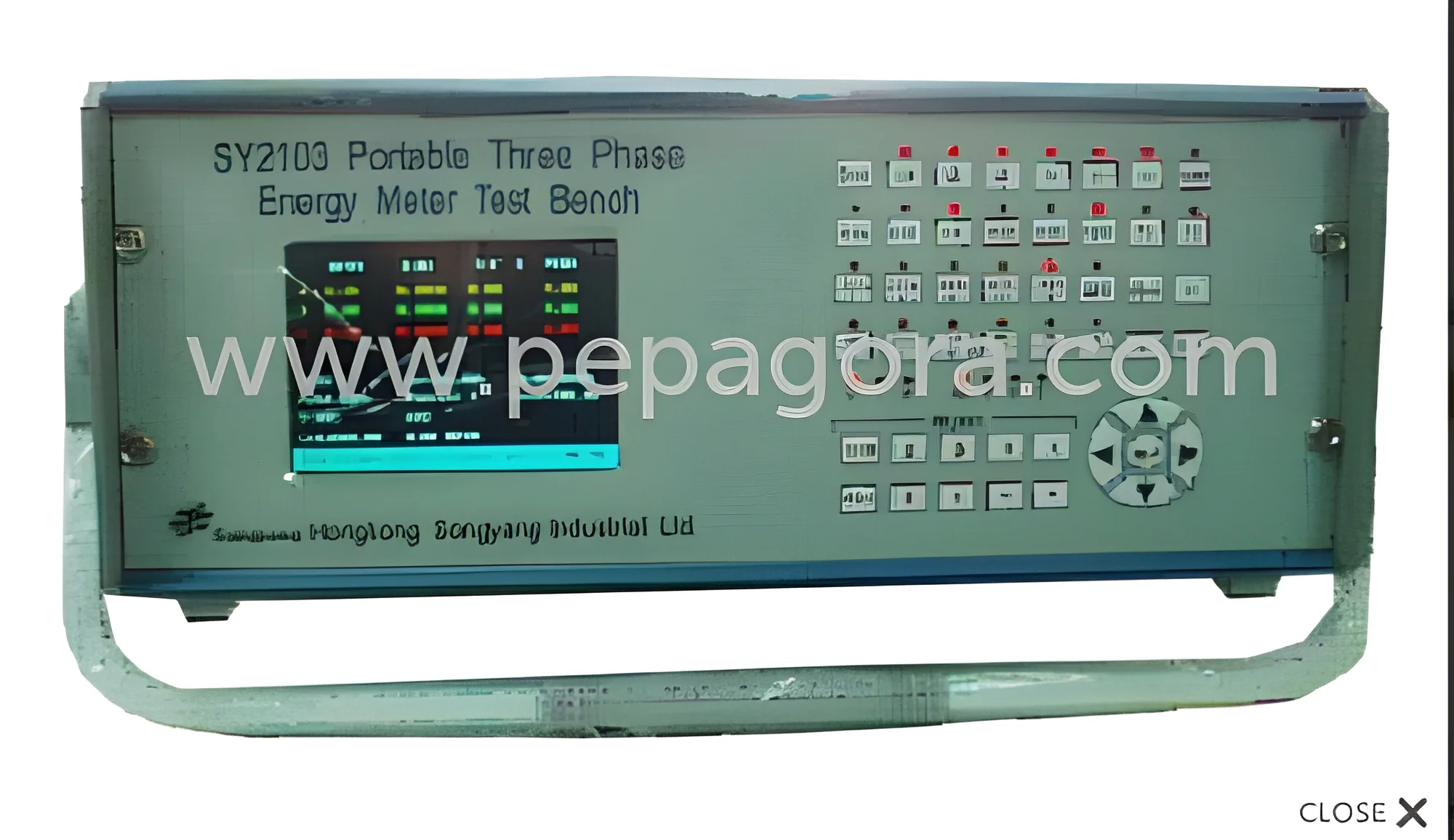
Three-Phase Energy Meters: Ideal for larger industrial and commercial applications, these meters provide comprehensive monitoring of three-phase power systems, offering detailed insights into energy consumption patterns.
Smart Energy Meters: These advanced meters feature connectivity options, allowing for remote monitoring and data analysis. They support energy management systems and promote energy efficiency initiatives.
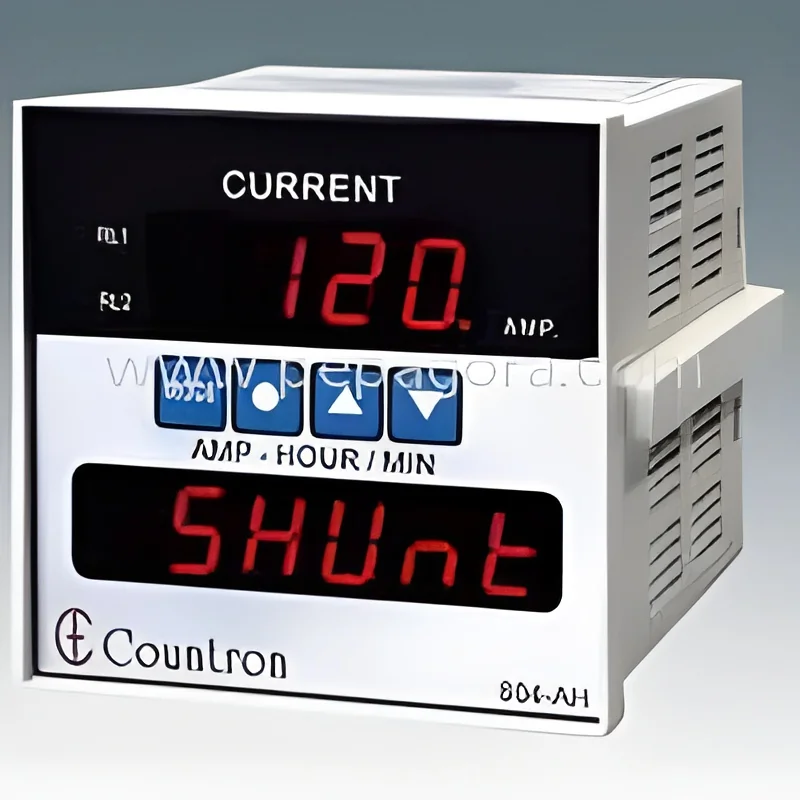
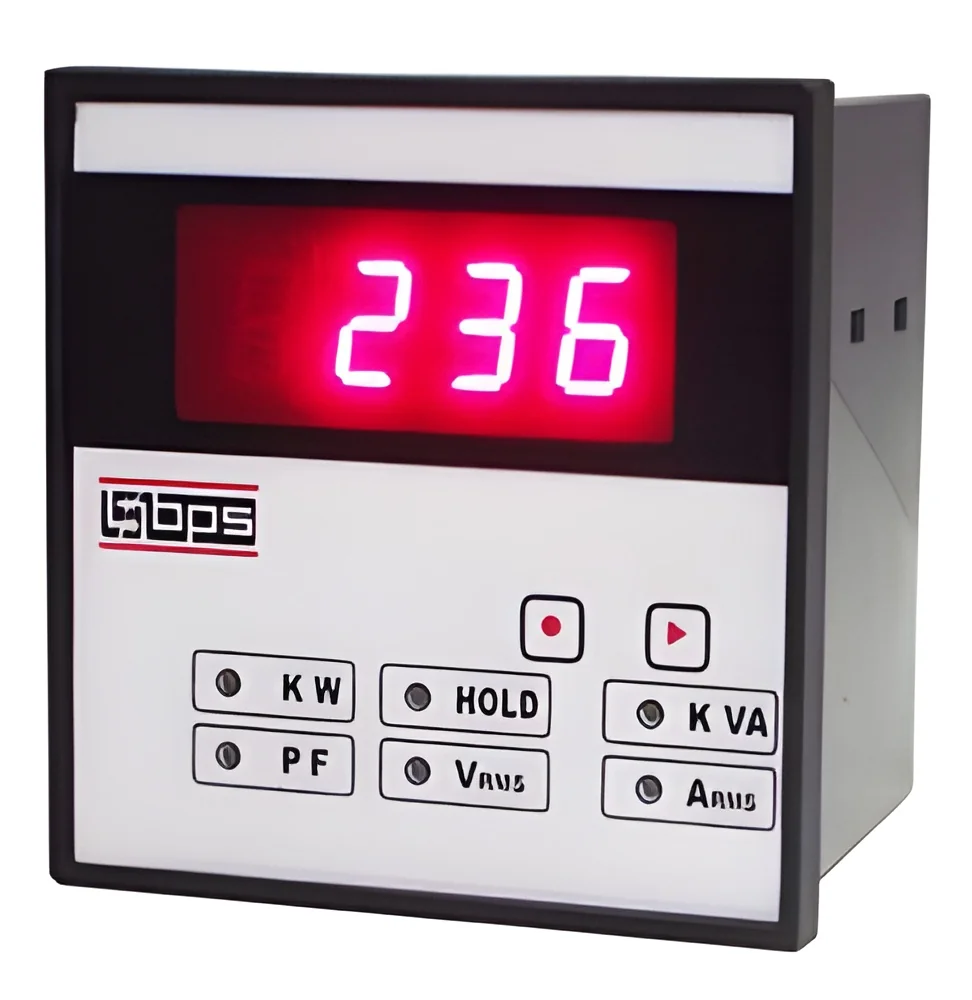
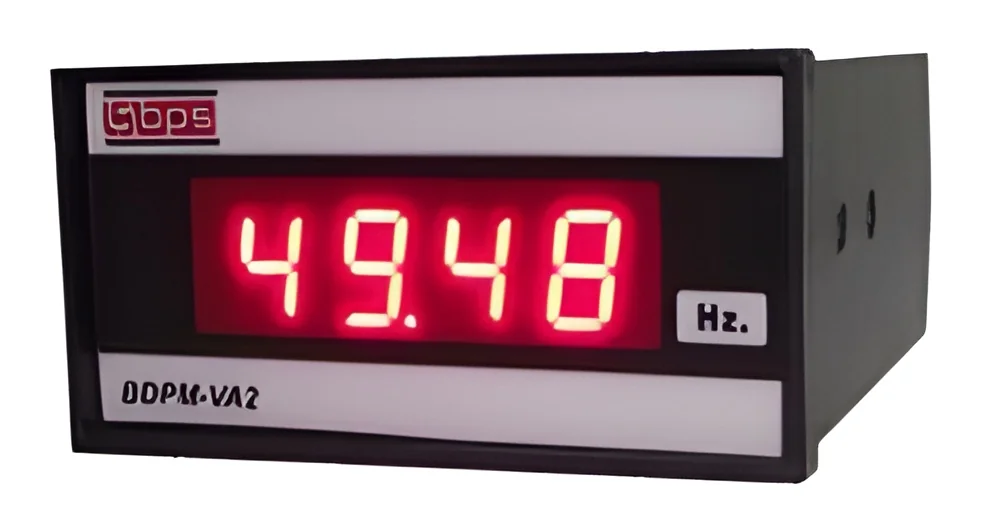
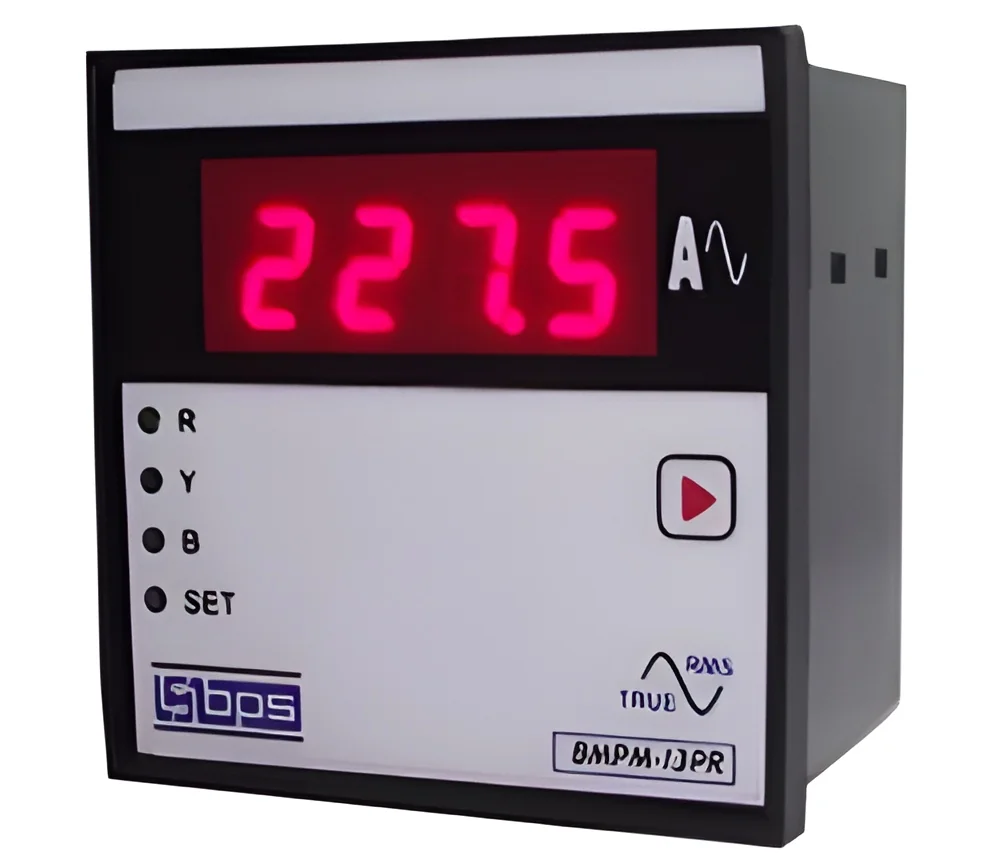
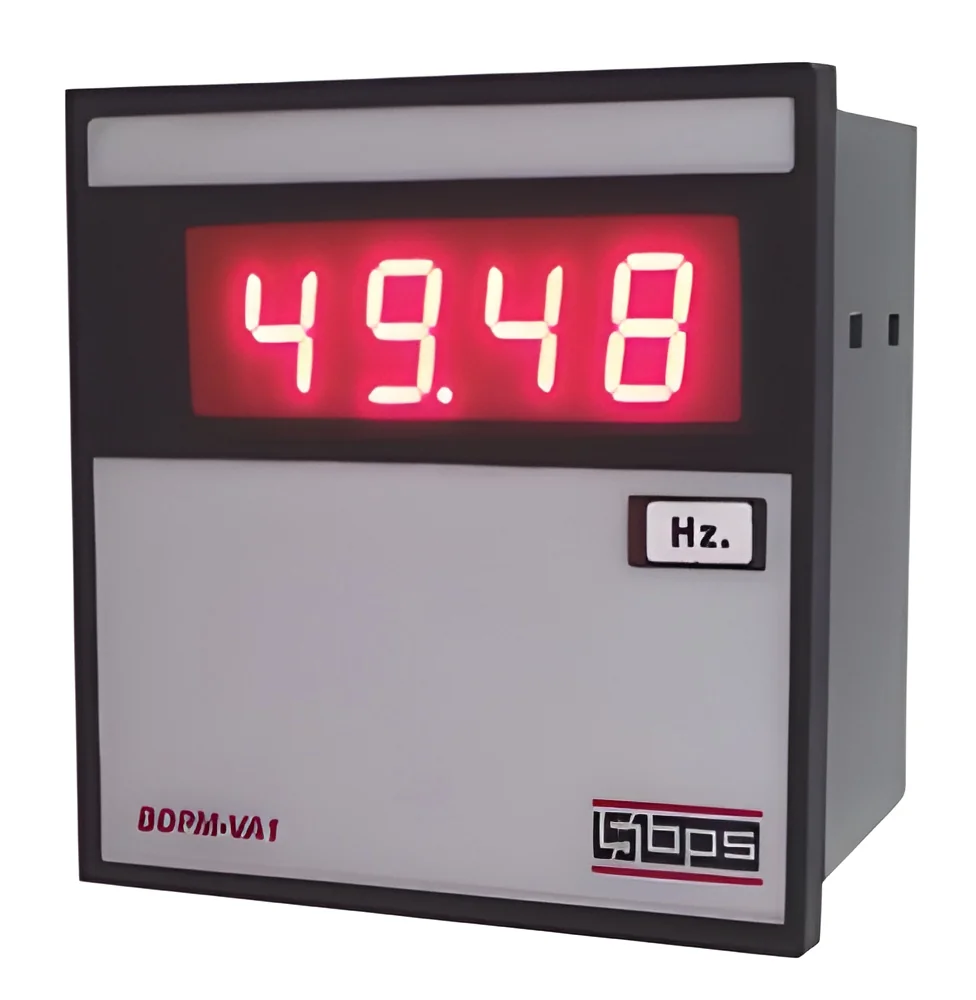
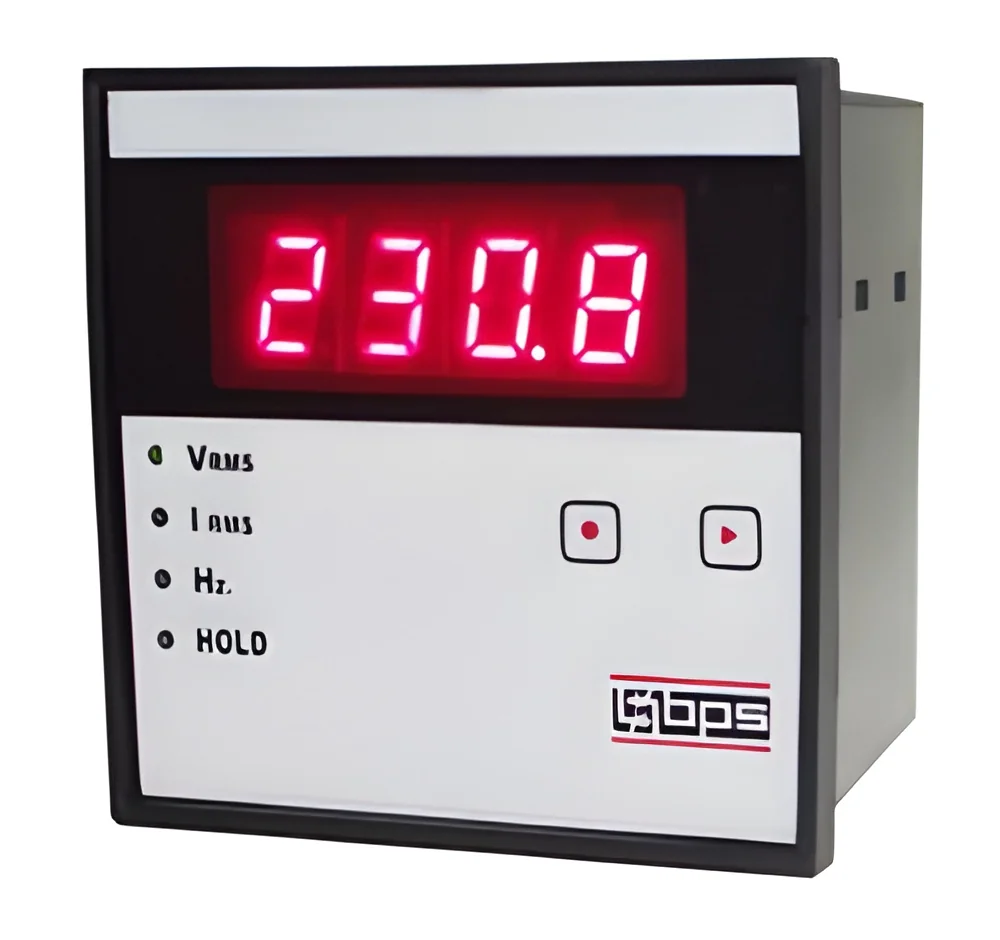
Digital Energy Meters: These meters provide clear digital displays of energy consumption, making it easier for users to read and understand their energy usage.
Analog Energy Meters: Though less common today, analog meters are still used in some applications for their simplicity and reliability.
๐๐ฒ๐ป๐ฒ๐ณ๐ถ๐๐ ๐ฎ๐ป๐ฑ ๐๐ฑ๐๐ฎ๐ป๐๐ฎ๐ด๐ฒ๐
Investing in energy meters brings several key benefits for businesses looking to enhance their energy management.
1. Enhanced Efficiency: Energy meters enable businesses to identify inefficiencies in energy usage, allowing for targeted improvements.
2. Cost Savings: By monitoring energy consumption closely, businesses can reduce waste and lower their utility bills.
3. Regulatory Compliance: Accurate energy measurement helps businesses comply with energy regulations and reporting requirements.
4. Data-Driven Decisions: Energy meters provide critical data that supports informed decision-making regarding energy usage and management strategies.
5. Sustainability Goals: With precise monitoring, businesses can track their progress towards sustainability and carbon reduction goals.
6. Improved Maintenance: Continuous monitoring of energy usage can help identify equipment issues early, allowing for proactive maintenance and reducing downtime.
๐๐๐๐ถ๐ป๐ด ๐๐๐ถ๐ฑ๐ฒ ๐ณ๐ผ๐ฟ ๐๐ฎ๐ ๐๐๐๐ฒ๐ฟ๐
When sourcing energy meters, B2B buyers should consider several essential factors to ensure they make informed purchasing decisions.
1. Quality Assessment: Evaluate the quality of energy meters based on manufacturer reputation and product reviews. Look for devices that meet industry standards for accuracy and reliability.
2. Supplier Verification: Conduct thorough research on potential suppliers. Check for certifications, customer feedback, and their history in the market to ensure they are trustworthy.
3. Pricing and MOQ: Compare pricing across different suppliers while considering the minimum order quantity (MOQ). Ensure that the cost aligns with your budget and needs.
4. Delivery and Lead Times: Inquire about the expected delivery times for your order. Timely delivery is crucial to prevent disruptions in operations.
5. Compliance Requirements: Verify that the energy meters comply with relevant local and international standards. This ensures safety and reliability in their operation.
๐๐ผ๐บ๐ฝ๐น๐ถ๐ฎ๐ป๐ฐ๐ฒ ๐ฎ๐ป๐ฑ ๐๐ฒ๐ฟ๐๐ถ๐ณ๐ถ๐ฐ๐ฎ๐๐ถ๐ผ๐ป๐
Energy meters must adhere to various quality standards and certifications to ensure their reliability and accuracy. Common standards include ISO 9001, which outlines quality management systems, and CE marking, indicating compliance with European safety requirements.
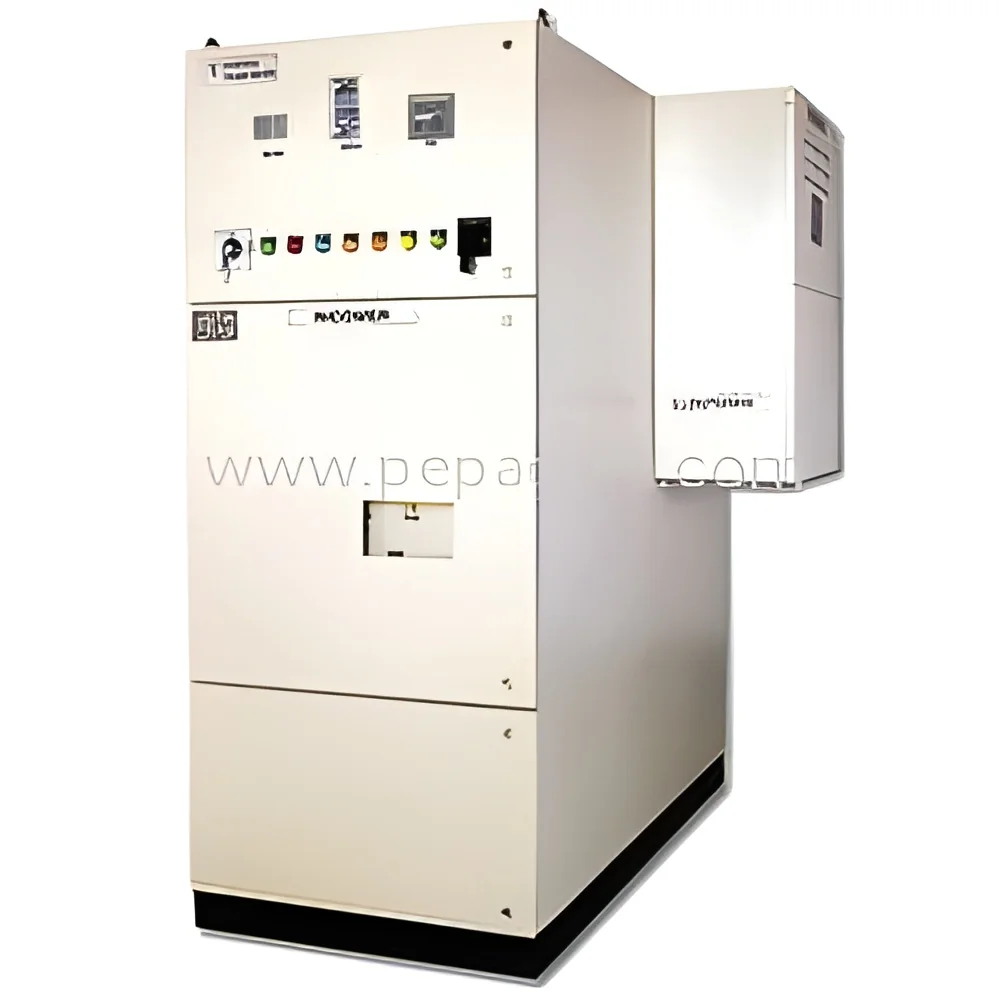
Safety and testing requirements are critical in the manufacturing of energy meters. These devices undergo rigorous testing to ensure they operate safely under specified conditions. Compliance with regional regulations is also essential, as different areas may have specific requirements for electrical devices.
Buyers should ensure that the energy meters they source meet these compliance standards, as it reflects the quality and reliability of the product. This is vital for industries where precise energy measurement is necessary for operational efficiency and regulatory adherence.
Why Source Energy Meters (Single/Three Phase) from Pepagora?
Pepagora offers a trusted platform for sourcing energy meters with numerous advantages for B2B buyers.
Verified Supplier Network: Pepagora ensures that all suppliers are thoroughly vetted, providing buyers with confidence in the quality and reliability of the products offered.
Streamlined RFQ Process: The request for quotation (RFQ) process is designed to be user-friendly, allowing buyers to easily request quotes from multiple suppliers to compare pricing and features.
Trade Assurance and Support: Pepagora provides trade assurance, protecting buyers from potential risks associated with transactions. Support teams are available to assist buyers throughout the purchasing process.
Regional Coverage: With a strong presence in India, the GCC, and Southeast Asia, Pepagora connects buyers with suppliers across these regions, facilitating access to a wide variety of energy meters tailored to local market needs.
By choosing Pepagora, businesses can enhance their energy management strategies while ensuring they source high-quality energy meters effectively.