Key Features and Specifications
Water pumps, specifically centrifugal and submersible types, come with a range of features and specifications that cater to different industrial needs. Understanding these specifications is crucial for businesses looking to invest in reliable pumping solutions.
Key specifications include:
1. Flow Rate
- Indicates how much fluid the pump can move per unit of time.
- Typically measured in liters per minute (LPM) or gallons per minute (GPM).
2. Head Pressure
- Refers to the height to which a pump can raise water, affecting its efficiency and performance.
- Measured in meters or feet.
3. Power Consumption
- The amount of energy required to operate the pump.
- Measured in horsepower (HP) or kilowatts (KW).
4. Material Construction
- Pumps can be made from various materials, such as stainless steel, cast iron, or plastic, affecting durability and compatibility with different fluids.
5. Voltage Rating
- Specifies the electrical requirements for operation, typically ranging from 110V to 480V.
6. Efficiency Rating
- Indicates how well the pump converts energy into fluid movement, usually expressed as a percentage.
7. Temperature Range
- The operating temperature limits for the pump, which can influence its suitability for specific applications.
8. Certification
- Many pumps are certified by standards such as CE, ensuring compliance with safety and environmental regulations.
In summary, selecting the right water pump involves understanding these specifications and how they align with your operational needs.
Common Applications and Use Cases
Water pumps play a vital role across various industries, each with specific applications that highlight their importance.
1. Agriculture: Water pumps are extensively used for irrigation systems, ensuring crops receive adequate water supply. They help in managing water resources efficiently during different growth stages.
2. Construction: In construction sites, centrifugal pumps are often utilized for dewatering purposes. They remove excess water from excavated areas, ensuring safe working conditions.
3. Municipal Water Supply: Water pumps are essential for municipal systems, facilitating the distribution of clean drinking water to communities and managing wastewater effectively.
4. Mining: Submersible pumps are commonly used in mining operations to remove groundwater from pits and tunnels, ensuring safe and productive mining activities.
5. Fire Protection Systems: Water pumps are critical in firefighting systems, providing reliable water flow to fire hydrants and sprinkler systems for emergency response.
6. HVAC Systems: In heating, ventilation, and air conditioning (HVAC) systems, pumps circulate water for cooling and heating purposes, ensuring system efficiency.
7. Aquaculture: Water pumps support aquaculture operations by maintaining water quality and circulation within fish farming systems.
Product Variants and Subcategories
Water pumps come in a variety of configurations to meet specific needs in different applications.
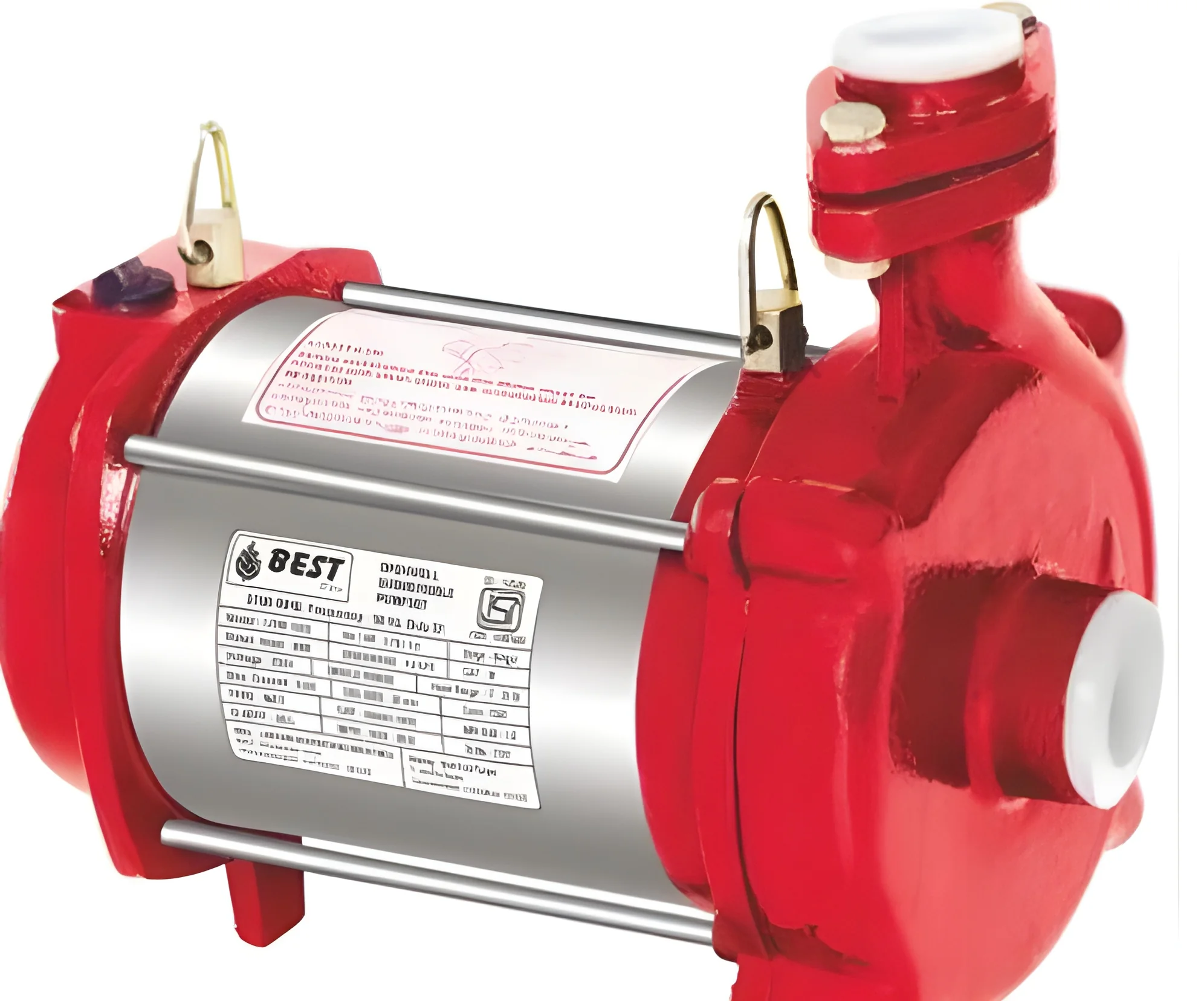
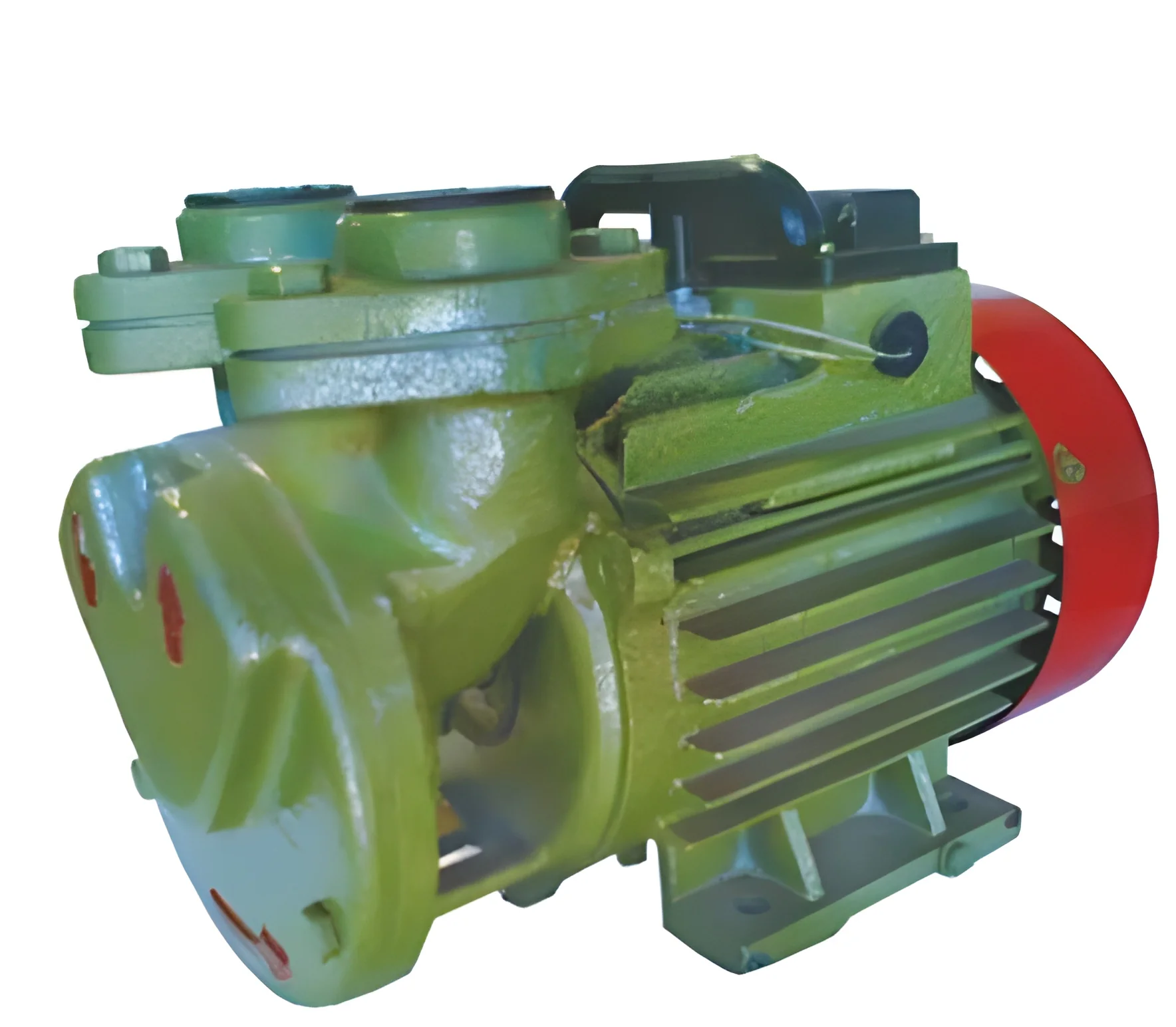
Centrifugal Pumps
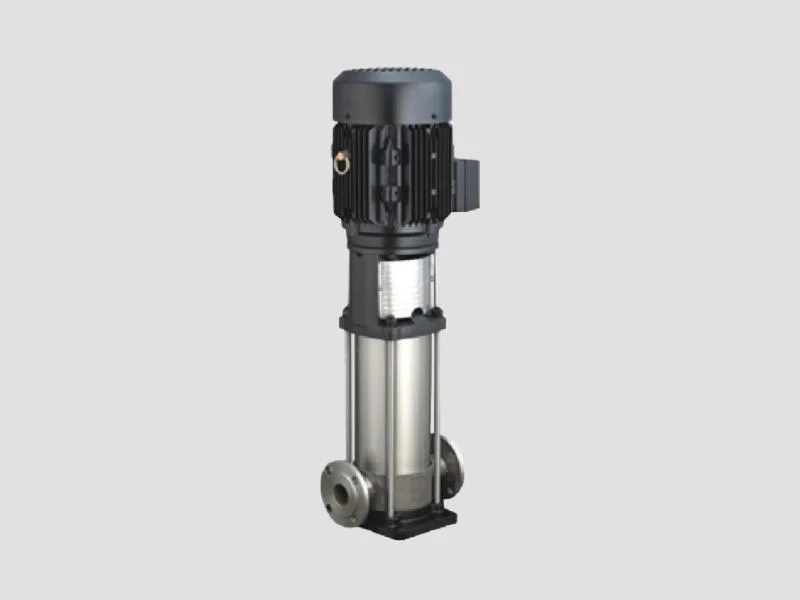
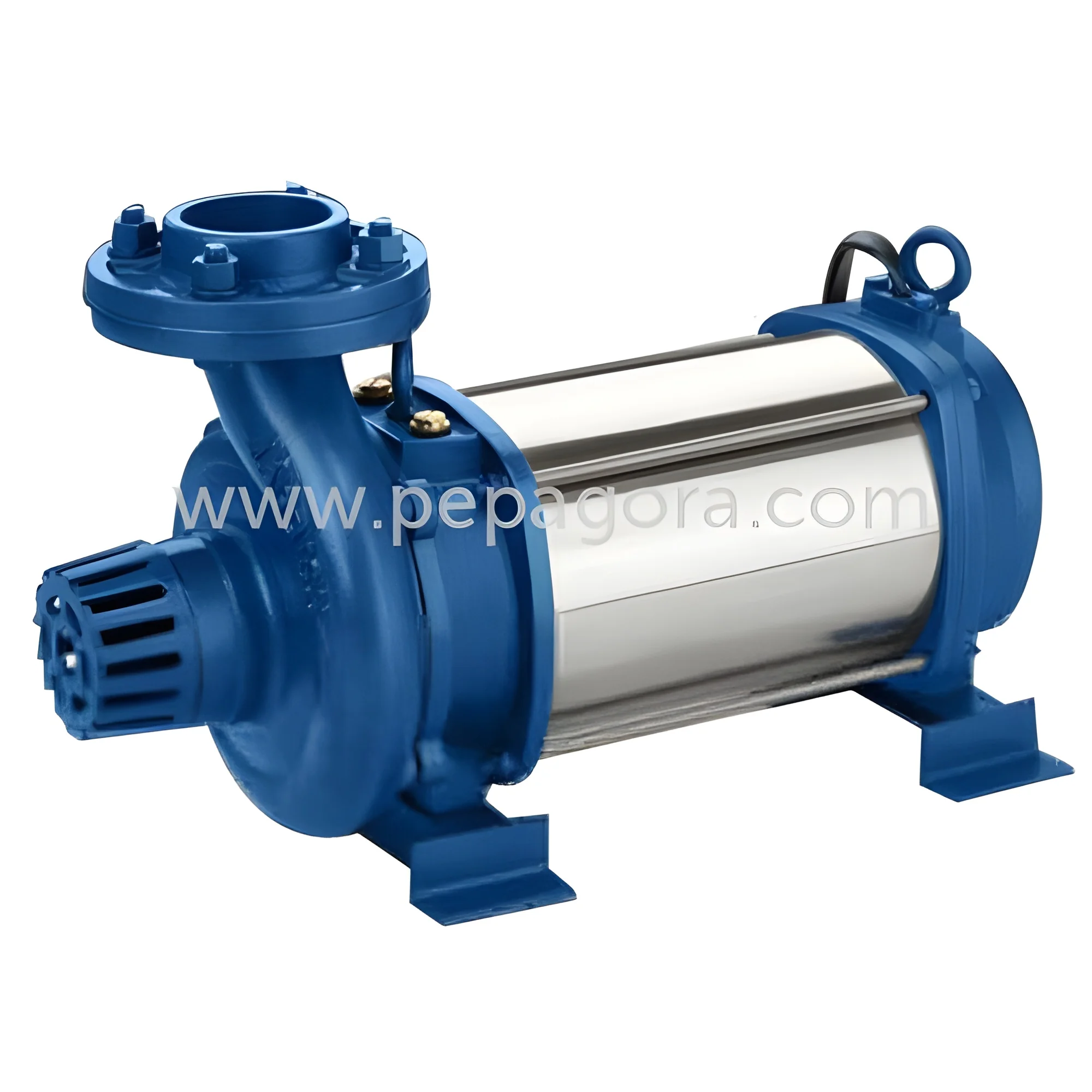
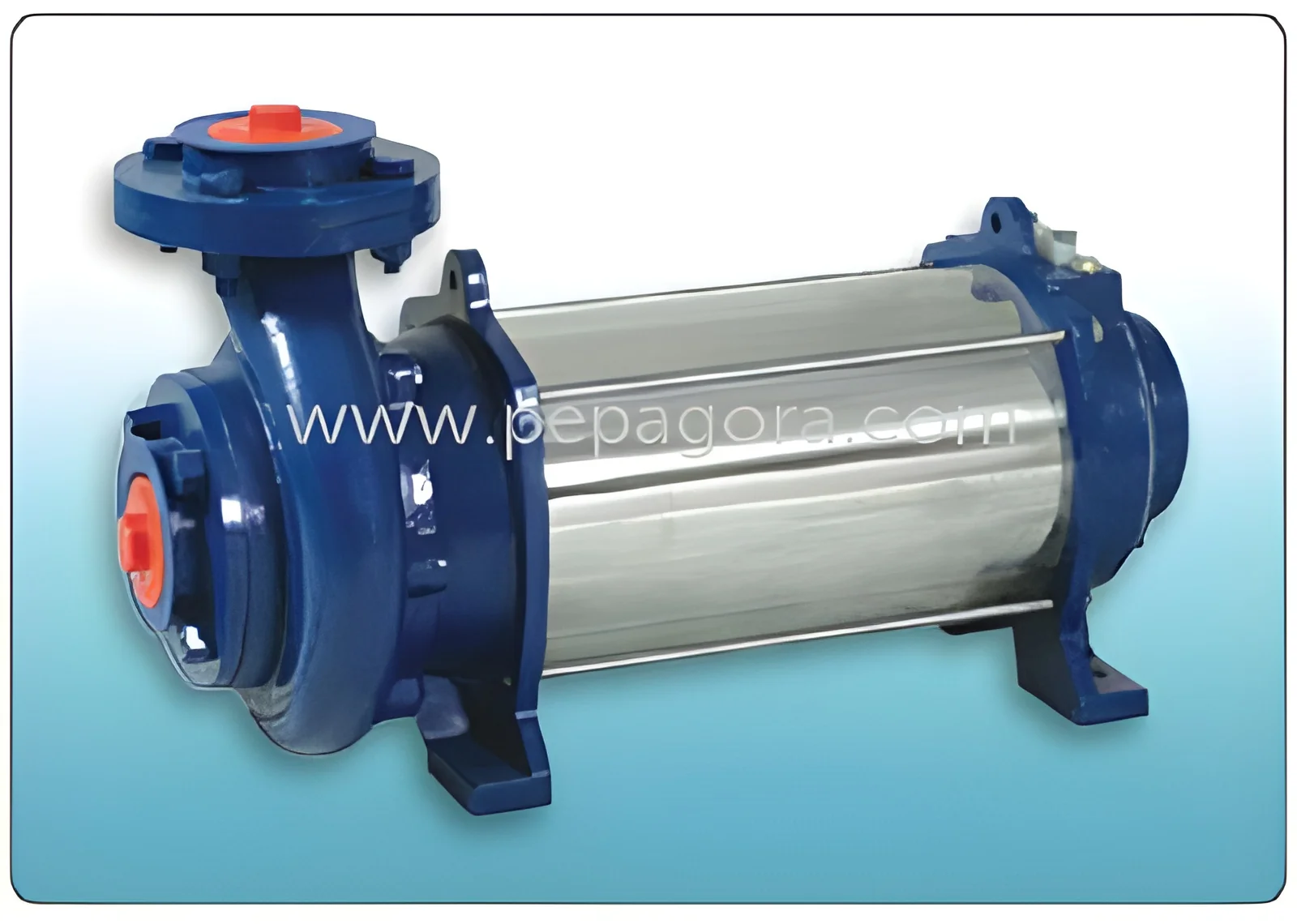
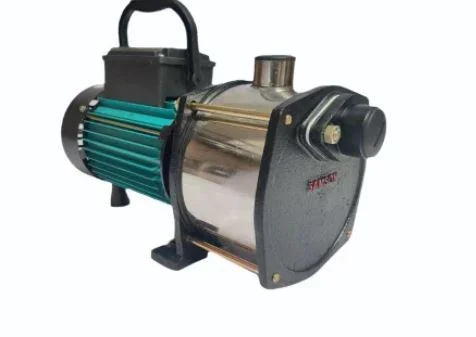
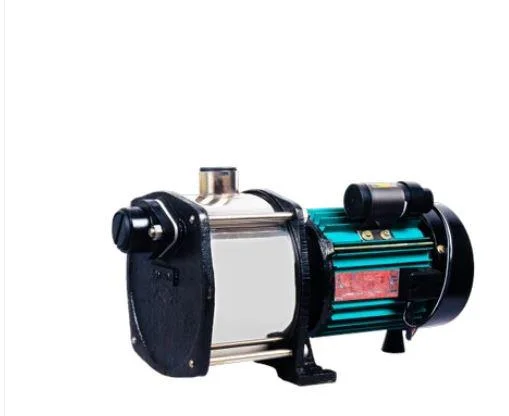
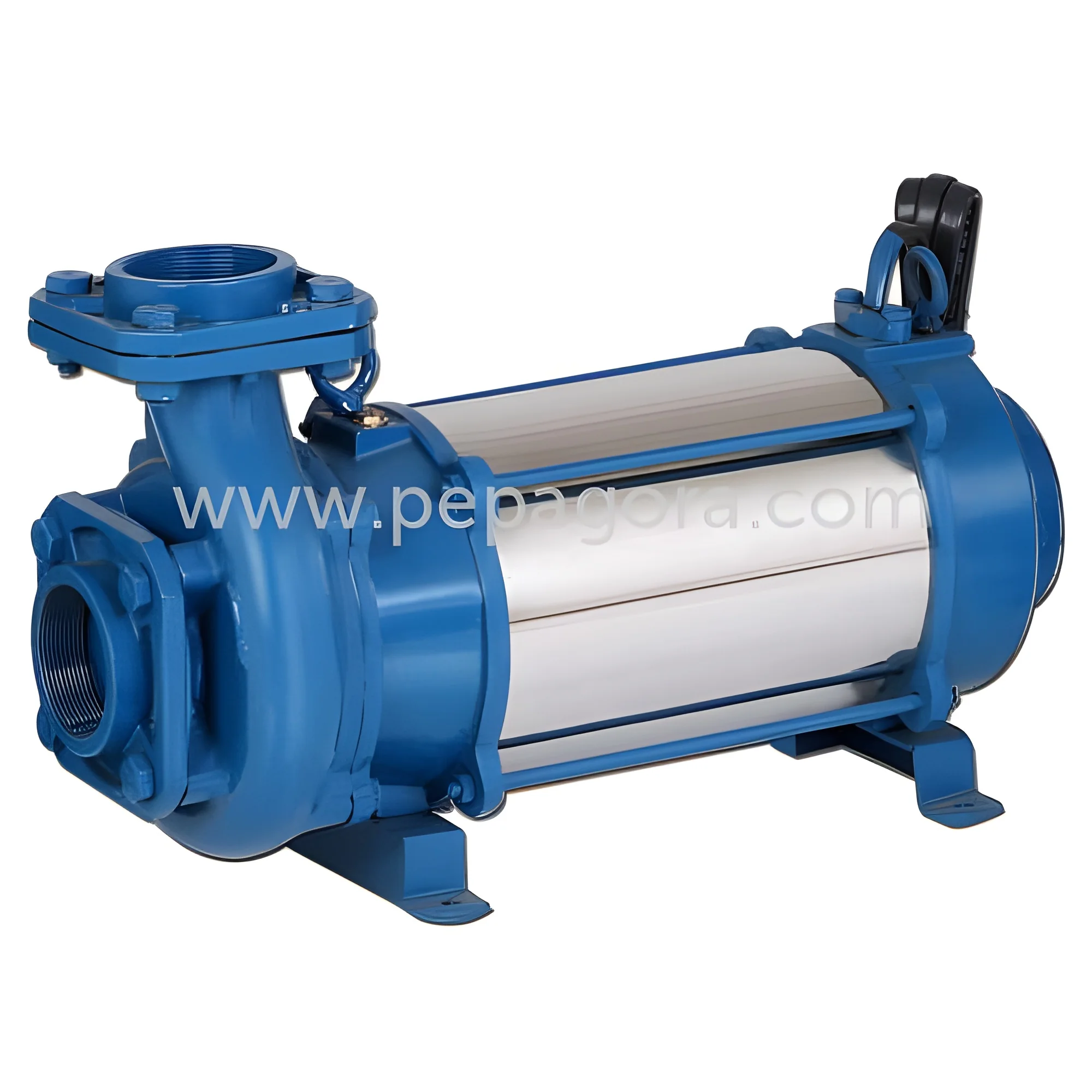
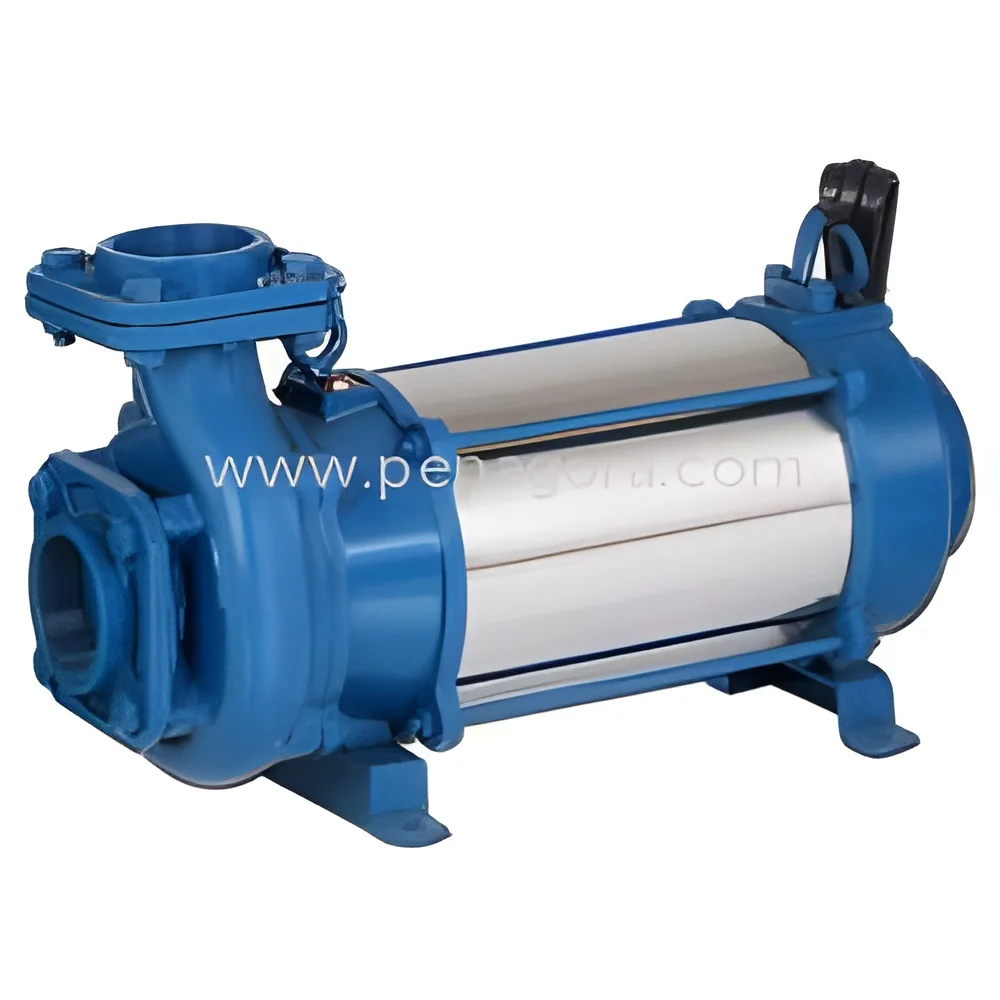
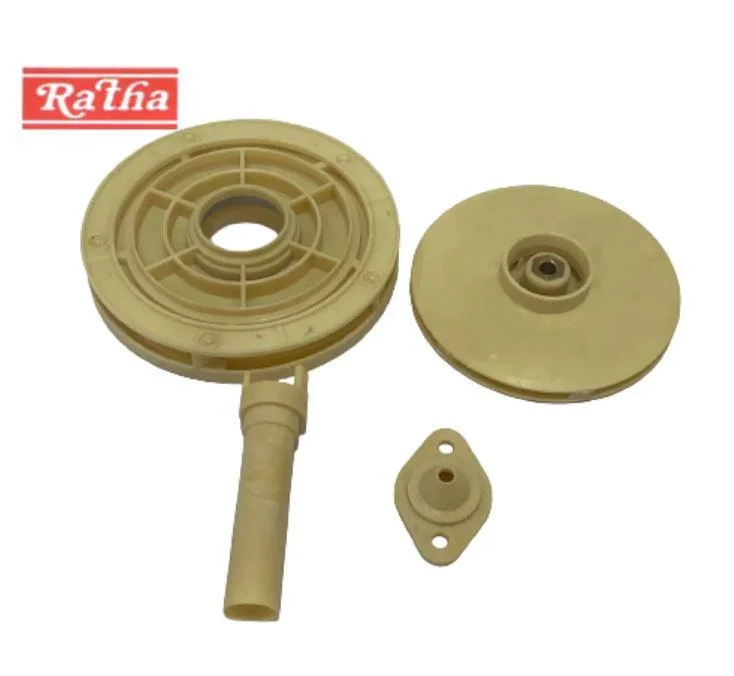
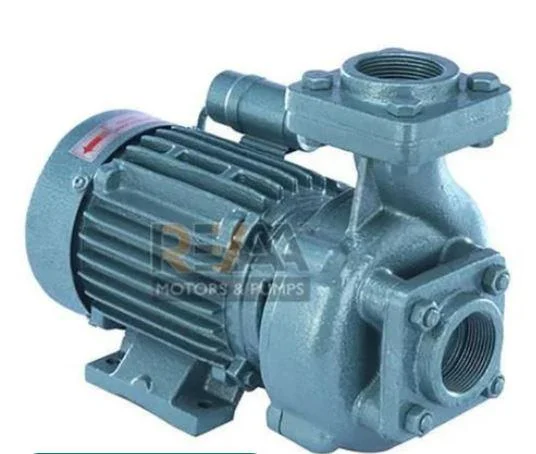
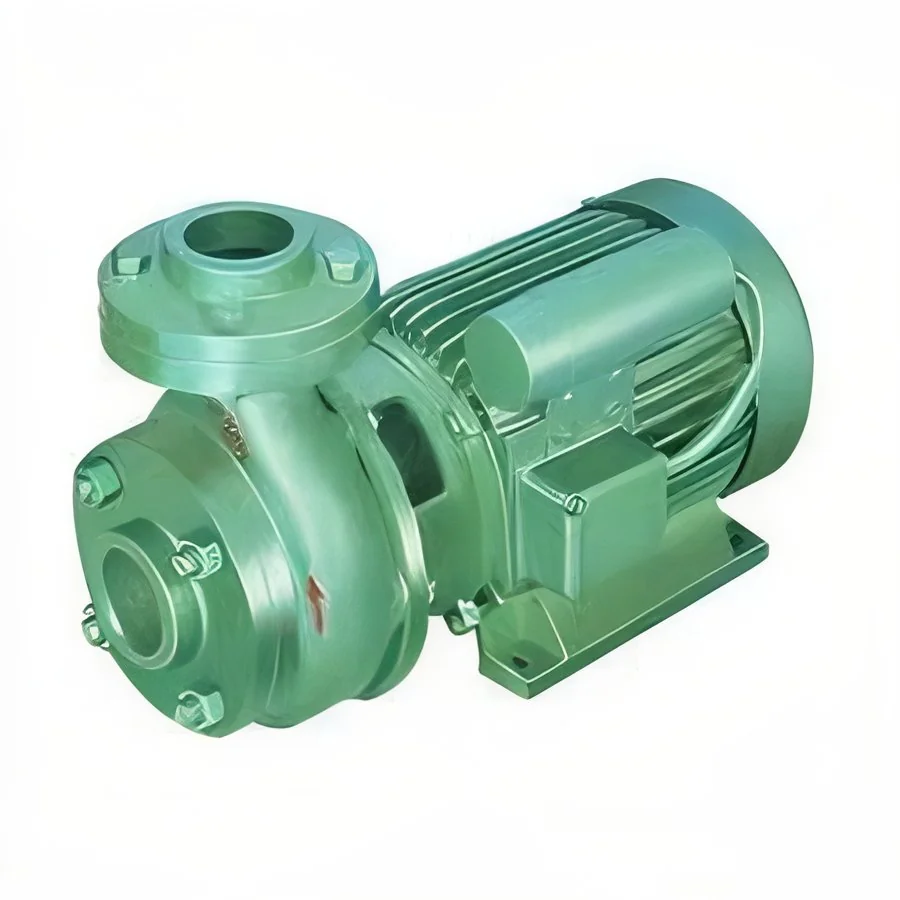
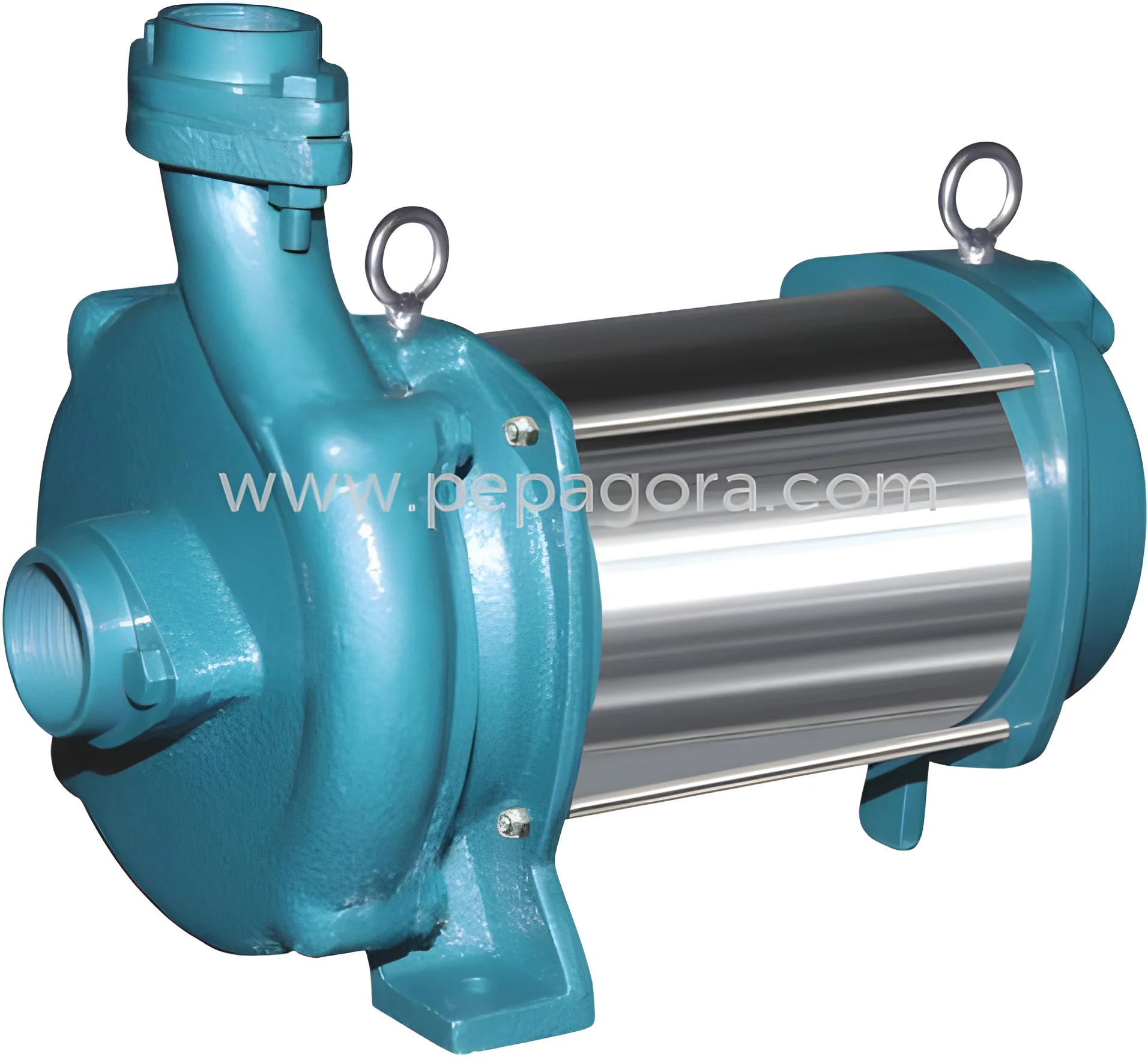
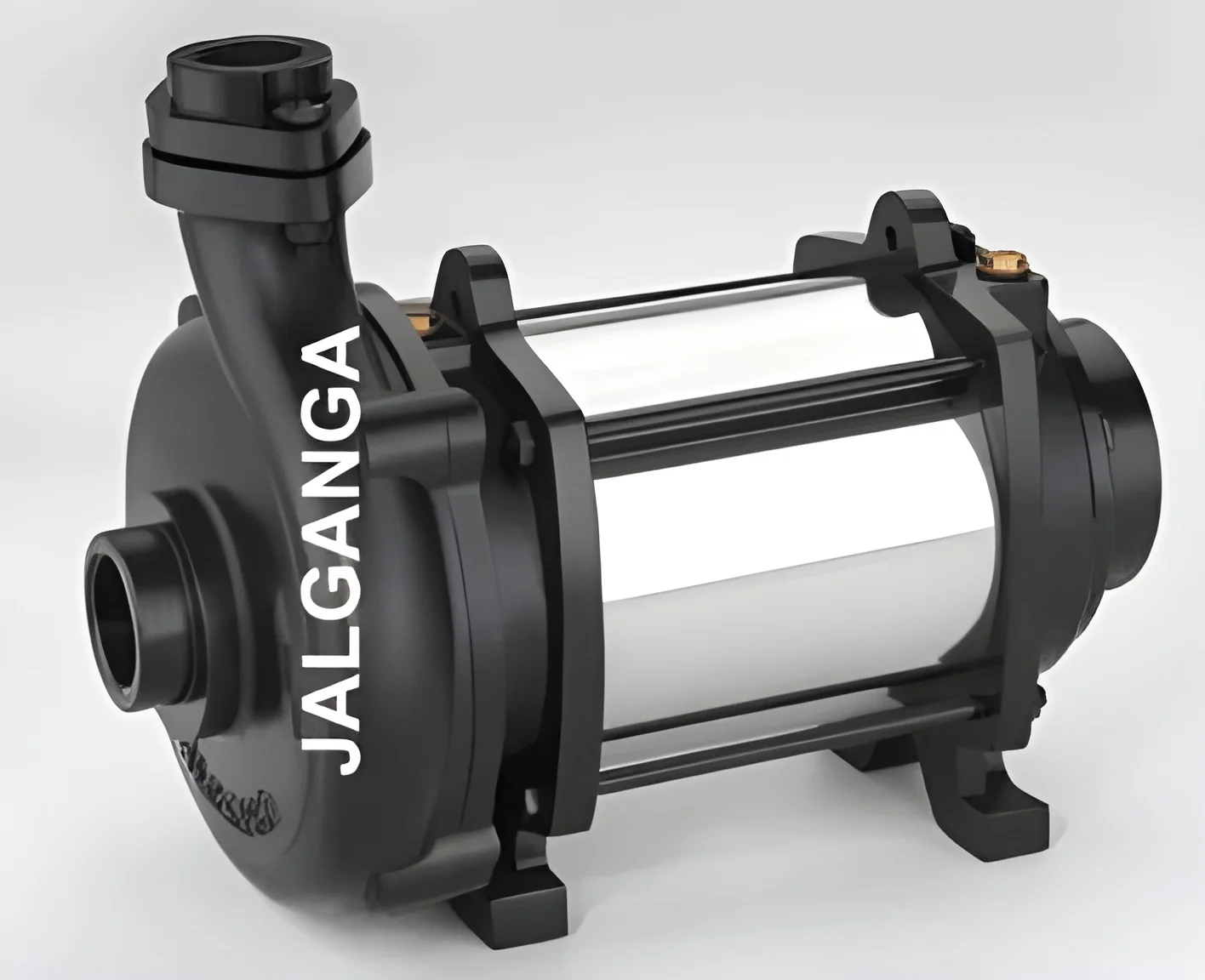
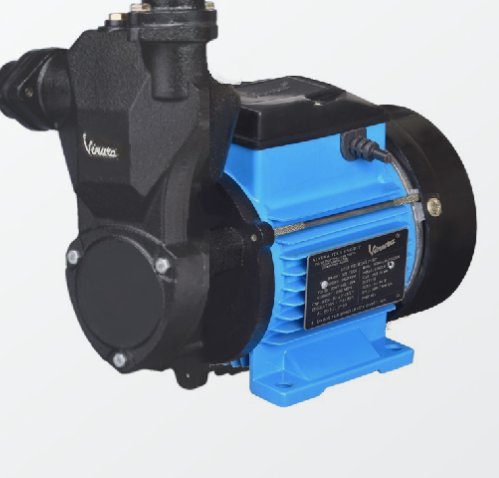
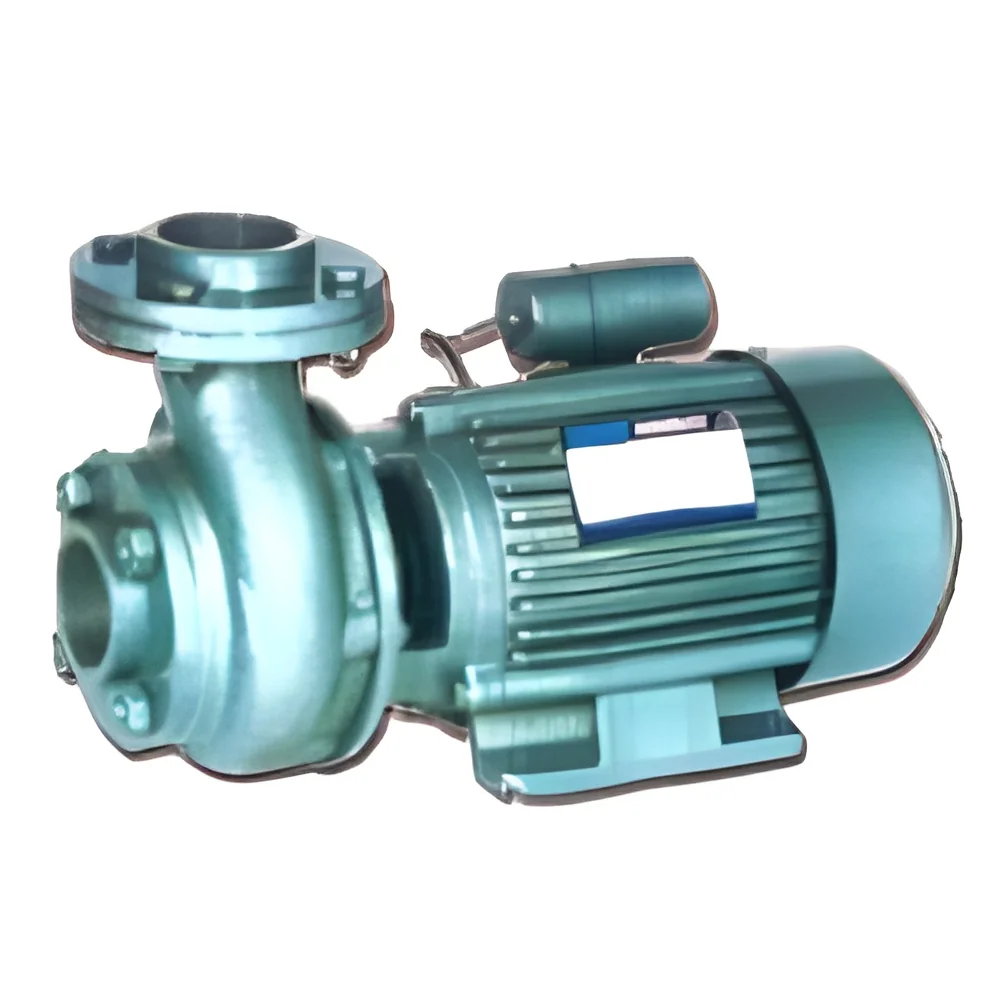
Centrifugal pumps are designed to move water through a rotating impeller. They are ideal for high-flow applications and are commonly used in irrigation, water transfer, and industrial processes.
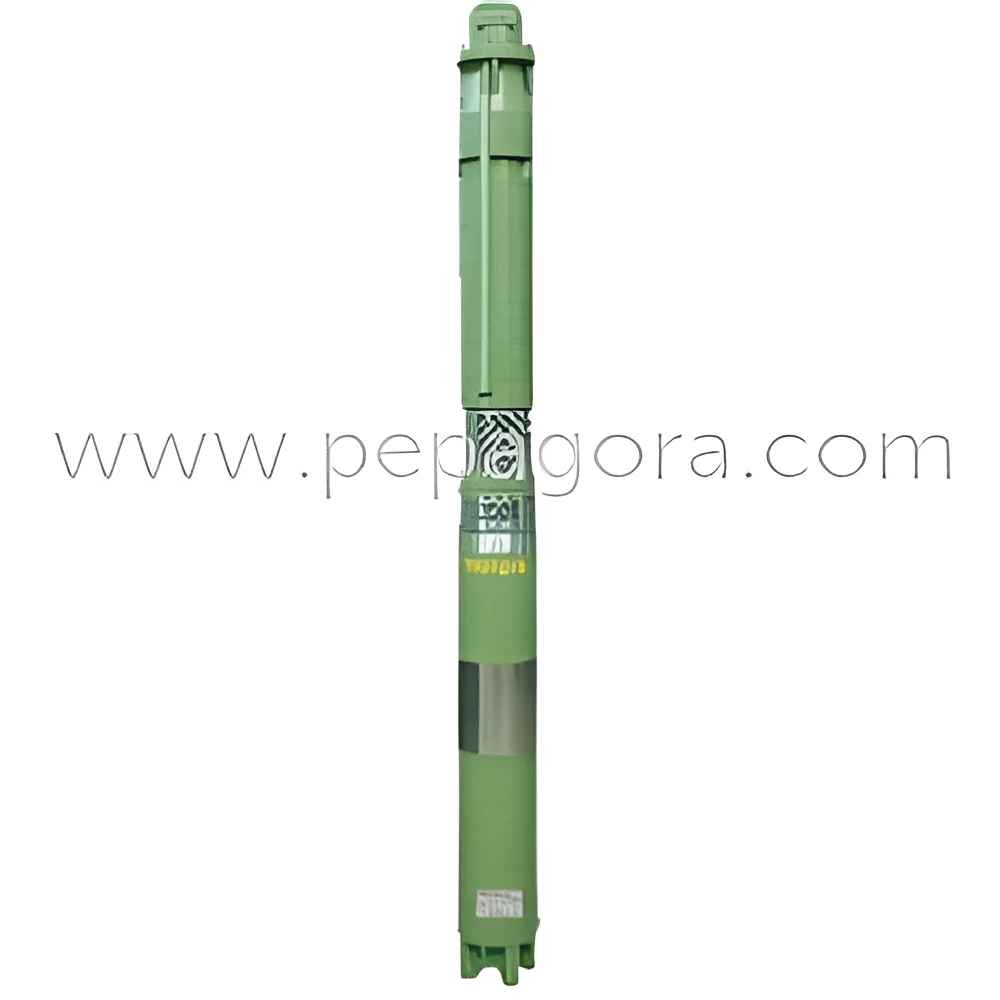
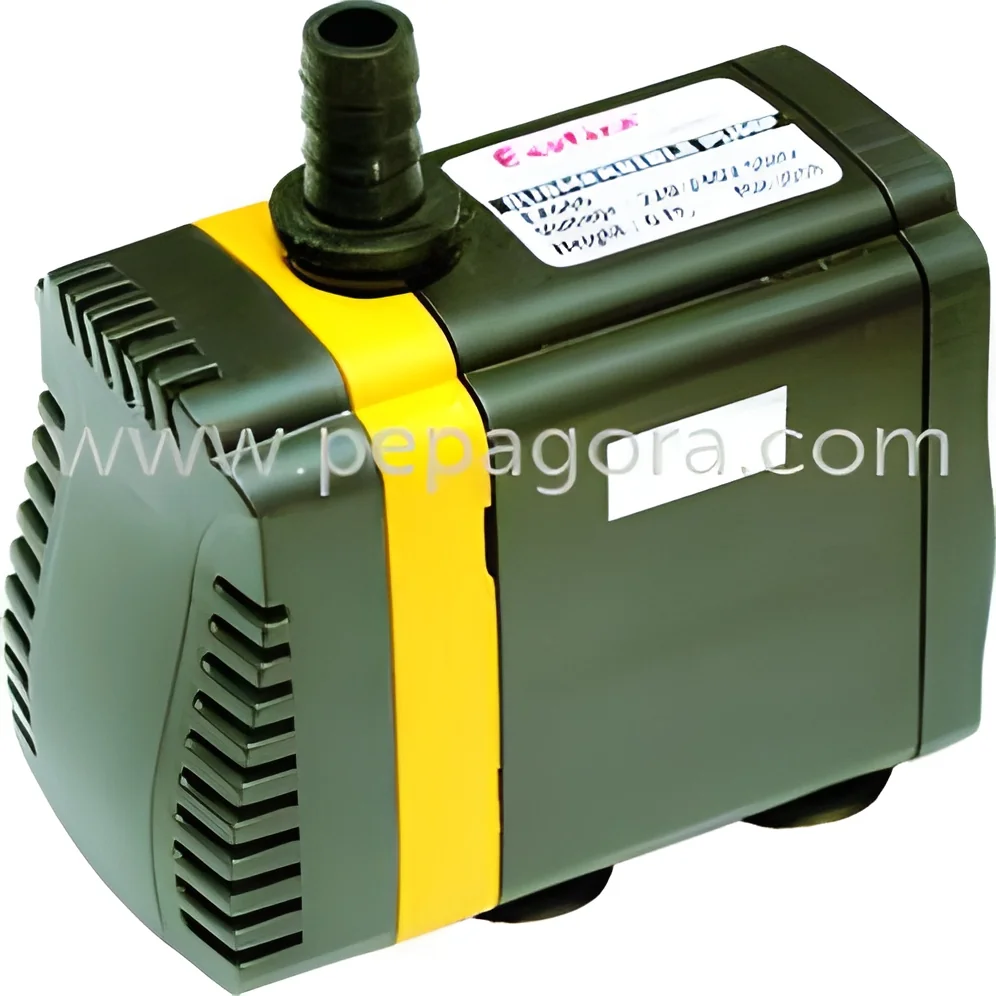
Submersible Pumps
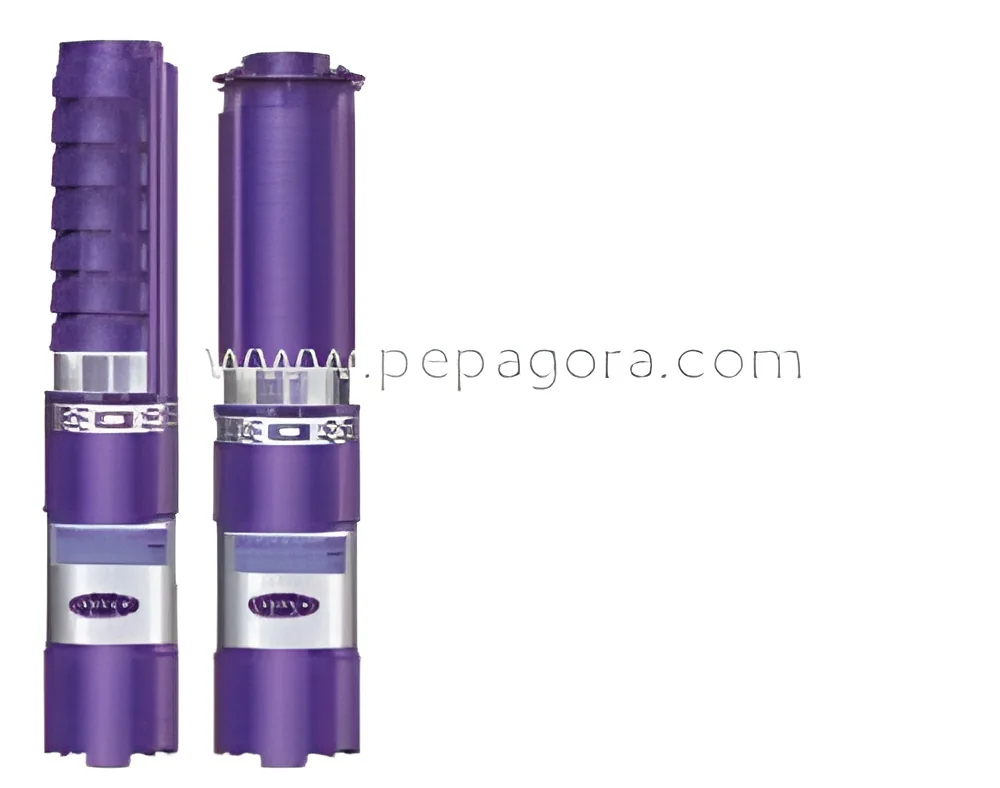
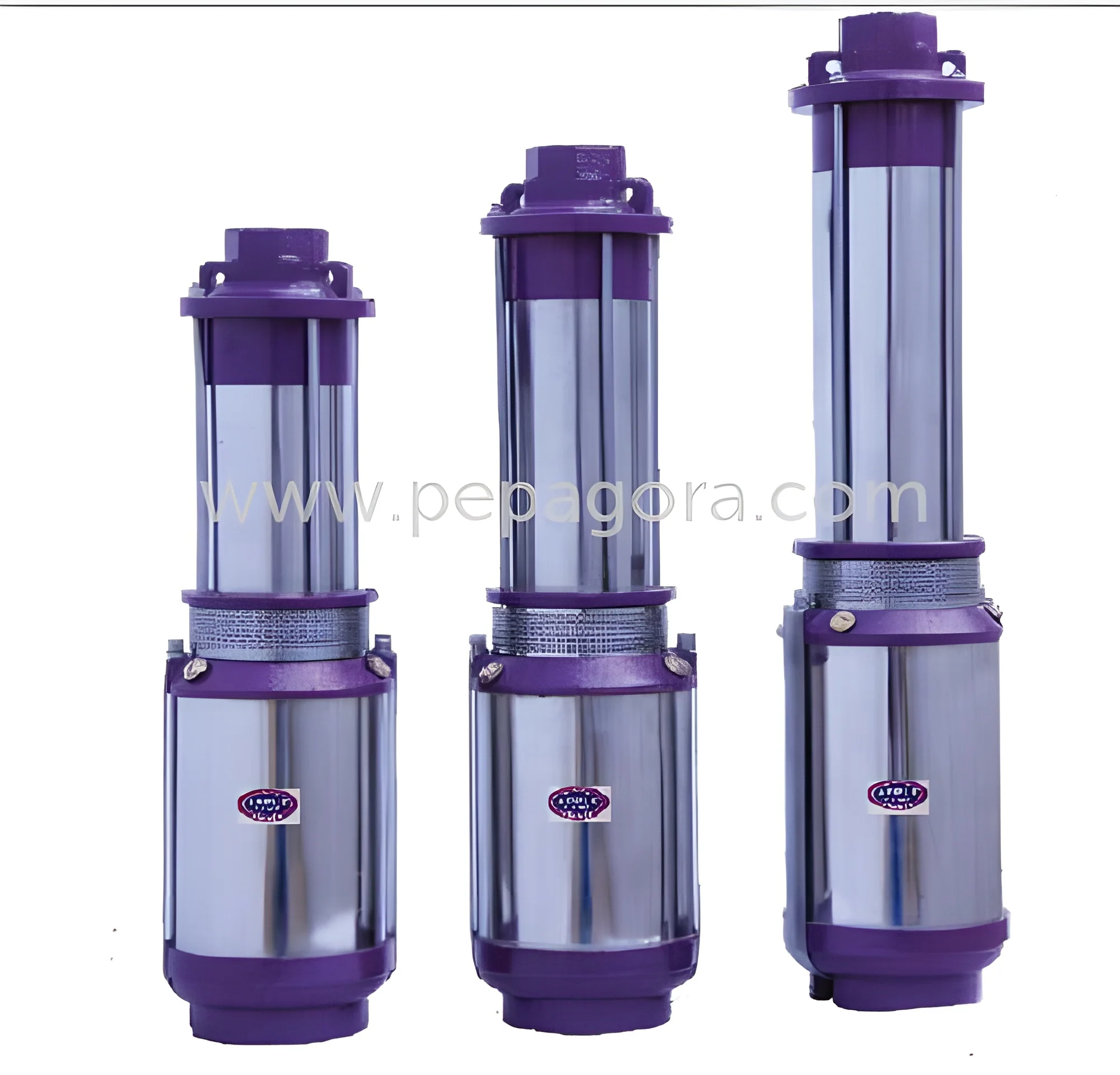
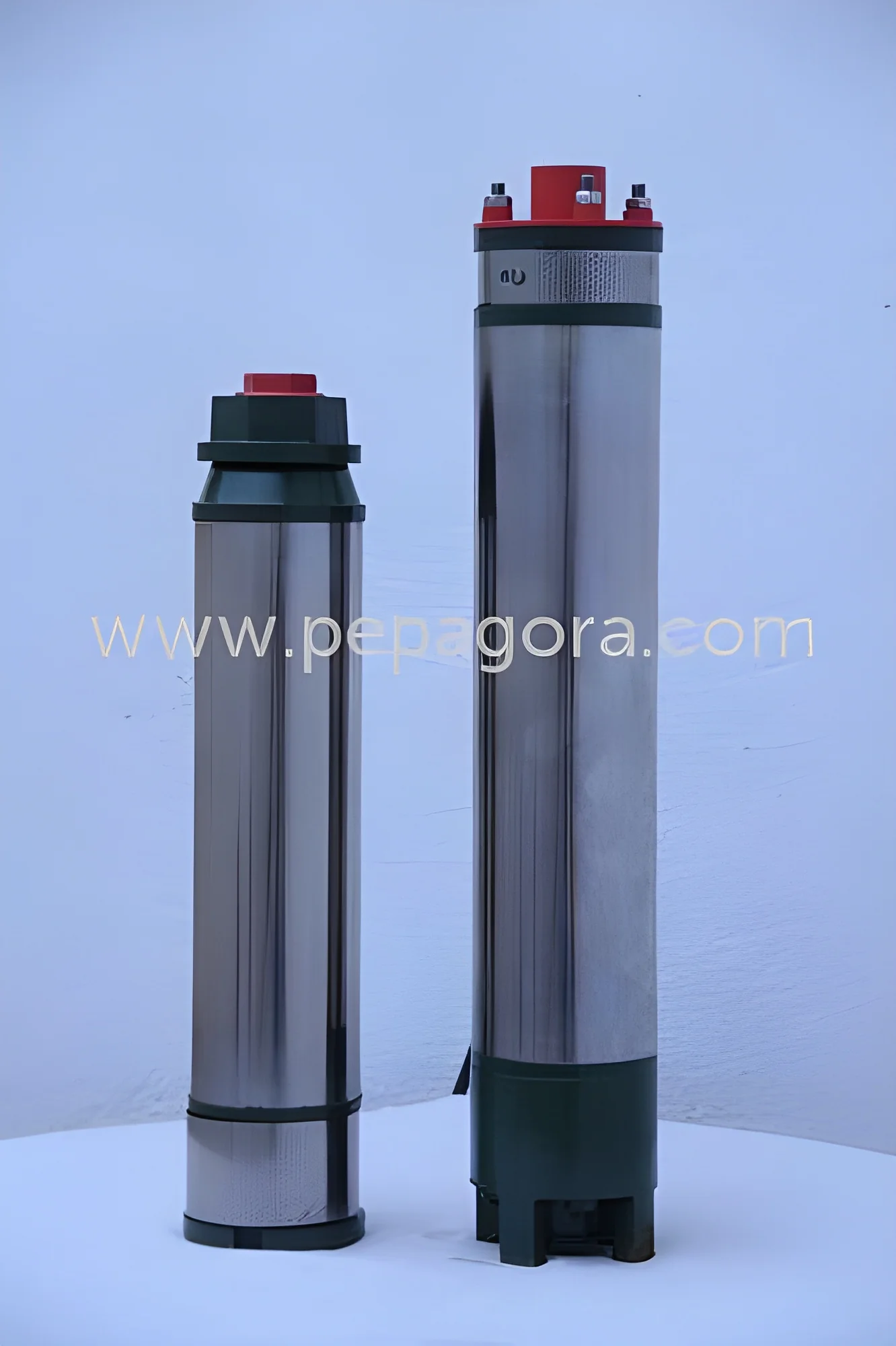
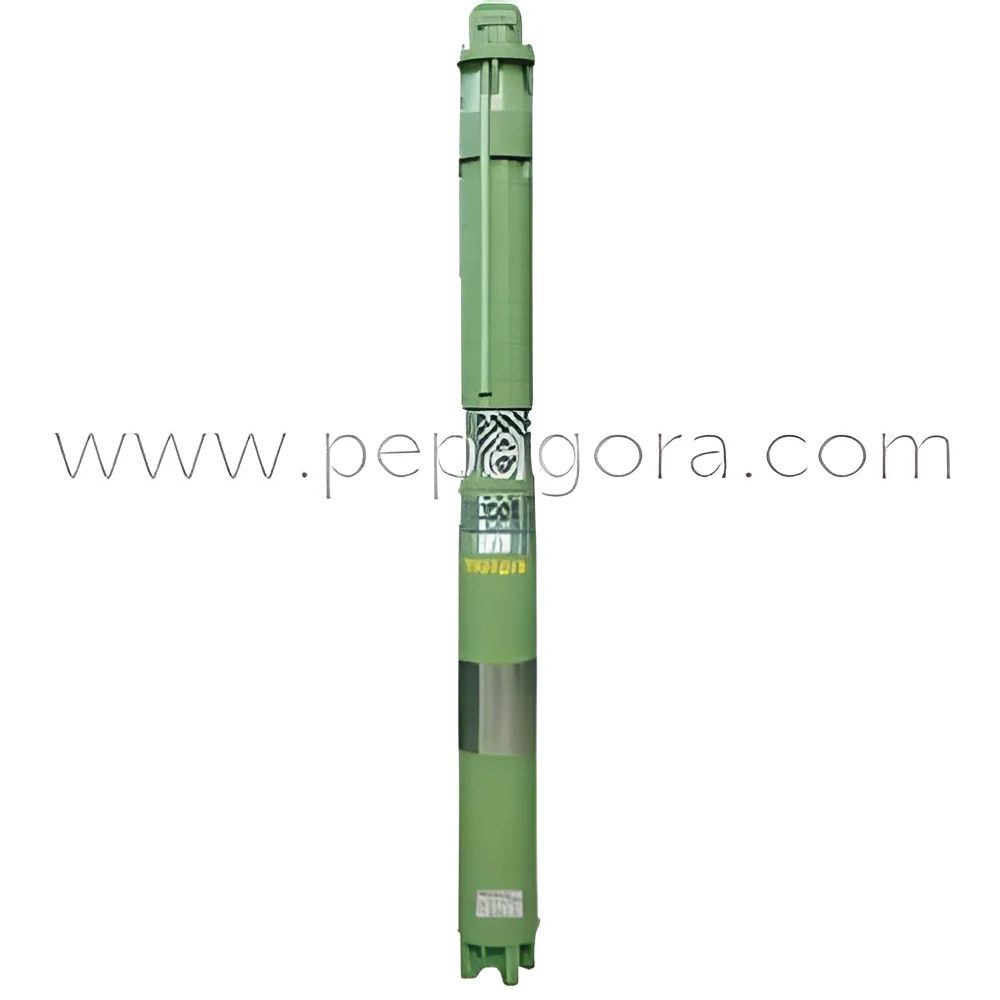
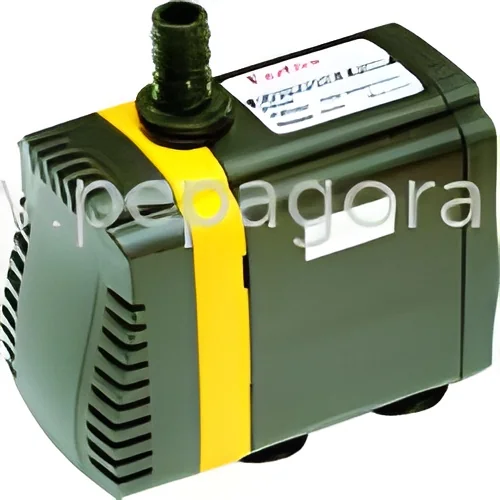
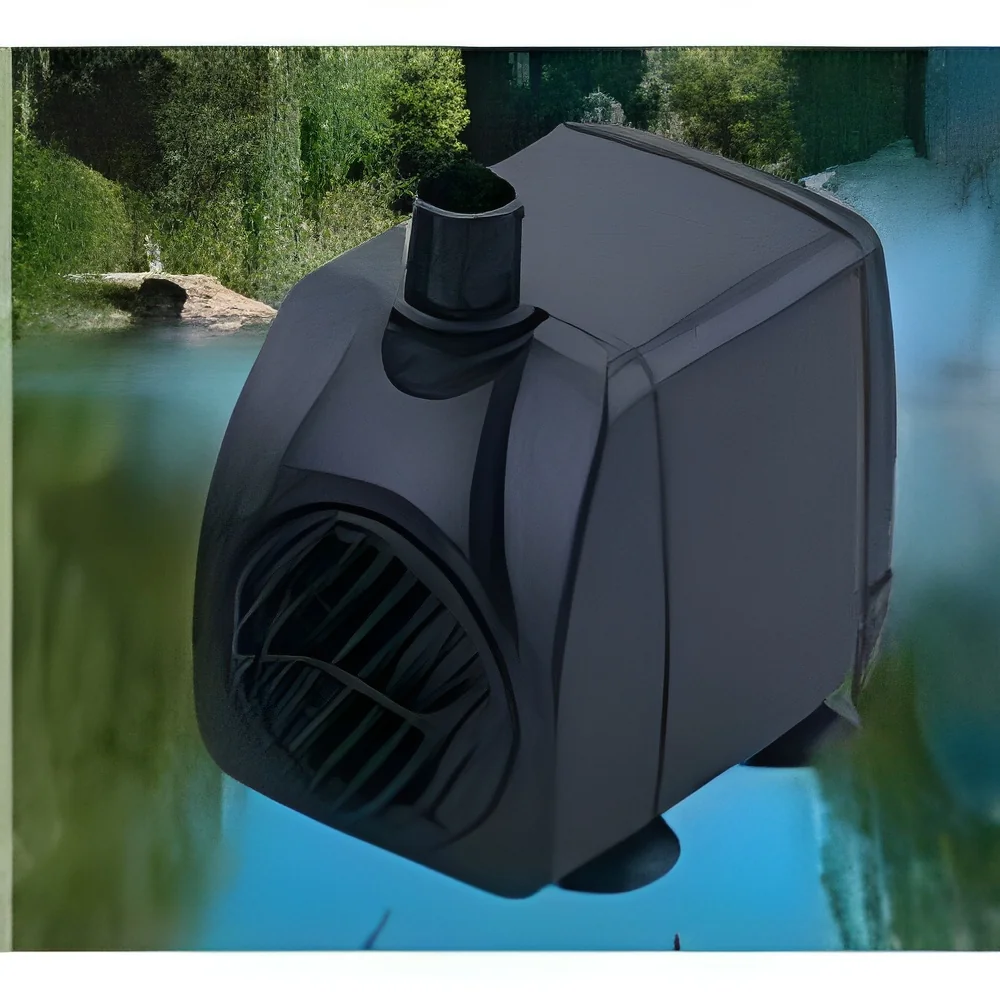
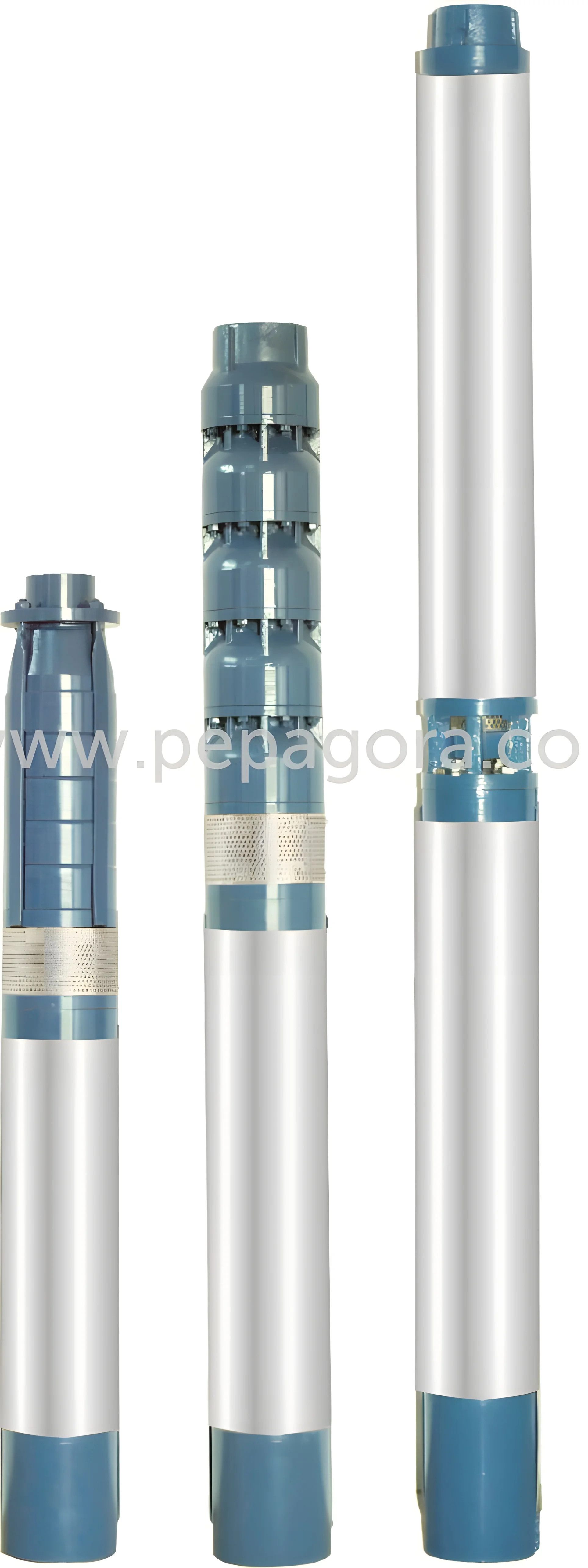
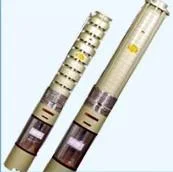
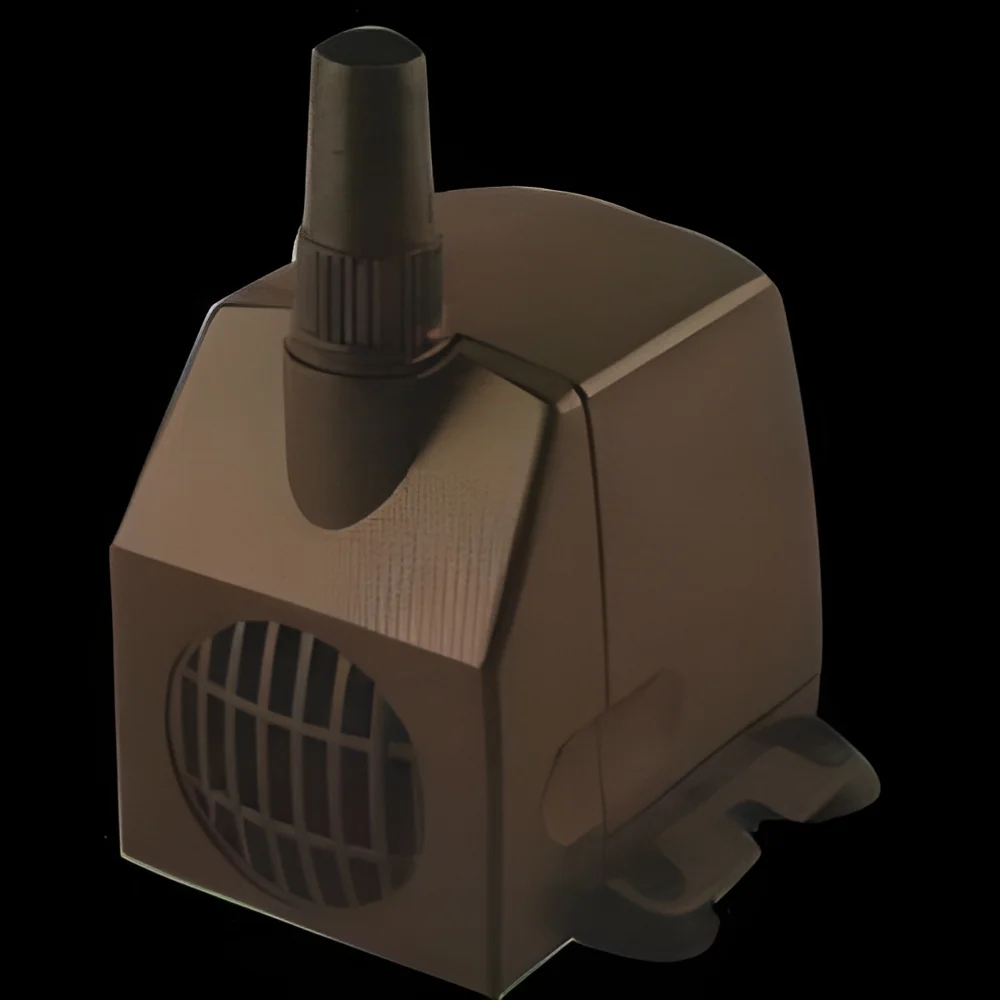
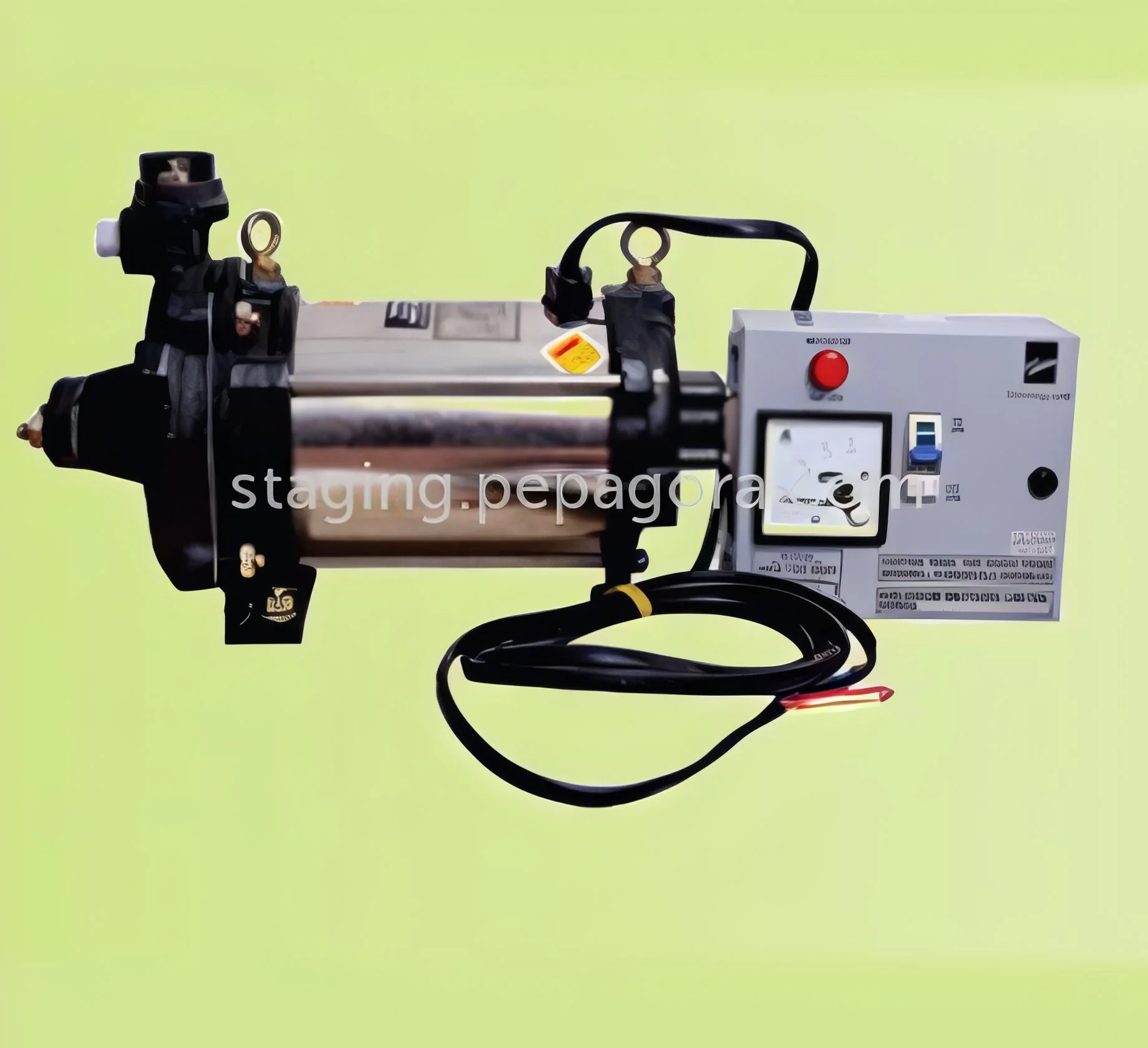
Submersible pumps are engineered to operate while submerged in fluid. They are highly efficient for deep well applications and are often used for groundwater extraction and sewage pumping.
Each variant serves distinct applications, allowing businesses to choose the most suitable pump based on their operational requirements.
Benefits and Advantages
Investing in high-quality water pumps offers numerous advantages that can enhance operational efficiency.
1. Increased Efficiency: Water pumps are designed to move fluids quickly and effectively, reducing operational time and energy costs.
2. Reliability: Quality pumps provide consistent performance, minimizing downtime and maintenance needs.
3. Versatility: With different types of pumps available, businesses can find solutions tailored to their specific fluid handling requirements.
4. Cost-Effectiveness: Efficient pumps can lead to long-term savings on energy bills and maintenance, improving overall profitability.
5. Enhanced Productivity: Reliable water pumping solutions enable smooth operations, allowing businesses to focus on core activities without interruption.
6. Environmental Compliance: Many modern pumps are designed to meet strict environmental regulations, helping businesses maintain compliance and sustainability.
Buying Guide for B2B Buyers
When sourcing water pumps, it is essential for B2B buyers to consider several key factors to ensure they make informed decisions.
1. Quality Assessment: Evaluate the quality of pumps based on manufacturer reputation, material durability, and performance ratings. Conducting product tests can also help in this assessment.
2. Supplier Verification: Ensure suppliers are vetted for reliability and quality standards. Check for certifications and customer reviews to gauge supplier credibility.
3. Pricing and MOQ: Understand the pricing structure and minimum order quantities (MOQ) required by suppliers. Compare quotes to find the best value without compromising quality.
4. Delivery and Lead Times: Discuss delivery options and lead times with suppliers. Timely delivery is crucial for maintaining project schedules and operational efficiency.
5. Compliance Requirements: Verify that the pumps meet relevant industry regulations and certifications. Compliance ensures safety and reliability in operations.
Compliance and Certifications
Compliance with industry standards and certifications is vital for ensuring the quality and safety of water pumps. Key quality standards include ISO 9001, which outlines requirements for a quality management system. This certification demonstrates a commitment to quality and continuous improvement.
The CE certification is also significant, indicating that the products meet European health and safety standards. This certification is crucial for businesses looking to operate in Europe or with European partners.
Safety and testing requirements are essential to ensure that water pumps perform reliably under various conditions. Manufacturers must conduct rigorous testing to validate their performance claims and ensure safety during operation.
In addition, regional compliance considerations may apply depending on the market in which the pumps are sold. Understanding local regulations can help businesses avoid legal issues and ensure their operations remain compliant.
Why Source Water Pumps (Centrifugal, Submersible) from Pepagora?
Pepagora offers a comprehensive platform for sourcing water pumps, featuring several key advantages that benefit B2B buyers.
Verified Supplier Network: Pepagora maintains a robust network of verified suppliers, ensuring that buyers can trust the quality and reliability of the products they purchase. This verification process helps reduce risks associated with sourcing.
Streamlined RFQ Process: The request for quotation (RFQ) process on Pepagora is designed to be efficient and user-friendly. Buyers can easily submit their requirements and receive competitive quotes from multiple suppliers, simplifying decision-making.
Trade Assurance and Support: Pepagora provides trade assurance to protect buyers from potential issues, offering support throughout the purchasing process. This commitment to buyer protection fosters confidence in transactions.
Regional Coverage: With a broad geographic reach covering India, the GCC, and Southeast Asia, Pepagora connects buyers with local and regional suppliers. This coverage ensures access to a diverse range of products while facilitating timely delivery and support.
Choosing Pepagora for sourcing water pumps ensures that businesses benefit from a reliable, efficient, and supportive purchasing experience.

 IN
IN

 India
India