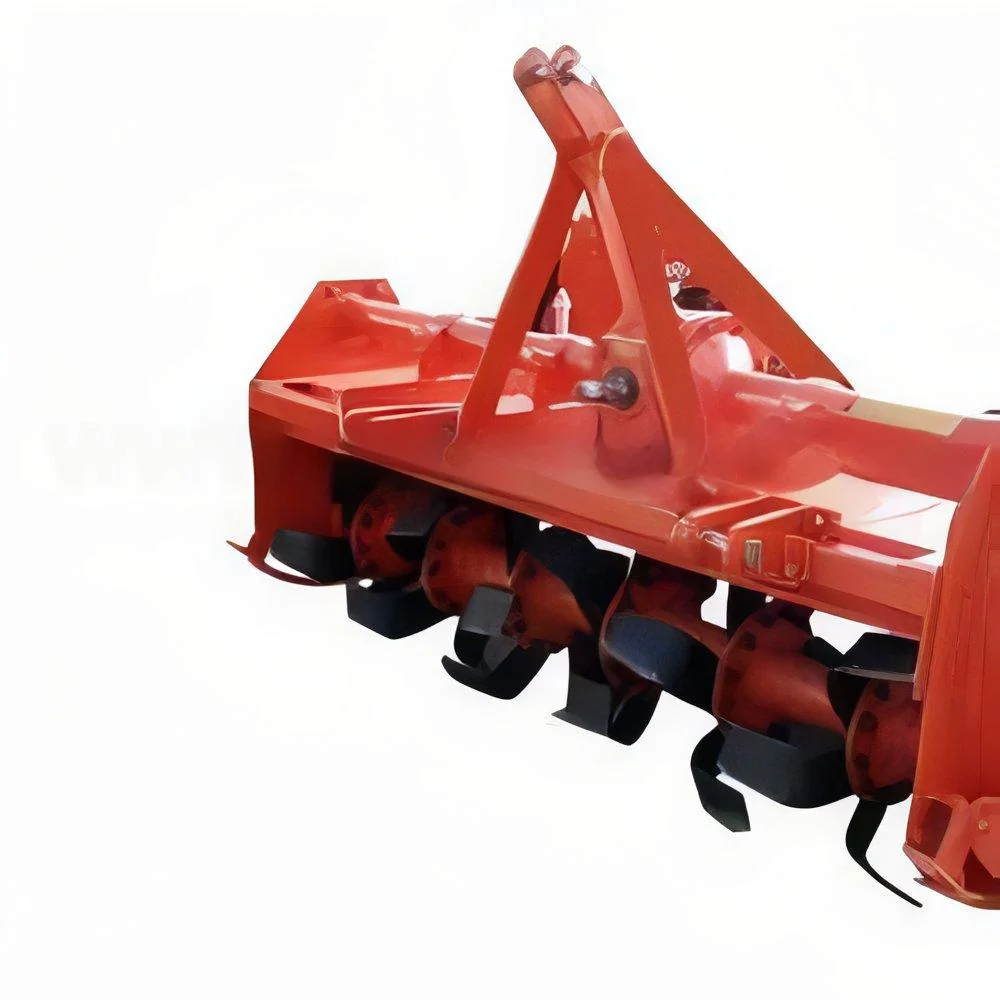
𝗪𝗵𝗮𝘁 𝗮𝗿𝗲 𝗔𝗴𝗿𝗶𝗰𝘂𝗹𝘁𝘂𝗿𝗮𝗹 𝗘𝗾𝘂𝗶𝗽𝗺𝗲𝗻𝘁 & 𝗜𝗺𝗽𝗹𝗲𝗺𝗲𝗻𝘁𝘀?
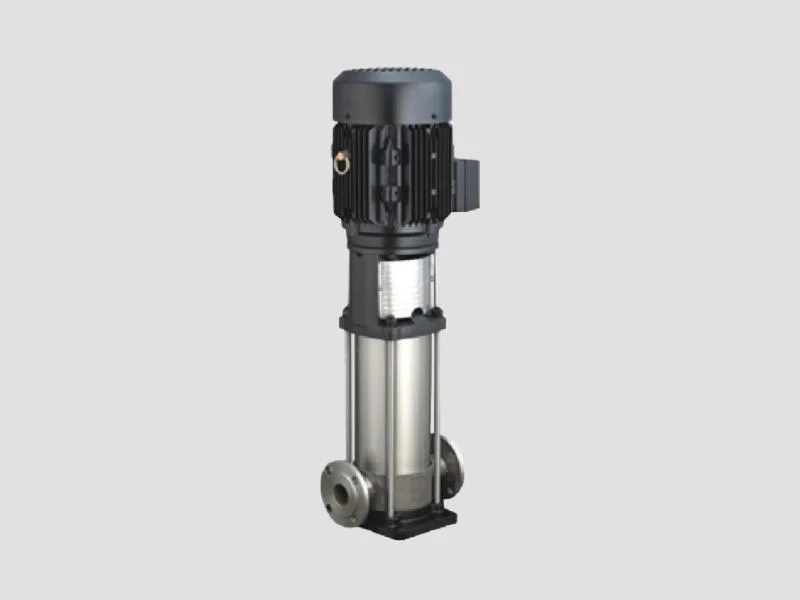
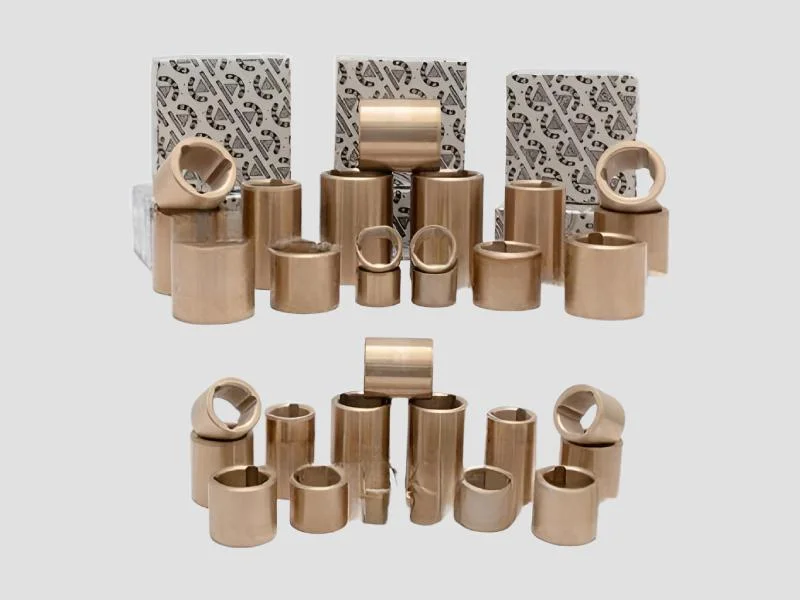
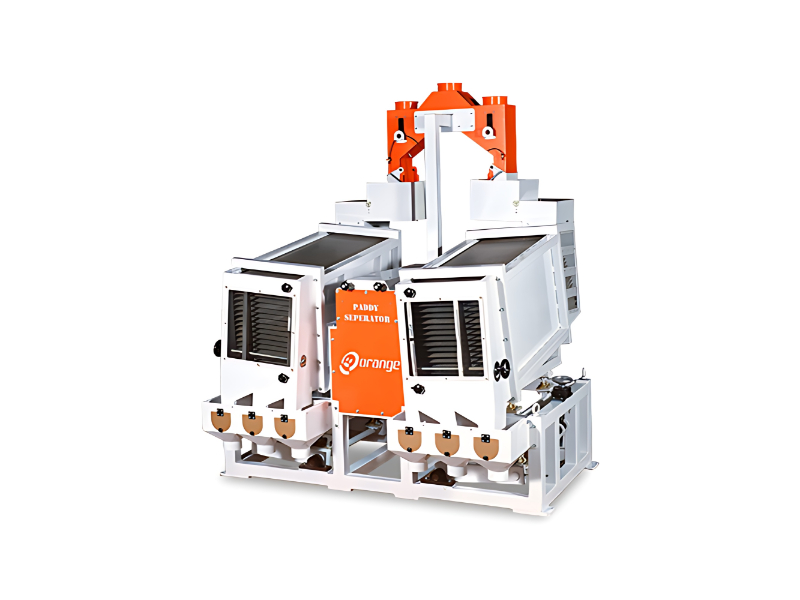
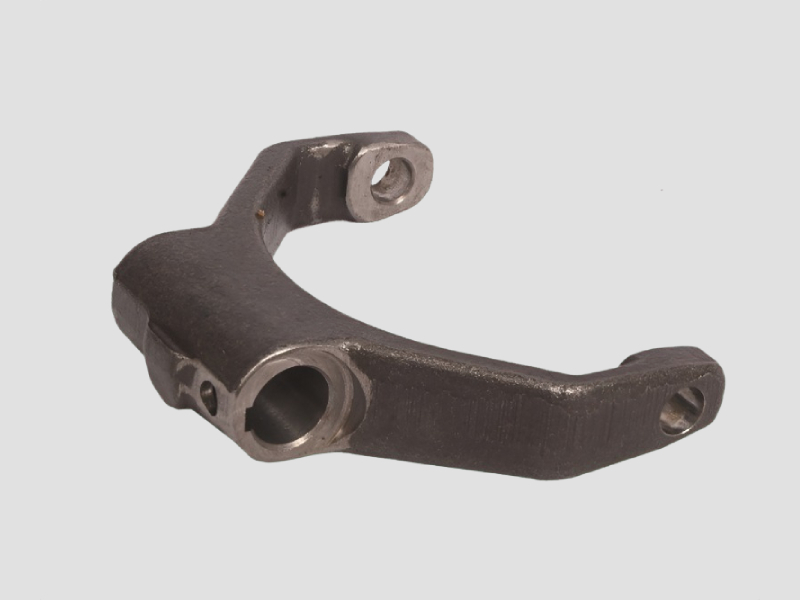
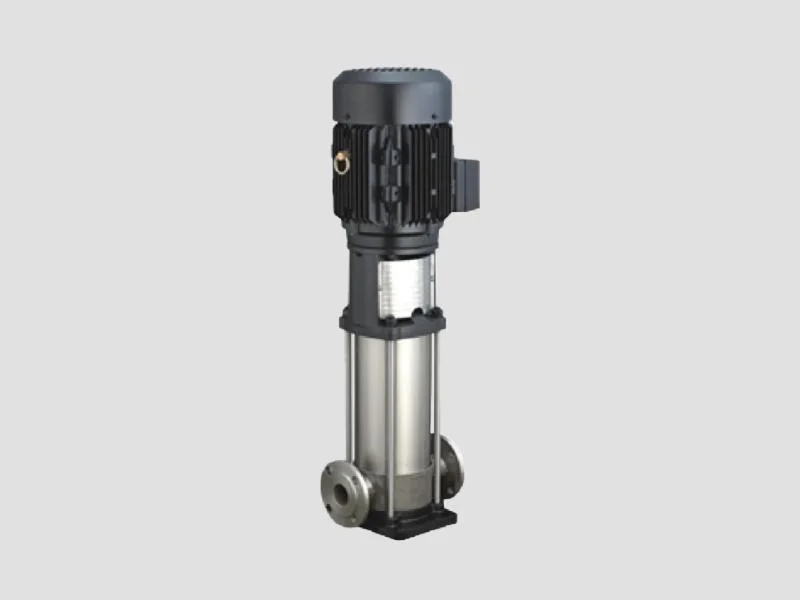
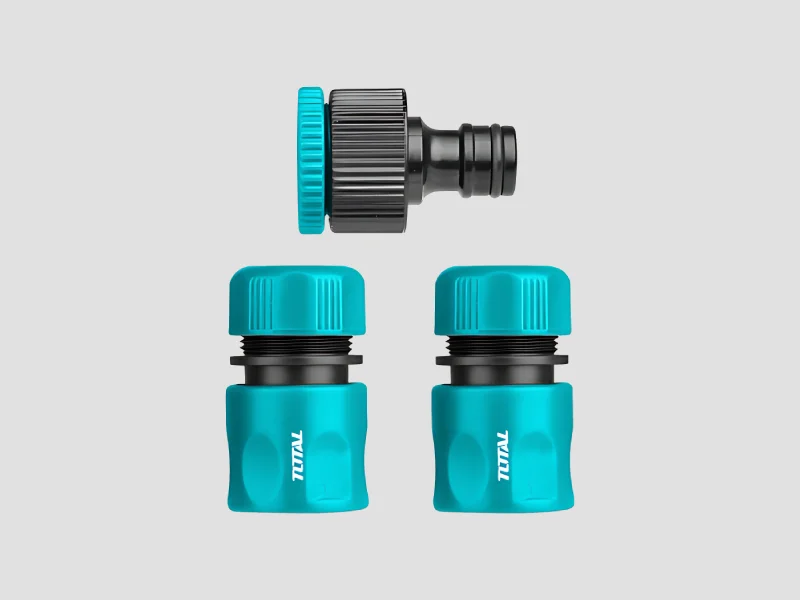
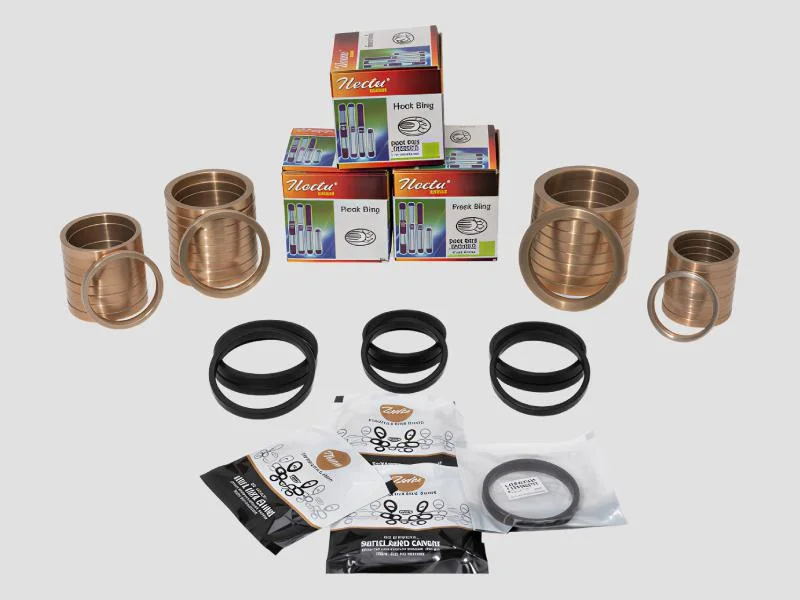
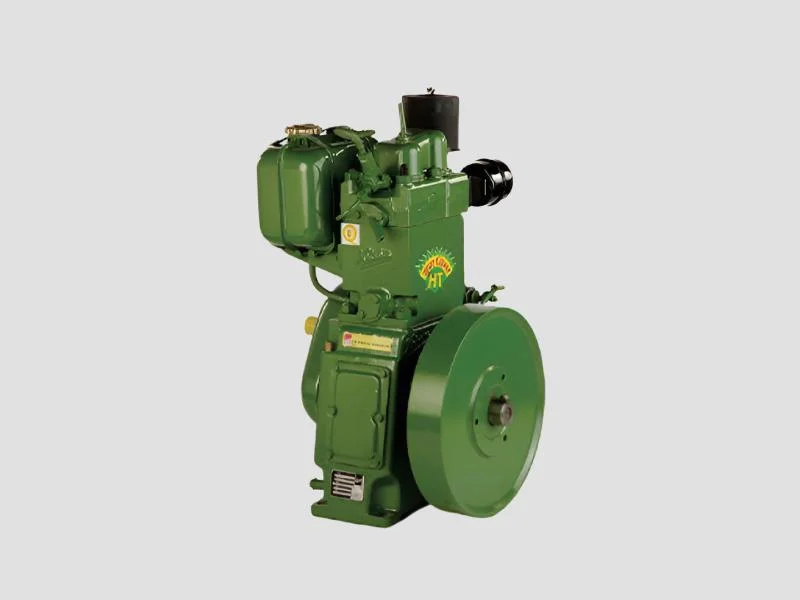
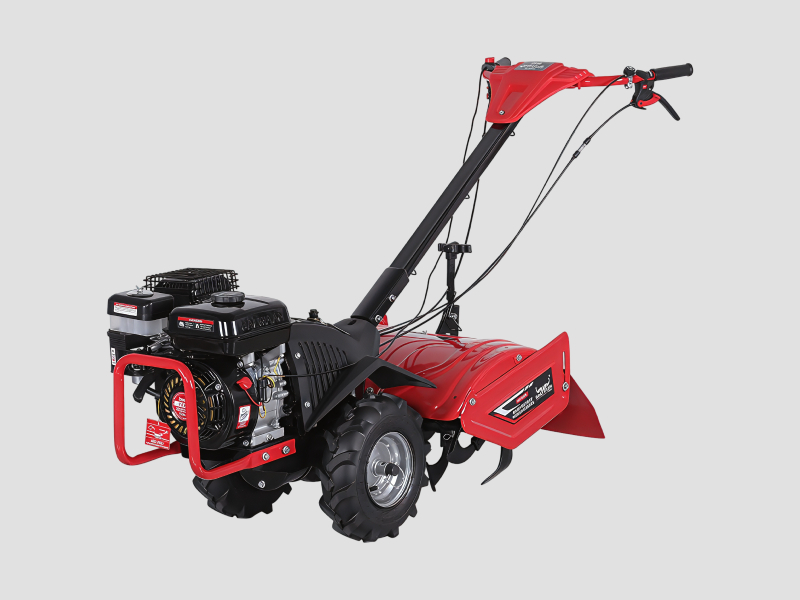
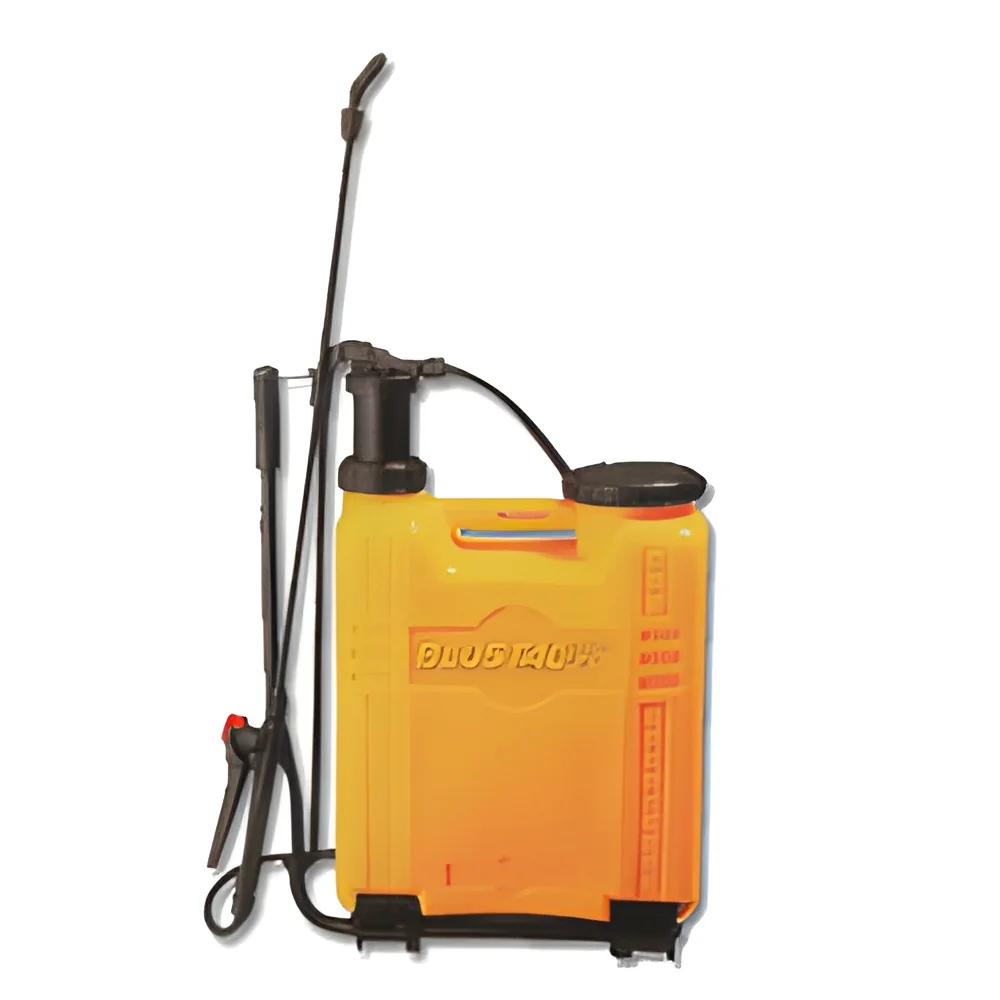
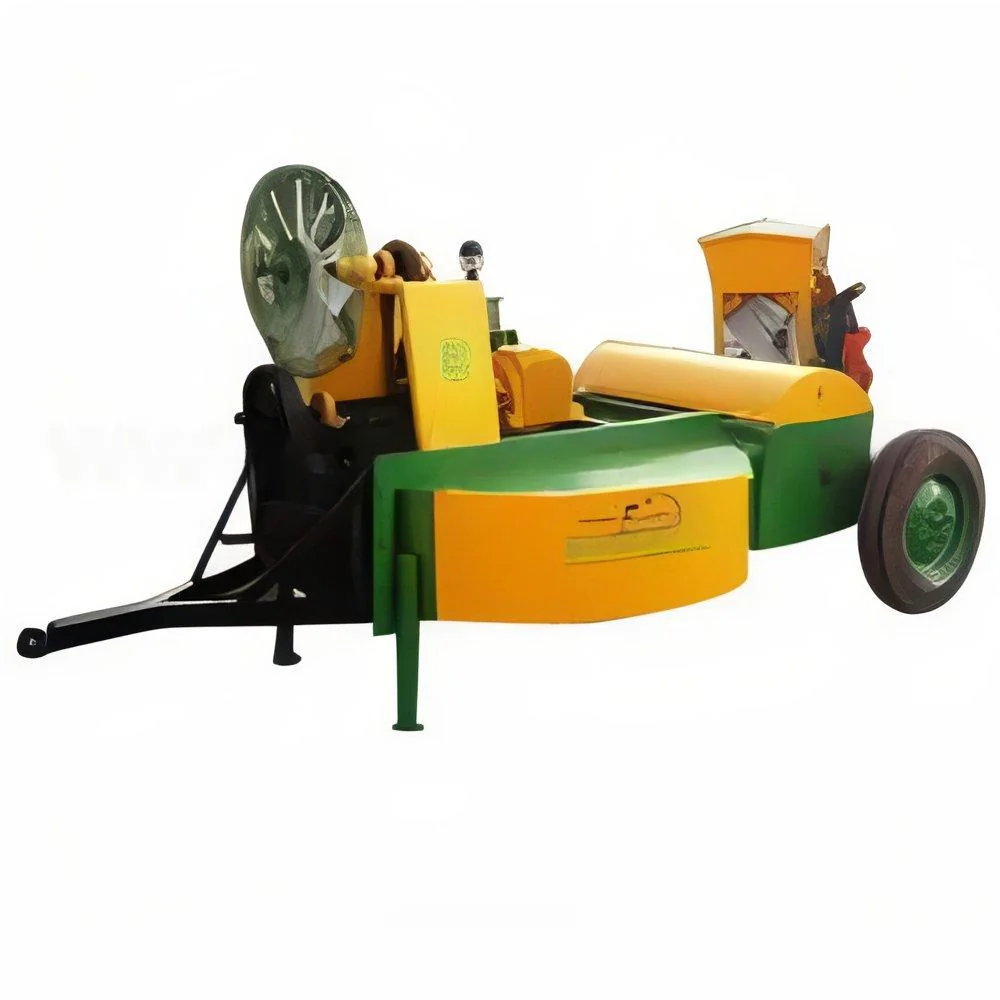
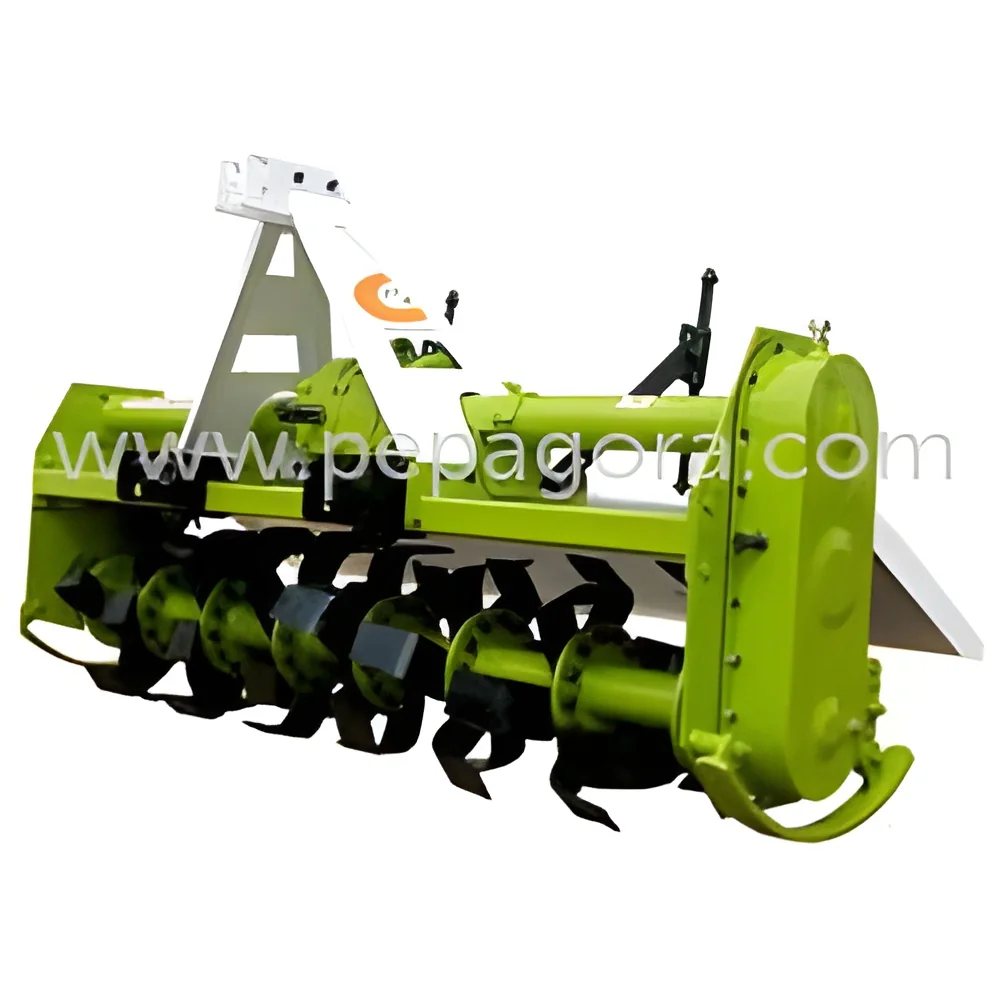
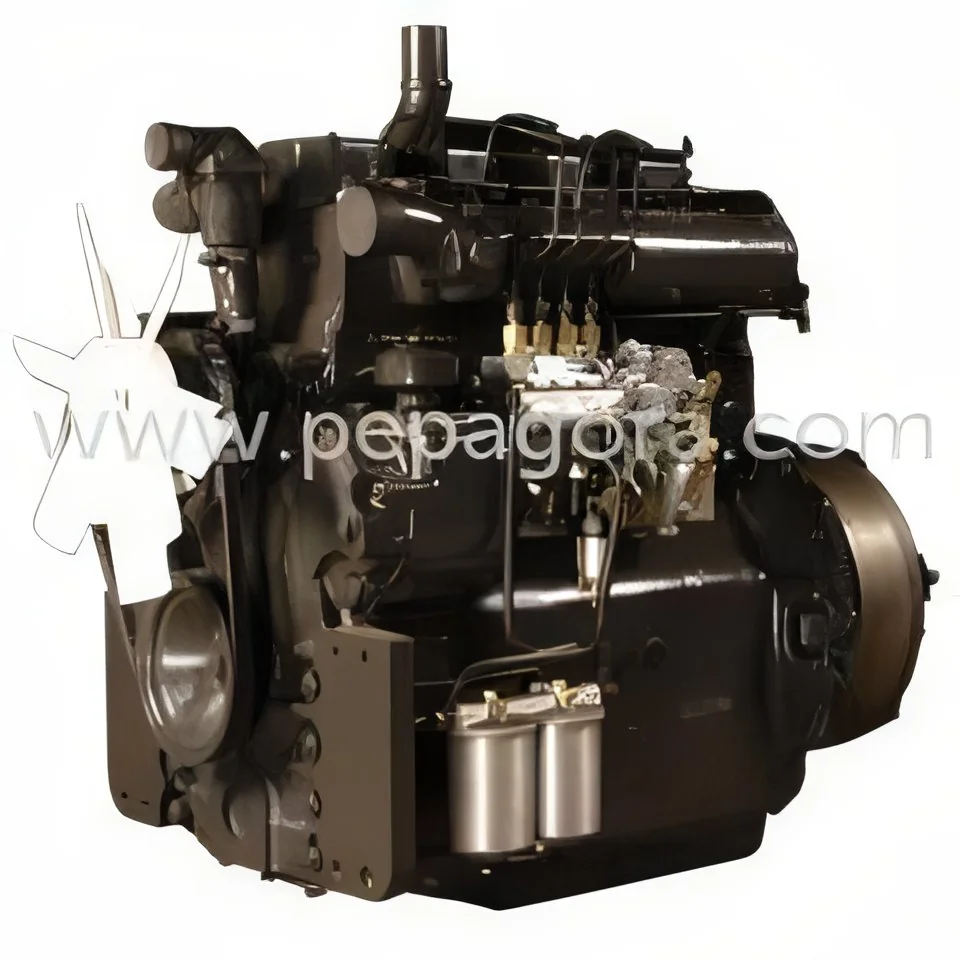
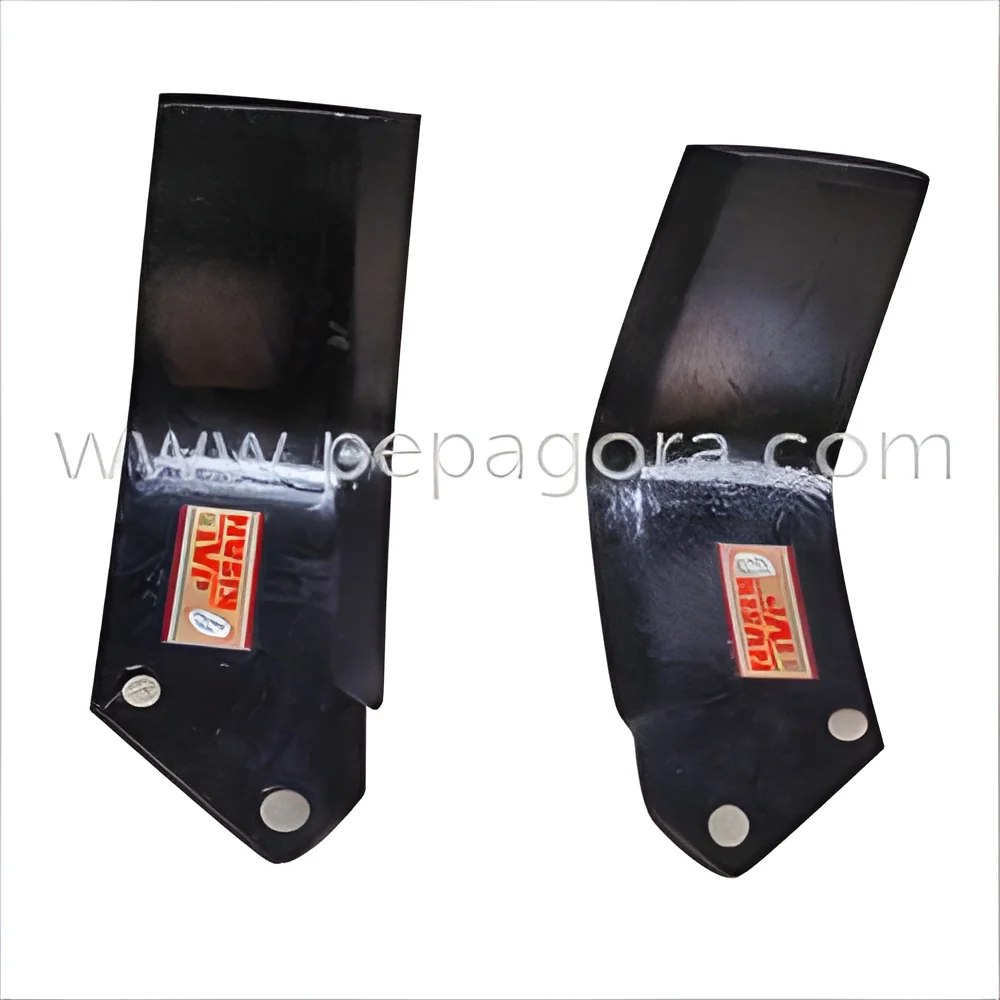
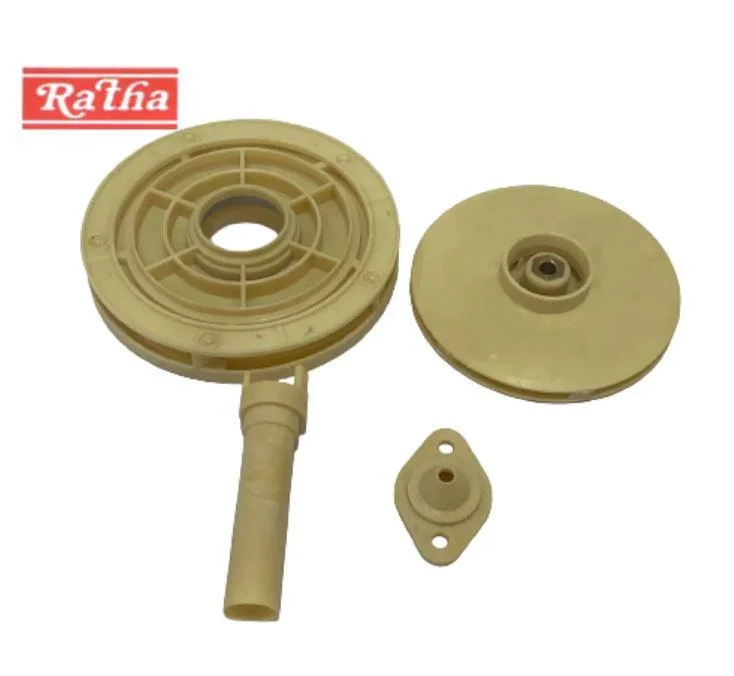
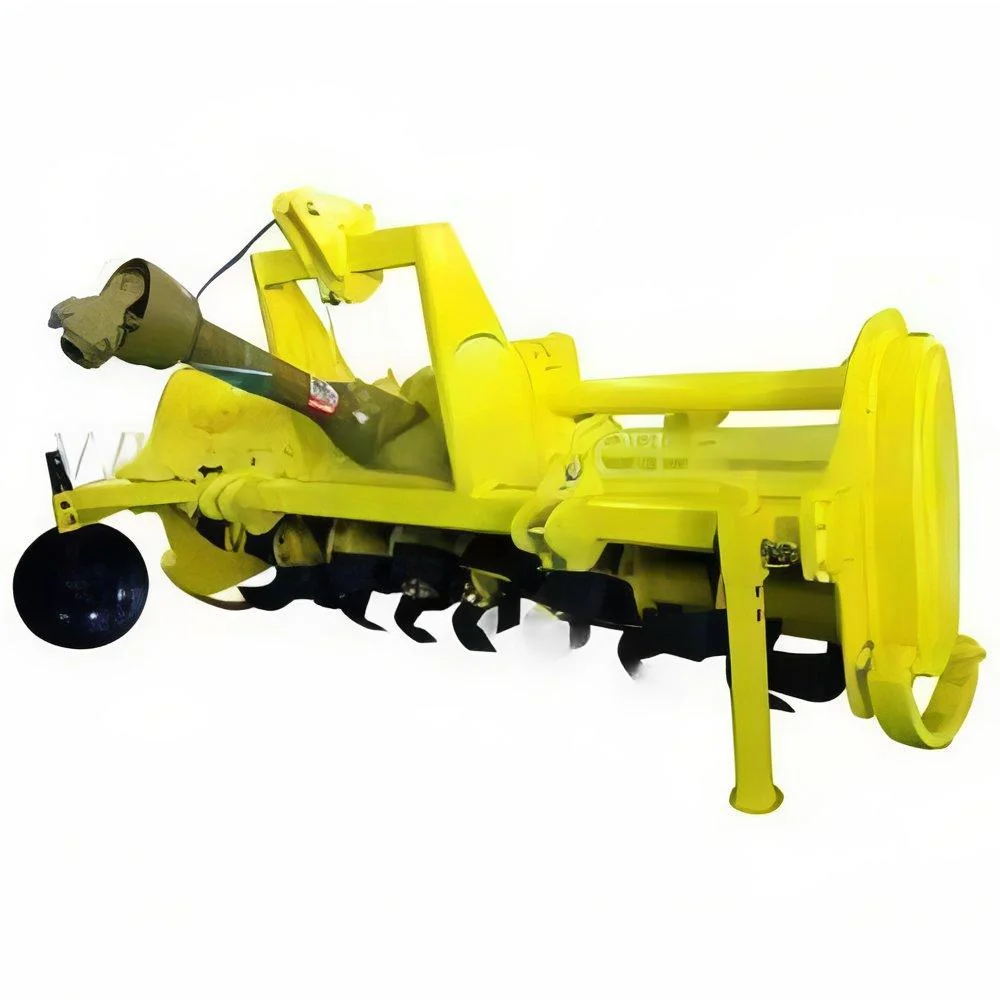
Agricultural equipment and implements refer to the various tools and machinery utilized in farming and agricultural operations. These products encompass a wide range of functional devices designed to aid in tasks such as planting, cultivating, harvesting, and transporting agricultural produce. From tractors and plows to seeders and harvesters, agricultural equipment enhances efficiency and productivity in farming activities.
The primary uses of agricultural equipment and implements include soil preparation, crop management, and yield maximization. Businesses in the agriculture sector rely on these tools to streamline operations, reduce labor costs, and improve crop quality. This equipment is crucial not only for traditional farming but also for modern agricultural practices, including precision farming and sustainable agriculture.
In the context of industry relevance, agricultural equipment and implements represent a significant portion of the agricultural market. With the increasing demand for food production and the push for innovation in farming practices, the market for agricultural machinery continues to expand. This growth is driven by advancements in technology, such as automation and smart farming solutions, which are reshaping how agricultural tasks are performed.
𝗞𝗲𝘆 𝗙𝗲𝗮𝘁𝘂𝗿𝗲𝘀 𝗮𝗻𝗱 𝗦𝗽𝗲𝗰𝗶𝗳𝗶𝗰𝗮𝘁𝗶𝗼𝗻𝘀
Agricultural equipment and implements come with various features and specifications tailored to meet the needs of different farming applications. Understanding these specifications is essential for businesses looking to invest in the right equipment.
Key specifications include:
1. Power Rating
- Indicates the engine or motor output.
- Typically measured in horsepower (HP) or kilowatts (kW).
2. Working Width
- Refers to the effective width of the implement during operation.
- Commonly ranges from 1 meter to over 10 meters depending on the type of equipment.
3. Weight Capacity
- Represents the maximum load the equipment can handle.
- Ranges from hundreds to thousands of kilograms based on the machinery.
4. Operating Speed
- The speed at which the equipment can operate effectively.
- Usually measured in kilometers per hour (km/h).
5. Fuel Efficiency
- Indicates the operational efficiency in terms of fuel consumption.
- Typically expressed in liters per hour or per hectare.
6. Durability
- Describes the materials and construction quality.
- Often features rust-resistant materials for long-term use.
7. Maintenance Requirements
- Outlines the necessary upkeep frequency and complexity.
- Important for long-term operational viability.
8. Safety Features
- Includes emergency shut-off systems and protective guards.
- Essential for ensuring operator safety during use.
In summary, understanding the key features and specifications of agricultural equipment and implements is vital for making informed purchasing decisions that meet specific agricultural needs.
𝗖𝗼𝗺𝗺𝗼𝗻 𝗔𝗽𝗽𝗹𝗶𝗰𝗮𝘁𝗶𝗼𝗻𝘀 𝗮𝗻𝗱 𝗨𝘀𝗲 𝗖𝗮𝘀𝗲𝘀
Agricultural equipment and implements are versatile tools that find application across numerous industries.
1. Crop Farming: These tools are essential for soil preparation, planting, and harvesting crops, enabling farmers to maximize their yield efficiently.
2. Horticulture: Specialized equipment aids in the cultivation of fruits, vegetables, and ornamental plants, focusing on precision and care.
3. Livestock Farming: Implements like feeders and watering systems support the management and care of livestock, ensuring their health and productivity.
4. Organic Farming: Equipment designed for minimal soil disturbance and pest control is crucial for sustainable practices that prioritize environmental health.
5. Forestry: Agricultural machinery assists in tree planting, maintenance, and harvesting, contributing to sustainable forestry management.
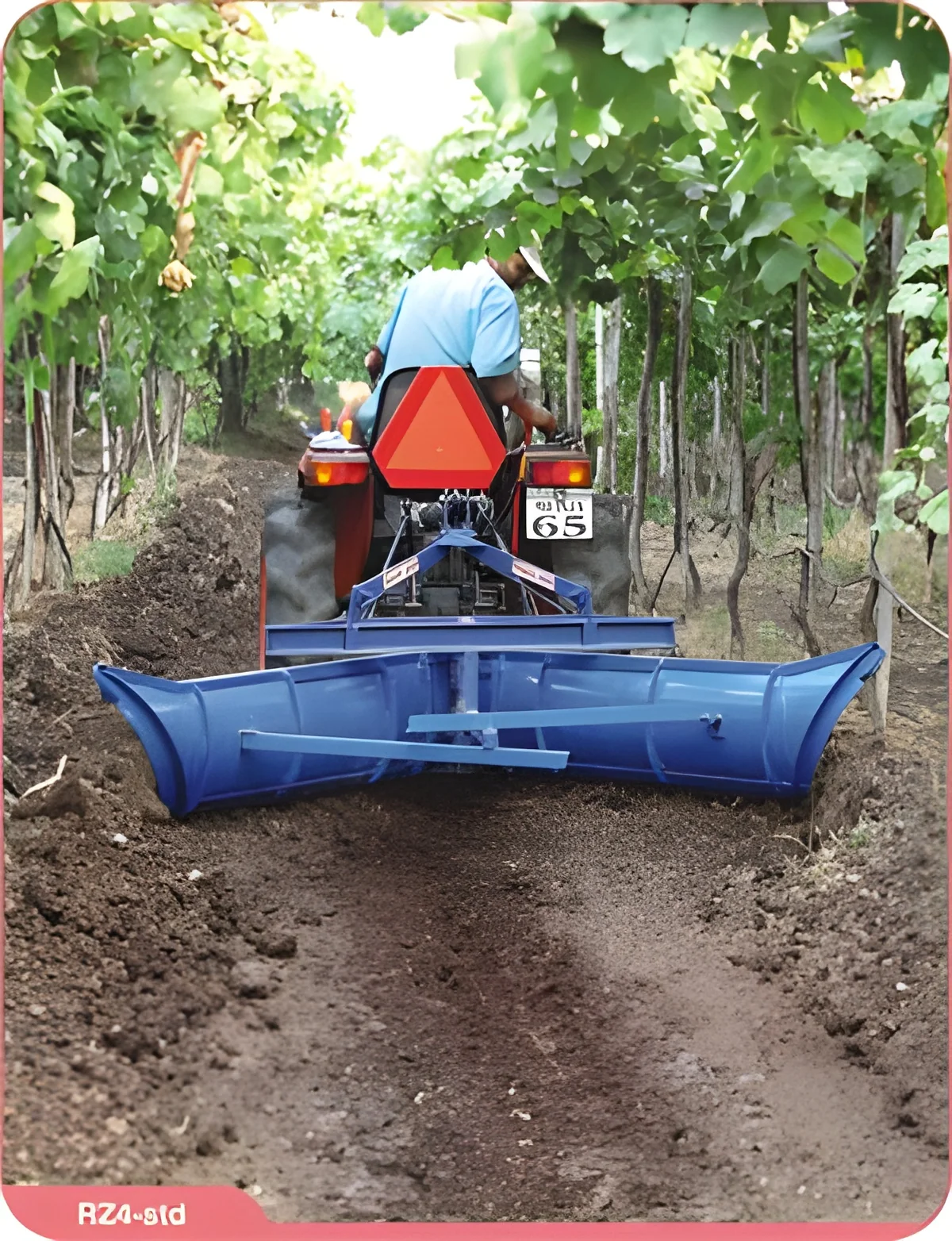
6. Viticulture: Specialized tools are used in vineyards for planting, pruning, and harvesting grapes, which is critical for wine production.
7. Aquaculture: Equipment tailored for fish farming helps in effective management of fish stocks and water quality, ensuring sustainable aquaculture practices.
𝗣𝗿𝗼𝗱𝘂𝗰𝘁 𝗩𝗮𝗿𝗶𝗮𝗻𝘁𝘀 𝗮𝗻𝗱 𝗦𝘂𝗯𝗰𝗮𝘁𝗲𝗴𝗼𝗿𝗶𝗲𝘀
Agricultural equipment and implements come in various forms to cater to different agricultural needs.
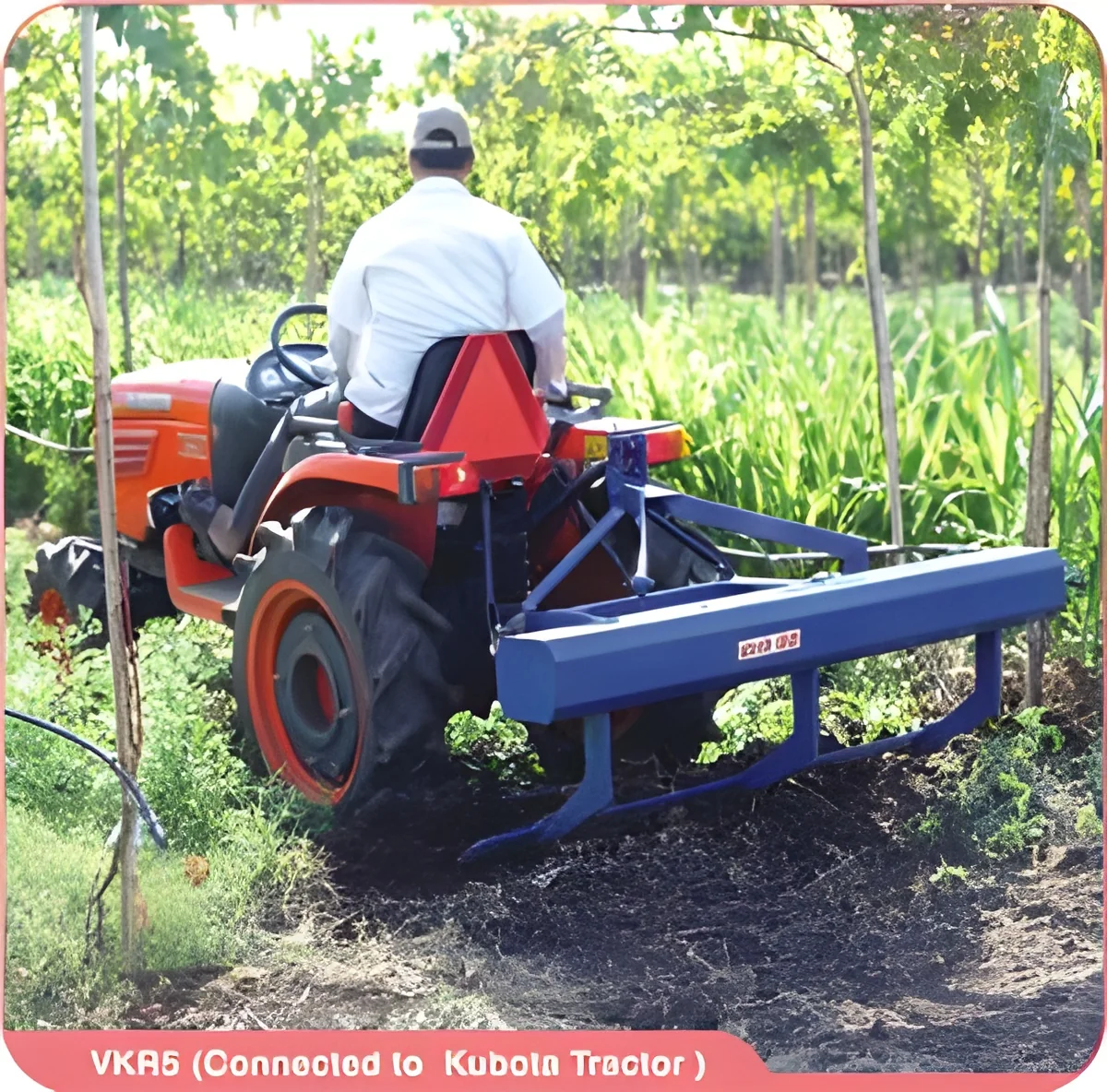
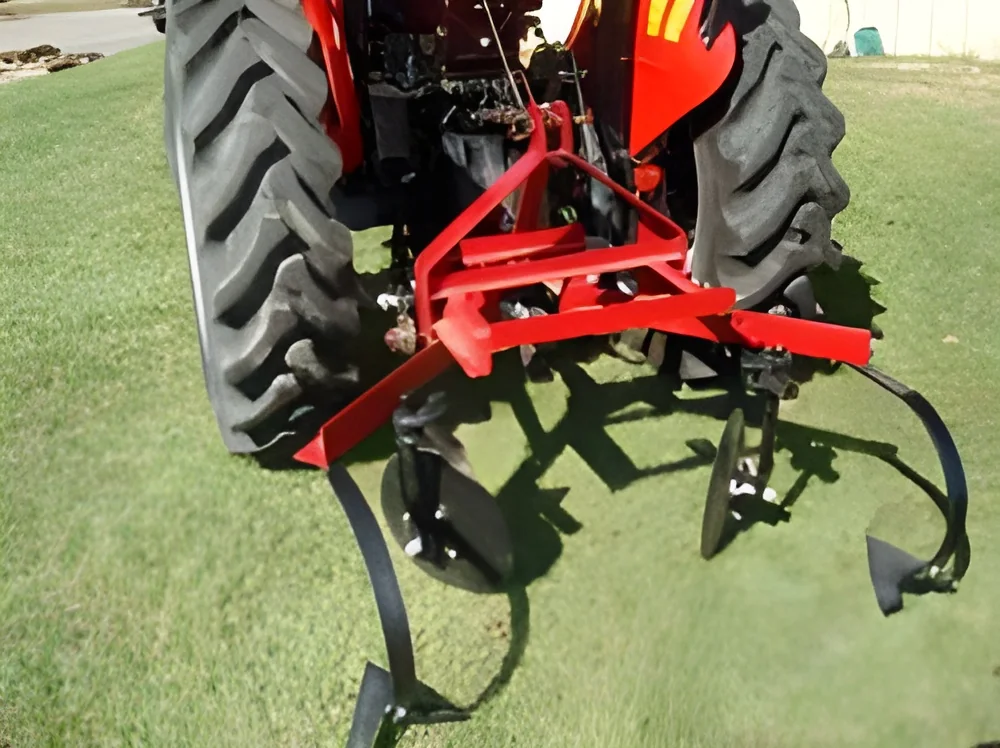
Tractors: These versatile machines serve multiple purposes, including towing equipment and performing heavy-duty tasks. Tractors are essential in all types of farming operations due to their adaptability.
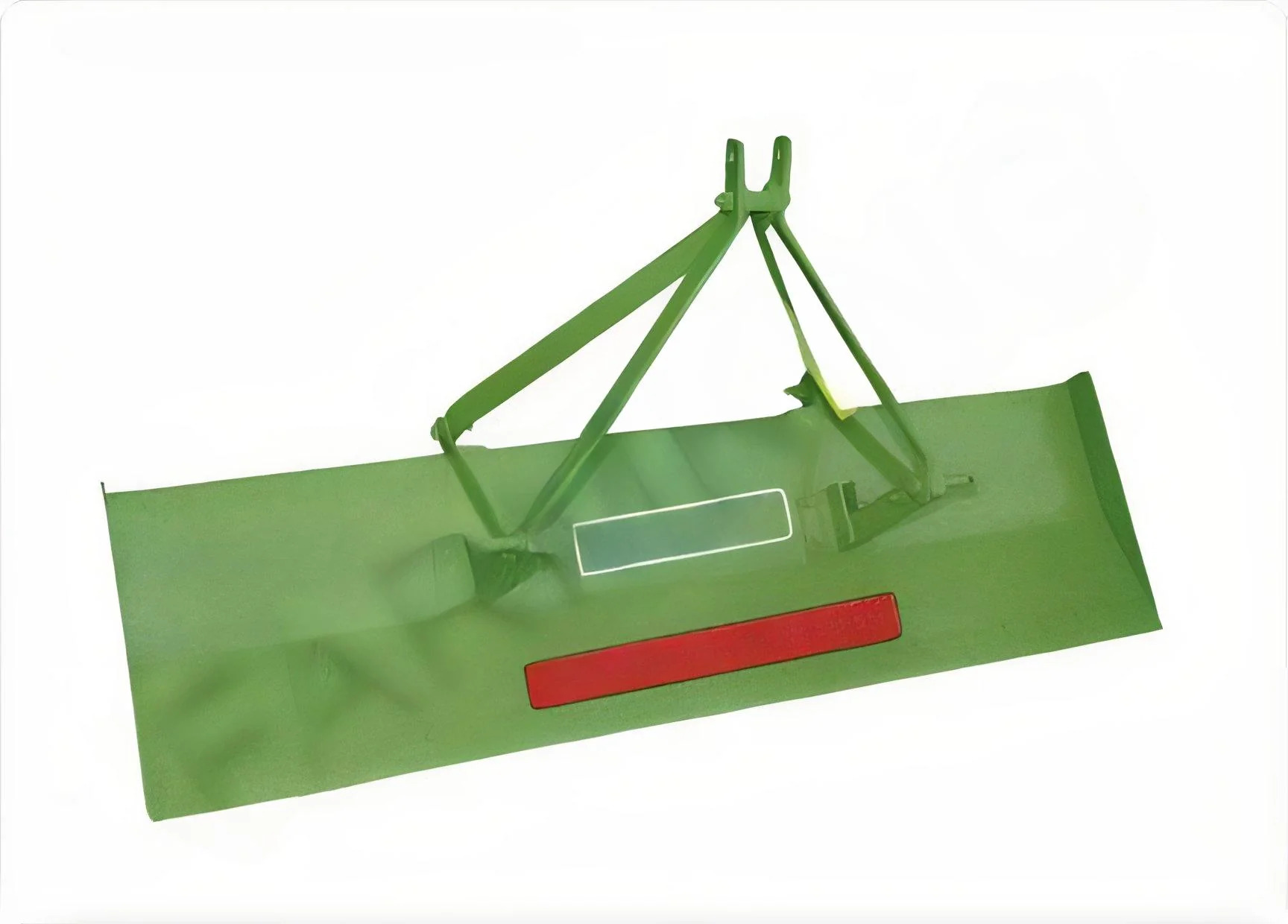
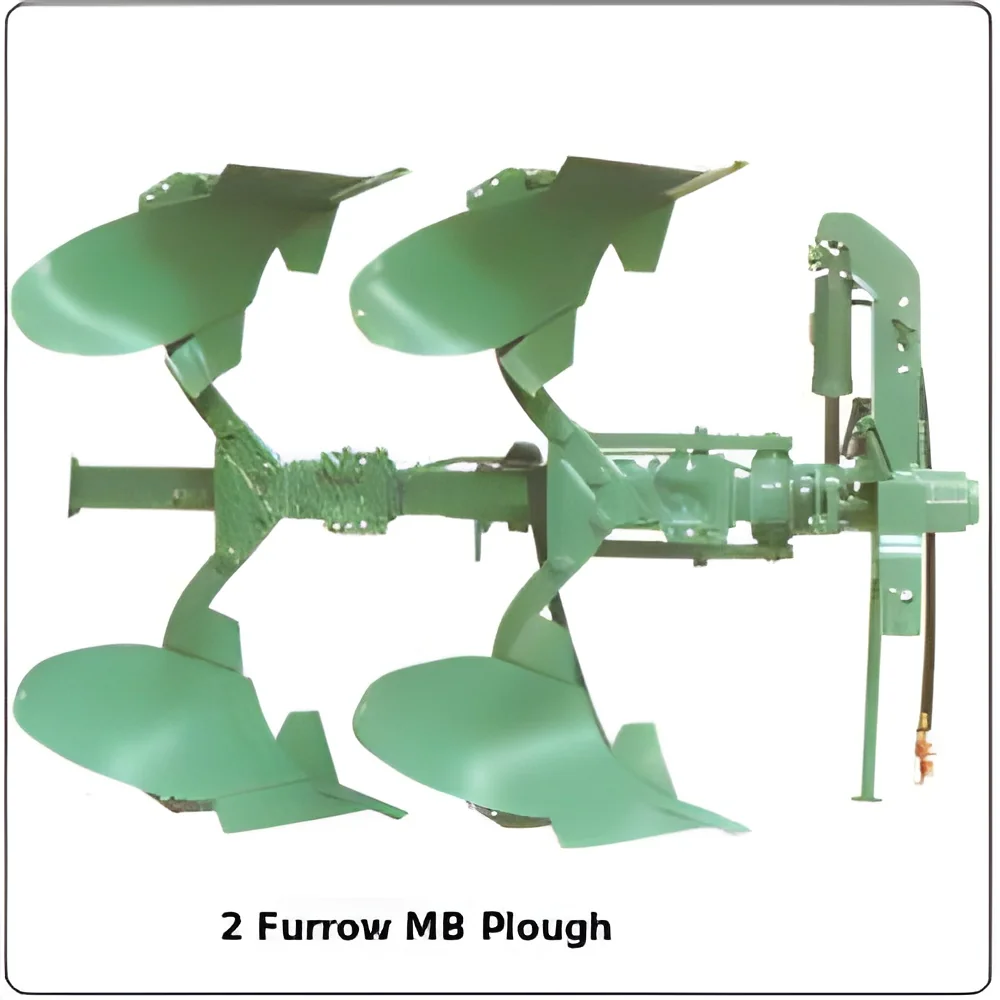
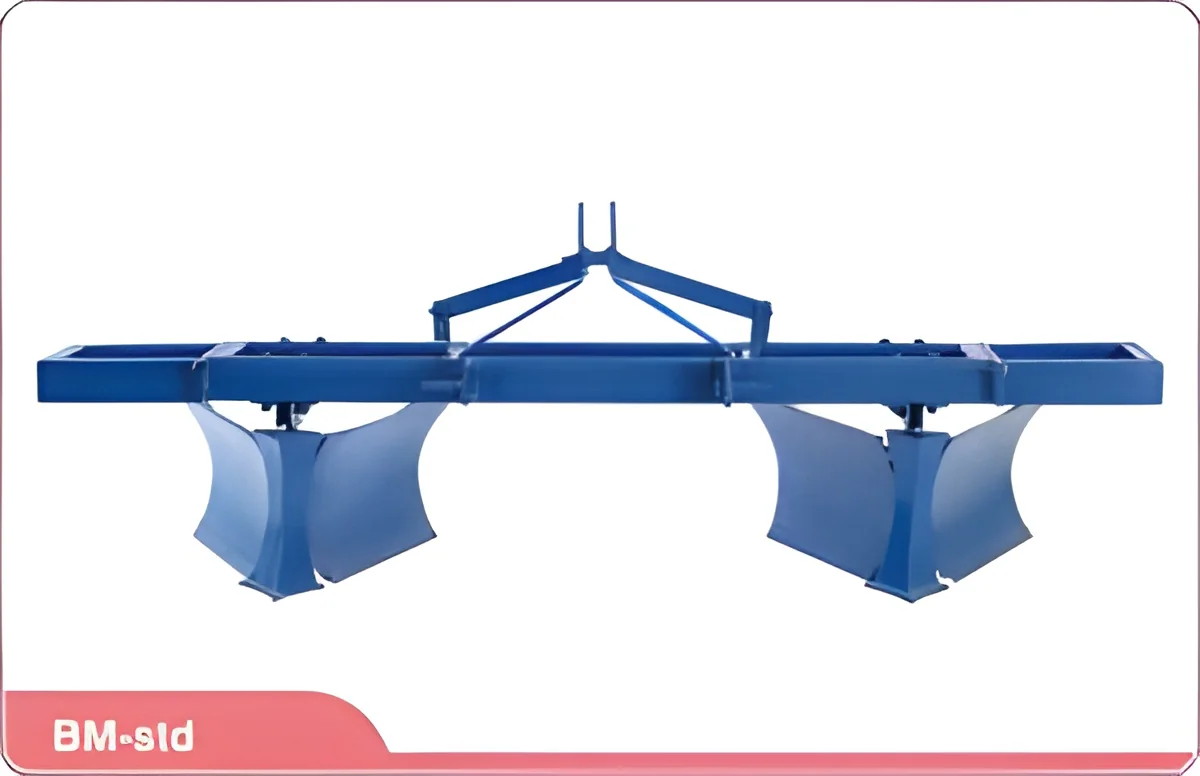
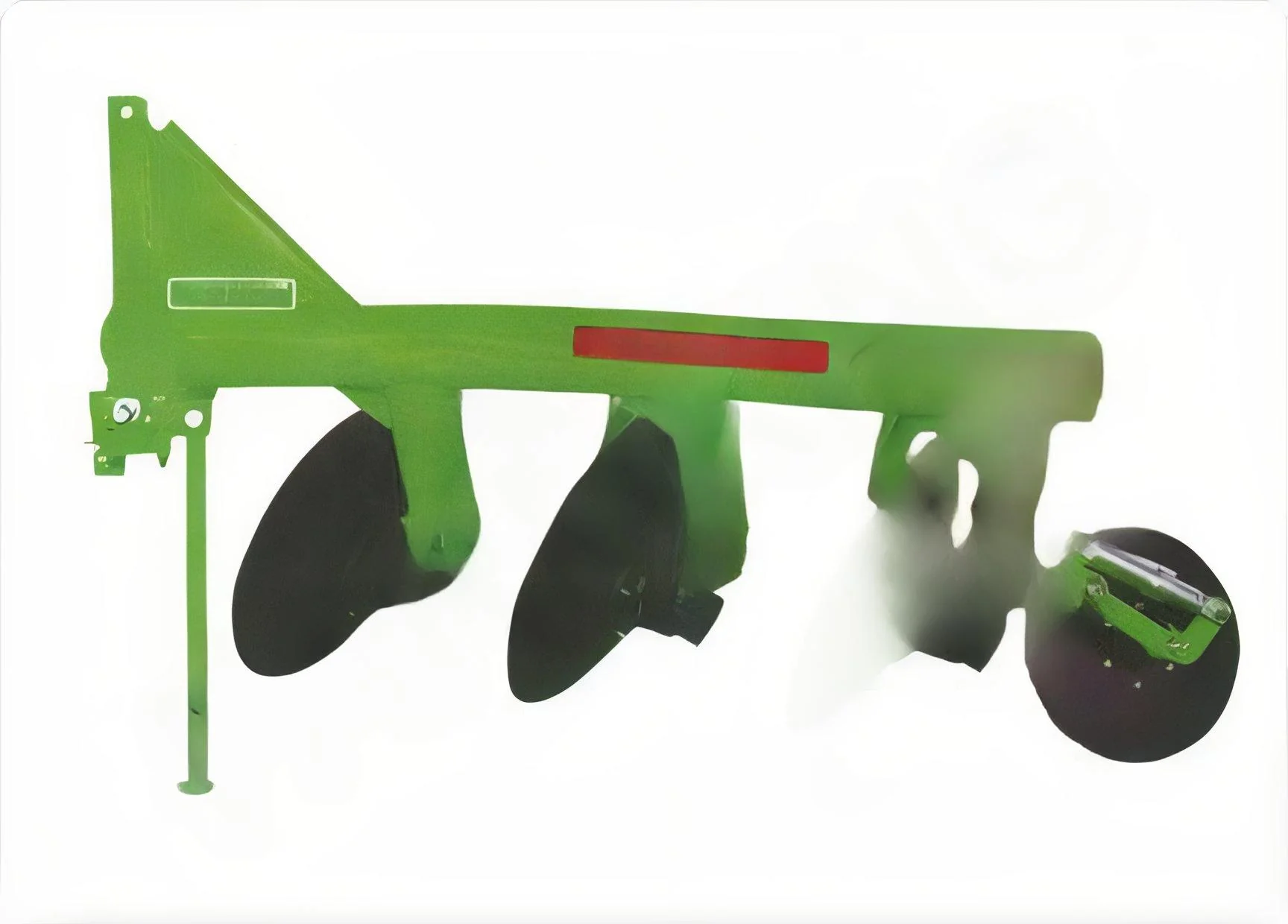
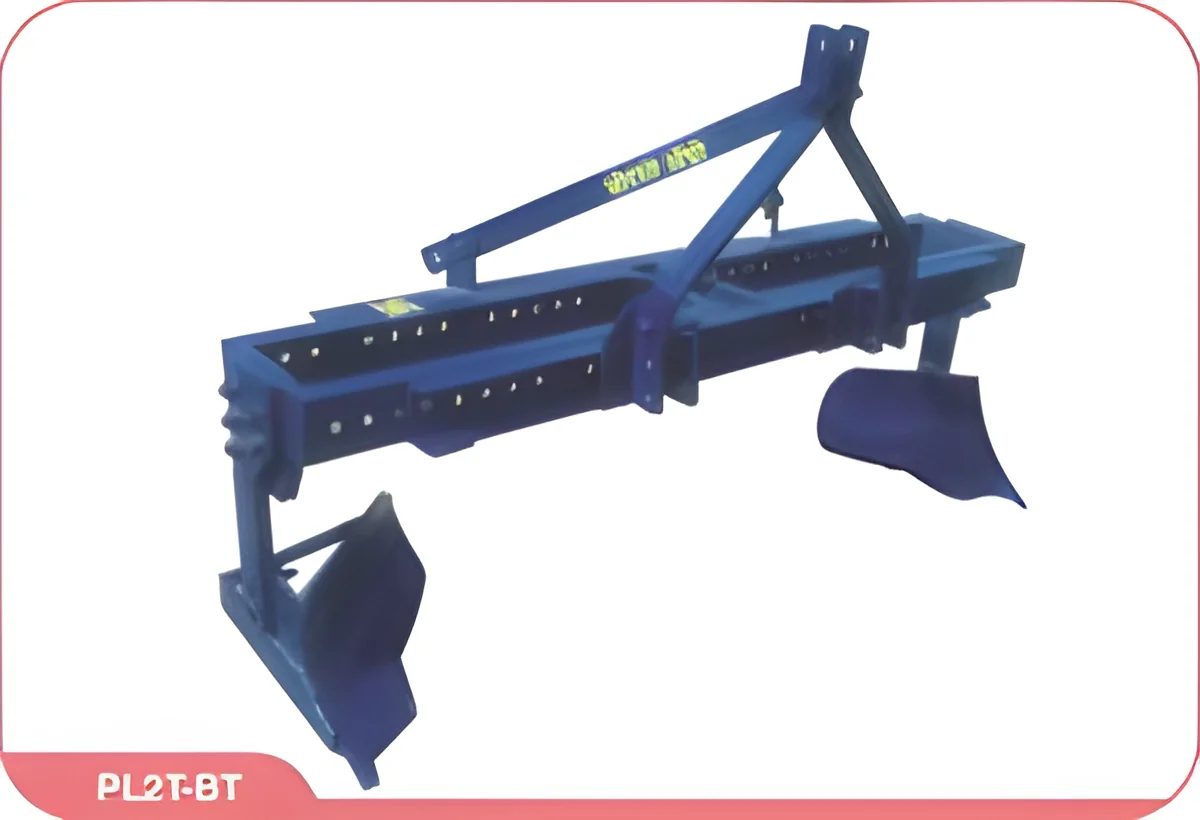
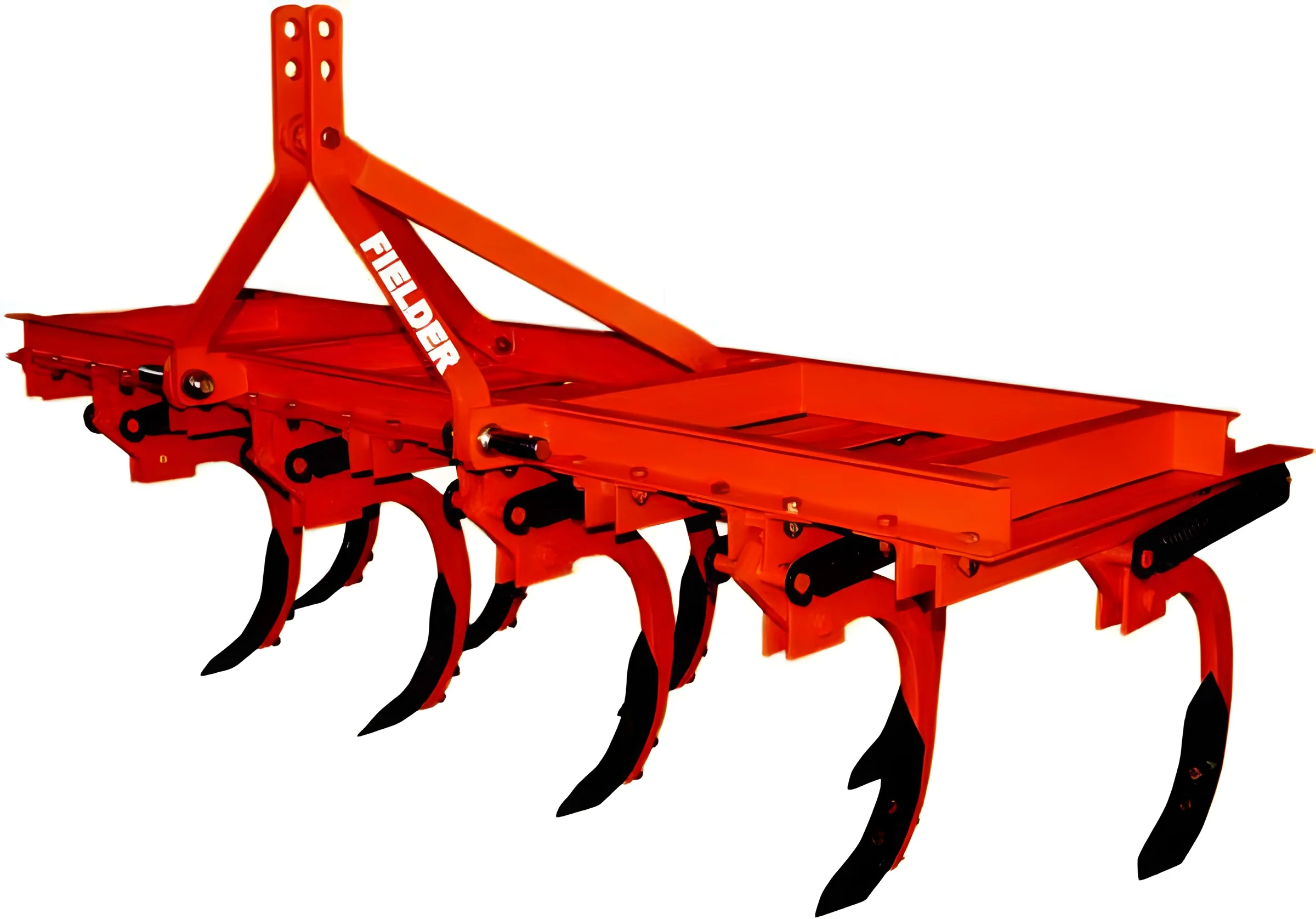
Plows: Designed for soil turning and preparation, plows are critical for planting and cultivating crops. They come in various types, such as moldboard, disk, and chisel plows, each serving specific agricultural needs.
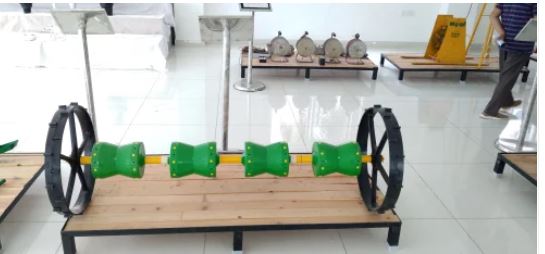
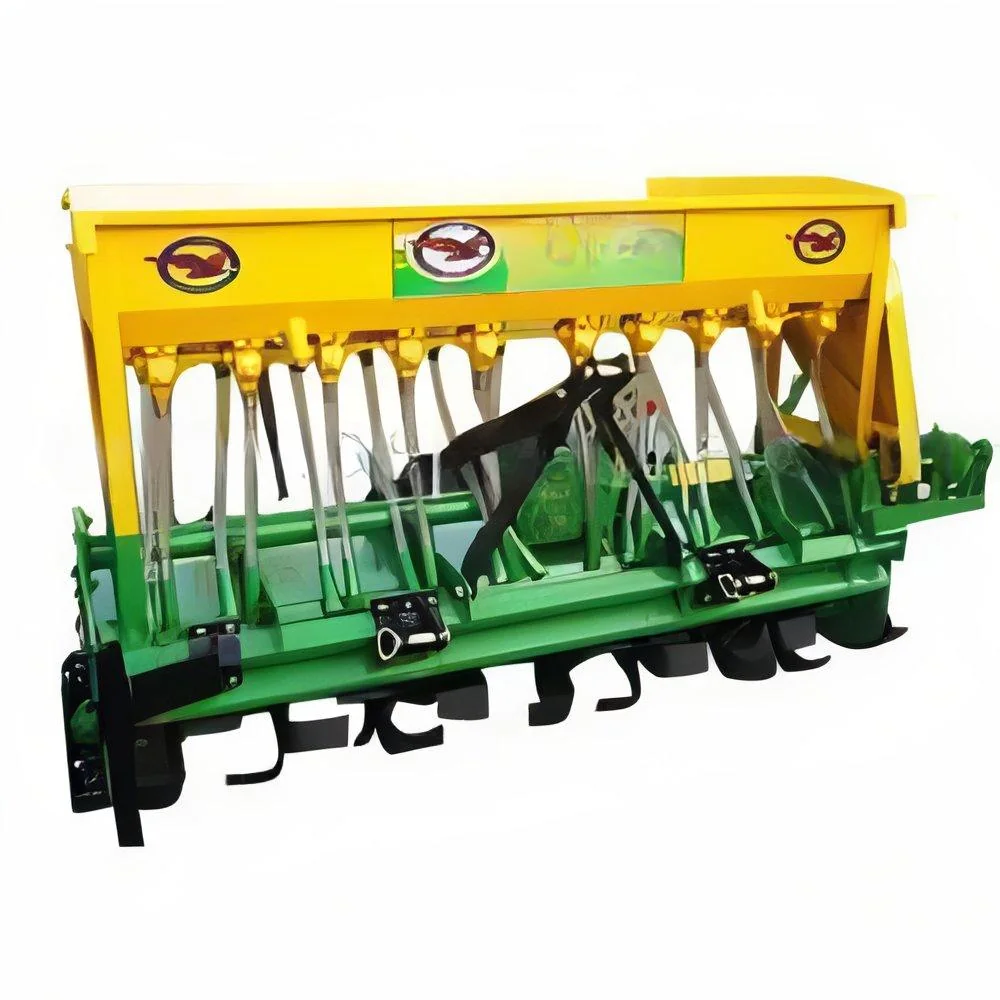
Seeders: These implements ensure precise planting of seeds at the correct depth and spacing. They enhance efficiency and ensure uniform crop growth.
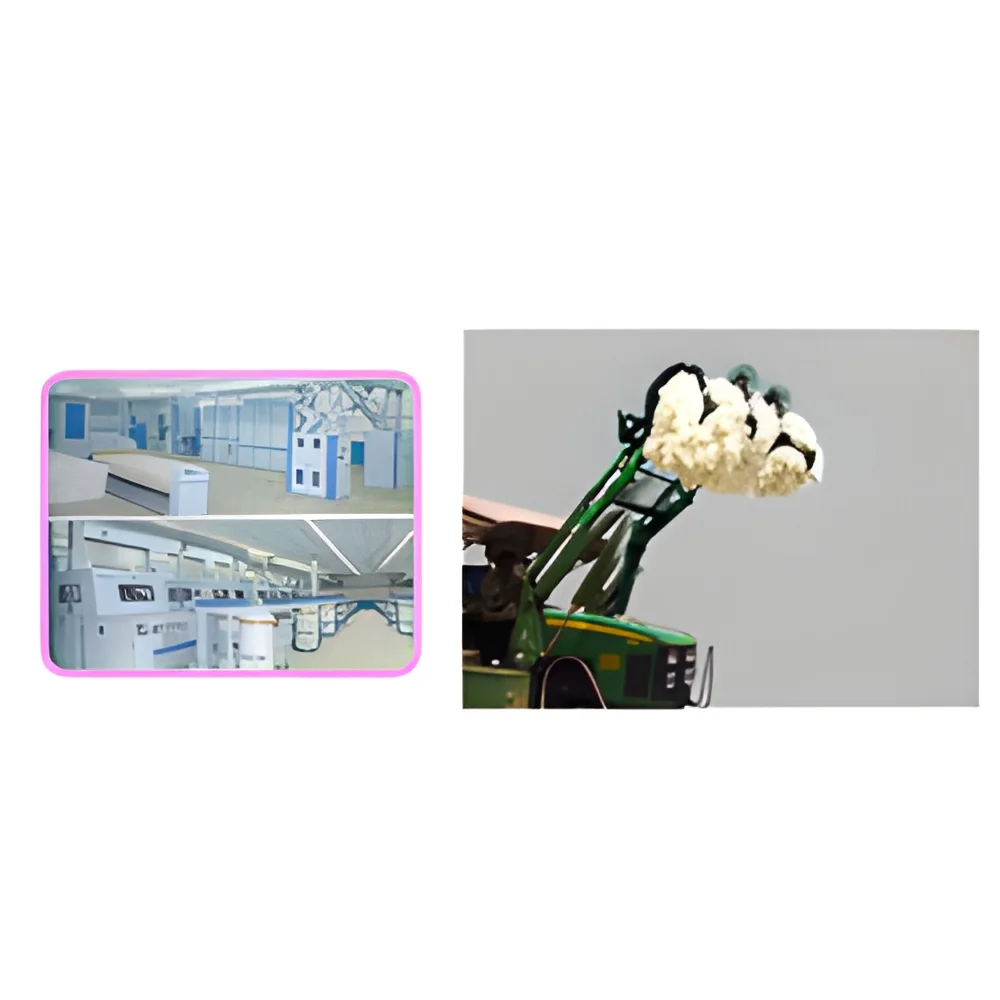
Harvesters: These machines are vital for collecting mature crops efficiently. Different types of harvesters are designed for specific crops, such as grain, fruit, or vegetables.
𝗕𝗲𝗻𝗲𝗳𝗶𝘁𝘀 𝗮𝗻𝗱 𝗔𝗱𝘃𝗮𝗻𝘁𝗮𝗴𝗲𝘀
Investing in agricultural equipment and implements offers several benefits that enhance farming operations.
1. Increased Efficiency: These tools streamline various agricultural processes, reducing the time and effort required for tasks.
2. Cost Savings: By improving productivity, equipment minimizes labor costs while maximizing output, leading to better profitability.
3. Enhanced Crop Quality: Proper use of equipment can lead to better soil management, resulting in higher quality crops.
4. Labor Reduction: Automation and advanced machinery reduce the need for manual labor, allowing for better resource allocation.
5. Versatility: Many equipment types can be adapted for multiple tasks, making them valuable assets on the farm.
6. Technological Integration: Modern agricultural equipment often includes technology for data collection and analysis, helping farmers make informed decisions.
𝗕𝘂𝘆𝗶𝗻𝗴 𝗚𝘂𝗶𝗱𝗲 𝗳𝗼𝗿 𝗕𝟮𝗕 𝗕𝘂𝘆𝗲𝗿𝘀
When sourcing agricultural equipment and implements, several factors must be considered to ensure a successful purchase.
1. Quality Assessment: Evaluate the quality of materials and construction. High-quality equipment is essential for durability and long-term performance.
2. Supplier Verification: Vet suppliers to ensure they are reputable and have a track record of providing reliable equipment. Check for customer reviews and industry reputation.
3. Pricing and MOQ: Understand the pricing structure and minimum order quantities (MOQ) offered by suppliers. This is crucial for budgeting and inventory planning.
4. Delivery and Lead Times: Inquire about logistics, including delivery schedules and lead times, to ensure timely access to equipment.
5. Compliance Requirements: Ensure that the equipment meets relevant regulatory standards and certifications required in your region.
𝗖𝗼𝗺𝗽𝗹𝗶𝗮𝗻𝗰𝗲 𝗮𝗻𝗱 𝗖𝗲𝗿𝘁𝗶𝗳𝗶𝗰𝗮𝘁𝗶𝗼𝗻𝘀
Agricultural equipment and implements must adhere to various compliance and certification standards to ensure safety and quality.
ISO 9001 is a key quality management standard that many manufacturers strive to meet, ensuring consistent quality in production processes.
CE and UL certifications are vital for demonstrating compliance with European and American safety standards, respectively. These certifications indicate that the equipment meets necessary safety and performance criteria.
Safety and testing requirements are essential for various equipment types. Manufacturers must ensure their products undergo rigorous testing to meet safety regulations, reducing the risk of accidents during operation.
Regional compliance considerations can vary widely. Understanding local regulations is crucial for businesses to avoid legal issues and ensure operational efficiency.
𝗪𝗵𝘆 𝗦𝗼𝘂𝗿𝗰𝗲 𝗔𝗴𝗿𝗶𝗰𝘂𝗹𝘁𝘂𝗿𝗮𝗹 𝗘𝗾𝘂𝗶𝗽𝗺𝗲𝗻𝘁 & 𝗜𝗺𝗽𝗹𝗲𝗺𝗲𝗻𝘁𝘀 𝗳𝗿𝗼𝗺 𝗣𝗲𝗽𝗮𝗴𝗼𝗿𝗮?
Pepagora provides a trusted platform for sourcing agricultural equipment and implements, offering several key advantages to buyers.
Verified Supplier Network: Pepagora connects buyers with a carefully vetted network of suppliers. Each supplier undergoes rigorous verification to ensure reliability and quality, providing peace of mind during the procurement process.
Streamlined RFQ Process: The request for quotation (RFQ) process on Pepagora is designed for efficiency. Buyers can easily submit their requirements and receive competitive quotes from multiple suppliers, saving time and effort.
Trade Assurance and Support: Pepagora offers trade assurance, protecting buyers from potential risks associated with international transactions. The platform provides support throughout the procurement process, ensuring a smooth experience.
Regional Coverage: With a strong presence in India, the GCC, and Southeast Asia, Pepagora connects buyers with suppliers across these regions, facilitating access to a diverse range of agricultural equipment and implements.

 IN
IN