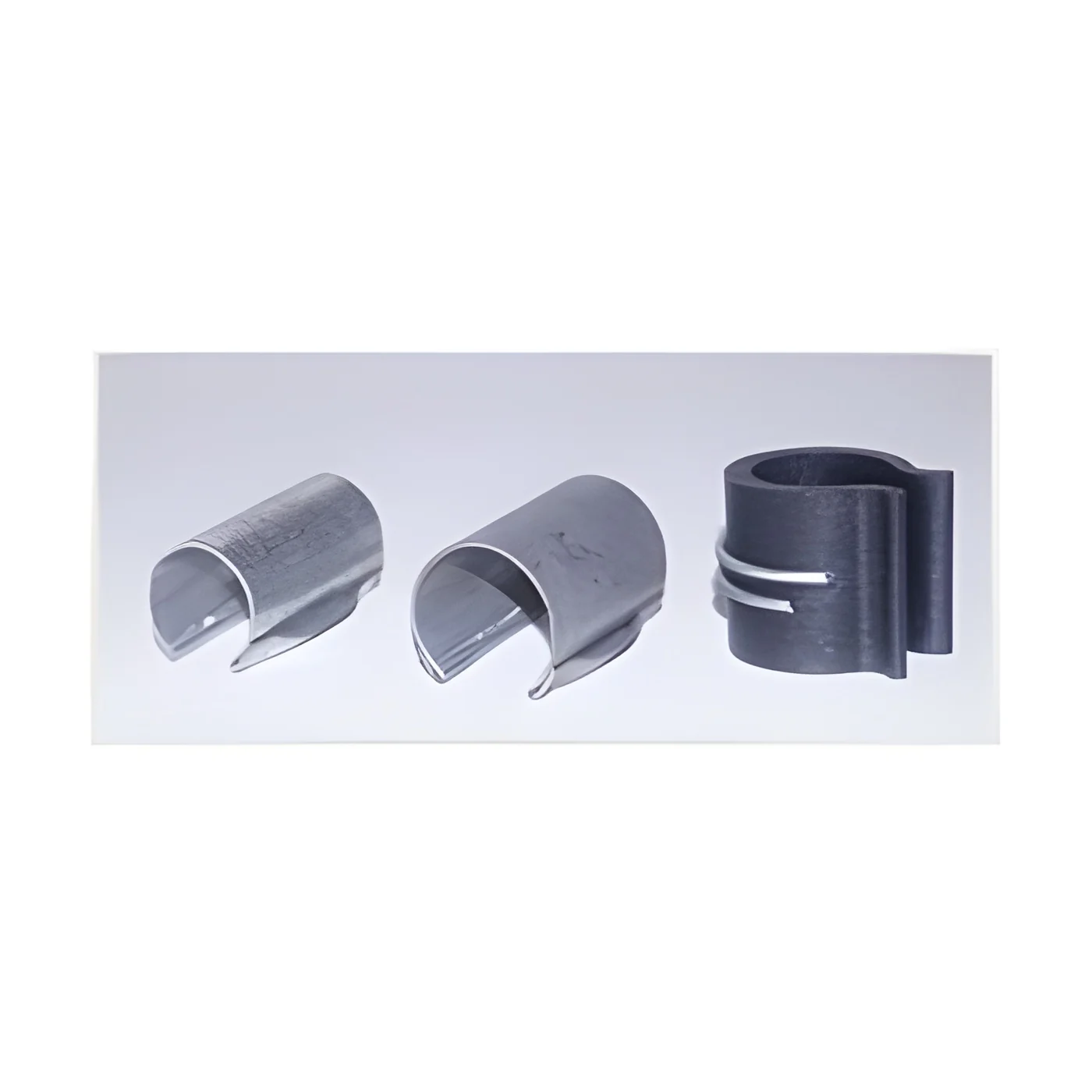
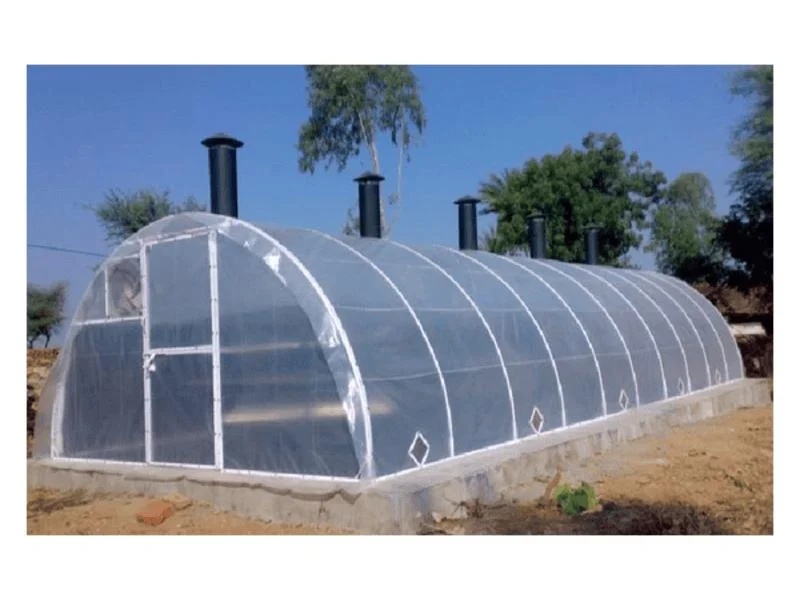
What are Polyhouse Construction Equipment?
Polyhouse construction equipment comprises tools and machinery specifically designed for building polyhouses, which are protective structures used in agriculture to cultivate crops. These structures are made from transparent materials like plastic and provide a controlled environment that enhances growth by regulating temperature, humidity, and light exposure. The equipment plays a crucial role in the construction process, ensuring that the polyhouses are durable, efficient, and capable of withstanding various climatic conditions.
The primary uses of polyhouse construction equipment include the assembly of frames, installation of covering materials, and the integration of climate control systems. Businesses in the agricultural sector utilize this equipment to improve crop yield and quality, particularly in regions with extreme weather conditions. As demand for sustainable farming practices grows, the relevance of polyhouse technology and the associated construction equipment continues to expand in the market. This trend reflects the increasing need for efficient food production systems to meet global food demands.
Key Features and Specifications
Polyhouse construction equipment is characterized by its robust design and functionality that cater to various agricultural needs. These features ensure efficiency and effectiveness in building polyhouses.
Key specifications include:
1. Frame Material
- Typically made from galvanized steel or aluminum.
- Offers durability and resistance to corrosion.
2. Covering Material
- Uses UV-stabilized polyethylene or polycarbonate sheets.
- Provides optimal light transmission and thermal insulation.
3. Dimensions
- Available in various sizes, typically ranging from 1000 square feet to over 5000 square feet.
- Custom sizes can be accommodated based on specific agricultural requirements.
4. Ventilation Systems
- Equipped with adjustable vents to regulate airflow and temperature.
- Can include automated systems for enhanced control.
5. Foundation Type
- Options include concrete, gravel, or ground anchoring systems.
- Ensures stability and weather resistance.
6. Climate Control Features
- Integration of heating and cooling systems for optimal growth conditions.
- May include humidity control systems as well.
7. Installation Requirements
- Generally requires minimal foundation work.
- Installation time can vary from a few days to weeks based on size and complexity.
8. Maintenance Needs
- Regular inspections and upkeep to ensure longevity.
- Specific maintenance schedules may depend on local weather conditions.
In summary, polyhouse construction equipment offers various specifications that enhance agricultural productivity while maintaining environmental control.
Common Applications and Use Cases
Polyhouse construction equipment serves multiple industries within the agricultural sector.
1. Horticulture: Polyhouses are widely used for growing flowers and ornamental plants, providing an ideal environment for their growth and protection from pests.
2. Vegetable Farming: Many vegetable growers utilize polyhouses to extend growing seasons and achieve higher yields by controlling temperature and humidity.
3. Fruit Cultivation: Certain fruits, such as strawberries and tomatoes, benefit significantly from polyhouse cultivation, ensuring optimal ripening and protection from adverse weather.
4. Organic Farming: Farmers employing organic practices often turn to polyhouses to create a sustainable environment that minimizes pesticide use while maximizing crop quality.
5. Research Institutions: Agricultural research facilities utilize polyhouses for experimental crop trials, allowing precise control over environmental variables.
6. Seed Production: Polyhouses are essential for seed producers to create controlled environments that enhance seed quality and germination rates.
7. Aquaponics: Some polyhouses are designed for aquaponic systems, integrating fish farming with crop production for efficient resource use.
Product Variants and Subcategories
Polyhouse construction equipment offers a diverse range of variants catering to different agricultural needs.
Standard Polyhouse Kits: These kits come with all necessary components for building a polyhouse, including frames, covering materials, and ventilation systems. They are designed for easy assembly, making them ideal for small-scale farmers.
Custom Polyhouse Solutions: Tailored to specific requirements, these solutions allow for unique dimensions and features based on the crops being cultivated. This flexibility is beneficial for larger operations looking to optimize their production.
High-Tech Polyhouses: These variants include advanced climate control technology, such as automated heating, cooling, and irrigation systems. They are designed for high-value crops requiring precise environmental conditions.
Benefits and Advantages
Investing in polyhouse construction equipment brings several key advantages to agricultural operations.
1. Increased Yield: Polyhouses create optimal growing conditions, leading to significantly higher crop yields compared to open-field farming.
2. Extended Growing Seasons: Farmers can grow crops year-round, regardless of external weather conditions, maximizing productivity.
3. Pest and Disease Control: The enclosed environment of a polyhouse reduces exposure to pests and diseases, decreasing the need for chemical treatments.
4. Resource Efficiency: Polyhouses can optimize water usage through controlled irrigation systems, promoting sustainable farming practices.
5. Enhanced Crop Quality: By regulating environmental factors, polyhouses contribute to better quality produce with improved taste and nutritional value.
6. Labor Efficiency: Automated systems reduce labor needs, allowing farmers to focus on other essential tasks.
Buying Guide for B2B Buyers
When sourcing polyhouse construction equipment, there are several key factors to consider to ensure a successful purchase.
1. Quality Assessment: Look for equipment that meets industry standards for durability and performance. Evaluate materials used in construction and the reputation of manufacturers.
2. Supplier Verification: Conduct thorough research on potential suppliers. This includes checking reviews, certifications, and their experience in the agricultural sector.
3. Pricing and MOQ: Understand the pricing structure and minimum order quantities. Comparing prices from different suppliers can provide insights into fair market rates.
4. Delivery and Lead Times: Consider the logistics involved in delivery. Assess lead times to ensure timely installation and project initiation.
5. Compliance Requirements: Ensure that the equipment meets all local regulatory standards, including safety and environmental guidelines. Compliance with certifications such as CE is essential.
Compliance and Certifications
Polyhouse construction equipment must adhere to relevant quality standards and certifications to ensure safety and efficiency in agricultural practices.
ISO 9001 is a widely recognized quality management standard that helps ensure consistent quality in manufacturing processes. This certification indicates that the manufacturer follows a systematic approach to quality management.
HACCP is crucial for equipment involved in food production. It outlines systematic preventive approaches to food safety, ensuring that the polyhouse environment does not compromise food quality.
CE certification signifies that the equipment meets European safety standards, indicating compliance with health, safety, and environmental protection legislation.
Additionally, safety testing requirements may vary by region, necessitating that equipment undergo specific assessments to verify its safety and performance in different climates.
Why Source Polyhouse Construction Equipment from Pepagora?
Pepagora provides a trusted platform for sourcing polyhouse construction equipment, offering several key advantages for B2B buyers.
Verified Supplier Network: Pepagora collaborates with a network of verified suppliers, ensuring that buyers can access high-quality products. This verification process helps mitigate risks associated with sourcing equipment.
Streamlined RFQ Process: The platform features a user-friendly system for requesting quotes, simplifying the procurement process. Buyers can easily compare options and make informed decisions based on their needs.
Trade Assurance and Support: Pepagora offers trade assurance, providing buyers with protection during transactions. This support fosters trust and confidence in the purchasing process.
Regional Coverage: With a strong presence in markets like India, the GCC, and Southeast Asia, Pepagora connects buyers with suppliers that can meet their regional requirements effectively. This geographic reach facilitates easier access to high-quality polyhouse construction equipment.

 IN
IN