Key Features and Specifications
Dusters come equipped with various features that enhance their usability and efficiency. Understanding these specifications can help businesses select the right products for their cleaning needs.
Key specifications include:
1. Cleaning Mechanism
- Manual dusters rely on physical effort, while motorized dusters use electrical power to enhance performance.
- Motorized variants may include features like adjustable speeds.
2. Material Composition
- Duster heads are commonly made from microfiber, cotton, or synthetic materials, providing varying levels of dust capture efficiency.
- Durability and ease of cleaning are critical factors in material choice.
3. Handle Design
- Ergonomic handles are designed for comfort, reducing strain during extended use.
- Some models may feature adjustable lengths for reaching high or difficult areas.
4. Weight
- The weight of dusters varies between manual and motorized types, affecting maneuverability and ease of use.
- Lightweight designs are preferred for ease of handling over long periods.
5. Power Source (for motorized models)
- Motorized dusters may be battery-operated or corded, impacting their flexibility and ease of use.
- Battery life and charging time are important considerations for operational efficiency.
6. Cleaning Width
- The width of the duster head determines the cleaning coverage area, influencing cleaning time and efficiency.
- Wider heads may be more suitable for large spaces, while narrower options are better for detailed cleaning.
7. Maintenance Requirements
- Some dusters may have washable components, while others require replacement heads.
- Easy maintenance contributes to long-term cost-effectiveness.
8. Safety Features
- Certain models may include safety certifications, ensuring they meet industry safety standards.
- Features like automatic shut-off can enhance user safety in motorized models.
In summary, understanding these specifications enables buyers to select dusters that align with their operational needs, ensuring effective cleaning solutions.
Common Applications and Use Cases
Dusters are versatile tools used across various industries and applications.
1. Manufacturing: In manufacturing settings, dusters are used to maintain cleanliness on production lines, machinery, and workspaces, ensuring a safe and efficient environment.
2. Hospitality: Hotels and restaurants utilize dusters for maintaining clean dining areas, lobbies, and guest rooms, contributing to a positive guest experience.
3. Healthcare: In healthcare facilities, dusters play a critical role in maintaining sterile environments, ensuring that surfaces are free from dust and contaminants.
4. Retail: Retail stores depend on dusters to keep shelves, displays, and customer areas clean, enhancing the shopping experience and maintaining brand image.
5. Education: Schools and universities use dusters to keep classrooms and common areas clean, supporting a healthy learning environment for students and staff.
6. Office Spaces: Dusters help maintain cleanliness in office environments by removing dust from desks, electronics, and communal spaces, promoting employee well-being.
7. Automotive: In automotive settings, dusters are employed to clean vehicles, ensuring that interiors and exteriors remain free of dust and debris.
Product Variants and Subcategories
Dusters come in various forms to meet specific cleaning requirements.
Manual Dusters: These are handheld devices that rely on physical effort to remove dust. They often feature interchangeable heads made from microfiber or cotton, allowing for versatile cleaning on different surfaces.
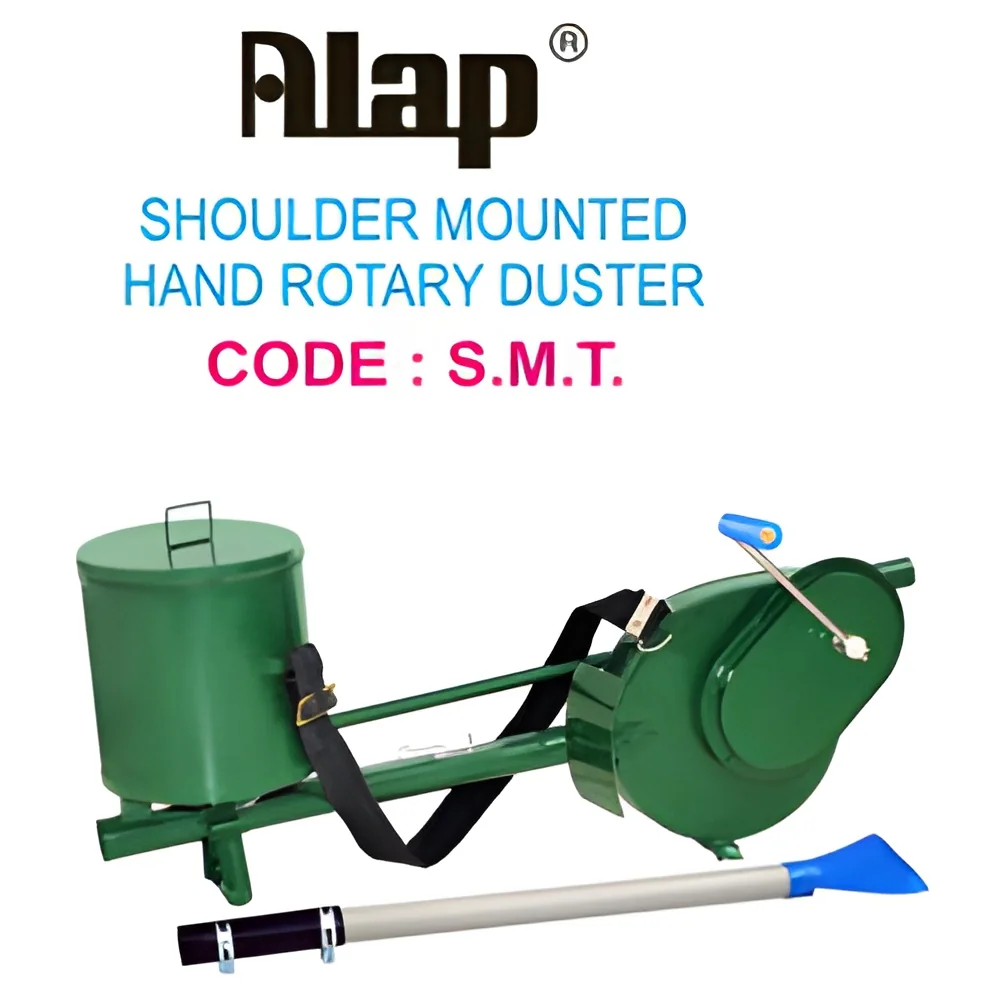
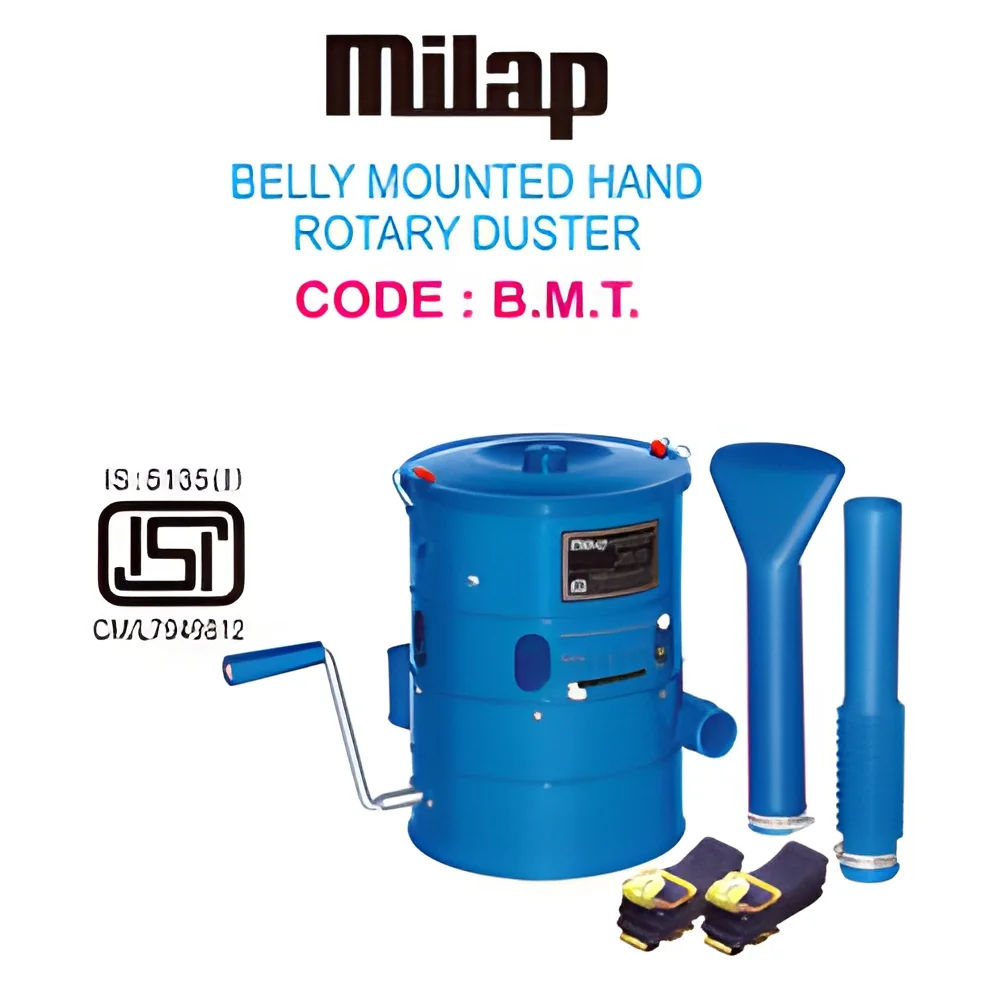
Motorized Dusters: These advanced cleaning devices use electric power to enhance dust removal efficiency. They typically come with features like rotating brushes or suction capabilities, making them suitable for larger spaces and more demanding cleaning tasks.
Benefits and Advantages
Dusters provide numerous advantages for businesses seeking efficient cleaning solutions.
1. Improved Cleanliness: Regular use of dusters helps maintain a clean environment, reducing allergens and enhancing overall hygiene.
2. Time Efficiency: Motorized dusters significantly reduce cleaning time, allowing staff to focus on other essential tasks.
3. Versatility: Dusters are suitable for a wide range of surfaces, making them ideal for various applications across different industries.
4. Cost-Effectiveness: Maintaining cleanliness with dusters can prevent costly repairs and replacements of equipment due to dust accumulation.
5. Enhanced Employee Productivity: A clean workspace contributes to improved employee morale and productivity.
6. Easy Maintenance: Many dusters are designed for easy cleaning and maintenance, ensuring longevity and consistent performance.
Buying Guide for B2B Buyers
When sourcing dusters, businesses should consider several key factors to ensure they select the right products.
1. Quality Assessment: Evaluate the quality of materials and construction to ensure durability and effectiveness in cleaning tasks.
2. Supplier Verification: Vet potential suppliers by checking reviews, certifications, and their history in the industry to ensure reliability.
3. Pricing and MOQ: Understand the cost implications, including minimum order quantities, to align purchases with budget constraints.
4. Delivery and Lead Times: Inquire about logistics and delivery times to ensure timely availability of products for cleaning operations.
5. Compliance Requirements: Ensure that the dusters meet relevant industry regulations and safety standards for compliance.
Compliance and Certifications
Dusters must adhere to several quality standards and certifications to ensure they meet industry requirements.
ISO 9001: This standard outlines the criteria for a quality management system, ensuring manufacturers maintain high-quality production processes.
CE Certification: This certification indicates that the product meets European health, safety, and environmental protection standards, making it suitable for the European market.
Safety and Testing Requirements: Dusters should undergo rigorous testing to ensure they are safe for use in various environments, particularly in sensitive areas like healthcare.
Regional Compliance Considerations: Businesses should be aware of local regulations and compliance requirements that may affect their cleaning products, ensuring they are suitable for specific markets.
Why Source Dusters (Manual & Motorized) from Pepagora?
Pepagora is a trusted platform for sourcing dusters, offering several key advantages for B2B buyers.
Verified Supplier Network: Pepagora rigorously verifies suppliers, ensuring that buyers have access to reliable and high-quality products. This vetting process helps businesses make informed purchasing decisions.
Streamlined RFQ Process: The request for quotation (RFQ) system simplifies the sourcing process, allowing buyers to easily compare options and select the best fit for their needs.
Trade Assurance and Support: Pepagora provides buyer protection through trade assurance, ensuring that transactions are secure and that buyers receive the products as promised.
Regional Coverage: With a strong presence in India, the GCC region, and Southeast Asia, Pepagora offers extensive geographic reach, making it easier for businesses to source dusters tailored to their operational requirements.

 IN
IN