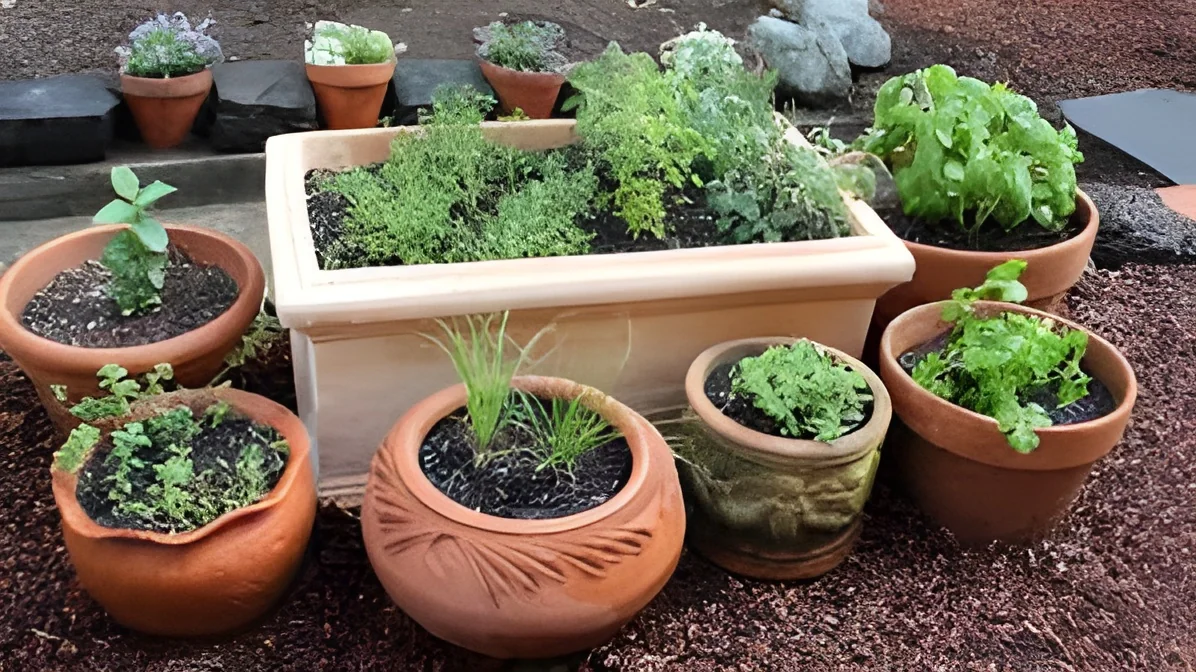
What are Vegetable Planters?
Vegetable planters are specialized containers designed for cultivating plants, particularly vegetables, in a controlled environment. They come in various shapes, sizes, and materials, allowing growers to optimize their growing conditions. These planters can be used in various settings, including gardens, farms, and urban spaces, providing a solution for growers with limited land or specific agricultural needs.
The primary applications of vegetable planters extend to commercial agriculture, community gardening, and individual home gardening. Businesses can use these planters to maximize space and increase crop yield, while community gardens utilize them for educational purposes and local food production. The market for vegetable planters has seen growth due to rising interest in sustainable practices, urban gardening, and the need for efficient food production systems.
Industry relevance is significant as vegetable planters play a crucial role in modern agriculture. They support the trend toward local food sourcing and organic farming, addressing the challenges posed by urbanization and climate change. As the demand for fresh produce increases, particularly in densely populated areas, vegetable planters provide an essential tool for growers to meet consumer needs effectively.
Key Features and Specifications
Vegetable planters are designed with various features and specifications to cater to different gardening needs. Their design often focuses on durability, usability, and efficiency in plant growth. Understanding these specifications is crucial for making informed purchasing decisions.
Key specifications include:
1. Material Type
- Vegetable planters can be made from plastic, metal, wood, or biodegradable materials.
- Each material offers different benefits in terms of durability, insulation, and environmental impact.
2. Size and Capacity
- Planters come in various sizes, from small pots to large raised beds.
- Size determines the number of plants that can be grown and the space required for placement.
3. Drainage System
- Effective drainage is essential to prevent waterlogging and root rot.
- Planters are designed with drainage holes or built-in systems to maintain optimal moisture levels.
4. Mobility Features
- Some planters are equipped with wheels or lightweight designs for easy movement.
- Mobility allows for flexible placement and better sunlight exposure.
5. Customization Options
- Many manufacturers offer customization in terms of color, size, and additional features.
- Customization enables businesses to align planters with branding or specific environmental needs.
6. UV Resistance
- Planters made from UV-resistant materials can withstand prolonged exposure to sunlight.
- This feature extends the planter's lifespan and maintains its structural integrity.
7. Insulation Properties
- Insulated planters can help regulate soil temperature.
- This feature is important for promoting healthy plant growth in varying climates.
In summary, understanding the key features and specifications of vegetable planters allows buyers to select the most suitable options for their specific gardening needs.
Common Applications and Use Cases
Vegetable planters find diverse applications across various industries, enhancing food production and gardening practices.
1. Agriculture: Commercial farms use vegetable planters to grow crops efficiently, maximizing space and yield while maintaining quality.
2. Urban Gardening: In densely populated areas, vegetable planters enable city dwellers to grow their food in small spaces, promoting sustainability and self-sufficiency.
3. Educational Institutions: Schools and community centers utilize vegetable planters in gardening programs to teach children about agriculture and nutrition.
4. Landscaping: Landscapers incorporate vegetable planters into designs for residential and public spaces, blending aesthetics with functionality.
5. Restaurants: Some restaurants use vegetable planters for on-site herb and vegetable production, ensuring fresh ingredients for their menus.
6. Horticulture Therapy: Vegetable planters are used in therapeutic settings to aid in mental health recovery through gardening activities.
7. Non-Profit Initiatives: Organizations promote community welfare by providing vegetable planters to underserved areas, enhancing food security.
Product Variants and Subcategories
Vegetable planters come in various forms, each designed to meet specific needs and preferences.
Raised Garden Beds
Raised garden beds provide ample growing space while improving soil drainage and aeration. They are ideal for larger vegetable gardens and can accommodate a wide variety of plants.
Vertical Planters
Vertical planters maximize space by allowing plants to grow upwards. They are perfect for small areas and urban settings, enabling the cultivation of vegetables in limited spaces.
Window Boxes
Window boxes are designed for small-scale gardening, often placed on windowsills or balconies. They provide an aesthetic touch while allowing for easy access to freshly grown vegetables.
Self-Watering Planters
Self-watering planters feature built-in reservoirs that supply consistent moisture to plants. This reduces the frequency of watering and is beneficial for busy gardeners.
Benefits and Advantages
Investing in vegetable planters offers numerous benefits for businesses and individual gardeners alike.
Key benefits include:
1. Space Efficiency: Vegetable planters allow for optimal use of limited space, making them suitable for urban gardening and small plots.
2. Improved Yield: Properly designed planters can enhance plant growth conditions, leading to higher crop yields.
3. Versatility: Vegetable planters can accommodate a wide range of vegetables, herbs, and flowers, allowing for diverse gardening options.
4. Accessibility: Elevated planters make gardening accessible for individuals with limited mobility, providing easier access to plants.
5. Environmental Control: Planters help regulate soil moisture and temperature, promoting healthier plant growth.
6. Aesthetic Appeal: Stylish designs of vegetable planters can enhance the visual appeal of gardens and outdoor spaces.
Buying Guide for B2B Buyers
When sourcing vegetable planters for business purposes, there are several critical factors to consider to ensure a successful purchase.
1. Quality Assessment: Evaluate the materials and construction of the planters to ensure they meet durability and performance standards.
2. Supplier Verification: Conduct thorough research on potential suppliers. Check for reviews, ratings, and certifications to ensure reliability.
3. Pricing and MOQ: Understand the pricing structure and minimum order quantities (MOQ) required by suppliers. This will assist in budgeting and planning.
4. Delivery and Lead Times: Confirm the logistics of delivery, including lead times and shipping options, to align with project schedules.
5. Compliance Requirements: Ensure that the vegetable planters meet relevant industry regulations and standards, such as safety and material specifications.
Compliance and Certifications
Compliance with industry standards is vital for vegetable planters to ensure quality and safety.
Relevant quality standards such as ISO 9001 focus on quality management systems, ensuring that manufacturers maintain consistent product quality.
Industry certifications, like CE marking, indicate compliance with European safety standards, enhancing product credibility in the market.
Safety and testing requirements are essential to guarantee that the materials used in planters are safe for growing food products.
Regional compliance considerations may vary, so it is important to be aware of local regulations regarding materials, safety, and environmental impact.
Why Source Vegetable Planters from Pepagora?
Pepagora provides an efficient and trusted platform for sourcing vegetable planters, benefiting B2B buyers in several ways.
Verified Supplier Network: Pepagora connects buyers with a network of verified suppliers, ensuring that businesses can source high-quality vegetable planters with confidence.
Streamlined RFQ Process: The request for quotation (RFQ) process on Pepagora is designed to be user-friendly, allowing buyers to quickly obtain quotes from multiple suppliers and compare options.
Trade Assurance and Support: Pepagora offers trade assurance, providing protection for buyers throughout the purchasing process. This support ensures that transactions are secure and satisfactory.
Regional Coverage: With a strong presence in India, the GCC, and Southeast Asia, Pepagora facilitates sourcing across diverse geographic regions, making it easier for businesses to meet their specific needs in the vegetable planter market.

 IN
IN