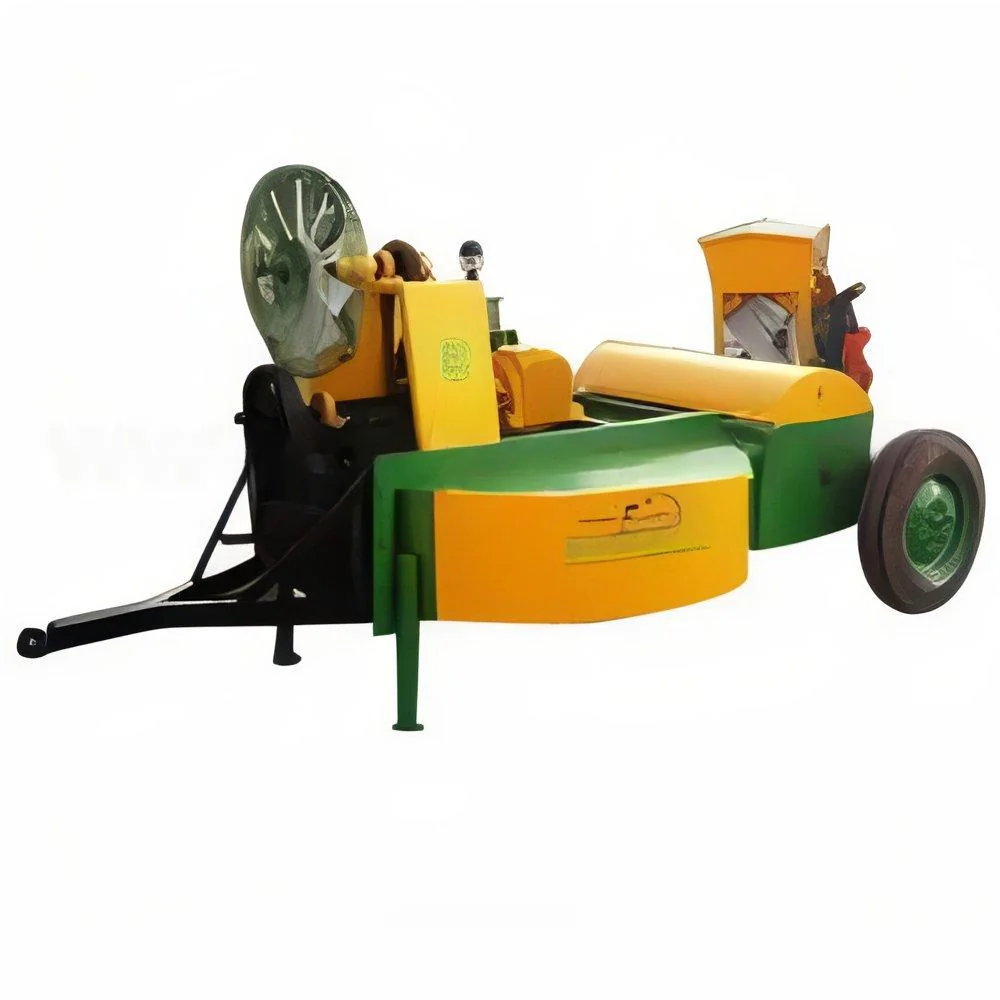
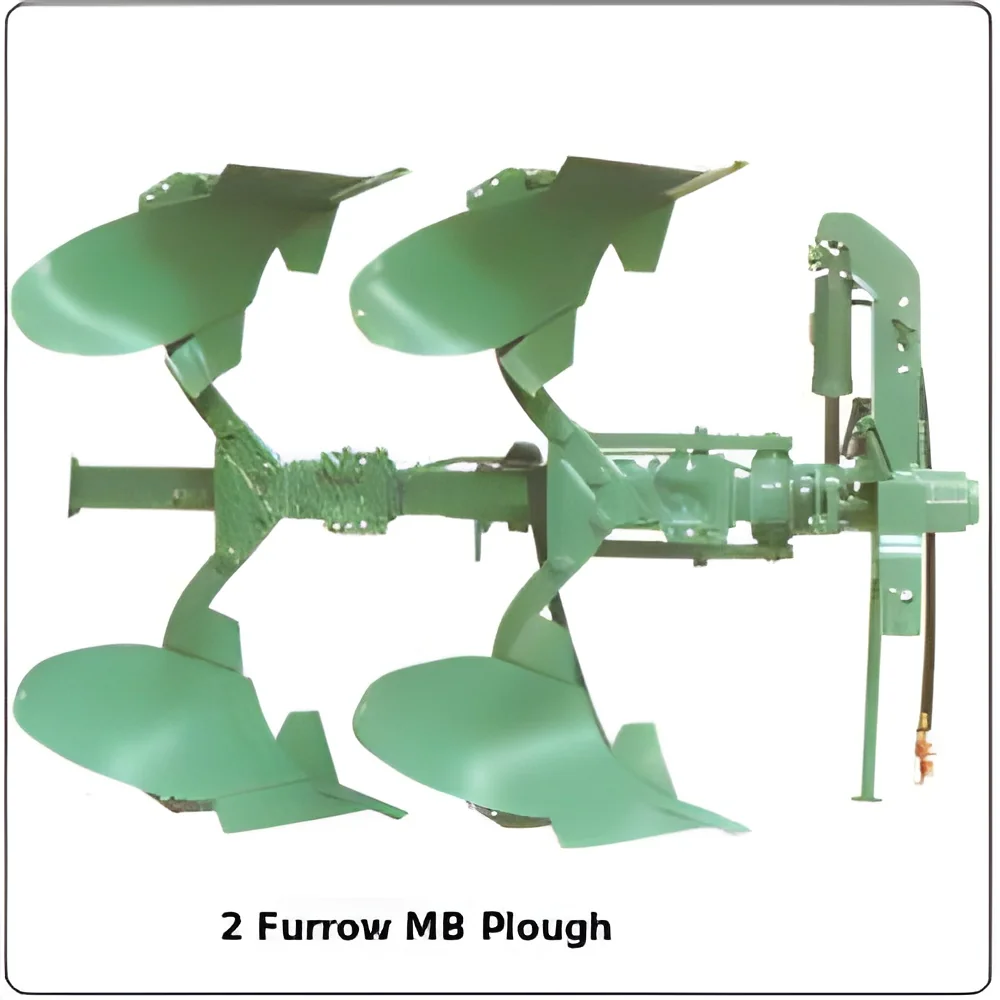
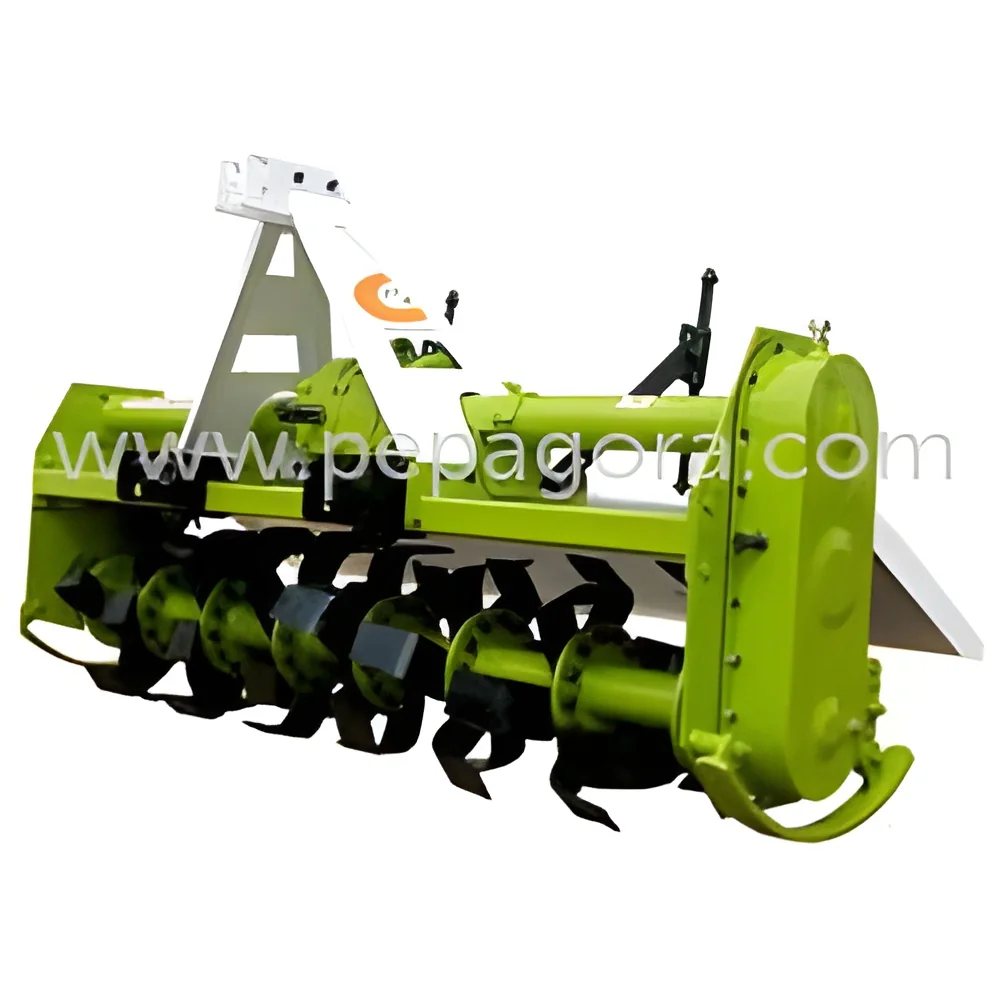
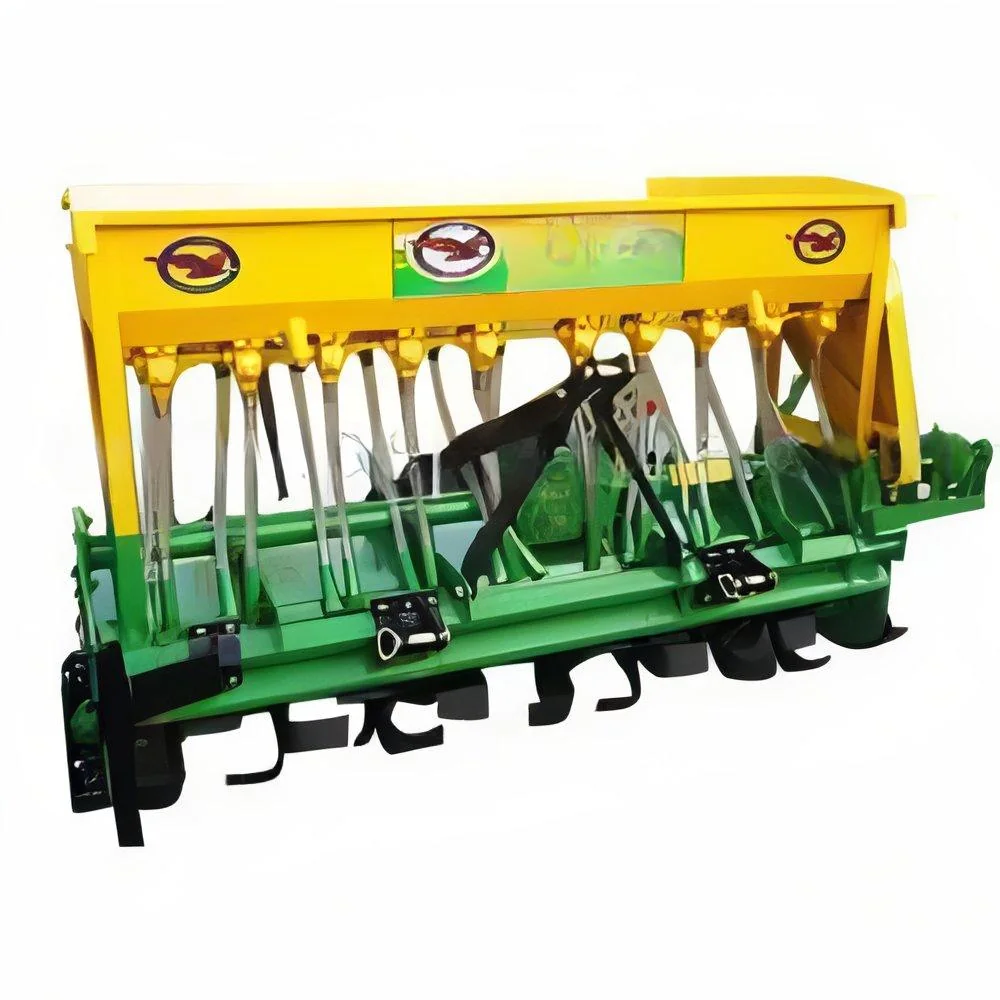
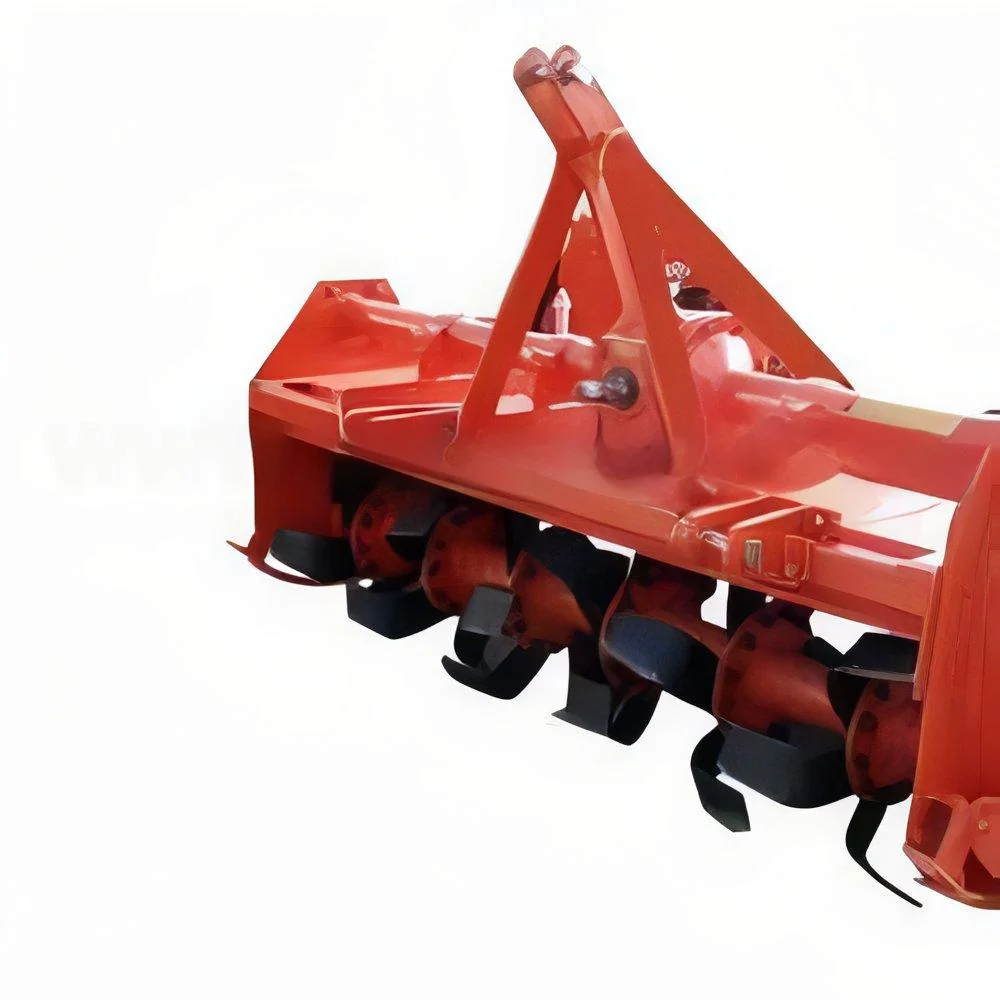
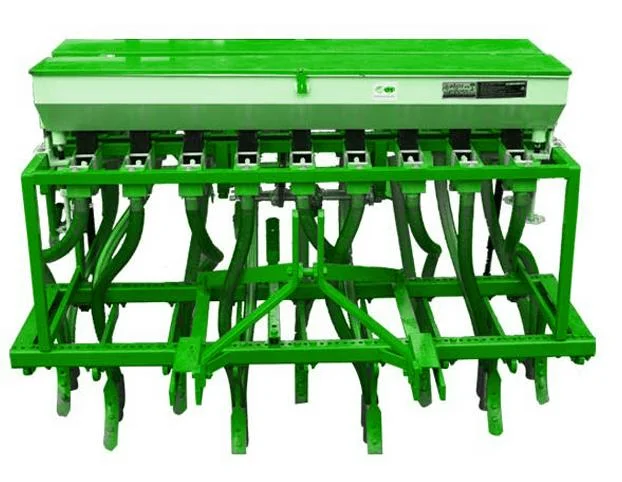
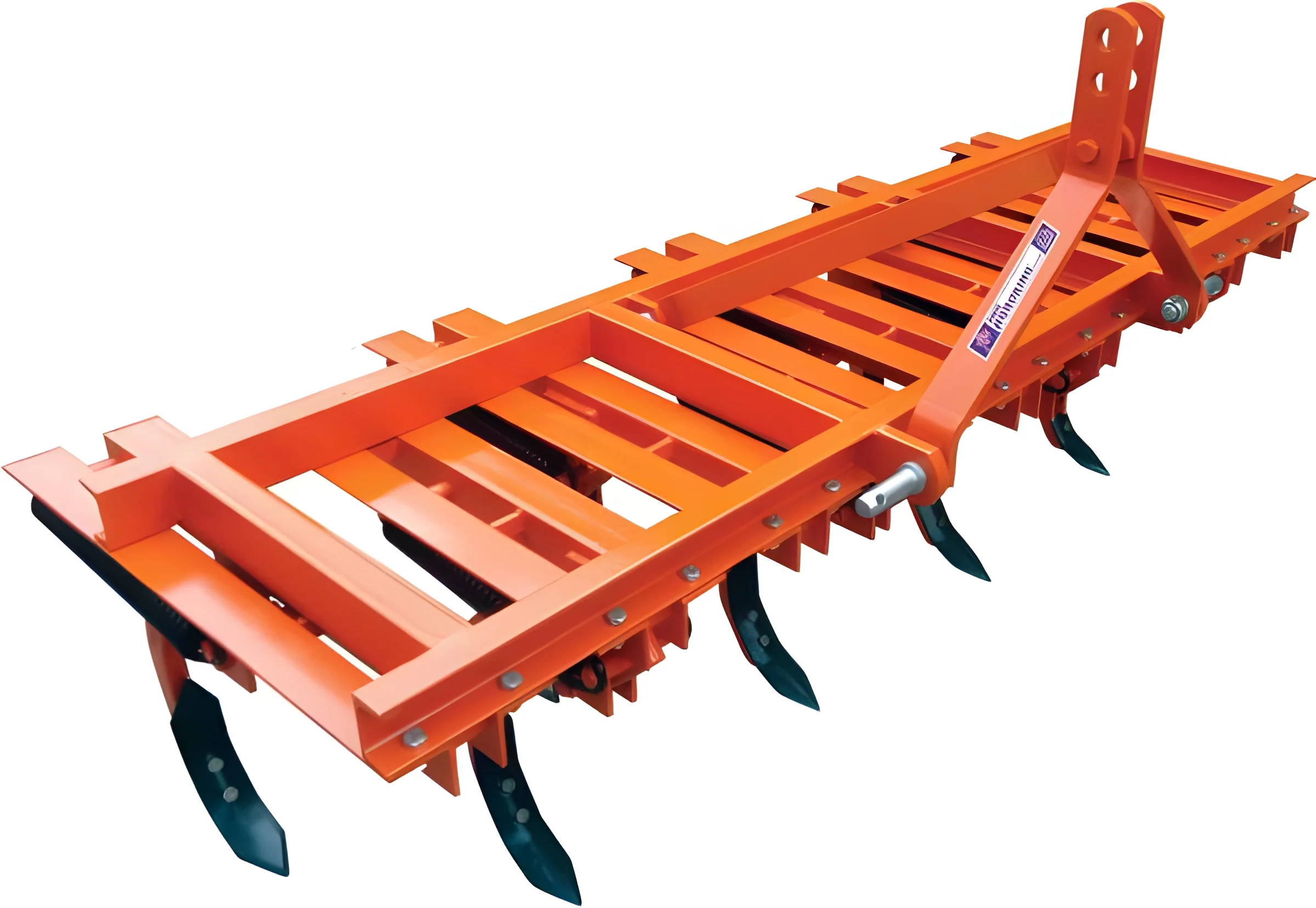
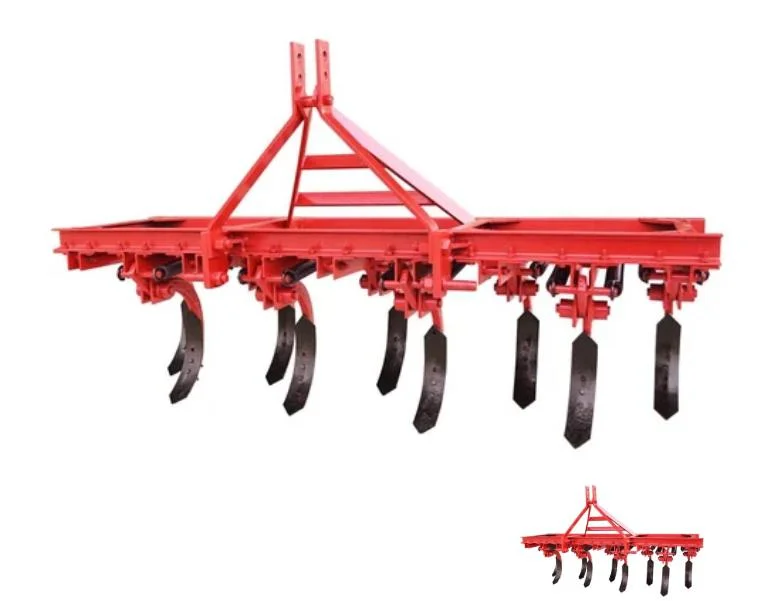
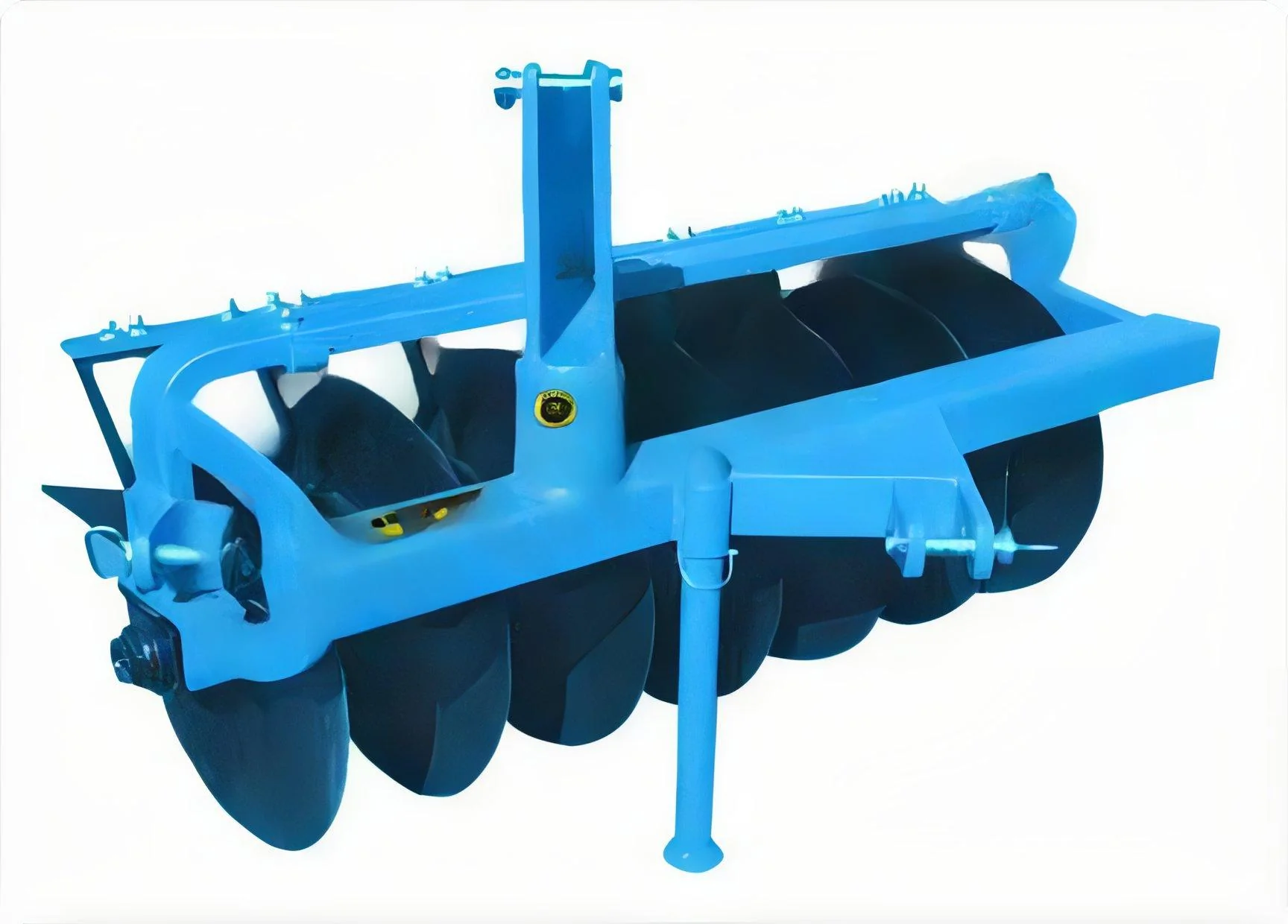
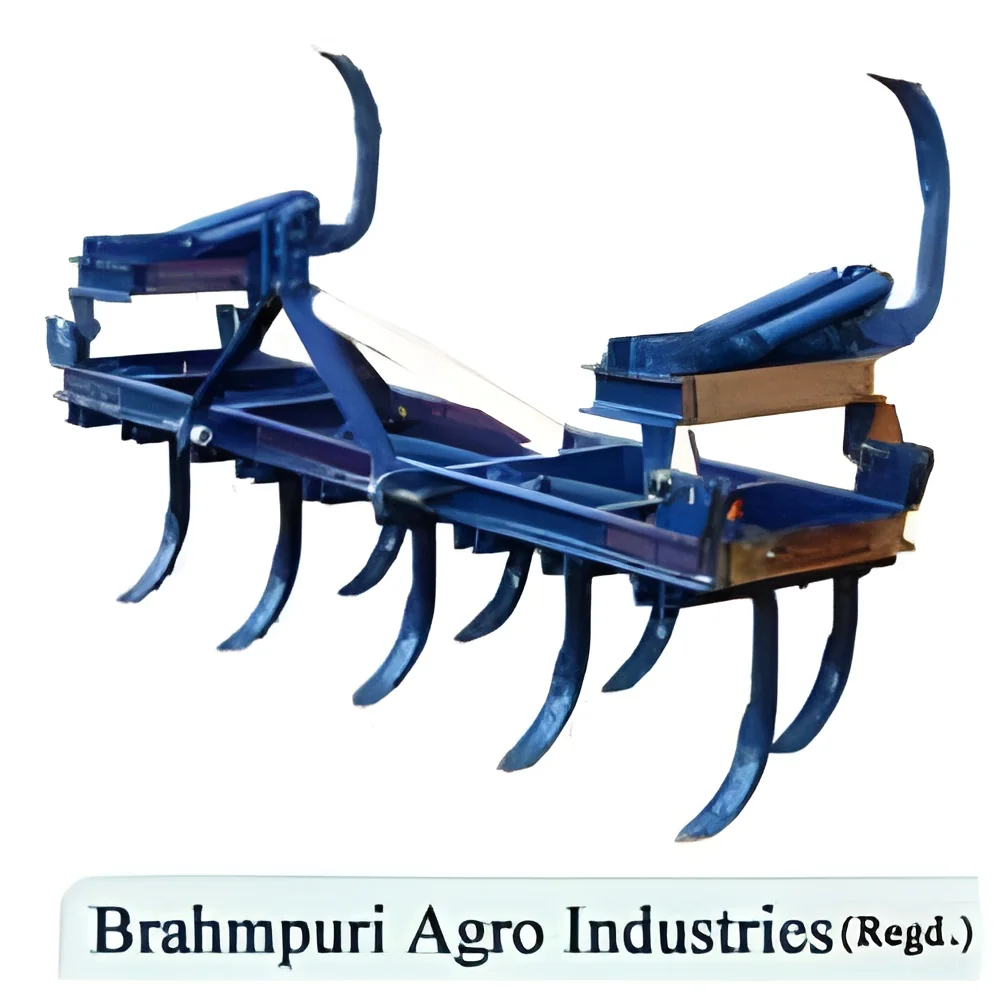
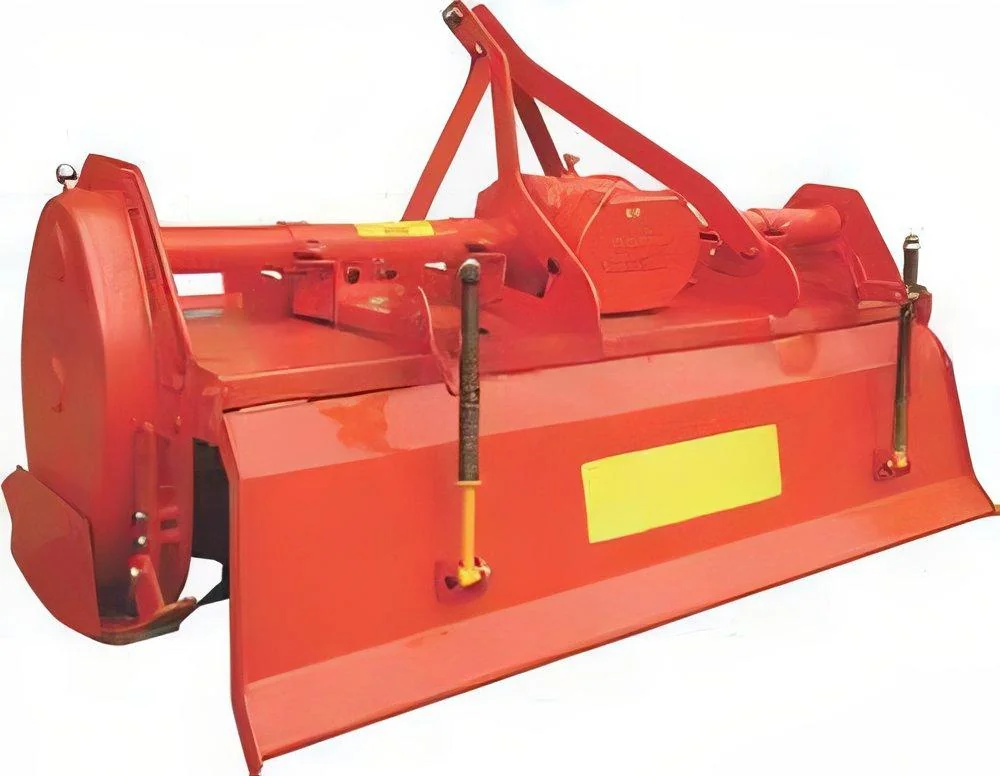
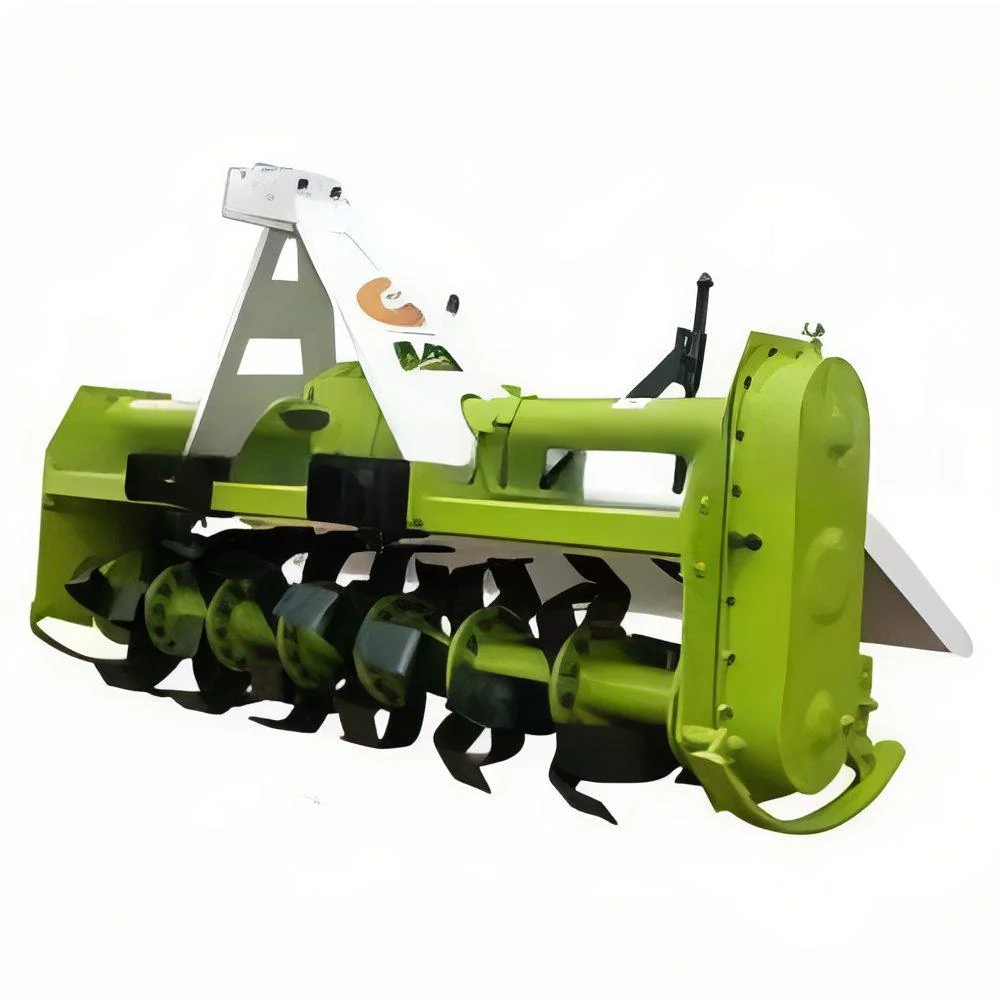
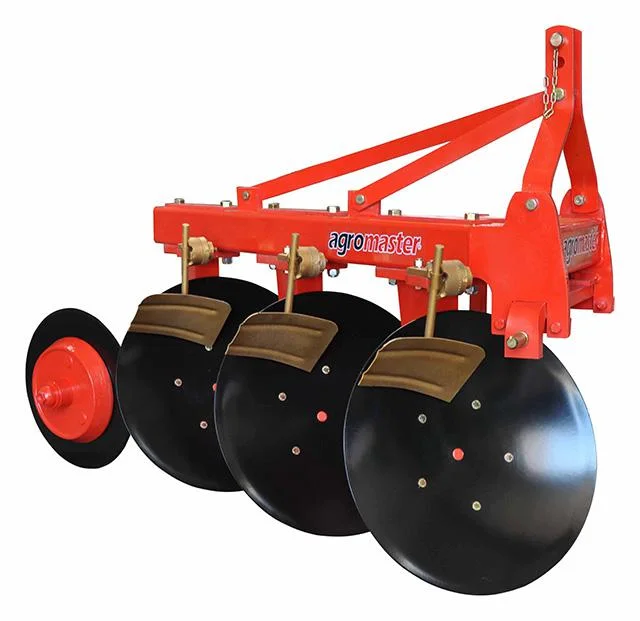
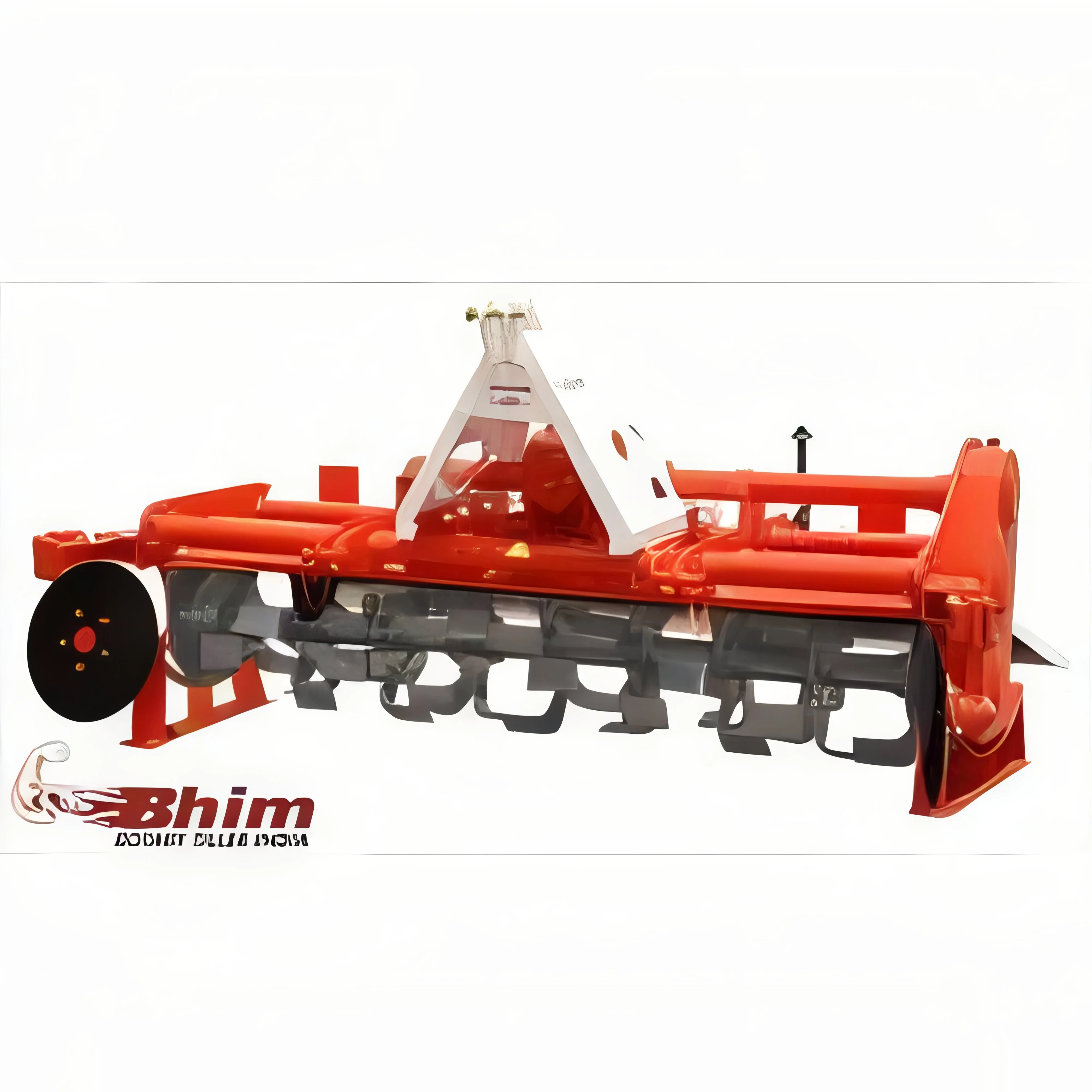
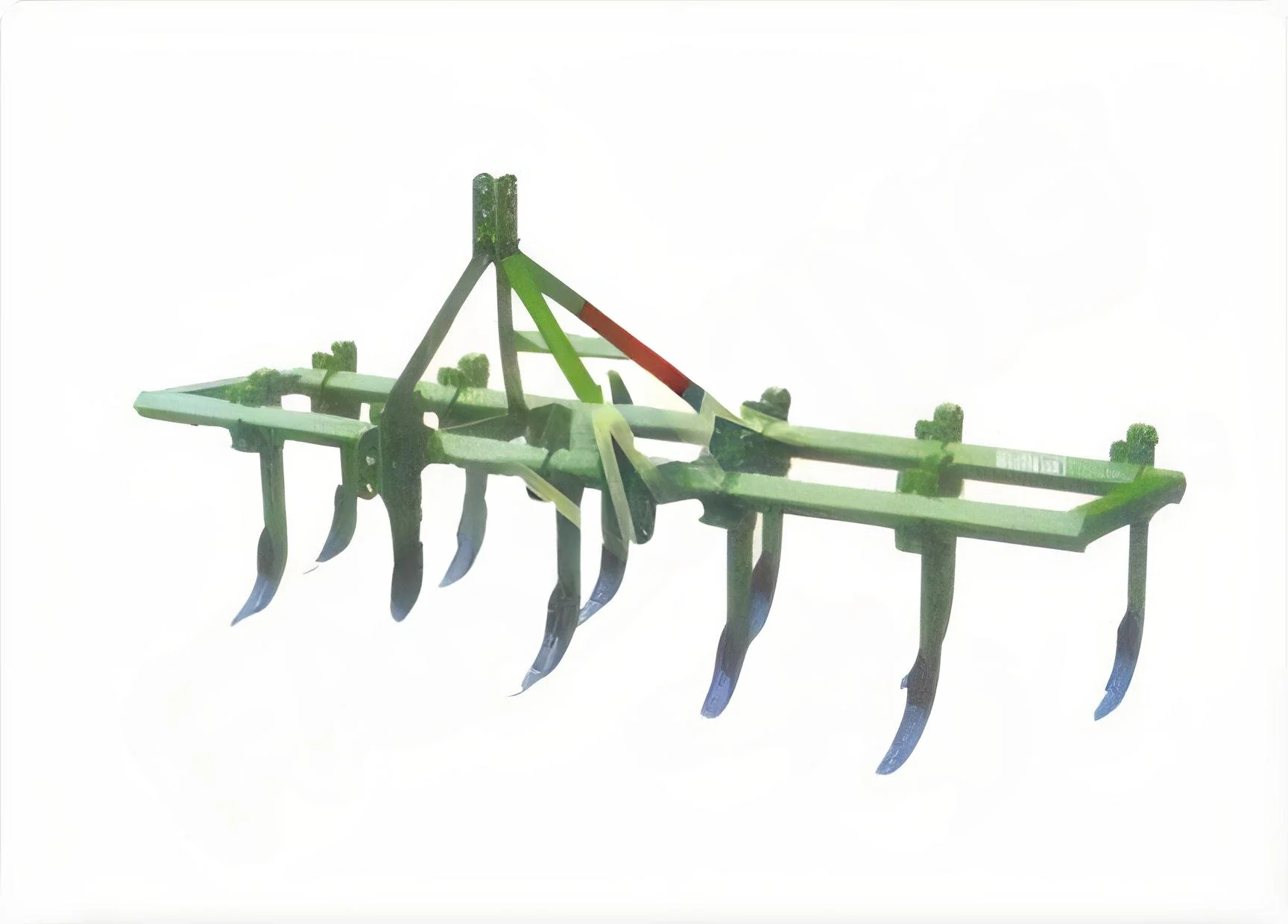
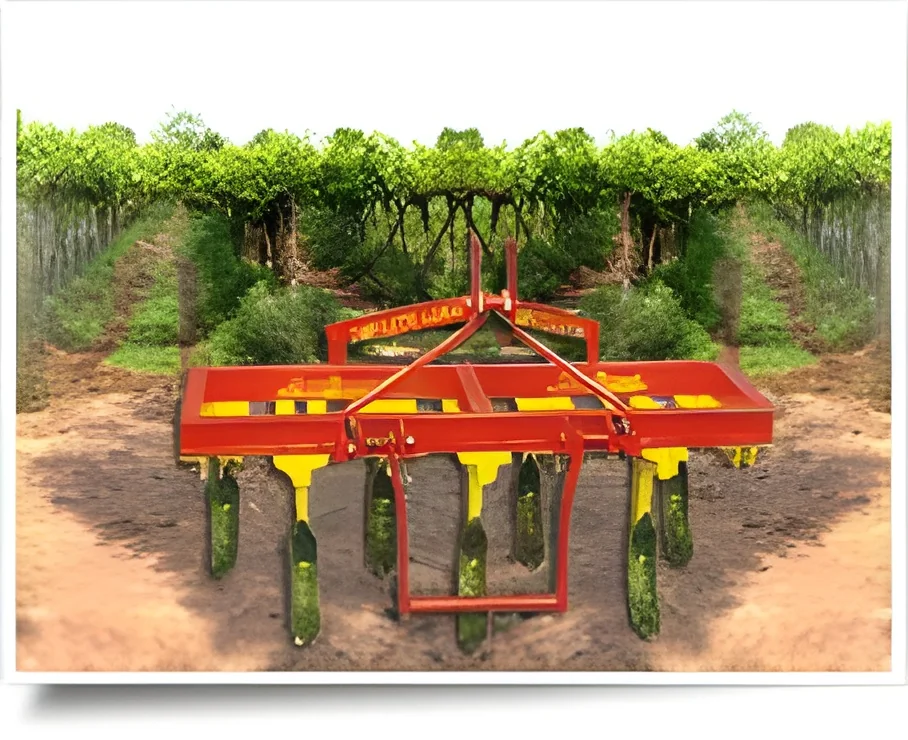
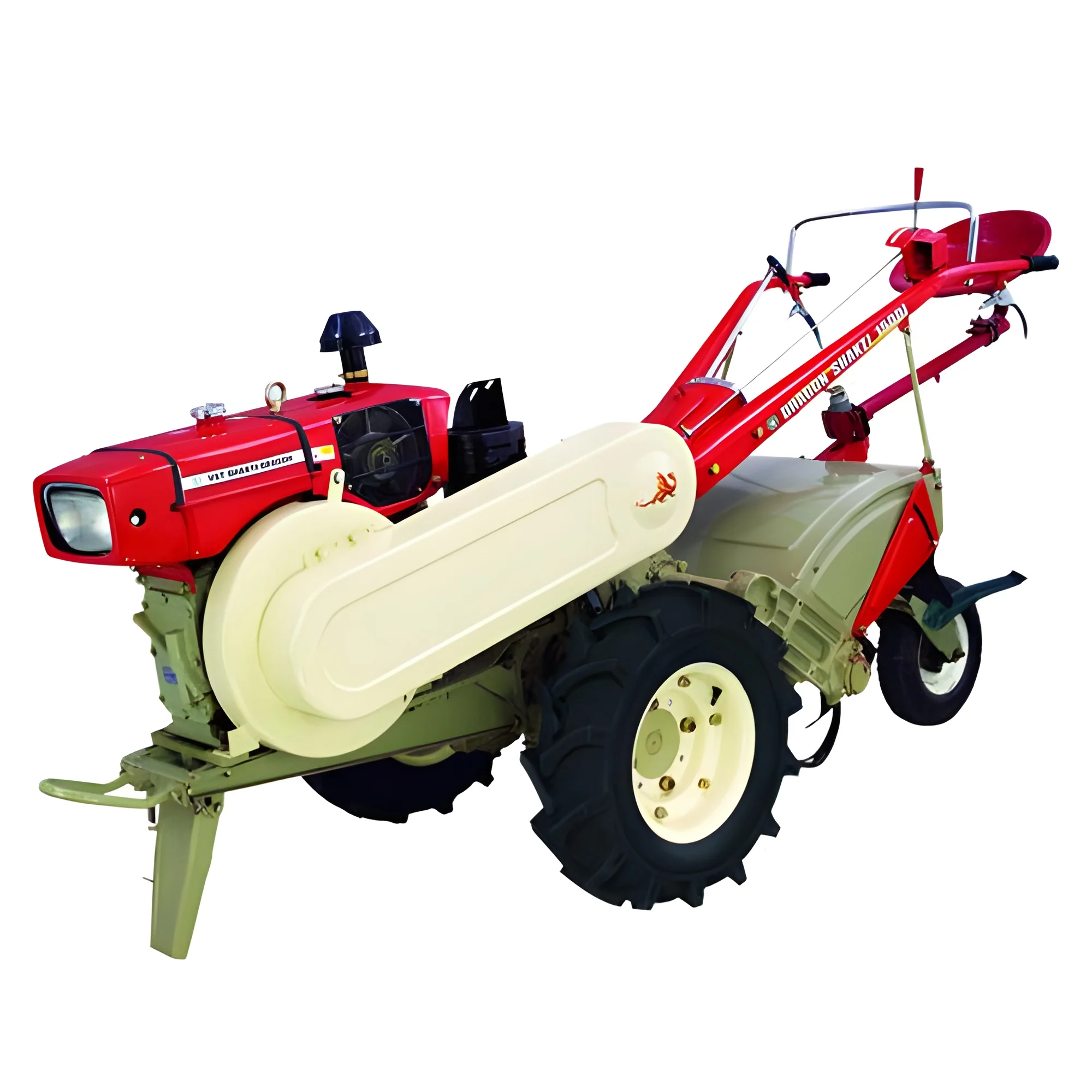
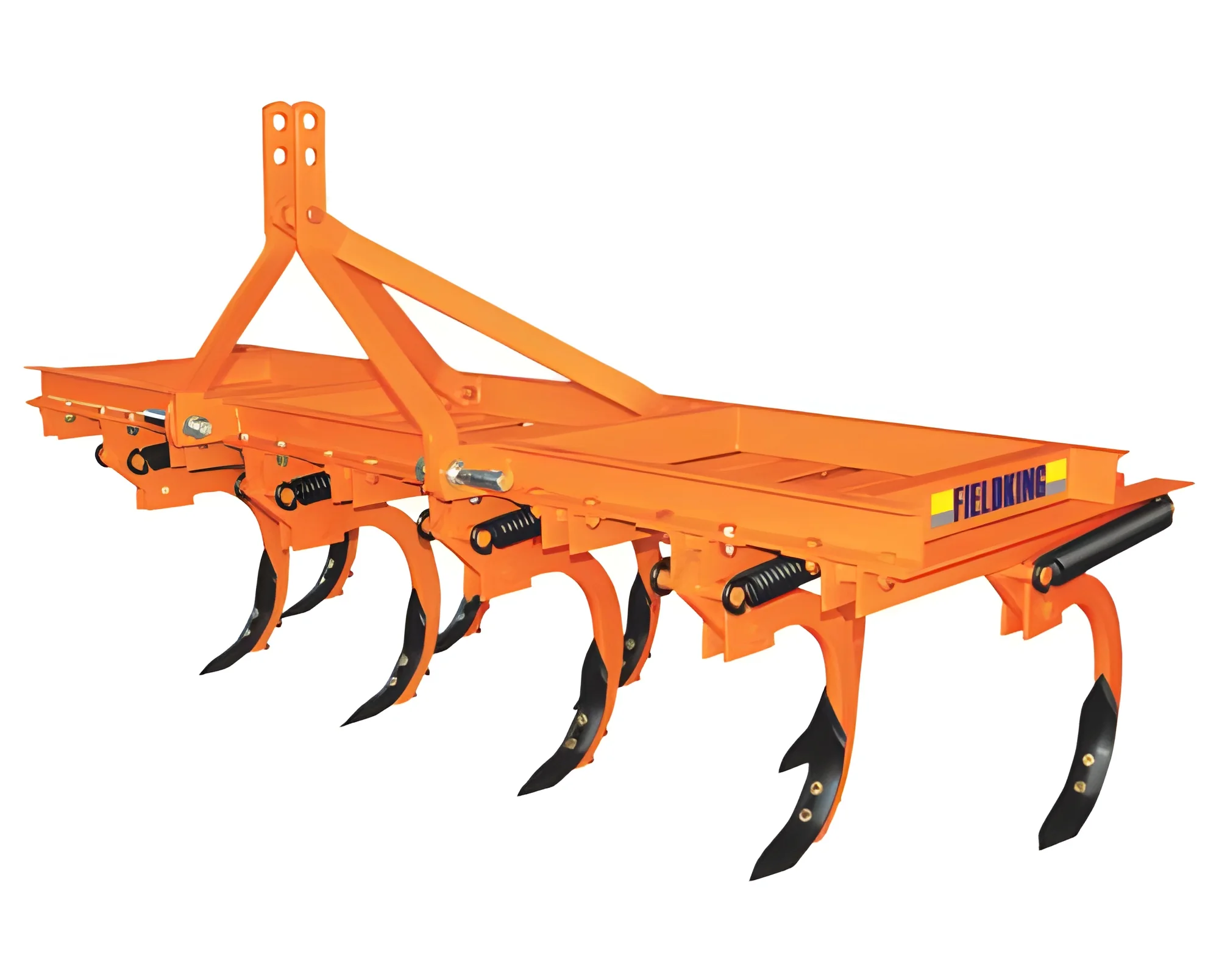
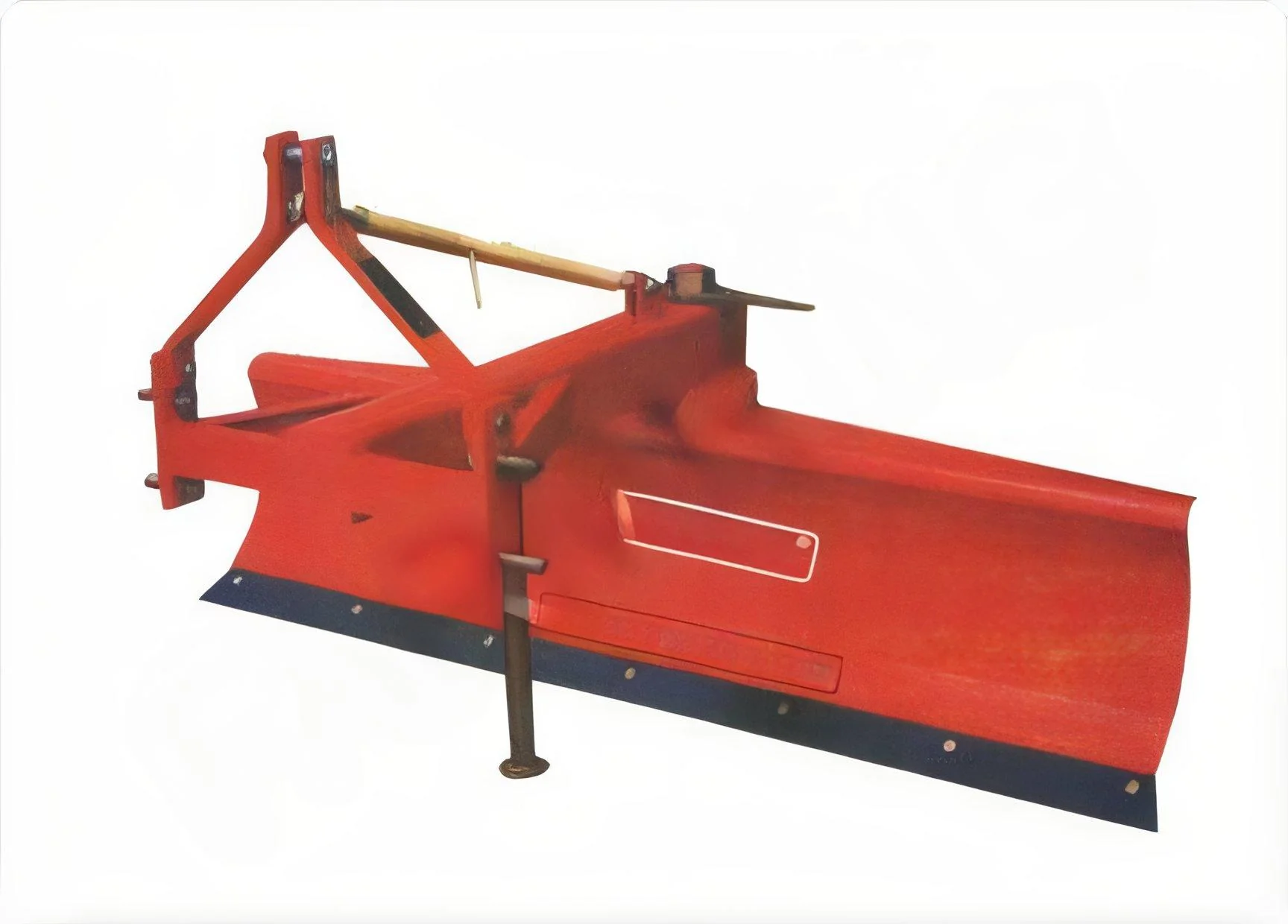
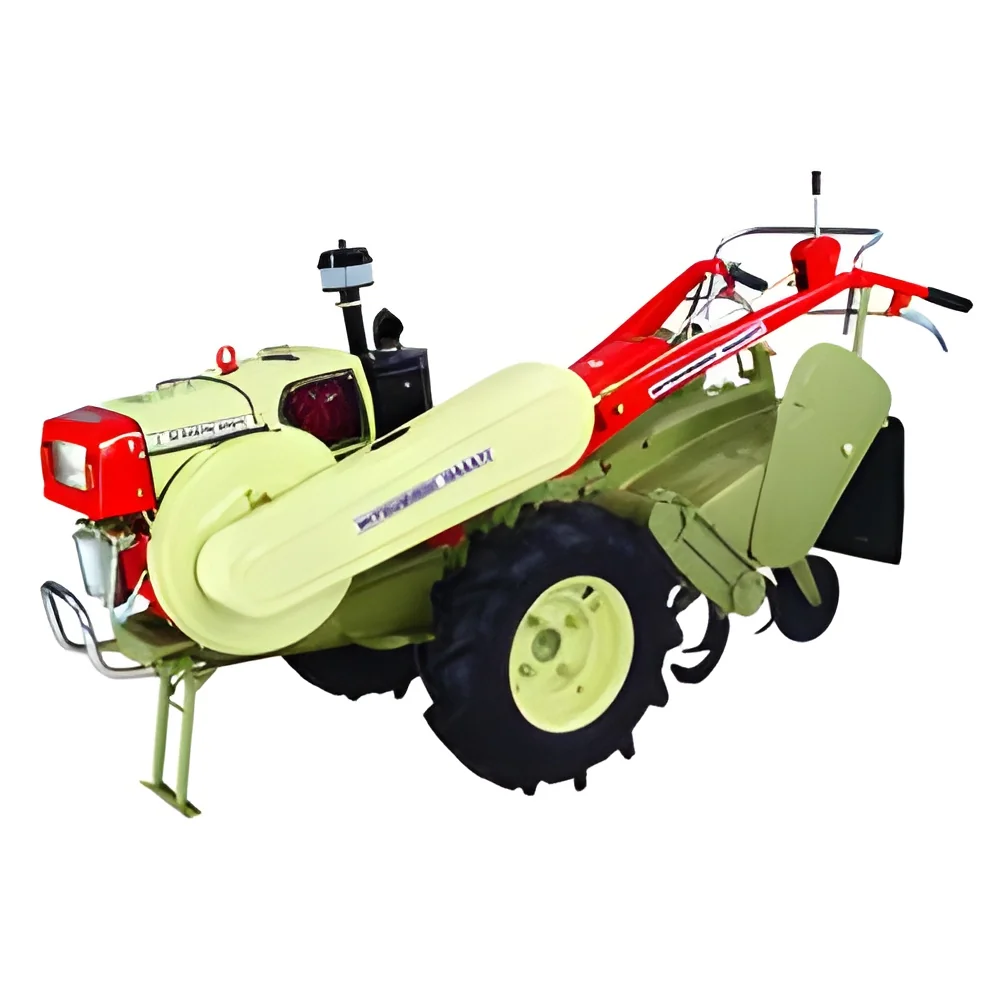
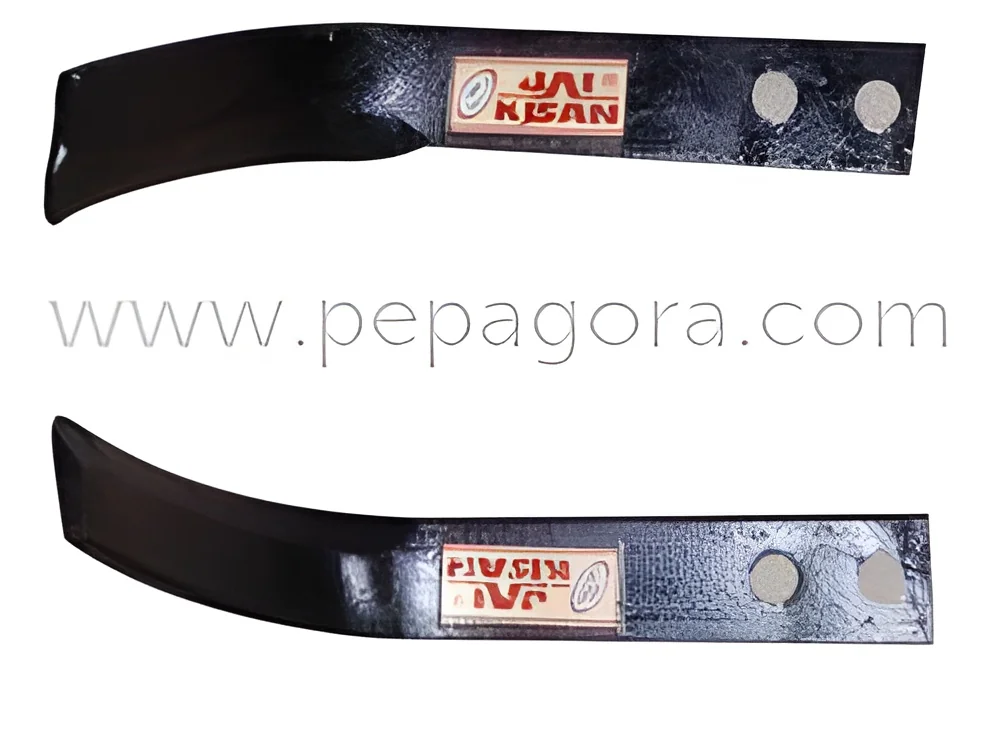
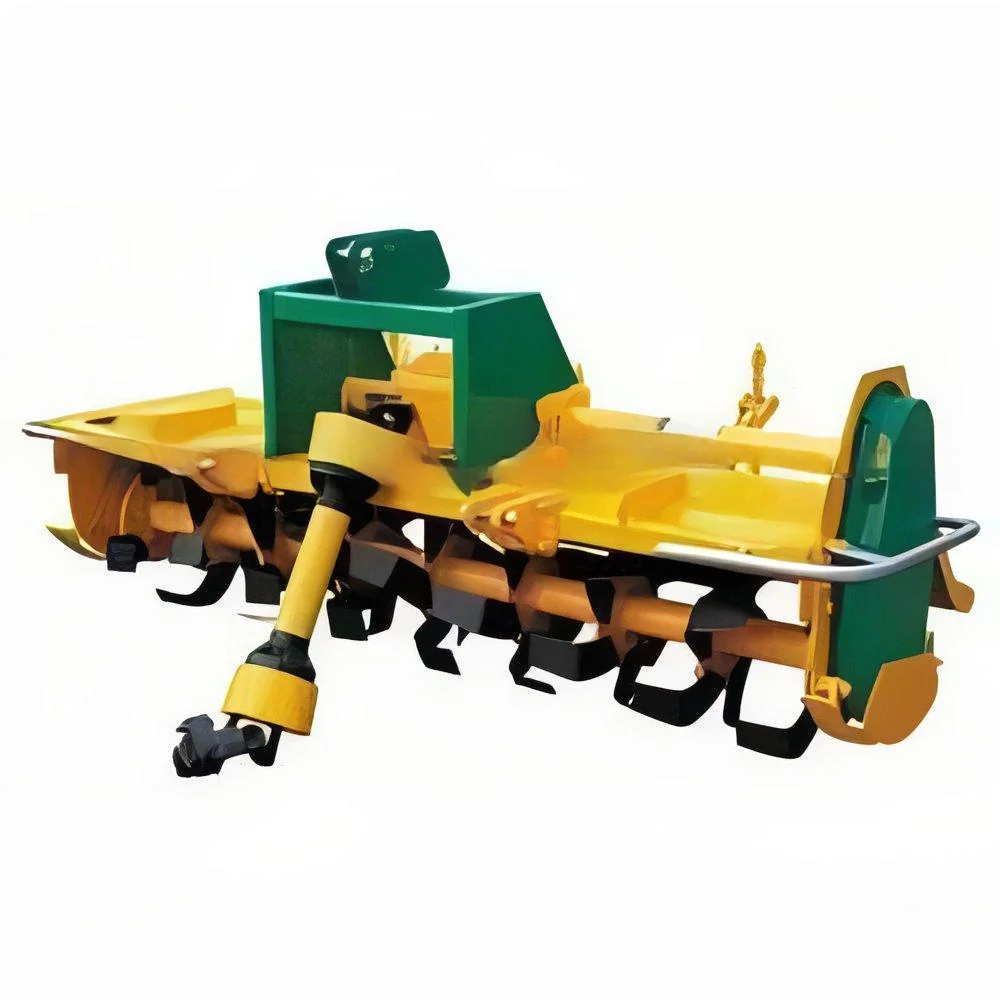
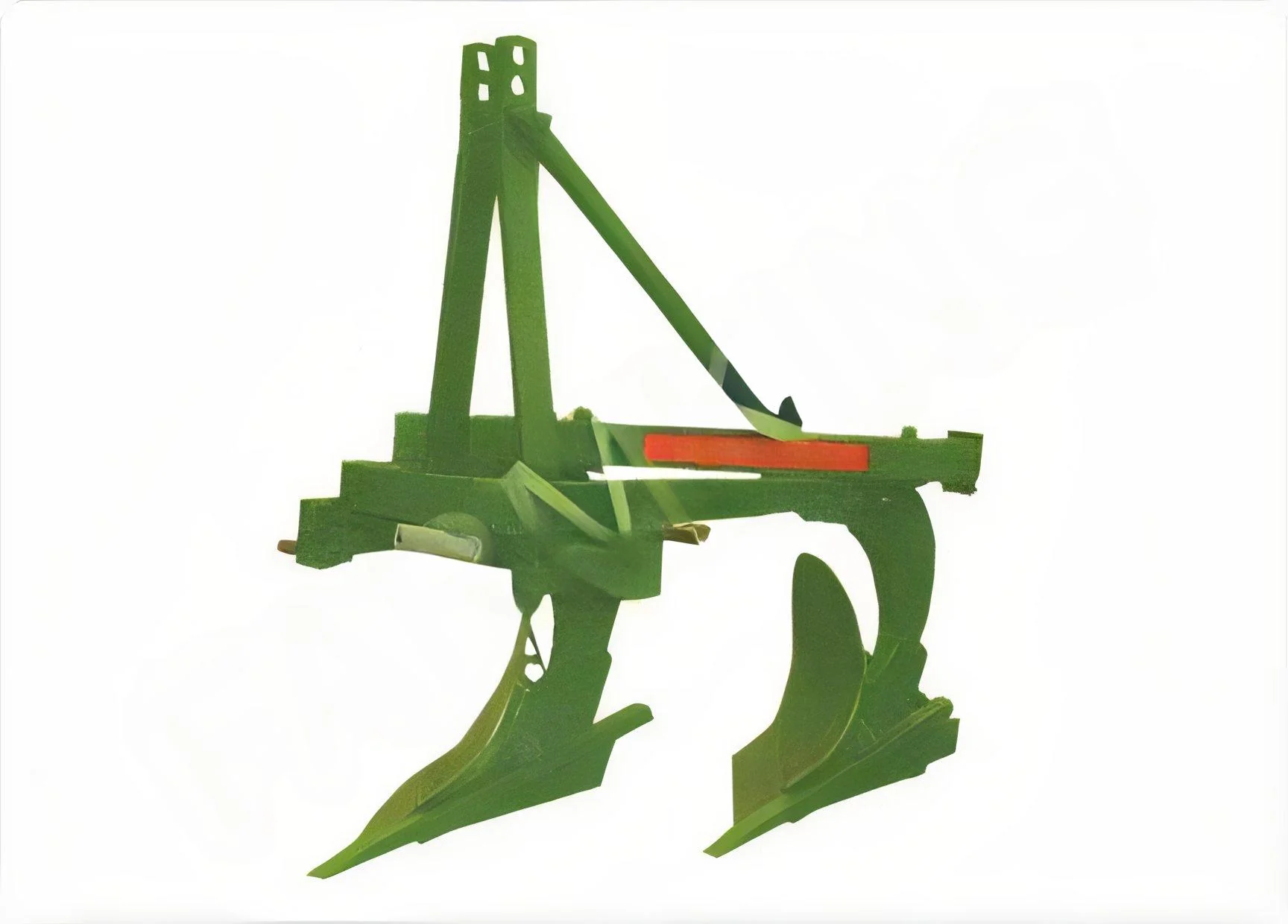
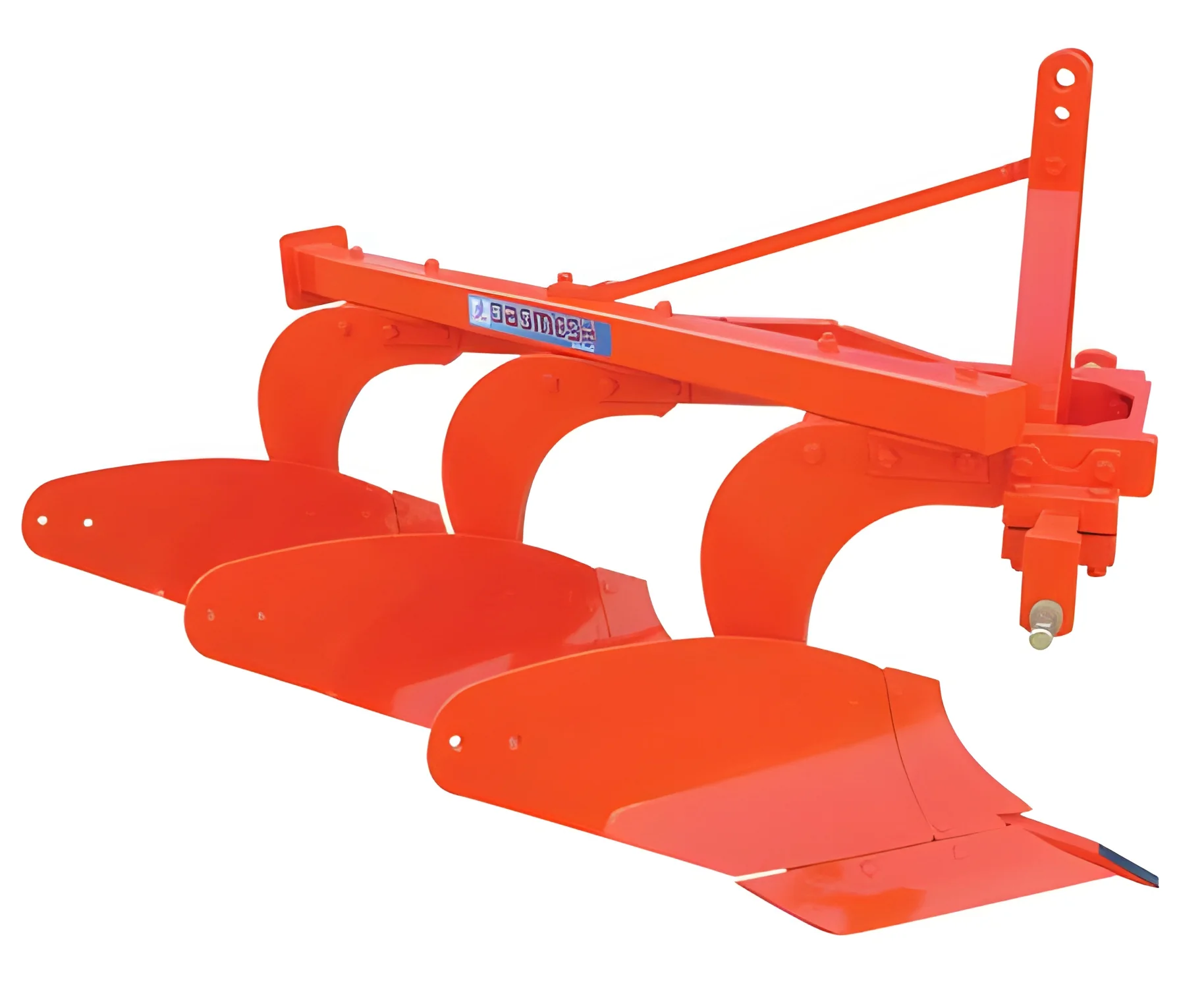
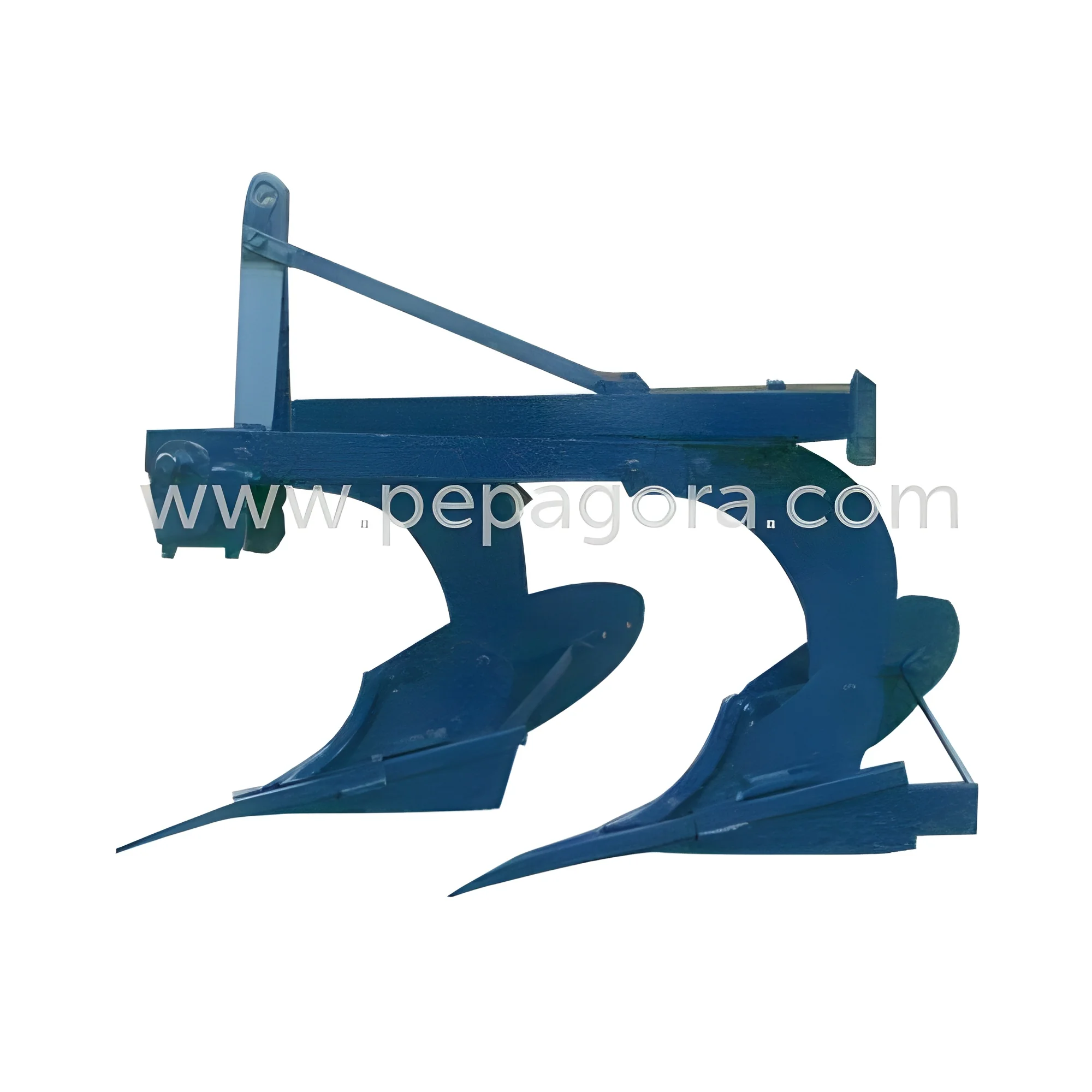
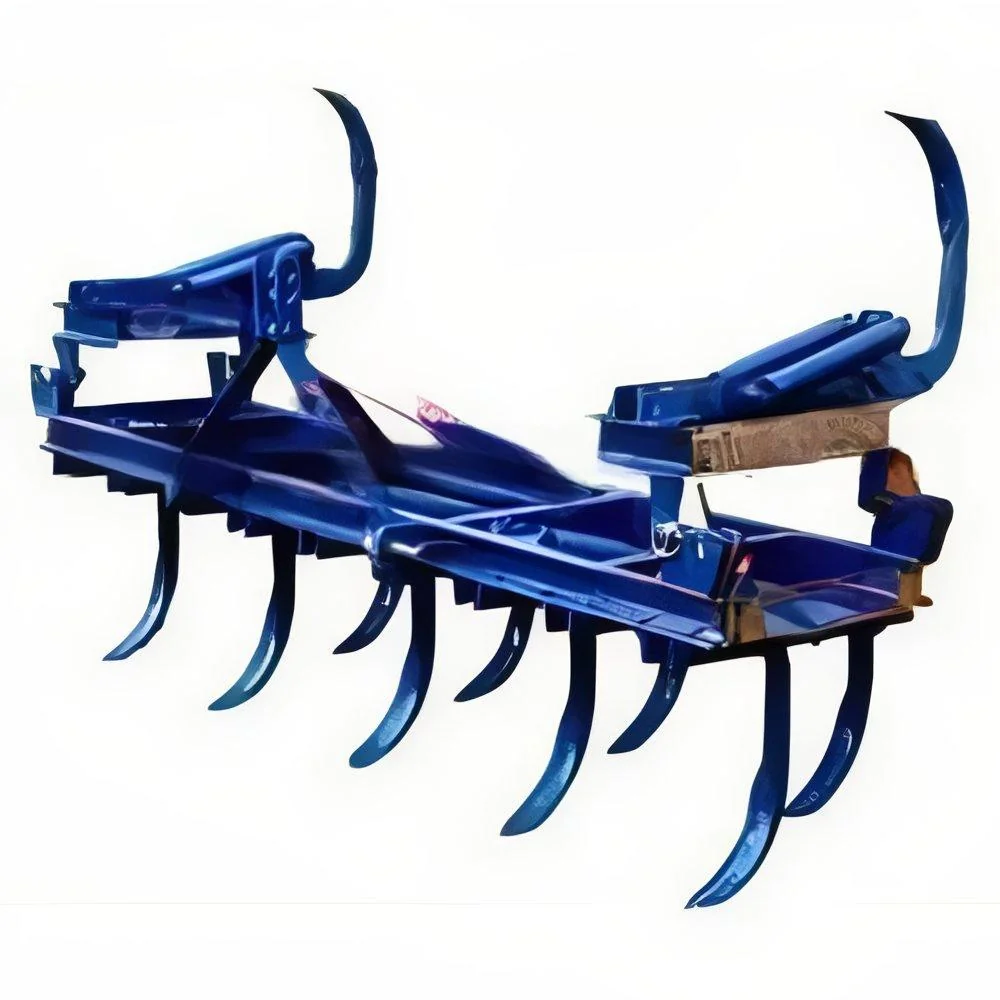
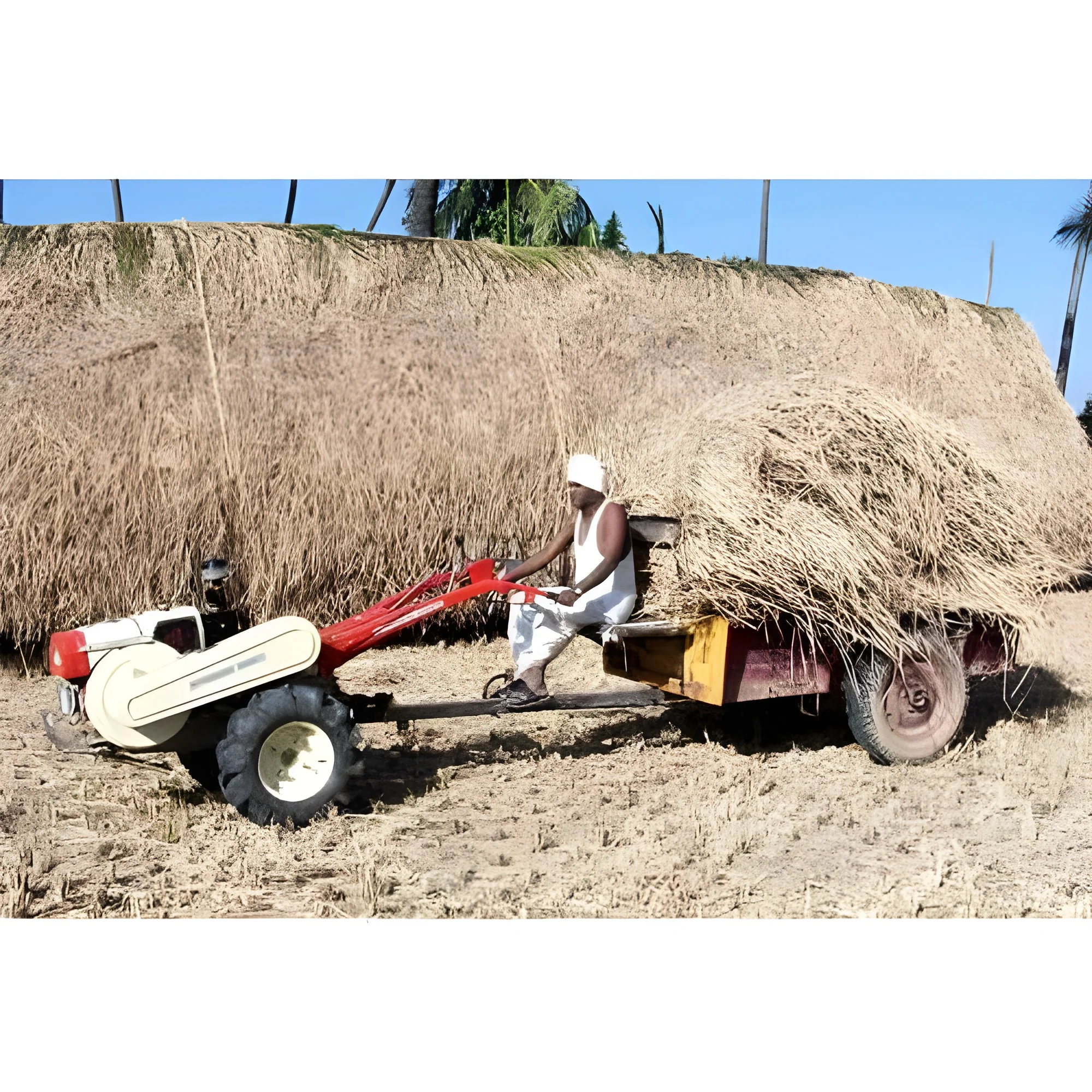
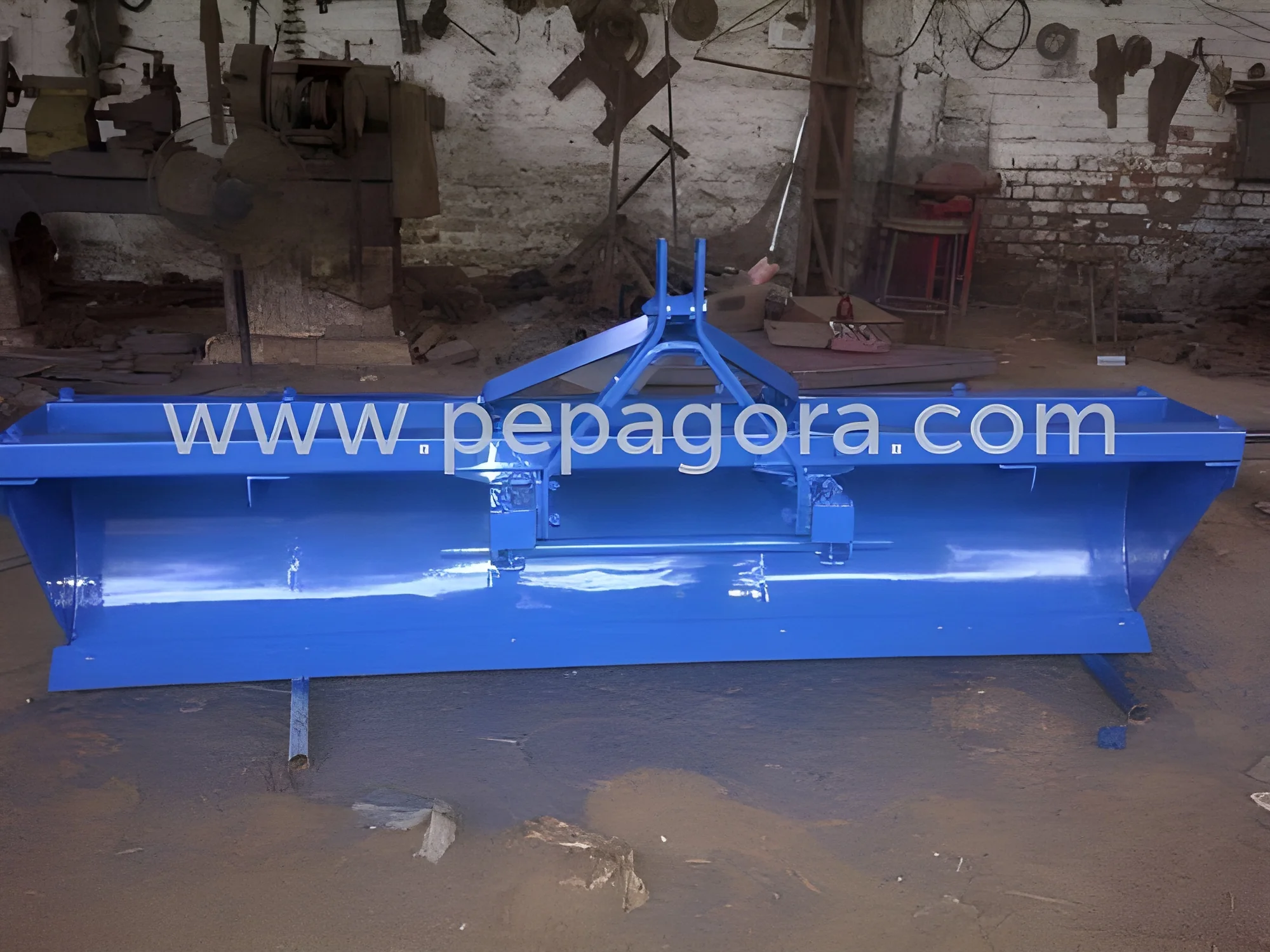
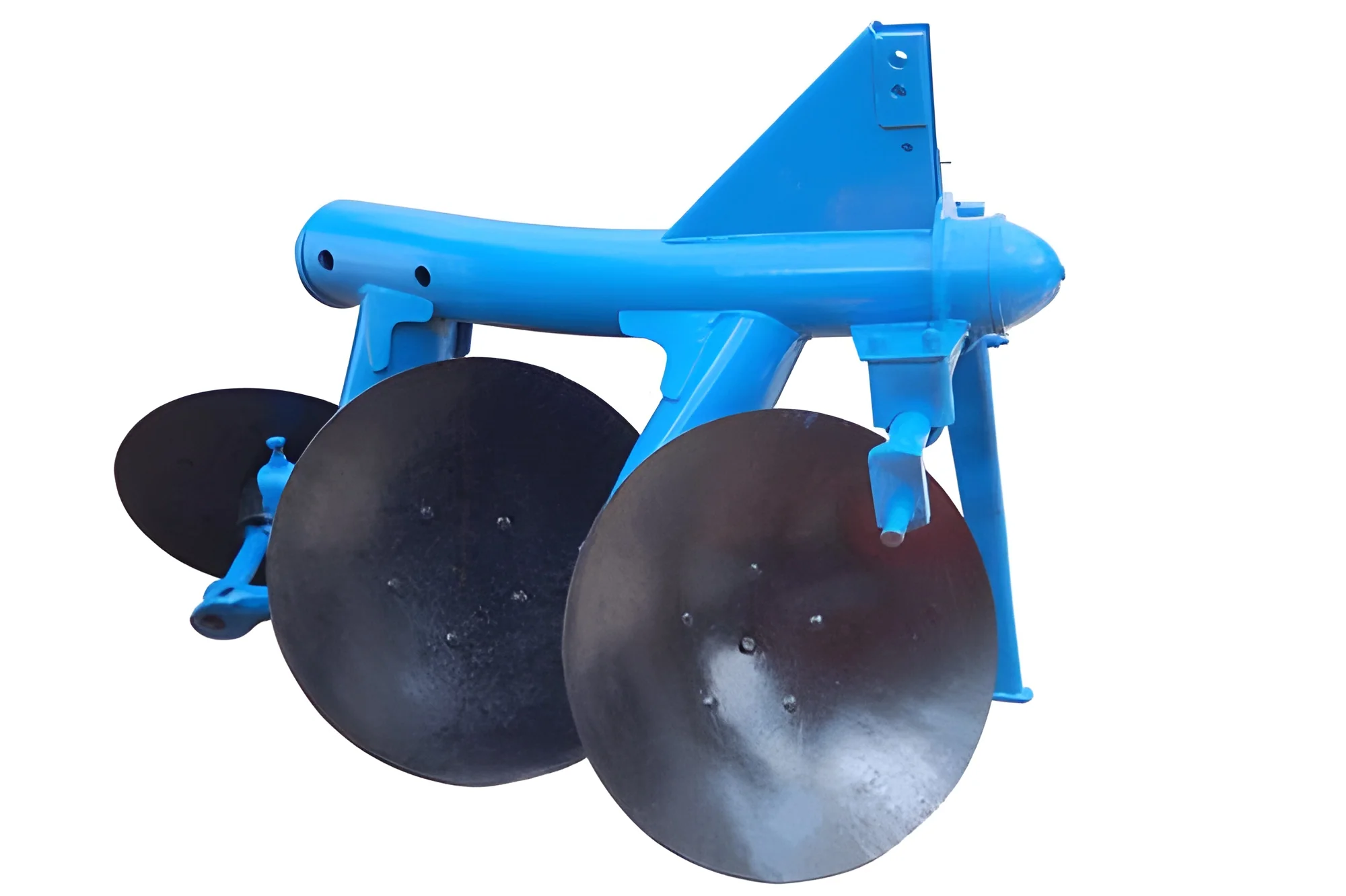
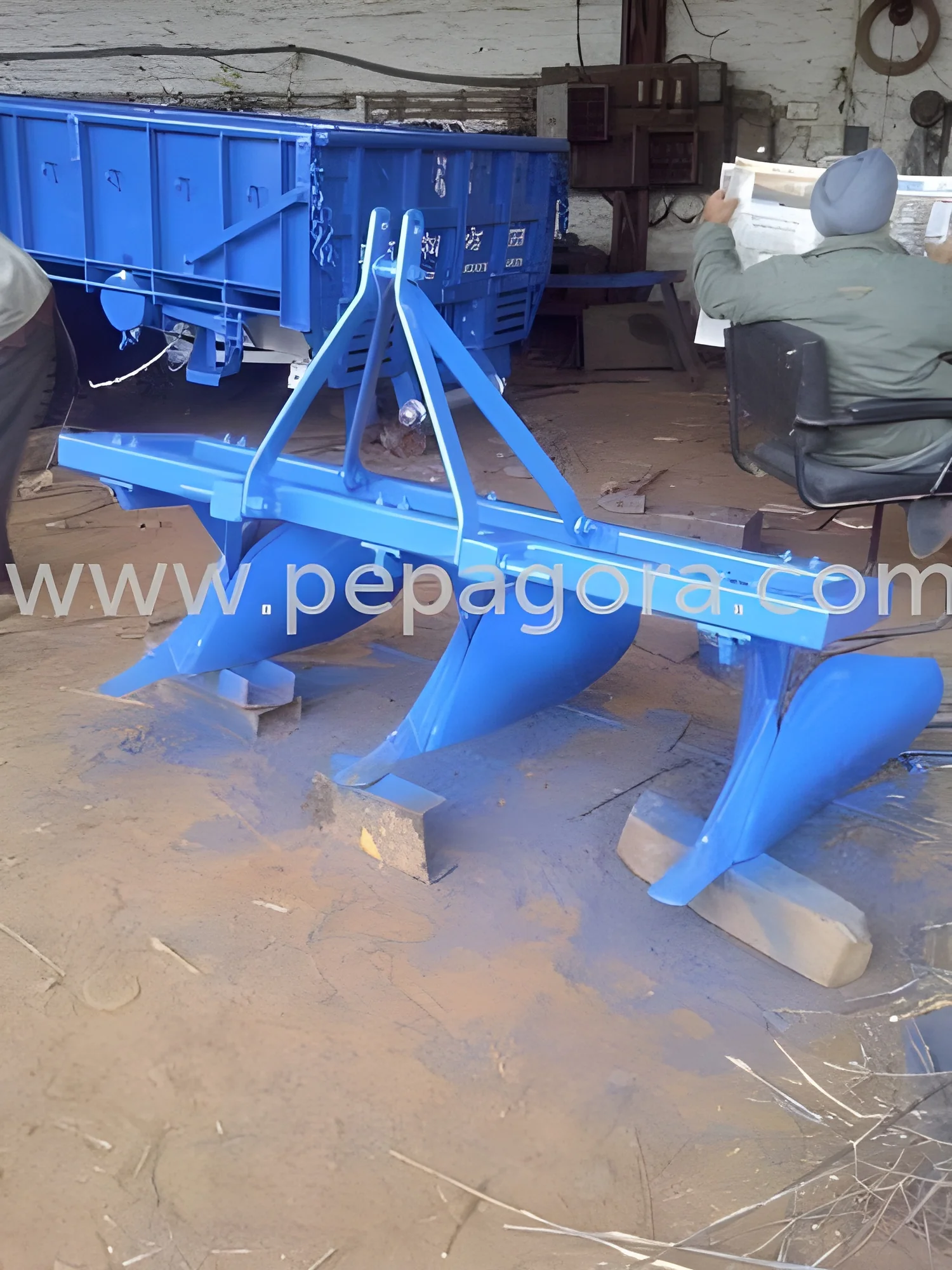
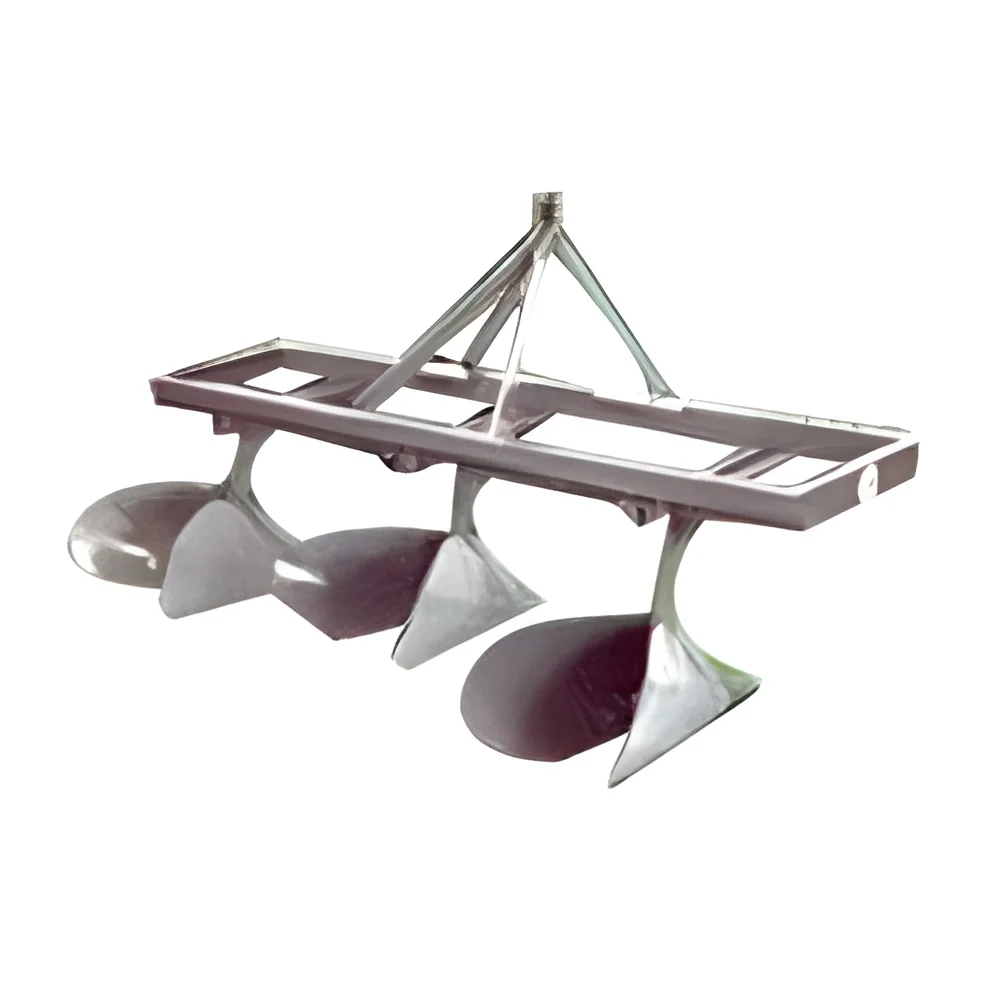
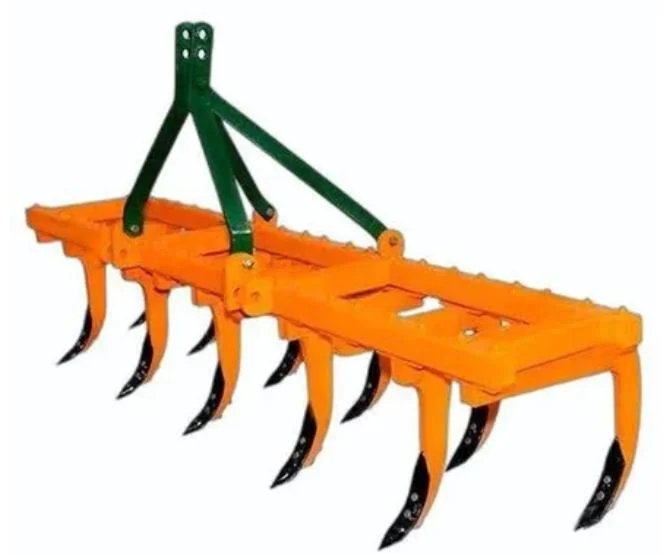
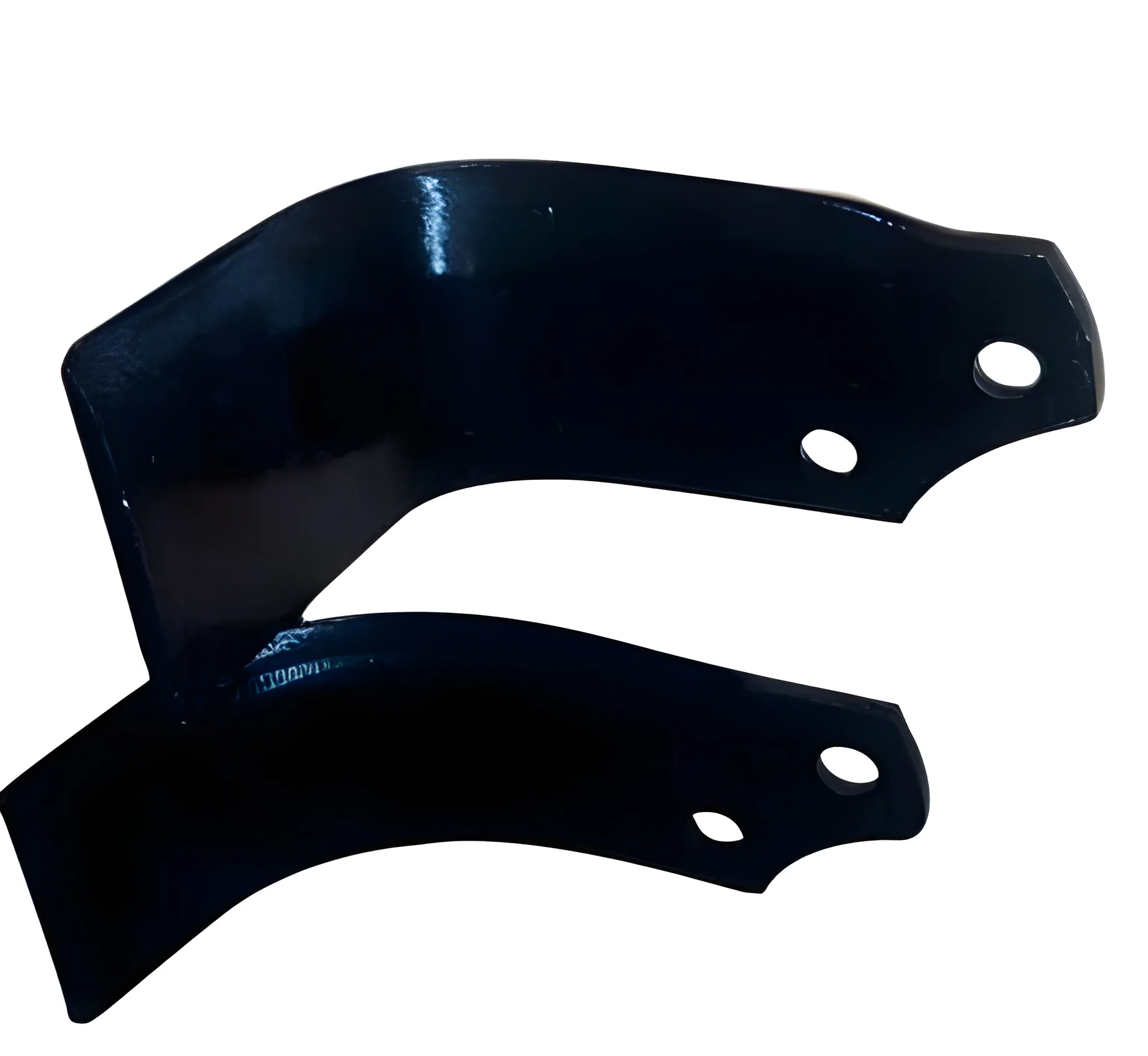
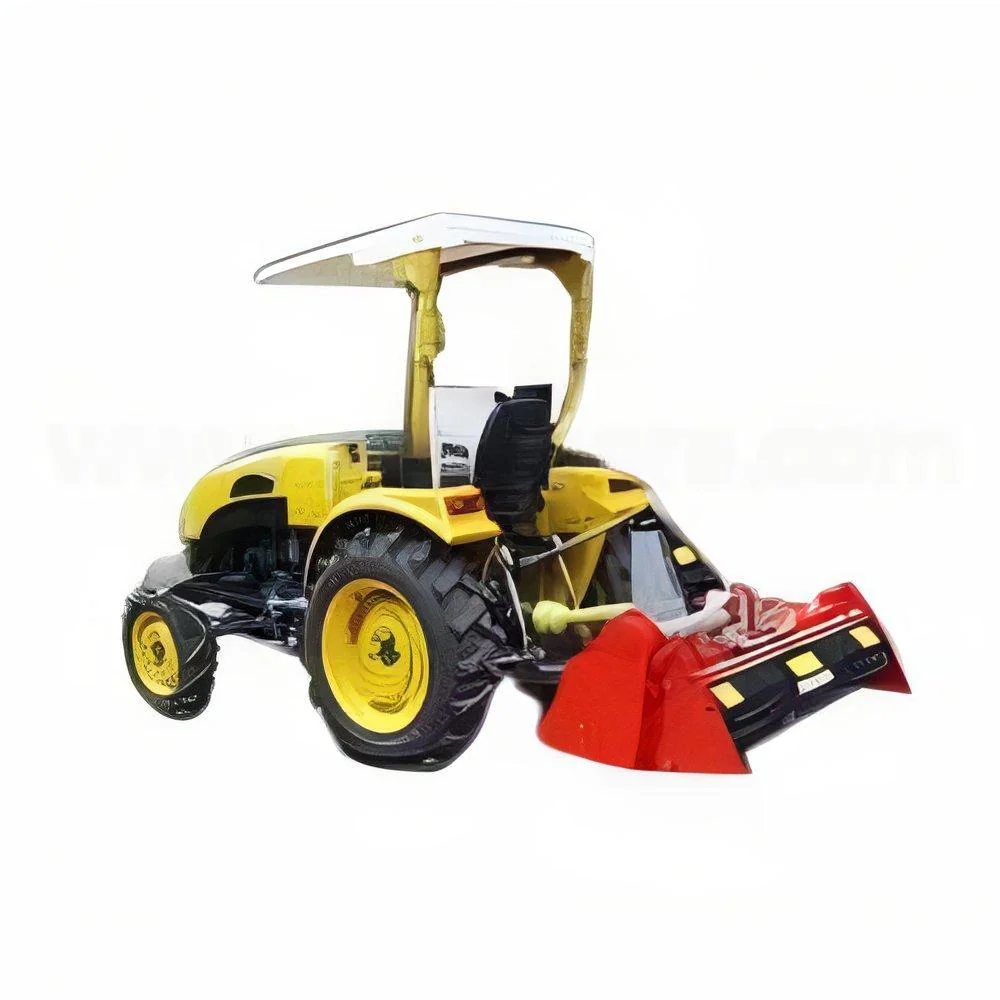
What are Cultivators?
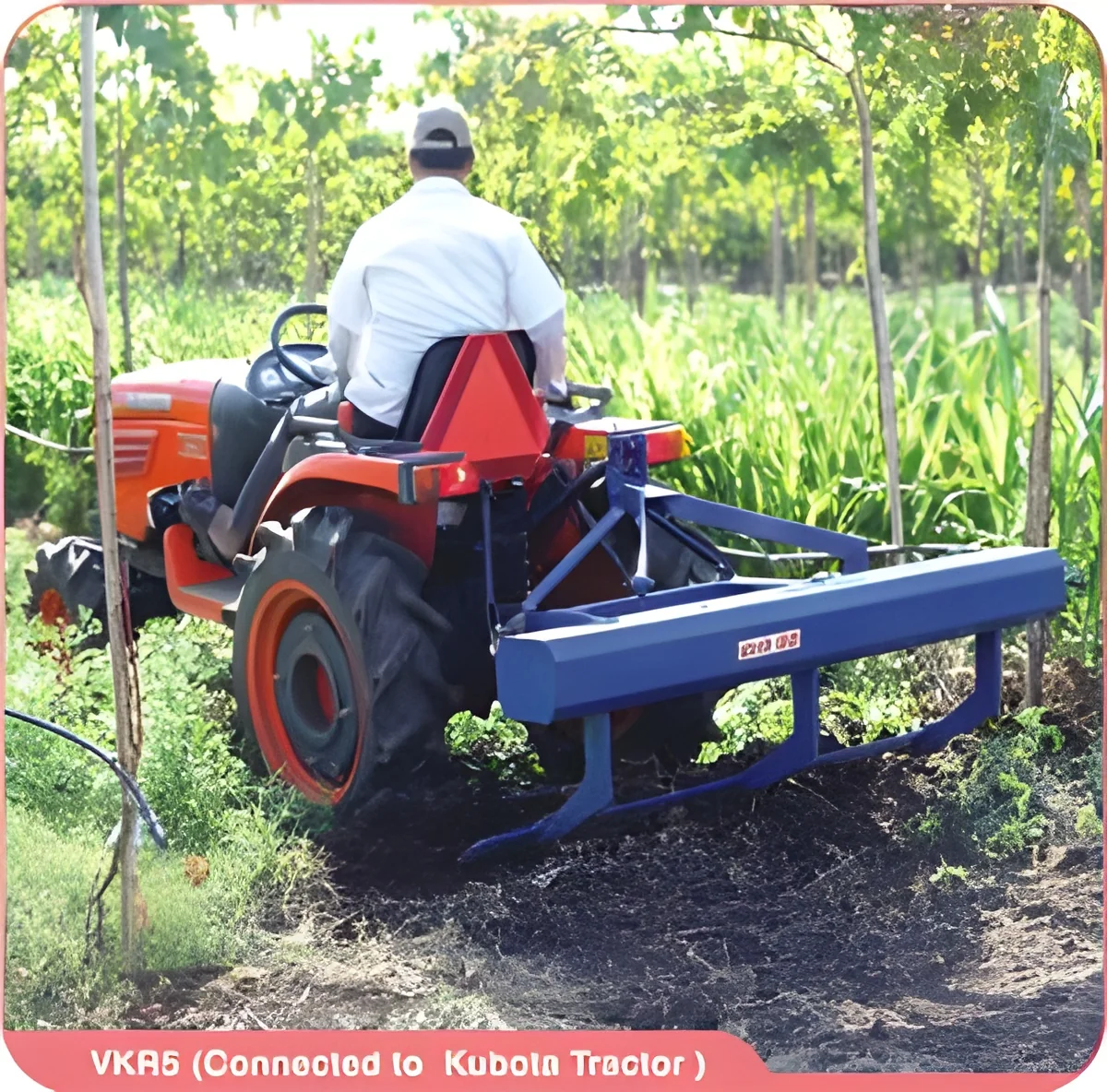
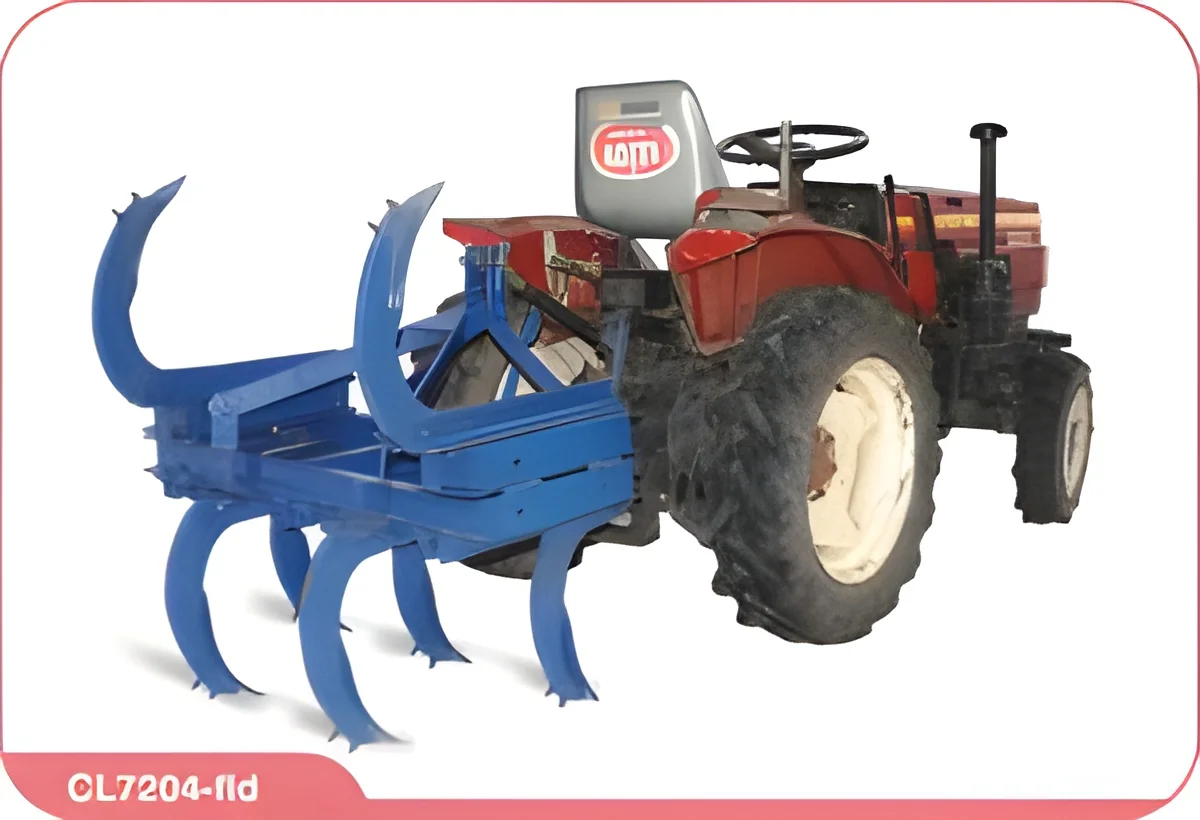
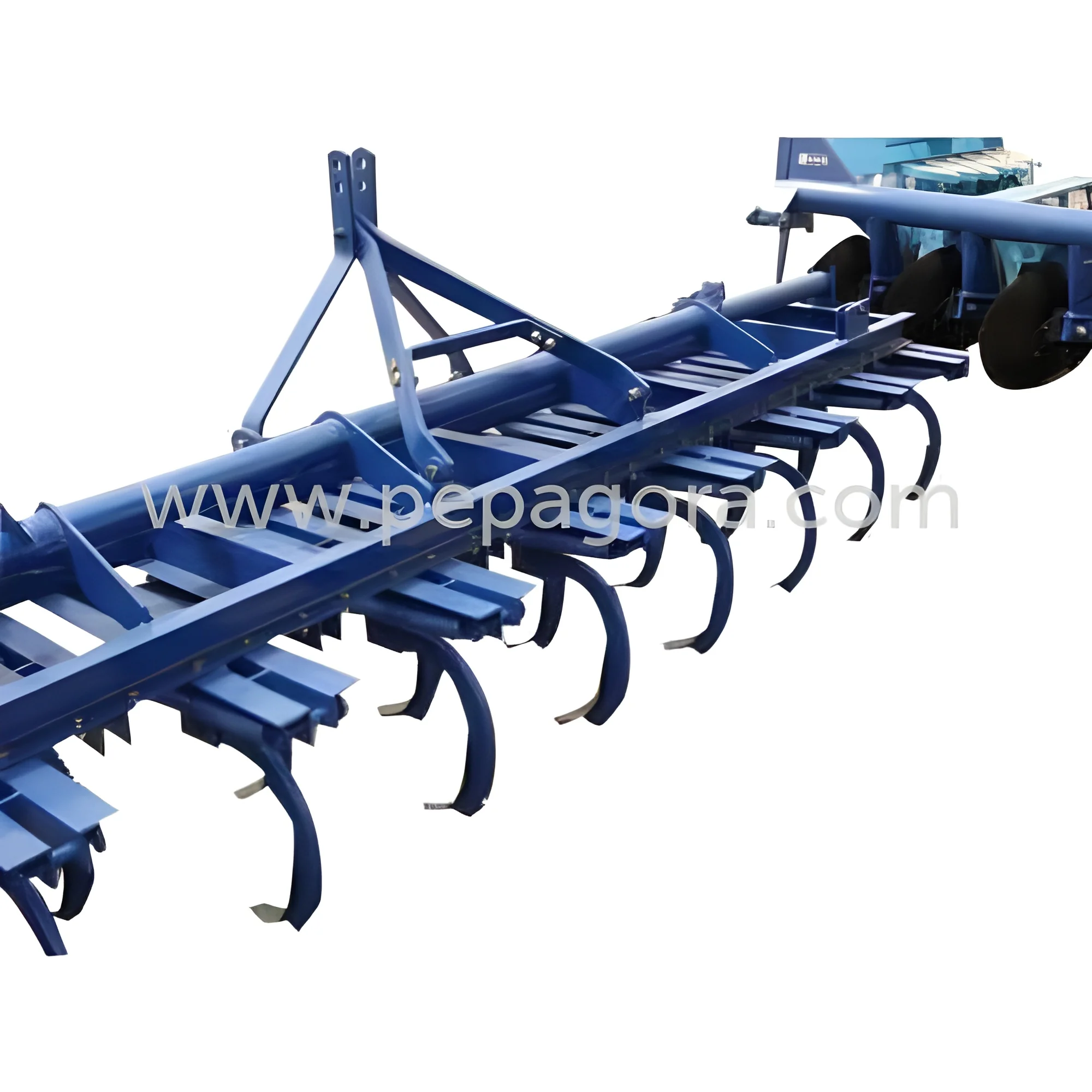
Cultivators are essential agricultural tools designed to prepare soil for planting by breaking up and aerating the ground. They come in various designs, including handheld models and larger machinery, suitable for different scales of farming operations. The primary function of cultivators is to loosen the soil, allowing for improved water absorption, nutrient distribution, and root penetration. This process is critical for establishing healthy crops and enhancing overall agricultural productivity.
In a business context, cultivators are widely used in various agricultural sectors, including commercial farming, horticulture, and landscaping. They play a vital role in soil maintenance, enabling farmers to cultivate a range of crops effectively. Beyond traditional farming, cultivators are also used in community gardens and urban farming initiatives, where space is often limited, and soil health is paramount. The agricultural market for cultivators is continually evolving, driven by advancements in technology and increasing demands for efficient crop production.
Key Features and Specifications
Cultivators come equipped with several features that enhance their effectiveness and efficiency in soil preparation. Understanding these specifications is crucial for buyers looking to make informed decisions.
Key specifications include:
1. Power Source
- Electric, gas, or manual options
- Power output ranges typically from 1.5 to 6 horsepower
2. Tilling Width
- Varies according to model and type
- Common widths range from 12 to 24 inches
3. Tilling Depth
- Adjustable settings for different soil conditions
- Typical depth ranges from 4 to 8 inches
4. Weight
- Heavier models provide stability, while lighter models offer portability
- Weight can range from 20 to 150 pounds
5. Handle Type
- Adjustable or fixed handles for user comfort
- Ergonomic designs enhance usability
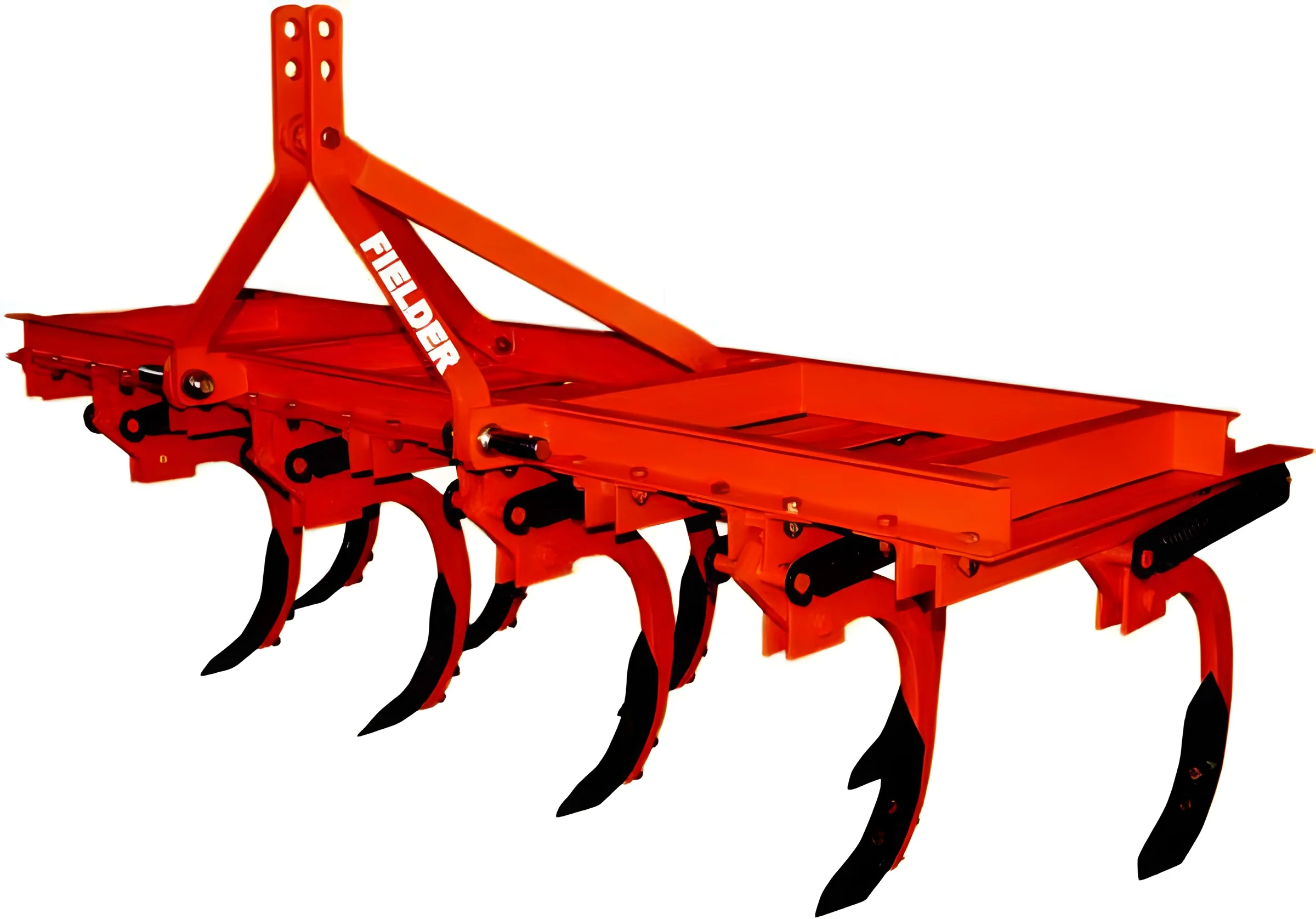
6. Number of Tines
- More tines allow for finer soil preparation
- Common configurations include 4 to 12 tines
7. Maintenance Requirements
- Some models require regular oil changes or tune-ups
- Others are designed for minimal upkeep
8. Safety Features
- Built-in safety mechanisms to prevent accidents
- Includes features like automatic shut-off and protective guards
In summary, cultivators are designed with a variety of specifications that can significantly impact their performance and suitability for specific applications.
Common Applications and Use Cases
Cultivators serve numerous industries, adapting to various agricultural practices and requirements.
1. Agriculture: Cultivators are primarily used in commercial farming to prepare soil for planting crops, ensuring optimal conditions for growth.
2. Horticulture: In horticulture, cultivators help maintain flower beds and vegetable gardens by aerating the soil and controlling weeds.
3. Landscaping: Landscape professionals use cultivators to prepare grounds for planting new lawns or gardens, improving soil quality and structure.
4. Urban Farming: In urban settings, cultivators are valuable for community gardens, where they assist in managing limited space and improving soil health.
5. Nursery Operations: Cultivators are essential in nurseries for potting soil preparation and ensuring proper aeration for young plants.
6. Greenhouses: In greenhouse environments, cultivators help maintain soil consistency, promoting optimal growth conditions for a variety of plants.
7. Organic Farming: Organic farmers utilize cultivators to manage weeds without chemicals, preserving the integrity of their crops.
Product Variants and Subcategories
Cultivators come in various forms, each tailored for specific applications and user preferences.
Electric Cultivators
Electric cultivators are ideal for small to medium-sized gardens. They offer quiet operation and are easy to use, making them suitable for residential gardeners.
Gas-Powered Cultivators
These are more powerful and designed for larger plots of land. Gas-powered cultivators can handle tougher soil conditions, making them ideal for commercial farming.
Manual Cultivators
Manual cultivators are lightweight and require no power source. They are perfect for small gardens and allow for precise control over tilling depth and width.
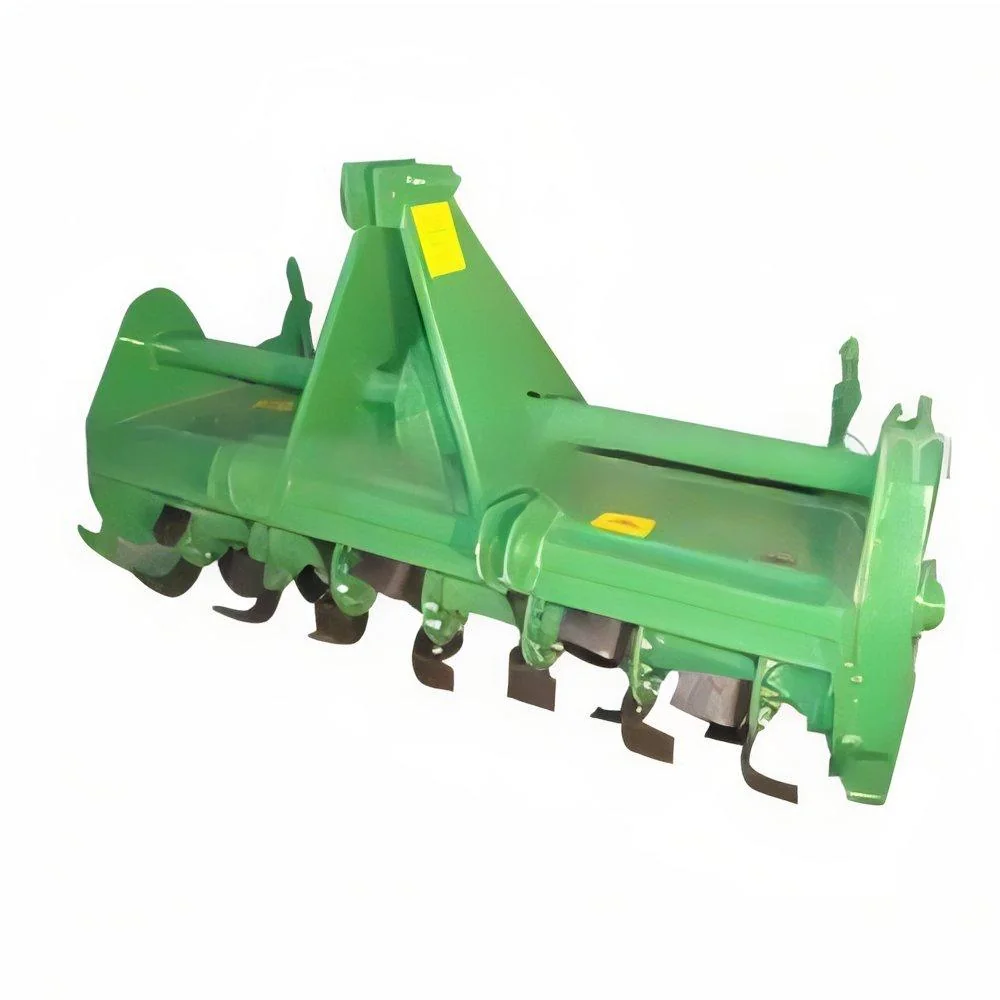
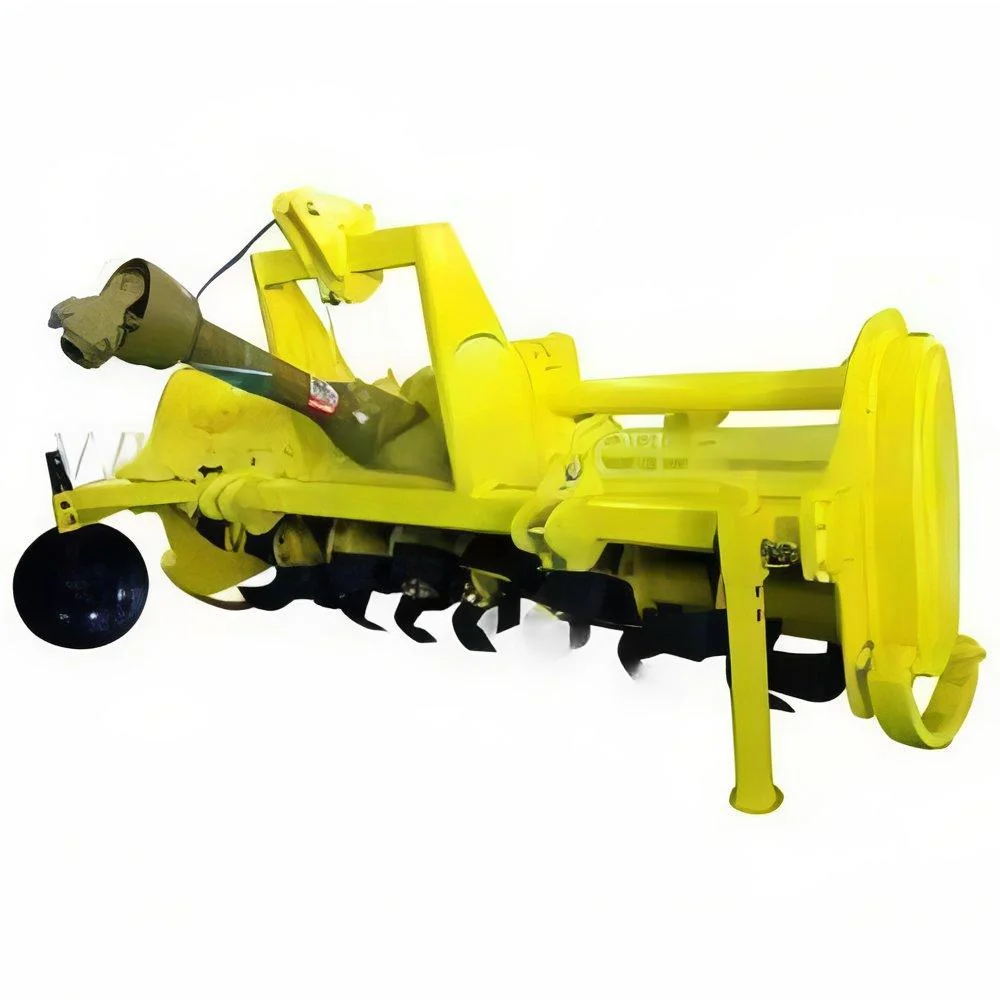
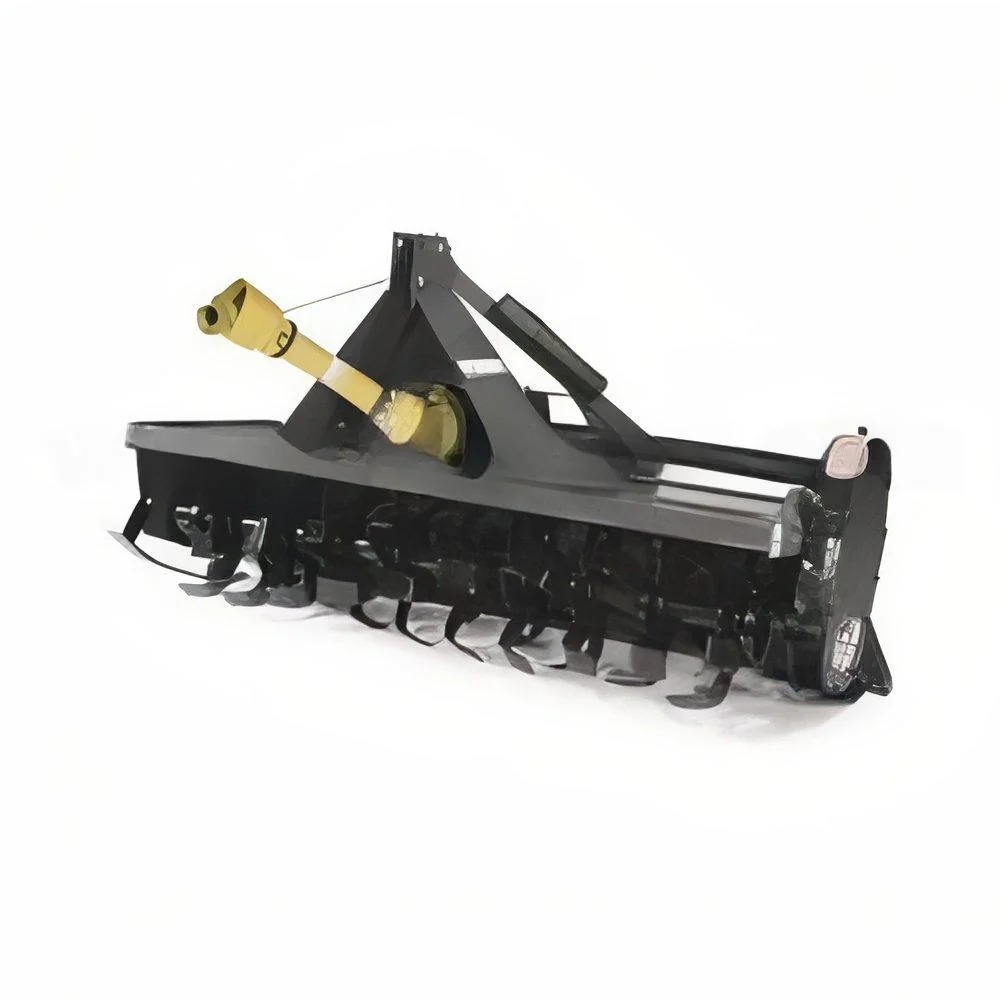
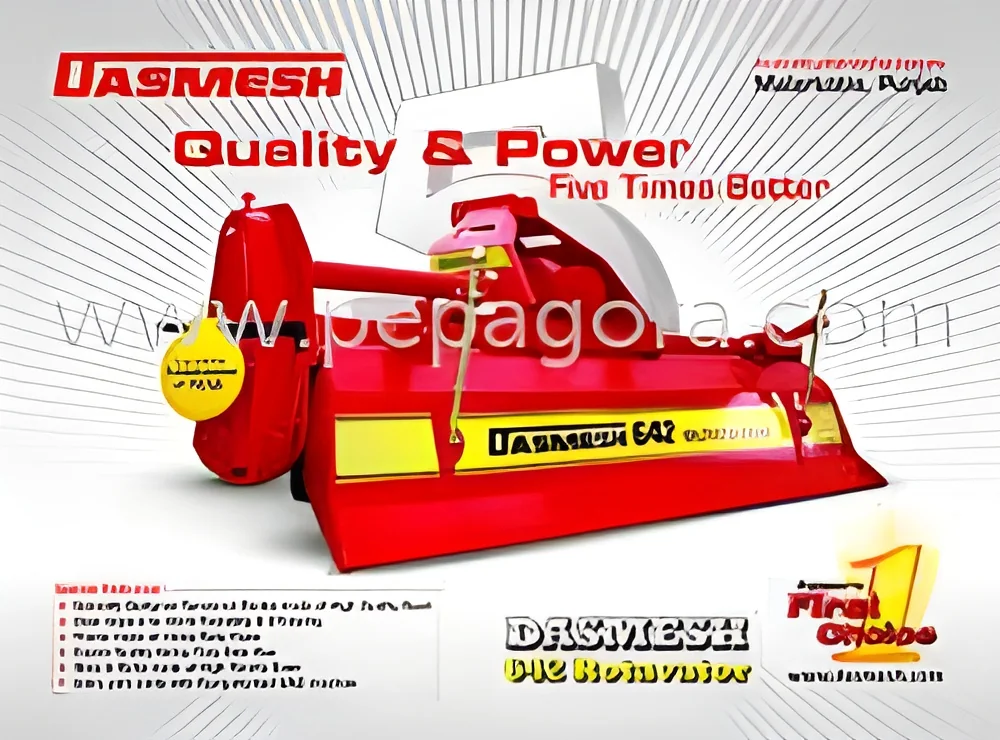
Rotary Cultivators
Rotary cultivators use rotating tines to break up soil effectively. They are versatile and can be used for various soil types, making them popular among farmers.
Benefits and Advantages
Cultivators offer numerous benefits that can enhance agricultural efficiency and productivity.
1. Soil Aeration: Cultivators improve soil aeration, allowing for better water absorption and root growth, leading to healthier plants.
2. Weed Control: By effectively tilling the soil, cultivators help manage weeds, reducing the need for chemical herbicides.
3. Time Efficiency: Using a cultivator significantly speeds up the soil preparation process compared to manual methods, saving time for farmers.
4. Improved Soil Structure: Regular use of cultivators enhances soil structure, promoting better drainage and nutrient retention.
5. Versatility: Cultivators can be used for various applications, from gardening to large-scale farming, making them a valuable tool in multiple industries.
6. Reduced Labor Costs: Automating soil preparation with cultivators can lower labor costs and improve overall operational efficiency.
Buying Guide for B2B Buyers
When sourcing cultivators for business purposes, several key factors should be considered to ensure the best investment.
1. Quality Assessment: Evaluate the materials and construction of the cultivator to ensure durability and performance. Look for reputable brands with positive reviews.
2. Supplier Verification: Vet suppliers by checking their credentials, customer feedback, and industry reputation. Establishing a relationship with reliable suppliers can lead to better service and support.
3. Pricing and MOQ: Understand the pricing structure and minimum order quantities (MOQ) for cultivators. Compare different suppliers to find the best value without compromising quality.
4. Delivery and Lead Times: Consider the logistics involved in sourcing cultivators. Check for delivery timelines and shipping options to ensure timely arrival.
5. Compliance Requirements: Familiarize yourself with any regulatory standards or compliance requirements that may apply to cultivators in your region. This ensures that you meet industry standards and avoid potential legal issues.
Compliance and Certifications
Cultivators must adhere to various compliance standards and certifications that ensure safety and quality in manufacturing.
Many cultivators meet quality standards such as ISO 9001, which focuses on maintaining effective quality management systems. This standard ensures that products are consistently produced and controlled according to quality standards.
Industry certifications like CE and UL are essential for demonstrating compliance with safety and performance standards. CE certification ensures that products meet European safety requirements, while UL certification is recognized in North America for product safety.
Additionally, cultivators must pass safety and testing requirements to ensure they are safe for use. This includes evaluating components and overall machinery performance.
Regional compliance considerations may vary, so it is vital to understand the specific regulations that apply to cultivators in different markets.
Why Source Cultivators from Pepagora?
Pepagora provides a trusted platform for sourcing cultivators with several key advantages that appeal to B2B buyers.
Verified Supplier Network: Pepagora connects buyers with a network of verified suppliers, ensuring that only reputable manufacturers are available. This verification process helps buyers feel confident in their sourcing decisions.
Streamlined RFQ Process: The platform offers a streamlined Request for Quotation (RFQ) process, making it easy for buyers to obtain competitive quotes from multiple suppliers. This efficiency saves time and allows for better decision-making.
Trade Assurance and Support: Pepagora offers trade assurance and support to protect buyers during the sourcing process. This includes assistance with negotiations and ensuring that transactions are secure.
Regional Coverage: With a strong presence in India, the GCC, and Southeast Asia, Pepagora provides extensive regional coverage. This allows buyers to access local suppliers while benefiting from a global network of manufacturers.
By choosing Pepagora, businesses can streamline their procurement of cultivators while ensuring quality and reliability in their agricultural operations.

 IN
IN