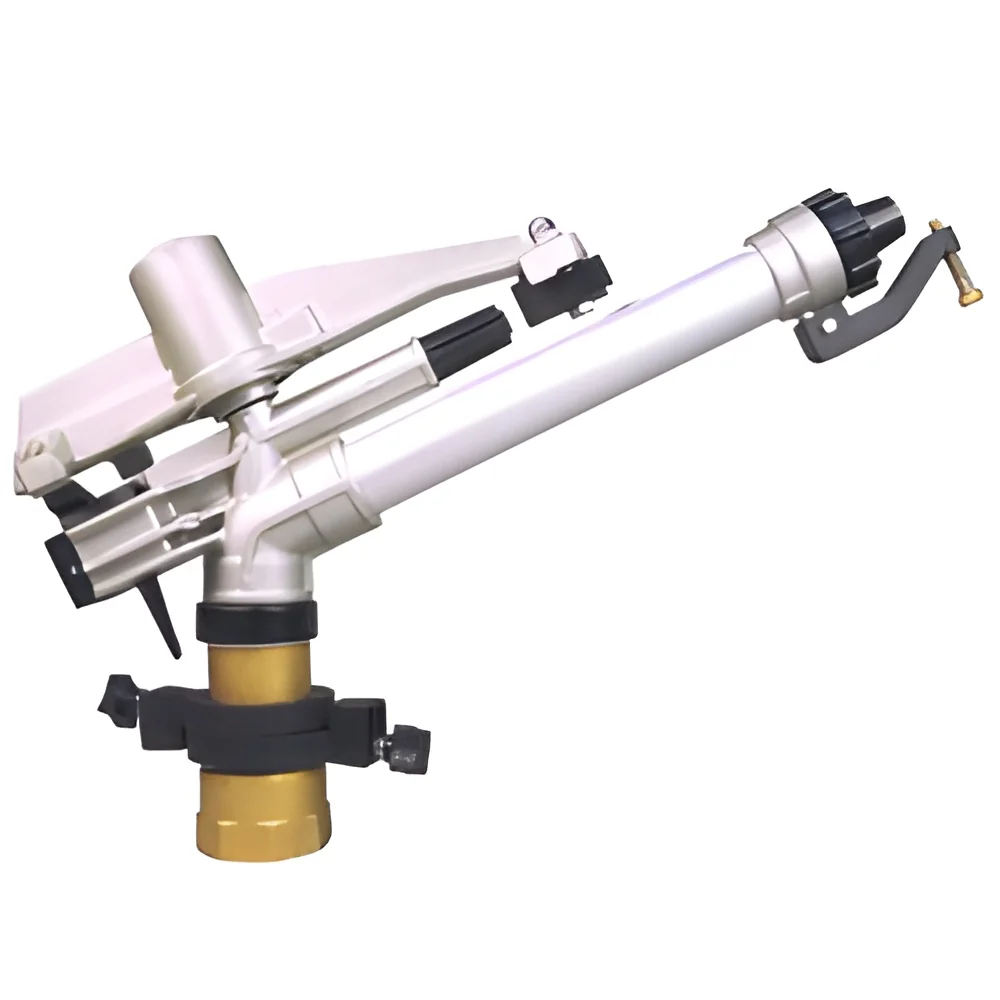
What are Rain Guns?
Rain guns are advanced irrigation devices designed to simulate natural rainfall, providing efficient water distribution for agricultural and industrial applications. These devices operate through a rotating nozzle that sprays water over a designated area, allowing for even coverage and minimizing water wastage. Rain guns are typically connected to a water source, such as a pump or pipeline, and are utilized in various settings to ensure optimal plant growth and soil health.
Rain guns are primarily used in agriculture, horticulture, and landscaping. They are particularly effective in large fields, orchards, and greenhouses where uniform water distribution is critical. Additionally, rain guns can be employed in dust suppression and cooling applications within industrial settings. Their versatility makes them a valuable asset in maintaining soil moisture levels, thereby enhancing crop yields and ensuring the sustainability of various ecosystems. The growing demand for efficient irrigation solutions in the context of global water scarcity highlights their relevance in the market.
Key Features and Specifications
Rain guns come equipped with several features that enhance their functionality and efficiency. Understanding these specifications is crucial for selecting the right model for specific applications.
Key specifications include:
1. Spray Range
- The distance water can be sprayed from the nozzle.
- Typically ranges from 10 to 30 meters, depending on the model.
2. Flow Rate
- The volume of water dispensed per unit of time.
- Common rates range from 1,000 to 10,000 liters per hour.
3. Pressure Requirements
- The pressure needed for optimal operation.
- Usually between 2 to 6 bar.
4. Nozzle Size
- Diameter of the nozzle affecting water distribution.
- Sizes can vary from 10 mm to 25 mm.
5. Rotational Speed
- The speed at which the nozzle rotates.
- Generally adjustable to control the coverage area.
6. Construction Material
- Common materials include high-quality plastic and aluminum.
- Ensures durability and resistance to corrosion.
7. Weight
- The overall weight of the unit.
- Typical weights range from 5 to 15 kg, depending on the design.
8. Portability Features
- Some models include wheels for easy movement.
- Enhances flexibility in usage across different locations.
These specifications play a significant role in determining the suitability of rain guns for various applications, ensuring users can select the right model for their needs.
Common Applications and Use Cases
Rain guns serve various industries, providing efficient irrigation and water management solutions.
1. Agriculture: In farming, rain guns are used for crop irrigation, ensuring even water distribution across large fields. They help in maintaining soil moisture and promoting healthy plant growth.
2. Horticulture: For nurseries and greenhouses, rain guns facilitate controlled watering of plants, optimizing growth conditions and reducing water waste.
3. Landscaping: In landscaping projects, rain guns aid in watering lawns and gardens efficiently, allowing for lush vegetation and aesthetic appeal.
4. Industrial Cooling: Rain guns can be utilized in industrial settings for cooling processes and dust suppression, enhancing safety and operational efficiency.
5. Sports Fields: They are used for maintaining grass quality on sports fields, ensuring optimal playing conditions and aesthetic presentation.
6. Orchards: In fruit orchards, rain guns provide critical irrigation, helping to maximize yield and fruit quality.
7. Construction Sites: Used for dust control on construction sites, rain guns help to maintain a safe work environment by minimizing airborne particles.
Product Variants and Subcategories
Rain guns offer a diverse range of options to meet various irrigation needs.
Standard Rain Gun
These are the most common variants, designed for general agricultural and horticultural use. They typically feature adjustable spray patterns and flow rates, making them suitable for different crop types and field sizes.
Heavy-Duty Rain Gun
This variant is built for industrial applications, offering higher flow rates and pressure tolerance. It is ideal for large-scale irrigation and dust suppression in construction and mining operations.
Mini Rain Gun
Designed for small gardens and nurseries, mini rain guns are compact and easy to handle. They are perfect for localized watering in residential landscapes.
Benefits and Advantages
Rain guns provide multiple advantages that enhance their appeal in irrigation practices.
1. Water Efficiency: Rain guns are designed to minimize water wastage, delivering water directly to the root zone of plants.
2. Uniform Coverage: They ensure even water distribution, reducing the risk of over or under-watering.
3. Labor Savings: Automated systems reduce the need for manual watering, saving time and labor costs.
4. Versatility: Suitable for various applications, rain guns can be adapted for different environments and crop types.
5. Cost-Effectiveness: The initial investment is offset by reduced water bills and improved crop yields.
6. Environmentally Friendly: By utilizing water more effectively, rain guns contribute to sustainable agricultural practices.
Buying Guide for B2B Buyers
When sourcing rain guns, it is essential to consider several factors to ensure you select the right product for your needs.
1. Quality Assessment: Evaluate the quality of materials and construction to ensure durability and longevity. Look for products that meet industry standards.
2. Supplier Verification: Vet suppliers to confirm their reliability and reputation in the market. Check for reviews and past customer experiences.
3. Pricing and MOQ: Understand the pricing structure and minimum order quantities to find a solution that fits your budget. Compare quotes from multiple suppliers to ensure competitive pricing.
4. Delivery and Lead Times: Inquire about logistics and expected delivery times to ensure timely receipt of products, particularly for seasonal planting requirements.
5. Compliance Requirements: Confirm that the products meet local regulations and standards for safety and quality. This may include certifications like CE.
Compliance and Certifications
Rain guns must adhere to various quality standards and regulations to ensure safety and efficiency.
ISO 9001 is a commonly recognized standard that outlines quality management principles. Compliance indicates that manufacturers have implemented processes to ensure consistent quality in their products.
Additionally, the CE mark is essential for products sold within the European Economic Area, indicating compliance with health, safety, and environmental protection standards.
Safety and testing requirements must be met, ensuring that rain guns operate efficiently without posing risks to users or the environment. Regional compliance considerations may vary, necessitating a thorough understanding of local regulations in different markets.
Why Source Rain Guns from Pepagora?
Pepagora provides a trusted platform for sourcing rain guns with several key advantages.
Verified Supplier Network: Pepagora connects buyers with a network of verified suppliers, ensuring high-quality products and reliable service. Each supplier undergoes a vetting process to guarantee credibility.
Streamlined RFQ Process: The request for quotation system simplifies the procurement process, allowing buyers to receive competitive quotes from multiple suppliers quickly and efficiently.
Trade Assurance and Support: Pepagora offers buyer protection, ensuring that transactions are secure and that customers receive the support they need throughout the purchasing process.
Regional Coverage: With a strong presence in India, the GCC, and Southeast Asia, Pepagora can facilitate connections with local suppliers, making it easier for businesses to find the right rain guns for their specific needs.
By choosing Pepagora, buyers can streamline their sourcing process and ensure access to reliable products that meet their irrigation needs.

 IN
IN