
 IN
Hand Forks & Weeders
3 products available
What are Hand Forks & Weeders?
Hand forks and weeders are essential gardening tools designed for various tasks in soil cultivation and weed management. A hand fork typically features a set of prongs that help aerate, turn, and mix soil, while a weeder is designed specifically for removing weeds from garden beds or lawns. Both tools are compact and easy to use, making them ideal for small to medium-sized gardens and landscaping projects.
These tools find extensive application in horticulture, agriculture, and landscaping. They are used by gardeners, landscapers, and agricultural professionals to maintain healthy soil and control unwanted plant growth. Hand forks and weeders are particularly valuable in organic gardening practices where chemical herbicides are avoided. As the demand for sustainable gardening solutions continues to rise, the relevance of these tools in the market is significant.
The global market for gardening tools, including hand forks and weeders, is growing steadily. Factors such as urban gardening trends, the rise of DIY landscaping, and increased awareness of sustainable practices contribute to this growth. Businesses in the gardening and landscaping sectors benefit from offering quality hand forks and weeders to meet the needs of a diverse customer base.
Key Features and Specifications
Hand forks and weeders come with various features that enhance their usability and effectiveness. Understanding these specifications is crucial for selecting the right tools for specific needs.
Key specifications include:
1. Ergonomic Design
- Designed to reduce strain on the hands and wrists.
- Often includes padded handles for comfort.
2. Material Composition
- Typically made from durable steel or stainless steel for longevity.
- Handles may be made from wood, plastic, or rubber for a secure grip.
3. Tine Shape and Size
- Tines of the hand fork can vary in length and curvature.
- Ideal tine length is between 4 to 6 inches for effective soil penetration.
4. Weeder Blade Design
- Different blade shapes are available, such as pointed or forked.
- Designed for efficient weed removal without disturbing surrounding plants.
5. Weight
- Lightweight models are easier to handle for extended periods.
- Heavier models may provide more strength but can increase fatigue.
6. Rust Resistance
- Many tools feature coatings that help prevent rust and corrosion.
- Stainless steel options offer built-in rust resistance for durability.
7. Multi-functionality
- Some tools combine features of both hand forks and weeders.
- Ideal for users looking for versatile gardening solutions.
In summary, selecting hand forks and weeders involves considering their design, materials, and specific features that cater to the intended applications.
Common Applications and Use Cases
Hand forks and weeders serve a wide range of industries and applications.
1. Horticulture: These tools are essential for preparing garden beds, loosening soil, and removing weeds, ensuring optimal growing conditions for plants.
2. Landscaping: Professionals use hand forks and weeders for precise work in flower beds and ornamental gardens, helping maintain aesthetic appeal.
3. Agriculture: Farmers utilize these tools for small-scale crop management, particularly in organic farming, where chemical weed control is limited.
4. Urban Gardening: With the rise of urban gardening, hand forks and weeders are popular among city dwellers looking to maintain small gardens or balcony plants.
5. Educational Institutions: Schools and community programs often incorporate these tools into gardening curriculums, teaching students about plant care and agriculture.
6. Recreational Gardening: Home gardeners use hand forks and weeders to maintain their gardens, making them a staple in residential landscaping.
7. Environmental Conservation: These tools are used in conservation efforts to manage native plants and control invasive species in natural habitats.
Product Variants and Subcategories
Hand forks and weeders come in various designs to meet specific gardening needs.
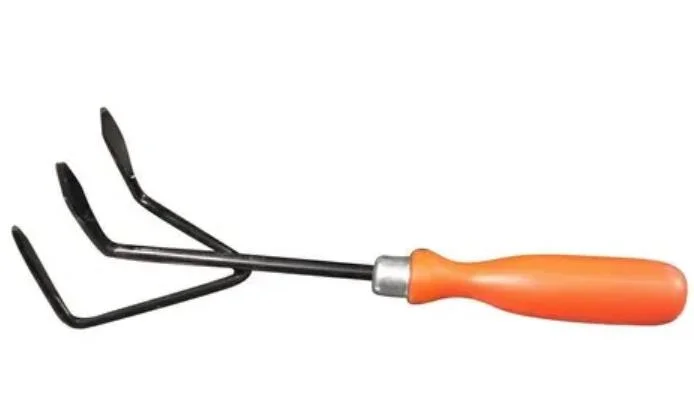
Garden Hand Fork: This variant features a classic fork design with multiple tines, ideal for aerating and mixing soil in small to medium gardens. Its sturdy construction ensures durability and effectiveness in various soil types.
Dandelion Weeder: Specifically designed for removing dandelions and similar weeds, this variant features a long, narrow blade that allows for deep-rooted weed extraction without damaging surrounding plants.
Ergonomic Hand Fork: This version is designed with an emphasis on comfort, featuring a contoured handle that reduces strain on the user's hands. It is perfect for gardeners who spend extended periods working in the soil.
Long-Handled Weeder: For those who prefer not to bend over, this variant features an extended handle that allows for easy weed removal while standing upright, reducing back strain.
Benefits and Advantages
Investing in quality hand forks and weeders offers several advantages.
1. Improved Soil Health: Hand forks aerate and mix the soil, promoting better drainage and nutrient distribution.
2. Efficient Weed Management: Weed removal tools effectively eliminate unwanted plants, reducing competition for nutrients and water.
3. Ergonomic Comfort: Designed with user comfort in mind, these tools help minimize fatigue and strain during gardening tasks.
4. Versatility: Many models serve multiple functions, allowing users to perform various gardening tasks with a single tool.
5. Durability: Quality materials ensure that these tools withstand the rigors of regular use, providing long-term value.
6. Increased Productivity: With the right tools, gardeners can complete tasks more efficiently, saving time and effort in maintaining their gardens.
Buying Guide for B2B Buyers
When sourcing hand forks and weeders for business purposes, several factors should be taken into consideration.
1. Quality Assessment: Ensure that the tools are made from high-quality materials and feature sturdy construction. Look for reviews or certifications that indicate durability and performance.
2. Supplier Verification: Vet suppliers thoroughly to ensure they provide reliable products and services. Check their reputation, customer reviews, and industry standing.
3. Pricing and MOQ: Understand the pricing structures and minimum order quantities. Compare costs among suppliers to ensure competitive pricing that fits your budget.
4. Delivery and Lead Times: Discuss logistics with suppliers to determine delivery schedules and lead times. Timely delivery is essential for maintaining inventory and meeting customer demands.
5. Compliance Requirements: Be aware of any relevant regulations or standards that apply to gardening tools in your region. Ensure that products meet necessary compliance to avoid legal issues.
Compliance and Certifications
Compliance and certifications are critical in ensuring the quality and safety of hand forks and weeders.
Relevant quality standards include ISO 9001, which outlines requirements for a quality management system. Compliance with these standards indicates that manufacturers follow best practices in production and management.
Industry certifications such as CE mark indicate that products meet European safety, health, and environmental protection standards. Tools with these certifications are often preferred in professional settings.
Safety and testing requirements are essential to prevent product failures and ensure user safety. Tools should undergo rigorous testing to meet industry standards for durability and performance.
Additionally, regional compliance considerations vary. It is important to verify that products meet local regulations and standards in the markets where they will be sold or used.
Why Source Hand Forks & Weeders from Pepagora?
Pepagora offers a trusted platform for sourcing hand forks and weeders, ensuring buyers can find quality products with several key advantages.
Verified Supplier Network: Pepagora connects buyers with a network of verified suppliers, ensuring that all listed tools are sourced from reputable manufacturers. This verification process helps buyers avoid subpar products and ensures reliability.
Streamlined RFQ Process: The platform provides a user-friendly system for requesting quotations. Buyers can easily compare options and choose suppliers that offer the best value for their needs.
Trade Assurance and Support: Pepagora offers buyer protection through trade assurance programs, ensuring that transactions are secure and that buyers receive the products as promised. This support fosters confidence in the purchasing process.
Regional Coverage: With a focus on regions such as India, the GCC, and Southeast Asia, Pepagora provides extensive geographic reach. This allows buyers to access a wide range of products and suppliers tailored to their local markets.
By choosing Pepagora, businesses can ensure they are well-equipped with the right hand forks and weeders to meet their operational needs.


Frequently Asked Questions
What are Hand Forks & Weeders?
Hand forks and weeders are essential gardening tools designed for soil cultivation and weed removal. Hand forks typically feature a short handle with multiple tines, while weeders have a pointed end for uprooting weeds. Both tools are primarily used in gardening and agricultural practices.
What are the different types of Hand Forks & Weeders?
There are various types of hand forks and weeders, including traditional hand forks, narrow or wide weeders, and specialized weeding tools. Each type is designed for specific tasks, such as loosening soil, aerating, or targeting particular weed species. Selecting the right type depends on the gardening or farming needs.
How do I choose the right Hand Forks & Weeders?
Choosing the right hand forks and weeders involves considering the type of soil, the size of the garden, and the specific tasks you intend to perform. It is important to assess the material and build quality for durability. Ergonomics, such as handle comfort and tool weight, also play a crucial role in user satisfaction.
What are the standard specifications for Hand Forks & Weeders?
Standard specifications for hand forks and weeders include the material of the tool, such as stainless steel or carbon steel, handle length, and overall weight. The tines of hand forks usually range from three to five in number, while weeders may have varying shapes for different weeding techniques. It is essential to refer to product descriptions for detailed specifications.
What is the price range for Hand Forks & Weeders?
The price range for hand forks and weeders can vary widely depending on the brand, material, and features. On average, you can expect to pay between INR 100 to INR 1500 per tool. Higher-end models may come with advanced features or ergonomic designs that affect pricing.
What quality standards apply to Hand Forks & Weeders?
Quality standards for hand forks and weeders typically include material durability, resistance to rust, and ergonomic design for ease of use. Many manufacturers adhere to industry standards such as ISO certifications to ensure reliability and performance. It is advisable to check for quality certifications when purchasing.
Where can I find Hand Forks & Weeders suppliers in India?
You can find hand forks and weeders suppliers in India through B2B marketplaces like Pepagora.com, local gardening supply stores, and agricultural fairs. Online platforms often provide a wide selection of suppliers, allowing you to compare prices and products. Networking with local gardening communities can also lead to reliable suppliers.
Can Hand Forks & Weeders be customized?
Yes, many manufacturers offer customization options for hand forks and weeders, including personalized branding, tool specifications, and ergonomic adjustments. Customization is particularly beneficial for businesses or organizations looking to promote their brand. It is recommended to discuss your requirements with suppliers to explore available options.
What is the typical minimum order quantity for Hand Forks & Weeders?
The typical minimum order quantity (MOQ) for hand forks and weeders can vary by supplier but commonly ranges from 50 to 100 units. Bulk orders may often qualify for discounts or better pricing. It's advisable to confirm MOQs directly with the suppliers at the time of inquiry.
What is the typical lead time for Hand Forks & Weeders?
The typical lead time for hand forks and weeders can vary based on the supplier and order size, generally ranging from 1 to 4 weeks. Custom orders may require additional time for production. It is best to confirm lead times with the supplier to ensure timely delivery.
Why Businesses Trust Pepagora
Thousands of companies trust Pepagora to source smarter and sell faster
Expand Your Sales Globally

Source Smarter,Grow Faster
