
 IN
Seed Planters
4 products available
What are Seed Planters?
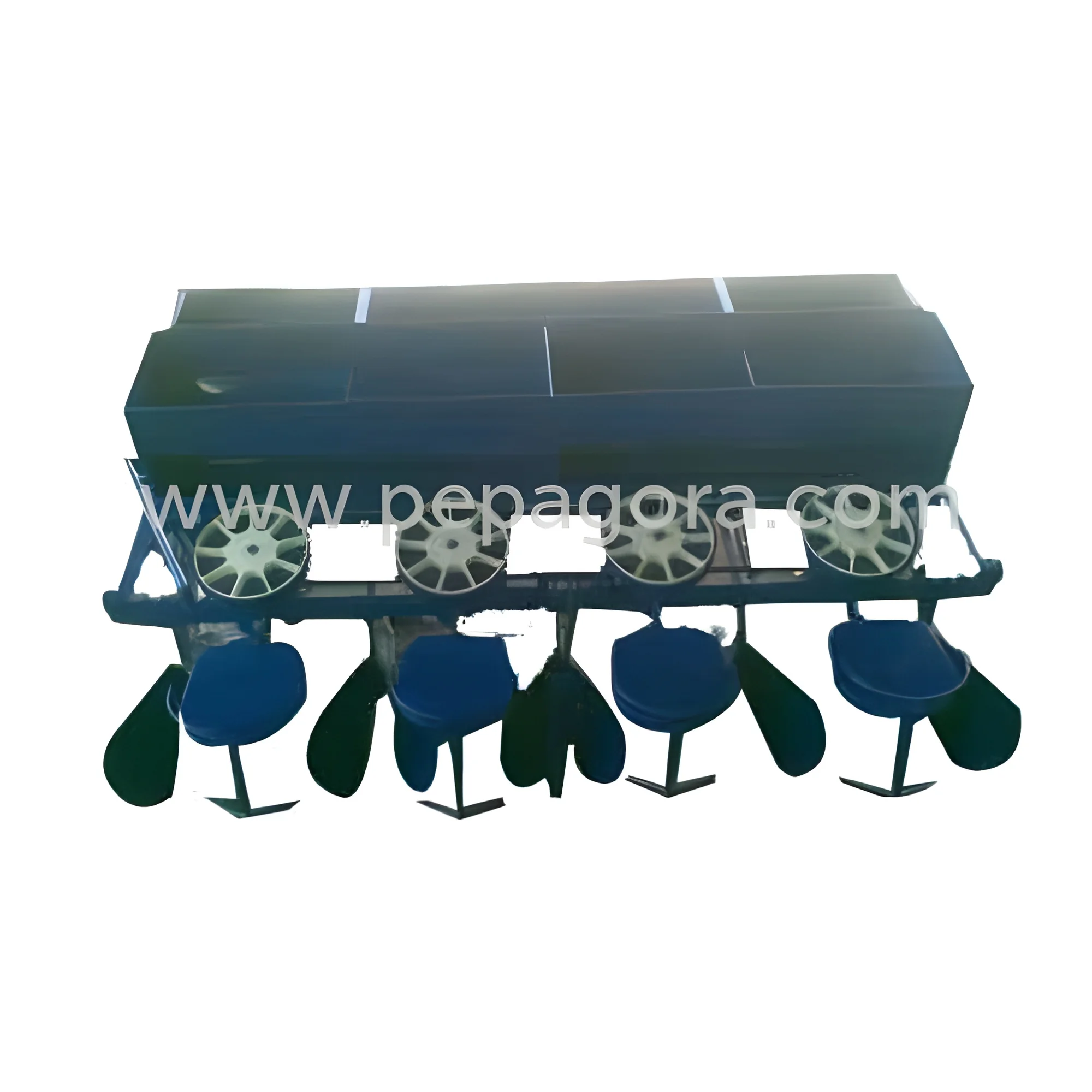
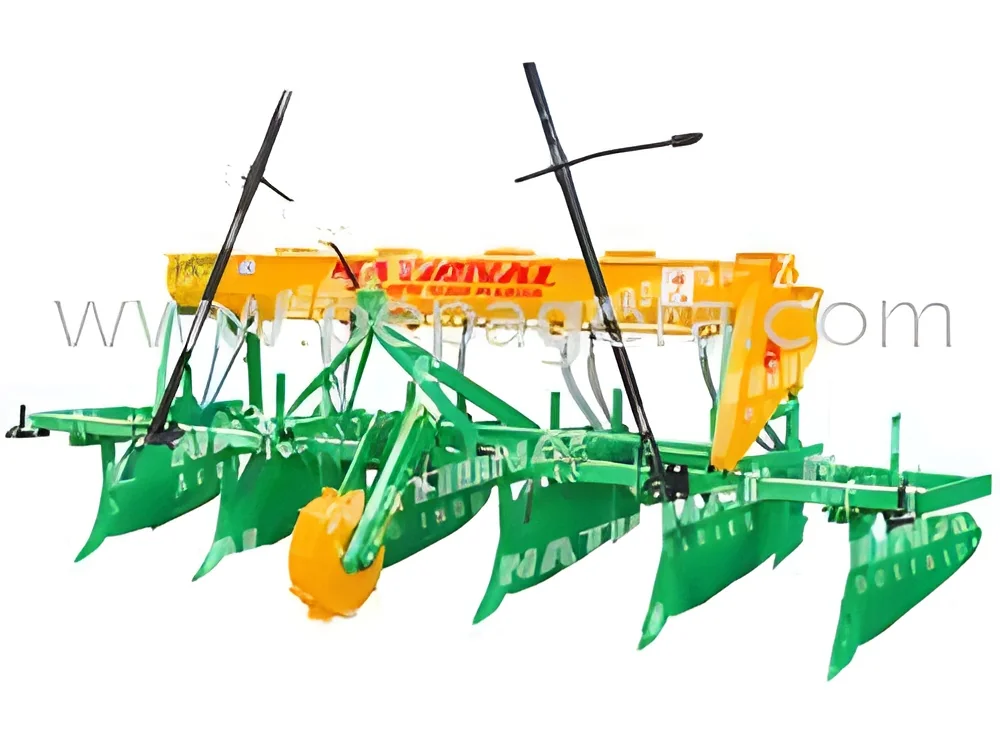
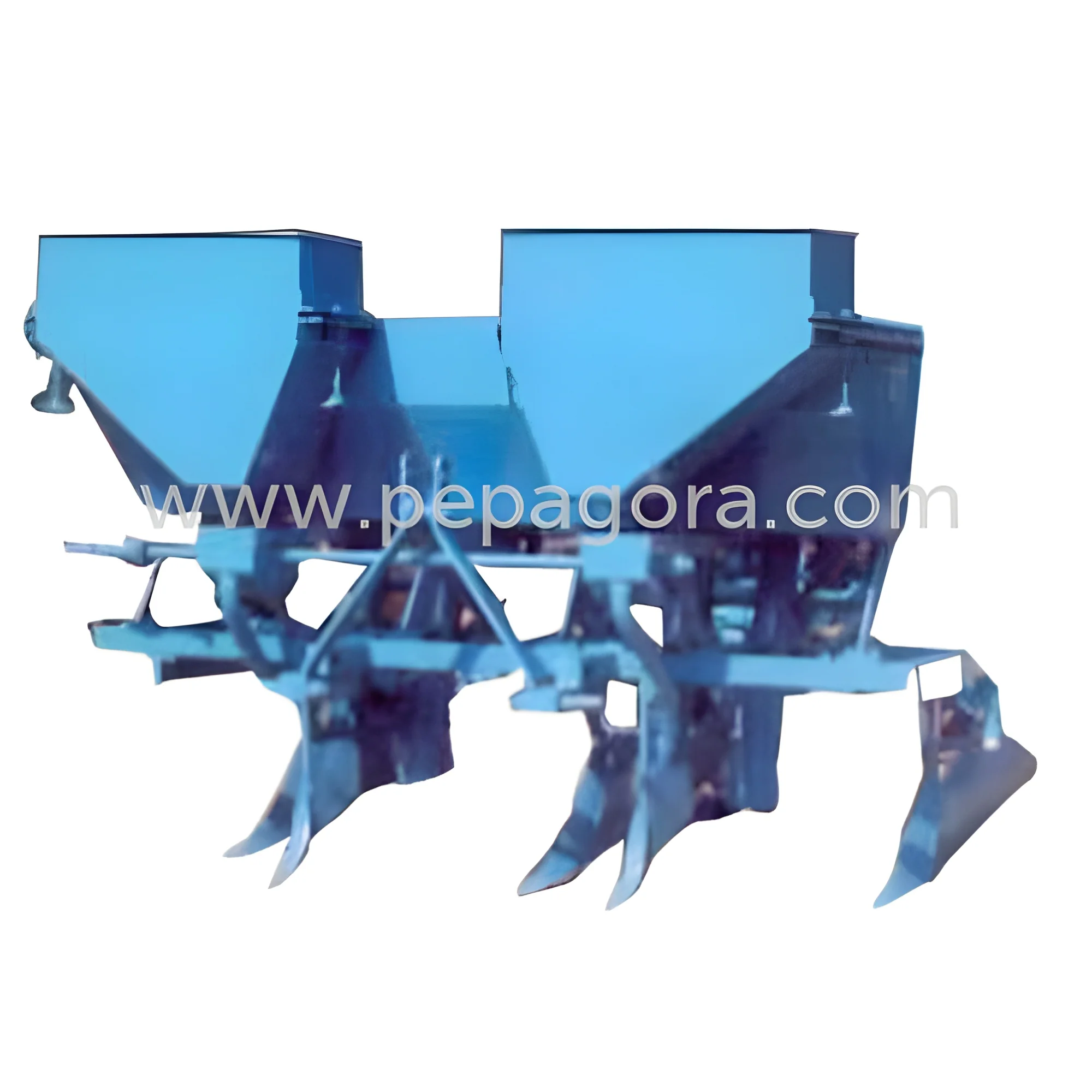
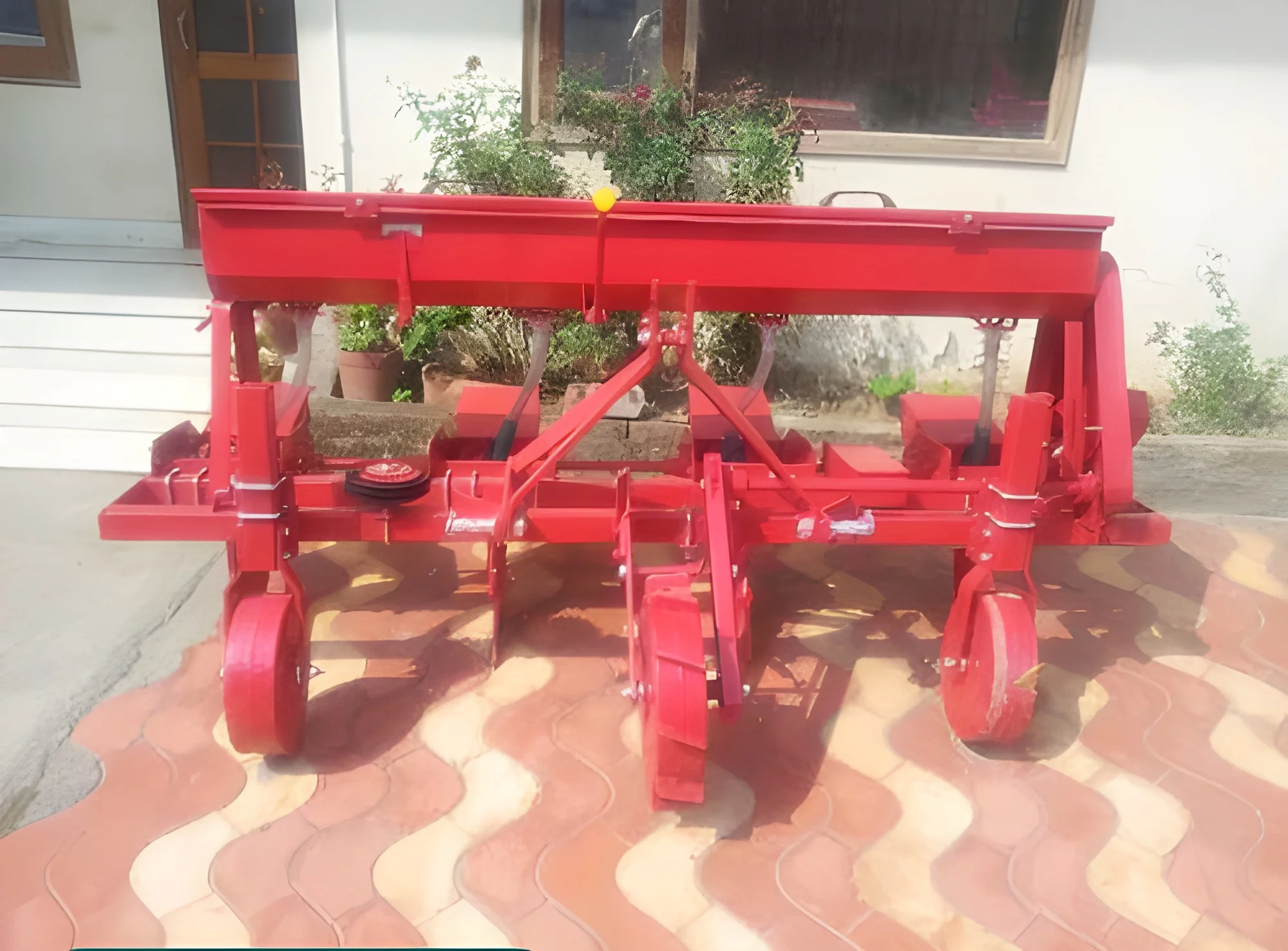
Seed planters are specialized agricultural tools designed to facilitate the sowing of seeds in a precise and efficient manner. By automating the planting process, these machines ensure that seeds are distributed evenly and at optimal depths, which is critical for maximizing crop yields. Seed planters are available in various designs, from small hand-operated versions to larger, tractor-mounted units, catering to different farming scales and needs.
Primarily, seed planters are used in commercial agriculture, gardening, and horticulture. They are instrumental in planting a wide variety of crops, including grains, vegetables, and flowers. Businesses within the agricultural sector benefit from using seed planters as they save time, reduce labor costs, and improve planting accuracy. The use of seed planters also enhances the overall efficiency of planting operations, making them a key asset for modern farming practices.
In the context of the agricultural industry, seed planters are increasingly relevant as farms seek to adopt technology that bolsters productivity. The growing demand for food, coupled with the need for sustainable farming practices, has led to a rise in the adoption of advanced planting equipment. This trend is supported by innovations in farming technology, which continuously evolve to meet the needs of an expanding global population.
Key Features and Specifications
Seed planters come equipped with a range of features designed to enhance their functionality and efficiency. These features are crucial for ensuring optimal planting conditions and maximizing crop yield.
Key specifications include:
1. Planting Depth Adjustment
- Allows users to set the depth of seed placement according to crop requirements
- Typically adjustable from 1 to 4 inches
2. Seed Displacement Mechanism
- Mechanism that accurately spaces seeds to prevent overcrowding
- Varies based on model; can range from 6 to 12 inches between seeds
3. Hopper Capacity
- Size of the seed hopper, determining how much seed can be loaded
- Common capacities range from 2 to 10 bushels
4. Row Spacing
- Distance between rows which can be adjusted for different crops
- Usually adjustable from 30 to 36 inches
5. Weight
- Overall weight of the seed planter, impacting its maneuverability
- Ranges from 100 to 500 pounds based on design
6. Compatibility with Tractors
- Specification indicating whether the planter can be towed by standard agricultural tractors
- Most models are compatible with tractors of 25 to 50 horsepower
7. Construction Material
- Common materials include steel and high-density plastic for durability
- Must withstand various weather conditions and soil types
8. Ease of Operation
- User-friendly controls and setup for quick deployment in the field
- Many models offer intuitive interfaces for efficient operation
In summary, understanding the key features and specifications of seed planters is essential for selecting the right model for agricultural needs. This knowledge helps buyers make informed decisions, ensuring that they choose a unit that meets their operational requirements.
Common Applications and Use Cases
Seed planters are utilized across a range of industries, each benefiting from their precision and efficiency.
1. Agriculture: In large-scale farming operations, seed planters are essential for planting crops like corn, soybeans, and wheat. They enable farmers to plant seeds at optimal depths and spacing, significantly improving yield potential.
2. Horticulture: Nurseries and garden centers use seed planters to efficiently sow flower and vegetable seeds. This helps maintain uniformity in plant growth and reduces labor costs.
3. Landscaping: Landscaping companies employ seed planters to establish lawns and green spaces quickly. The ability to plant seeds evenly ensures healthy growth and aesthetic appeal.
4. Research and Development: Agricultural research institutions utilize seed planters for experimental farming. This allows for controlled studies on seed growth under varying conditions.
5. Organic Farming: Organic farmers favor seed planters that align with sustainable practices. These machines help reduce soil disturbance, promoting healthier ecosystems.
6. Reforestation Projects: Seed planters are integral to reforestation efforts, allowing for efficient planting of tree seedlings in various terrains.
7. Sports Turf Management: Groundskeepers use seed planters for maintaining athletic fields and golf courses, ensuring quick and even grass growth.
Product Variants and Subcategories
Seed planters come in various types to meet specific planting needs and operational scales. Their diversity allows buyers to choose the most suitable option for their agricultural practices.
Manual Seed Planters
These are typically hand-operated devices ideal for small gardens or plots. They are lightweight, easy to maneuver, and perfect for home gardeners who want to plant seeds with precision.
Mechanical Seed Planters
Designed for larger farming operations, these machines can be towed by tractors. They come with advanced features like precise seed spacing mechanisms and adjustable planting depths, making them suitable for commercial agriculture.
Air Seeders
These are high-capacity planters that use air pressure to distribute seeds over larger areas. They are particularly useful for planting grains and cover crops in vast fields, offering efficiency and speed.
Drill Planters
Drill planters are ideal for planting in rows and are often used for grains. They provide accurate seed placement and are designed to work well in various soil types and conditions.
Benefits and Advantages
Seed planters offer numerous advantages that enhance planting efficiency and crop success.
1. Precision Planting: Seed planters ensure seeds are sown at the correct depth and spacing, leading to better germination rates and crop uniformity.
2. Labor Savings: Automating the planting process reduces the need for manual labor, allowing farmers to allocate resources more efficiently.
3. Time Efficiency: Seed planters significantly speed up the planting process, enabling farmers to cover more ground in less time.
4. Improved Crop Yields: With precise planting, crops are more likely to thrive, leading to increased yields and better quality produce.
5. Versatility: Seed planters can be used for a wide variety of crops, making them a versatile tool for different agricultural practices.
6. Reduced Soil Disturbance: Many modern seed planters are designed to minimize soil disruption, promoting a healthier growing environment.
Buying Guide for B2B Buyers
When sourcing seed planters, several factors should be taken into account to ensure the right choice for agricultural needs.
1. Quality Assessment: Look for seed planters that are constructed from durable materials and have a proven track record of performance. Read reviews and seek recommendations from industry peers.
2. Supplier Verification: It is crucial to vet suppliers to ensure they are reputable and provide high-quality products. Check for customer references and industry certifications.
3. Pricing and MOQ: Understand the pricing structure and minimum order quantities (MOQs) required by the supplier. This will help you budget effectively and negotiate better terms.
4. Delivery and Lead Times: Discuss delivery schedules with suppliers to ensure timely receipt of equipment, especially during peak planting seasons.
5. Compliance Requirements: Verify that the seed planters meet relevant agricultural regulations and safety standards in your region.
Compliance and Certifications
Seed planters must adhere to various quality standards and certifications to ensure safety and reliability in agricultural applications.
ISO 9001 is a widely recognized quality management standard that ensures consistent quality in manufacturing processes. Compliance with this standard indicates that a manufacturer prioritizes quality and customer satisfaction.
Another relevant certification is CE marking, which signifies that the equipment meets European Union safety standards. This is particularly important for businesses looking to operate in or export to the EU market.
Safety and testing requirements are also critical, as they ensure that seed planters operate without posing risks to users or the environment. Regular testing for durability and functionality is essential to maintain compliance.
Additionally, regional compliance considerations may apply, depending on local regulations governing agricultural machinery. Buyers should be aware of these requirements to avoid potential legal issues.
Why Source Seed Planters from Pepagora?
Pepagora offers a trusted platform for sourcing seed planters, providing several key advantages for B2B buyers.
Verified Supplier Network: Pepagora connects buyers with a network of verified suppliers who meet stringent quality and reliability standards. This ensures that buyers receive high-quality products that meet their operational needs.
Streamlined RFQ Process: The request for quotation (RFQ) process on Pepagora is designed to be straightforward, allowing buyers to easily compare quotes from multiple suppliers. This transparency helps buyers make informed decisions.
Trade Assurance and Support: Pepagora offers trade assurance to protect buyers during transactions. This includes support services that help resolve any issues that may arise, ensuring a smooth purchasing experience.
Regional Coverage: With a strong presence in India, the GCC, and Southeast Asia, Pepagora facilitates access to a diverse range of suppliers and products. This geographic reach ensures that buyers can find seed planters tailored to their specific market conditions.

Frequently Asked Questions
What are Seed Planters?
Seed planters are agricultural machinery designed to automate the process of sowing seeds in the soil. They ensure uniform seed placement, depth, and spacing, which enhances crop yield and efficiency.
What are the different types of Seed Planters?
There are several types of seed planters, including manual seed planters, mechanical seed planters, and precision seed planters. Each type varies in functionality and is suited for different farming scales and seed types.
How do I choose the right Seed Planters?
When selecting seed planters, consider factors such as the type of crops, field size, and soil conditions. Additionally, evaluate the planter's capacity, ease of use, and maintenance requirements to ensure it meets your farming needs.
What are the standard specifications for Seed Planters?
Standard specifications for seed planters typically include seed capacity, row spacing, planting depth, and the type of seeds they can handle. It is important to check the manufacturer's specifications for compatibility with your specific crops.
What is the price range for Seed Planters?
The price of seed planters can vary widely based on their type and features, ranging from a few thousand to several lakhs of Indian Rupees. Factors such as brand, capacity, and technology also influence the pricing.
What quality standards apply to Seed Planters?
Seed planters must adhere to agricultural machinery quality standards set by regulatory bodies. These standards often include durability, performance efficiency, and safety features to ensure reliable operation in the field.
Where can I find Seed Planters suppliers in India?
You can find seed planter suppliers in India through B2B marketplaces, agricultural fairs, and trade exhibitions. Online platforms like Pepagora also connect buyers with reputable seed planter manufacturers and suppliers.
Can Seed Planters be customized?
Yes, many manufacturers offer customization options for seed planters to meet specific agricultural needs. Customizations may include adjustments to size, seed capacity, and additional features for enhanced functionality.
What is the typical minimum order quantity for Seed Planters?
The minimum order quantity (MOQ) for seed planters can vary by supplier but typically ranges from one unit for smaller manufacturers to larger quantities for bulk orders. It is advisable to check with the supplier for their specific MOQ requirements.
What is the typical lead time for Seed Planters?
The lead time for seed planters usually depends on the manufacturer's production schedule and the complexity of the order. Standard lead times can range from a few weeks to several months, especially for customized units.
Why Businesses Trust Pepagora
Thousands of companies trust Pepagora to source smarter and sell faster
Expand Your Sales Globally

Source Smarter,Grow Faster
