What are Soil Testing Kits?
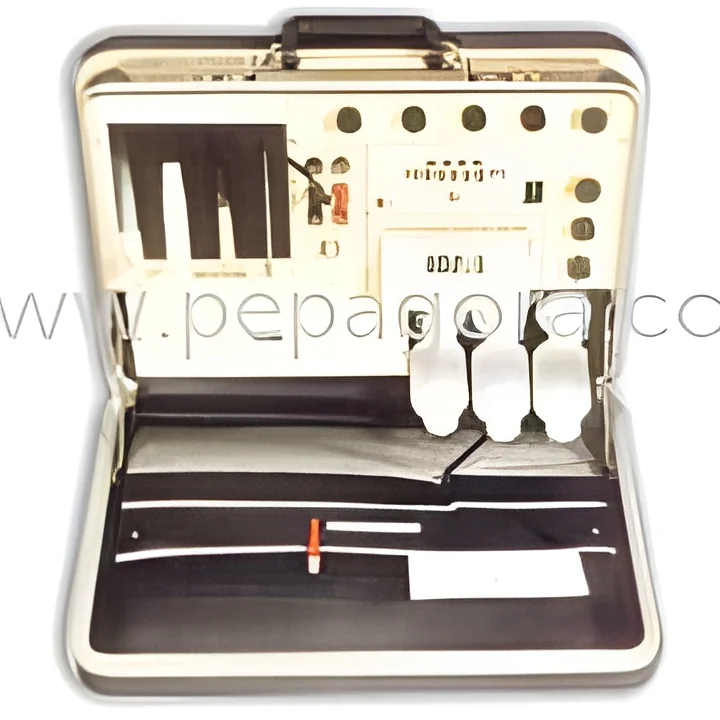
Soil testing kits are tools designed to analyze the physical and chemical properties of soil. These kits allow users to measure various parameters, including pH, nutrient levels, and contamination presence. Typically, they come with all necessary reagents and equipment needed to conduct tests in the field or laboratory settings. By providing accurate and timely data, these kits can support effective soil management practices.
The primary uses of soil testing kits span across agriculture, environmental monitoring, and construction. Farmers utilize these kits to optimize crop yields by understanding soil nutrient levels and pH. Environmental consultants use them to assess soil contamination and guide remediation efforts. Additionally, construction firms may employ soil testing kits to evaluate soil stability before starting new projects. The increasing emphasis on sustainable practices in agriculture and construction is driving demand for these kits in various industries.
In a market context, soil testing kits are highly relevant as they align with global trends toward precision agriculture and environmental stewardship. The growth of organic farming and regulatory requirements for soil management further contribute to the demand for effective soil testing solutions. As industries seek to improve productivity and minimize environmental impact, soil testing kits become essential tools in achieving these objectives.
Key Features and Specifications
Soil testing kits come with a range of features that enhance their usability and effectiveness. These features allow users to conduct thorough analyses and obtain reliable results.
Key specifications include:
1. Testing Parameters
- Commonly tested parameters include pH, nitrogen, phosphorus, potassium, and organic matter.
- Each kit may vary in the number of parameters it can test simultaneously.
2. User-friendly Design
- Many kits are designed for easy use, featuring simple instructions and quick test results.
- Some kits may include color-coded charts for easy comparison of results.
3. Portability
- Soil testing kits are often compact and lightweight, making them suitable for fieldwork.
- The design may include durable cases to protect components during transport.
4. Reagent Shelf Life
- Reagents included in the kits have specified shelf lives, typically ranging from 6 months to 2 years.
- Proper storage conditions are necessary to maintain reagent efficacy.
5. Calibration Tools
- Some kits provide calibration solutions for ensuring accurate results over time.
- Regular calibration is essential for maintaining testing accuracy.
6. Sample Collection Tools
- Many kits include tools for soil sampling, such as augers or scoops.
- Proper sampling techniques are critical for obtaining representative soil samples.
7. Environmental Considerations
- Certain kits are designed to minimize environmental impact, using eco-friendly reagents.
- Compliance with environmental standards may be a feature of advanced kits.
In summary, soil testing kits are equipped with a variety of features that cater to specific testing needs, ensuring accurate and reliable soil analysis for various applications.
Common Applications and Use Cases
Soil testing kits have diverse applications across multiple industries, making them valuable tools for a wide array of professionals.
1. Agriculture: Farmers utilize soil testing kits to determine nutrient levels and pH, enabling them to make informed decisions about fertilization and crop selection. This leads to enhanced productivity and sustainable farming practices.
2. Environmental Consulting: Environmental professionals use soil testing kits to assess contamination levels in soil. These tests help to inform remediation strategies and compliance with environmental regulations.
3. Landscaping: Landscape architects and contractors use these kits to evaluate soil health for landscaping projects. Understanding soil composition ensures the selection of appropriate plants and soil amendments.
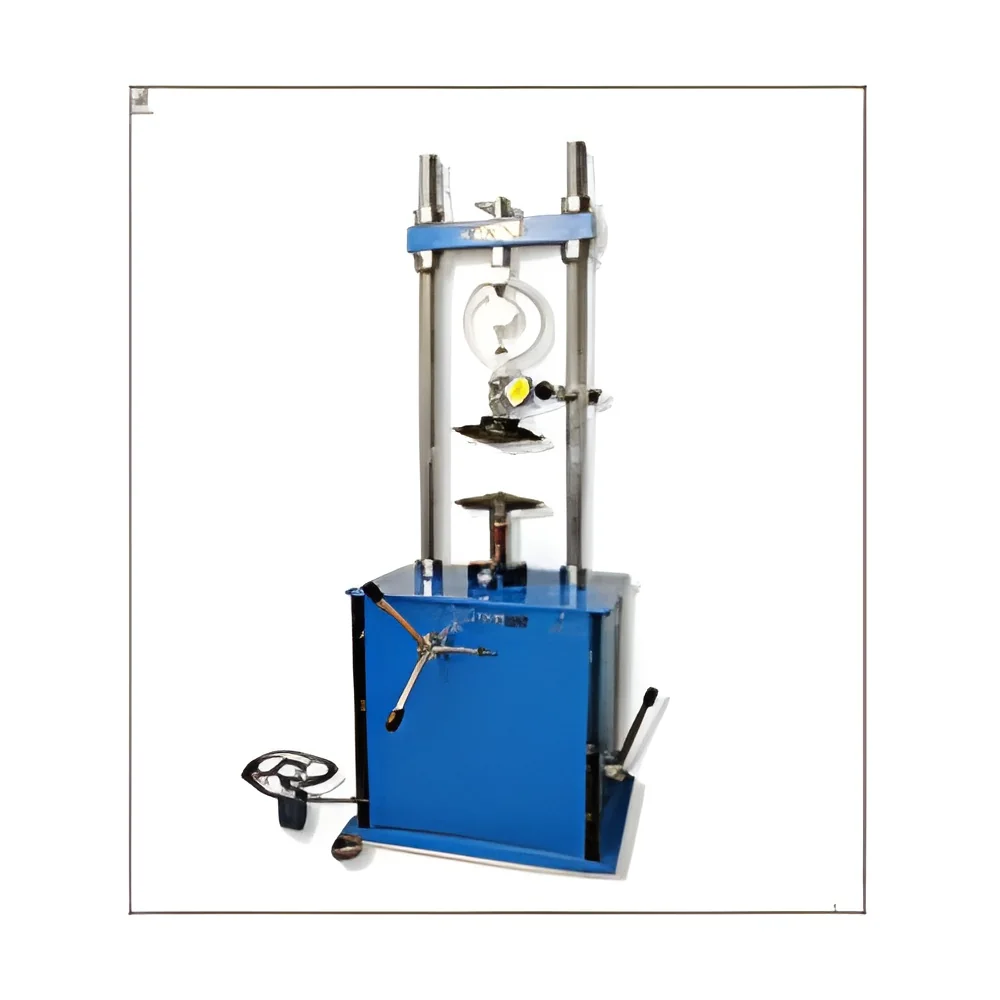
4. Construction: Construction companies often perform soil tests to assess stability and load-bearing capacity before initiating projects. This evaluation helps prevent structural problems in the future.
5. Horticulture: Gardeners and horticulturists use soil testing kits to optimize soil conditions for various plants, ensuring healthier growth and improved yields.
6. Education: Educational institutions may use soil testing kits in science classes to teach students about soil chemistry and biology. Hands-on experiments enhance learning about environmental science.
7. Urban Planning: Urban planners utilize soil testing to assess land suitability for development. Understanding soil types and conditions is crucial for sustainable urban growth.
Product Variants and Subcategories
Soil testing kits come in various configurations to meet the needs of different users. Each variant offers unique features tailored to specific applications.
Basic Soil Testing Kit
This variant includes essential tools for measuring pH, nitrogen, phosphorus, and potassium levels. It is ideal for home gardeners and small-scale farmers seeking to understand their soil better.
Comprehensive Soil Testing Kit
Designed for professional use, this kit offers advanced testing capabilities, including micronutrient analysis and contamination detection. It is suitable for agricultural consultants and environmental scientists.
Portable Soil Testing Kit
This compact kit is specifically designed for field use, featuring lightweight components and easy-to-use testing strips. It is perfect for agronomists and environmental field workers who require mobility.
Digital Soil Testing Kit
This variant includes digital sensors for precise measurements and easy data logging. It is well-suited for research institutions and large agricultural operations requiring detailed analytics.
Benefits and Advantages
Soil testing kits provide numerous advantages that contribute to better soil management and informed decision-making.
1. Improved Crop Yield: By understanding soil nutrient levels, farmers can apply fertilizers more effectively, leading to increased crop productivity.
2. Cost Efficiency: Regular soil testing helps prevent over-fertilization, saving costs on unnecessary inputs and enhancing overall profitability.
3. Environmental Protection: Soil testing kits allow for the identification of contaminants, enabling timely remediation and reducing environmental impact.
4. Enhanced Soil Health: Testing helps identify deficiencies and imbalances in soil, allowing for targeted amendments that promote healthier soil ecosystems.
5. Informed Decision-Making: Accurate soil data empowers users to make educated decisions regarding crop selection, land use, and resource allocation.
6. Compliance Assurance: Soil testing is often a regulatory requirement, and having the right tools ensures compliance with local and national standards.
Buying Guide for B2B Buyers
When sourcing soil testing kits for business use, it is essential to consider several factors that influence quality and suitability.
1. Quality Assessment: Ensure that the kits meet industry standards for accuracy and reliability. Look for certifications such as CE that indicate compliance with safety and quality regulations.
2. Supplier Verification: Vet potential suppliers to confirm their reputation and reliability. Check for customer reviews and industry certifications to ensure they provide quality products.
3. Pricing and MOQ: Compare pricing across different suppliers and understand the minimum order quantities (MOQ) required. This will help in budgeting and procurement planning.
4. Delivery and Lead Times: Inquire about delivery schedules and lead times to ensure timely availability of kits. Reliable logistics are crucial for maintaining operational efficiency.
5. Compliance Requirements: Check if the kits meet any specific regional compliance standards. This is vital for ensuring that your testing practices are in line with local regulations.
Compliance and Certifications
Soil testing kits are subject to various quality standards and compliance regulations that ensure their reliability and safety.
Relevant quality standards may include ISO 9001, which emphasizes effective quality management systems across organizations. Adhering to such standards assures users of consistent product quality and reliability.
Industry certifications like CE signify that the products meet European safety, health, and environmental protection standards. This certification is crucial for companies operating in the European market.
Safety and testing requirements should be strictly followed to ensure that the kits are safe for users and the environment. Manufacturers should provide clear instructions and safety data sheets to guide proper usage.
Regional compliance considerations may vary based on local environmental regulations. It is essential to be aware of these requirements to ensure that soil testing practices conform to legal standards.
Why Source Soil Testing Kits from Pepagora?
Pepagora offers a trusted platform for sourcing soil testing kits, providing several key advantages to B2B buyers.
Verified Supplier Network: Pepagora connects buyers with a network of verified suppliers, ensuring that the products meet high standards of quality and reliability. This reduces the risk associated with sourcing from unknown entities.
Streamlined RFQ Process: The platform features a user-friendly request for quotation (RFQ) system, allowing buyers to easily compare offers from multiple suppliers. This simplifies the procurement process and saves time.
Trade Assurance and Support: Pepagora provides trade assurance, offering buyers protection against order-related issues. This support fosters confidence and security in the purchasing process.
Regional Coverage: Pepagora has a broad geographic reach, covering regions such as India, the Gulf Cooperation Council (GCC), and Southeast Asia. This extensive network ensures that businesses can find suitable suppliers in their local markets.

 IN
IN