
 IN
IN₹
Apparel & Fashion
PVC/HDPE Pipes & Fittings
2 products available
What are PVC/HDPE Pipes & Fittings?
PVC (Polyvinyl Chloride) and HDPE (High-Density Polyethylene) pipes and fittings are essential components in various industrial applications. PVC is a versatile plastic known for its durability and resistance to corrosion, while HDPE is recognized for its strength and flexibility. Both materials are widely used in piping systems due to their excellent performance characteristics and cost-effectiveness. They are available in various sizes and configurations, which allows for easy installation and customization.
These pipes and fittings find primary applications across a range of sectors, including construction, agriculture, and waste management. They are commonly used for water supply, drainage systems, and irrigation. The ability to resist chemicals and withstand harsh environmental conditions makes them suitable for both indoor and outdoor applications. The growing demand for reliable and efficient piping solutions has led to an increased market presence for PVC and HDPE products, positioning them as a staple in modern infrastructure development.
With ongoing advancements in manufacturing processes and material technology, the relevance of PVC and HDPE pipes and fittings continues to expand. As industries strive for sustainability and cost efficiency, these products are increasingly recognized for their long-term benefits and environmental advantages in various applications.
Key Features and Specifications
PVC and HDPE pipes and fittings are characterized by their unique properties that enhance their usability and performance in different applications. Understanding the key specifications is crucial for selecting the right product for specific needs.
Key specifications include:
1. Material Type
- PVC and HDPE are both lightweight yet strong materials.
- They offer resistance to corrosion, chemicals, and UV radiation.
2. Pressure Ratings
- Available in various pressure ratings, typically ranging from 6 to 16 bar.
- Higher ratings may be available for specialized applications.
3. Diameter Options
- Pipes come in a range of diameters, from small (20 mm) to large (over 1000 mm).
- Fittings are designed to match these diameters for seamless connections.
4. Temperature Resistance
- Generally, PVC can withstand temperatures up to 60°C.
- HDPE typically operates well within a temperature range of -40°C to 60°C.
5. Jointing Methods
- Common jointing methods include solvent welding for PVC and electrofusion or butt fusion for HDPE.
- These methods ensure leak-proof connections.
6. Compliance Standards
- Products often meet international standards such as ISO 9001 and CE certifications.
- Compliance ensures quality and safety in industrial applications.
7. Lifespan
- PVC pipes can last up to 50 years with proper installation and maintenance.
- HDPE pipes have a similar lifespan under optimal conditions.
8. Color Coding
- Different colors may indicate specific uses, such as blue for potable water and green for sewage systems.
- This coding helps in easy identification during installation and maintenance.
In summary, understanding the key features and specifications of PVC and HDPE pipes and fittings is essential for making informed purchasing decisions, ensuring that the selected products meet the specific demands of the application.
Common Applications and Use Cases
PVC and HDPE pipes and fittings are utilized across multiple industries, showcasing their versatility and reliability.
1. Construction: These materials are widely used for plumbing and drainage systems in residential and commercial buildings. Their durability and resistance to corrosion make them ideal for long-term installations.
2. Agriculture: PVC and HDPE pipes are essential for irrigation systems, allowing efficient water delivery to crops. They are also used for drainage to manage excess water in fields.
3. Waste Management: Both materials are employed in sewage and wastewater systems due to their ability to withstand harsh substances and prevent leaks.
4. Mining: HDPE pipes are often used for transporting slurry and other materials in mining operations. Their strength and flexibility help maintain integrity in challenging environments.
5. Telecommunications: PVC conduits protect and route fiber optic and electrical cables, providing a safe and reliable solution for communication infrastructure.
6. Industrial Applications: These pipes are used in various processes, including chemical transport and cooling systems. Their resistance to chemicals makes them suitable for diverse industrial environments.
7. Utility Services: Utility companies use PVC and HDPE pipes for water and gas distribution networks. Their longevity ensures reduced maintenance costs over time.
Product Variants and Subcategories
PVC and HDPE pipes and fittings come in various forms to meet the specific needs of different applications.
PVC Pipes
These pipes are lightweight and easy to handle, making them ideal for residential plumbing and irrigation. They are available in several grades to cater to different pressure requirements.
HDPE Pipes
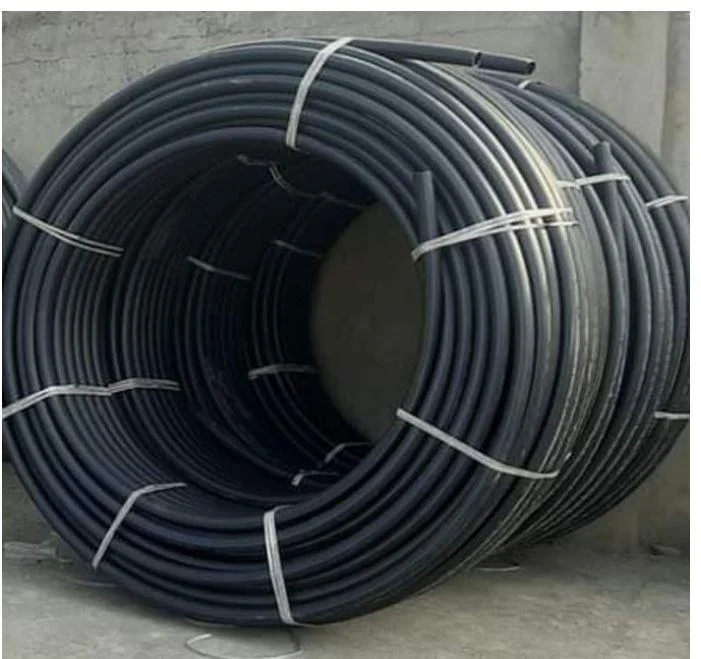
Known for their strength and flexibility, HDPE pipes are suited for both above-ground and underground applications. They can handle a wide range of pressures and are often used in municipal water and gas distribution.
PVC Fittings
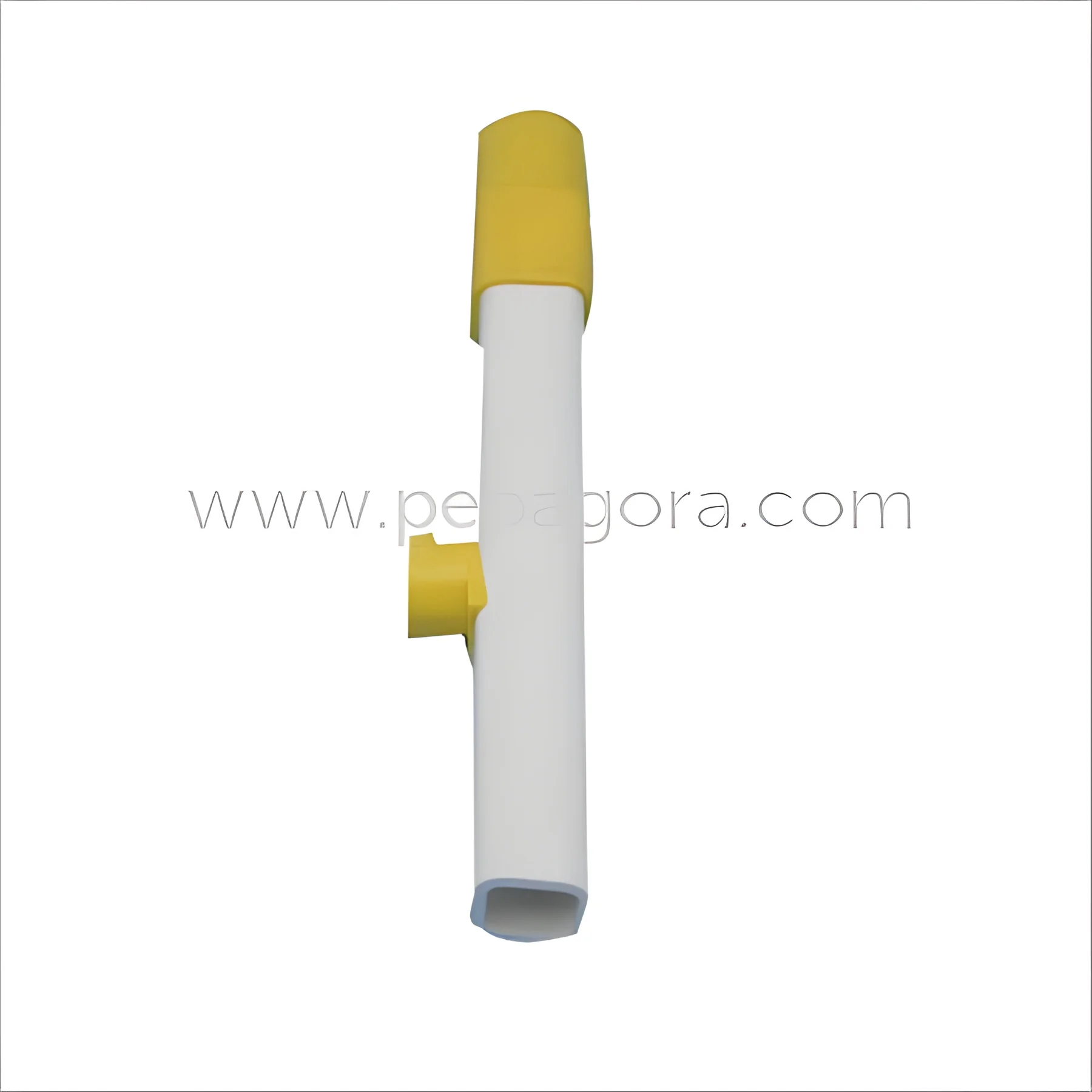
These fittings connect different sections of PVC pipes. They are available in various shapes, such as elbows, tees, and reducers, facilitating seamless transitions in piping systems.
HDPE Fittings
HDPE fittings are designed to work with HDPE pipes, providing secure connections. They include specialized fittings for fusion welding, which ensures a strong and leak-proof joint.
Benefits and Advantages
Choosing PVC and HDPE pipes and fittings offers numerous benefits for businesses and industries.
1. Durability: Both materials are resistant to corrosion, chemicals, and UV radiation, ensuring long-lasting performance in various environments.
2. Cost-Effectiveness: The lightweight nature of these pipes reduces transportation and installation costs, making them an economical choice for businesses.
3. Easy Installation: PVC and HDPE pipes can be easily cut, joined, and installed, reducing labor time and costs.
4. Versatility: Their wide range of applications across industries allows for flexibility in use, accommodating various project requirements.
5. Low Maintenance: The longevity and resistance to wear of these materials lead to reduced maintenance needs and costs over time.
6. Environmental Impact: PVC and HDPE are recyclable materials, contributing to sustainability in construction and infrastructure projects.
Buying Guide for B2B Buyers
When sourcing PVC and HDPE pipes and fittings, several factors should be considered to ensure the best purchase decision.
1. Quality Assessment: Evaluate the quality of products by checking for industry certifications and compliance with relevant standards. High-quality materials ensure reliability and performance.
2. Supplier Verification: Conduct thorough background checks on suppliers to ensure they have a solid reputation and a proven track record in delivering quality products.
3. Pricing and MOQ: Understand the pricing structure and minimum order quantities (MOQ) required by suppliers. This will help in budgeting and inventory planning.
4. Delivery and Lead Times: Inquire about the supplier's delivery capabilities and lead times. Timely delivery is crucial for project planning and execution.
5. Compliance Requirements: Be aware of any regulatory standards that may affect the purchase, such as environmental regulations or safety standards specific to your industry.
Compliance and Certifications
Compliance and certifications are essential aspects of PVC and HDPE pipes and fittings that ensure product quality and safety.
Relevant quality standards, such as ISO 9001, guarantee that manufacturers adhere to strict quality management principles. This fosters continuous improvement and customer satisfaction.
Industry certifications, like CE, indicate that products meet European safety and environmental requirements. These certifications are crucial for businesses looking to operate in regulated markets.
Safety and testing requirements ensure that the materials perform as expected under various conditions. Manufacturers often conduct rigorous testing to confirm that their products meet these standards.
Additionally, regional compliance considerations may vary, so it is vital for buyers to understand the local regulations that apply to their specific applications and industries.
Why Source PVC/HDPE Pipes & Fittings from Pepagora?
Pepagora provides a trusted platform for sourcing PVC and HDPE pipes and fittings, offering several key advantages for B2B buyers.
Verified Supplier Network: Pepagora has established a robust network of verified suppliers, ensuring that buyers have access to high-quality products from reputable manufacturers. This network helps in minimizing risks associated with sourcing.
Streamlined RFQ Process: The Request for Quotation (RFQ) process on Pepagora is designed to be efficient and user-friendly. Buyers can easily submit their requirements and receive competitive quotes from multiple suppliers, enabling informed decision-making.
Trade Assurance and Support: Pepagora offers trade assurance to protect buyers throughout the purchasing process. This includes support for resolving any disputes, ensuring a smooth transaction experience.
Regional Coverage: With a strong presence in regions like India, the GCC, and Southeast Asia, Pepagora provides extensive geographic reach. This enables businesses to find local suppliers while benefiting from a wide selection of products tailored to their needs.

Frequently Asked Questions
1
What is PVC/HDPE Pipes & Fittings?
PVC/HDPE Pipes & Fittings is a product offered by global suppliers on Pepagora.
2
How do I find suppliers for PVC/HDPE Pipes & Fittings?
Use Pepagora's search and filter options to find verified suppliers.
3
Can I request a quote for PVC/HDPE Pipes & Fittings?
Yes, use the RFQ feature to request quotes from multiple suppliers.
4
Is PVC/HDPE Pipes & Fittings available in multiple languages?
Pepagora supports multilingual catalogs for global buyers.
5
What trust signals are available for PVC/HDPE Pipes & Fittings?
Look for TruBadge, RFQ, and multilingual support on supplier profiles.
Why Businesses Trust Pepagora
Thousands of companies trust Pepagora to source smarter and sell faster
Expand Your Sales Globally
25000+Products listed.Get discovered by global buyers
Tools to boost visibility
Build your own catalog

Source Smarter,Grow Faster
4000+Active RFQs
100+ Countries served
Easy Sourcing Tools
