What are Farm Equipment Leasing Services?
Farm Equipment Leasing Services provide businesses in the agricultural sector with access to essential machinery without the burden of outright purchasing. This service allows farmers and agricultural enterprises to lease various types of equipment, including tractors, plows, and harvesters, on a short- or long-term basis. Leasing can help manage cash flow and reduce the impact of capital expenditure, making it easier for businesses to invest in growth and efficiency.
These services are particularly useful in situations where equipment needs may fluctuate with seasons or market demands. For instance, a farmer may require additional machinery during the harvest season but not during the off-season. Leasing offers flexibility, enabling businesses to scale their operations as needed without committing to the full purchase price of expensive equipment. In a competitive agricultural market, such adaptability can be a significant advantage.
The relevance of Farm Equipment Leasing Services has grown in recent years, particularly as agriculture becomes increasingly mechanized. As farms expand and technology evolves, the demand for modern equipment rises. Leasing services not only provide immediate access to the latest machinery but also allow businesses to stay agile in responding to changing market conditions.
Key Features and Specifications
Farm Equipment Leasing Services come with various key features designed to meet the diverse needs of agricultural businesses. These features ensure that customers can find the right equipment to suit their operations while maintaining financial flexibility.
Key specifications include:
1. Equipment Variety
- A wide range of equipment available for lease, including tractors, harvesters, tillers, and irrigation systems.
- Options for different sizes and capabilities to match various agricultural operations.
2. Flexible Lease Terms
- Short-term and long-term lease options to accommodate seasonal needs or longer projects.
- Customizable agreements based on usage requirements and budget.
3. Maintenance and Support
- Regular maintenance included in lease agreements to ensure equipment remains operational.
- Access to technical support for troubleshooting and repairs.
4. Cost-Effective Solutions
- Competitive leasing rates that allow for budget management without compromising on quality.
- Reduced upfront costs compared to purchasing equipment outright.
5. Upgrade Options
- Ability to upgrade to newer models as technology advances and needs change.
- Access to the latest innovations in agricultural equipment.
6. Insurance Coverage
- Lease agreements often include insurance options to protect against damage or loss.
- Peace of mind for businesses investing in leased equipment.
7. Compliance with Regulations
- Equipment that meets industry safety and environmental standards.
- Ensures businesses remain compliant with local agricultural regulations.
8. Geographic Availability
- Services available in various regions, accommodating local agricultural needs and practices.
- Options for urban and rural leasing requirements.
Farm Equipment Leasing Services provide essential flexibility and access to modern machinery, enabling agricultural businesses to operate efficiently and responsibly.
Common Applications and Use Cases
Farm Equipment Leasing Services cater to a multitude of industries within the agricultural sector, offering tailored solutions for various applications.
1. Crop Farming: Leasing allows farmers to access tractors and tillage equipment during planting and harvesting seasons, optimizing productivity without the burden of ownership.
2. Dairy Farming: Specialized equipment such as milking machines can be leased to manage fluctuating needs during peak production periods.
3. Horticulture: Greenhouse operators can lease climate-controlled equipment and irrigation systems, ensuring optimal growing conditions without a long-term investment.
4. Livestock Management: Farmers can lease feeding equipment and trailers, facilitating efficient management of livestock operations.
5. Organic Farming: Access to specialized equipment for organic practices, such as no-till planters, can be achieved through leasing, promoting sustainable farming methods.
6. Agricultural Research: Universities and research institutions can lease advanced equipment for experimental farming practices, allowing for flexibility in project-based research.
7. Agri-Tech Startups: New businesses in the agricultural technology sector can lease equipment to pilot innovative solutions without high upfront costs.
Product Variants and Subcategories
Farm Equipment Leasing Services encompass a range of options to meet diverse customer needs. While specific subcategories may not be available, the diversity in equipment types is significant.
Tractors
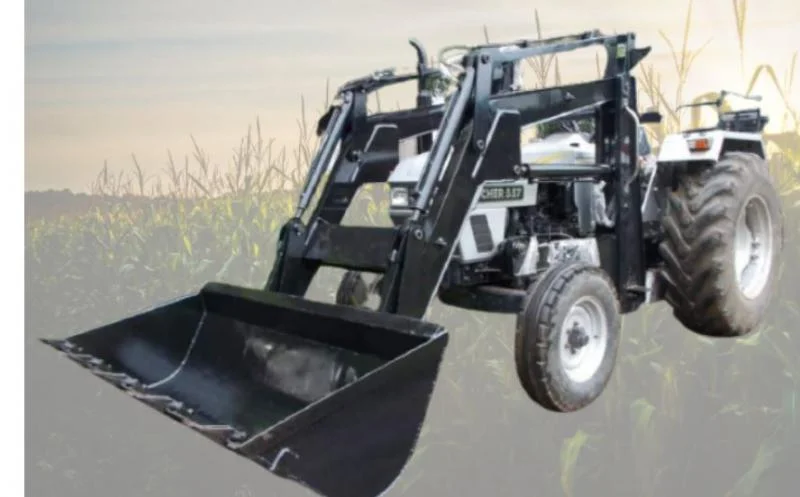
These are essential for a variety of farming tasks, including plowing, planting, and harvesting. Leasing allows farmers to choose the right horsepower and features for their specific operations.
Harvesters
Leasing options for different types of harvesters, including grain and forage harvesters, enable businesses to manage seasonal demands effectively.
Irrigation Systems
Farmers can lease advanced irrigation technology, allowing for efficient water management and improved crop yields.
Tillage Equipment
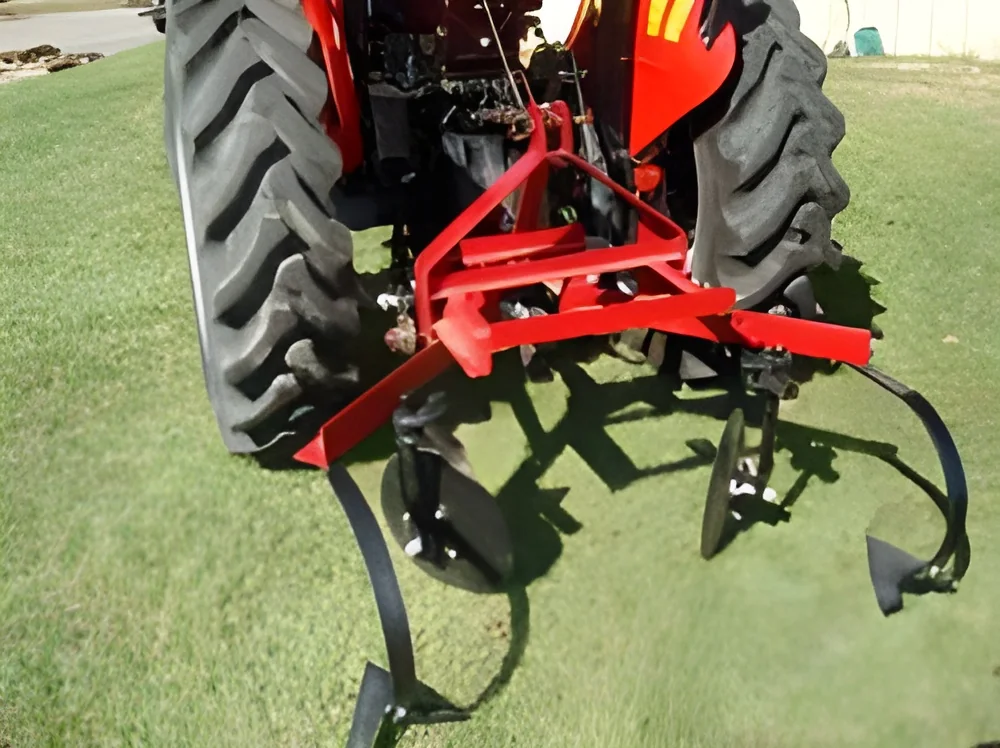
Leasing tillage equipment helps farmers prepare their fields without the long-term commitment of purchasing heavy machinery.
Benefits and Advantages
Farm Equipment Leasing Services offer numerous benefits that enhance operational efficiency and financial management for agricultural businesses.
Key benefits include:
1. Financial Flexibility: Leasing reduces upfront costs, allowing businesses to allocate funds to other critical areas such as labor and seed procurement.
2. Access to Latest Technology: Leasing provides access to cutting-edge equipment without the need for significant capital investment.
3. Reduced Maintenance Responsibilities: Many lease agreements include maintenance services, minimizing downtime and repair costs for businesses.
4. Risk Mitigation: Leasing can help manage the financial risk associated with owning expensive equipment, particularly in variable market conditions.
5. Seasonal Adaptability: Businesses can adjust their equipment needs according to seasonal demands, ensuring they have the right tools at the right time.
6. Environmental Benefits: Leasing encourages the use of newer, more efficient equipment that can help reduce the carbon footprint and improve sustainability practices.
Buying Guide for B2B Buyers
When sourcing Farm Equipment Leasing Services, it is essential for businesses to consider several factors to ensure they select the right provider.
1. Quality Assessment: Evaluate the condition and performance of leased equipment. Ensure that it meets industry standards and is well-maintained to avoid operational issues.
2. Supplier Verification: Conduct thorough research on potential leasing companies. Look for established providers with a solid reputation in the agricultural sector.
3. Pricing and MOQ: Understand the cost structure associated with leasing. Consider the minimum order quantities and the overall affordability of leasing agreements.
4. Delivery and Lead Times: Assess logistics capabilities, including delivery timelines for leased equipment. Ensure that the supplier can meet your operational schedules.
5. Compliance Requirements: Verify that the equipment complies with local regulations and safety standards. This is crucial for avoiding legal issues and ensuring safe operations.
Compliance and Certifications
Farm Equipment Leasing Services must adhere to various compliance and certification standards to ensure quality and safety in agricultural practices.
Relevant quality standards, such as ISO 9001, emphasize the importance of maintaining consistent quality management systems in the leasing process. This helps ensure that the equipment leased meets the required performance and safety standards.
Industry certifications, including CE, indicate that equipment complies with European safety directives. This certification is crucial for businesses sourcing equipment from international suppliers.
Additionally, safety and testing requirements must be met to ensure that all leased equipment operates safely and effectively. This includes regular inspections and adherence to local regulations.
Regional compliance considerations also play a role in the leasing process, as agricultural practices and regulations can vary widely. Businesses must ensure that their leased equipment complies with local agricultural laws to maintain operational integrity.
Why Source Farm Equipment Leasing Services from Pepagora?
Pepagora provides a trusted platform for sourcing Farm Equipment Leasing Services, offering several key advantages that cater to the needs of B2B buyers in the agricultural sector.
Verified Supplier Network: Pepagora connects buyers with a network of verified suppliers who meet stringent quality and reliability standards. This ensures access to reputable providers, minimizing the risk associated with leasing equipment.
Streamlined RFQ Process: The platform offers a simplified request-for-quotation process, enabling businesses to easily compare options and select the best leasing agreements based on their specific needs and budget.
Trade Assurance and Support: Pepagora provides trade assurance, protecting buyers throughout the leasing process. This includes support for negotiations and conflict resolution, ensuring that businesses feel secure in their leasing agreements.
Regional Coverage: With a strong presence in India, the GCC, and Southeast Asia, Pepagora offers extensive geographic reach, allowing businesses to find suitable leasing options that align with regional agricultural practices and demands.
By choosing Pepagora, businesses can enhance their operational efficiency and leverage the advantages of Farm Equipment Leasing Services while ensuring they remain competitive in the ever-evolving agricultural market.

 IN
IN