
 IN
Shovels & Rakes
4 products available
What are Shovels & Rakes?
Shovels and rakes are essential hand tools used primarily in gardening, landscaping, and construction. Shovels are designed for digging, lifting, and moving bulk materials such as soil, gravel, and snow. Their broad, flat blades allow for efficient scooping and transferring of materials. Rakes, on the other hand, are used for leveling soil, removing debris, and spreading materials evenly. They typically feature a long handle and a series of tines or teeth that make it easier to gather and manipulate loose materials.
These tools find extensive application in various sectors, including agriculture, horticulture, and construction. In agriculture, shovels and rakes are utilized for soil preparation, planting, and harvesting tasks. Landscapers rely on these tools for creating garden beds, grading land, and managing landscaping materials. Construction workers use shovels for moving materials on job sites, ensuring efficient workflow. The demand for shovels and rakes continues to grow as industries prioritize sustainable practices and outdoor beautification, establishing their relevance in today’s market.
Key Features and Specifications
Shovels and rakes come in various designs and sizes tailored for specific tasks. Understanding their key features and specifications is vital for making informed purchasing decisions.
Key specifications include:
1. Blade Material
- Common materials include steel and aluminum.
- Steel blades are durable and suitable for heavy-duty tasks, while aluminum blades are lightweight and easy to handle.
2. Handle Length
- Available in various lengths to accommodate different user heights and tasks.
- Standard handle lengths typically range from 48 to 60 inches.
3. Blade Shape
- Shovels may have pointed or flat blades based on use.
- Rakes can be wide or narrow, depending on the desired coverage area.
4. Weight
- Weights can vary significantly from lightweight options under 2 pounds to heavier-duty models exceeding 5 pounds.
- Heavier models may provide more force for tough tasks but can be tiring over prolonged use.
5. Tine Count (for rakes)
- Rakes often feature between 10 to 16 tines.
- More tines can improve efficiency in gathering materials.
6. Ergonomic Design
- Many tools now feature ergonomic handles to reduce strain during prolonged use.
- Grip materials vary, providing comfort and control.
7. Rust Resistance
- Some models are treated to resist rust and corrosion, enhancing durability.
- This is especially important for tools used in wet environments.
8. Certification
- Some products may meet specific industry standards, such as CE certification for safety.
In summary, shovels and rakes are versatile tools with features designed for efficiency and comfort. Understanding the specifications helps buyers select the right tools for their needs.
Common Applications and Use Cases
Shovels and rakes have a wide range of applications across different industries.
1. Agriculture: In farming, shovels are used for planting, harvesting, and soil management. Rakes help in leveling soil and clearing debris.
2. Landscaping: Landscapers utilize these tools for creating and maintaining gardens, moving materials like mulch, and preparing planting areas.
3. Construction: Shovels are essential for moving heavy materials on construction sites, while rakes help in grading and smoothing surfaces.
4. Gardening: Home gardeners rely on shovels and rakes for digging, planting, and maintaining their gardens.
5. Snow Removal: In colder climates, shovels are commonly used for snow removal from driveways and walkways.
6. Environmental Management: Rakes assist in clearing debris from parks and natural areas, promoting environmental sustainability.
7. Municipal Services: Public works departments use shovels and rakes for maintaining public spaces and infrastructure.
Product Variants and Subcategories
Shovels and rakes come in various styles tailored to distinct tasks and environments.
Garden Shovel: A smaller, lighter tool ideal for gardening tasks, featuring a narrow blade for digging in tight spaces and raised flower beds.
Snow Shovel: Designed for winter use, these shovels have wider, flat blades for efficiently moving snow without damaging surfaces.
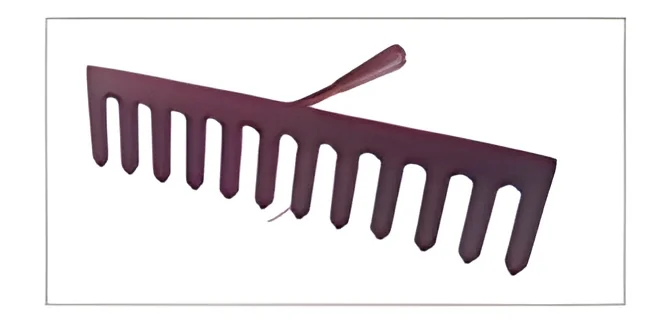
Landscape Rake: Featuring a wide head with heavy-duty tines, this rake is perfect for leveling soil and spreading materials over large areas.
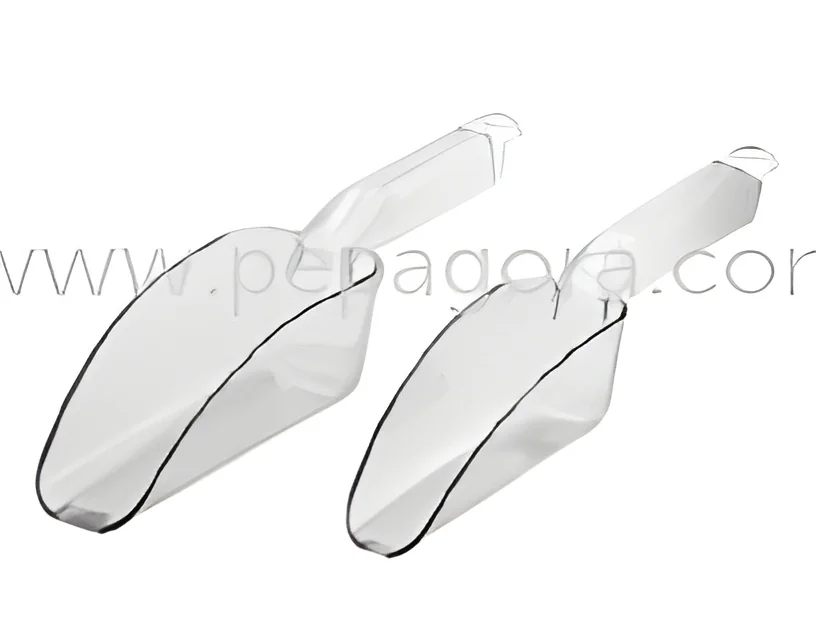
Scoop Shovel: With a deep, broad blade, scoop shovels are designed for moving loose materials like gravel or mulch, minimizing spills and enhancing efficiency.
Hand Rake: A smaller tool used for detailed work in gardens, hand rakes allow for precise soil adjustment and debris removal in confined areas.
Benefits and Advantages
Choosing shovels and rakes provides several advantages for businesses and professionals.
1. Versatility: These tools can be used across multiple applications, making them essential for various industries.
2. Efficiency: High-quality shovels and rakes enable faster and more effective material handling, improving productivity.
3. Ergonomics: Many models are designed with ergonomic handles that minimize strain, allowing for prolonged use without discomfort.
4. Durability: Well-constructed tools can withstand tough working conditions, offering long-term value and reliability.
5. Cost-Effectiveness: Investing in sturdy shovels and rakes reduces replacement costs, providing a better return on investment.
6. Enhanced Performance: The right specifications improve performance for specific tasks, ensuring optimal results for users.
Buying Guide for B2B Buyers
When sourcing shovels and rakes, several factors should be considered to ensure the right purchase.
1. Quality Assessment: Evaluate the materials and craftsmanship of the tools. Look for well-reviewed brands known for their reliability and durability.
2. Supplier Verification: Vet suppliers to ensure they are reputable and can provide quality products consistently. Check for certifications and customer feedback.
3. Pricing and MOQ: Consider the cost of tools and any minimum order quantities (MOQ). Balance quality with budget constraints for effective purchasing.
4. Delivery and Lead Times: Understand the expected delivery times and logistics associated with your order. Timely delivery can impact project schedules.
5. Compliance Requirements: Ensure that products meet any relevant industry standards or regulations. This includes safety, quality, and environmental considerations.
Compliance and Certifications
Shovels and rakes must meet various compliance standards to ensure safety and quality.
Relevant quality standards, such as ISO 9001, focus on quality management systems, ensuring products are consistently manufactured to meet customers' requirements.
Industry certifications, like CE marking, indicate compliance with health, safety, and environmental protection standards within the European market.
Safety and testing requirements may include assessments for durability, ergonomic design, and material safety, ensuring tools are safe for end-users.
Regional compliance considerations may vary, with different countries having specific regulations regarding tool manufacturing and safety standards.
Why Source Shovels & Rakes from Pepagora?
Pepagora is a trusted platform for sourcing shovels and rakes, offering several key advantages for businesses.
Verified Supplier Network: Pepagora connects buyers with a network of verified suppliers, ensuring that only quality products are offered. This network helps mitigate risks associated with sourcing.
Streamlined RFQ Process: The request for quotation (RFQ) process is efficient, allowing buyers to receive competitive quotes from multiple suppliers quickly. This ensures transparency and informed decision-making.
Trade Assurance and Support: Buyers can benefit from trade assurance mechanisms that protect their purchases and provide support throughout the sourcing process. This builds confidence in transactions.
Regional Coverage: Pepagora has a broad geographic reach, serving markets across India, the GCC, and Southeast Asia. This extensive coverage allows businesses to find local suppliers and reduce shipping times.
In summary, sourcing shovels and rakes from Pepagora connects businesses with quality products and reliable suppliers, enhancing overall procurement efficiency.

Frequently Asked Questions
What are Shovels & Rakes?
Shovels and rakes are essential hand tools used primarily in gardening, landscaping, and construction. A shovel typically features a broad blade and is used for digging, lifting, and moving bulk materials, while a rake is designed with a series of tines to gather leaves, debris, or loosen soil.
What are the different types of Shovels & Rakes?
There are various types of shovels and rakes designed for specific tasks. Common types of shovels include flat shovels, spades, and trenching shovels, while rakes can be categorized into garden rakes, landscape rakes, and thatch rakes, each serving different purposes in gardening and landscaping.
How do I choose the right Shovels & Rakes?
Choosing the right shovels and rakes depends on the specific tasks you plan to perform. Consider the material, size, and design suited for your needs; for instance, a lightweight shovel is ideal for delicate tasks, while a heavy-duty rake may be necessary for larger landscaping projects.
What are the standard specifications for Shovels & Rakes?
Standard specifications for shovels and rakes typically include blade size, handle length, and material composition. Common handle materials include wood, fiberglass, and metal, while blades are usually made from steel or aluminum for durability and effectiveness.
What is the price range for Shovels & Rakes?
The price range for shovels and rakes can vary widely based on quality and brand. Generally, simple garden rakes and shovels start from around INR 300, while high-quality, specialized models can cost upwards of INR 2000 or more.
What quality standards apply to Shovels & Rakes?
Quality standards for shovels and rakes often include durability, material strength, and ergonomic design. Tools should meet industry standards for safety and performance, ensuring they can withstand regular use without failure.
Where can I find Shovels & Rakes suppliers in India?
You can find shovels and rakes suppliers in India through various online B2B marketplaces, including Pepagora.com. Additionally, local hardware stores and garden supply centers often carry a range of options for both personal and commercial use.
Can Shovels & Rakes be customized?
Yes, many manufacturers offer customization options for shovels and rakes. Customizations can include specific handle lengths, blade shapes, and even branding options for businesses looking to promote their brand.
What is the typical minimum order quantity for Shovels & Rakes?
The typical minimum order quantity (MOQ) for shovels and rakes can vary by supplier. Generally, MOQs can range from 10 to 100 units, depending on the manufacturer and the specific product line.
What is the typical lead time for Shovels & Rakes?
The typical lead time for shovels and rakes is usually between 2 to 4 weeks, depending on the supplier's production schedule and stock availability. Custom orders may take longer, so it's advisable to confirm with the supplier for accurate timelines.
Why Businesses Trust Pepagora
Thousands of companies trust Pepagora to source smarter and sell faster
Expand Your Sales Globally

Source Smarter,Grow Faster
