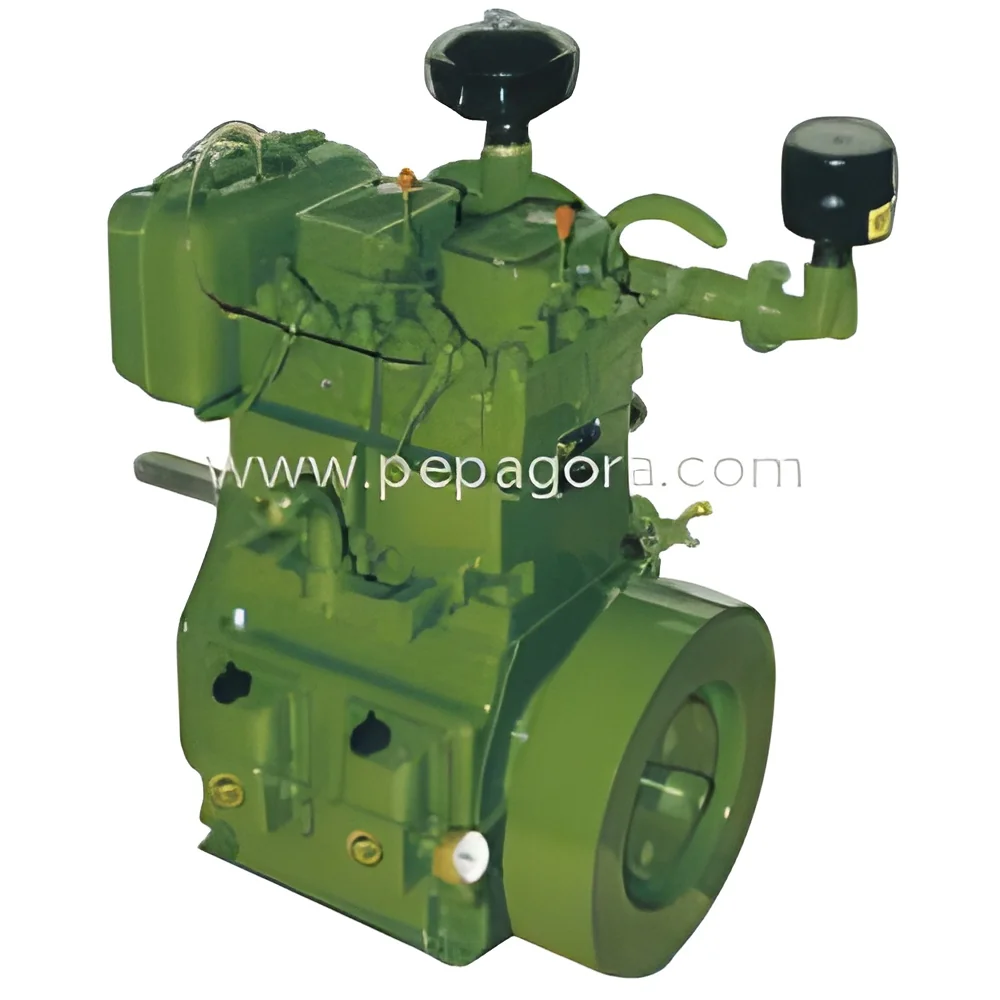
What are Diesel & Petrol Engines?
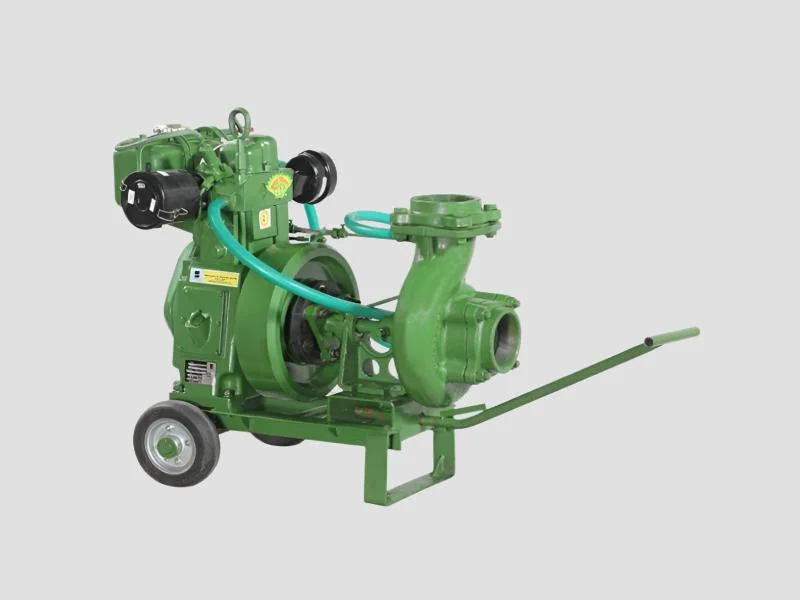
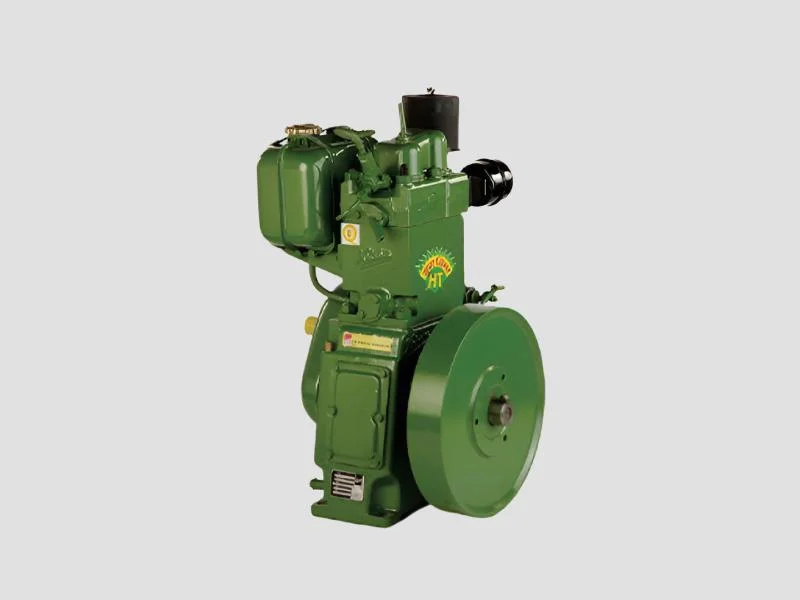
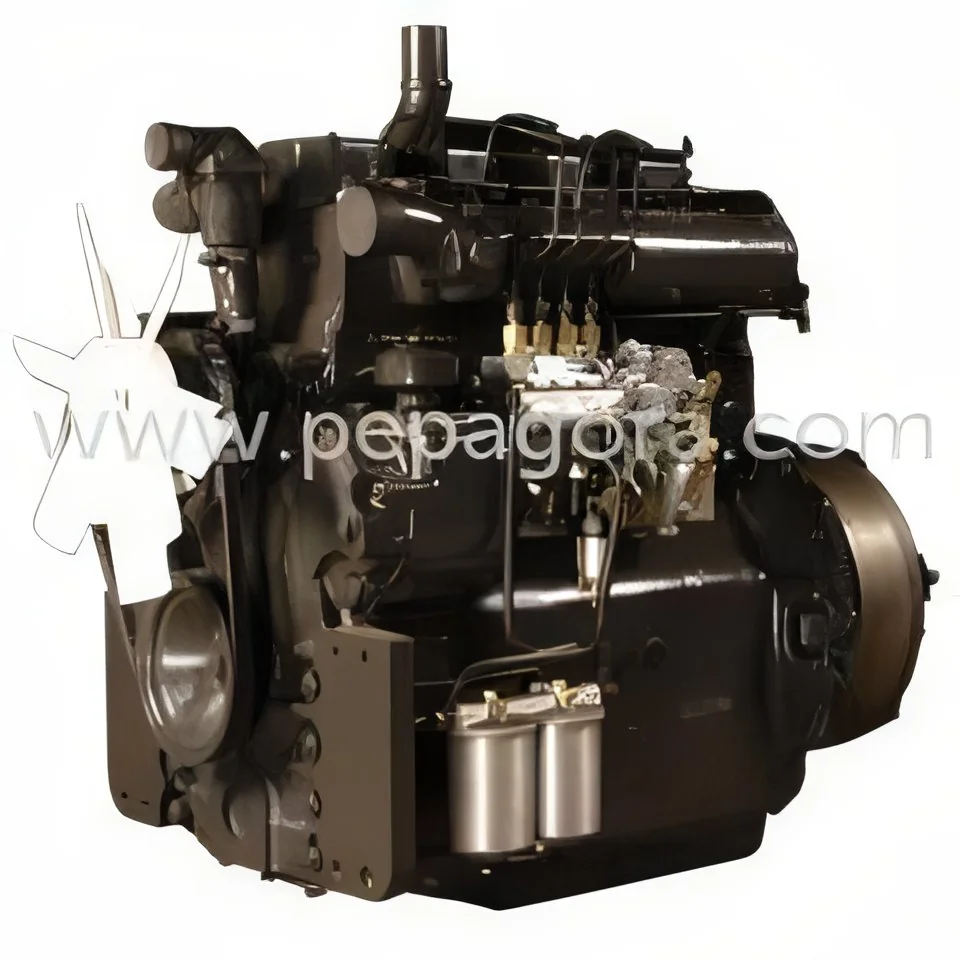
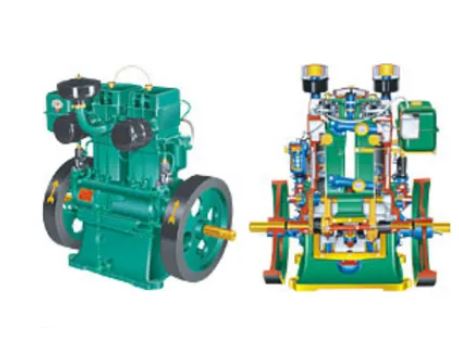
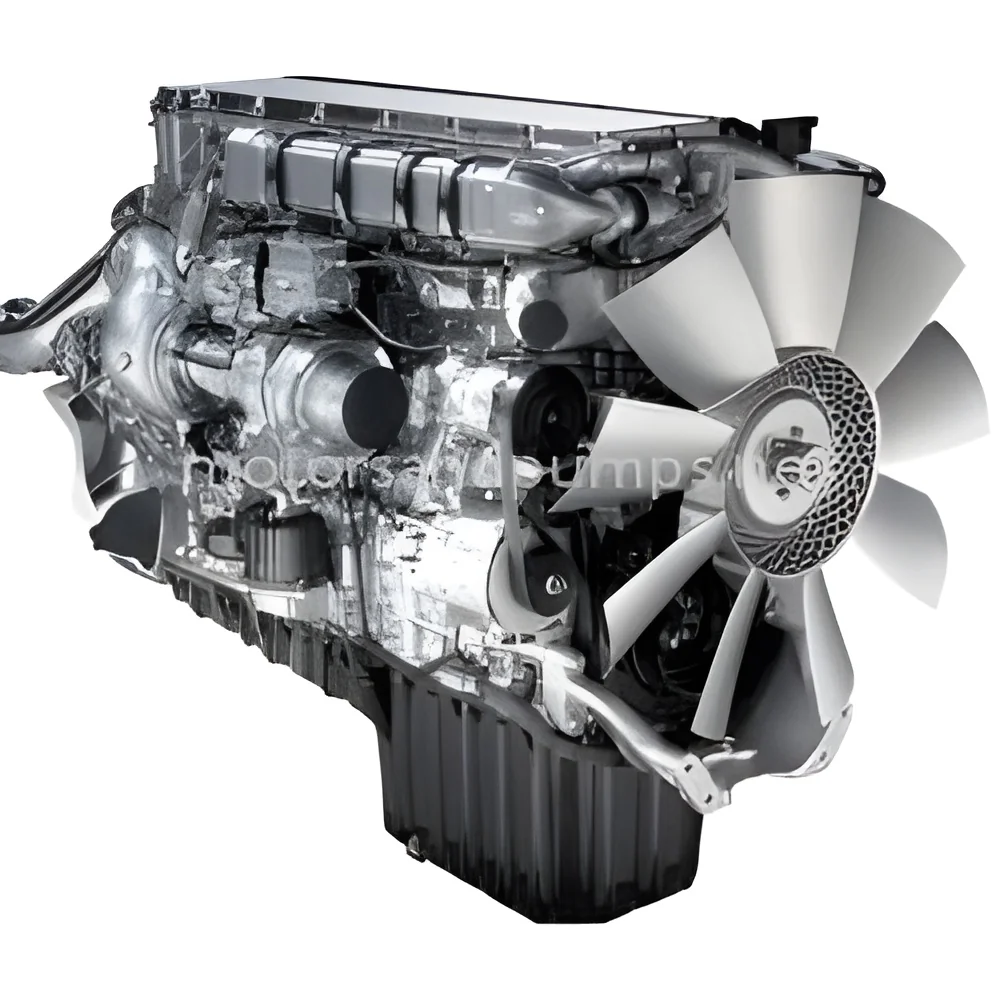
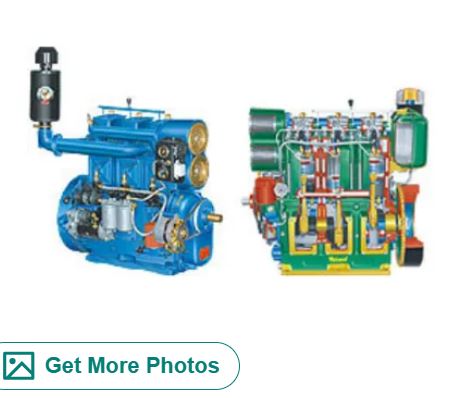
Diesel and petrol engines are internal combustion engines that convert fuel into mechanical energy. Diesel engines operate using diesel fuel and rely on compression ignition, while petrol engines use gasoline and operate on spark ignition. These engines are pivotal in various applications due to their efficiency and reliability, making them essential in both commercial and industrial sectors.
The primary uses of diesel and petrol engines include powering vehicles, machinery, and equipment across diverse industries. They are widely employed in transportation, construction, agriculture, and manufacturing. Diesel engines are particularly favored for heavy-duty applications due to their torque and fuel efficiency, whereas petrol engines are common in passenger vehicles and light-duty machinery.
In the current market context, diesel and petrol engines remain critical despite the rise of electric vehicles. The demand for these engines is sustained by their performance and the existing infrastructure supporting fossil fuels. Moreover, advancements in engine technologies continue to enhance their efficiency and reduce emissions, ensuring their relevance in the evolving energy landscape.
Key Features and Specifications
Diesel and petrol engines come with a range of features that define their performance and suitability for various applications. Understanding these specifications is crucial for buyers looking to invest in the right engine type.
Key specifications include:
1. Engine Type
- Options include two-stroke and four-stroke engines.
- Each type has distinct performance characteristics and applications.
2. Displacement
- Refers to the total volume of all the cylinders in the engine.
- Typically measured in liters or cubic centimeters, affecting power output.
3. Power Output
- Measured in horsepower or kilowatts.
- Indicates the engine's ability to perform work.
4. Torque
- Represents the rotational force produced by the engine.
- Important for determining the engine's load-carrying capacity.
5. Fuel Consumption
- Expressed in liters per 100 kilometers or miles per gallon.
- A critical factor for operational cost efficiency.
6. Emissions Standards
- Compliance with regulations such as Euro 6 or EPA standards.
- Essential for environmental considerations and legal requirements.
7. Cooling System
- Options include air-cooled and liquid-cooled engines.
- Influences engine performance and longevity.
8. Maintenance Requirements
- Various engines have different maintenance schedules.
- Impact on overall operational costs and downtime.
In summary, understanding these key specifications allows buyers to select the most suitable diesel or petrol engine for their specific needs, ensuring optimal performance and efficiency.
Common Applications and Use Cases
Diesel and petrol engines serve a multitude of industries, each leveraging their unique benefits.
1. Transportation: Diesel engines are commonly used in trucks and buses due to their fuel efficiency and power, making long-distance transport more economical.
2. Construction: Heavy machinery such as excavators and bulldozers often rely on diesel engines for their high torque and durability in demanding environments.
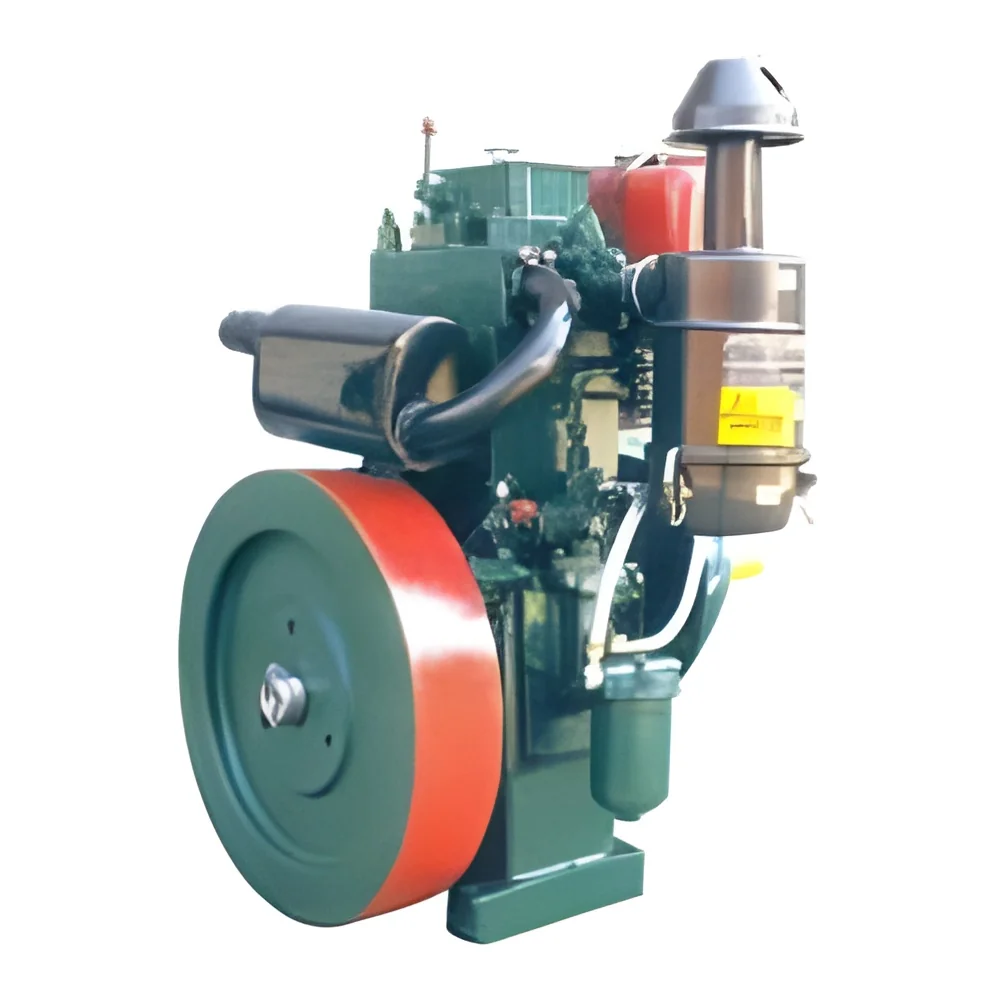
3. Agriculture: Diesel engines power tractors and other agricultural equipment, enhancing productivity in farming operations.
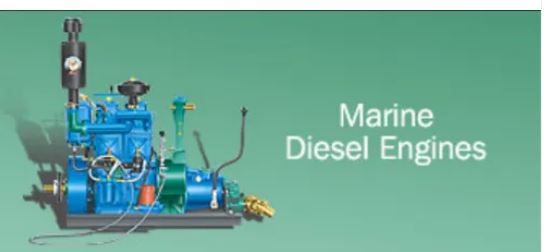
4. Marine: Diesel engines are favored in boats and ships for their reliability and fuel economy over long journeys.
5. Generators: Both engine types are utilized in standby generators, providing backup power in various settings, including commercial and industrial facilities.
6. Industrial Machinery: Diesel and petrol engines drive various machines in manufacturing processes, contributing to efficient production.
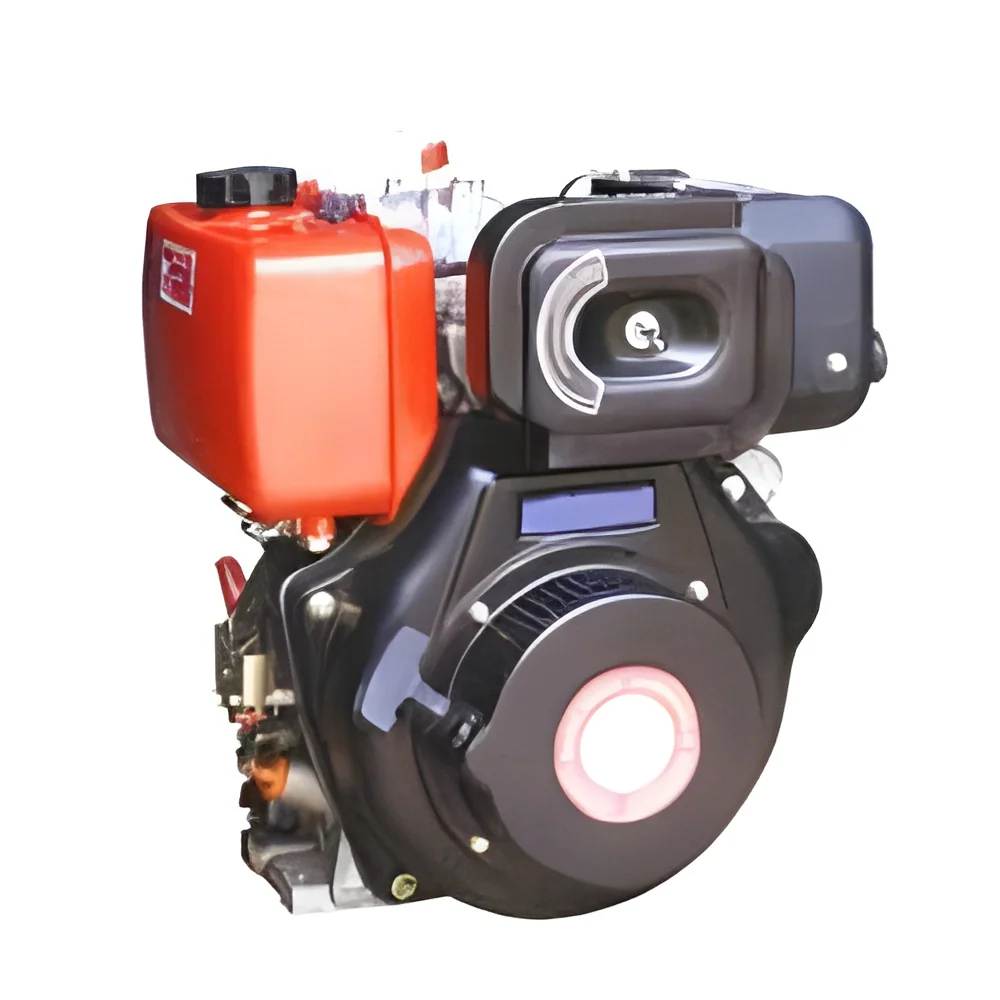
7. Lawn and Garden Equipment: Petrol engines are commonly found in lawn mowers and trimmers, offering convenience and ease of use for landscaping tasks.
Product Variants and Subcategories
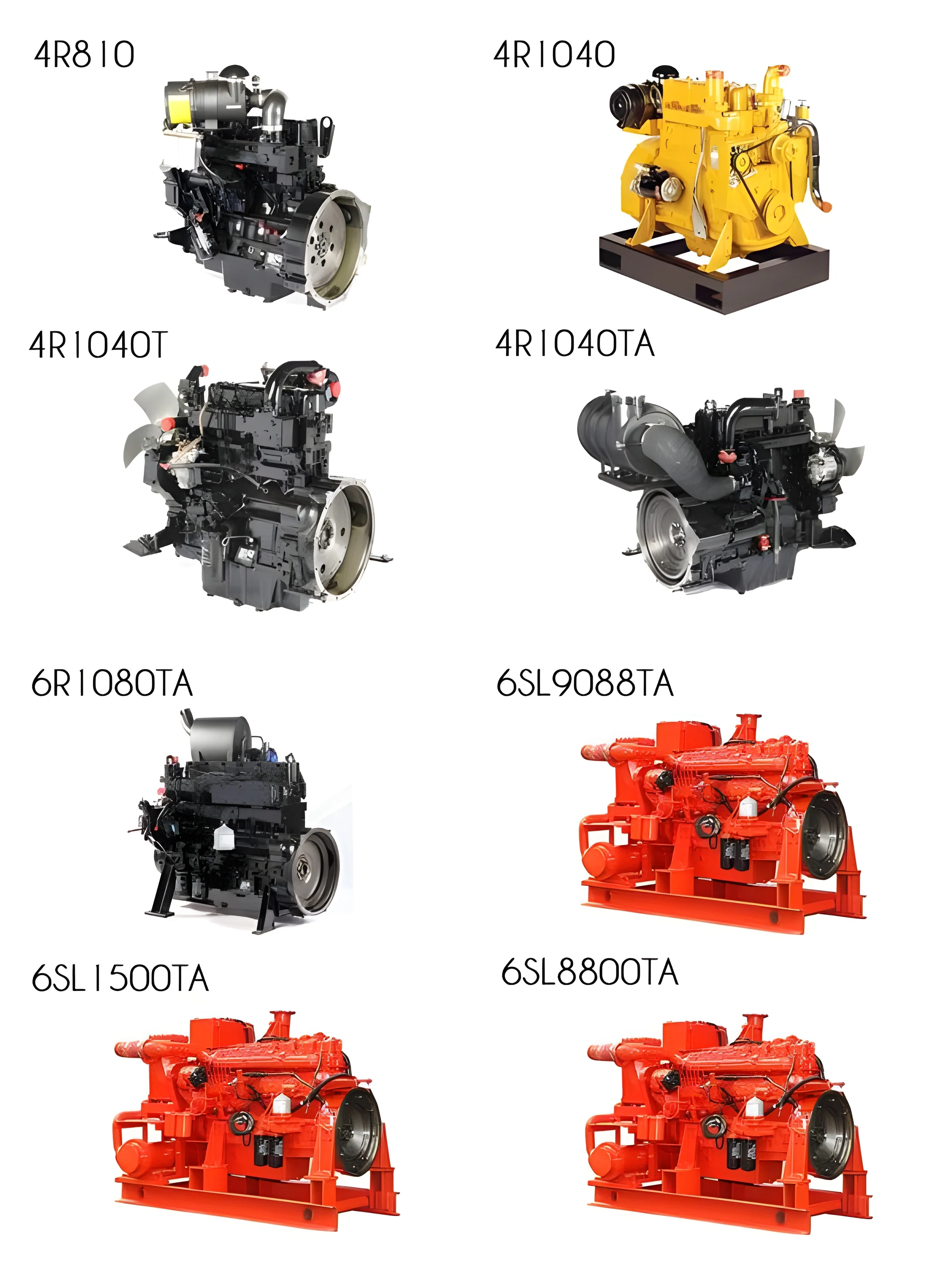
Diesel and petrol engines come in various configurations to meet diverse needs. These variants cater to different applications and operational requirements.
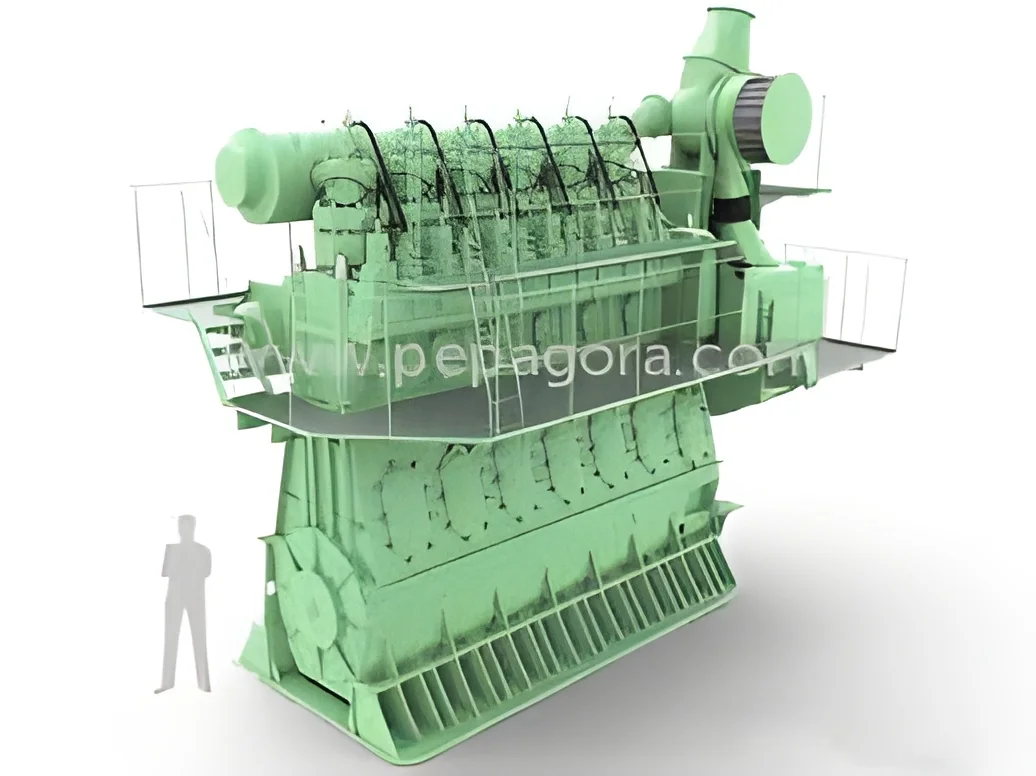
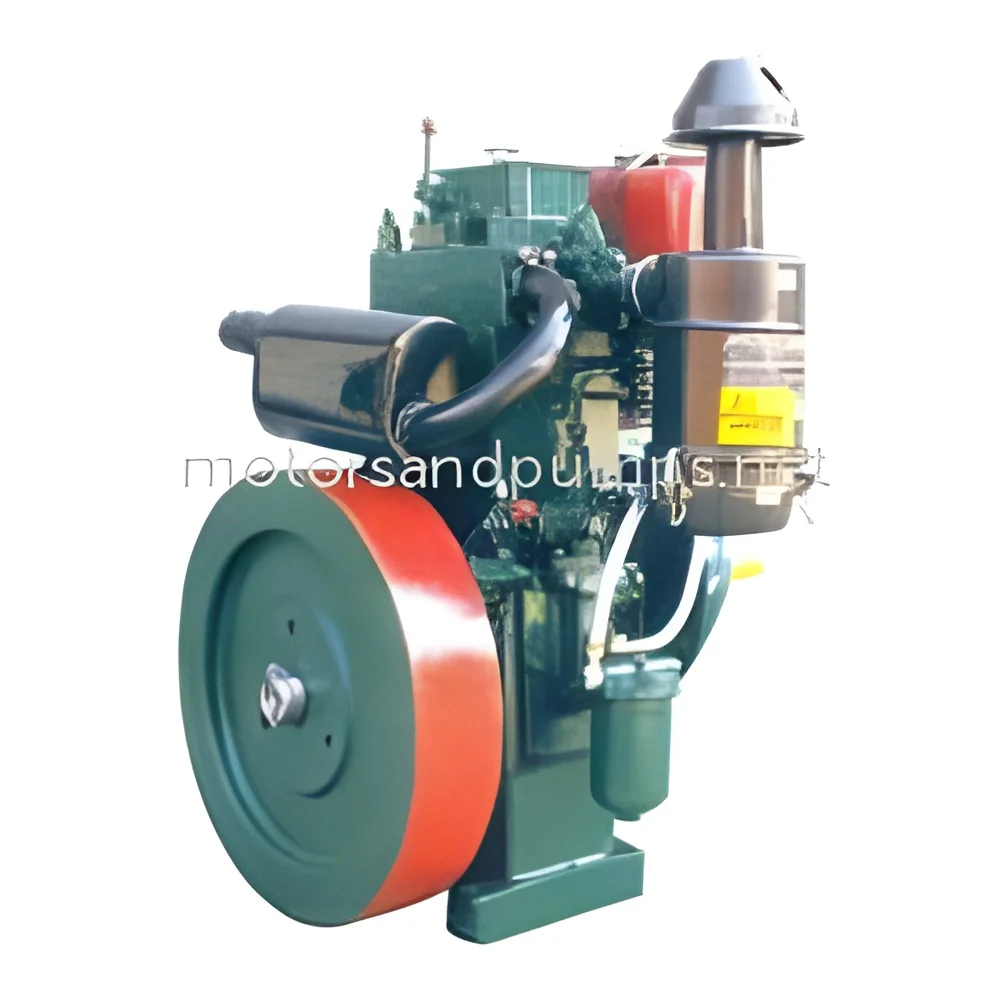
Industrial Diesel Engine
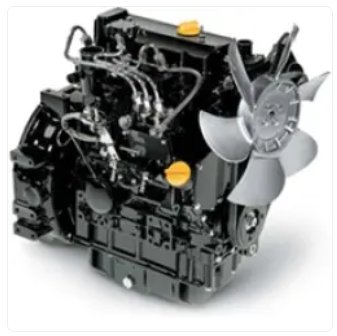
This variant is designed for heavy-duty applications, featuring enhanced durability and fuel efficiency. It is commonly used in construction equipment and generators, providing reliable power in demanding conditions.
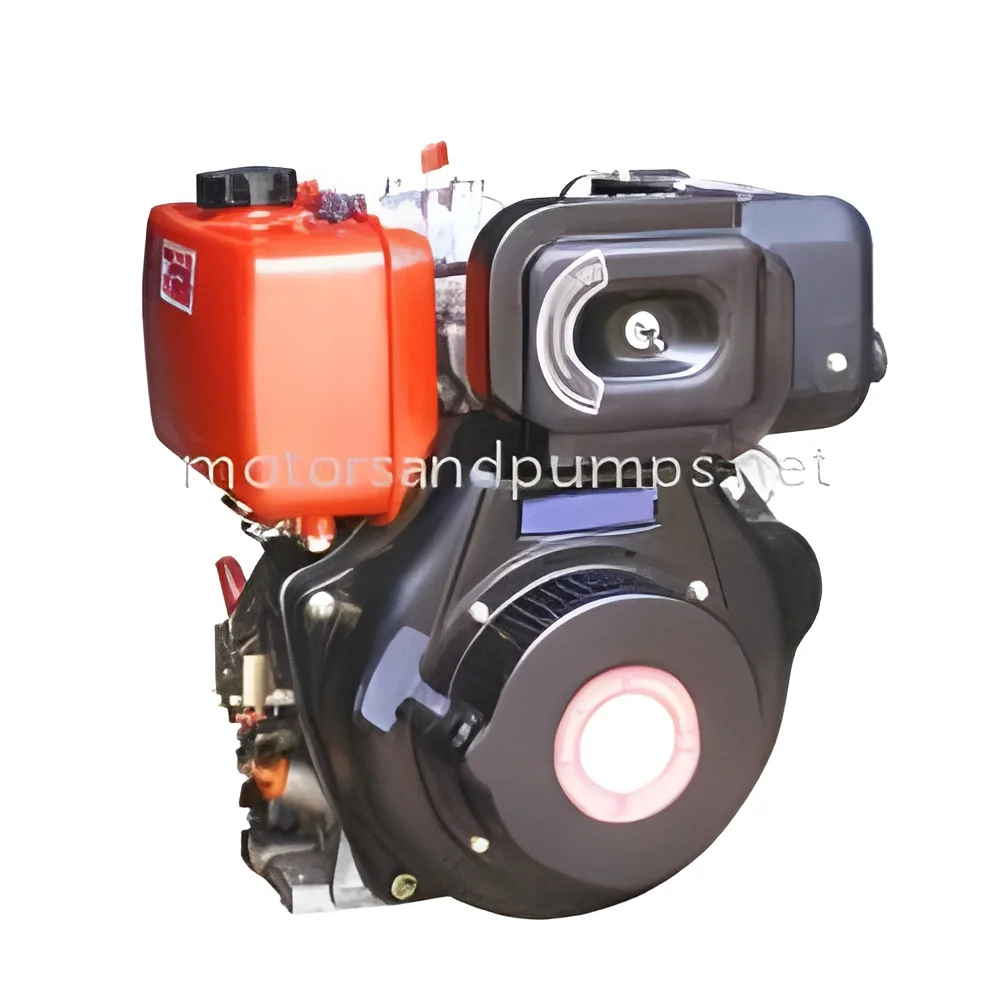
Light Duty Petrol Engine
Typically found in passenger vehicles and light machinery, this engine offers a balance of performance and fuel efficiency. Its design focuses on lower emissions, making it suitable for urban environments.
High-Performance Petrol Engine
This variant is engineered for sports cars and performance vehicles, delivering superior power and acceleration. It is designed to provide an exciting driving experience while maintaining efficiency.
Benefits and Advantages
Choosing diesel and petrol engines offers several advantages that can significantly impact operational efficiency and cost-effectiveness.
1. Fuel Efficiency: Diesel engines generally provide better fuel economy compared to petrol engines, leading to lower operational costs, especially for long-distance applications.
2. Power and Torque: Diesel engines produce more torque, making them ideal for heavy-duty applications such as hauling and towing.
3. Longevity: Diesel engines often have a longer lifespan due to their robust construction, reducing the frequency of replacements and repairs.
4. Versatility: Both engine types can be adapted for a variety of applications, from transportation to industrial machinery, enhancing their utility across sectors.
5. Infrastructure Support: Existing fuel infrastructure and maintenance services for diesel and petrol engines are widely available, simplifying operations for businesses.
6. Performance: Both engine types are known for their reliable performance and ability to operate under various conditions, ensuring consistent productivity.
Buying Guide for B2B Buyers
When sourcing diesel and petrol engines, buyers should consider several critical factors to ensure they make informed decisions.
1. Quality Assessment: Evaluate the engine's manufacturing quality, performance history, and reliability. Look for engines that meet specific industry standards and have proven track records.
2. Supplier Verification: Conduct thorough research on potential suppliers. Check their reputation, customer feedback, and certification to ensure they can deliver quality products.
3. Pricing and MOQ: Understand the pricing structure and minimum order quantities (MOQ) for the engines. This information is vital for budgeting and procurement planning.
4. Delivery and Lead Times: Discuss logistics with suppliers to ascertain delivery timelines. Timely delivery is crucial for maintaining project schedules and operational efficiency.
5. Compliance Requirements: Ensure that the engines meet local and international regulatory standards. Compliance with safety and environmental regulations is essential for legal operations.
Compliance and Certifications
Diesel and petrol engines are subject to various quality standards and certifications to ensure safety and performance.
Relevant quality standards include ISO 9001, which focuses on quality management systems and continuous improvement. Compliance with this standard indicates a commitment to quality in the production process.
In addition, CE certification is often required for engines sold in Europe, ensuring that they meet safety and environmental protection requirements. This certification is crucial for market access and regulatory compliance.
Safety and testing requirements vary by region and application. Manufacturers must adhere to specific testing protocols to ensure their engines operate safely under expected conditions.
Regional compliance considerations are also important, as different countries may have unique regulations regarding emissions and safety standards. Buyers must be aware of these requirements to avoid legal issues.
Why Source Diesel & Petrol Engines from Pepagora?
Pepagora provides a trusted platform for sourcing diesel and petrol engines, offering several key advantages that benefit B2B buyers.
Verified Supplier Network: Pepagora features a comprehensive network of verified suppliers. This ensures that buyers can connect with reputable manufacturers who meet quality standards and compliance requirements.
Streamlined RFQ Process: The request for quotation (RFQ) process on Pepagora is designed to be efficient and user-friendly. Buyers can easily compare quotes from multiple suppliers, helping them make informed purchasing decisions.
Trade Assurance and Support: Pepagora offers trade assurance to protect buyers during the procurement process. This includes support for resolving disputes and ensuring that products meet specified standards.
Regional Coverage: Pepagora has a strong presence in key markets such as India, the GCC, and Southeast Asia. This geographic reach facilitates access to a diverse range of suppliers and products, enhancing options for buyers looking for diesel and petrol engines.

 IN
IN