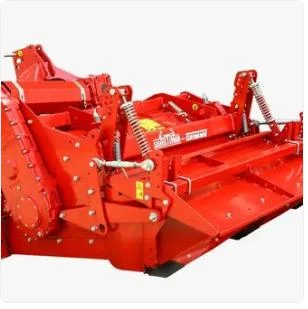
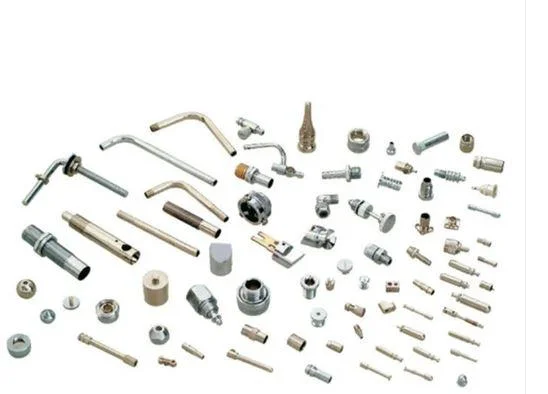
What are Exporters of Agri Equipment?
Exporters of Agri Equipment are businesses that specialize in the international trade of agricultural machinery and tools. These exporters play a crucial role in the supply chain, connecting manufacturers of agri equipment with buyers in various global markets. Their offerings typically include a diverse range of products designed to improve agricultural productivity, efficiency, and sustainability. This sector is vital for supporting farmers and agribusinesses by providing the necessary equipment to cultivate crops, manage livestock, and enhance overall farm management.
The primary uses of agri equipment include planting, harvesting, irrigation, and soil preparation. Equipment such as tractors, plows, seeders, and harvesters are essential for modern farming operations. Businesses in this sector often engage with large-scale farms, cooperatives, and agricultural organizations. The relevance of exporters of agri equipment is underscored by the growing need for advanced agricultural practices and technologies to meet the demands of a rising global population. They contribute significantly to food security and agricultural sustainability in various regions.
Key Features and Specifications
When evaluating exporters of agri equipment, certain key specifications stand out. These specifications help buyers assess the quality and suitability of the equipment for their specific needs. The following specifications are commonly considered:
1. Equipment Type
- Various types of agricultural machinery including tractors, harvesters, and tillers.
- Each type serves specific functions in the agricultural process.
2. Engine Power
- Measured in horsepower (HP) or kilowatts (kW).
- Determines the capacity and efficiency of the equipment.
3. Fuel Type
- Commonly diesel, gasoline, or electric.
- Affects operational costs and environmental impact.
4. Weight
- The total weight of the equipment which influences its mobility and compatibility with different terrains.
5. Dimensions
- Overall dimensions including length, width, and height.
- Important for storage and transportation considerations.
6. Operational Features
- Includes automation, GPS integration, and user interface technology.
- Enhances efficiency and ease of use.
7. Warranty and Service Support
- Length and terms of warranty provided by the manufacturer.
- Availability of service and maintenance support.
8. Compliance Standards
- Adherence to industry standards and certifications such as CE.
- Ensures safety and quality of the equipment.
Understanding these specifications helps buyers make informed decisions and choose equipment that meets their operational needs.
Common Applications and Use Cases
Exporters of agri equipment cater to various industries with specific applications.
1. Crop Farming: Equipment is used for planting, cultivating, and harvesting crops. This includes seeders, tillers, and combines, which enhance productivity and efficiency in farming operations.
2. Livestock Management: Agri equipment is essential in managing livestock, from feeding systems to milking machines. These tools help ensure better animal welfare and increased production.
3. Horticulture: Specialized equipment such as greenhouses and irrigation systems are used in horticulture to optimize plant growth and manage water resources effectively.
4. Aquaculture: Equipment designed for fish farming, such as aerators and feeders, helps enhance productivity and maintain healthy aquatic environments.
5. Organic Farming: Exporters provide tools that support organic farming practices, including manual weeding tools and composting equipment, meeting the needs of environmentally conscious farmers.
6. Agro-forestry: Equipment used in agro-forestry, such as tree planters and pruners, supports sustainable land management practices.
7. Precision Agriculture: Technology-driven equipment that utilizes data analytics and GPS for targeted farming practices is increasingly adopted in precision agriculture.
Product Variants and Subcategories
Agri equipment comes in various models and variants to address different farming needs.
Tractors
Tractors are versatile machines used for various tasks on the farm, including plowing, planting, and hauling. They can be equipped with different implements to serve specific functions, making them essential for modern agriculture.
Harvesters
Harvesters are specialized equipment designed for the efficient collection of crops. They can significantly reduce the time and labor required during the harvest season, improving overall productivity.
Irrigation Systems
These systems include drip irrigation and sprinkler setups that optimize water usage for crops. They are crucial for maintaining soil moisture and enhancing crop yields.
Seeders
Seeders automate the planting process, ensuring accurate seed placement and depth. This technology helps in maximizing germination rates and reducing waste.
Benefits and Advantages
Sourcing from exporters of agri equipment offers several benefits to businesses.
1. Improved Efficiency: Advanced machinery enhances operational efficiency, allowing farmers to complete tasks faster and with less labor.
2. Increased Productivity: The right equipment can significantly boost crop and livestock yields, directly impacting profitability.
3. Cost Savings: Investing in durable and efficient equipment can lead to lower operational costs over time.
4. Access to Innovation: Exporters often provide the latest technological advancements, enabling farmers to adopt modern agricultural practices.
5. Enhanced Sustainability: Many exporters focus on sustainable equipment solutions that minimize environmental impact and promote eco-friendly farming.
6. Expert Support: Working with established exporters can provide access to technical support and training, ensuring optimal use of the equipment.
Buying Guide for B2B Buyers
When sourcing exporters of agri equipment, it is essential to consider several key factors to make informed purchasing decisions.
1. Quality Assessment: Evaluate the quality of the equipment based on industry standards and customer reviews. Ensure that the equipment meets the specific needs of your farming operations.
2. Supplier Verification: Check the credentials of the supplier, including their experience in the industry and reputation. This helps ensure that you are dealing with a reliable partner.
3. Pricing and MOQ: Understand the pricing structure and any minimum order quantities (MOQs) set by the supplier. This information is crucial for budgeting and planning.
4. Delivery and Lead Times: Assess the supplier's ability to meet your delivery requirements. Timely delivery is important to ensure that you can begin your operations without delays.
5. Compliance Requirements: Be aware of any regulatory compliance needed for the equipment you intend to purchase. Ensure that the supplier adheres to relevant safety and quality standards.
Compliance and Certifications
Exporters of agri equipment operate within a framework of various compliance and certification requirements.
Relevant quality standards such as ISO 9001 ensure that manufacturers maintain consistent quality management systems. Compliance with HACCP and GDP standards is crucial for equipment that directly impacts food safety and quality.
Industry certifications like CE signify that the equipment meets European safety, health, and environmental protection standards. This certification is vital for exporters targeting the European market.
Safety and testing requirements are paramount, as they ensure that the equipment is safe for use and meets the expected performance standards. These requirements can vary by region, necessitating a thorough understanding of local regulations.
Regional compliance considerations are also important, especially for exporters operating in multiple countries. Adhering to local laws and regulations helps avoid legal issues and builds trust with buyers.
Why Source Exporters of Agri Equipment from Pepagora?
Pepagora offers a trusted platform for sourcing exporters of agri equipment, providing several key advantages to buyers.
Verified Supplier Network: Pepagora features a network of verified suppliers, ensuring that buyers can connect with reputable exporters. This verification process helps mitigate risks associated with sourcing from unreliable sources.
Streamlined RFQ Process: The platform offers a streamlined request for quotation (RFQ) process, making it easy for buyers to obtain competitive quotes from multiple suppliers. This efficiency saves time and enhances the purchasing experience.
Trade Assurance and Support: Pepagora prioritizes buyer protection by offering trade assurance programs that safeguard transactions. This support provides confidence to buyers when making significant investments in agricultural equipment.
Regional Coverage: Pepagora's geographic reach extends across India, the GCC, and Southeast Asia. This wide coverage allows buyers to access a diverse range of exporters and products tailored to their specific regional needs.
By choosing Pepagora, buyers can leverage a comprehensive platform designed to facilitate the sourcing of high-quality agri equipment and support their agricultural operations effectively.

 IN
IN