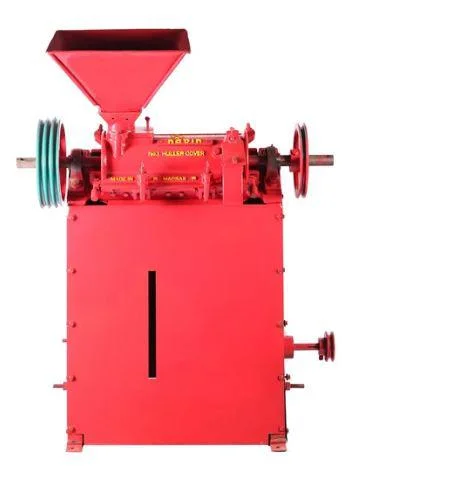
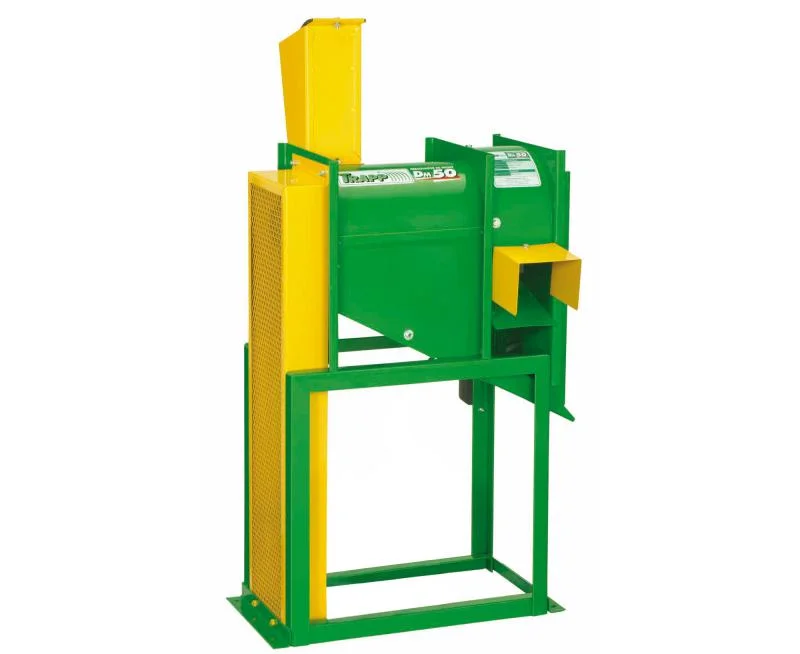
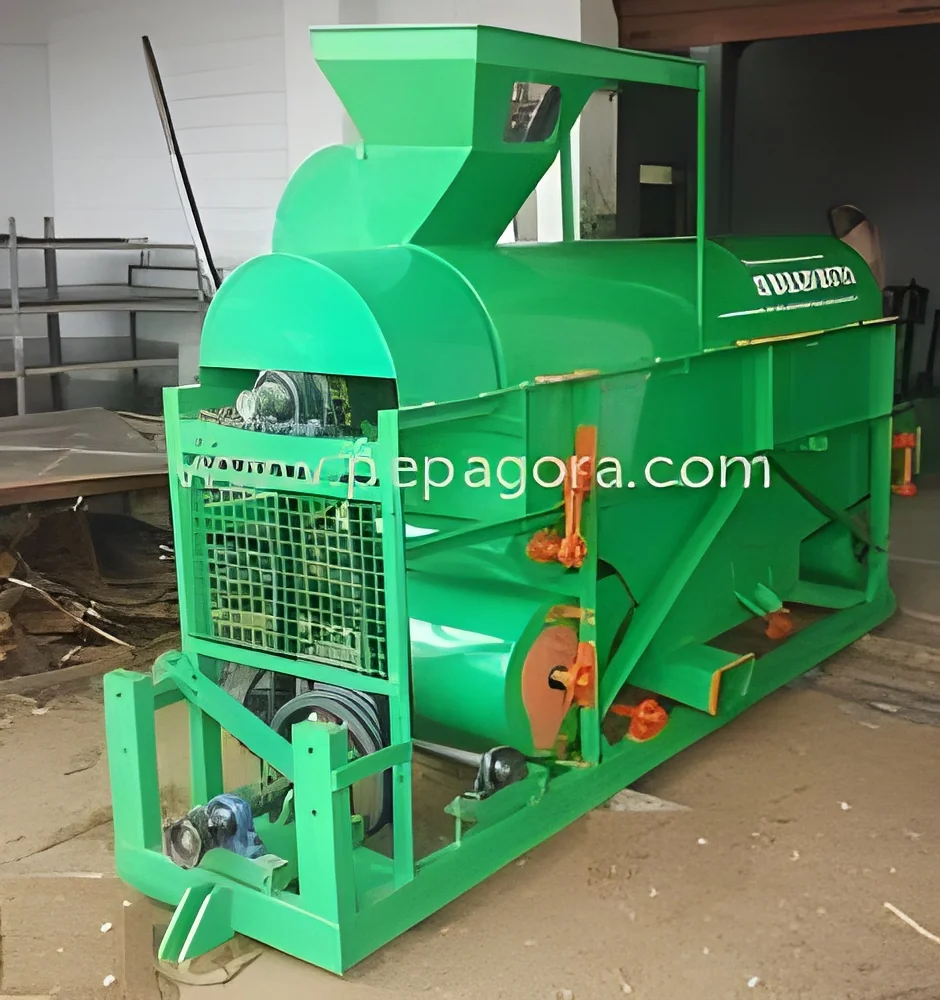
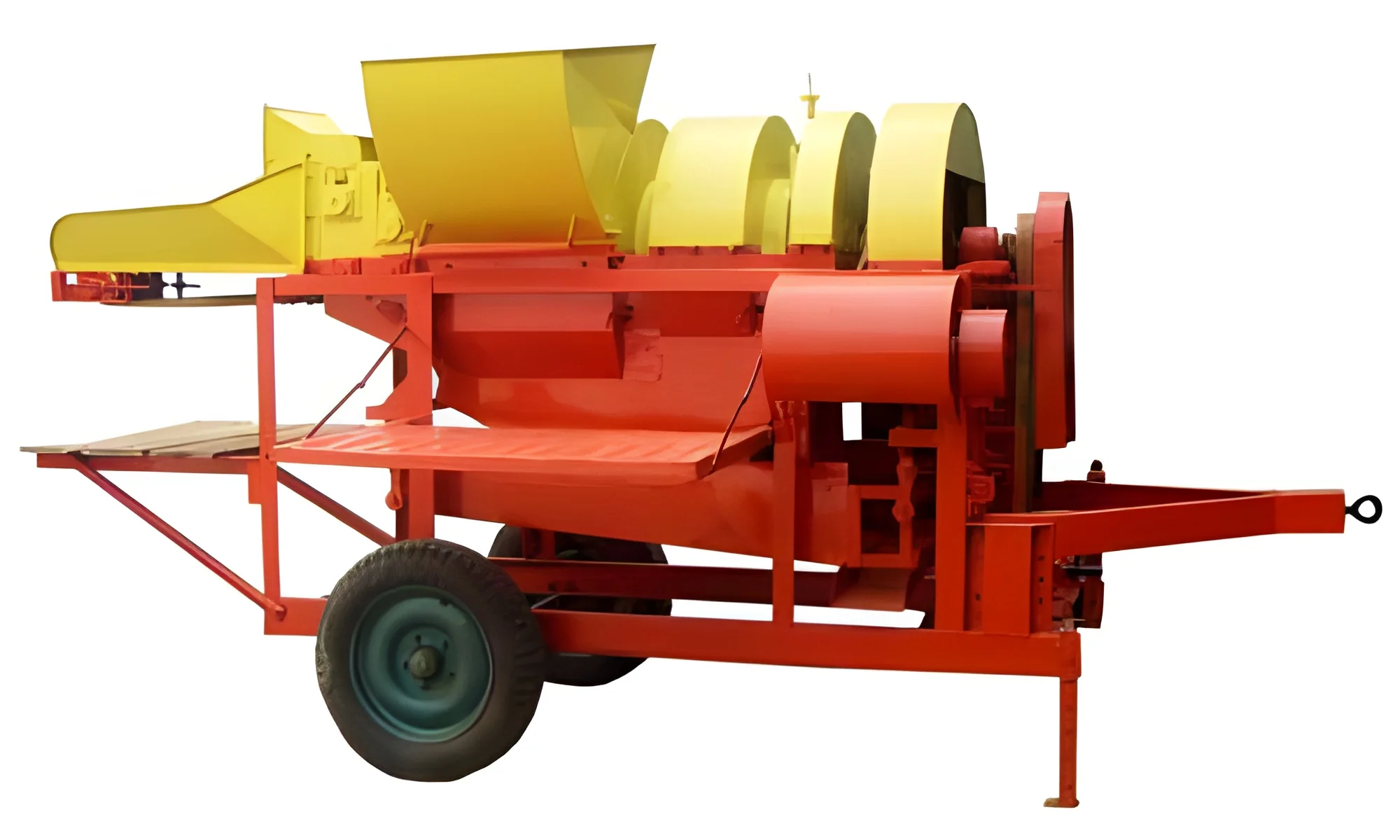
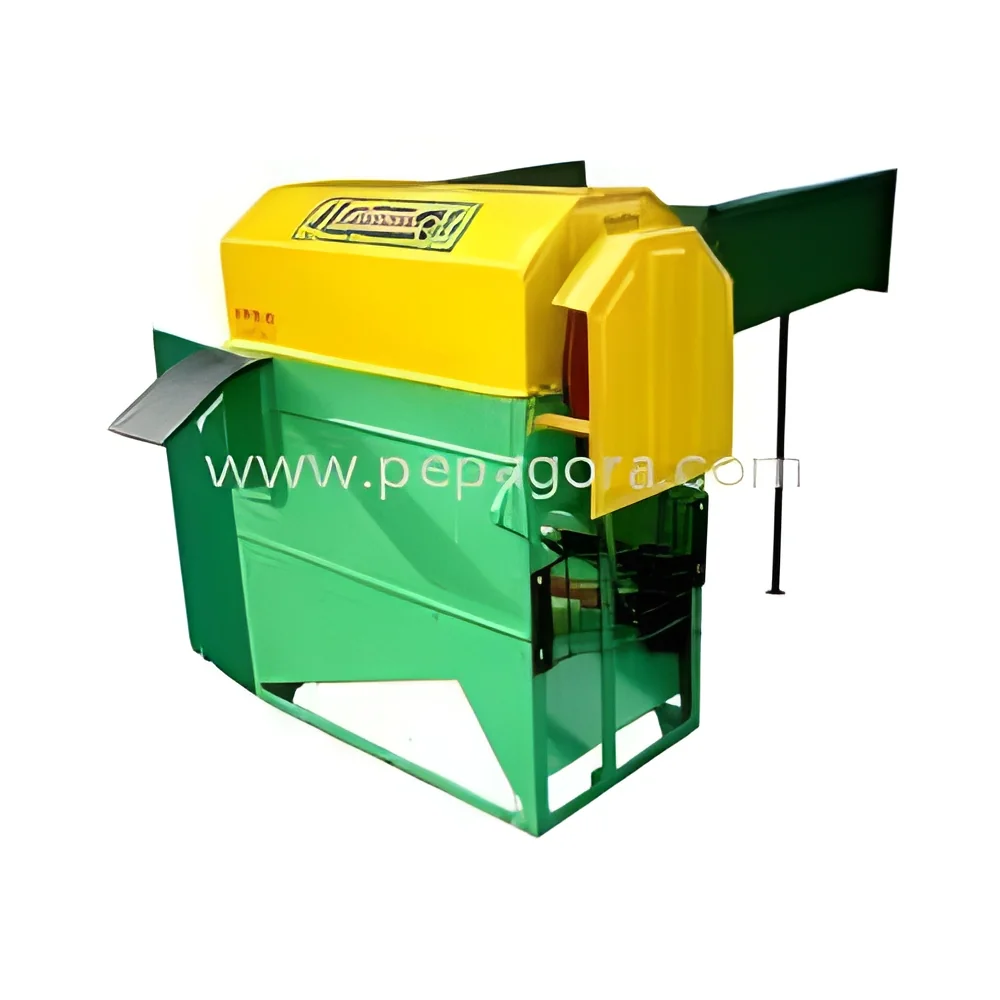
What are Threshers?
Threshers are agricultural machines used to separate grains from their husks or stalks. They play a crucial role in the harvesting process, efficiently separating the edible parts of crops from inedible ones. By utilizing various mechanical processes, threshers help increase productivity and reduce the manual labor involved in traditional harvesting methods.
These machines are primarily used in the farming industry, particularly in grain production. Their design allows for the handling of various crops, including wheat, rice, corn, and barley. By automating the threshing process, businesses can significantly improve their harvest efficiency and reduce losses due to spoilage or damage. The relevance of threshers in modern agriculture cannot be overstated, as they contribute to higher yields and better-quality produce, which is vital for meeting the increasing global food demand.
Key Features and Specifications
Threshers come equipped with a range of features designed to enhance their performance and efficiency. Understanding these specifications is essential for selecting the right machine for specific agricultural needs.
Key specifications include:
1. Threshing Capacity
- The amount of crop that can be processed per hour.
- Typically measured in kilograms or tons per hour.
2. Power Source
- Threshers can be powered by diesel engines, electric motors, or tractors.
- Power ratings can vary widely based on the model.
3. Dimensions
- Size of the thresher, which can affect transportation and storage.
- Measurements typically include length, width, and height.
4. Weight
- The overall weight of the machine, which can impact mobility.
- Usually expressed in kilograms or pounds.
5. Grain Separation Efficiency
- Percentage of grains separated from the husks.
- Higher efficiency rates lead to less waste.
6. Maintenance Requirements
- Information on how often the machine needs servicing.
- Includes details on parts that may require regular replacement.
7. Safety Features
- Built-in mechanisms to ensure operator safety during operation.
- May include guards and emergency shut-off systems.
8. Noise Levels
- Decibel levels produced during operation.
- Important for compliance with local regulations.
In summary, the specifications of threshers are critical for evaluating their suitability for different agricultural operations. Buyers should consider these factors to ensure they select a machine that meets their production needs.
Common Applications and Use Cases
Threshers are utilized across various sectors in agriculture, making them versatile tools for different types of farming operations.
1. Grain Farming: Threshers are primarily used in grain farming, where they efficiently separate grains from crops like wheat, barley, and oats, reducing manual labor and time.
2. Rice Production: In rice-producing areas, threshers help process harvested rice plants, ensuring that grains are separated cleanly for further processing and packaging.
3. Corn Harvesting: Threshers can effectively handle corn, separating kernels from cobs quickly, which is essential for both human consumption and animal feed.
4. Pulses and Legumes: Threshers are also used for harvesting pulses and legumes, where they help in separating seeds from pods without damaging the produce.
5. Horticulture: In some cases, threshers can be adapted for use in horticultural applications, assisting in the harvest of crops like beans and peas.
6. Organic Farming: Organic farmers use threshers to maintain the integrity of their crops, ensuring that harvested produce meets organic standards without contamination.
7. Smallholder Farms: Smaller threshers are often designed for use by smallholder farmers, enabling them to improve their harvest efficiency without significant investment.
Product Variants and Subcategories
Threshers come in various configurations to meet the diverse needs of agricultural producers. While specific subcategories are not available, several common variants can be highlighted.
Portable Threshers
These machines are designed for ease of transportation and can be used in the field. They are ideal for small to medium-sized farms that require mobility without sacrificing efficiency.
Stationary Threshers
Stationary models are typically larger and used in larger farming operations or processing facilities. They often have higher capacities and are designed for continuous operation over extended periods.
Electric Threshers
Electric threshers are becoming increasingly popular due to their lower environmental impact and operational costs. They are suited for farms with access to reliable electricity and can reduce the need for fossil fuels.
Diesel-Powered Threshers
These are traditional threshers that rely on diesel engines for power. They are often favored in rural areas where electricity may not be readily available, providing a reliable solution for large-scale operations.
Benefits and Advantages
Investing in threshers offers numerous benefits that can enhance agricultural productivity and efficiency.
1. Increased Efficiency: Threshers automate the grain separation process, significantly reducing the time and labor required compared to manual methods.
2. Higher Yield: By minimizing grain loss during harvesting, threshers help farmers achieve better yields and maximize profits.
3. Reduced Labor Costs: With the automation of threshing, farmers can allocate their workforce to other critical tasks, optimizing resource management.
4. Consistent Quality: Threshers ensure a more uniform separation of grains, resulting in higher-quality produce with less damage and spoilage.
5. Versatility: Many threshers can handle various crops, making them valuable assets for farms that grow multiple types of produce.
6. Improved Safety: Modern threshers come equipped with safety features that protect operators during use, reducing the risk of accidents.
Buying Guide for B2B Buyers
When sourcing threshers for agricultural needs, it is essential to consider several key factors to ensure a successful purchase.
1. Quality Assessment: Evaluate the quality of materials and construction used in the thresher to ensure durability and long-term performance. Look for machines that meet industry standards and have positive reviews.
2. Supplier Verification: Vet potential suppliers to ensure they are reputable and reliable. Check for certifications, customer reviews, and their history in the market.
3. Pricing and MOQ: Understand the pricing structure and any minimum order quantities required by suppliers. Compare prices across different suppliers to ensure you are getting the best deal.
4. Delivery and Lead Times: Inquire about delivery options and lead times, especially if you have a specific harvesting schedule. Timely delivery is critical for operational efficiency.
5. Compliance Requirements: Ensure that the threshers comply with local regulations and safety standards. This may include certifications such as CE or adherence to agricultural machinery guidelines.
Compliance and Certifications
Threshers are subject to various compliance and certification requirements that ensure they meet industry standards for quality and safety.
Relevant quality standards include ISO 9001, which focuses on quality management systems, ensuring that manufacturers maintain consistent quality in their products. Compliance with HACCP (Hazard Analysis Critical Control Point) guidelines is essential for agricultural machinery that may come into contact with food products, ensuring that safety protocols are followed.
Industry certifications, such as CE marking, indicate that the product meets European safety, health, and environmental protection standards. This certification is crucial for businesses looking to export their machines to international markets.
Safety and testing requirements vary by region, but generally include assessments for mechanical safety, electrical safety, and operational efficiency. Buyers should also be aware of any regional compliance considerations that may affect their purchase.
Why Source Threshers from Pepagora?
Pepagora provides an excellent platform for sourcing threshers, offering several key advantages that facilitate the procurement process.
Verified Supplier Network: Pepagora connects buyers with a network of verified suppliers, ensuring that they can trust the quality and reliability of the products offered. Each supplier undergoes a rigorous verification process to maintain quality standards.
Streamlined RFQ Process: The request for quotation (RFQ) process is designed to be efficient and user-friendly. Buyers can easily request quotes from multiple suppliers, allowing for quick comparisons and informed decision-making.
Trade Assurance and Support: Pepagora offers trade assurance to protect buyers throughout the purchasing process. This includes support for any disputes and guidance on best practices when sourcing machinery.
Regional Coverage: With a focus on regions such as India, the GCC, and Southeast Asia, Pepagora ensures that buyers can access a wide variety of threshers tailored to their specific market needs. This broad geographic reach facilitates easier sourcing and logistics for businesses across different regions.

 IN
IN