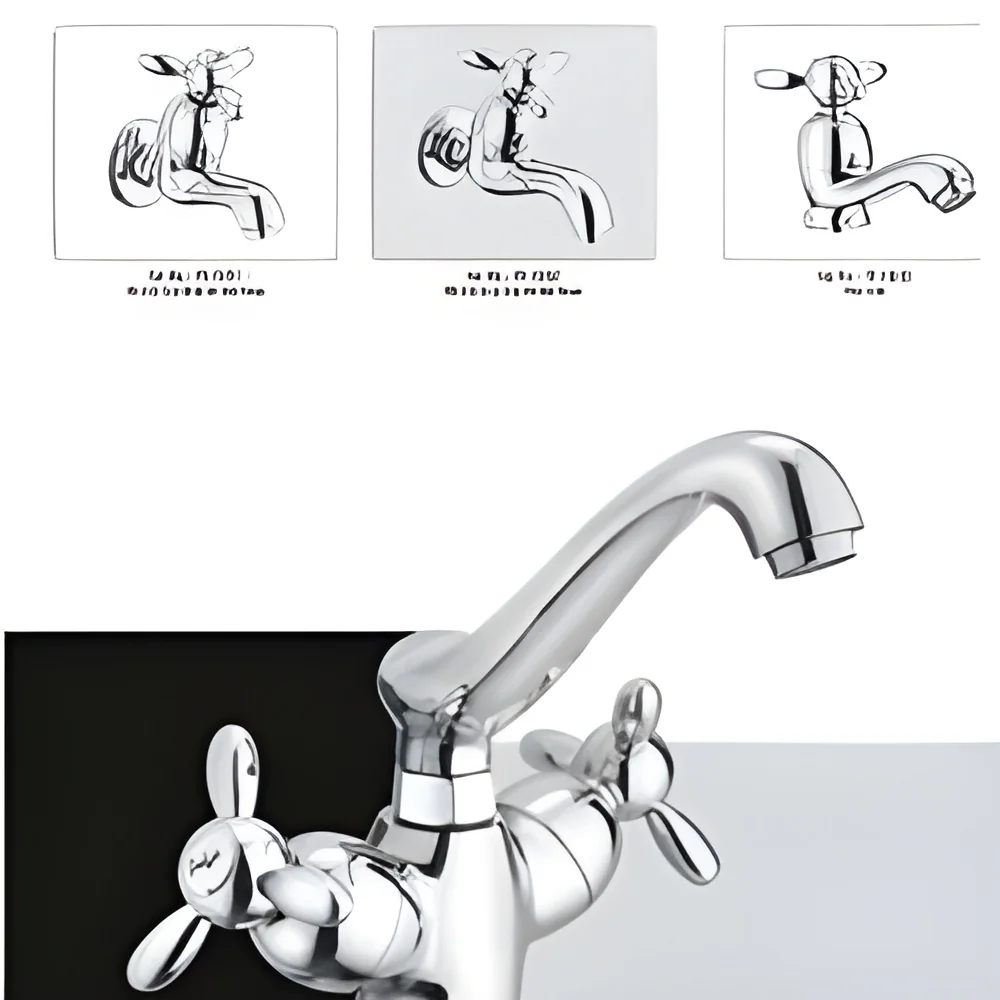
What are OEM Equipment Manufacturers?
OEM Equipment Manufacturers, or Original Equipment Manufacturers, are companies that design and produce equipment that is used in the manufacturing of products by other businesses. These manufacturers often work closely with their clients to create customized solutions tailored to specific needs. The equipment produced can range from machinery and components to complete systems that integrate into larger manufacturing processes.
These manufacturers serve a variety of industries, including automotive, aerospace, electronics, and consumer goods. Their products are vital in ensuring that production lines operate efficiently and effectively. By providing high-quality equipment, OEMs help businesses enhance productivity and maintain competitive advantages in their respective markets.
The relevance of OEM Equipment Manufacturers in the industry cannot be overstated. As global supply chains become increasingly complex, the demand for specialized and reliable equipment continues to grow. Companies are looking for OEMs that can deliver innovative solutions that align with evolving technological trends and regulatory standards. This makes OEMs crucial players in the industrial landscape, driving progress and efficiency across various sectors.
Key Features and Specifications
When evaluating OEM Equipment Manufacturers, several key features and specifications are crucial for ensuring the right fit for business needs. These specifications help buyers understand the capabilities and performance levels of the equipment.
Key specifications include:
1. Customization Options
- Ability to tailor equipment to specific requirements
- Variability in design and functionality
2. Quality Standards
- Adherence to industry standards such as CE certification
- Assurance of reliability and safety in operations
3. Performance Metrics
- Efficiency ratings and productivity benchmarks
- Maximum operational capacity and throughput
4. Material Composition
- Use of durable materials for longevity
- Options for corrosion-resistant finishes
5. Operating Conditions
- Potential temperature and humidity ranges
- Environment suitability for various industries
6. Maintenance Requirements
- Frequency and ease of maintenance operations
- Availability of replacement parts and support
7. Energy Efficiency
- Levels of energy consumption during operation
- Compliance with energy-saving regulations
8. Safety Features
- Inclusion of emergency stop mechanisms
- Safety guards and protective measures
In summary, understanding these specifications is essential for businesses looking to invest in OEM equipment. They ensure that the selected equipment meets operational needs while complying with industry standards.
Common Applications and Use Cases
OEM Equipment Manufacturers are integral to numerous industries, providing specialized equipment for a variety of applications.
1. Automotive Industry: OEMs supply machinery for assembly lines, including robotic arms and conveyor systems, enhancing production speed and precision.
2. Aerospace Industry: Equipment manufacturers produce components essential for aircraft assembly and maintenance, ensuring compliance with rigorous safety standards.
3. Electronics Industry: OEMs design custom machinery for the assembly of circuit boards and other electronic components, facilitating rapid production cycles.
4. Food and Beverage Industry: Specialized equipment for processing, packaging, and quality control is provided, ensuring compliance with health and safety regulations.
5. Pharmaceutical Industry: OEMs supply equipment for drug manufacturing processes, requiring adherence to strict regulatory standards.
6. Renewable Energy Industry: Equipment for the production and installation of renewable energy systems, such as solar panels and wind turbines, is manufactured by OEMs.
7. Construction Industry: OEMs provide machinery for building and infrastructure projects, including cranes and excavators, that are vital for large-scale operations.
Product Variants and Subcategories
OEM Equipment Manufacturers offer a diverse range of products to cater to different industry needs.
Industrial Machinery
This variant includes heavy-duty equipment designed for manufacturing processes. Its features often include high durability, customizable configurations, and integration capabilities with existing systems.
Automation Solutions
These products focus on robotics and automated systems that enhance production efficiency. They typically feature advanced programming options and are designed to work seamlessly with existing factory equipment.
Benefits and Advantages
Working with OEM Equipment Manufacturers provides several advantages for businesses seeking to enhance their operations.
Key benefits include:
1. Custom Solutions: OEMs can tailor equipment to meet specific operational needs, improving overall efficiency and productivity.
2. High Quality: Equipment is built to meet rigorous industry standards, ensuring reliability and safety during operations.
3. Innovation: OEMs often invest in research and development, providing cutting-edge technology that helps businesses stay competitive.
4. Cost Efficiency: By optimizing production processes, OEM equipment can reduce operational costs and improve profit margins.
5. Technical Support: OEMs typically offer comprehensive support and maintenance services, ensuring equipment stays operational over time.
6. Compliance Assurance: Equipment is designed to meet regulatory requirements, minimizing risks associated with non-compliance.
Buying Guide for B2B Buyers
When sourcing OEM Equipment Manufacturers, several factors should be considered to ensure a successful partnership.
1. Quality Assessment: Evaluate the manufacturer's adherence to quality standards and certifications. This includes reviewing their track record for reliability and product lifespan.
2. Supplier Verification: Conduct thorough vetting of potential suppliers. This can involve checking references, reviewing past projects, and assessing their financial stability.
3. Pricing and MOQ: Understand the pricing structure and minimum order quantities that suppliers offer. This helps in budgeting and planning for future orders.
4. Delivery and Lead Times: Assess the manufacturer's ability to meet delivery deadlines. Timely delivery is crucial in maintaining production schedules.
5. Compliance Requirements: Ensure that the manufacturer meets all regulatory compliance requirements relevant to your industry. This protects your business from potential legal issues.
Compliance and Certifications
Compliance and certifications are vital components of the OEM Equipment Manufacturers sector. Manufacturers often adhere to relevant quality standards, such as ISO 9001, which ensures consistent quality management practices.
Certifications like CE mark signify that products meet European safety, health, and environmental protection standards. This is particularly important for companies operating in regions with strict regulatory frameworks.
Safety and testing requirements are also crucial, as they ensure that equipment operates safely under various conditions. Manufacturers must conduct rigorous testing to verify that their products meet these requirements.
Additionally, regional compliance considerations should be taken into account. Different areas may have specific regulations that equipment must comply with, making it essential for manufacturers to understand the markets they serve.
Why Source OEM Equipment Manufacturers from Pepagora?
Pepagora provides a trusted platform for sourcing OEM Equipment Manufacturers, offering several key advantages that benefit buyers.
Verified Supplier Network: Pepagora has a robust verification process in place to ensure that listed suppliers are credible and capable of delivering high-quality equipment. This reduces the risk of partnering with unreliable manufacturers.
Streamlined RFQ Process: The platform facilitates a smooth request for quotation process, allowing buyers to easily compare offers and select the best options that fit their needs.
Trade Assurance and Support: Pepagora offers trade assurance, providing protection for buyers throughout the purchasing process. This includes support for resolving any disputes that may arise.
Regional Coverage: Pepagora's reach extends across India, the GCC, and Southeast Asia, enabling buyers to connect with a diverse range of manufacturers that can cater to their specific requirements. This geographic diversity helps businesses find the right supplier for their operations.

 IN
IN