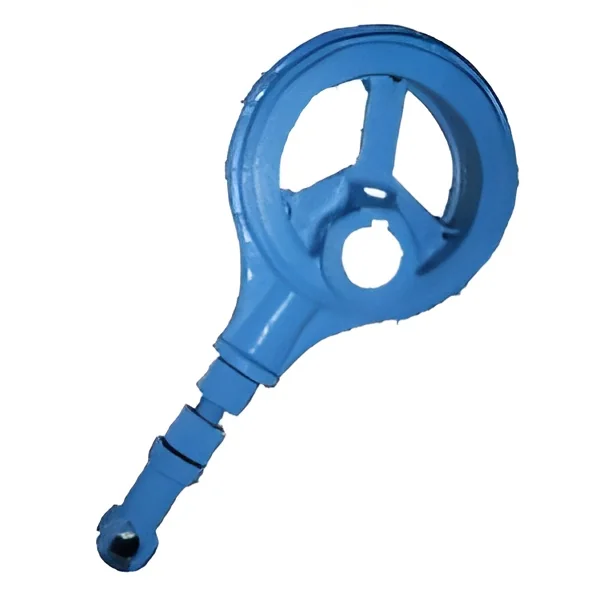
What are Nursery Seedling Machines?
Nursery Seedling Machines are specialized equipment designed for automating the process of seedling production. These machines facilitate the efficient sowing, germination, and growth of various plant species, significantly reducing manual labor and increasing productivity in nurseries and greenhouses. The machines are engineered to create optimal conditions for seedling development, ensuring uniformity and quality in plant growth.
The primary uses of Nursery Seedling Machines include large-scale production of seedlings for horticulture, agriculture, and forestry. Businesses such as nurseries, agricultural farms, and landscaping companies utilize these machines to produce high-quality seedlings in a controlled environment. By maximizing space and resources, these machines enable faster turnaround times and improved yield, making them essential tools in modern agricultural practices.
In terms of industry relevance, the nursery and greenhouse market is experiencing steady growth due to increasing demands for sustainable agriculture and plant products. As commercial agriculture expands, the need for efficient seedling production methods becomes critical. Nursery Seedling Machines play a crucial role in meeting these demands, making them an integral part of the agricultural supply chain.
Key Features and Specifications
Nursery Seedling Machines come equipped with various features designed to enhance efficiency and productivity. Understanding these specifications is essential for businesses looking to invest in such equipment.
Key specifications include:
1. Sowing Capacity
- The number of seedlings the machine can produce in a given time frame.
- Typically ranges from hundreds to thousands of seedlings per hour.
2. Automation Level
- The degree of automation in the sowing and care processes.
- Options range from semi-automatic to fully automatic systems.
3. Seedling Tray Compatibility
- The types of trays the machine can accommodate.
- Compatible with standard nursery trays and custom sizes as needed.
4. Temperature Control
- Mechanisms to regulate temperature for optimal seedling growth.
- Systems may include heating mats or climate control features.
5. Watering System
- Integrated systems for automatic watering of seedlings.
- Can include drip irrigation or misting systems.
6. Humidity Control
- Features to maintain proper humidity levels in the growing environment.
- Often includes humidity sensors and adjuster mechanisms.
7. Monitoring Features
- Technology for tracking growth conditions and seedling health.
- May involve digital displays and sensors for real-time data.
8. Energy Efficiency
- Design aspects that reduce energy consumption during operation.
- Machines are often built to minimize power use while maximizing output.
In summary, these key features and specifications play a significant role in enhancing the effectiveness of Nursery Seedling Machines, making them valuable investments for agricultural businesses.
Common Applications and Use Cases
Nursery Seedling Machines serve a variety of industries, providing tailored solutions for specific applications.
1. Horticulture: These machines are extensively used in horticulture for producing ornamental plants and flowers. They ensure uniform growth and high germination rates, critical for retail nurseries.
2. Agriculture: In the agricultural sector, these machines support the mass production of vegetable seedlings, enabling farmers to meet market demand efficiently while maintaining quality.
3. Forestry: Forestry operations utilize Nursery Seedling Machines for growing tree seedlings, essential for reforestation and timber production, ensuring that seedlings are cultivated under optimal conditions.
4. Landscaping: Landscape companies employ these machines to produce a diverse range of plants, allowing for quick and efficient installation of green spaces.
5. Research Institutions: Research facilities use these machines for experimental plant breeding, allowing scientists to produce large quantities of specific plant varieties for study.
6. Urban Gardening: With the rise of urban gardening, these machines are also becoming popular in urban agriculture projects, enabling city dwellers to grow plants in limited spaces.
Product Variants and Subcategories
Nursery Seedling Machines come in various configurations to meet diverse production needs.
Automatic Seedling Machine: This variant offers fully automated processes for sowing, watering, and monitoring. It is ideal for large-scale operations that require high efficiency and minimal labor input.
Semi-Automatic Seedling Machine: This machine requires some manual intervention, making it a cost-effective option for smaller operations. It balances automation with hands-on management, suitable for various nursery sizes.
Compact Seedling Machine: Designed for small nurseries or urban gardening, this variant occupies less space while still providing efficient seedling production capabilities.
Modular Seedling Machine: This flexible system allows businesses to expand their production capacity by adding modules as needed, making it a scalable solution for growing nurseries.
Benefits and Advantages
Investing in Nursery Seedling Machines offers several key benefits for businesses.
1. Increased Efficiency: These machines significantly reduce the time and labor involved in seedling production, allowing for faster growth cycles and higher output.
2. Consistent Quality: Automation ensures uniformity in seedling growth, leading to better quality plants and reducing the variability associated with manual processes.
3. Cost Savings: By minimizing manual labor and optimizing resource use, these machines help businesses lower operational costs over time.
4. Improved Sustainability: With features like water and energy efficiency, Nursery Seedling Machines contribute to more sustainable agricultural practices.
5. Enhanced Scalability: Businesses can easily scale operations by investing in additional machines or modules, adapting to changing market demands.
6. Better Monitoring: Advanced monitoring features allow growers to track seedling health and growth conditions, facilitating timely interventions when necessary.
Buying Guide for B2B Buyers
When sourcing Nursery Seedling Machines, several factors must be considered to make an informed decision.
1. Quality Assessment: Buyers should evaluate the build quality and materials used in the machines. Look for certifications and reviews to ensure reliability and performance.
2. Supplier Verification: It is crucial to vet suppliers by checking their credentials, industry experience, and customer feedback to ensure they are reputable and trustworthy.
3. Pricing and MOQ: Understand the pricing structure and minimum order quantities (MOQ) associated with the machines. This will help in budgeting and ensuring alignment with production needs.
4. Delivery and Lead Times: Consider the logistics involved in machine delivery. Inquire about lead times and shipping options to minimize downtime in operations.
5. Compliance Requirements: Ensure that the machines meet relevant industry standards and regulatory requirements, such as safety certifications, to avoid legal issues.
Compliance and Certifications
Nursery Seedling Machines are subject to various quality standards and certifications that ensure their reliability and safety in operation.
ISO 9001 is a widely recognized standard that indicates a commitment to quality management practices. Manufacturers of nursery seedling machines often seek this certification to demonstrate their adherence to quality assurance processes.
The CE mark signifies that the machines comply with European health, safety, and environmental protection standards. This certification is especially important for companies looking to operate within the European market.
Safety and testing requirements may vary based on regional regulations. It is essential for manufacturers to conduct thorough testing of their machines to ensure they meet the necessary safety standards.
Regional compliance considerations include understanding local regulations regarding manufacturing and environmental impact, ensuring that machines are suitable for the intended market.
Why Source Nursery Seedling Machines from Pepagora?
Pepagora provides a trusted platform for sourcing Nursery Seedling Machines, offering numerous advantages for businesses.
Verified Supplier Network: Pepagora's extensive network of verified suppliers ensures that buyers have access to high-quality machines from reputable manufacturers. This verification process helps to build trust and reliability.
Streamlined RFQ Process: The request for quotation (RFQ) system simplifies the sourcing process. Buyers can quickly obtain quotes from multiple suppliers, allowing for informed decision-making based on pricing and features.
Trade Assurance and Support: Pepagora offers trade assurance, protecting buyers from potential risks associated with transactions. This support fosters confidence in the purchasing process.
Regional Coverage: With a strong presence in India, the GCC, and Southeast Asia, Pepagora facilitates access to a wide range of suppliers and machines, catering to diverse market needs. This geographic reach allows businesses to find the right solutions tailored to their specific requirements.

 IN
IN