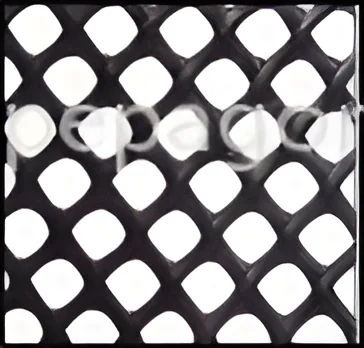
What are Insect Nets & Shade Nets?
Insect nets and shade nets are specialized fabrics designed for agricultural and horticultural applications. Insect nets are finely woven materials that provide a barrier against pests while allowing air and light to penetrate. Shade nets, on the other hand, are used to reduce sunlight exposure, providing protection to plants from harsh UV rays while maintaining essential environmental conditions.
These nets have diverse applications across various sectors. Farmers use insect nets to protect crops from pests, reducing the need for chemical pesticides and promoting organic farming practices. Shade nets are commonly employed in nurseries and greenhouses to create optimal growth conditions. Both types of nets are essential for improving yield quality and protecting investments in agricultural production.
The relevance of insect and shade nets in today’s market cannot be overstated. With the increasing emphasis on sustainable farming and organic practices, these products play a crucial role in enhancing crop protection and yield. As agricultural demands evolve, the market for these nets continues to grow, driven by the need for environmentally friendly solutions in pest management and crop cultivation.
Key Features and Specifications
Insect nets and shade nets come with specific features that cater to various agricultural needs. These features are essential to ensure their effectiveness in protecting crops and optimizing growth conditions.
Key specifications include:
1. Material Composition
- Typically made from UV-stabilized polyethylene or polypropylene.
- Provides durability and resistance to weather conditions.
2. Mesh Size
- Varies to block different types of insects.
- Common sizes range from 0.5 mm to 2 mm.
3. Shade Factor
- Determines the percentage of sunlight blocked.
- Commonly available in 30%, 50%, and 70% shade factors.
4. Dimensions
- Available in various sizes and lengths to fit different applications.
- Custom sizes can also be requested based on specific needs.
5. Color Options
- Often comes in black, green, or white.
- Color impacts light absorption and temperature control.
6. UV Resistance
- Designed to withstand prolonged exposure to sunlight.
- Ensures longevity and effectiveness in the field.
7. Breathability
- Allows for air circulation while blocking pests.
- Essential for maintaining a healthy growing environment.
8. Water Permeability
- Some models allow rainwater to pass through.
- Important for maintaining soil moisture levels.
In summary, the specifications of insect nets and shade nets are designed to meet the varied requirements of agricultural practices, ensuring both crop protection and optimal growing conditions.
Common Applications and Use Cases
Insect nets and shade nets serve a variety of industries, providing protective solutions and enhancing agricultural productivity.
1. Agriculture: Farmers utilize insect nets to protect vegetables and fruits from harmful pests, thereby increasing crop yields while minimizing pesticide use.
2. Horticulture: Nurseries employ shade nets to manage light exposure for young plants, ensuring optimal growth conditions and reducing transplant shock.
3. Greenhouse Operations: Shade nets are commonly used in greenhouse settings to control temperature and light, promoting healthy plant development throughout the year.
4. Landscaping: Commercial landscapers use these nets to protect ornamental plants and flowers from insect damage and excessive sunlight.
5. Aquaculture: Insect nets are applied in fish farming to prevent insects from contaminating water and harming aquatic life.
6. Public Spaces: Parks and recreational areas may employ shade nets to create shaded zones for visitors, enhancing comfort during sunny days.
7. Sports Facilities: Shade nets are used in outdoor sports venues to provide shade for players and spectators, improving the overall experience.
Product Variants and Subcategories
Insect nets and shade nets come in various forms to cater to specific agricultural needs. The diversity of these products allows users to select the best option for their unique requirements.
Insect Netting
This variant is specifically designed to block a wide range of pests while allowing essential air and light to reach the plants. It is typically lightweight and easy to install, making it ideal for use in vegetable gardens and crop fields.
Shade Cloth
Shade cloth is tailored to reduce sunlight exposure, protecting plants from heat stress and UV damage. This variant is available in different shade percentages, allowing growers to choose the right level of shading based on their crops' requirements.
Benefits and Advantages
Insect nets and shade nets offer numerous advantages that contribute to improved agricultural practices.
1. Pest Control: Insect nets effectively prevent pests from reaching crops, reducing the need for chemical pesticides and promoting organic farming.
2. Light Regulation: Shade nets help control light intensity, protecting sensitive plants from excessive sunlight and heat.
3. Increased Yield: By providing protective barriers, these nets can enhance crop yields and improve the quality of produce.
4. Environmental Sustainability: Using these nets supports sustainable agricultural practices, reducing chemical use and promoting eco-friendly farming.
5. Cost-Effectiveness: Investing in insect and shade nets can lower overall production costs by minimizing crop loss and improving growth conditions.
6. Versatility: Both types of nets are suitable for various applications, making them valuable tools for farmers, horticulturists, and landscapers.
Buying Guide for B2B Buyers
When sourcing insect nets and shade nets, B2B buyers should consider several critical factors to ensure they select the right products for their needs.
1. Quality Assessment: Evaluate the material quality and durability of the nets. Look for UV resistance and weatherproof features to ensure long-term performance.
2. Supplier Verification: Vet suppliers by checking their credibility, customer reviews, and industry experience. This can help ensure reliability and product quality.
3. Pricing and MOQ: Analyze pricing structures and minimum order quantities. Compare multiple suppliers to find competitive rates while ensuring product quality.
4. Delivery and Lead Times: Confirm the expected delivery times and logistics capabilities of the supplier. Timely delivery is crucial in agricultural settings.
5. Compliance Requirements: Ensure that the products meet relevant industry standards and certifications, which may vary by region and application.
Compliance and Certifications
Compliance and certifications are essential for ensuring that insect nets and shade nets meet industry standards and safety requirements.
Relevant quality standards, such as ISO 9001, ensure that manufacturers maintain high-quality production processes. Additionally, certifications like CE indicate that the products comply with European safety and health requirements.
Testing for safety and durability is crucial, especially in agricultural applications where nets are exposed to various environmental conditions. Buyers should verify that products meet these standards to ensure reliability and effectiveness.
Regional compliance considerations may vary, so it is important to understand local regulations and requirements when sourcing these products for specific markets.
Why Source Insect Nets & Shade Nets from Pepagora?
Pepagora provides a trusted platform for sourcing insect nets and shade nets, offering several key advantages to B2B buyers.
Verified Supplier Network: Pepagora connects buyers with reliable suppliers who have undergone a thorough verification process, ensuring quality and trustworthiness in the sourcing process.
Streamlined RFQ Process: The platform features an efficient request for quotation system, allowing buyers to easily compare prices and terms from multiple suppliers, simplifying decision-making.
Trade Assurance and Support: Pepagora offers trade assurance programs to protect buyers, providing additional peace of mind in transactions and ensuring that purchases meet quality expectations.
Regional Coverage: With a strong presence in India, the GCC, and Southeast Asia, Pepagora facilitates access to a wide range of suppliers and products, making it easier for buyers to find the right nets for their specific agricultural needs.

 IN
IN