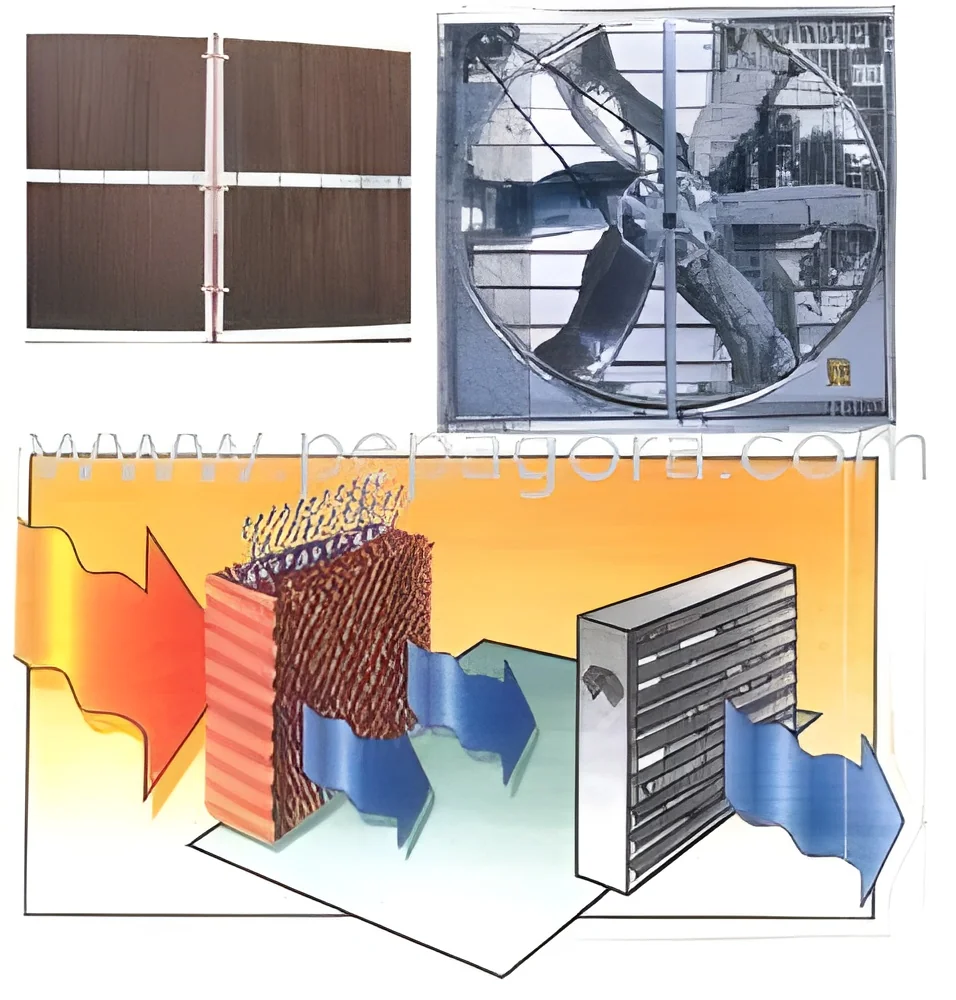
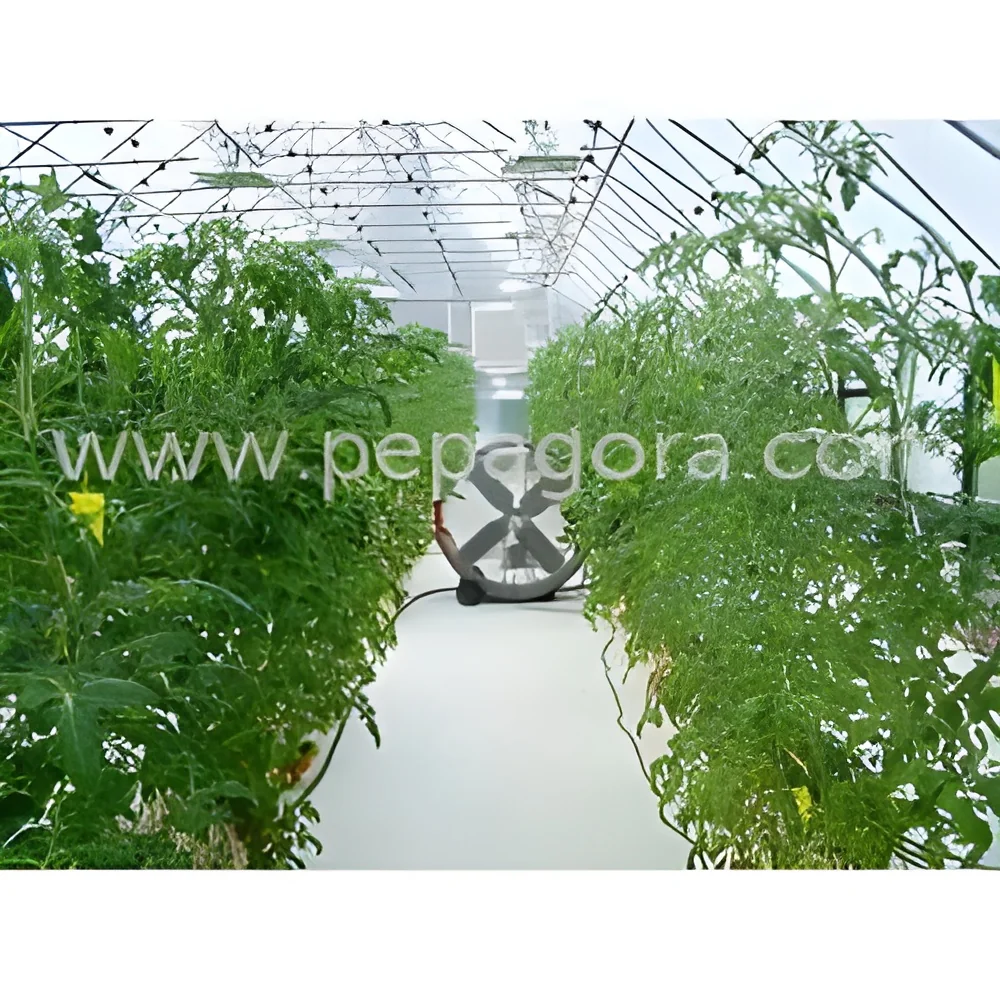
What are Ventilation Systems for Greenhouses?
Ventilation systems for greenhouses are essential components designed to regulate air movement, temperature, and humidity within the greenhouse environment. These systems ensure that plants receive adequate airflow, which is crucial for their growth and health. By controlling the internal climate, ventilation systems help mitigate excess heat and humidity that can lead to plant stress and disease.
The primary uses of these systems include promoting optimal growing conditions for various plants, enhancing photosynthesis, and improving overall plant quality. Businesses in horticulture, agriculture, and landscaping utilize ventilation systems to create controlled environments conducive to growth. With increasing demand for sustainable agricultural practices, these systems have become invaluable in maintaining productivity and quality in greenhouse operations.
As the global market for greenhouse farming continues to expand, the relevance of effective ventilation systems has grown. With an emphasis on environmentally friendly practices, these systems play a critical role in energy conservation and efficient resource management. In an industry striving for innovation, effective ventilation solutions are increasingly recognized as foundational elements for modern greenhouse operations.
Key Features and Specifications
Ventilation systems for greenhouses come equipped with several features and specifications that enhance their effectiveness. Understanding these specifications is crucial for selecting the right system for specific needs.
Key specifications include:
1. Airflow Rate
- Measured in cubic feet per minute (CFM) or liters per second (L/s).
- Determines the volume of air exchanged within the greenhouse.
2. Fan Type
- Options include exhaust fans, intake fans, and circulation fans.
- Each type serves unique functions in air movement and temperature control.
3. Control System
- Manual or automated controls for managing air exchange.
- Advanced systems may include sensors for temperature and humidity.
4. Noise Level
- Measured in decibels (dB).
- Important for maintaining a quiet environment in agricultural settings.
5. Energy Efficiency
- Systems designed with energy-saving features, such as variable speed drives.
- Lower operational costs contribute to long-term savings.
6. Durability
- Materials used in construction can include galvanized steel, plastic, or aluminum.
- Ensures longevity and resistance to environmental factors.
7. Maintenance Requirements
- Frequency and ease of maintenance tasks can vary by system.
- Regular maintenance is essential for optimal performance.
8. Installation Flexibility
- Systems designed for easy installation in various greenhouse layouts.
- Compatibility with different greenhouse structures enhances usability.
Overall, understanding these key features helps businesses select the most suitable ventilation systems for their greenhouse operations.
Common Applications and Use Cases
Ventilation systems for greenhouses serve a broad range of industries, each with specific applications that highlight the versatility of these systems.
1. Horticulture: In the horticulture industry, ventilation systems are used to manage temperature and humidity levels for flowers and ornamental plants, ensuring optimal growing conditions.
2. Vegetable Farming: Greenhouses for vegetable farming rely on efficient ventilation to prevent heat stress and encourage healthy crop yields, particularly during warm weather.
3. Cannabis Cultivation: In cannabis production, precise climate control is crucial. Ventilation systems help maintain ideal conditions for growth, enhancing both yield and quality.
4. Research Institutions: Academic and research facilities use greenhouses equipped with ventilation systems to conduct experiments on plant growth under controlled conditions.
5. Nursery Operations: Nurseries benefit from ventilation systems to regulate the environment for young plants, supporting healthy development and reducing disease risk.
6. Hydroponics: In hydroponic setups, ventilation systems are vital for ensuring that nutrient solutions circulate effectively while providing adequate air exchange.
7. Floriculture: Flower growers utilize ventilation systems to extend the blooming period and maintain the quality of flowers for market readiness.
Product Variants and Subcategories
Ventilation systems for greenhouses come in various configurations tailored to suit different operational needs.
Exhaust Fan Systems
These systems are designed to expel hot air from the greenhouse, creating a negative pressure that draws in cooler air. They are essential for temperature control during hot weather.
Intake Fan Systems
Intake fans work in conjunction with exhaust fans to draw in fresh air, ensuring that the greenhouse remains well-ventilated and conducive to plant growth.
Circulation Fan Systems
These fans circulate air within the greenhouse, preventing hot spots and ensuring even temperature distribution. They are often used alongside exhaust and intake systems for optimal air management.
Benefits and Advantages
Ventilation systems for greenhouses offer numerous benefits that enhance operational efficiency and plant health.
1. Improved Plant Health: Proper ventilation reduces humidity and prevents disease, promoting stronger, healthier plants.
2. Enhanced Growth Rates: By maintaining optimal temperature and humidity levels, these systems can accelerate plant growth, leading to higher yields.
3. Energy Efficiency: Advanced ventilation systems can significantly reduce energy consumption, lowering operational costs over time.
4. Disease Prevention: Effective air circulation minimizes the risk of mold and mildew, protecting plants from common greenhouse diseases.
5. Customizable Solutions: Ventilation systems can be tailored to fit specific greenhouse designs and plant requirements, ensuring maximum effectiveness.
6. Increased Crop Quality: By providing ideal growing conditions, ventilation systems contribute to higher quality produce, improving marketability.
Buying Guide for B2B Buyers
When sourcing ventilation systems for greenhouses, buyers should consider several key factors to ensure they select the right system for their needs.
1. Quality Assessment: Evaluate the quality of materials and components used in the ventilation system. Look for durable construction that can withstand greenhouse environments and ensure longevity.
2. Supplier Verification: Vet suppliers for reliability and reputation in the industry. Check for customer reviews and certifications to confirm their credibility.
3. Pricing and MOQ: Understand the pricing structure and minimum order quantities (MOQ) offered by suppliers. This knowledge helps in budgeting and planning for procurement.
4. Delivery and Lead Times: Consider logistics for delivery and the expected lead times for receiving the systems. Timely delivery is crucial for maintaining operational schedules.
5. Compliance Requirements: Ensure that the systems meet any relevant regulatory or safety standards. This includes checking for certifications such as CE to confirm compliance with industry norms.
Compliance and Certifications
Ventilation systems for greenhouses must adhere to several compliance requirements and certifications to ensure quality and safety.
Relevant quality standards include ISO 9001, which focuses on maintaining effective quality management systems. Compliance with such standards demonstrates a commitment to delivering high-quality products.
In addition, certifications such as CE indicate that the products meet European safety and environmental requirements. This compliance is essential for ensuring that the systems are safe for use in agricultural settings.
Safety and testing requirements are also critical, as they ensure that the systems operate effectively without posing risks to users or the environment. Regional compliance considerations can vary, so it is important to understand local regulations that may impact the installation and operation of ventilation systems.
Why Source Ventilation Systems for Greenhouses from Pepagora?
Pepagora provides a trusted platform for sourcing ventilation systems for greenhouses, offering several key advantages to B2B buyers.
Verified Supplier Network: Pepagora ensures that all suppliers in its network are thoroughly vetted, providing buyers with confidence in the quality and reliability of the products offered.
Streamlined RFQ Process: The platform's request for quotation (RFQ) system simplifies the process of obtaining quotes from multiple suppliers, saving time and effort for buyers.
Trade Assurance and Support: Pepagora offers trade assurance programs that protect buyers, ensuring they receive the products as described and on time, enhancing buyer confidence in the procurement process.
Regional Coverage: With a strong presence in regions like India, the GCC, and Southeast Asia, Pepagora connects buyers with suppliers that meet their specific geographic and operational needs, facilitating efficient sourcing.

 IN
IN