
 IN
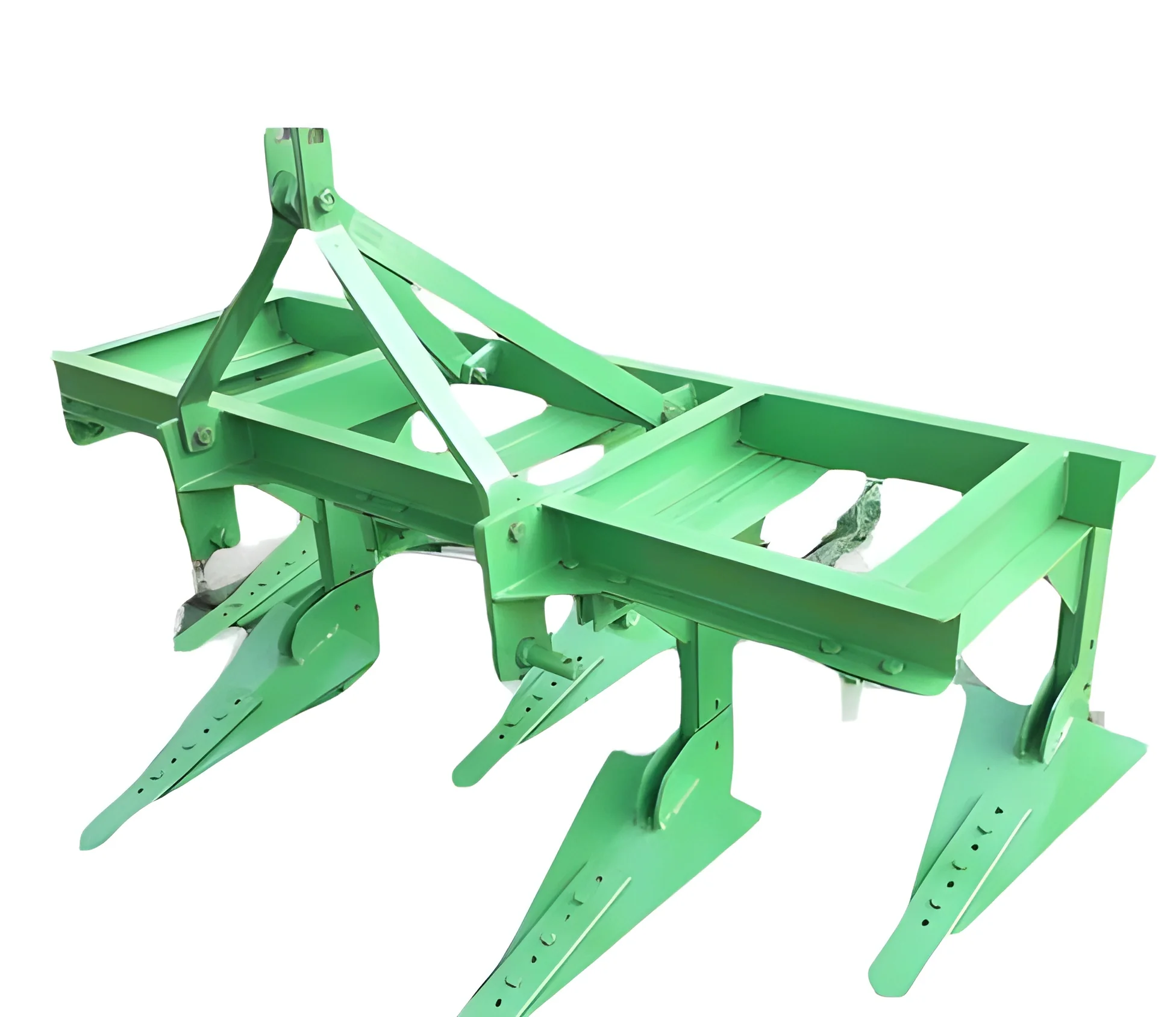
Ploughs (MB, Disc)
2 products available
Key Features and Specifications
Ploughs (MB, Disc) come with several key features that enhance their functionality and efficiency in agricultural practices. Understanding these specifications can help buyers make informed decisions.
Key specifications include:
1. Plough Type
- Options include MB and disc varieties, each suited for specific soil types and farming practices.
2. Blade Material
- Typically made from high-strength steel or alloy, ensuring durability and resistance to wear.
3. Working Width
- Ranges from 12 to 20 inches for MB ploughs and varies for disc ploughs based on design.
4. Number of Blades
- Can range from 1 to 5 blades for MB ploughs, while disc ploughs may have multiple discs in varying configurations.
5. Depth Adjustment
- Mechanisms that allow for adjustable working depth, enhancing soil penetration and aeration.
6. Weight
- Varies by model, providing stability and effective soil penetration.
7. Hitch Type
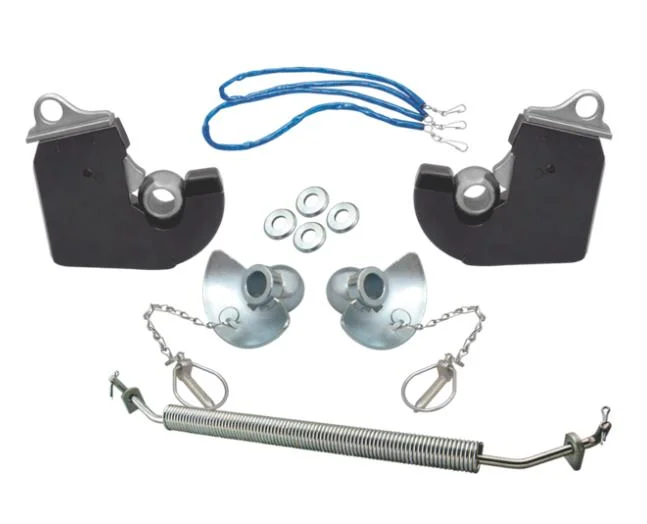
- Compatibility with different tractors, including standard and quick-hitch systems for ease of use.
8. Maintenance Requirements
- Generally low, though regular inspections are recommended to ensure optimal performance.
In summary, understanding these specifications will help buyers select the right ploughs for their agricultural needs.
Common Applications and Use Cases
Ploughs (MB, Disc) are utilized across various industries, each benefiting from their unique capabilities.
1. Agriculture: Ploughs are primarily used in crop farming for soil preparation before planting. They enable farmers to enhance soil structure and fertility.
2. Horticulture: In smaller-scale operations, ploughs help prepare soil for planting fruits and vegetables, ensuring optimal growing conditions.
3. Landscaping: Ploughs can assist in land development projects, providing initial soil turnover for new landscapes or gardens.
4. Erosion Control: They are used in conservation efforts to create furrows that can help manage water runoff and reduce soil erosion.
5. Research and Education: Agricultural research institutions employ ploughs for experimental plots to study soil management practices.
6. Organic Farming: Organic farmers use ploughs to incorporate cover crops and organic matter into the soil, fostering healthy ecosystems.
7. Reclamation Projects: Ploughs are essential in land reclamation efforts, helping to restore disturbed or degraded land for productive use.
Product Variants and Subcategories
Ploughs (MB, Disc) come in various models to cater to different agricultural needs.
MB Ploughs
These ploughs feature curved blades that effectively turn and aerate the soil. They are ideal for deep tillage and are commonly used in traditional farming practices.
Disc Ploughs
Featuring circular blades, disc ploughs are particularly effective in tougher soil conditions. They can slice through hardpan and compacted soils, making them suitable for a range of agricultural applications.
Benefits and Advantages
Investing in Ploughs (MB, Disc) offers several key benefits to agricultural businesses.
1. Improved Soil Structure: These ploughs effectively aerate and mix soil layers, enhancing overall soil quality.
2. Increased Crop Yields: Proper soil preparation leads to better seed-to-soil contact, promoting healthier and more productive crops.
3. Versatility: Ploughs can be used across different soil types and conditions, making them suitable for diverse agricultural practices.
4. Reduced Labor Costs: Modern ploughs are designed for efficiency, allowing farmers to cover more ground in less time.
5. Durability: High-quality materials and construction ensure that these ploughs have a long service life, reducing the need for frequent replacements.
6. Ease of Use: Many ploughs come with user-friendly designs that simplify operation and maintenance.
Buying Guide for B2B Buyers
When sourcing Ploughs (MB, Disc), buyers should consider several critical factors to ensure they make informed purchasing decisions.
1. Quality Assessment: Look for ploughs made from high-strength materials with a proven track record in durability and performance.
2. Supplier Verification: Vet suppliers through reviews, certifications, and their history in the industry to ensure reliability.
3. Pricing and MOQ: Compare prices across different suppliers and be aware of any minimum order quantity requirements that may apply.
4. Delivery and Lead Times: Discuss logistics and ensure that suppliers can meet your delivery schedules without delays.
5. Compliance Requirements: Ensure that the ploughs meet relevant industry standards and certifications, such as CE, for safety and performance.
Compliance and Certifications
Compliance with industry standards is crucial when purchasing Ploughs (MB, Disc). Relevant quality standards, such as ISO 9001, ensure that manufacturers adhere to strict quality management systems.
Additionally, many ploughs carry certifications like CE, indicating they meet essential health and safety requirements for use in the European market.
Safety and testing requirements are vital considerations, with manufacturers usually conducting rigorous testing to ensure reliable performance under various conditions. Furthermore, buyers should be aware of regional compliance considerations that may affect the importation and use of these agricultural implements.
Why Source Ploughs (MB, Disc) from Pepagora?
Pepagora provides a trusted platform for sourcing Ploughs (MB, Disc) with several key advantages.
Verified Supplier Network: Pepagora boasts a robust network of verified suppliers, ensuring that buyers can find quality products with confidence. Each supplier undergoes rigorous vetting to maintain high standards.
Streamlined RFQ Process: The platform allows for an efficient request for quotation process, enabling buyers to receive competitive pricing and options tailored to their specific needs.
Trade Assurance and Support: Pepagora offers trade assurance, providing buyers with protection during transactions and support throughout the purchasing process, ensuring a smooth experience.
Regional Coverage: With a strong presence in India, GCC, and Southeast Asia, Pepagora connects buyers to local suppliers, facilitating easier access to high-quality ploughs while reducing logistical challenges.

Frequently Asked Questions
What are Ploughs (MB, Disc)?
Ploughs (MB, Disc) are agricultural implements used for tilling the soil. The 'MB' stands for Moldboard Ploughs, which are designed to turn the soil over, while Disc Ploughs feature circular blades that cut through the ground. Both types are essential for preparing fields for planting.
What are the different types of Ploughs (MB, Disc)?
The main types of Ploughs (MB, Disc) include Moldboard Ploughs, Disc Ploughs, and Chisel Ploughs. Moldboard Ploughs are ideal for deep tillage, while Disc Ploughs are better suited for hard or rocky soils. Chisel Ploughs are used for minimal tillage, preserving soil structure.
How do I choose the right Ploughs (MB, Disc)?
Choosing the right Ploughs (MB, Disc) depends on soil type, field size, and specific agricultural needs. Consider the plough's design, depth of tillage, and ease of use. Consulting with local suppliers or agricultural experts can also provide valuable insights.
What are the standard specifications for Ploughs (MB, Disc)?
Standard specifications for Ploughs (MB, Disc) typically include the number of shares, working width, and depth of tillage. Moldboard Ploughs usually have 2-5 shares, while Disc Ploughs have varying disc diameters. Ensure to check the manufacturer's specifications for exact details.
What is the price range for Ploughs (MB, Disc)?
The price range for Ploughs (MB, Disc) can vary significantly based on type, size, and manufacturer. Generally, prices can start from around INR 20,000 and go up to INR 100,000 or more for advanced models. It's advisable to compare prices from multiple suppliers.
What quality standards apply to Ploughs (MB, Disc)?
Quality standards for Ploughs (MB, Disc) often include durability, performance, and safety regulations. Many manufacturers follow ISO certifications or local agricultural standards to ensure their products meet industry requirements. Checking for quality certifications can help ensure reliability.
Where can I find Ploughs (MB, Disc) suppliers in India?
You can find Ploughs (MB, Disc) suppliers in India through online B2B marketplaces like Pepagora.com, agricultural exhibitions, and trade shows. Additionally, local agricultural equipment dealers often stock various models. Conducting an online search can also yield several options.
Can Ploughs (MB, Disc) be customized?
Yes, many manufacturers offer customization options for Ploughs (MB, Disc) to meet specific needs. Customizations can include adjustments in size, design, and additional features. It is best to discuss your requirements with the supplier during the ordering process.
What is the typical minimum order quantity for Ploughs (MB, Disc)?
The typical minimum order quantity (MOQ) for Ploughs (MB, Disc) varies by supplier and product type. Generally, MOQs can range from 1 to 10 units, depending on the manufacturer's policies. It is advisable to check with the supplier for their specific requirements.
What is the typical lead time for Ploughs (MB, Disc)?
The typical lead time for Ploughs (MB, Disc) can range from a few days to several weeks, depending on the supplier and customization options. Standard models may have shorter lead times, while customized orders may take longer. Always confirm lead times with the supplier before placing an order.
Why Businesses Trust Pepagora
Thousands of companies trust Pepagora to source smarter and sell faster
Expand Your Sales Globally

Source Smarter,Grow Faster
